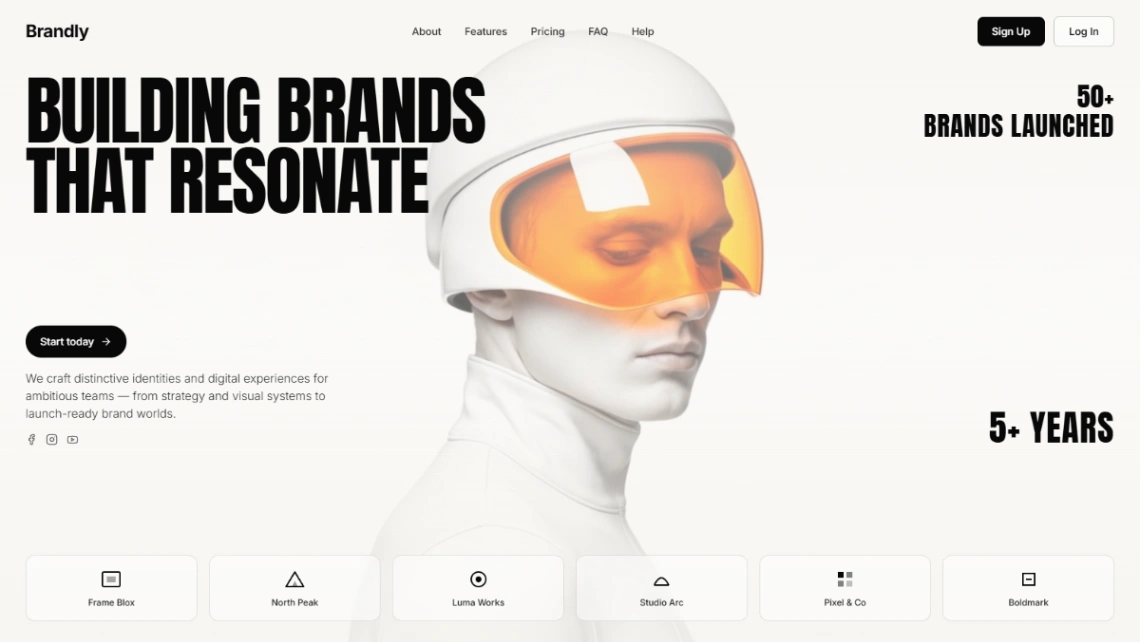
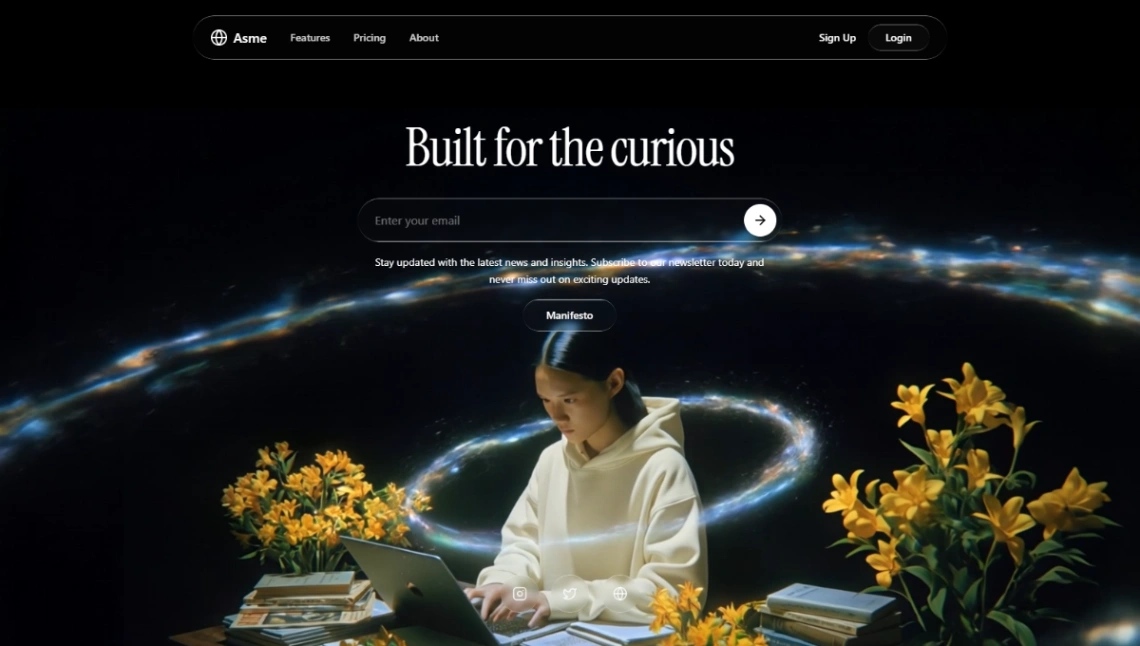
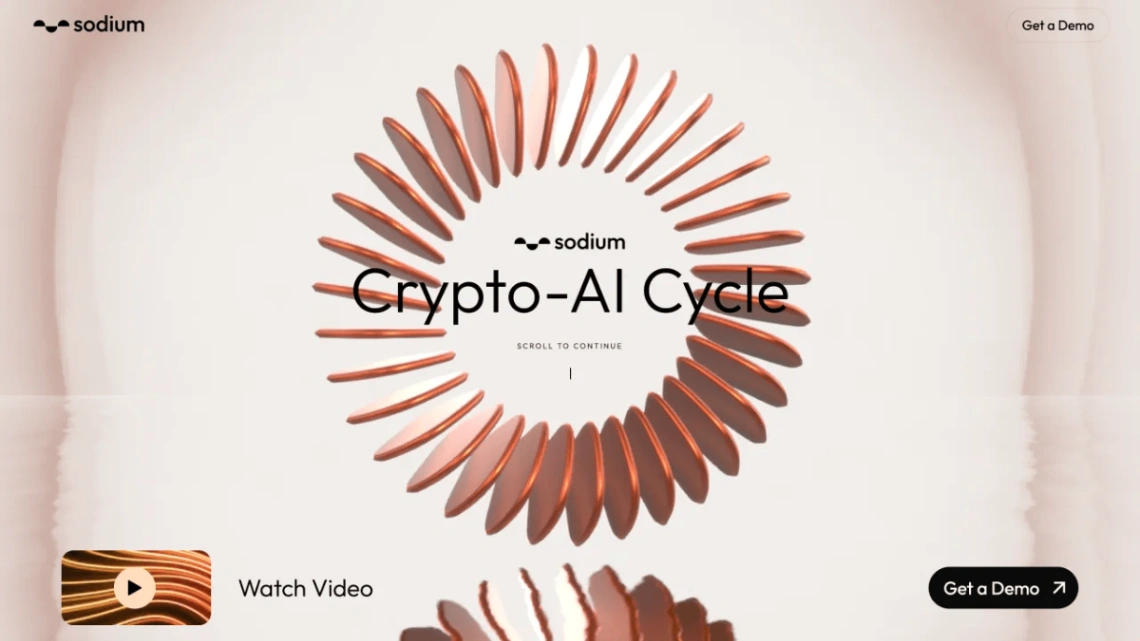
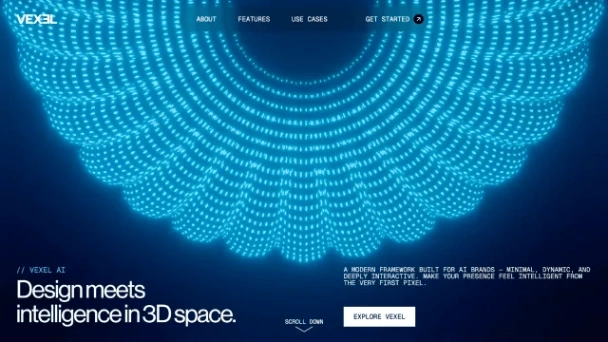

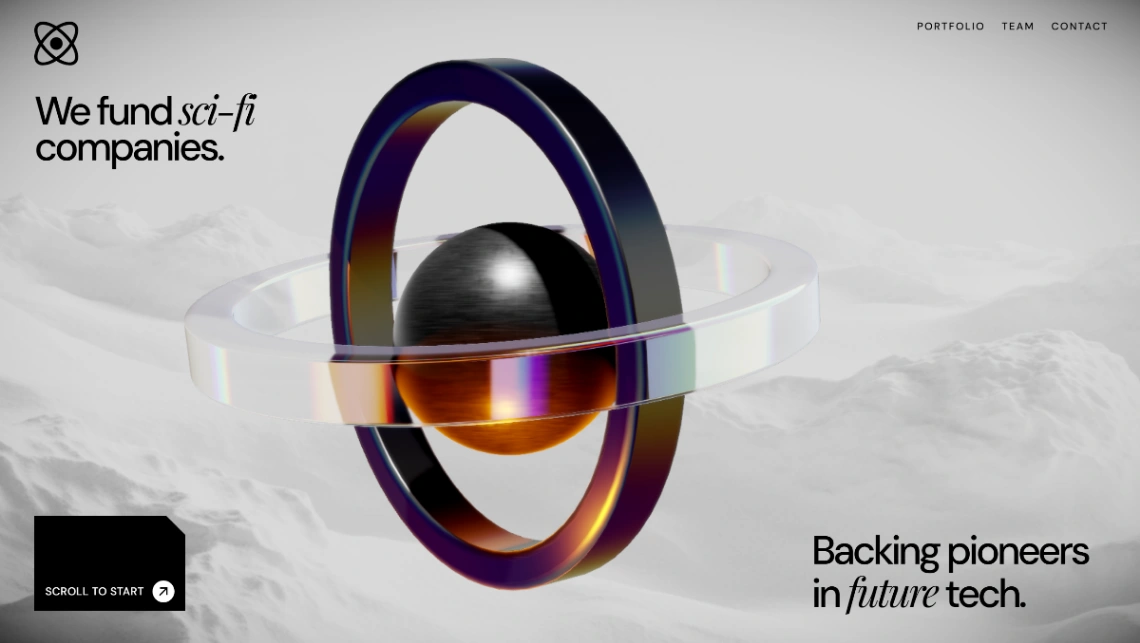



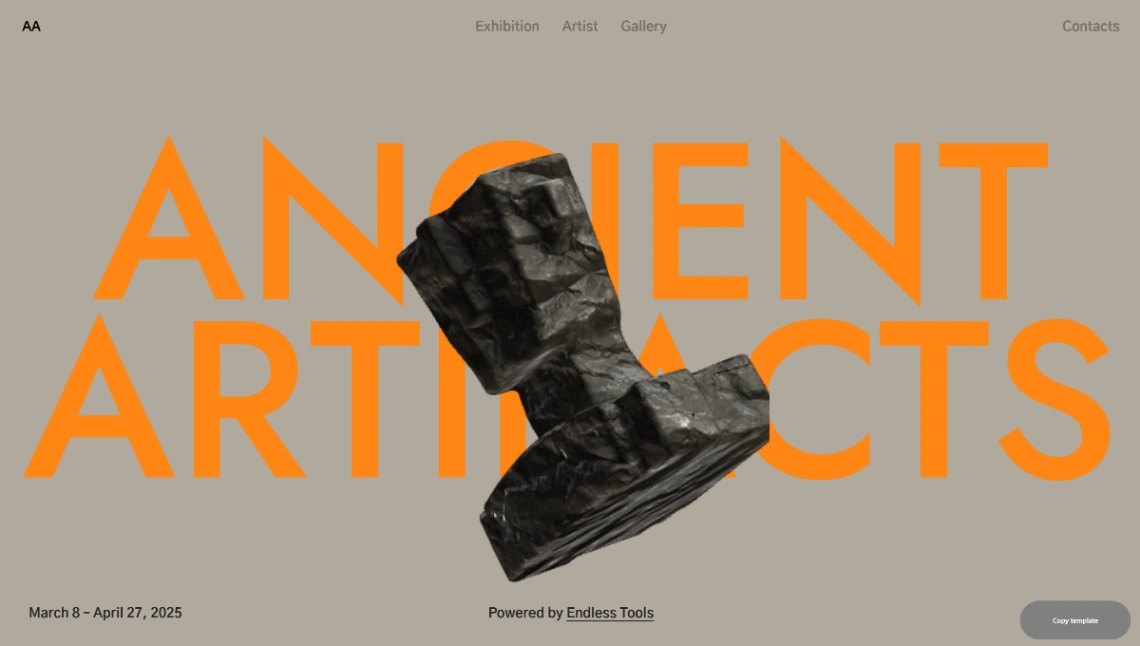
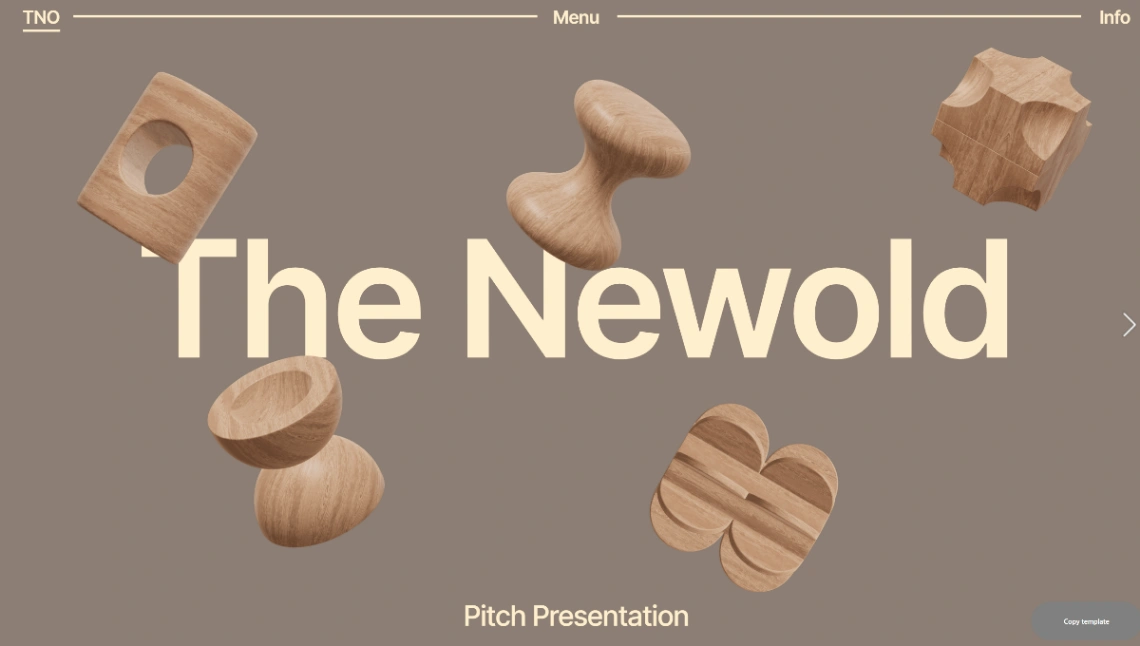
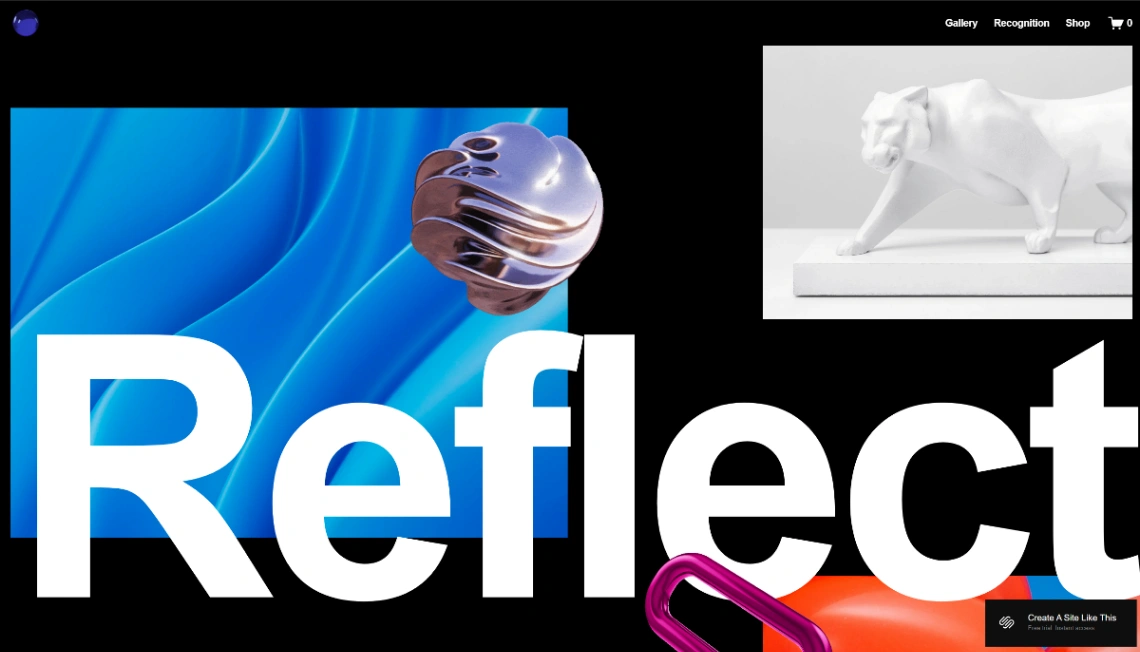
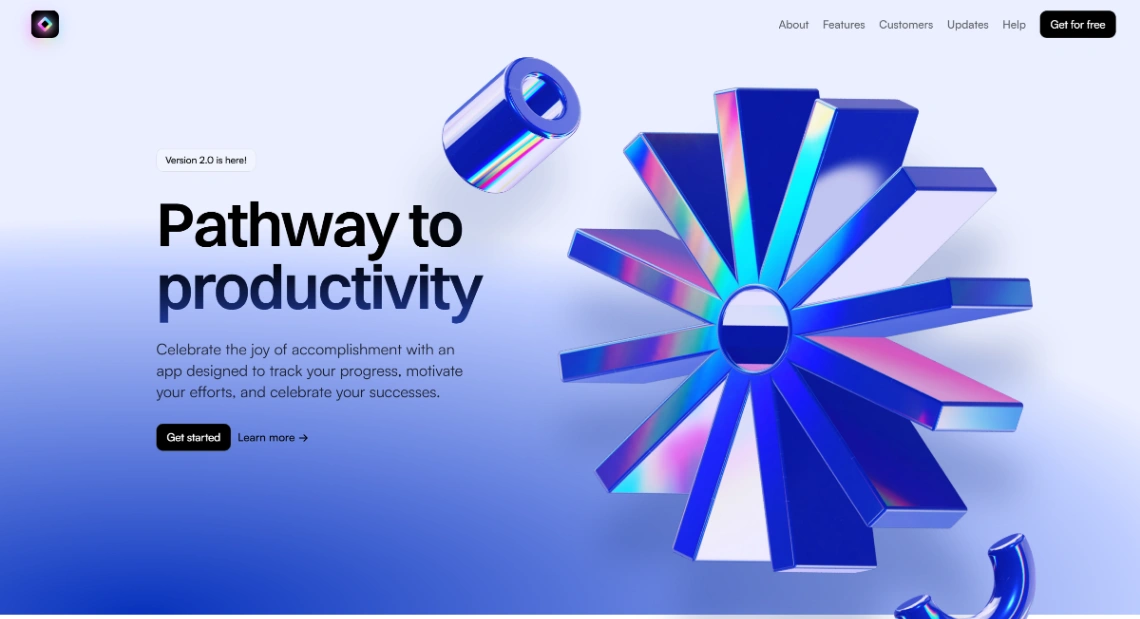
3D Templates

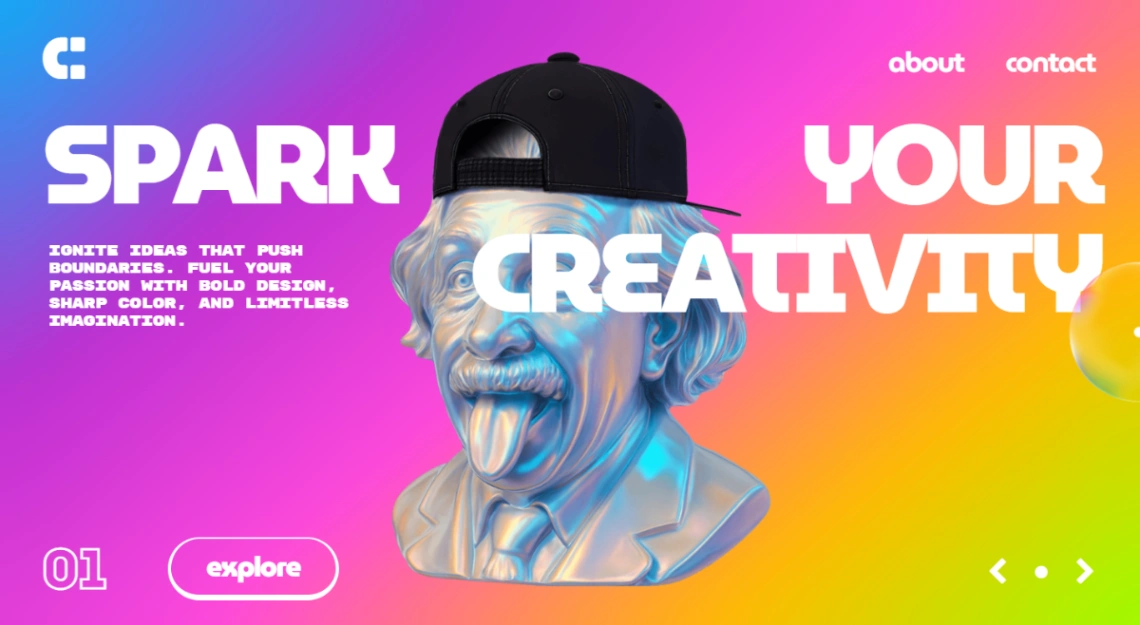
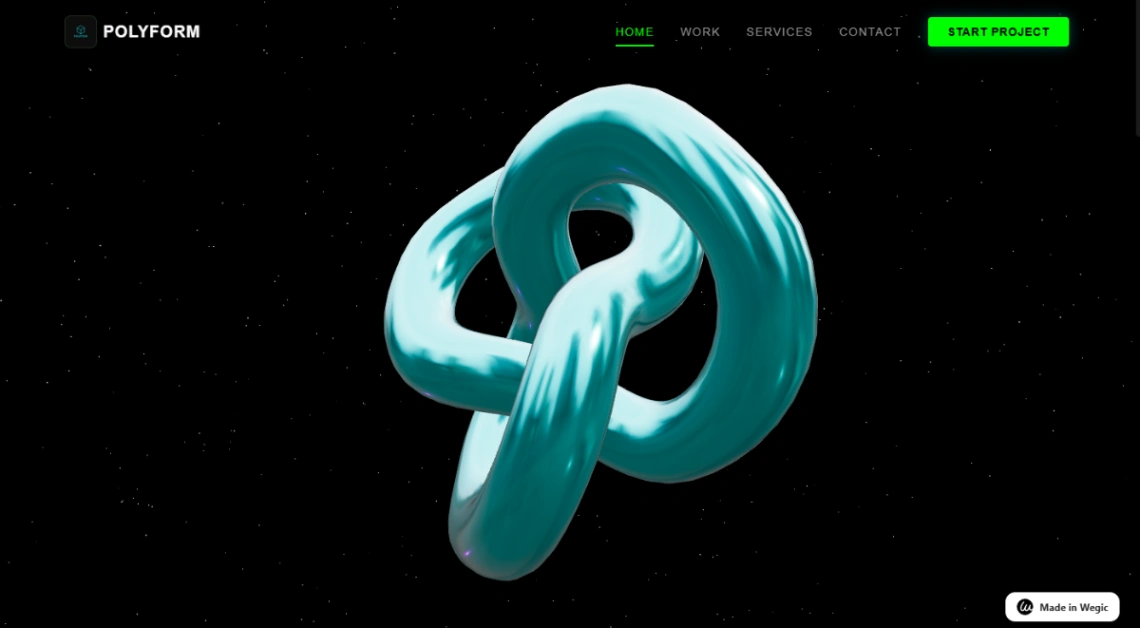
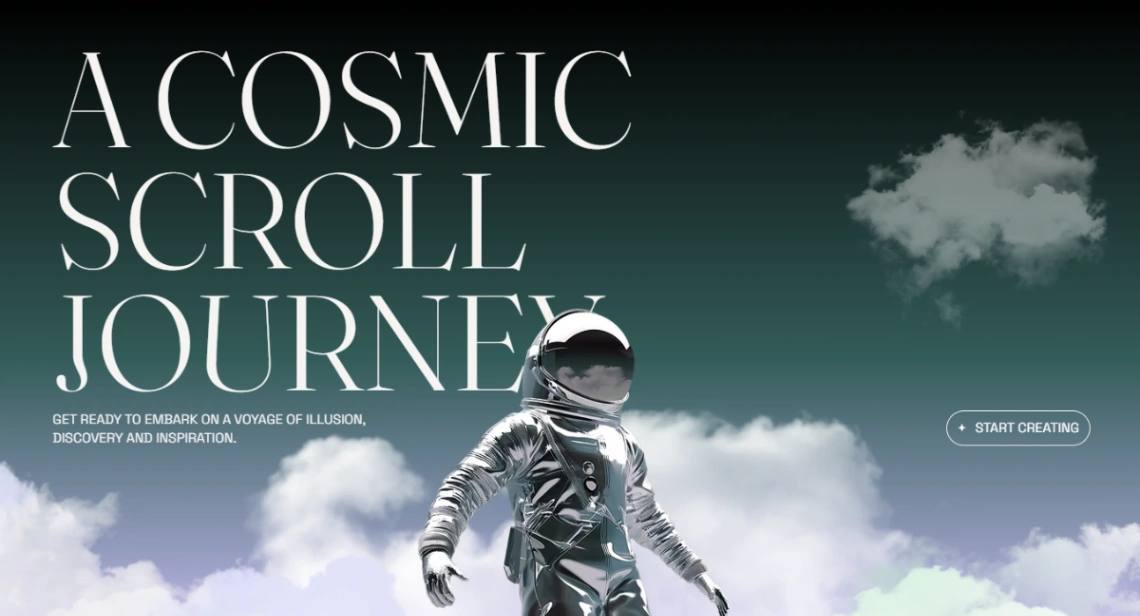
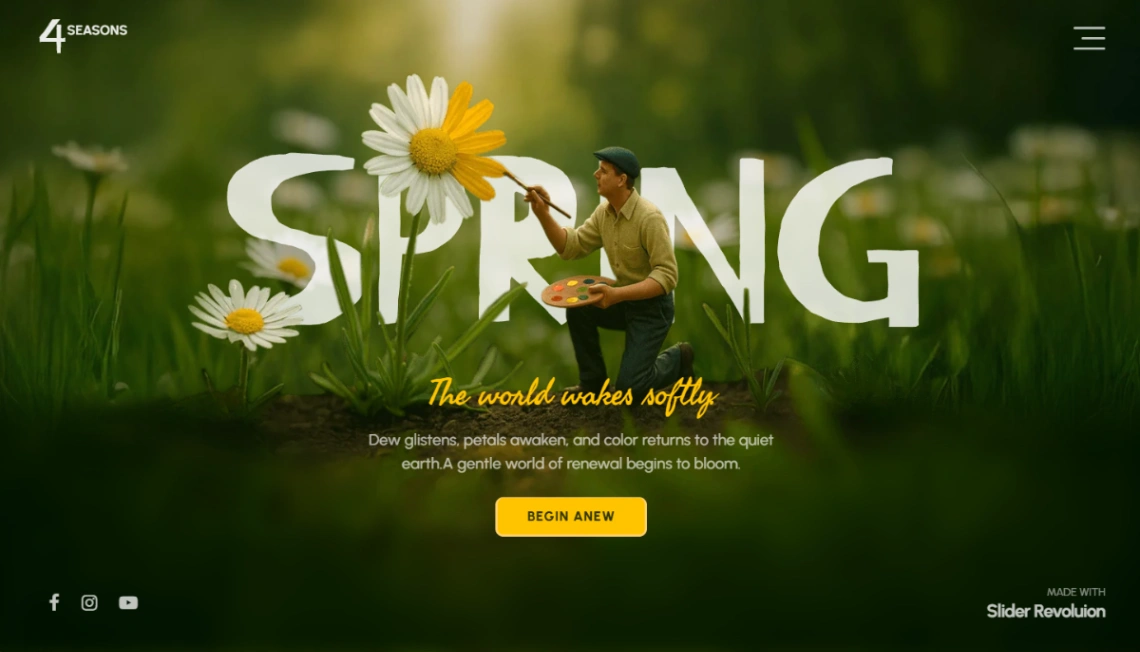
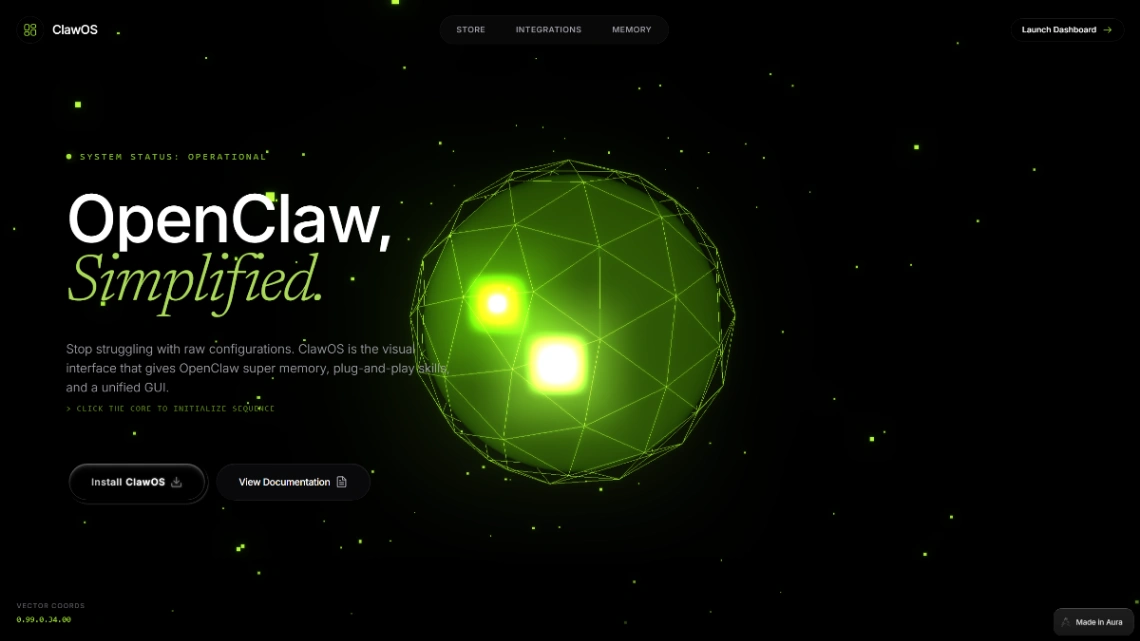
Create immersive 3D experiences with no-code templates. Perfect for product showcases, portfolios, and creative projects.

31free templates

3D website templates are the fastest way to look expensive — scroll-driven scenes and product spins that would take weeks in custom development. A handful of motion-focused builders supply most of these 31 designs. One warning from testing them: check each demo on a mid-range phone before falling for the desktop experience.

· Updated July 2026

Buyer's guide

How to choose a 3D template

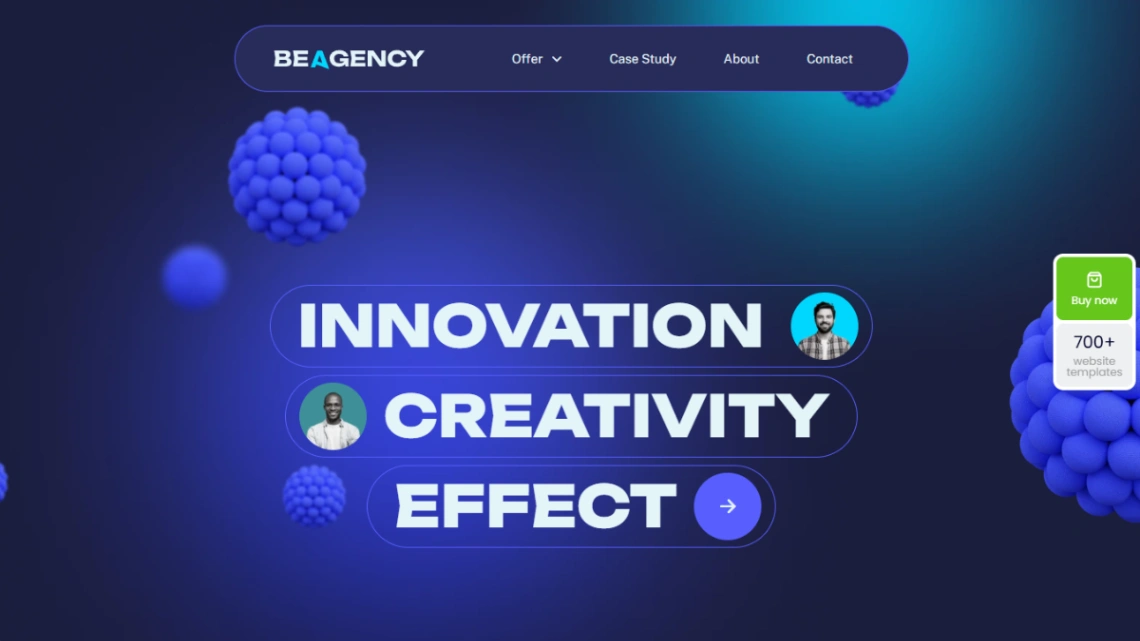
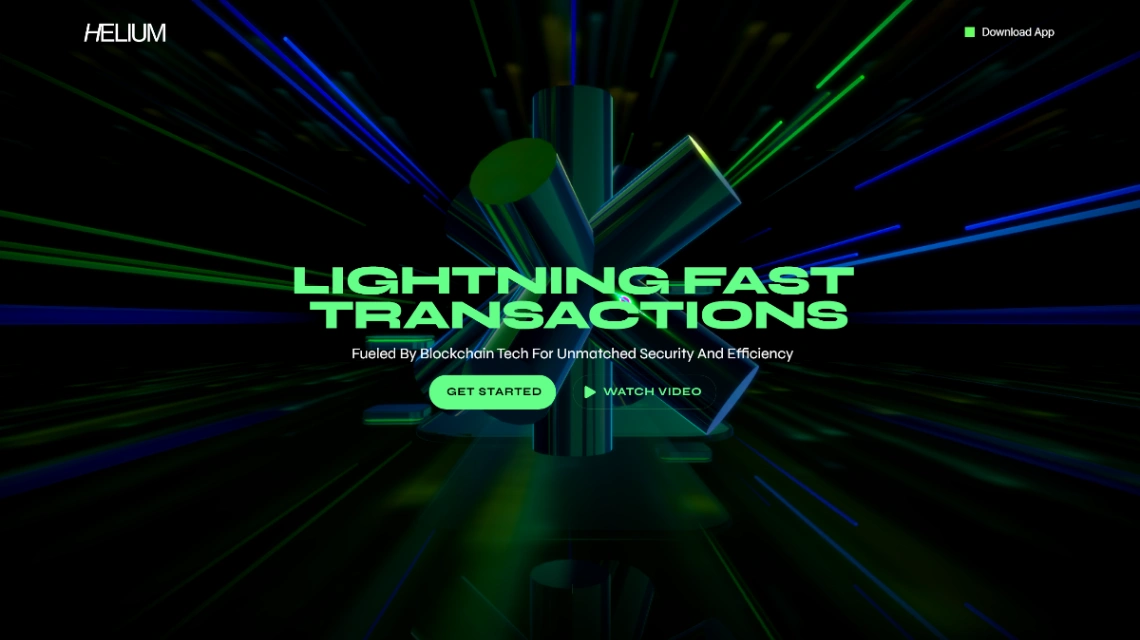
Treat 3D as a budget you spend, not a style you pick. Every scene costs load time, battery, and a slice of your visitor's patience — worth paying when the dimension shows something real, wasted when it decorates. The strong templates here spend the budget on one hero moment or one product; the weak ones spread it across floating shapes that impress for four seconds and then slow everything else down.

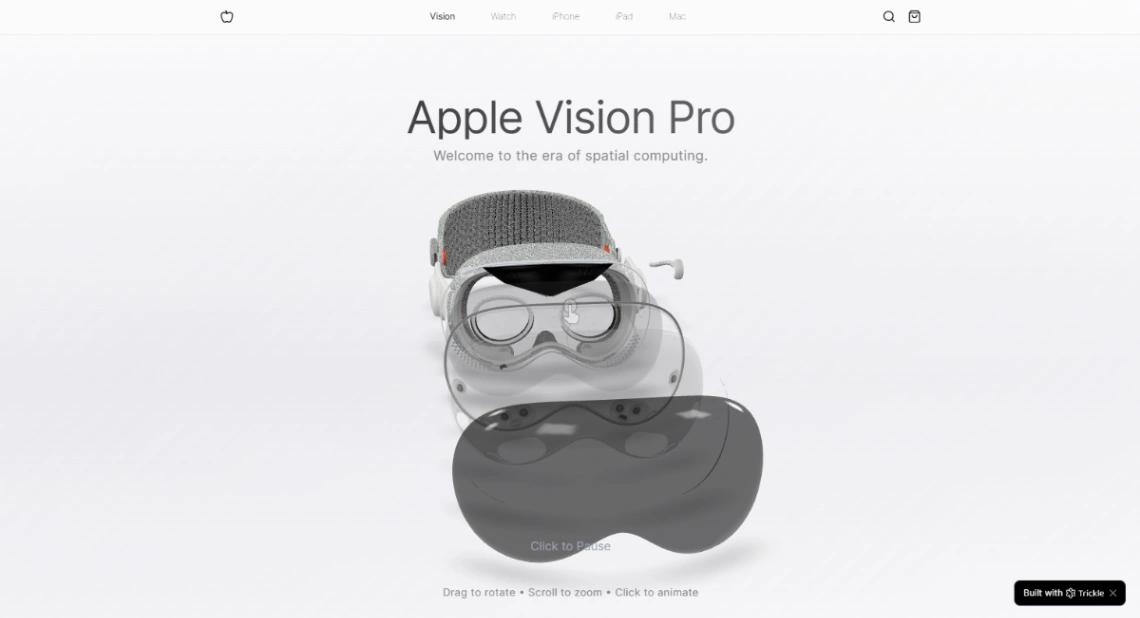
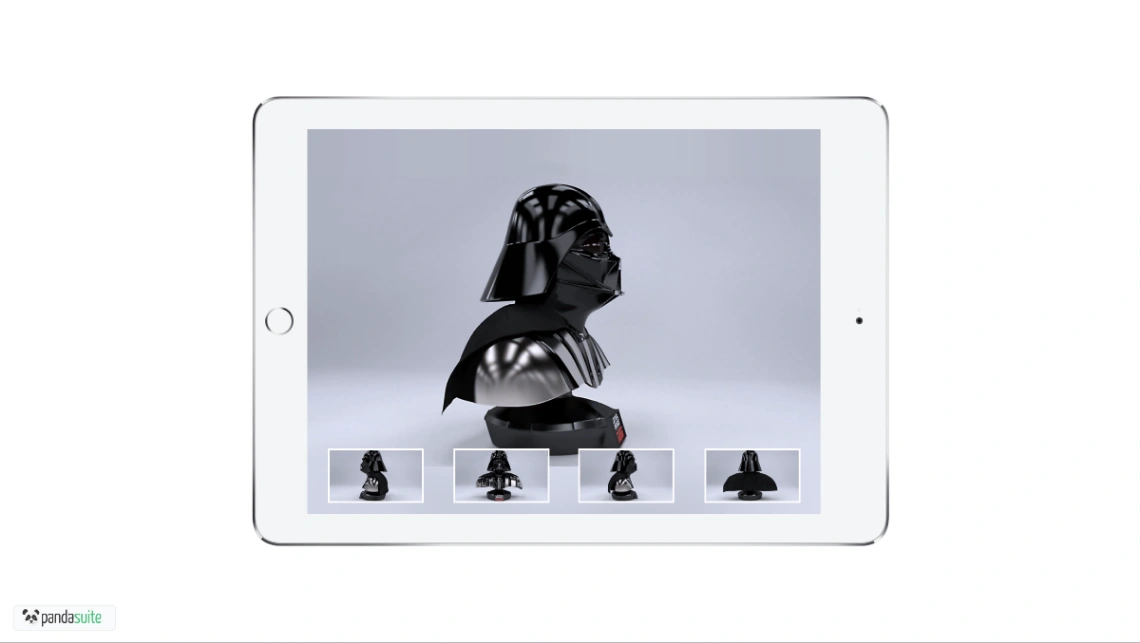
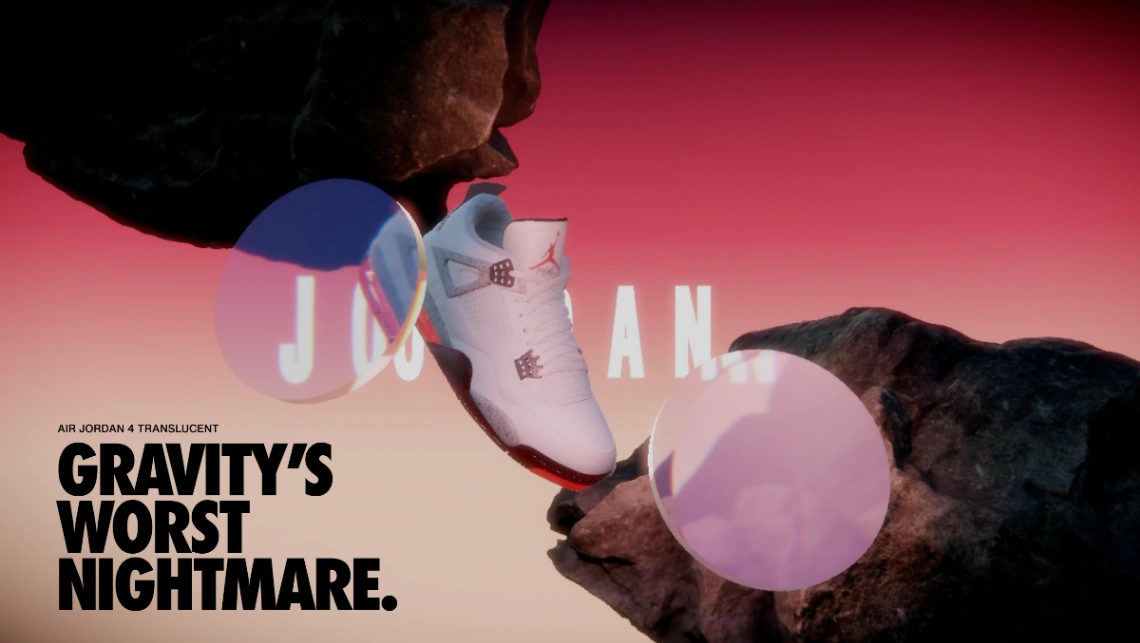
Where 3D earns its cost: product spins that let a buyer inspect the actual thing, configurators that answer "what does it look like in blue," and launch pages where spectacle is the message. Where it decorates: abstract geometry behind headlines — borrowed cool that dates faster than any design trend. If the scene were replaced by a photograph, would the page say less? If not, it's decoration.

Check the phone story before anything else, because most visitors will meet the scene on mid-range hardware. Good templates degrade deliberately — a lighter scene, a static render — and never hijack the scroll; a page that fights the thumb loses on mobile regardless of how the desktop demo felt. The motion-focused builders behind these designs are pinned at the top of this page.

The question buyers forget to ask: what can you change without the original artist? Swap in your own product, adjust colors, edit the text inside the scene — or none of the above? A template whose scene is sealed is a rented demo; you'll live with its exact shapes long after they stop matching the brand.

FAQ
Common questions

It costs something — the question is whether the template pays intelligently: lazy-loaded scenes, compressed models, static previews before the full load. Test the demo on a normal phone over mobile data; the difference between disciplined and careless 3D is obvious in ten seconds.

The good templates degrade deliberately — a simplified scene or a rendered image where the hardware can't keep up. Check by loading the demo on the oldest device you can find, because a blank canvas or a stuttering scroll is what "no fallback" looks like.

On product-viewer templates, yes — you supply a standard 3D model and the template displays it. Scene-based designs vary: some expose colors and objects for editing, others are effectively sealed. Ask before you build a brand around someone else's shapes.

When interaction is the point — rotating a product, configuring options, exploring at your own pace. If visitors just watch, a well-shot video delivers more emotion for a tenth of the load weight.

For text, colors and layout, no — that's ordinary no-code editing. The 3D scenes themselves range from parameter-tweakable to untouchable, which is exactly what to establish in the preview before committing.