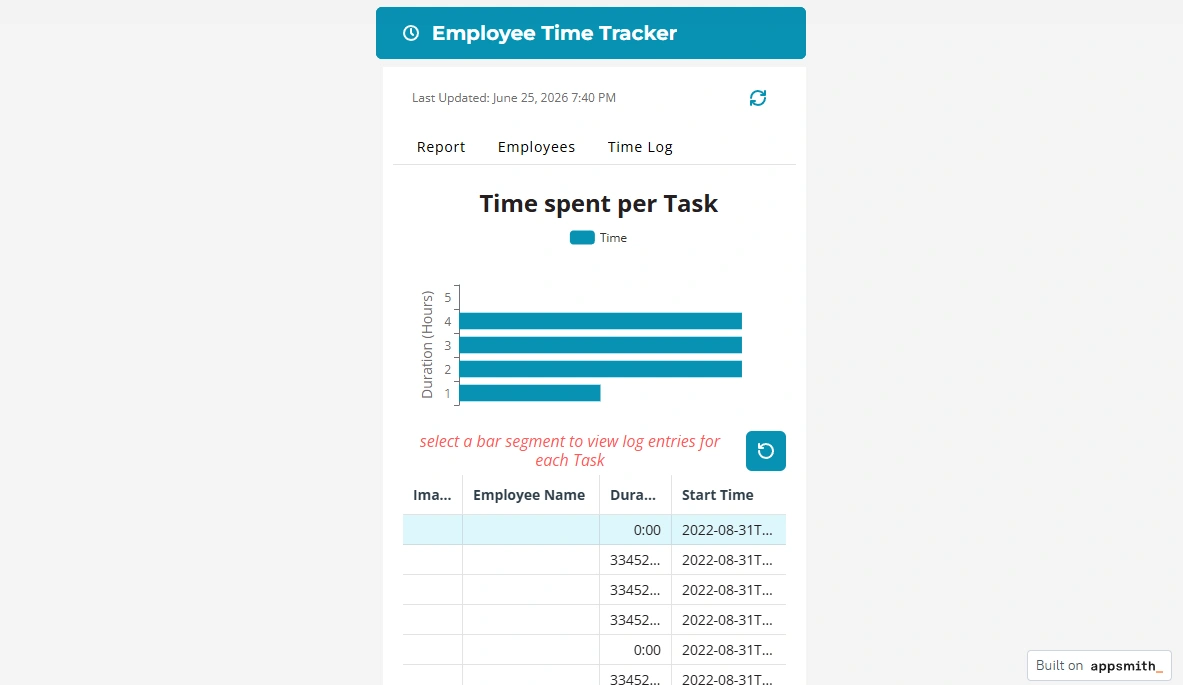
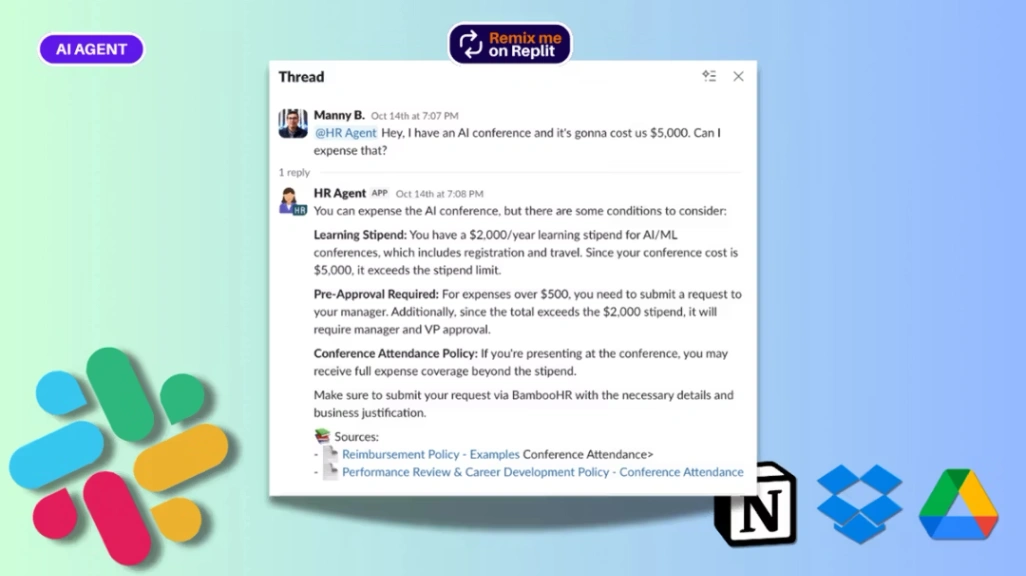
HR AI Agent
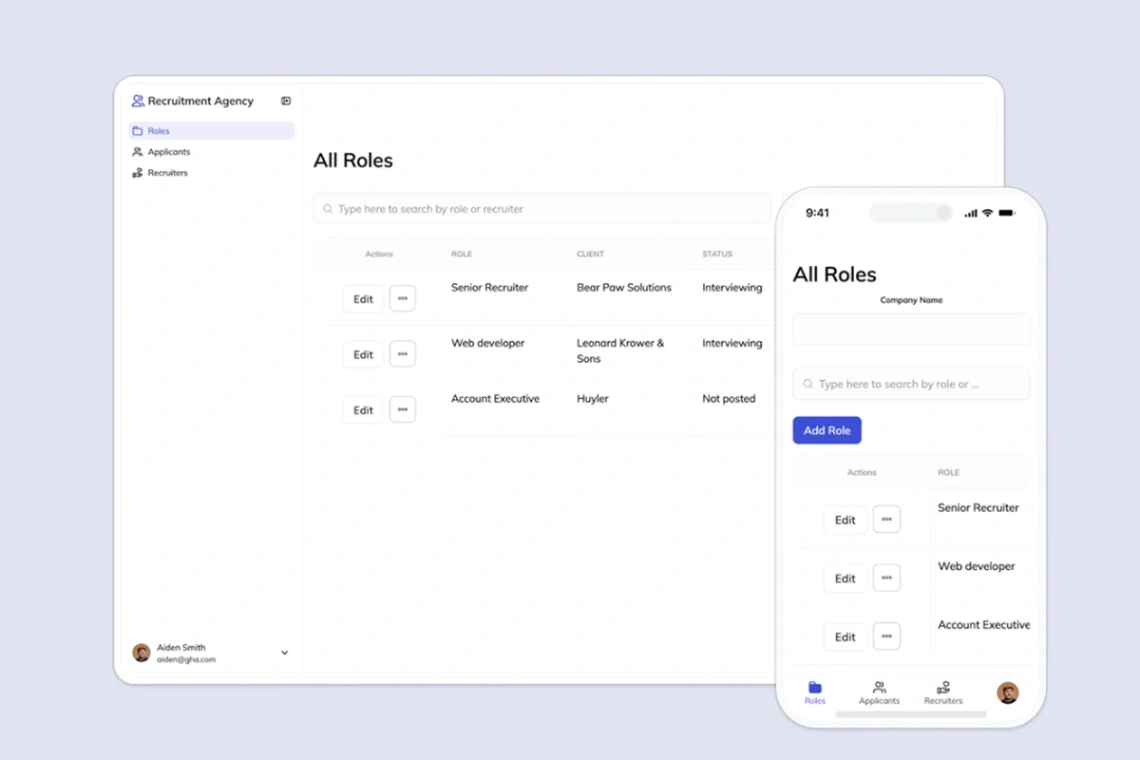

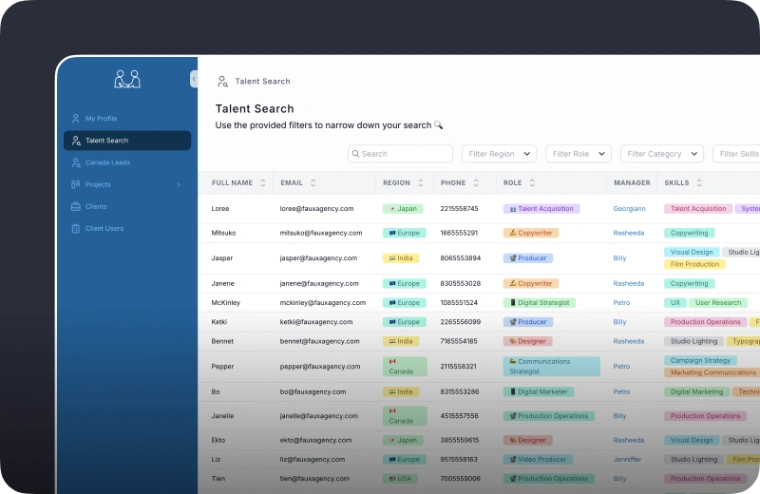
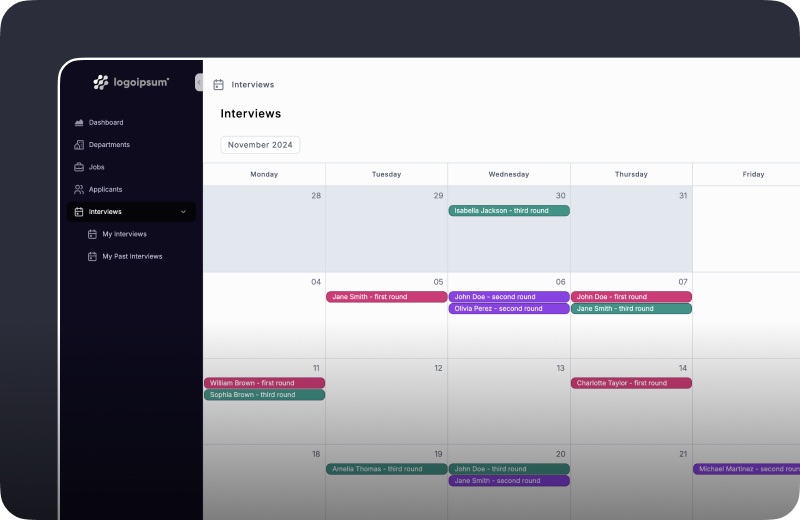


HR Agency
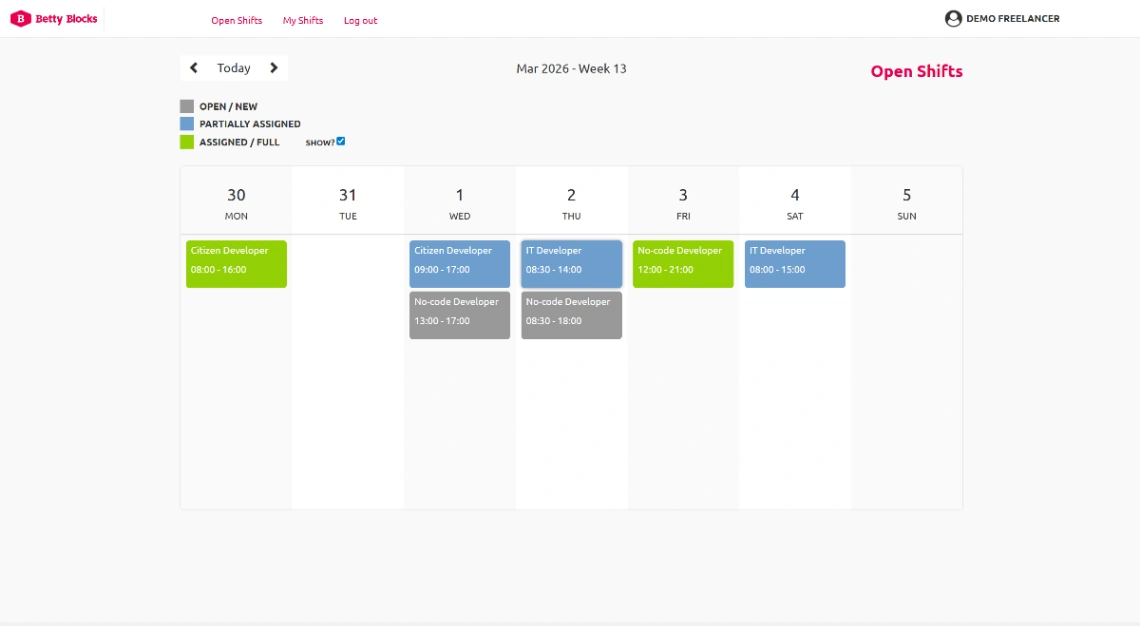



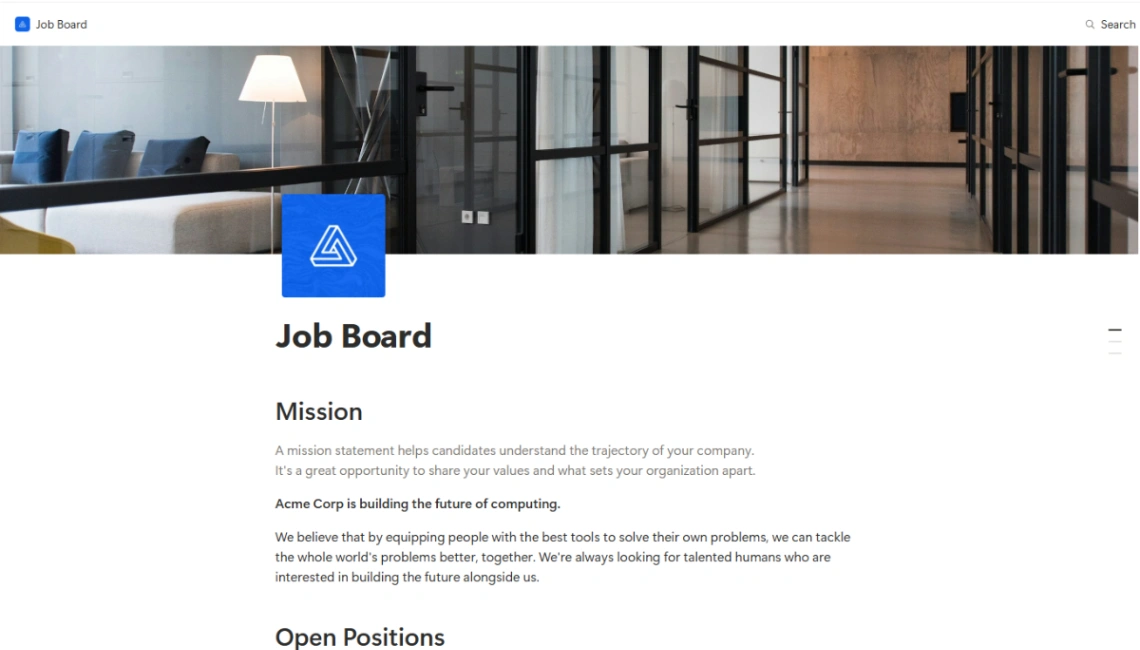
Job Board
Buyer's guide
How to choose an HR template
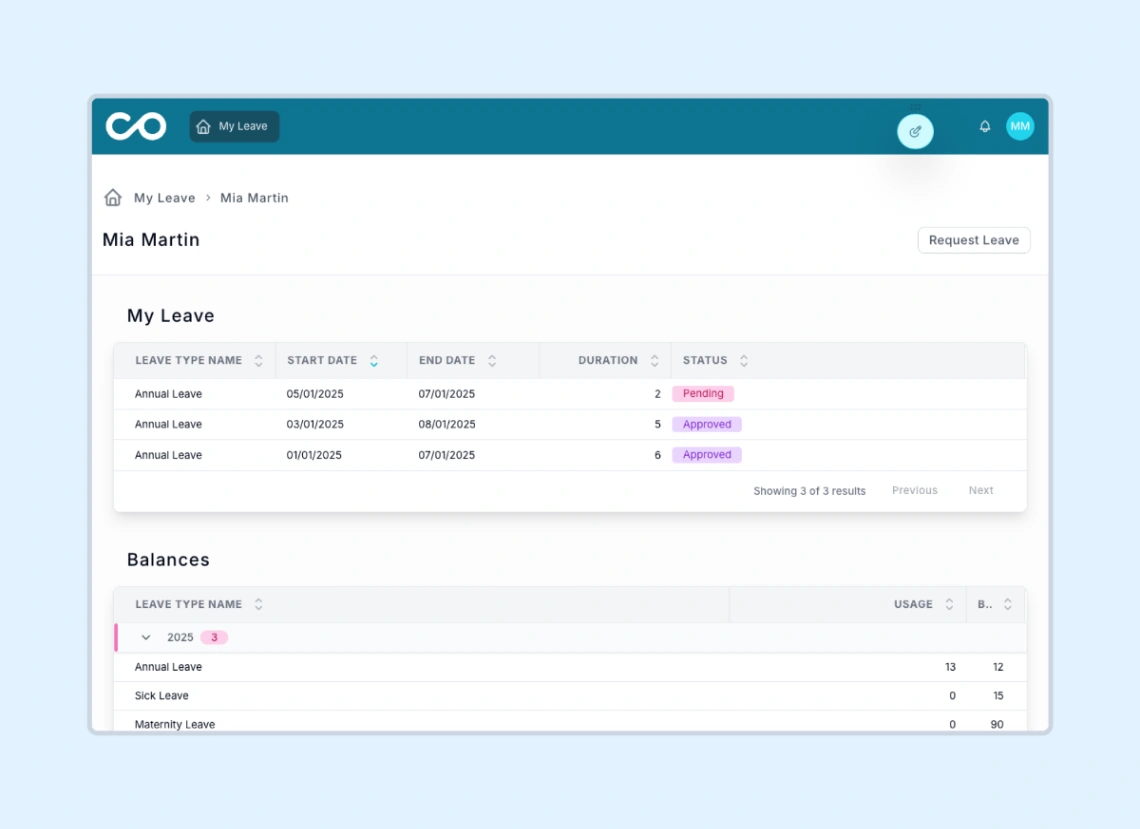
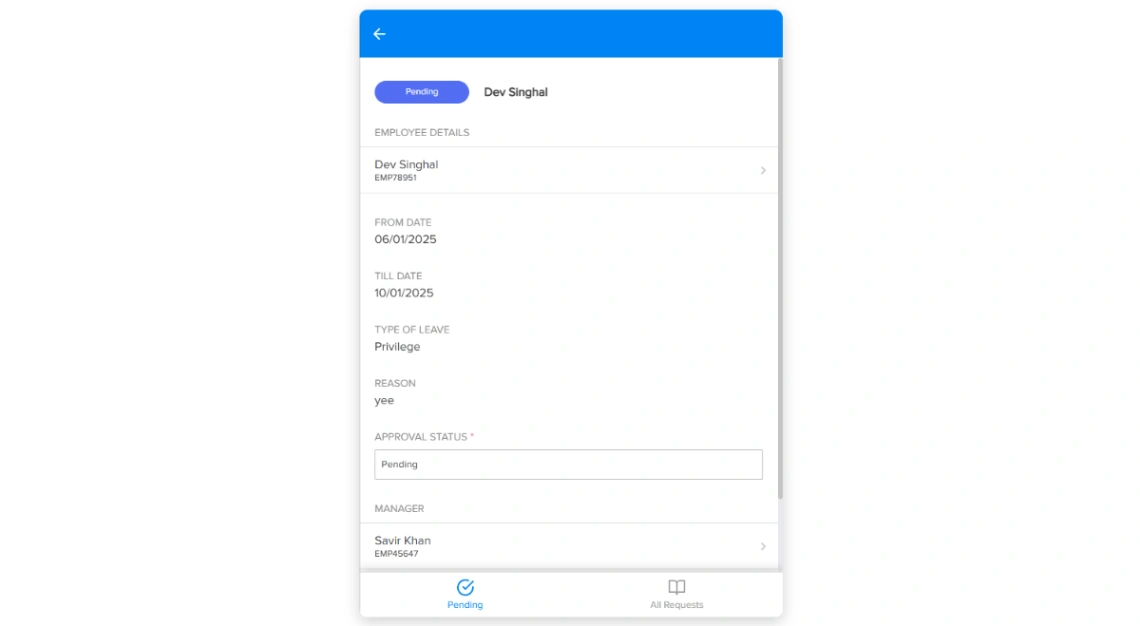
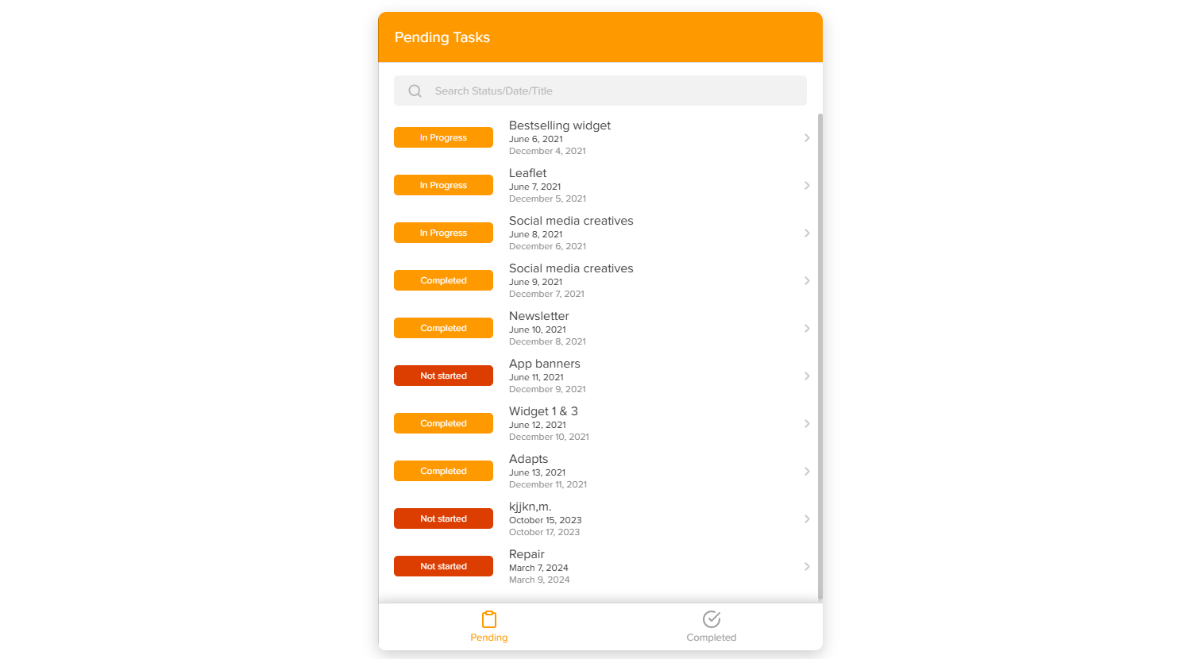
Every HR process is a form someone dreads — the leave request, the onboarding packet, the expense claim — and these templates succeed exactly where they shrink the dread. That's the evaluation lens: not what the tool tracks, but what the employee having the worst week experiences. A leave tracker is judged by how it feels to request bereavement leave from a phone; get that right and the rest is administration.
Start with whatever lives in the messiest spreadsheet, because that's where the template pays immediately: usually leave balances or onboarding. Migrate one process, run it a full cycle (a month of requests, one complete new-hire), and only then take the next. The spreadsheet-backed platforms pinned above make this incremental — the old sheet stays as backend while habits form. Nothing convinces a skeptical office like the old sheet surviving untouched.
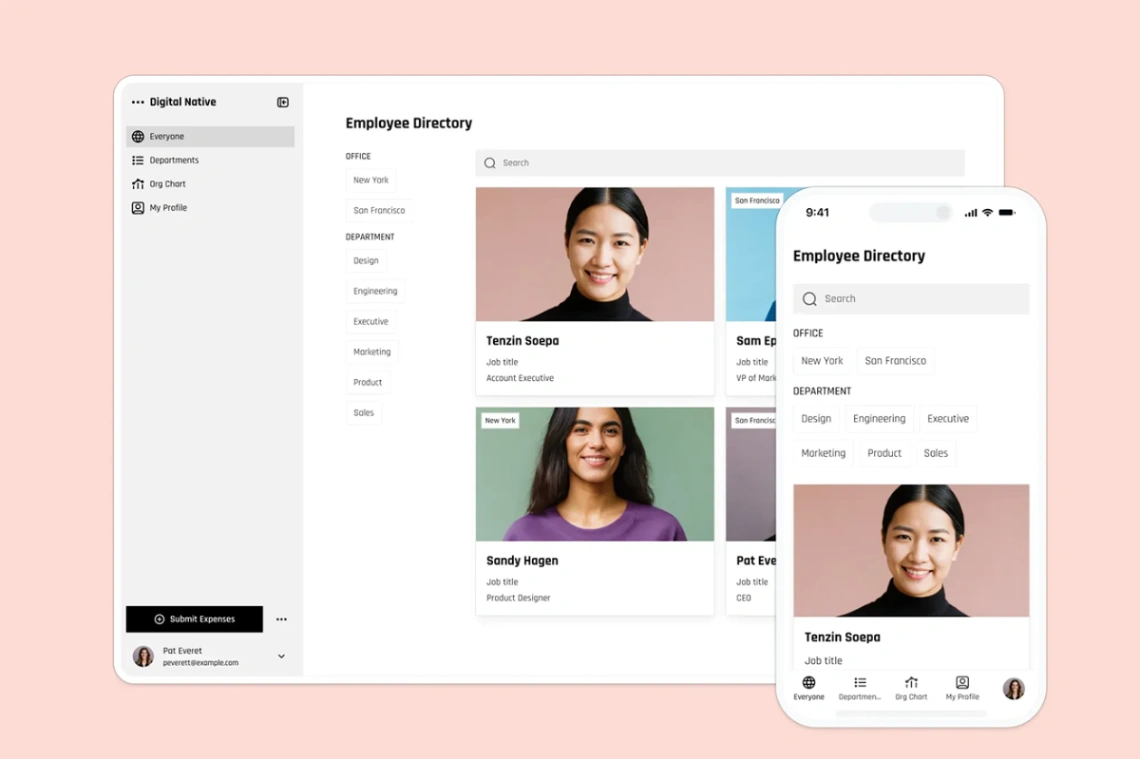
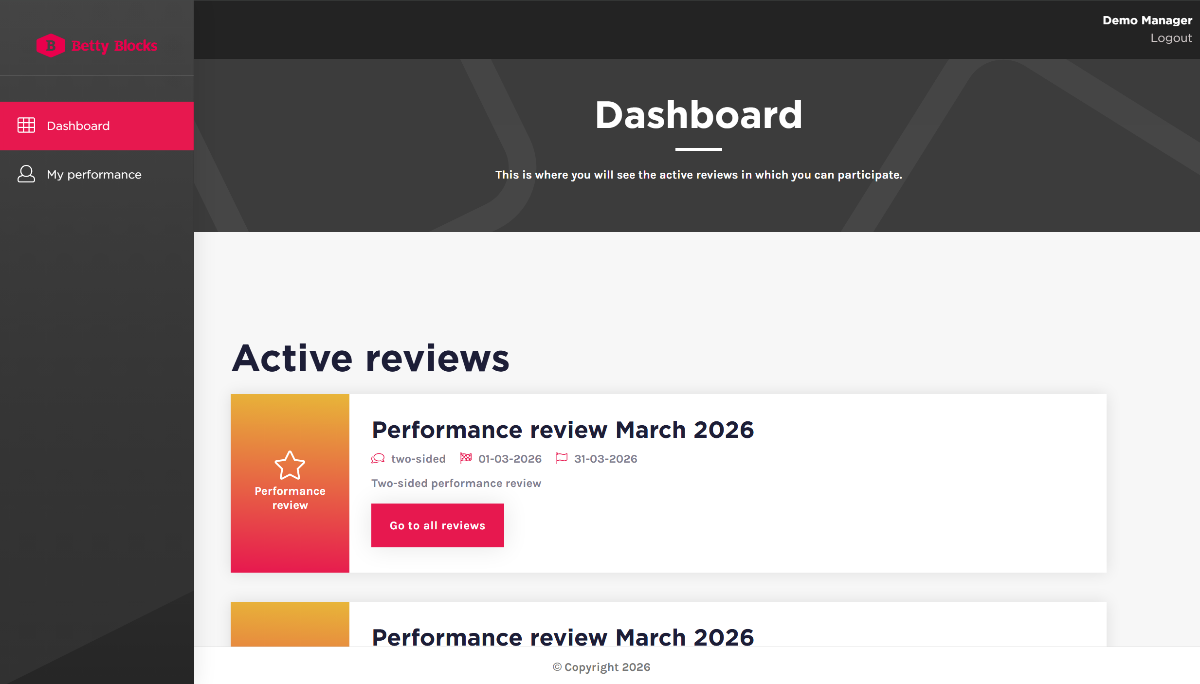
Self-service is the payoff that compounds: employees checking their own leave balance, finding the policy, updating their details — every self-served answer is an email HR didn't process. But people-data has rules the template must enforce structurally: employees see their own records, managers see their team's, HR sees what their role requires and nothing more casually. Configure the visibility before the data arrives, not after the first awkward discovery.
The trap: digitizing bureaucracy instead of shrinking it. A seven-approval onboarding checklist doesn't improve by becoming a seven-approval app — it improves by becoming three. Rebuild the process at its honest minimum first; the template should encode the process you want, not laminate the one you inherited.
FAQ