



Medical Lab



Nail Salon


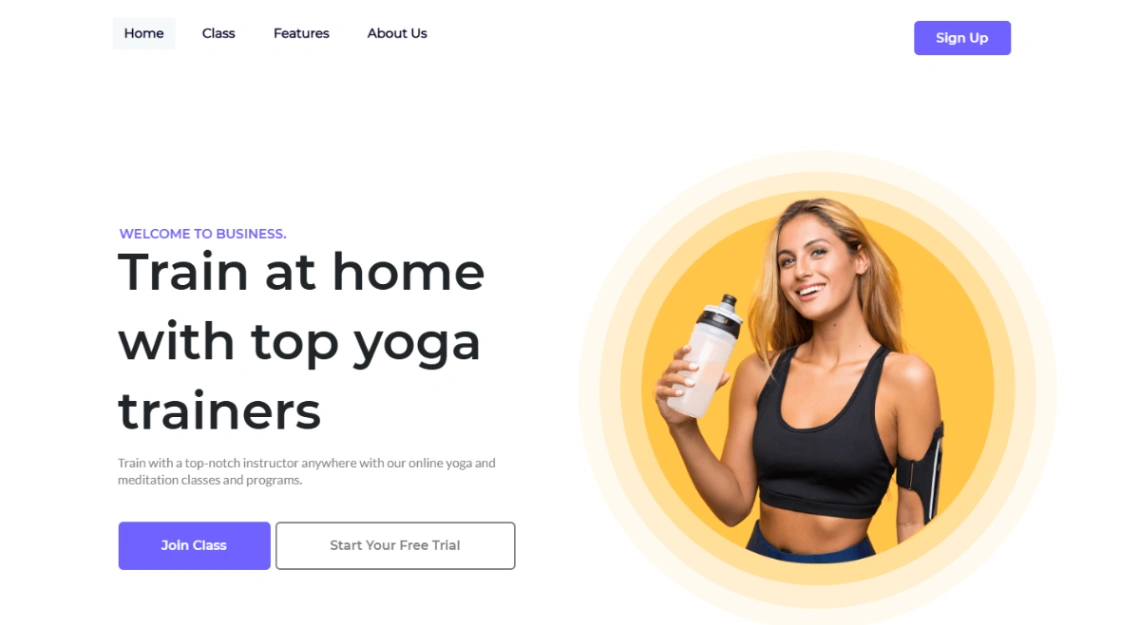



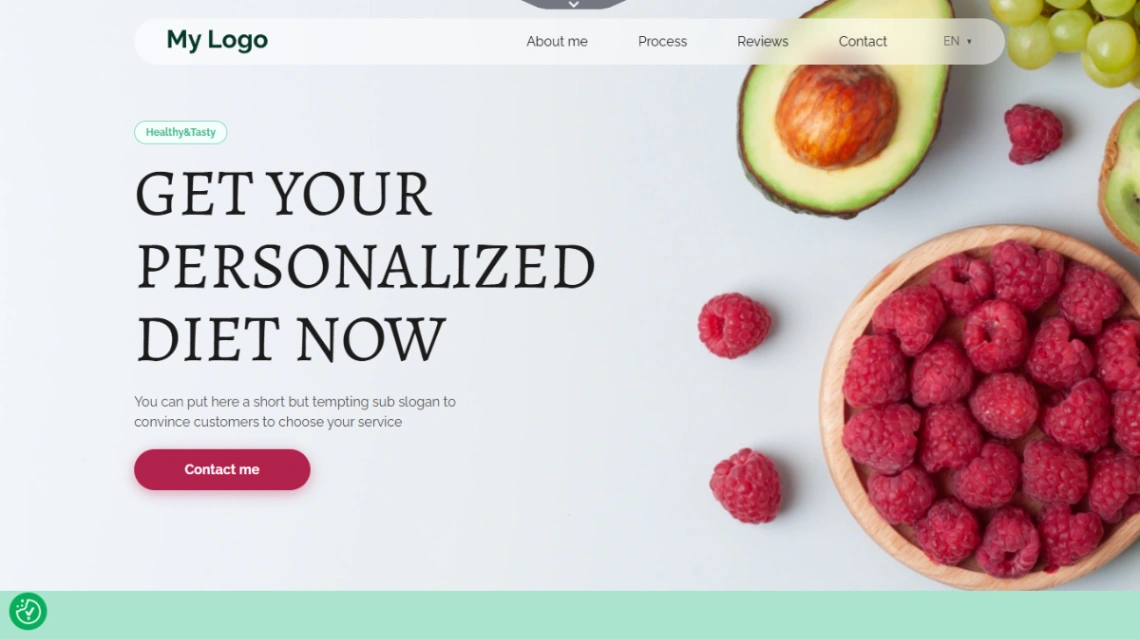

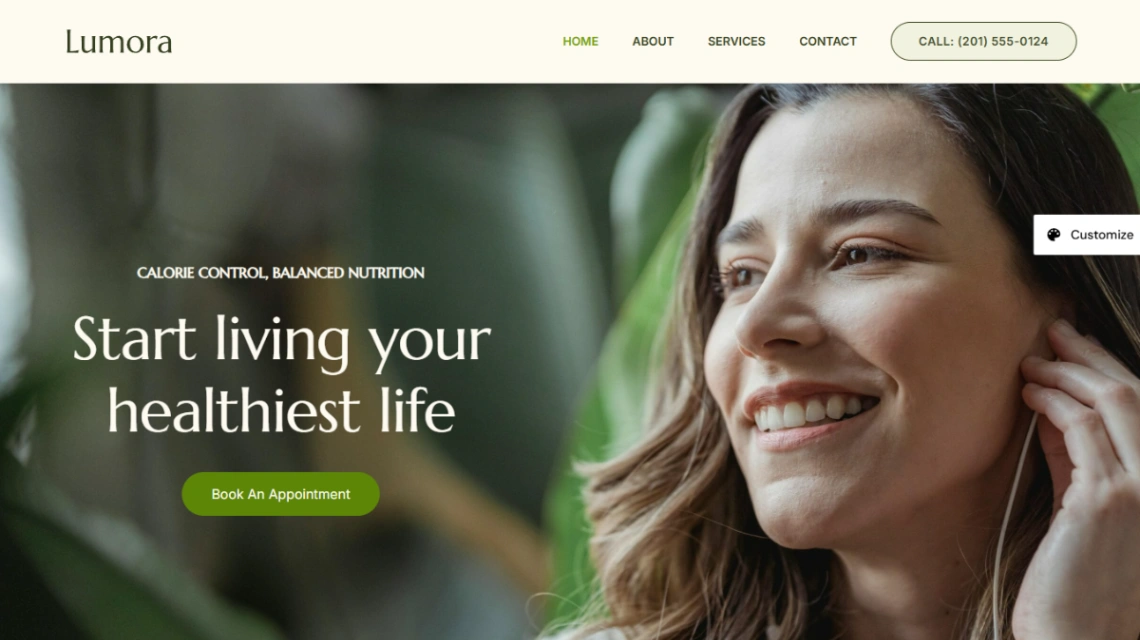
Health Coach
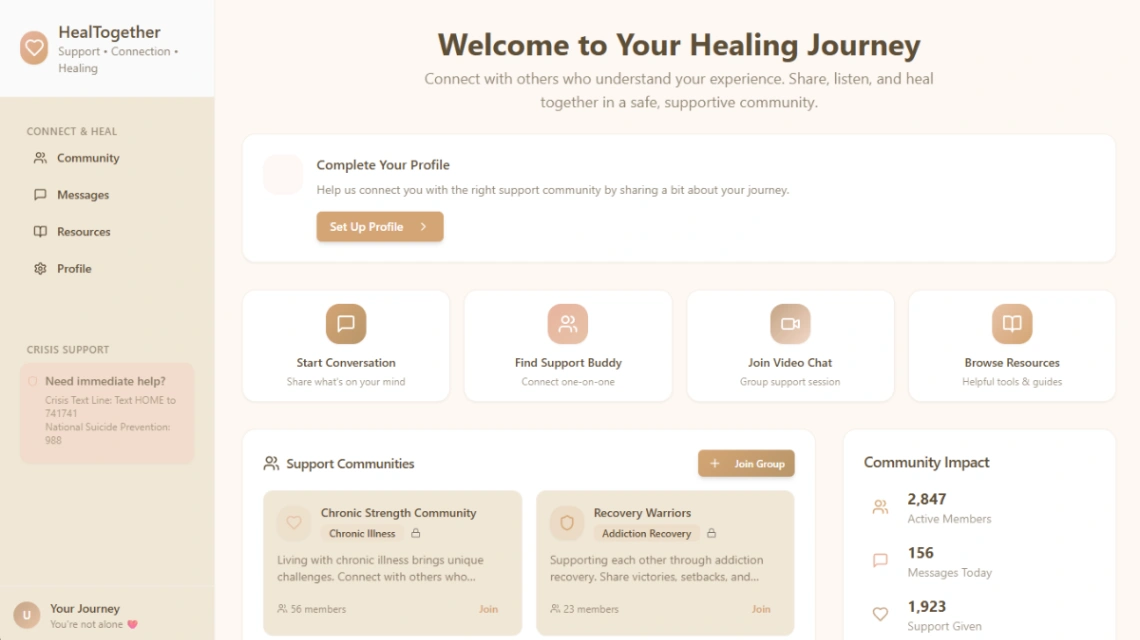

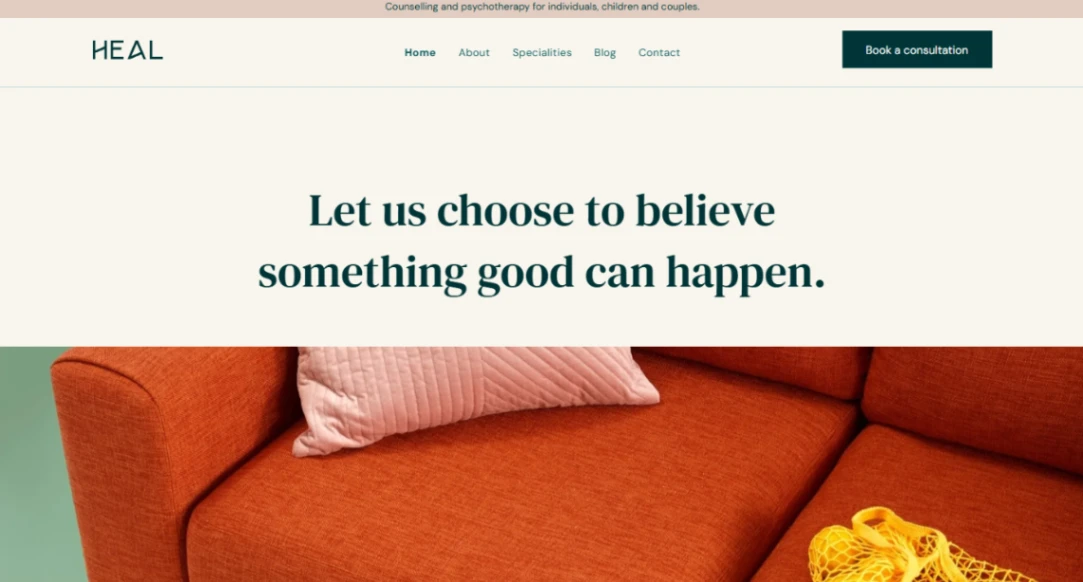
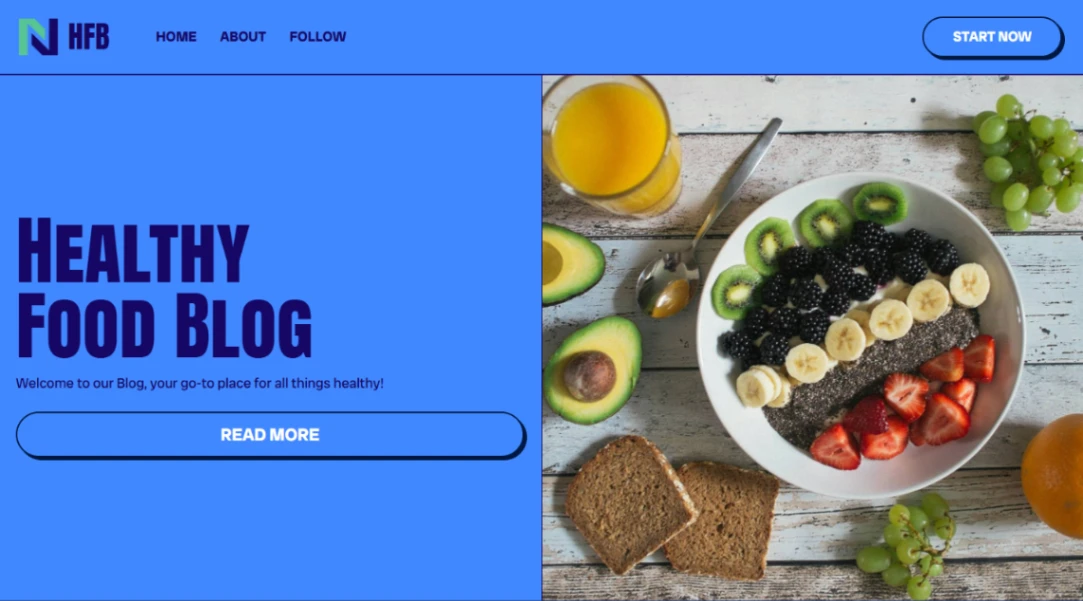
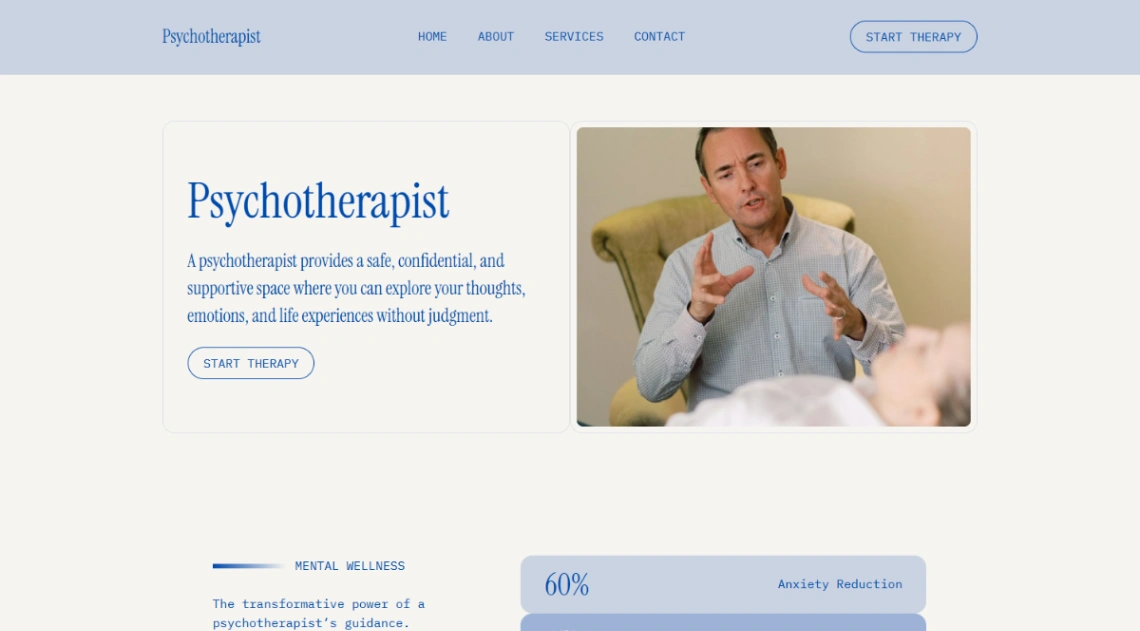

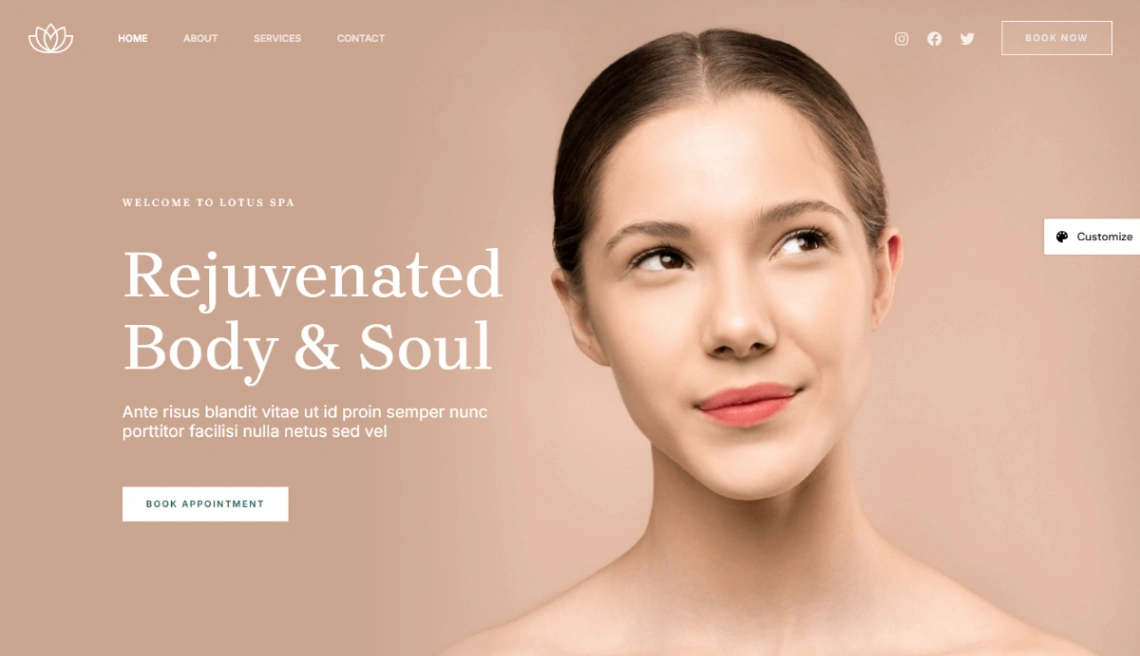
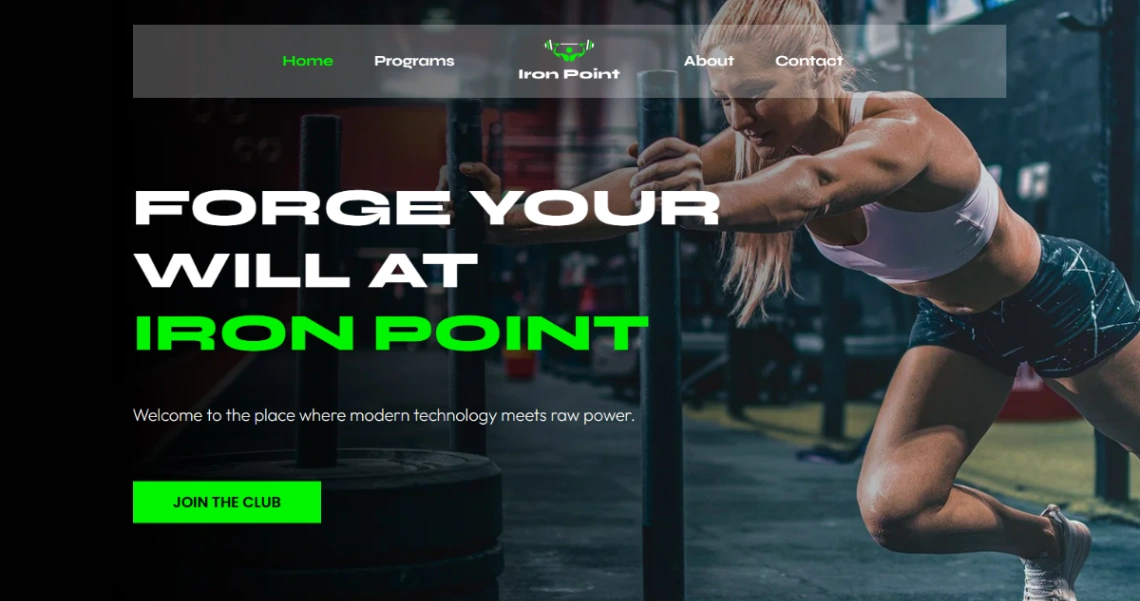
Fitness Club
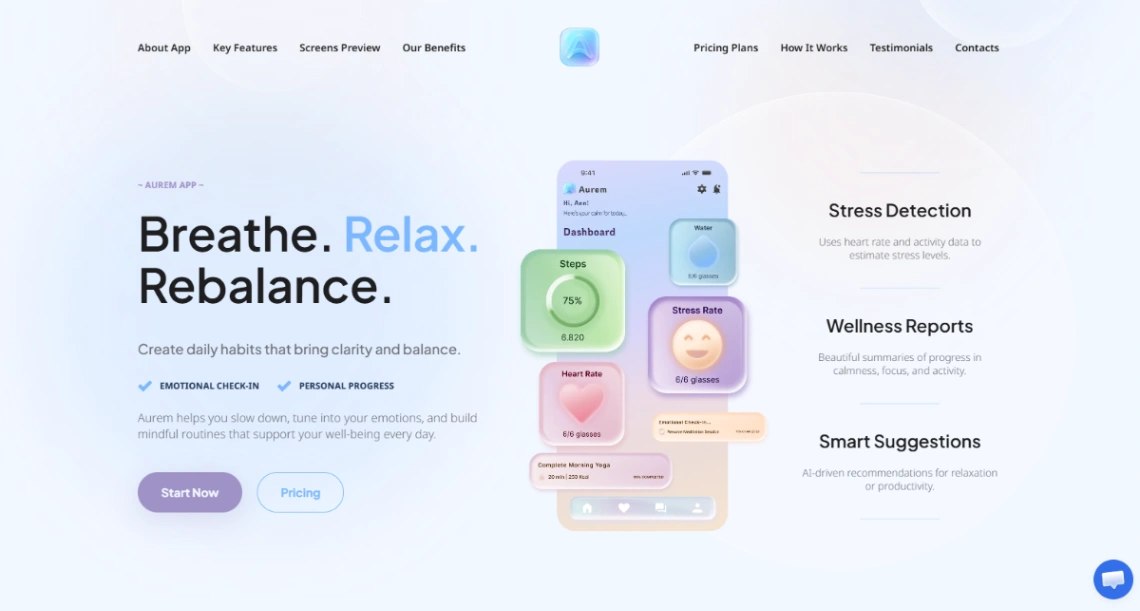
Buyer's guide
How to choose a health template
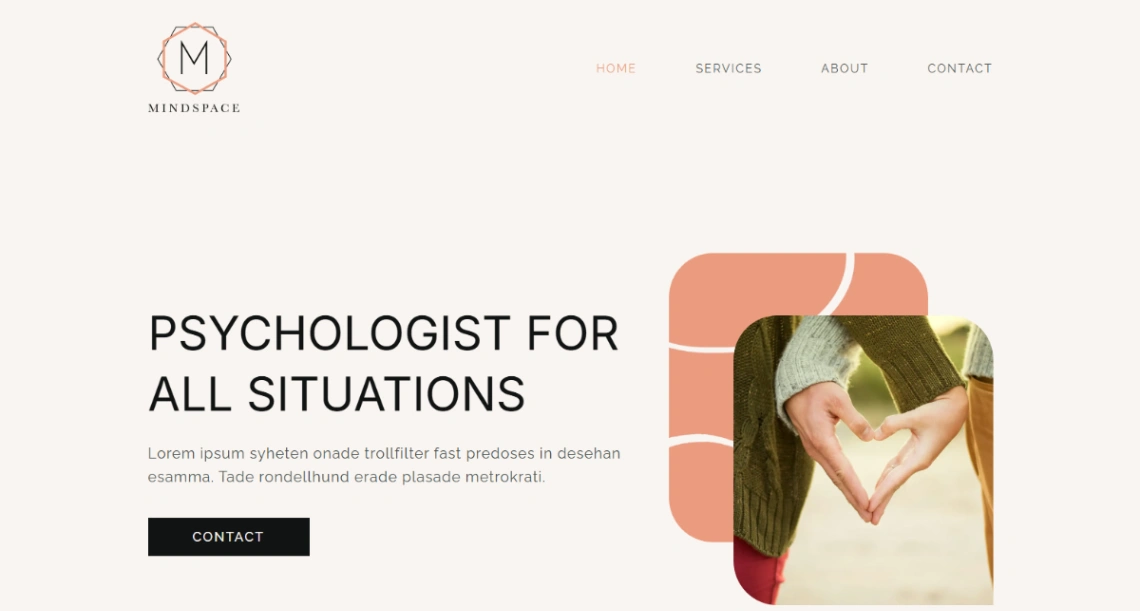
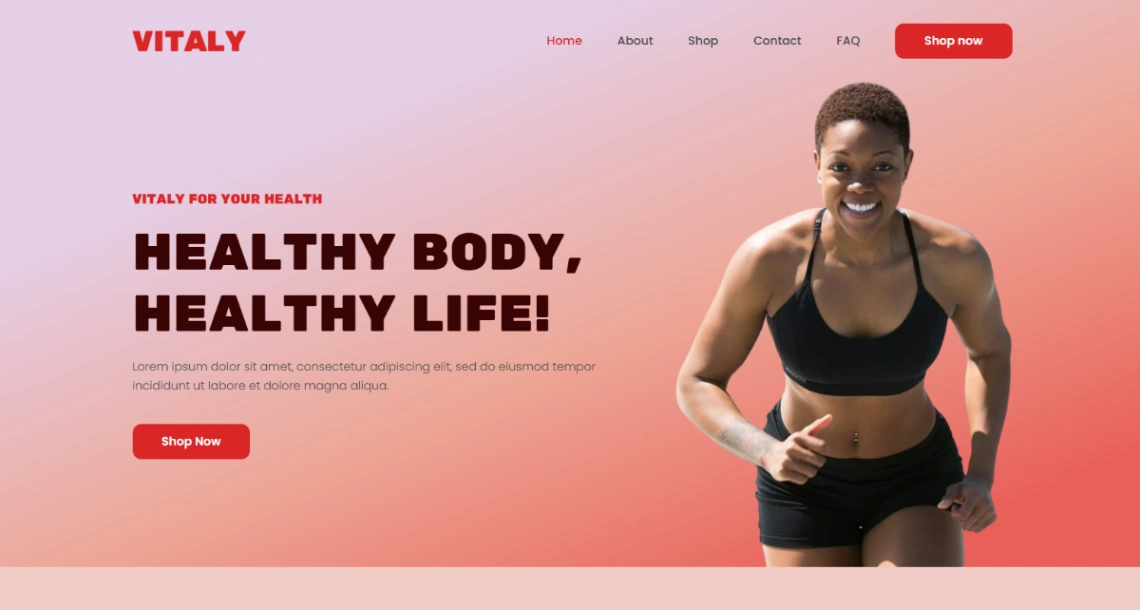
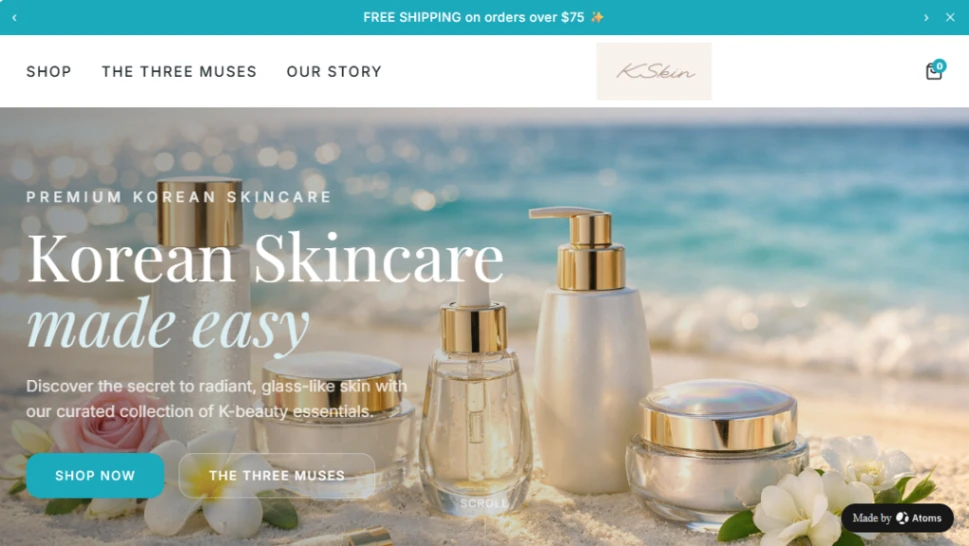
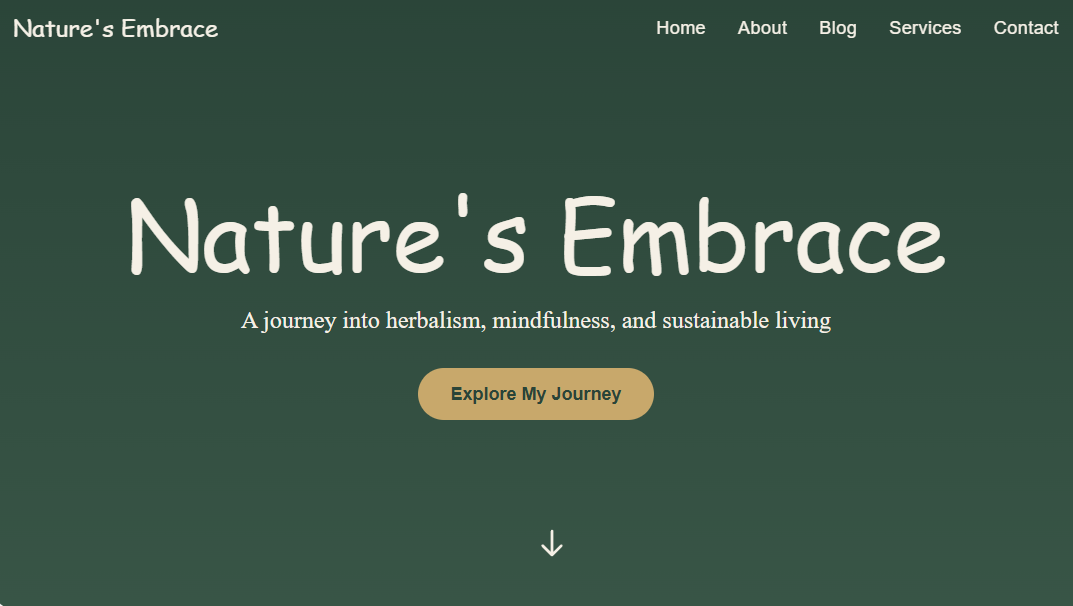
In health, the website's first duty is to not make things worse: no overclaiming, no mystery about who's behind it, no maze between a worried person and a clear answer. This category is broader than the clinic — health products, therapists, information sites — and the discipline holds across all of it, because every visitor is making a decision that touches their body.
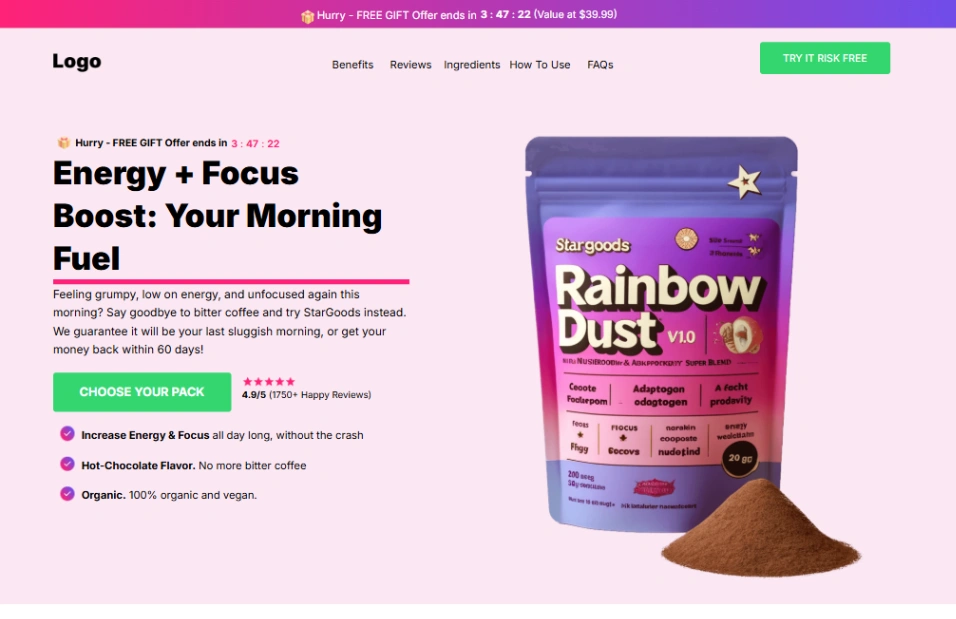
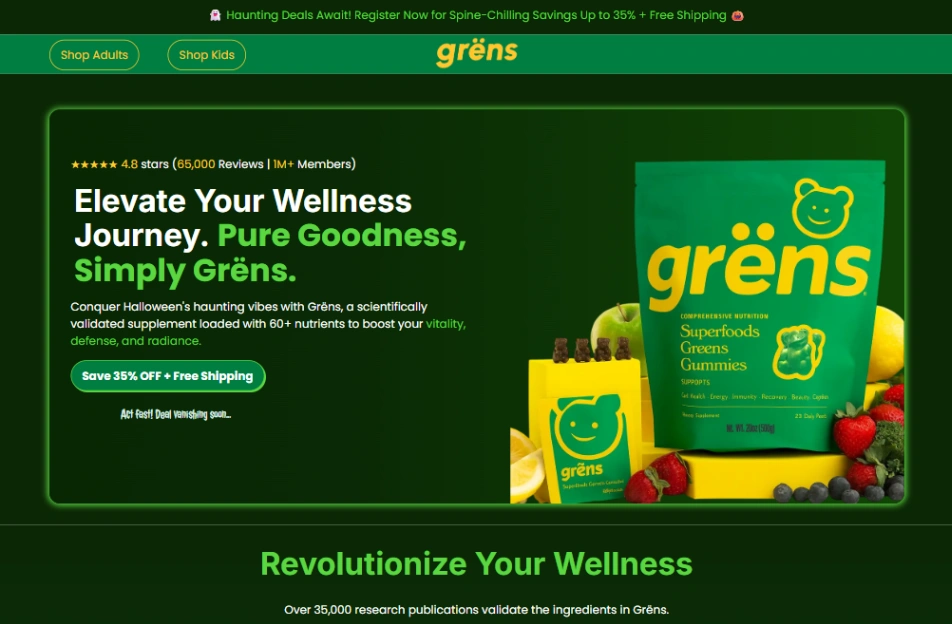
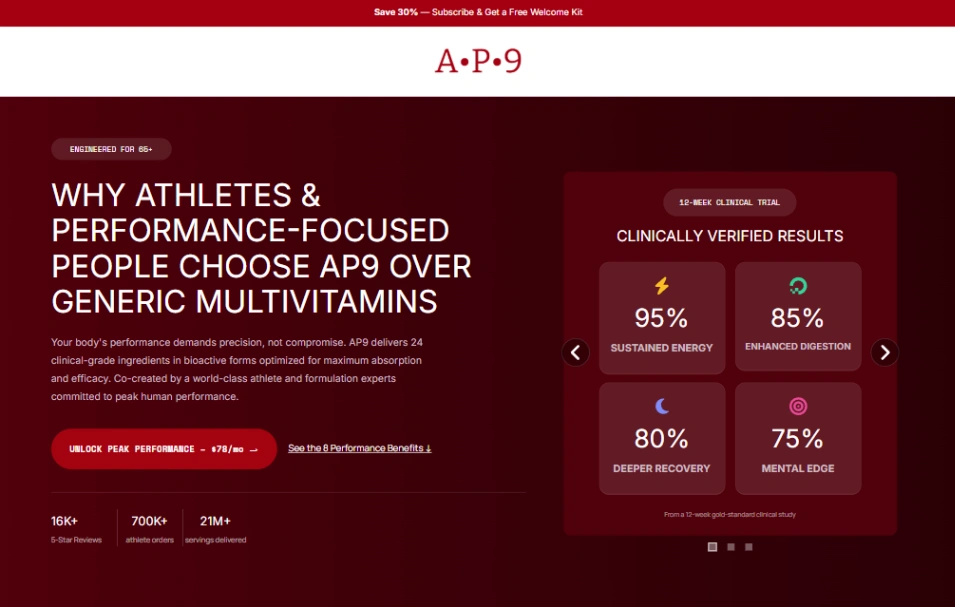
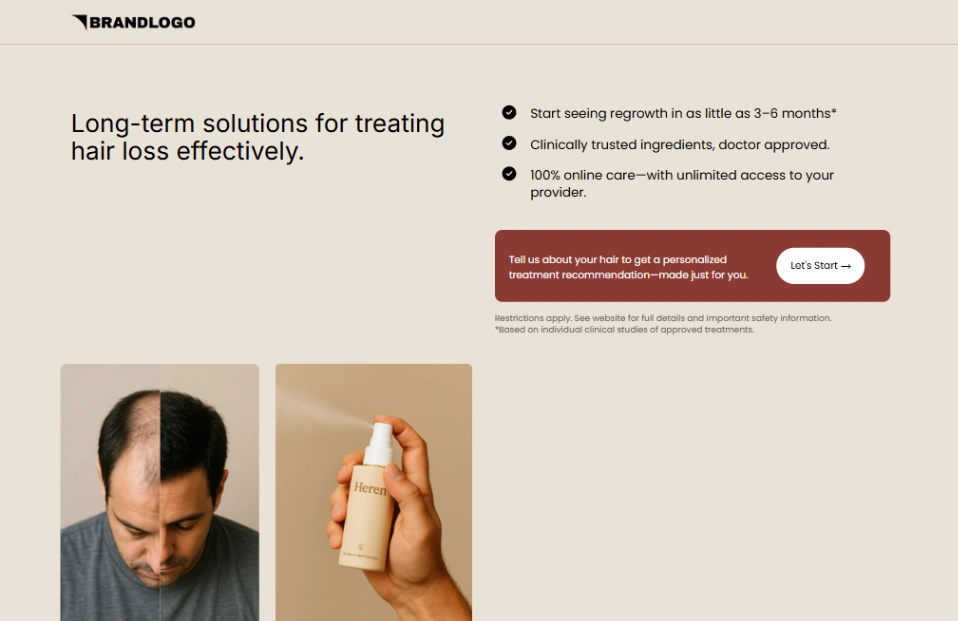
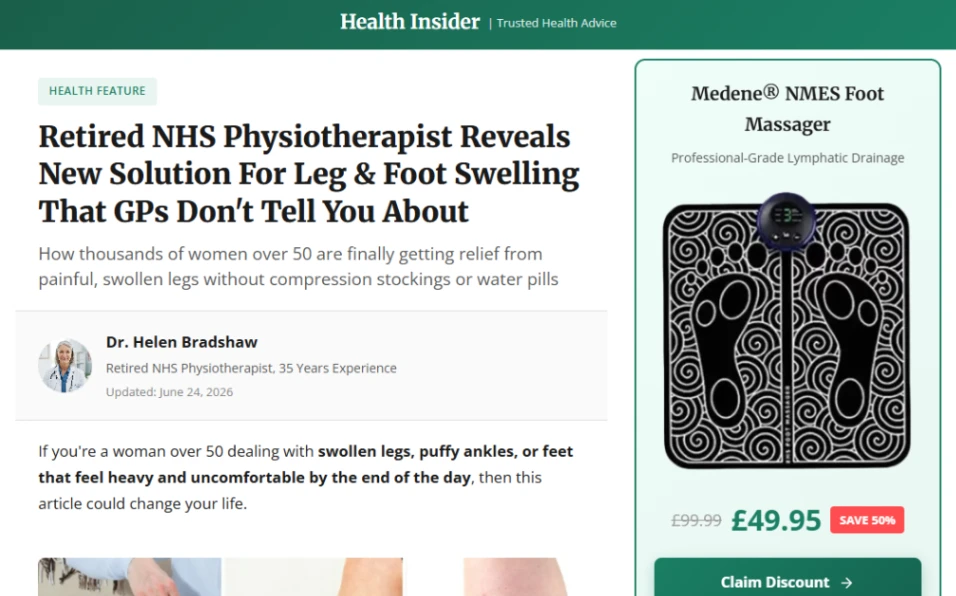
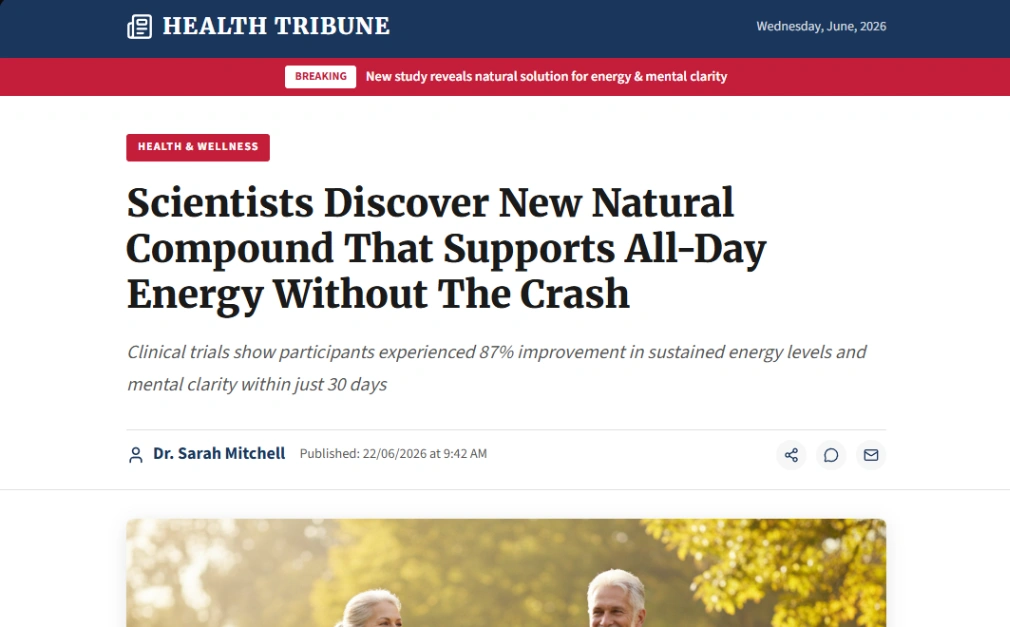
Claims are where health sites live or die, legally and morally. Whatever you sell or say, the template should make precision easy: room to state what a product or service does in defensible words, space for the evidence behind it, and honest framing for everything else. If a claim needs a disclaimer to survive, the disclaimer belongs beside the claim — not in a footer built to hide it.
Privacy is structural here, not boilerplate. Health-adjacent forms should collect the minimum, say plainly what happens to answers, and never treat symptoms as marketing data. Write the privacy page early and mean it — for a meaningful share of visitors, checking it is the trust test. The practice-oriented and commerce builders in the pinned picks both leave proper room for these pages.
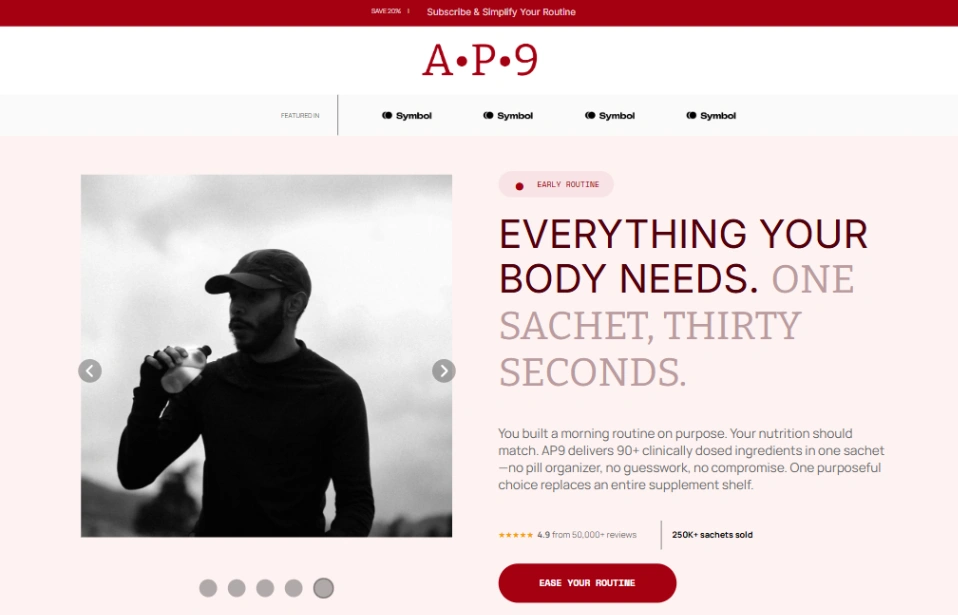
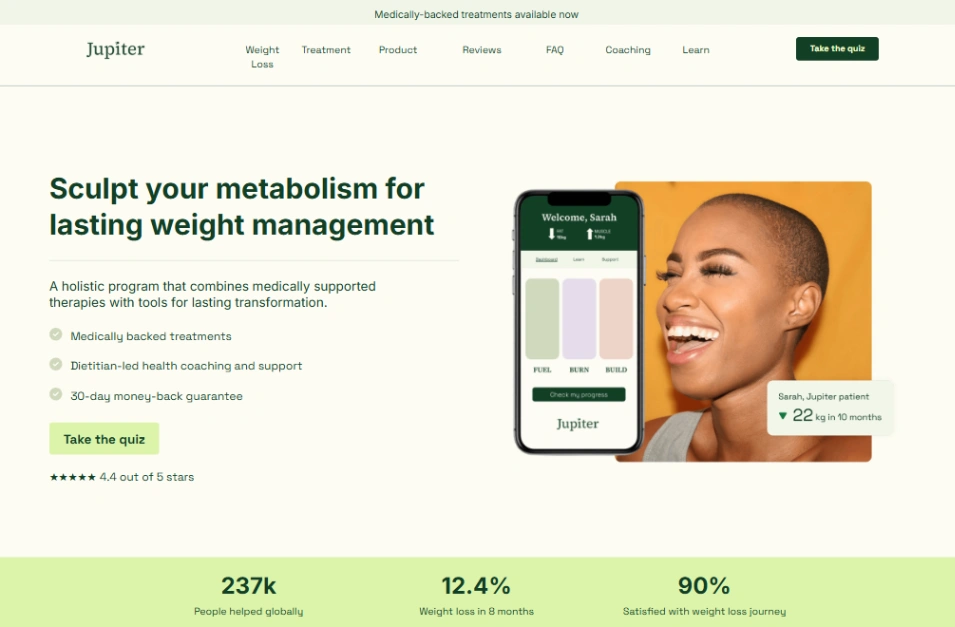
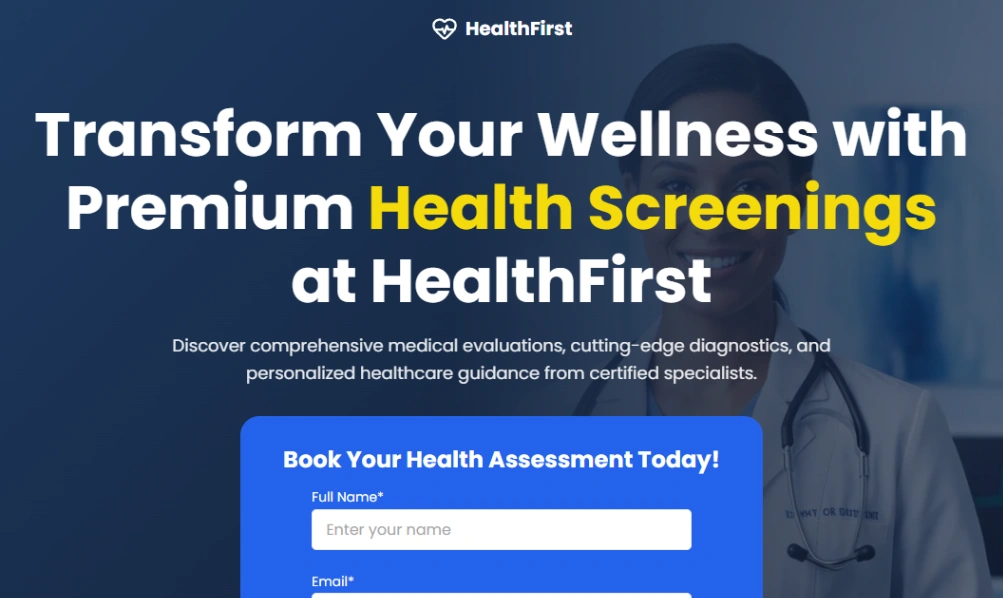
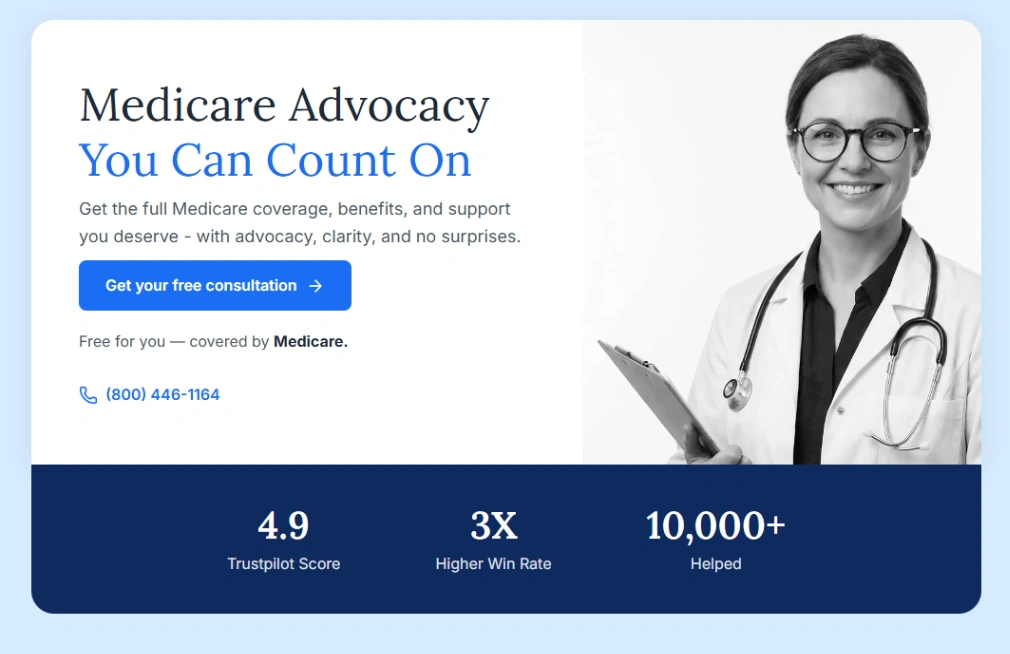
Then earn authority instead of borrowing it. Stock stethoscopes and white-coat models are the costume of every dubious supplement site the visitor has scrolled past; real credibility is named humans with stated qualifications, dated content, sources cited, and photography from your actual practice or production. In this category the boring truth, well-organized, is the most persuasive design available.
FAQ