















Buyer's guide
How to choose a design template
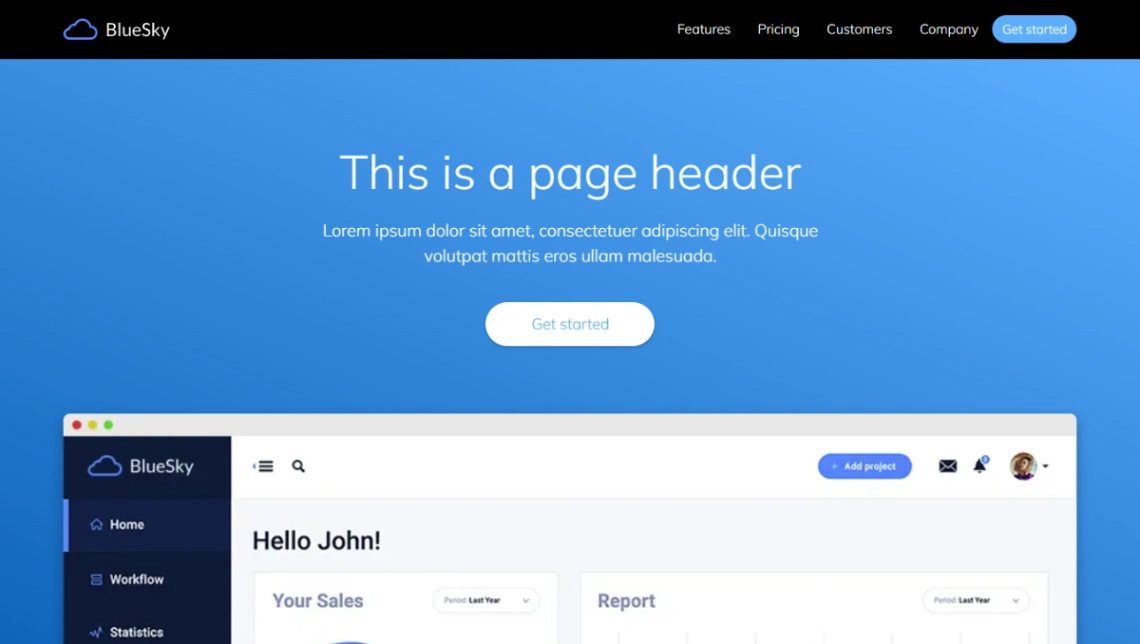
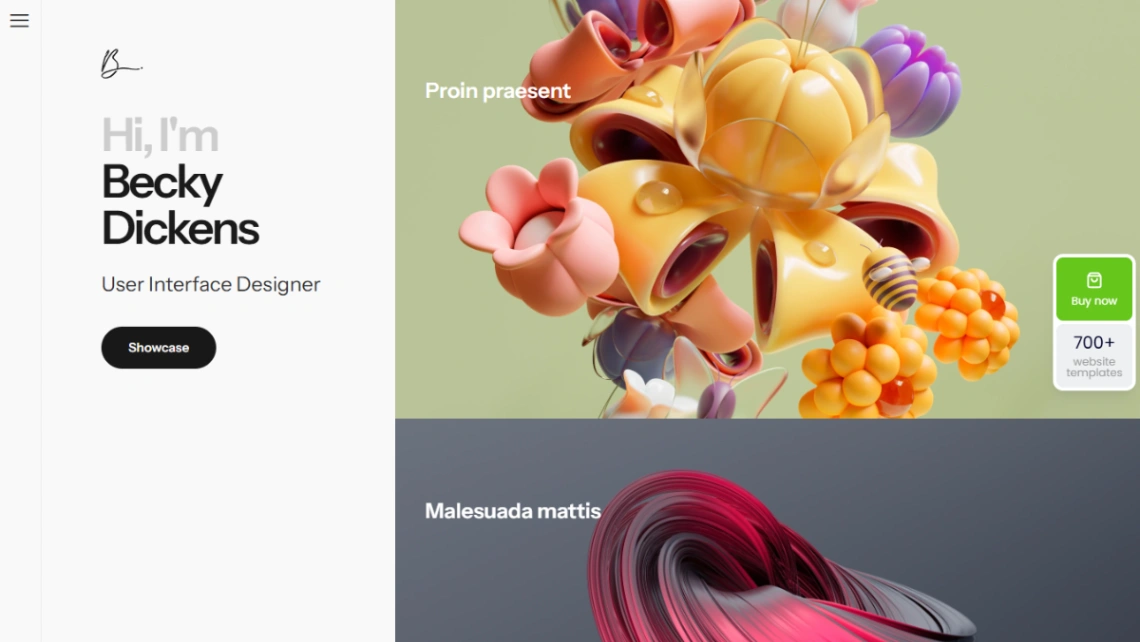
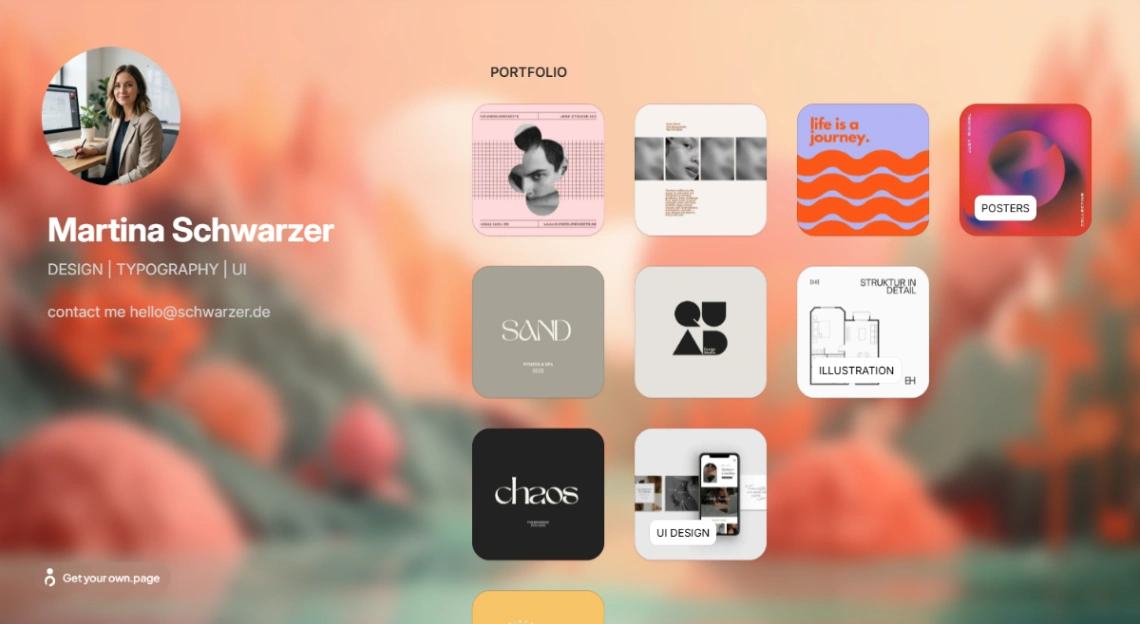
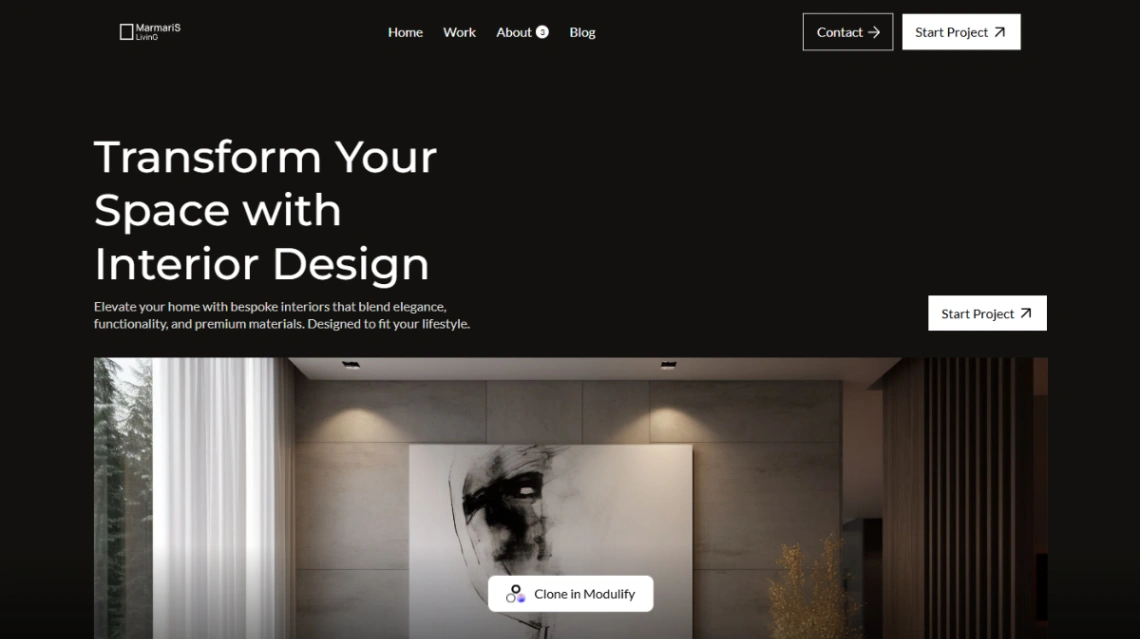
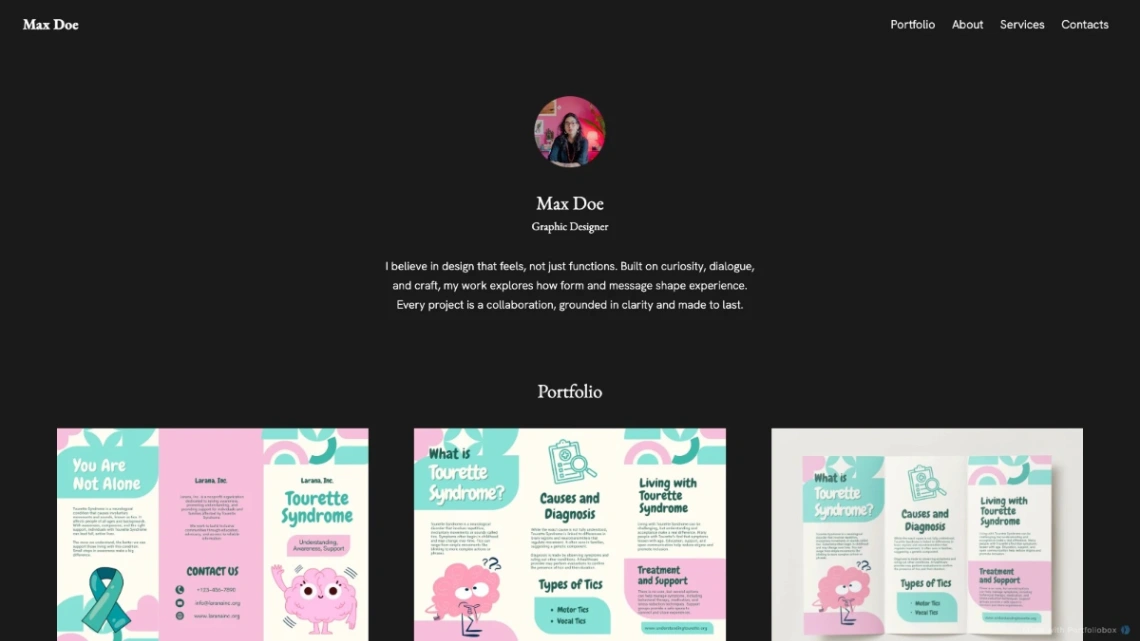
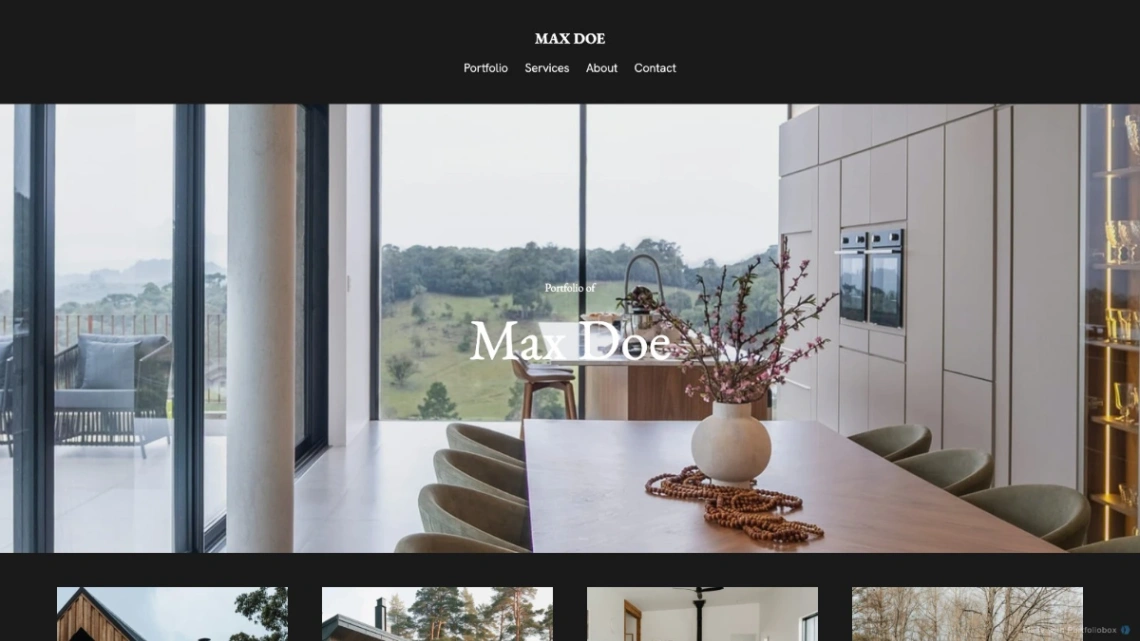
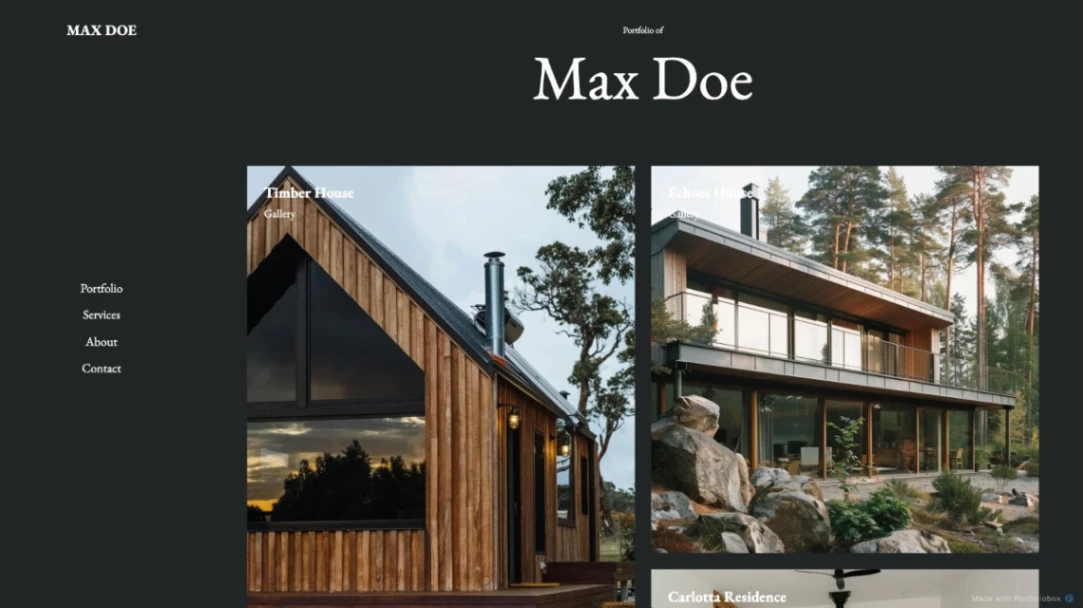
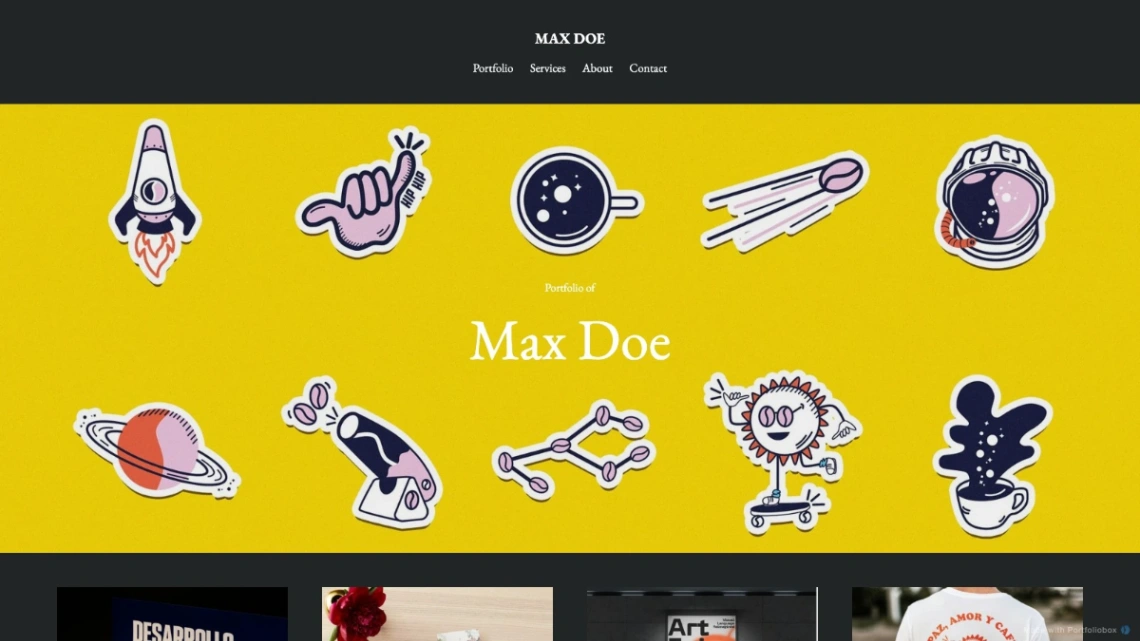
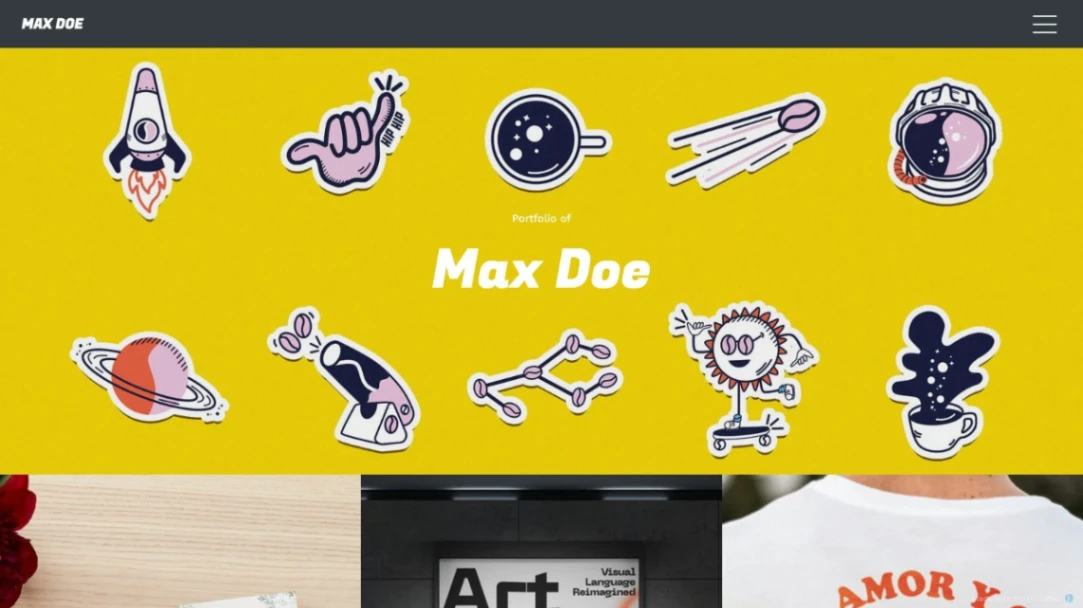
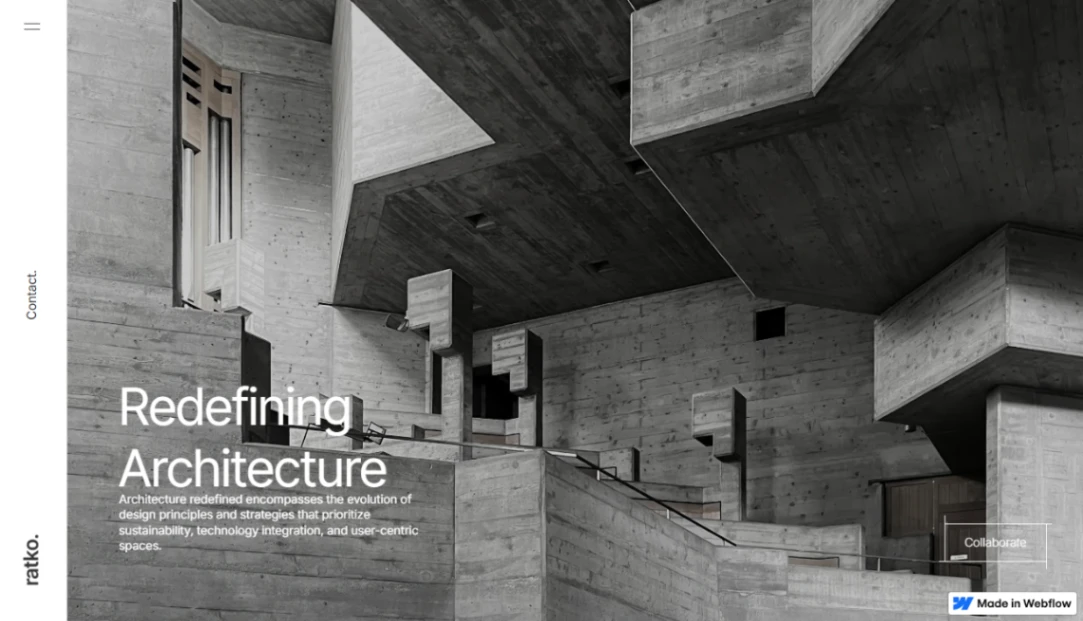
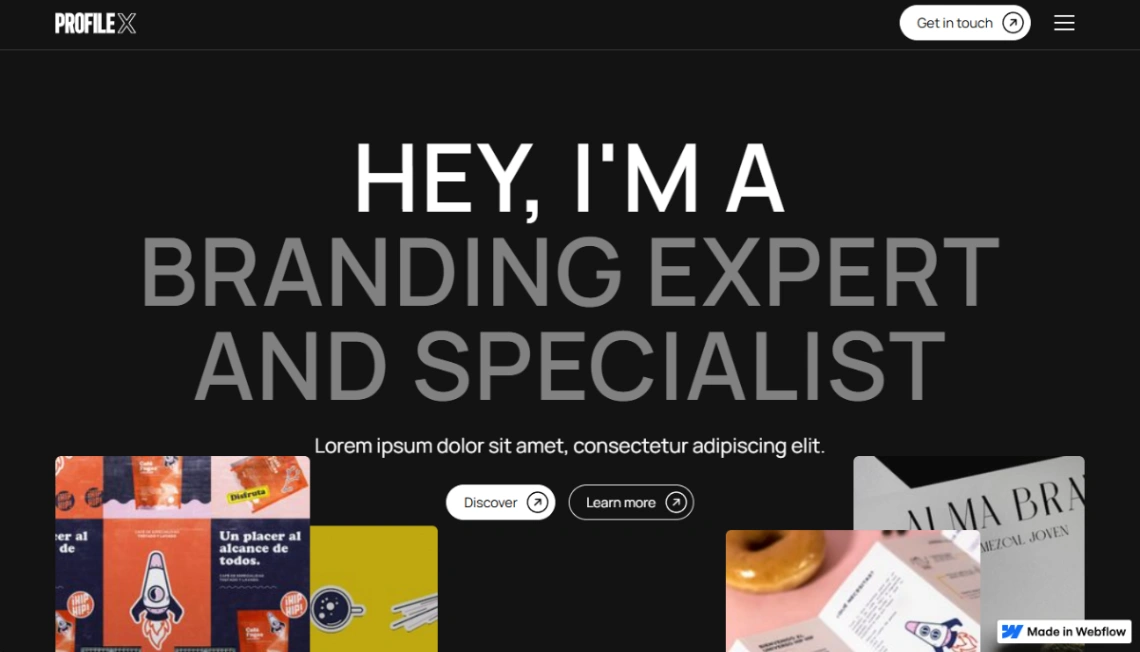
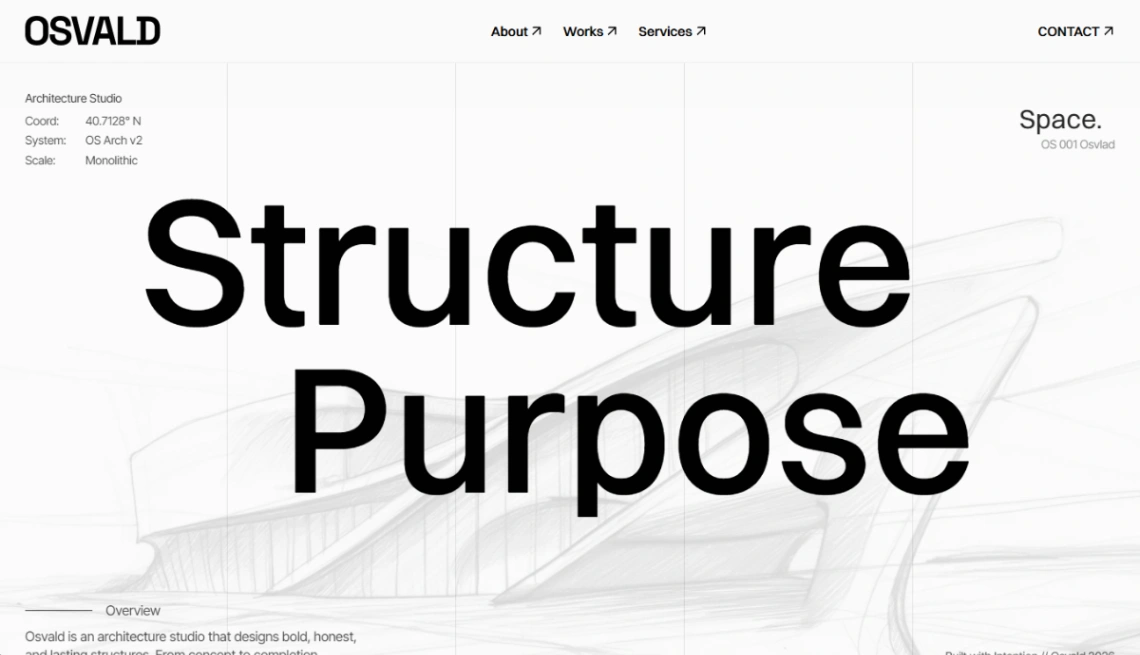
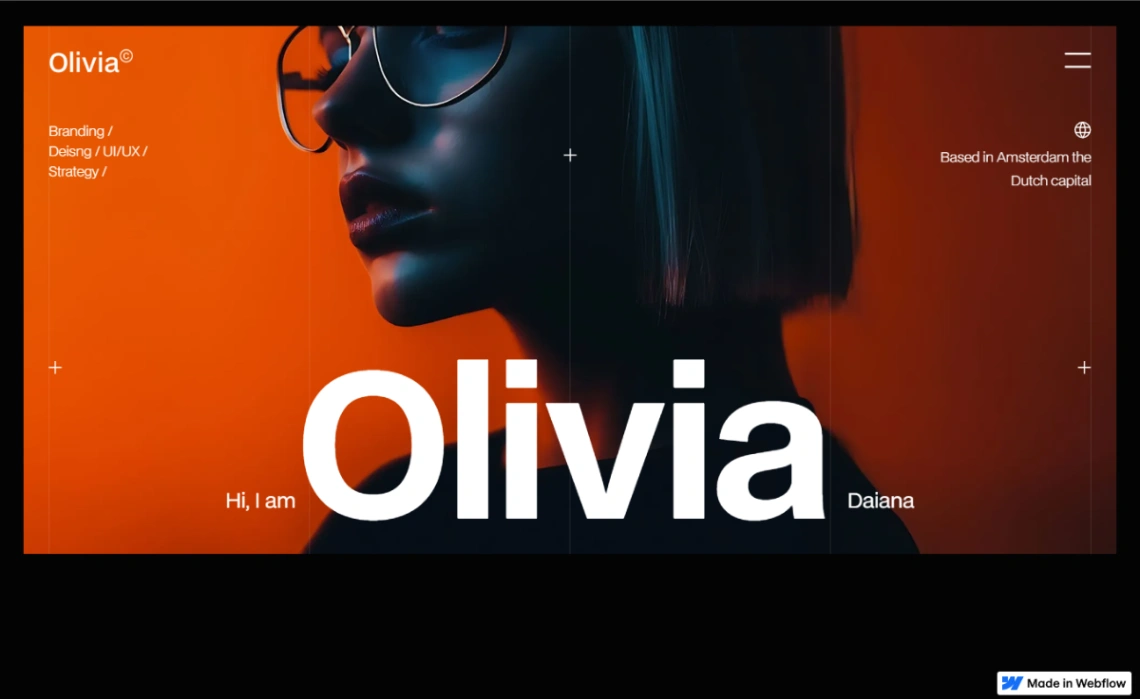
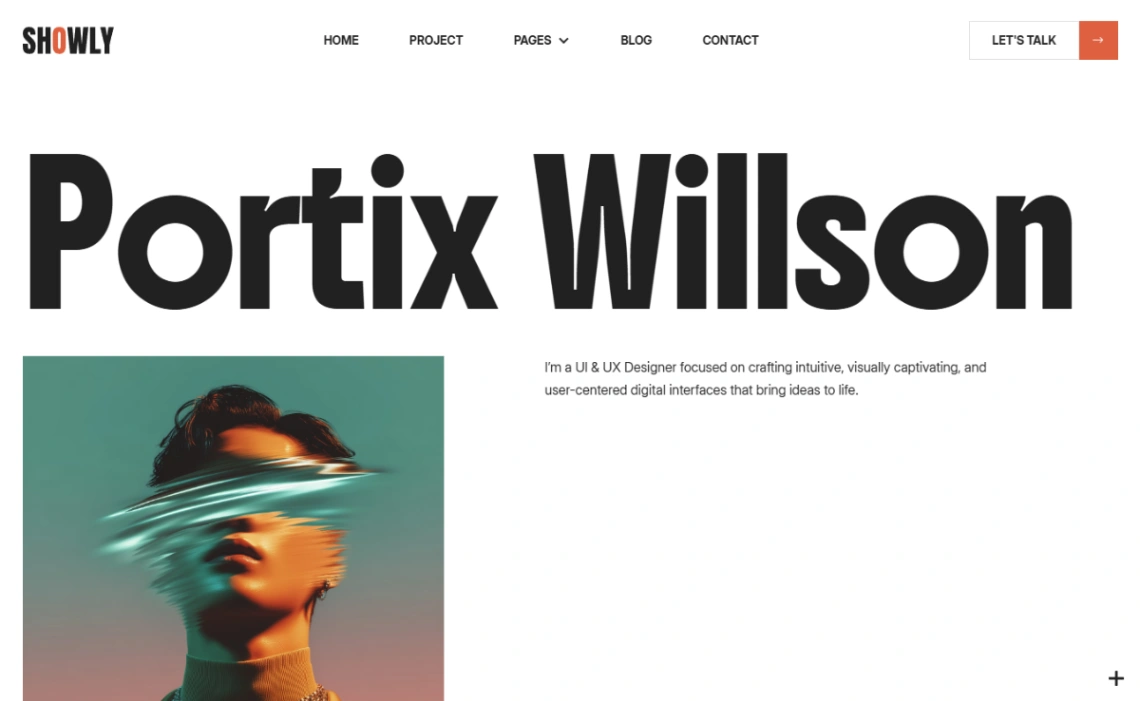
A design portfolio is reviewed by professionals of reviewing portfolios — art directors and design leads who've seen every template in this collection wearing someone else's work. That's the unique pressure here, and it inverts the usual advice: the template's job is to vanish. Customize until nobody can name what you started from; a recognizable template on a designer's own site reads as a shortcut taken on the one project that was entirely yours.
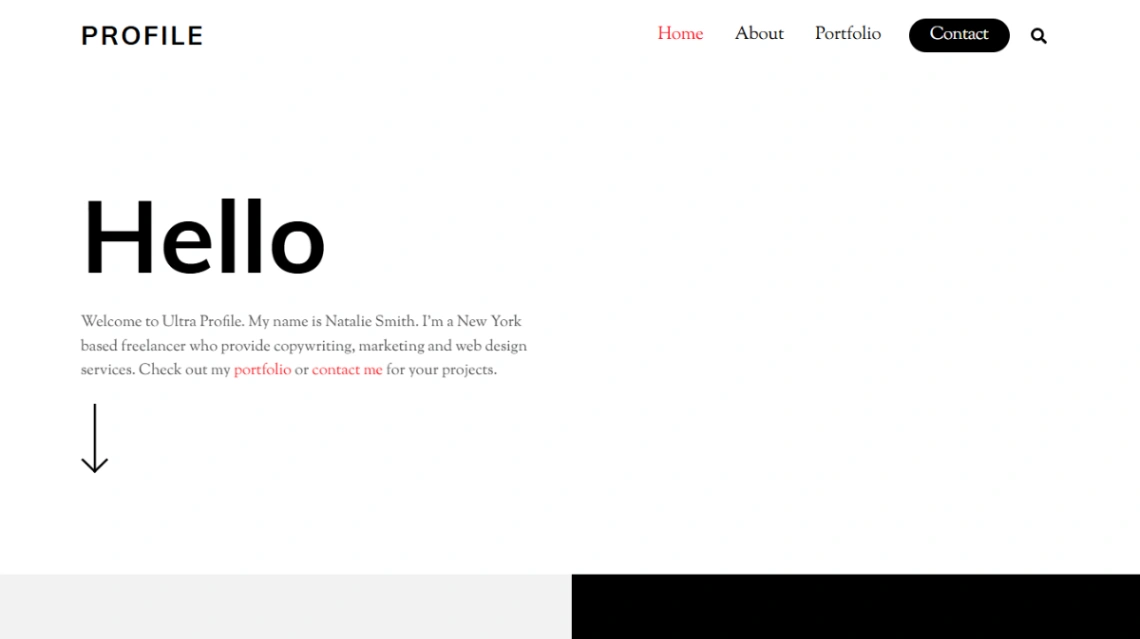
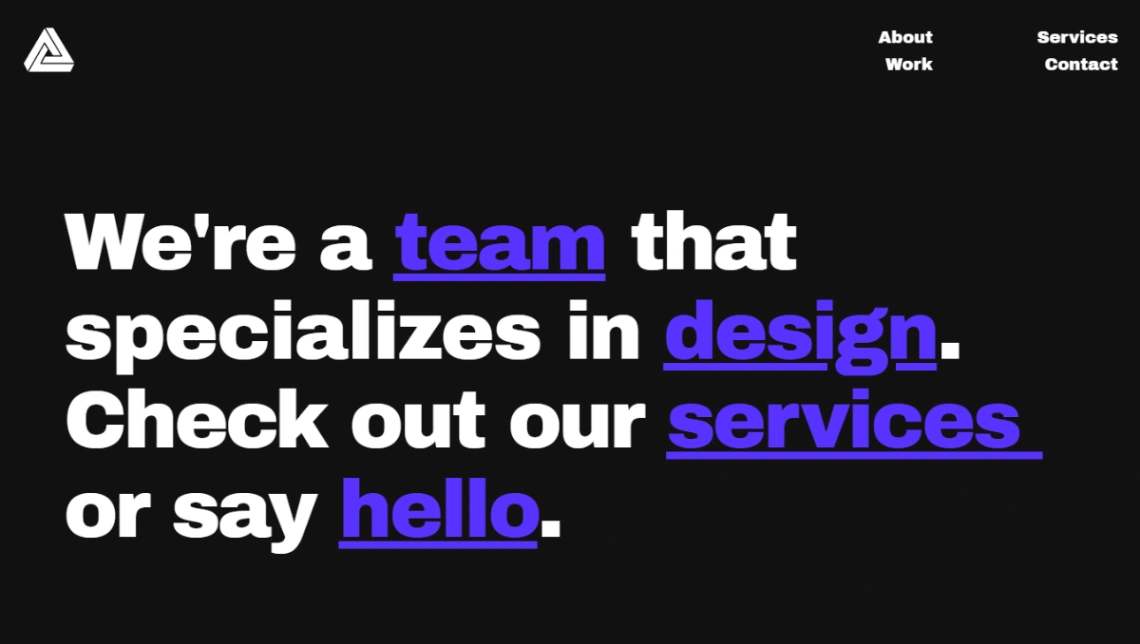
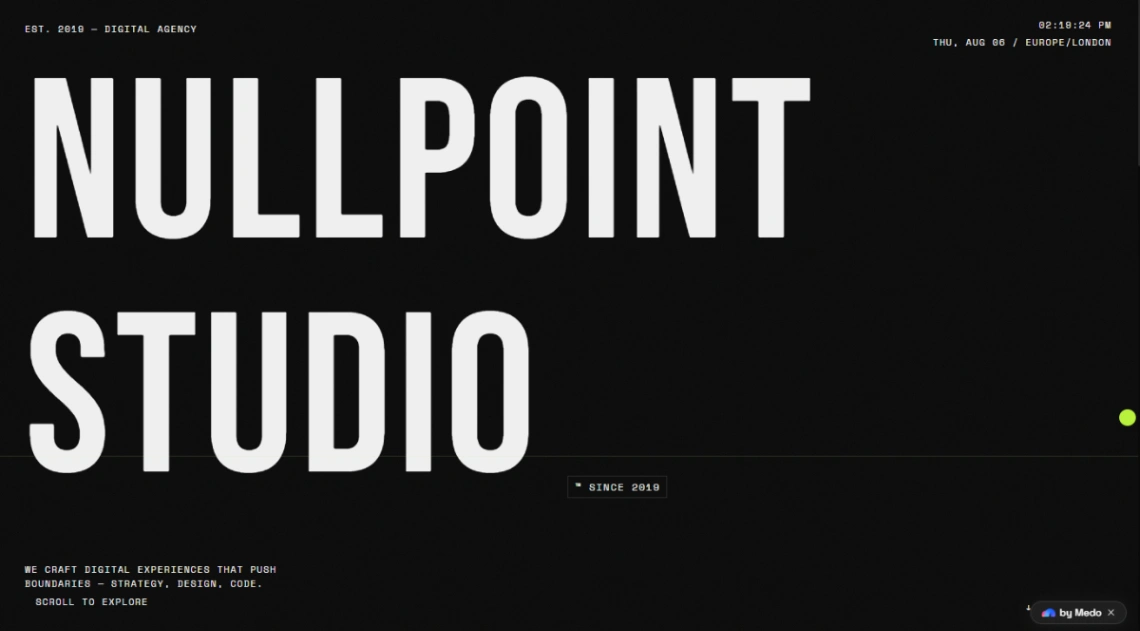
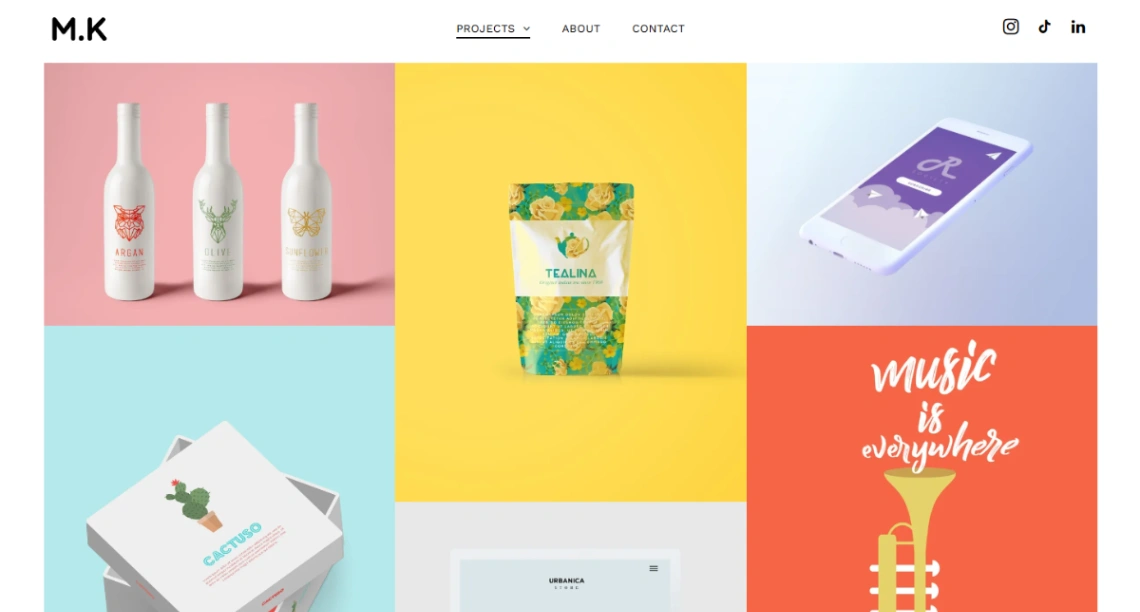
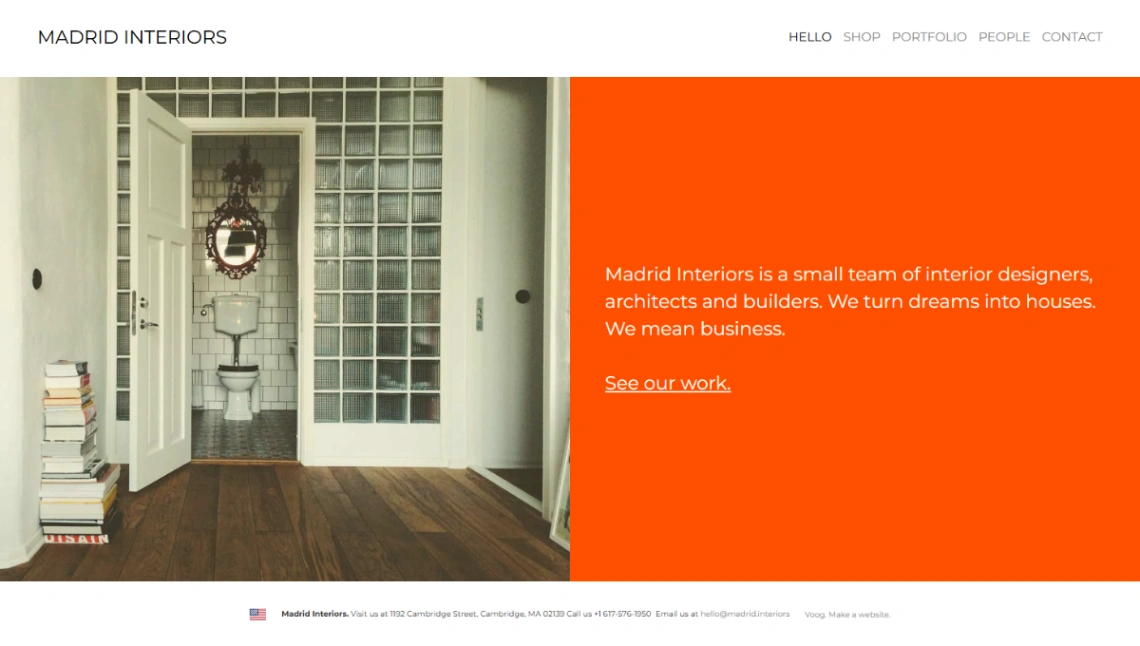
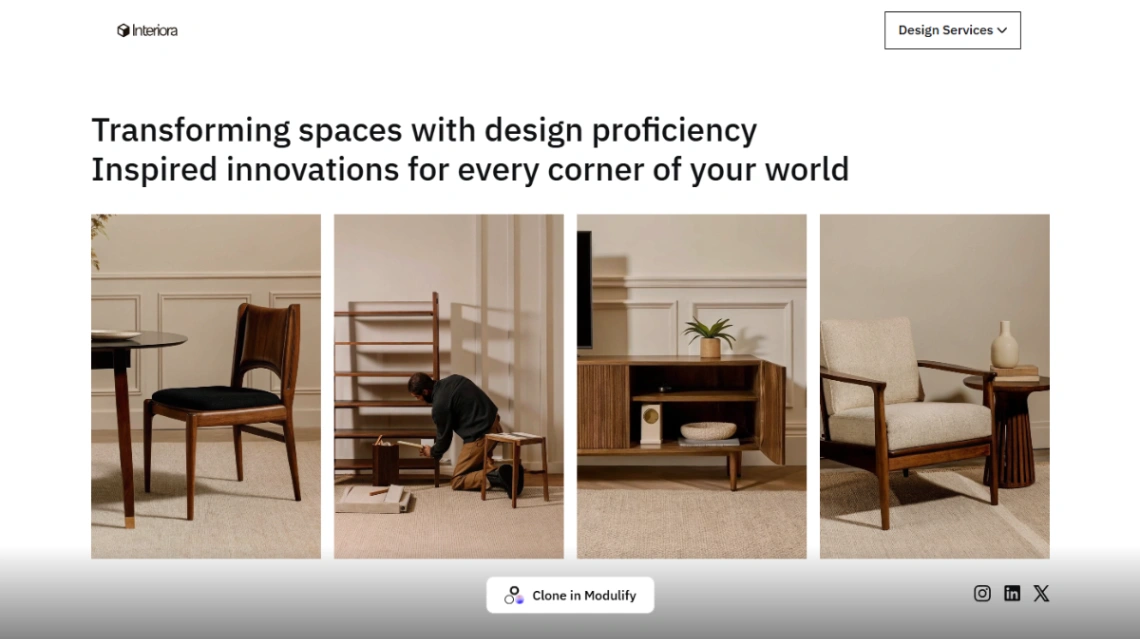
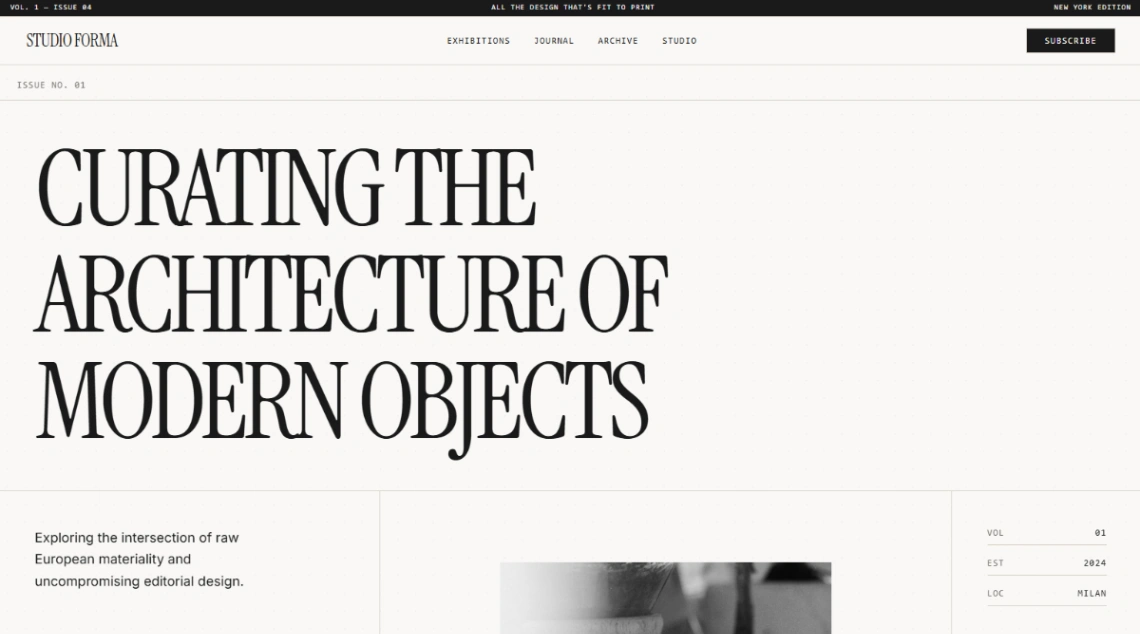
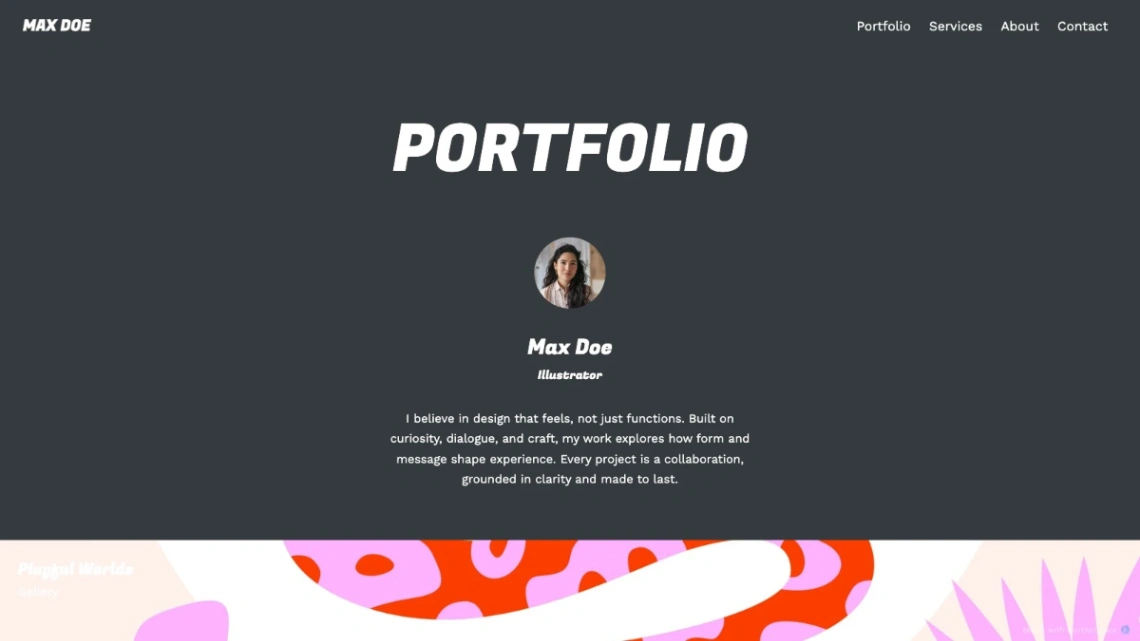
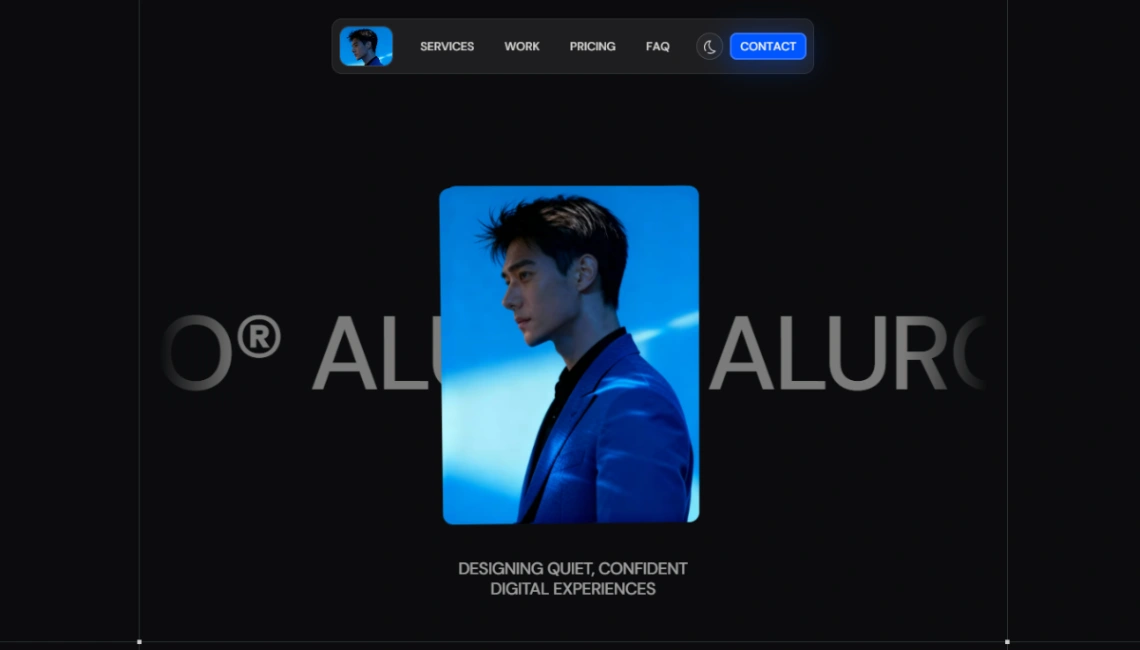
Whitespace and type are where these templates earn their keep, and where you should spend your customization. The strong designs in this collection are exercises in restraint — generous margins, a disciplined type scale, color used once. Resist improving them with more; the restraint is the signal, and every addition spends it. One carefully chosen typeface reads as a voice; three read as a costume party.
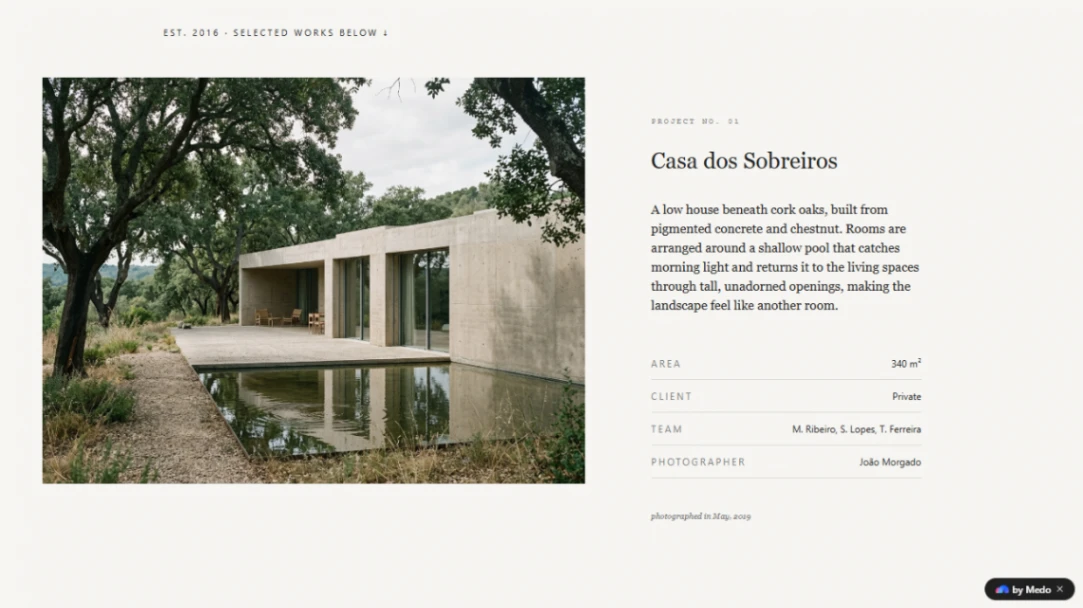
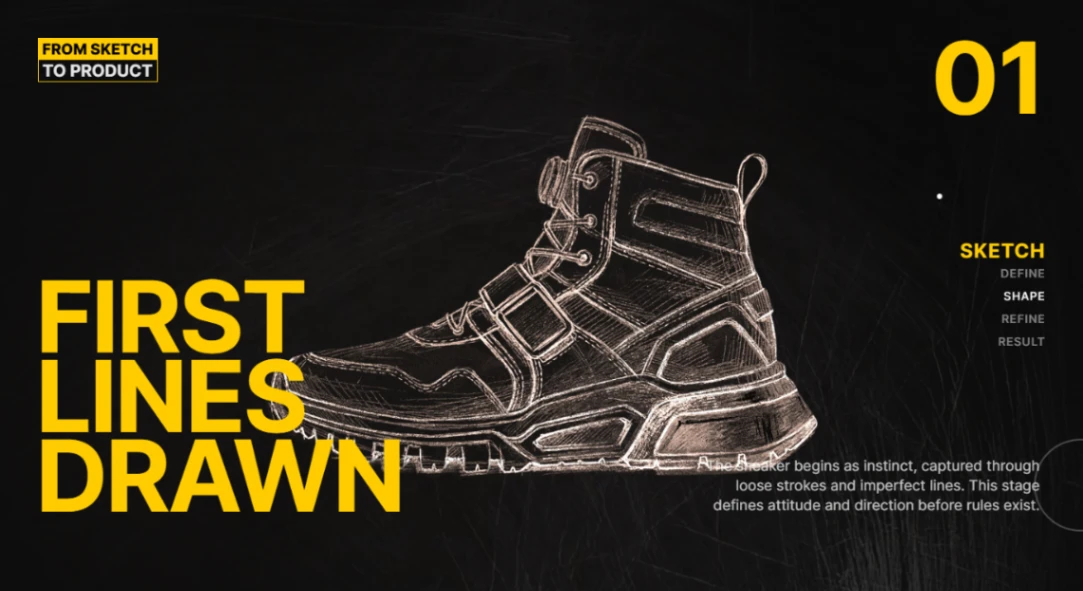
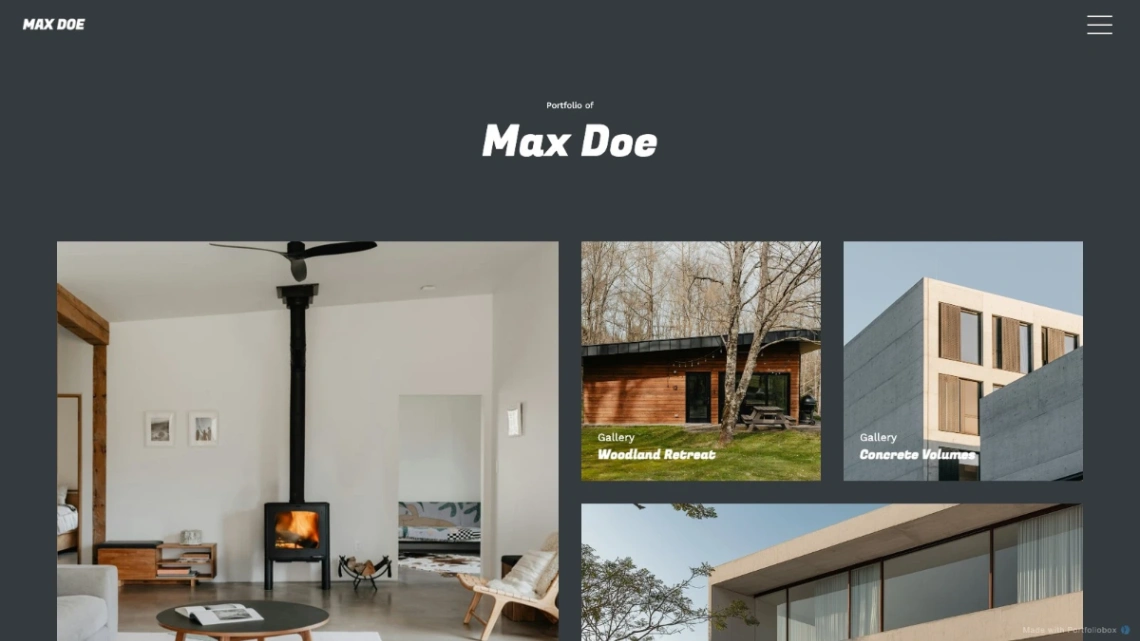
Decide what your case studies owe the reader. Hiring managers consistently say the same thing: they can see the shots anywhere, what they're buying is the decisions — the constraint, the options rejected, the reason this one shipped. Templates with real case-study structure (problem, process, outcome, with room for artifacts) serve that; pure image grids serve dribbble moods. Most working designers need the first with the second's confidence.
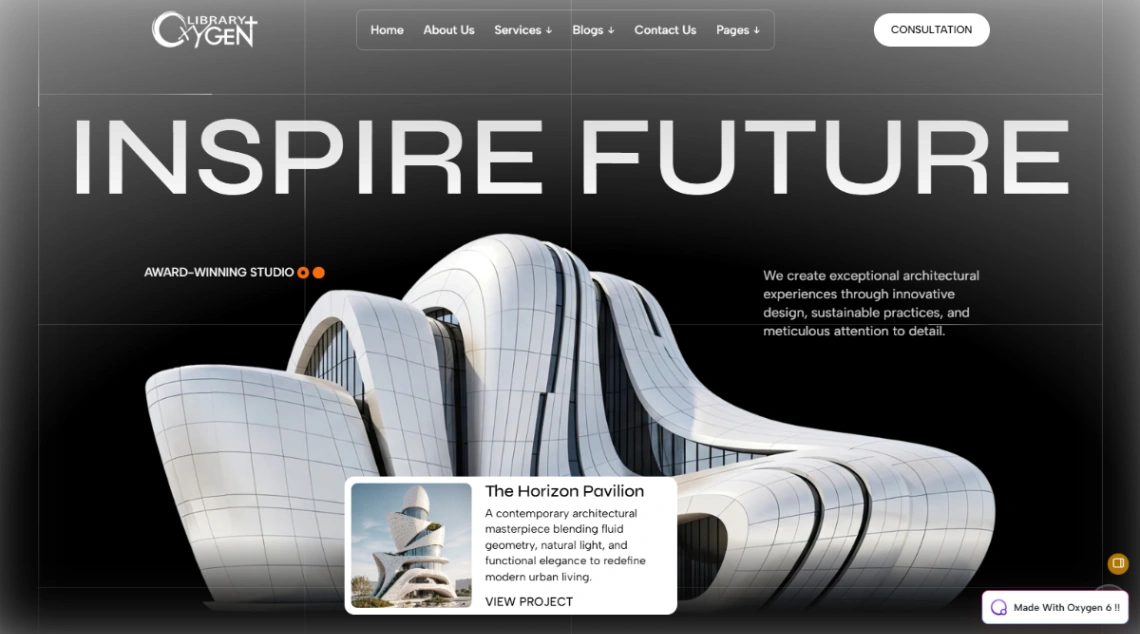
A practical note on the builders: several platforms in the pinned picks are themselves design-community darlings, and fluency in them is quietly part of what you're demonstrating. Choosing one your peers respect — then bending it past recognition — is the whole assignment in miniature.
FAQ