Buyer's guide
How to choose a delivery template
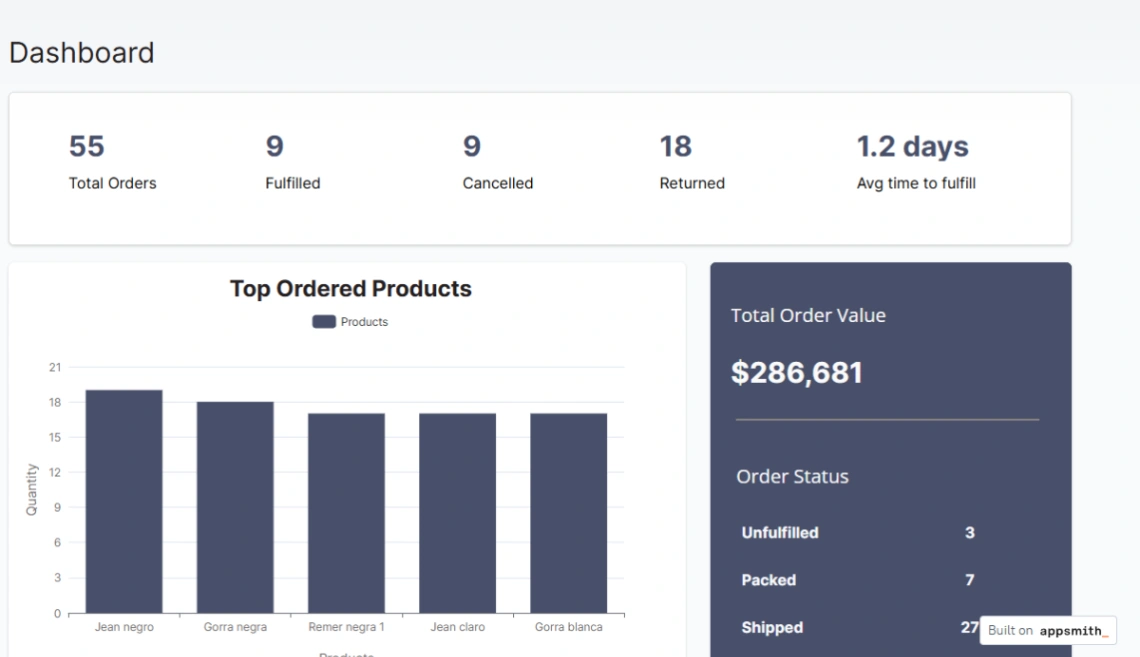
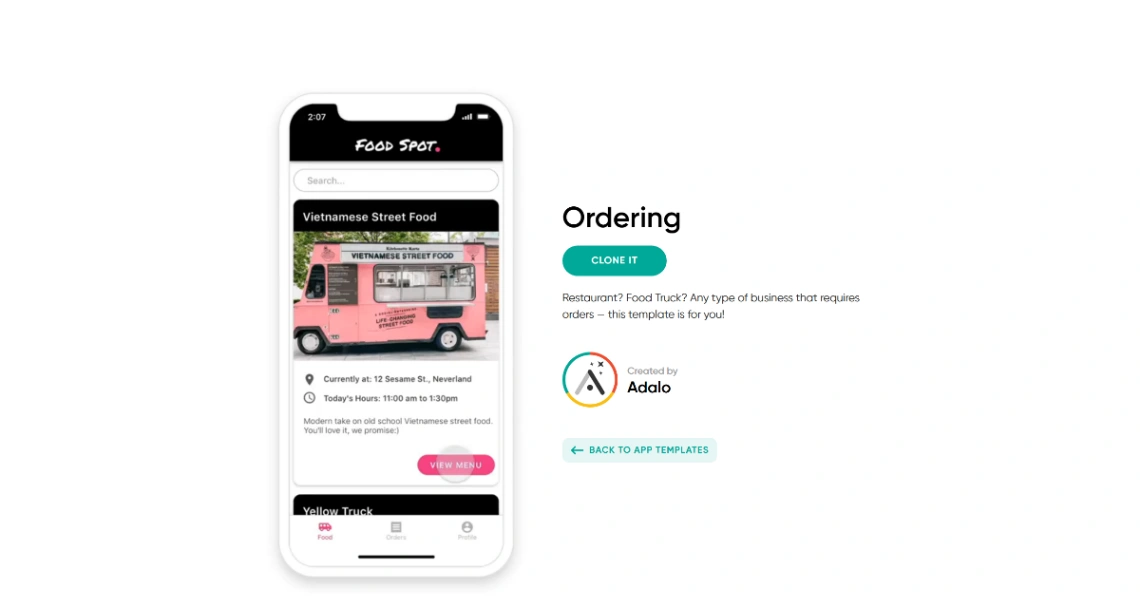
Delivery businesses are judged between the tap and the doorbell, and everything in this small collection exists to make that interval visible and short. These aren't marketing sites — they're operations systems: order intake, driver assignment and status tracking as ready-to-run apps on the app platforms pinned above. Evaluate them as software, because that's what your customers and drivers will experience.
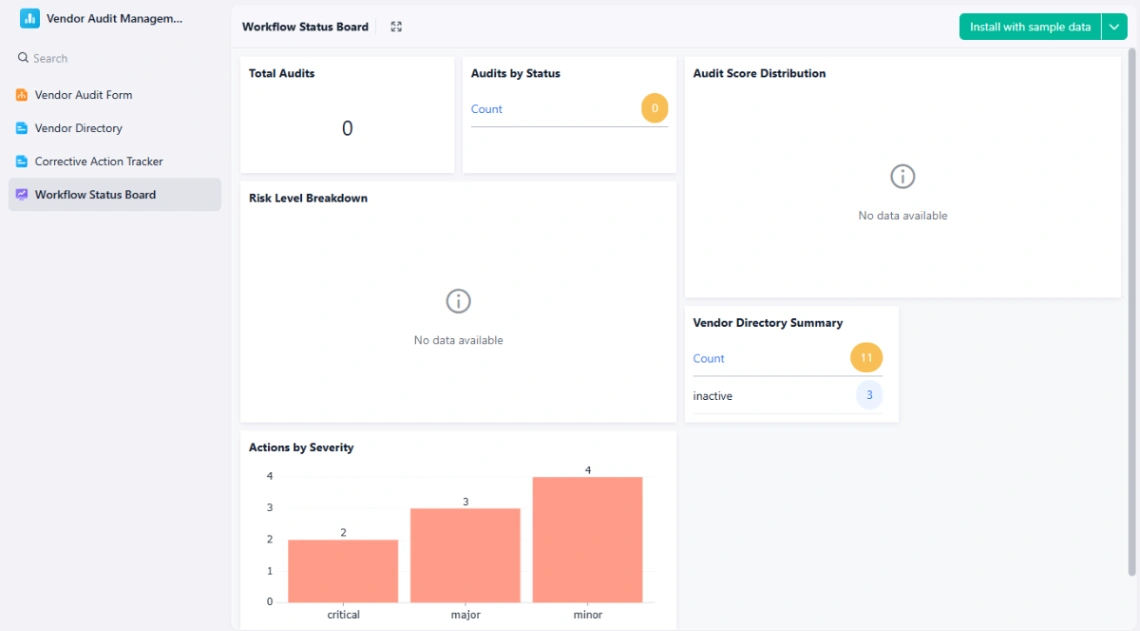
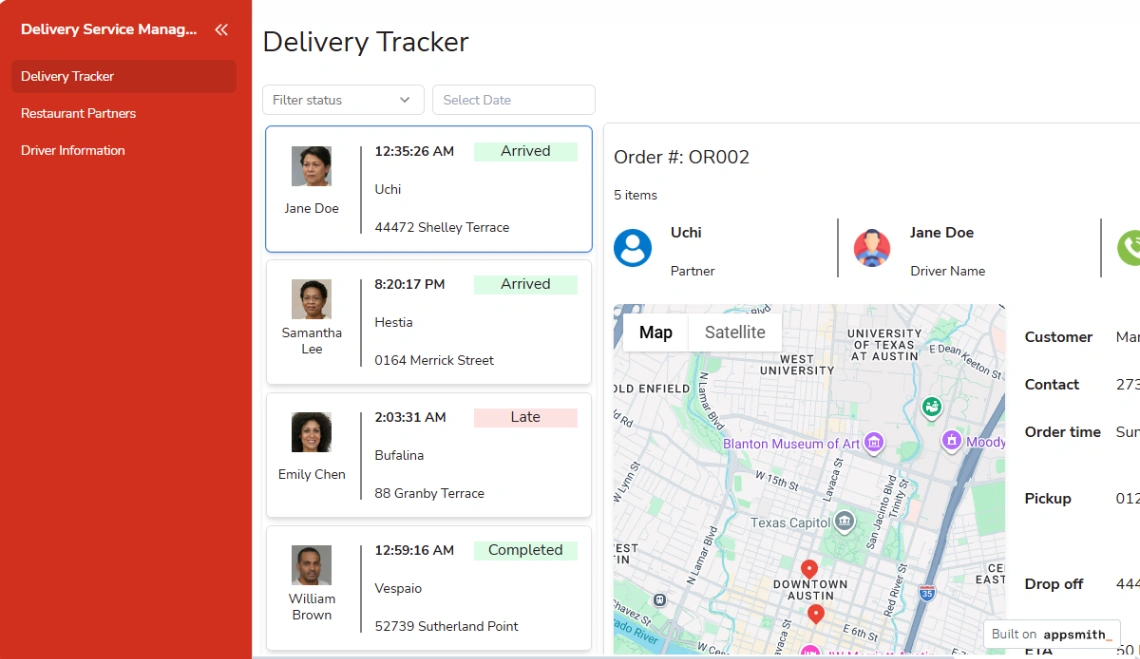
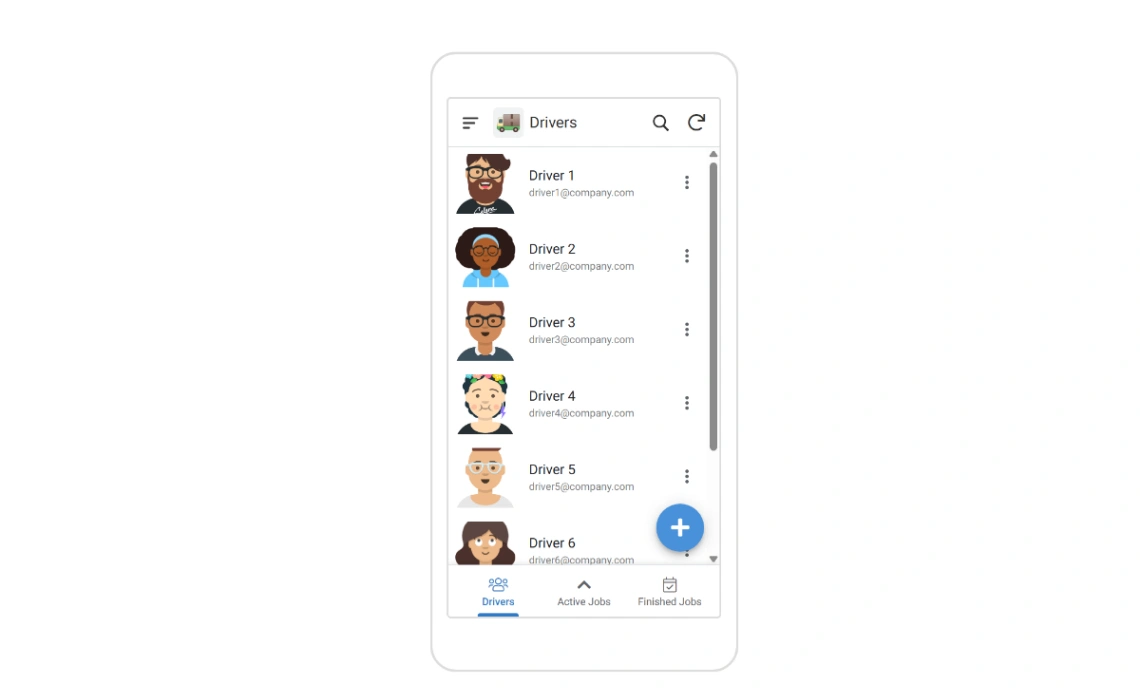
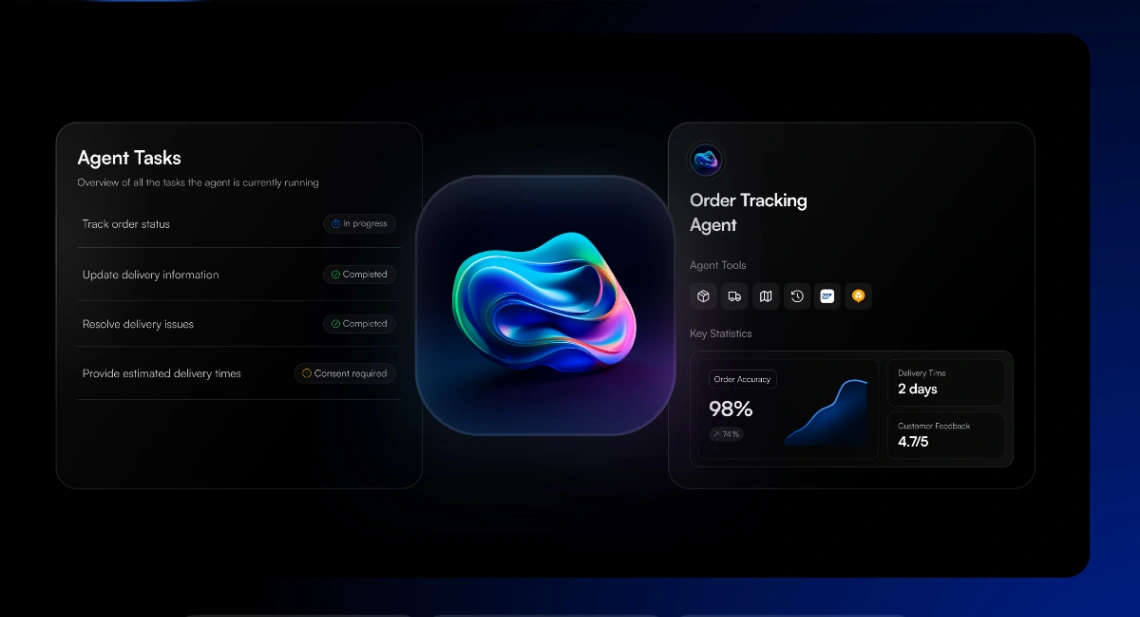
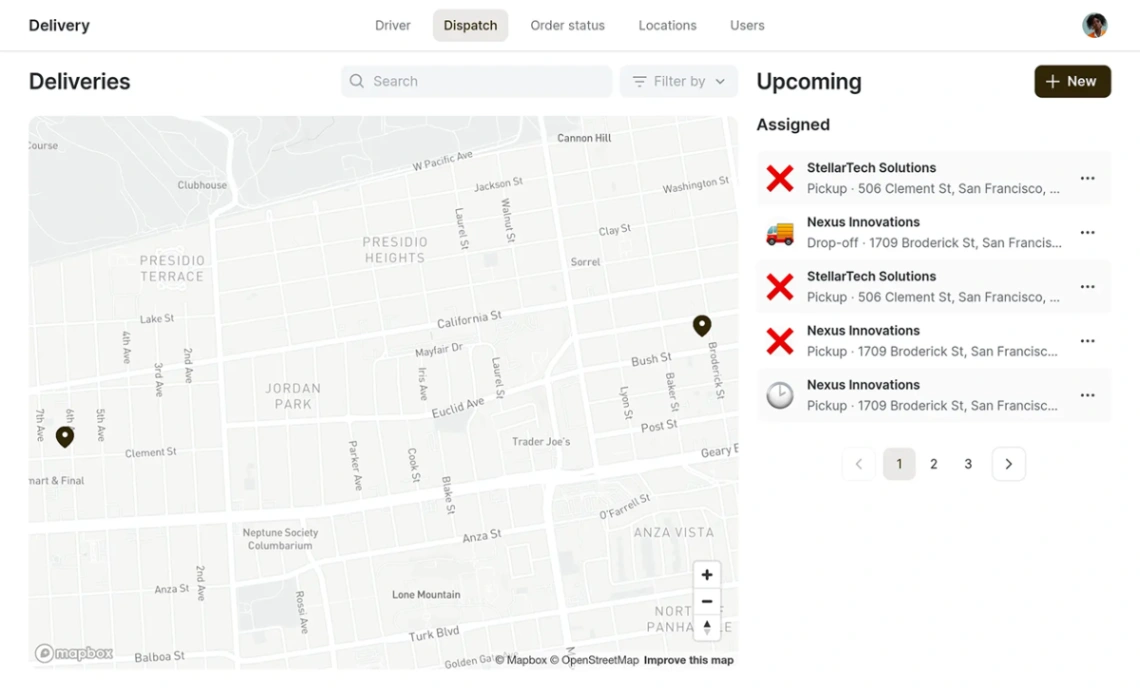
The order lifecycle is the spine: placed, confirmed, assigned, moving, delivered — every order in exactly one state, visible to the right people. The customer sees progress (which converts "where is it?" calls into glances), the driver sees their queue on a phone, and the dispatcher sees everything on one board. Templates that model this lifecycle honestly save you the weeks of workflow design that sink most delivery launches. Notifications ride the same spine: each state change can message the customer automatically, which is the tracking most people actually want.
State zones and fees before the cart does. Delivery economics live on geography — where you go, what it costs, when the cutoffs fall — and every ambiguity becomes a refund or an argument. A zone map or postcode check at the top of the flow filters the orders you can't serve while they're still cheap to lose.
Then the honest advice the category's smallness earns: run one zone until it's boring. One zone, clean lifecycle, drivers paid without spreadsheet archaeology — then copy what works to zone two. The template makes expansion configuration rather than construction; the discipline of earning it is still yours.
FAQ