
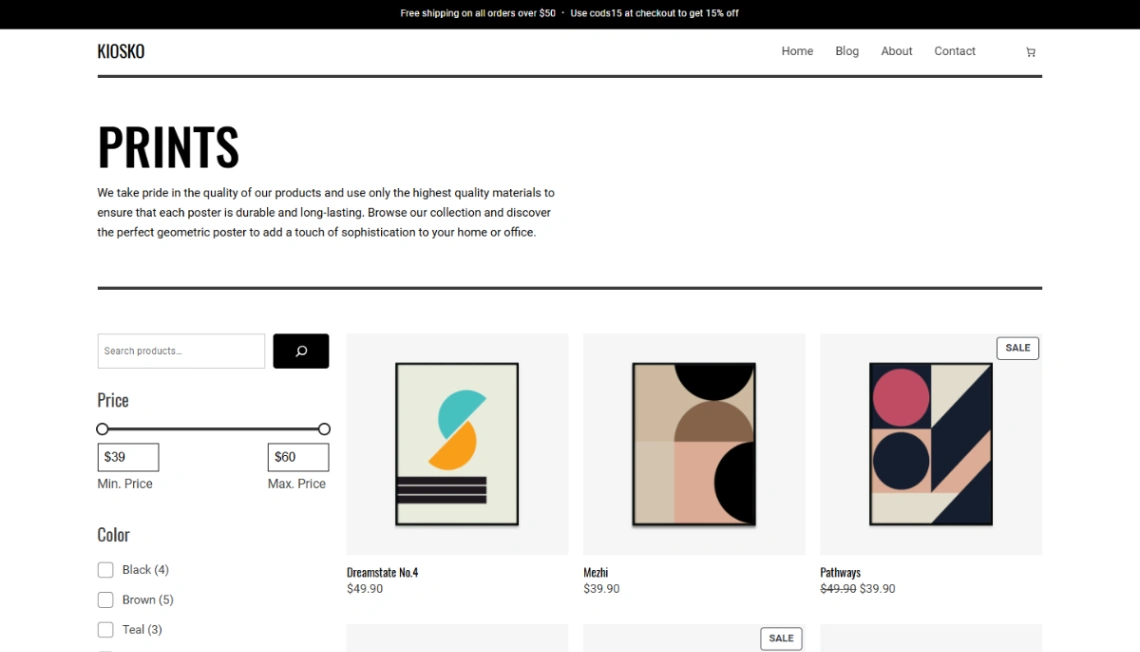
Art Store
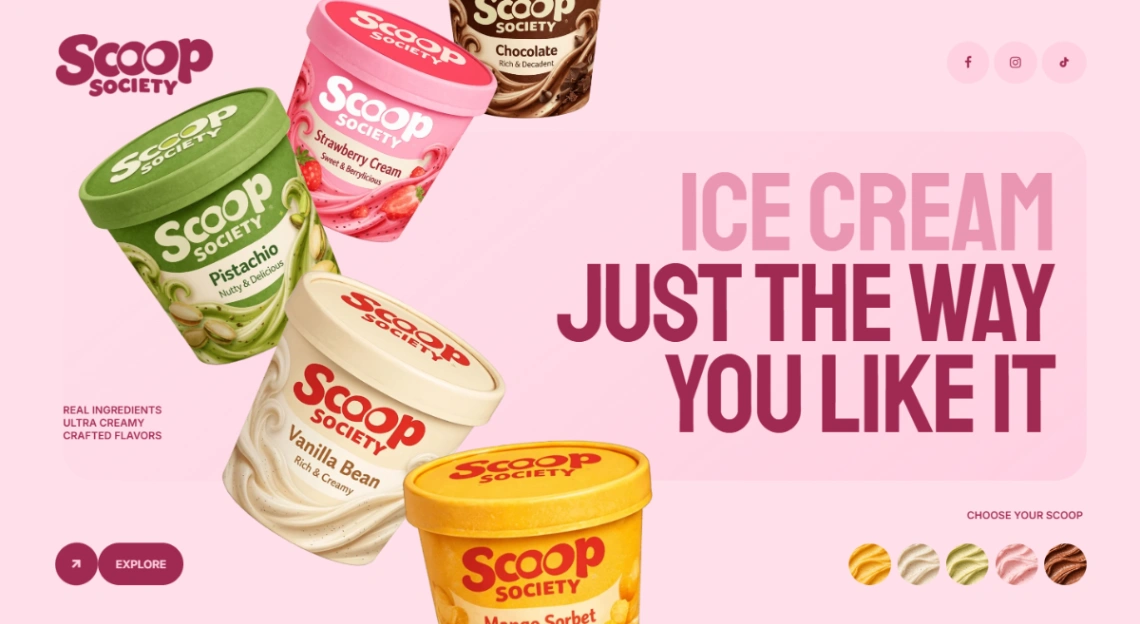
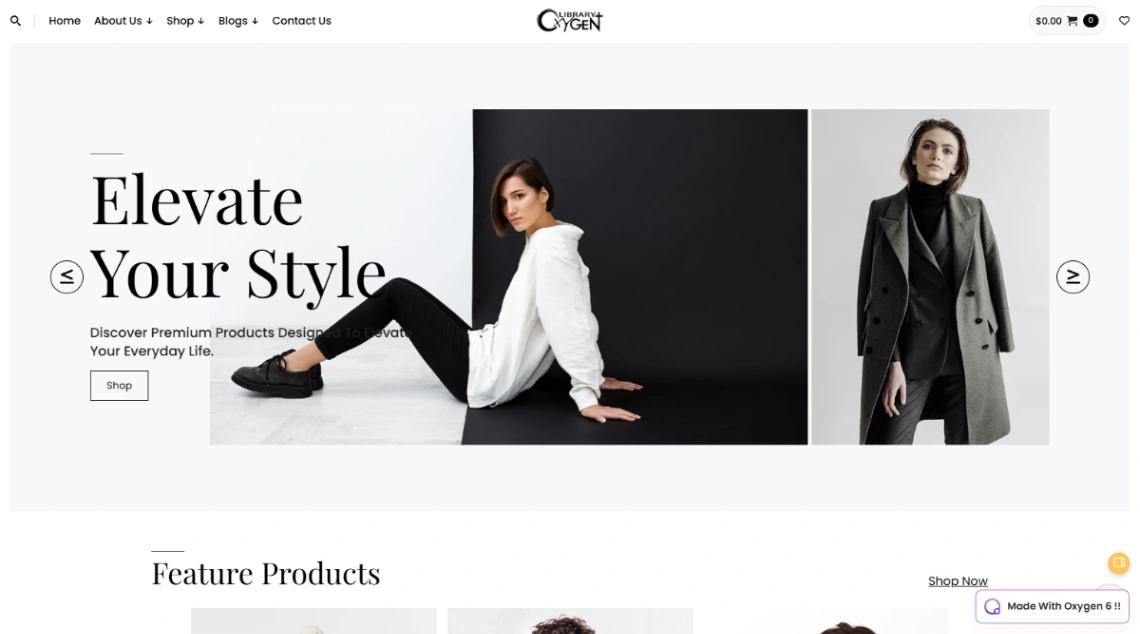
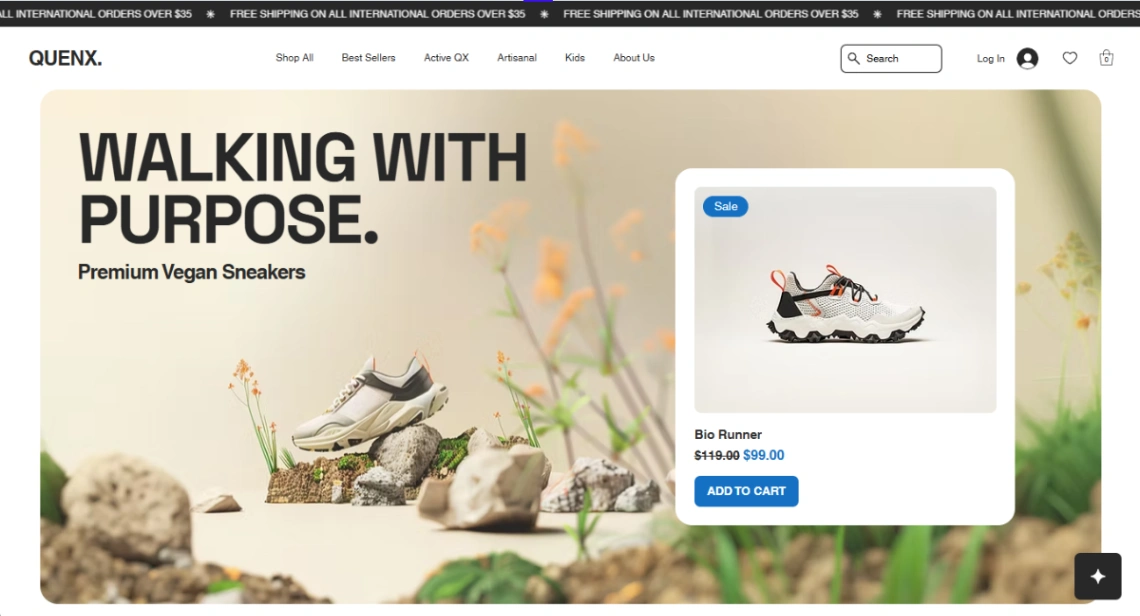
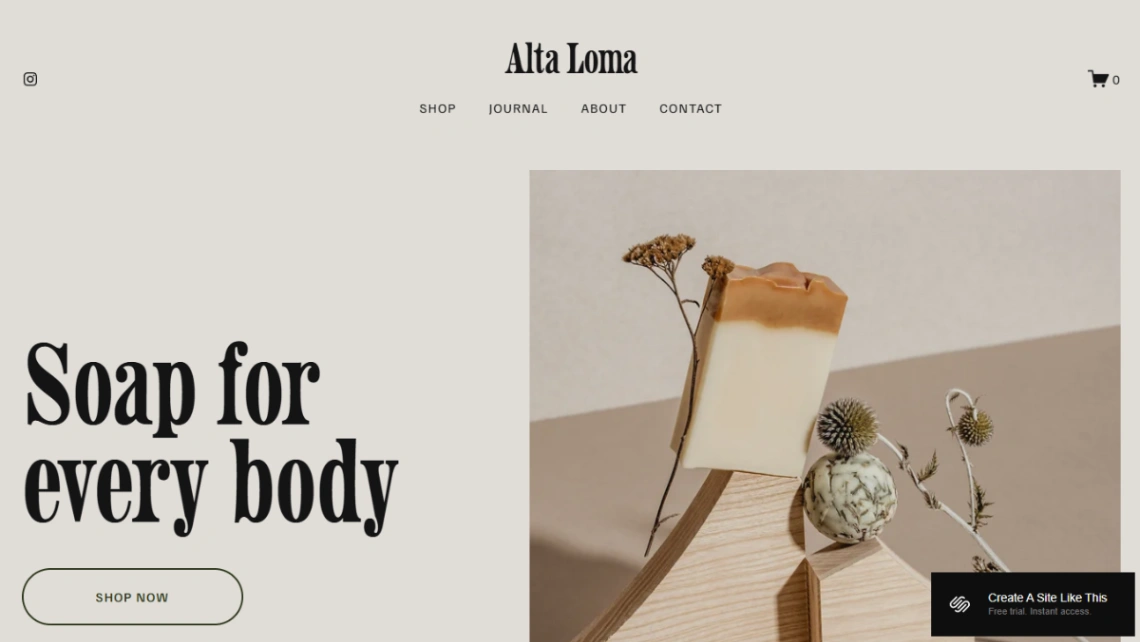
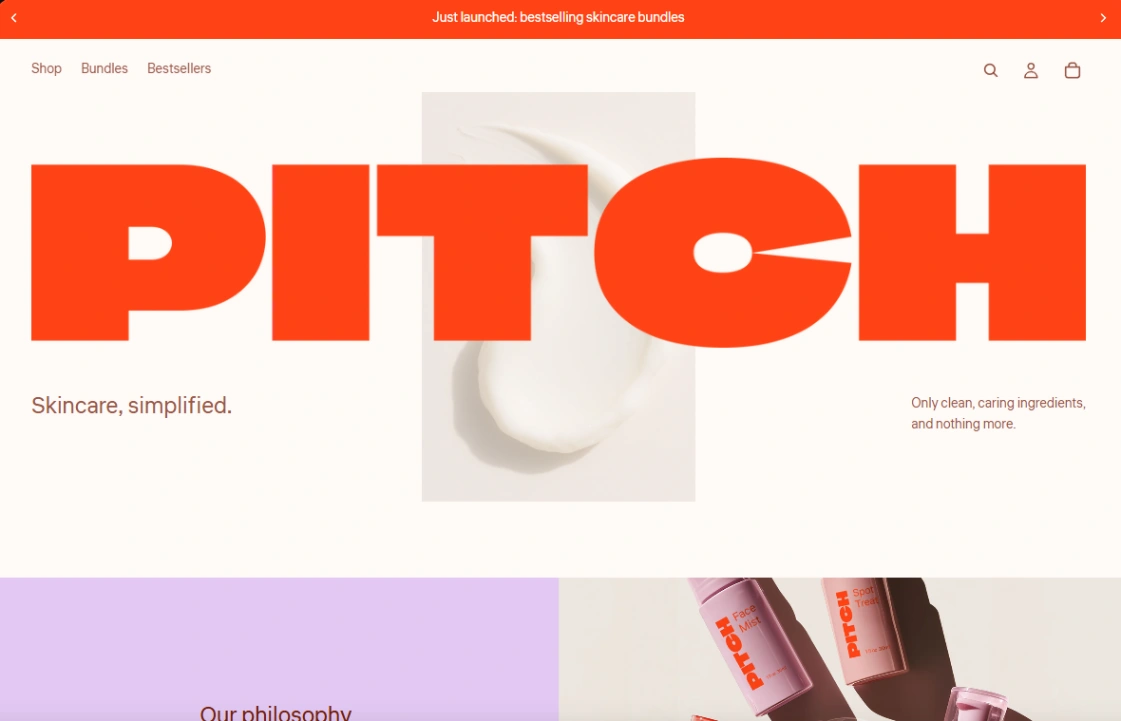
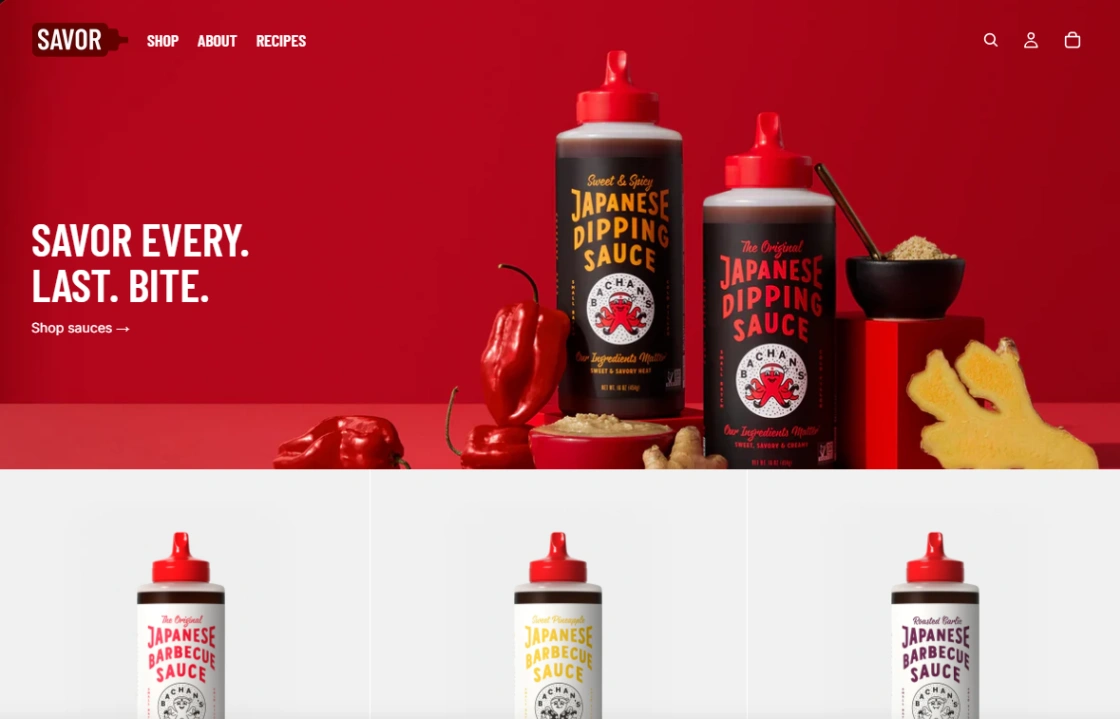
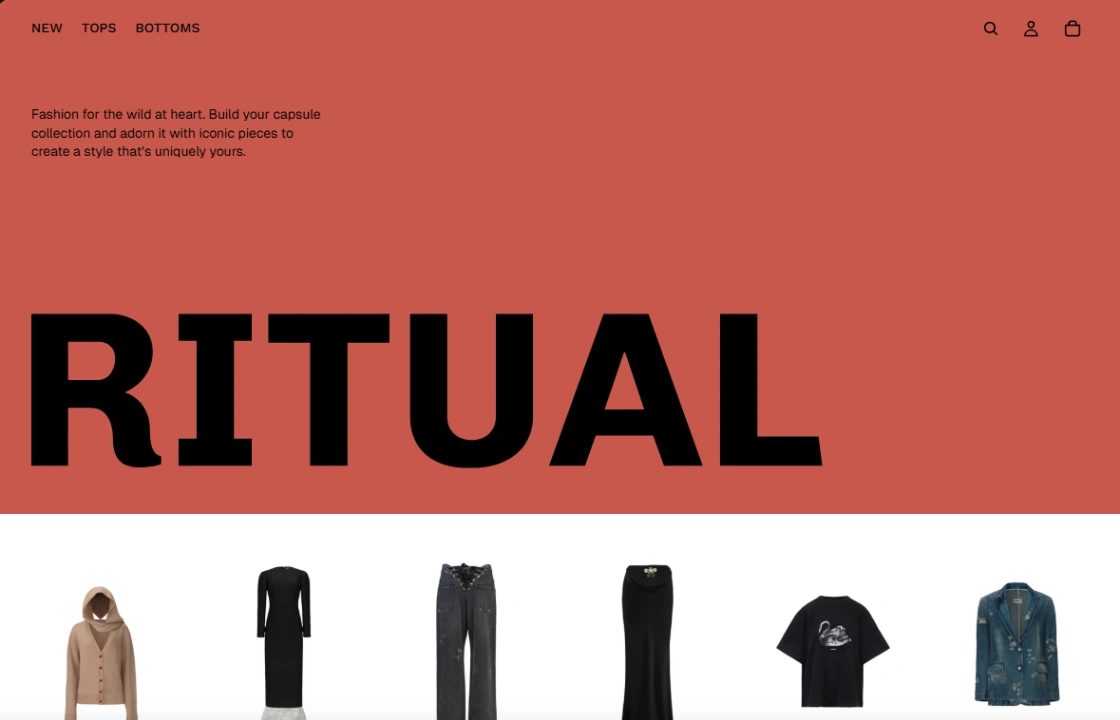
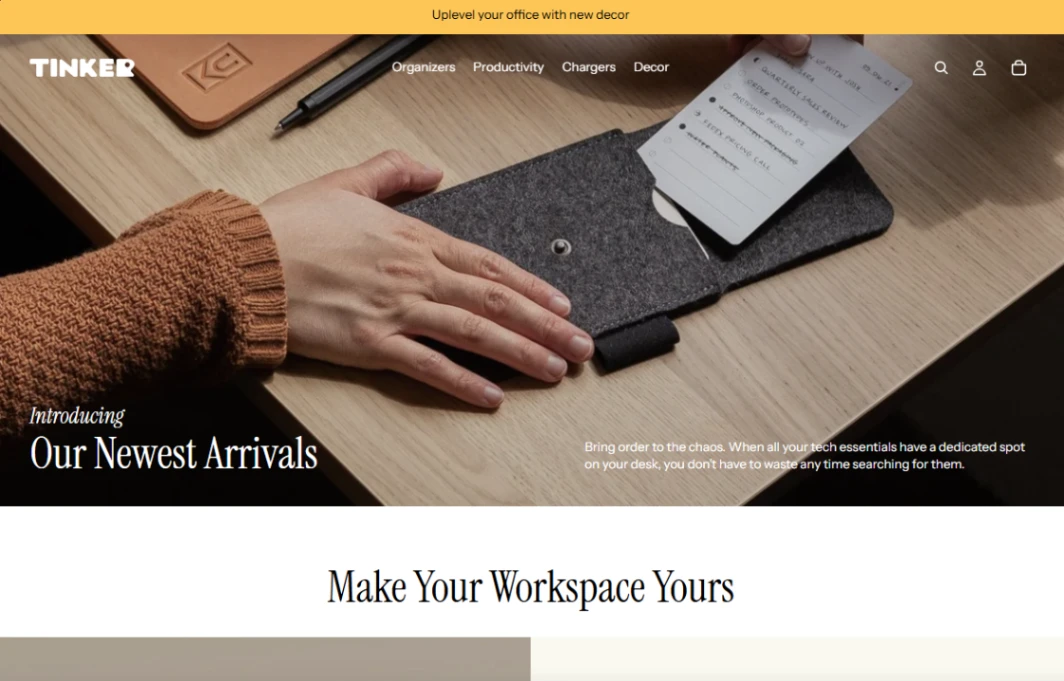
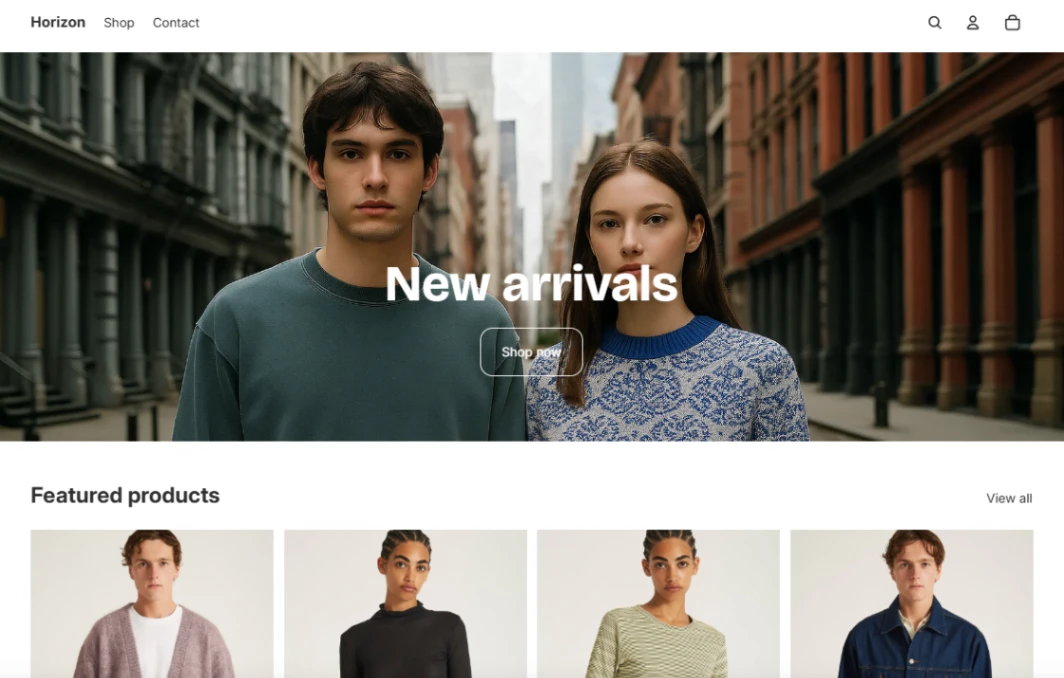
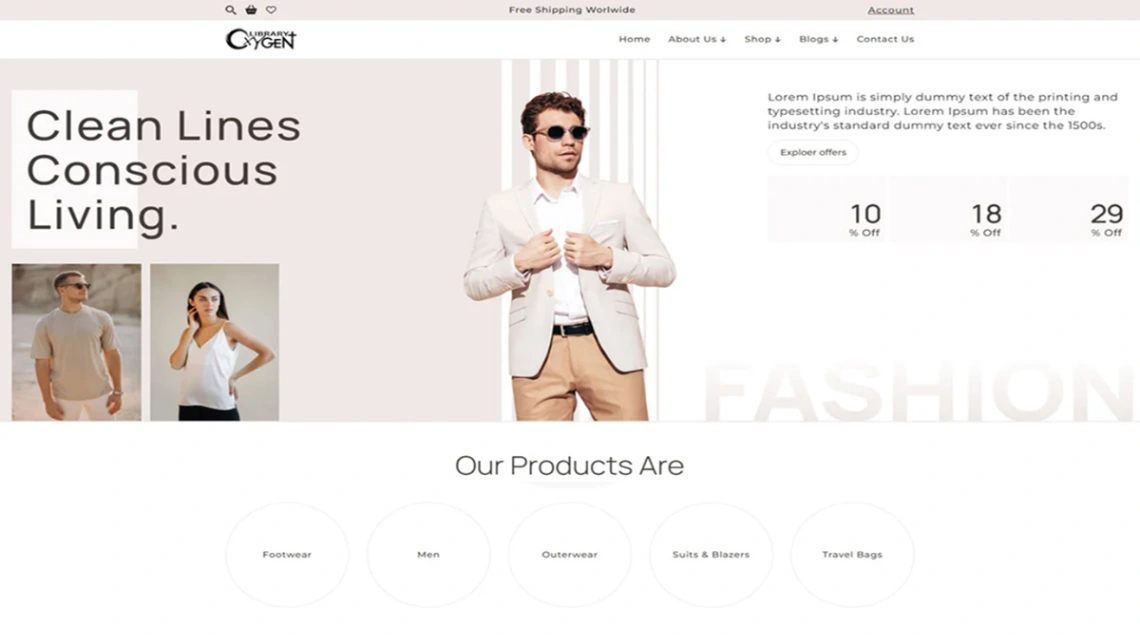
Classic Shop
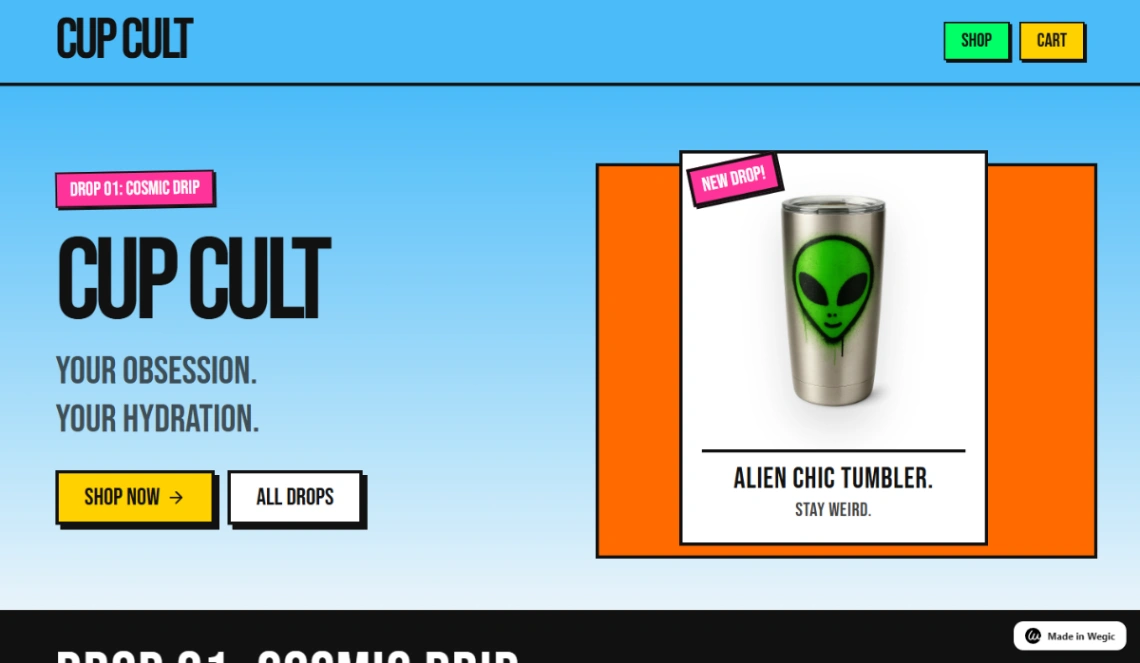

Blog & Shop

Buyer's guide
How to choose an online shop template
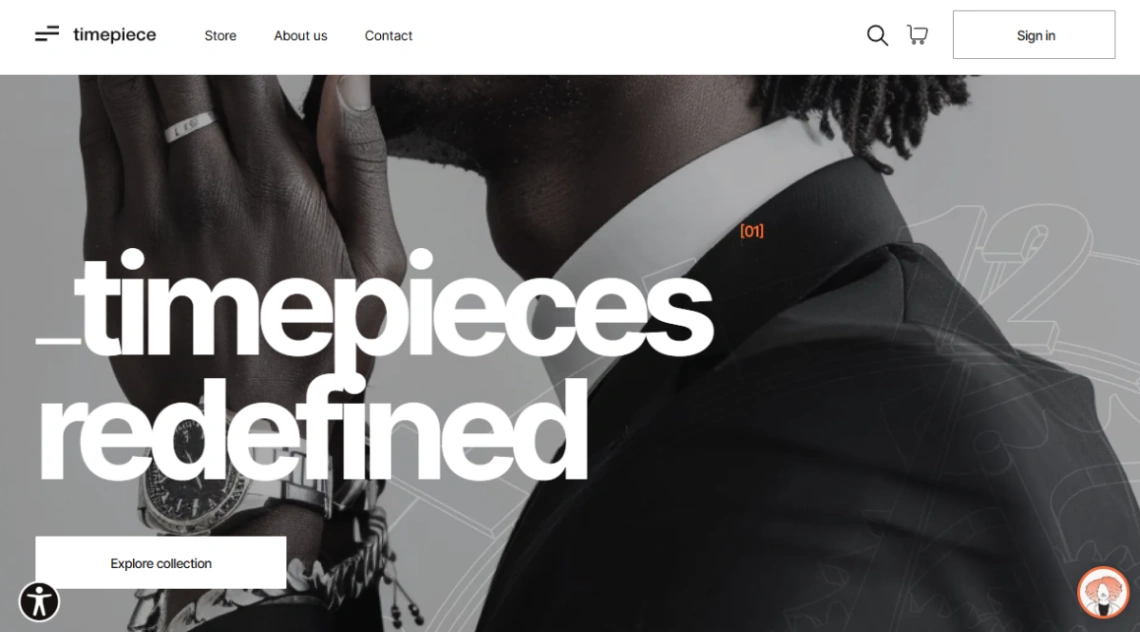
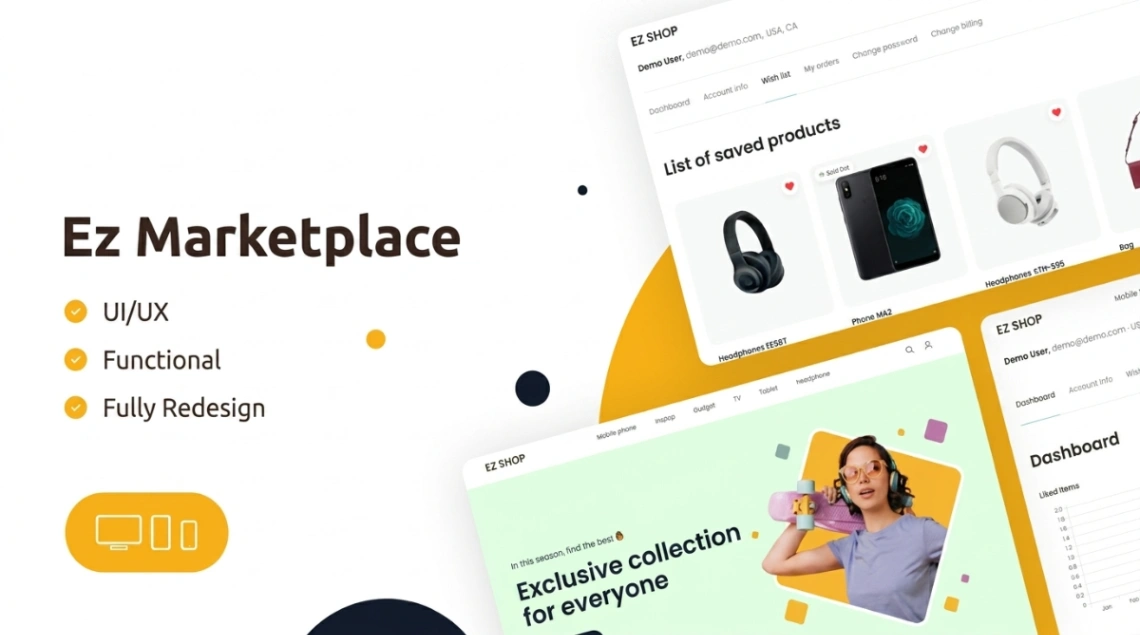
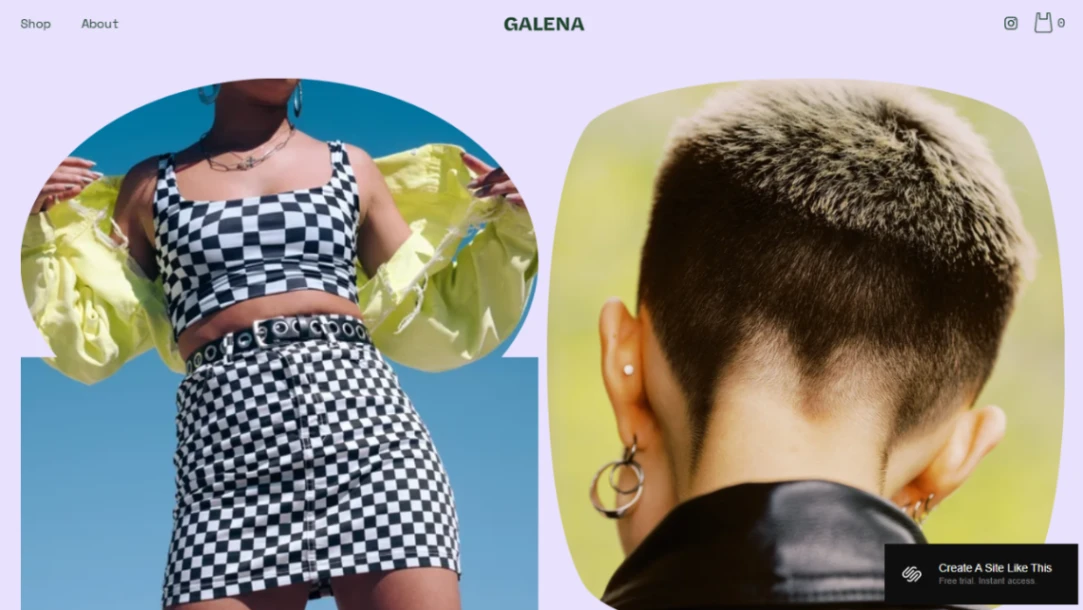
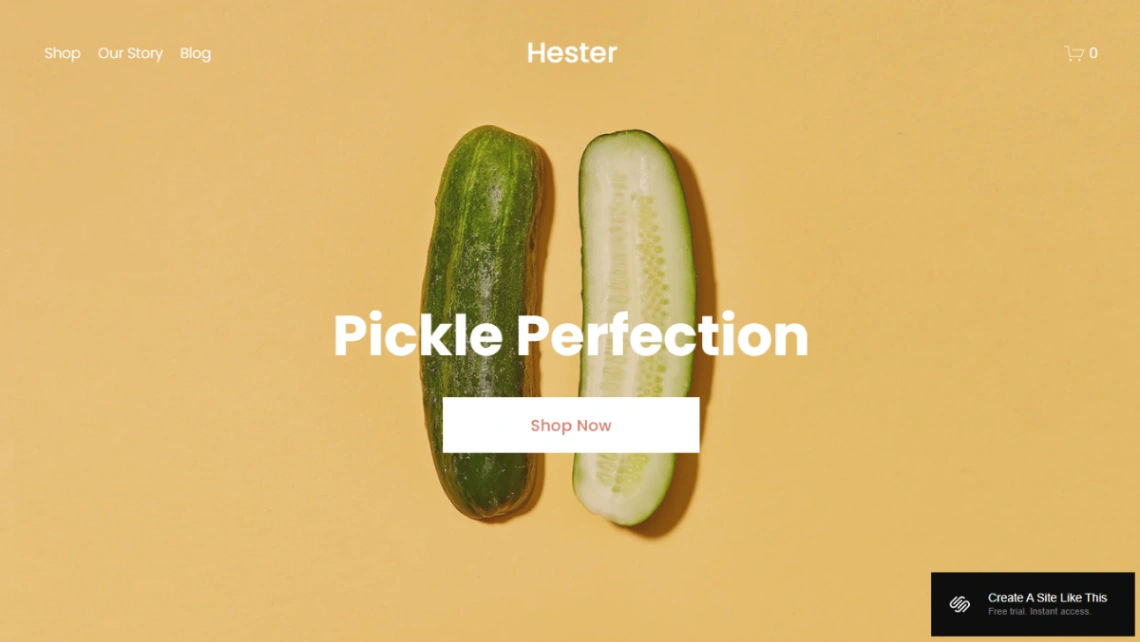
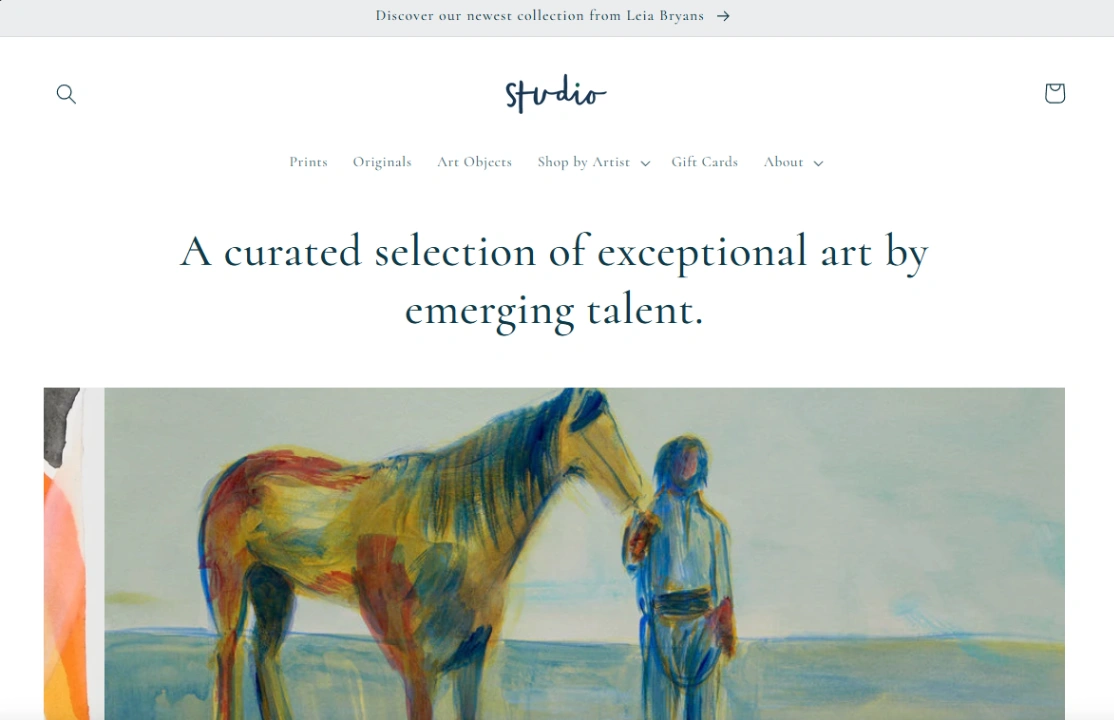
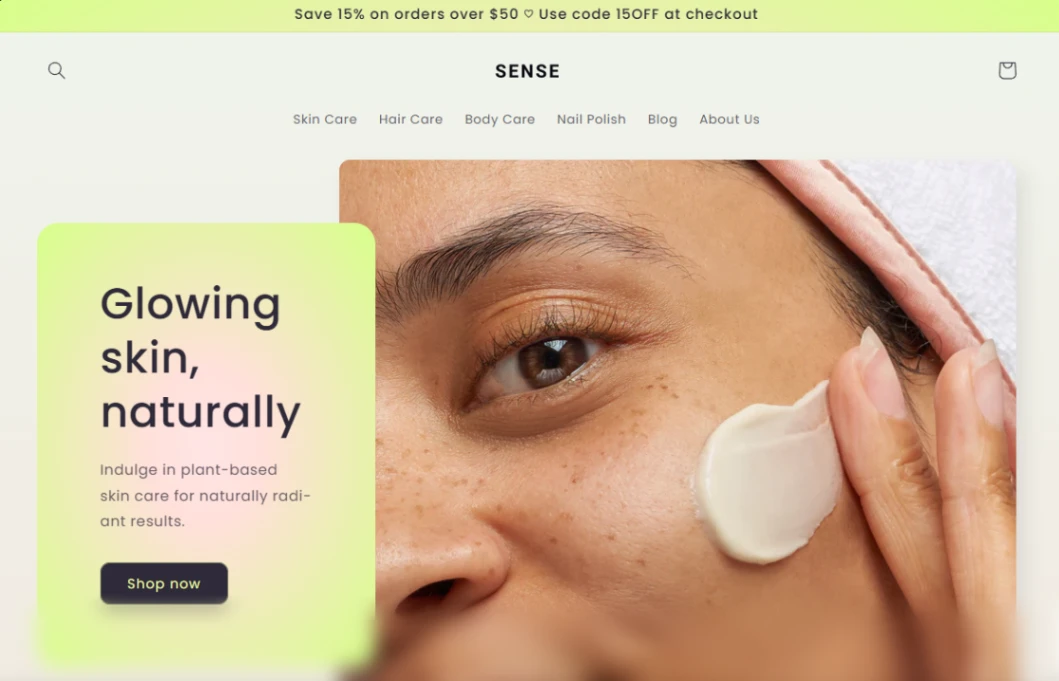
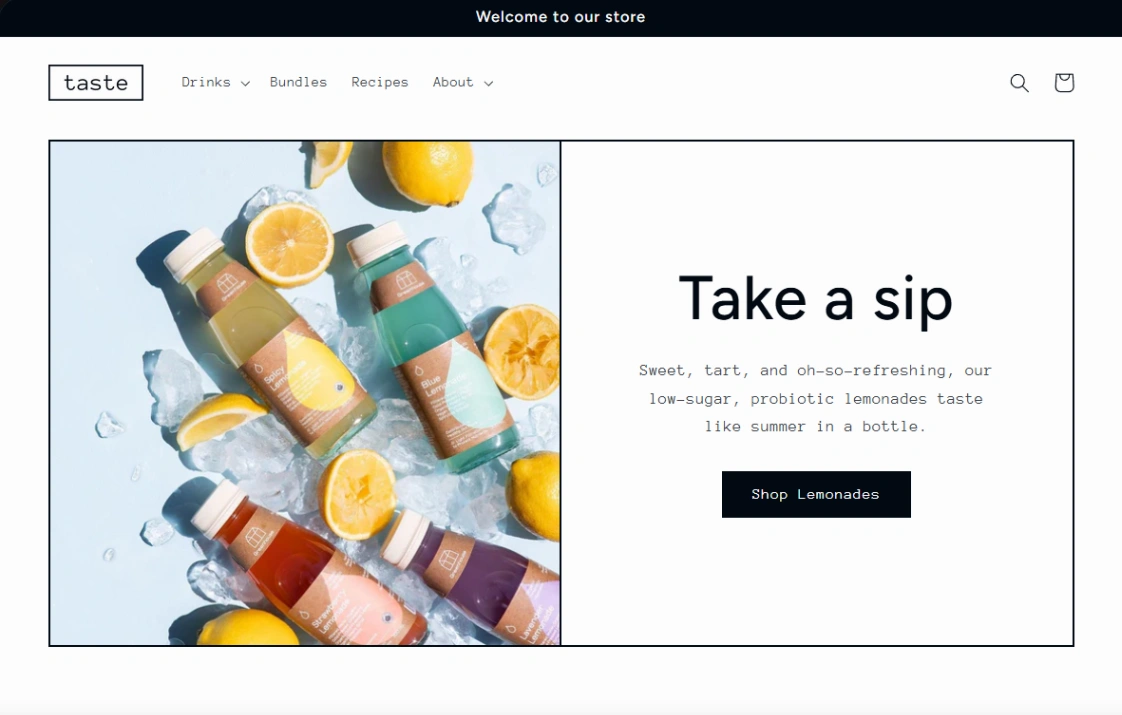
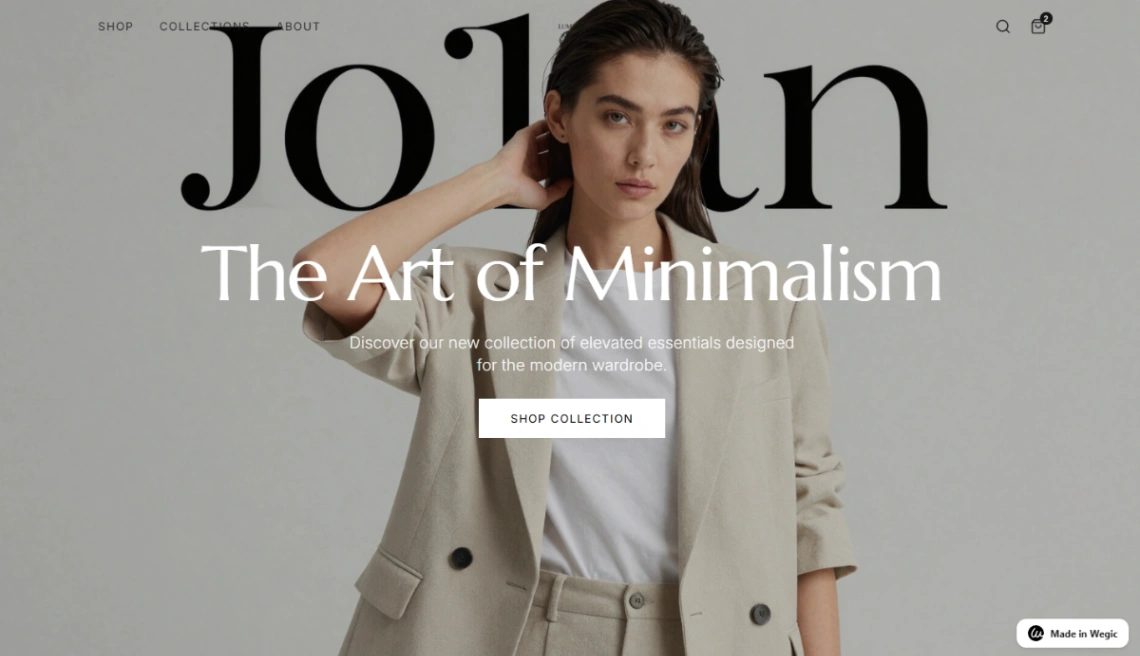
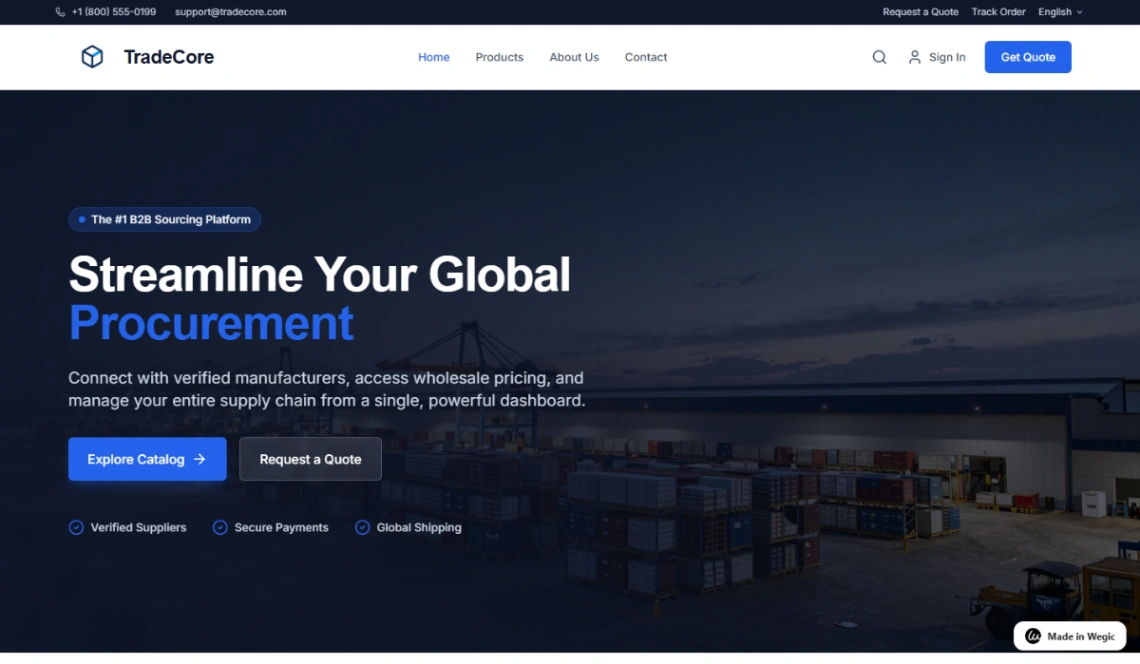
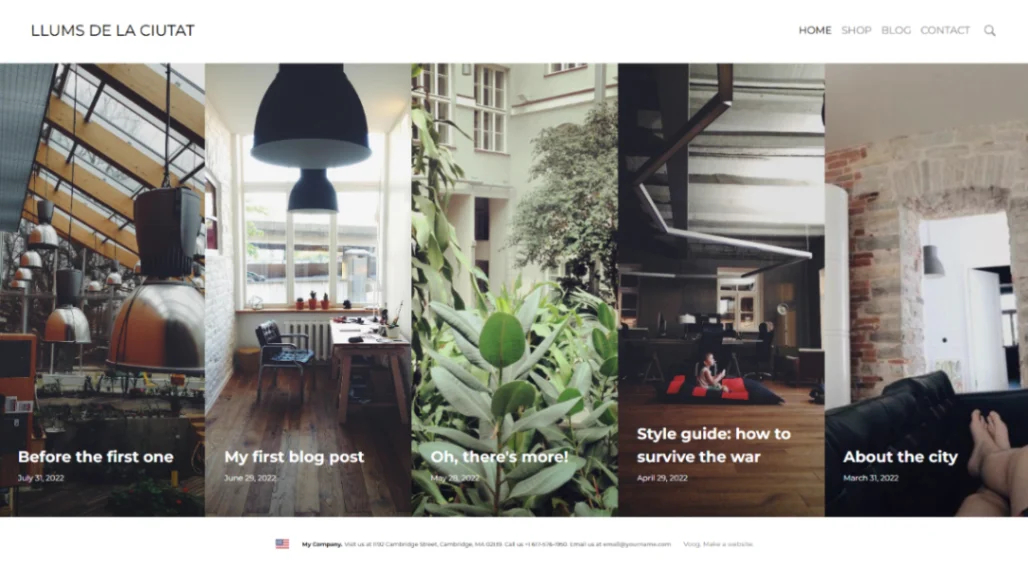
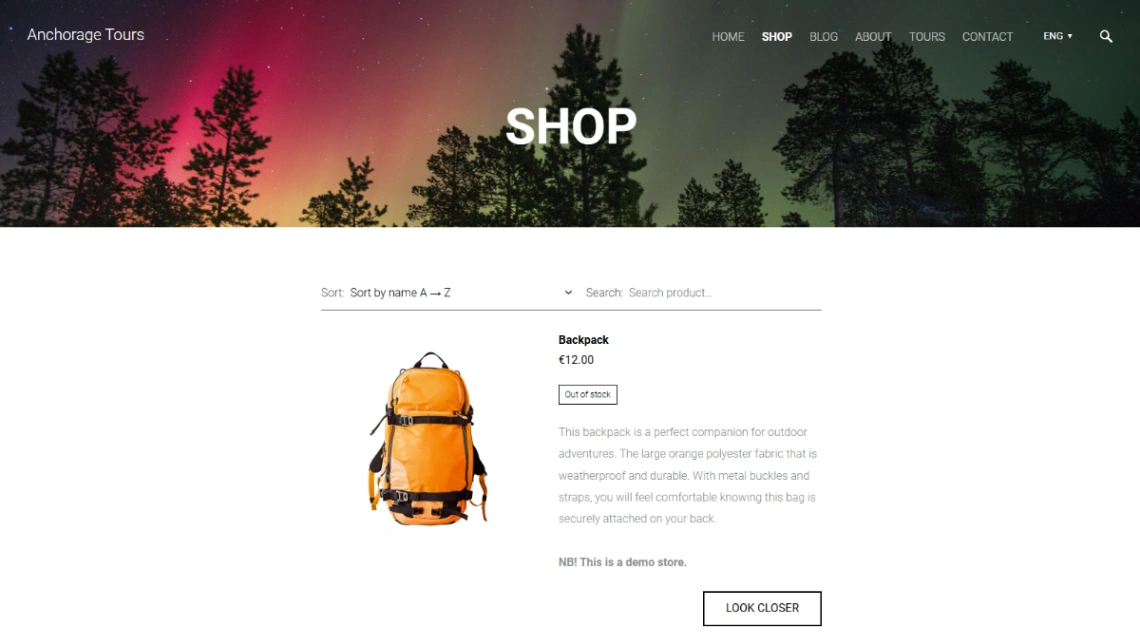
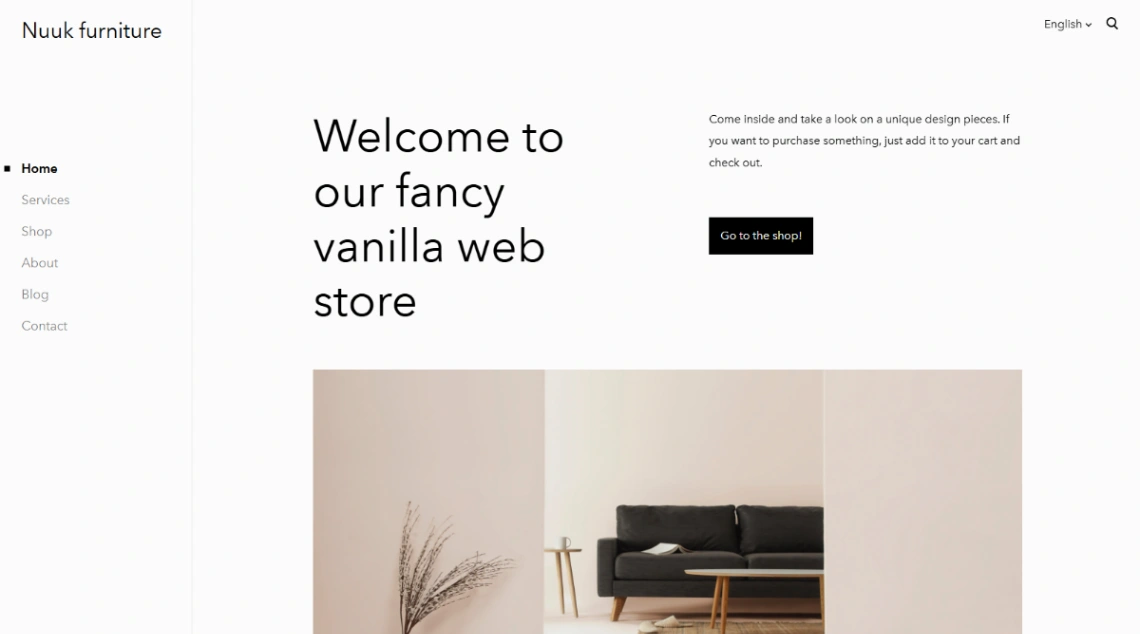
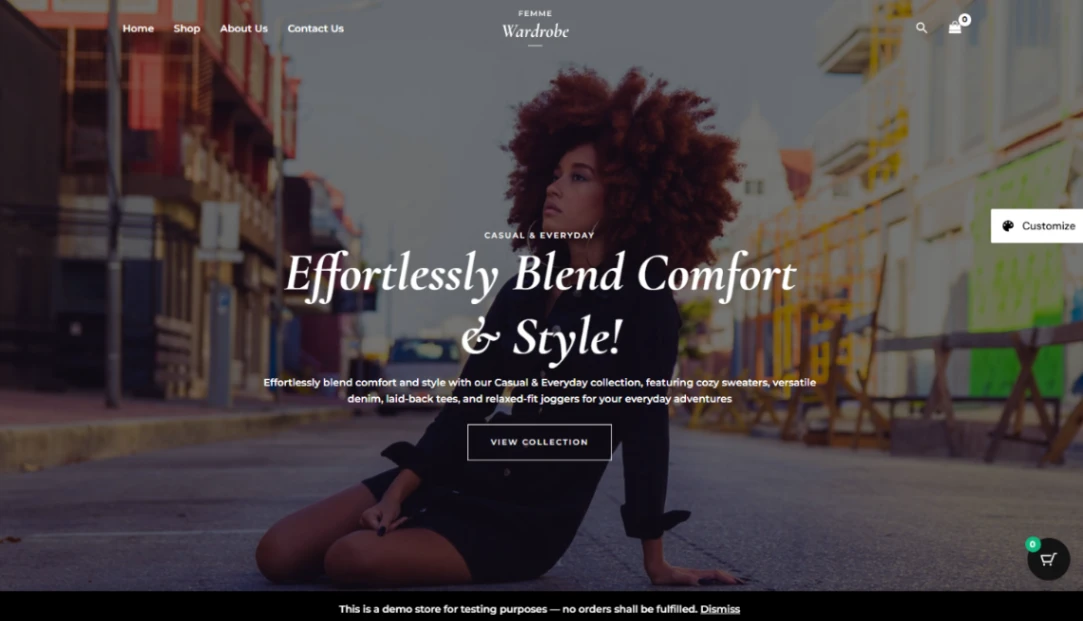
The only launch metric for a small shop is the distance to the first stranger's order, so pick the template that shortens it. Everything in this collection runs on carts that already know how to take money — what differs is how fast yours goes from empty theme to credible shop: how products get added, how the homepage assembles itself, how much configuration stands before checkout works. A test order you can place on day one is worth more than a week of theme configuration — money moving proves the shop exists.
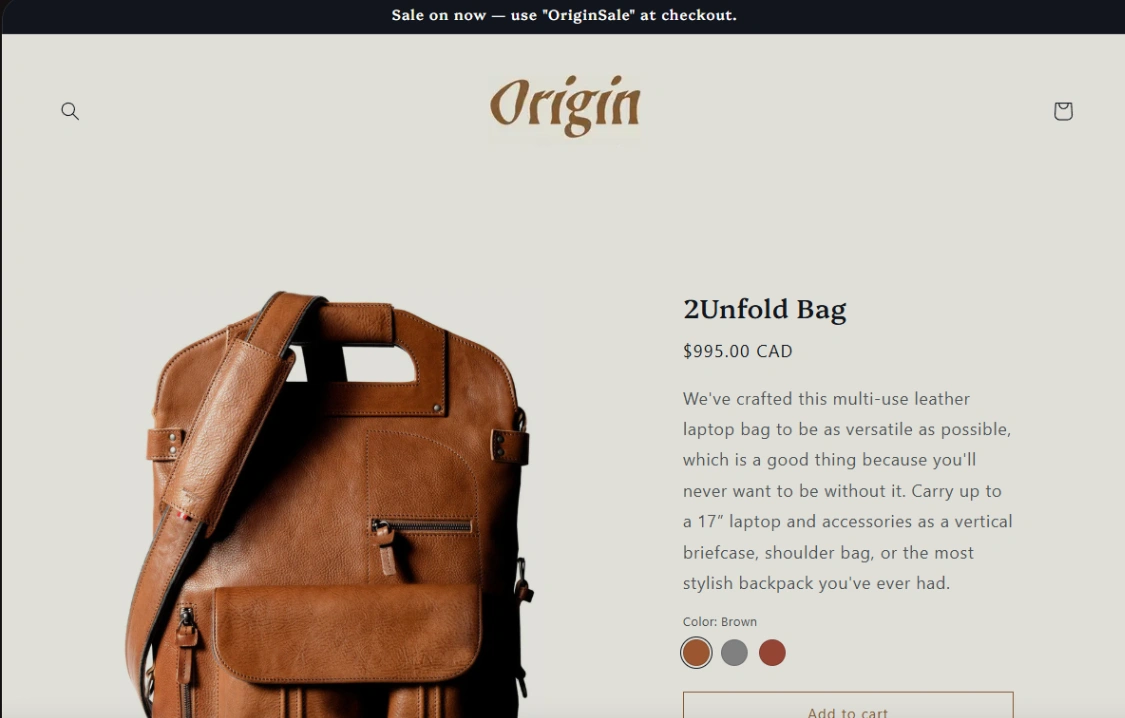
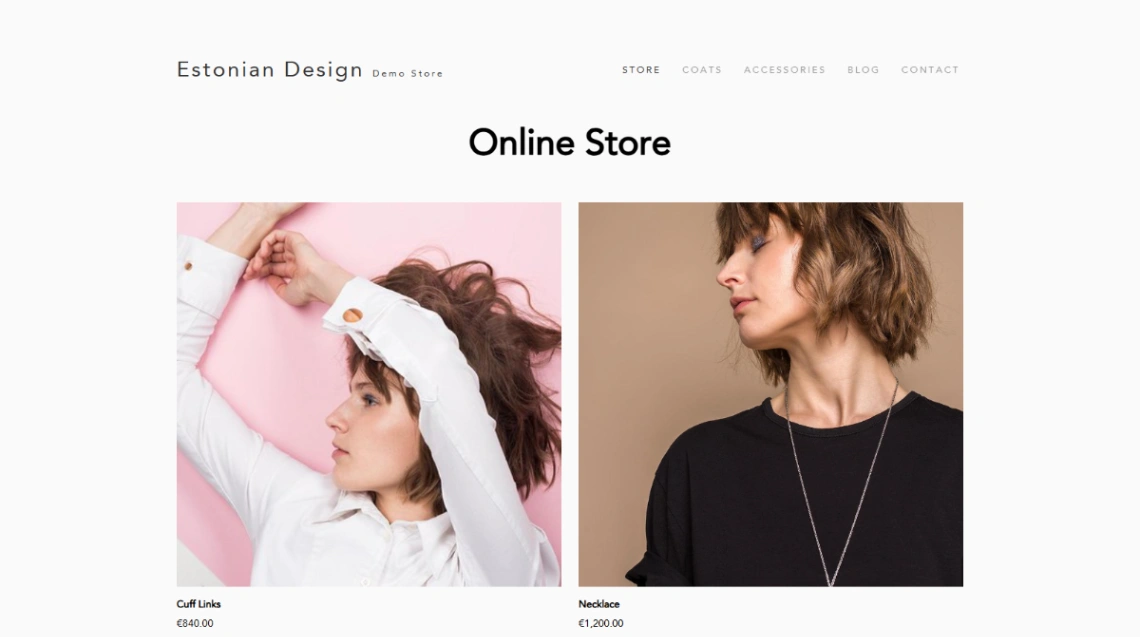
Present fewer products, deeper. A new shop with eight products, each with four honest photos, a paragraph that answers real questions (size, materials, shipping time) and visible variants will outsell the same shop with forty one-line products every time. Choose the template by its product page, not its homepage — that's where the money changes its mind.
Unknown shops carry a trust tax, and the template pays it down with boring pages: shipping costs and times stated before checkout, a returns policy in plain sentences, a contact page with a human on it, reviews once they exist. Shoppers don't read these pages so much as check they exist; absence is the signal. The quick-start platforms pinned above scaffold all of them.
And build the second purchase into the first: email capture worth something (a discount, restock alerts), a discount code mechanism, packaging that points back to the shop. A template with those hooks turns your first hundred customers into the marketing budget you don't have.
FAQ