









Buyer's guide
How to choose a crypto template
In crypto, the website is the first audit. Every visitor — user, listing reviewer, the exchange's compliance desk — pattern-matches your site against a thousand rugs before reading a word, so the template's first job is failing to match: no anonymous hype, no APY promises in the hero, no roadmap that's all quarters and no shipping. The design bar in this category is not beauty; it's not looking like the last scam.
Treat the contract address as sacred UI. Impossible to miss, one tap to copy, linked to the explorer, and identical everywhere it appears — because fake-site clones with altered addresses are this category's signature attack, and training your users to find the address on your site is a security feature. State the official domains plainly and claim the obvious misspellings if you can.
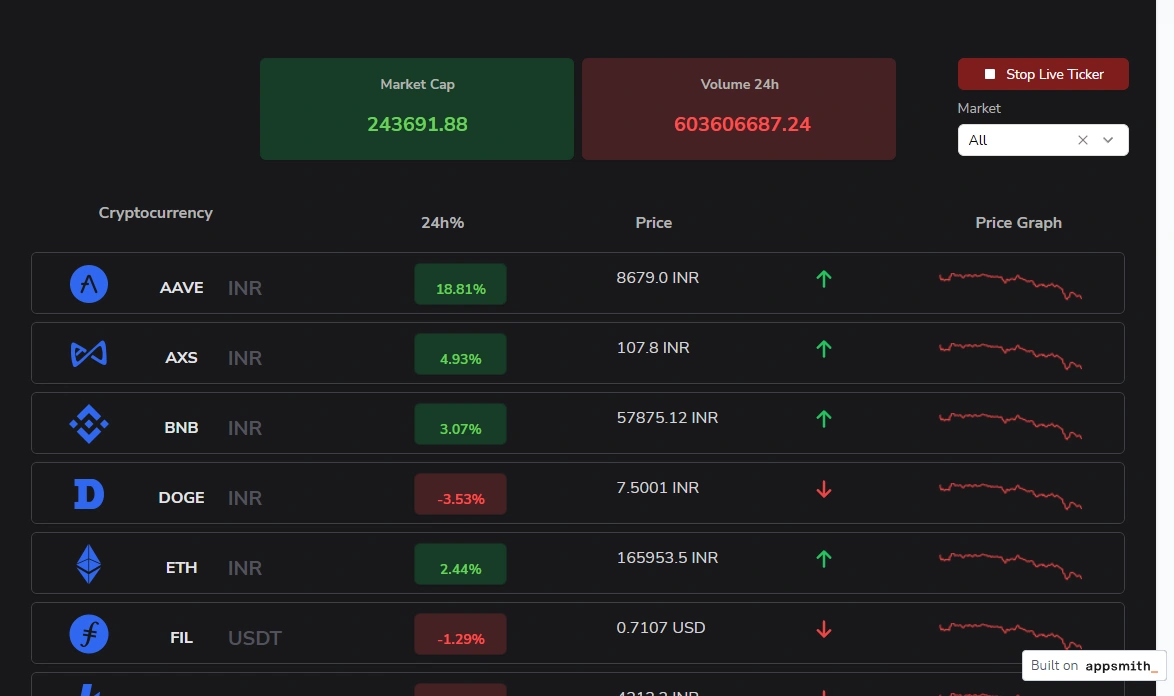
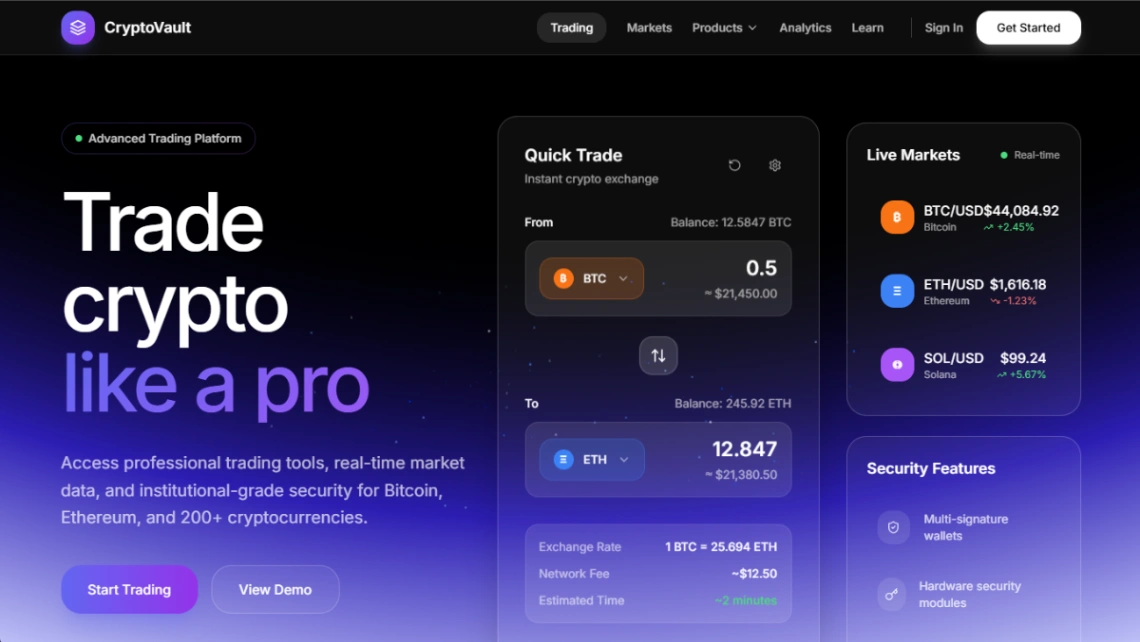
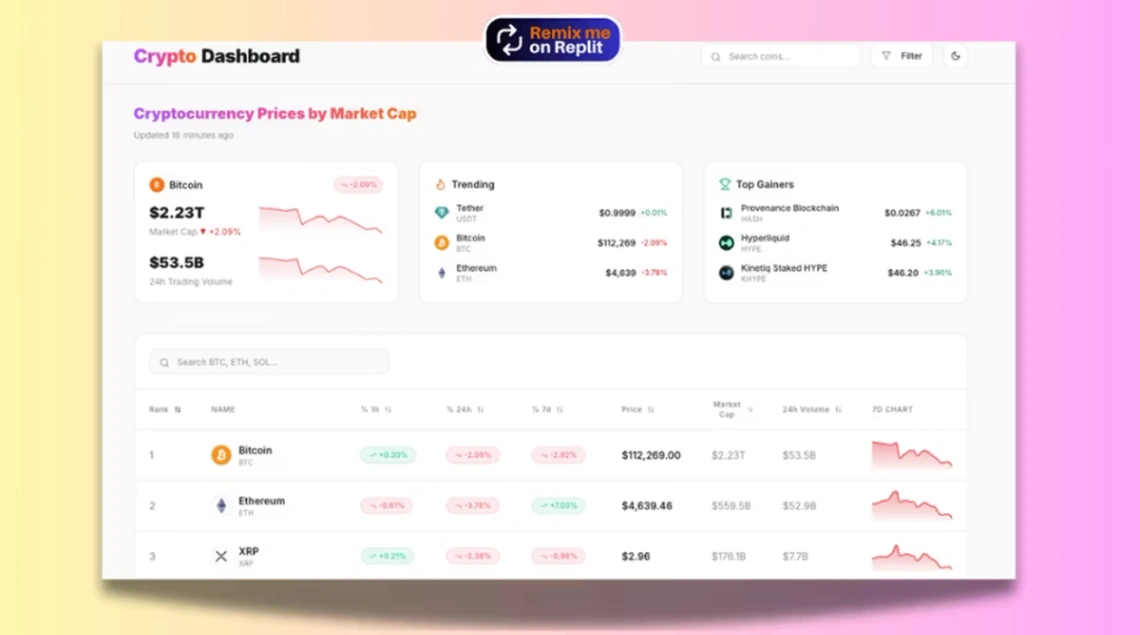
Speed matters — crypto moves faster than any shelf here, and these templates are scaffolding to ship in a week — but scaffolding honestly. Live data beats promises: the dashboard-capable platforms in the pinned picks can front real numbers (price, holders, liquidity, volume) that update without your marketing's help. A stats block that's visibly true does more legitimacy work than any amount of copy, and its absence where it should exist is itself a signal readers price.
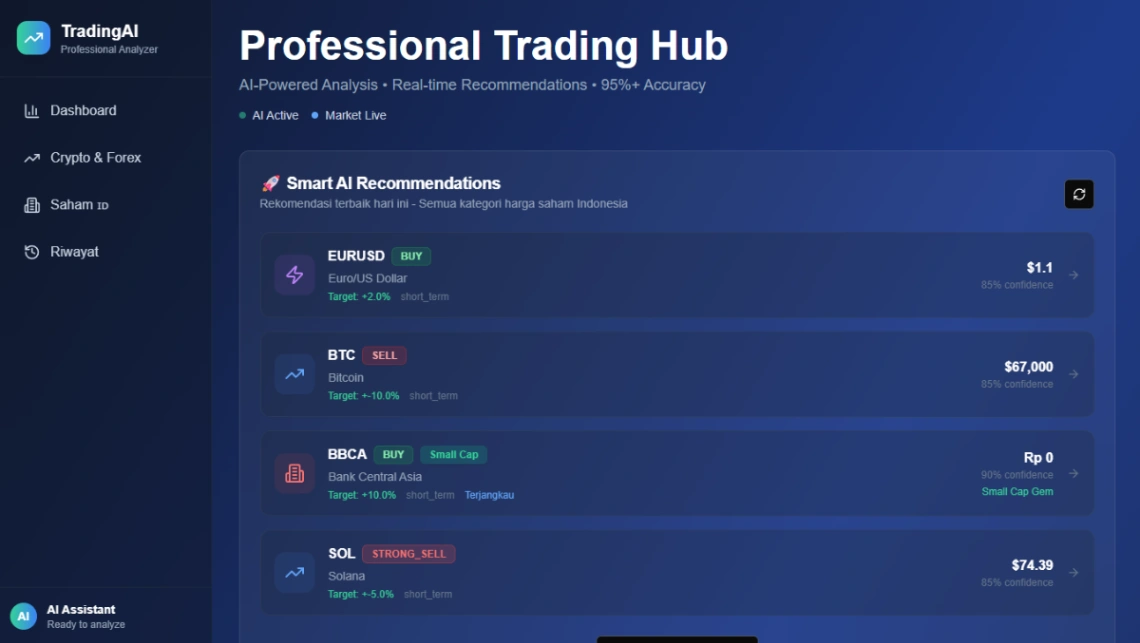
And keep claims survivable. Yields with their mechanism and risk stated, "audited" only with the report linked, partnerships only where permission exists. The category's regulatory weather changes fast and varies by jurisdiction — the site that described itself accurately is the one that survives the season.
FAQ