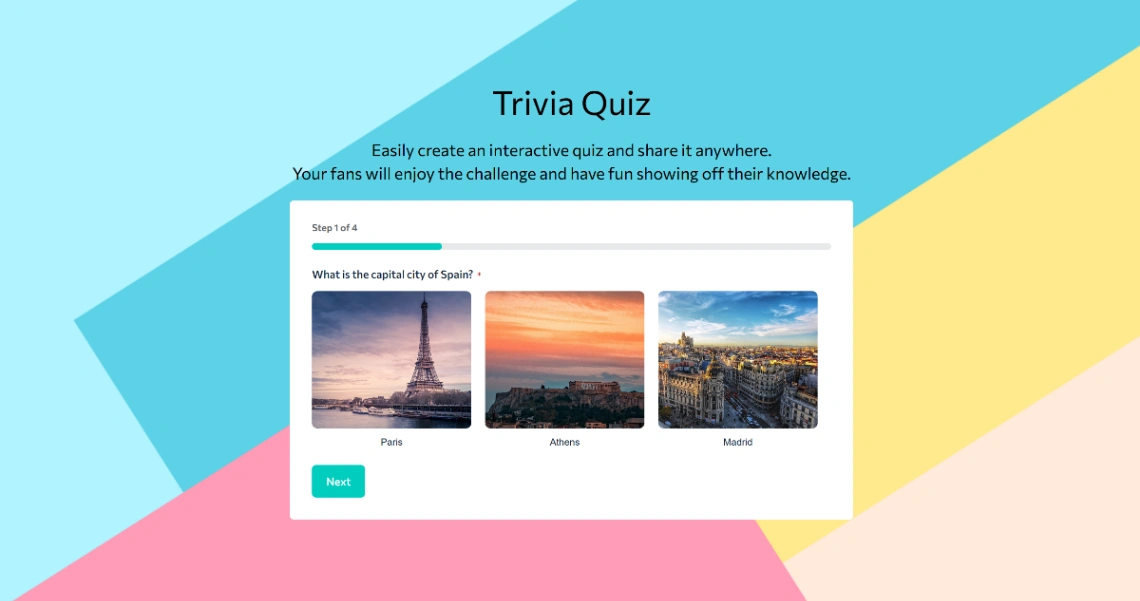
Trivia Quiz

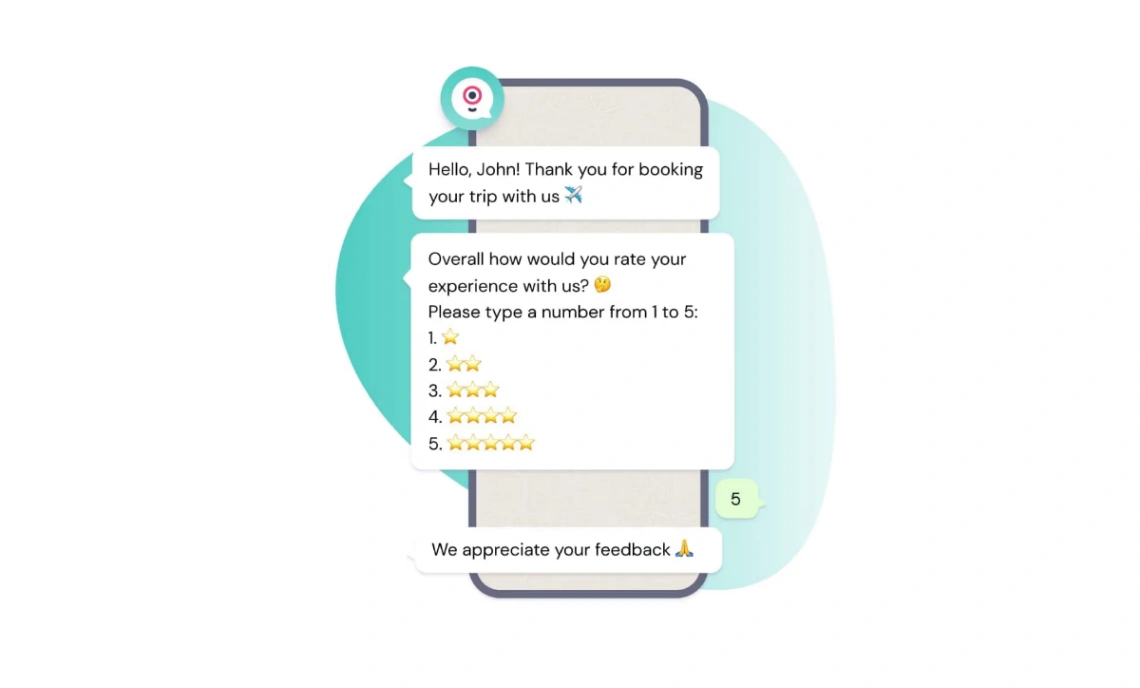
CES Survey
Contact Form
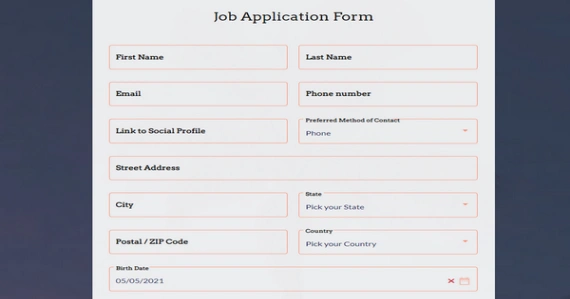
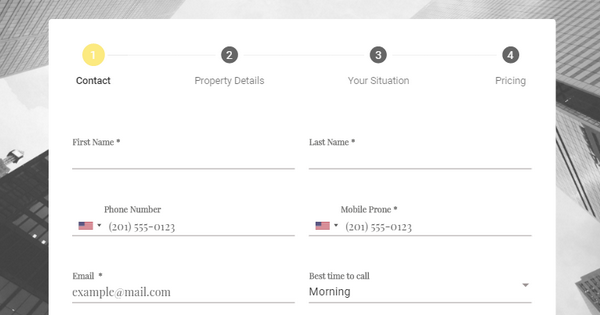
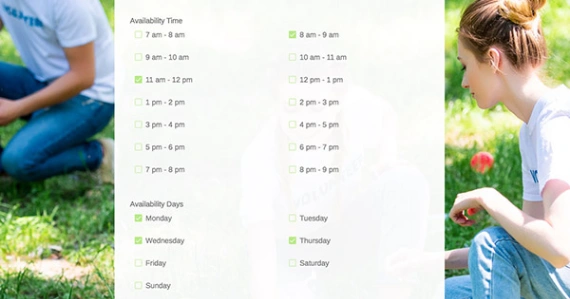
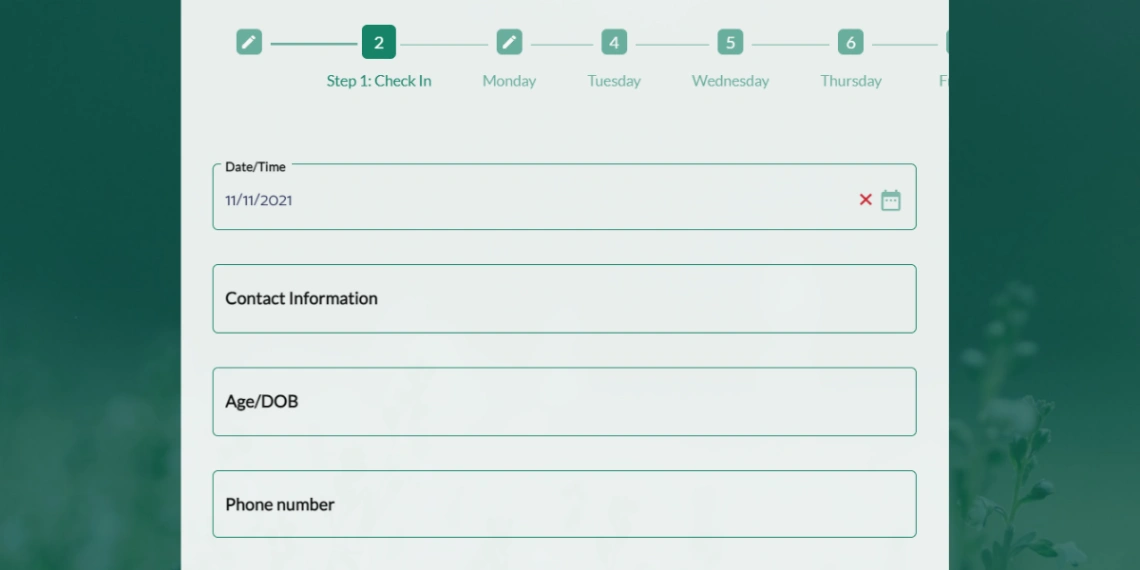
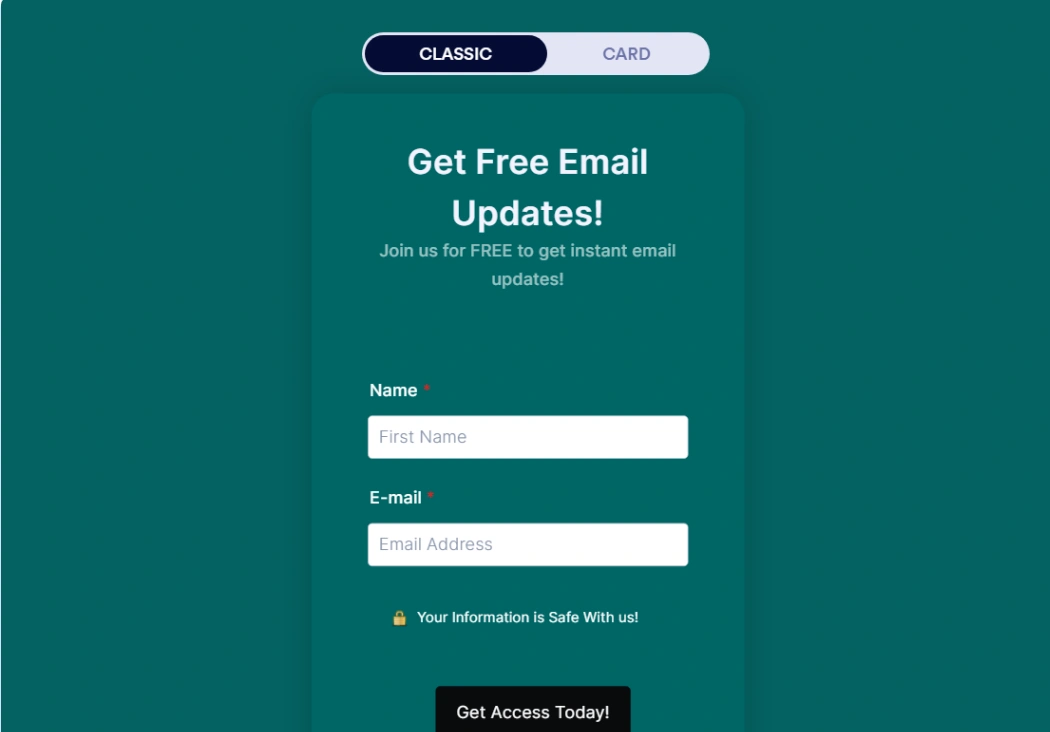
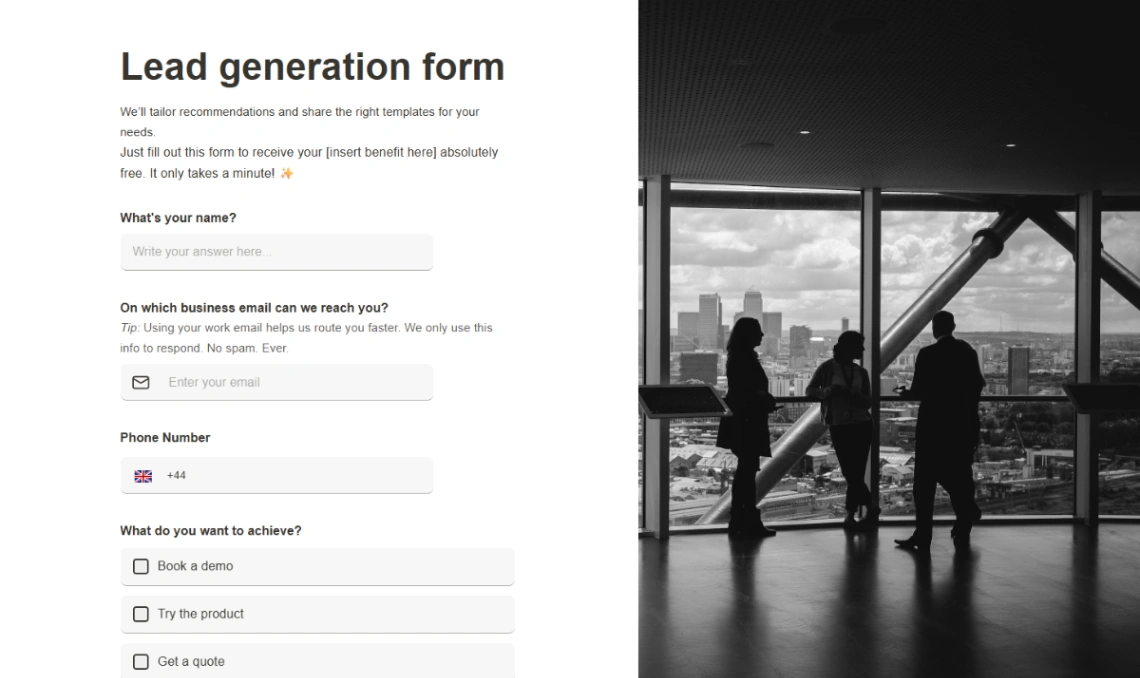
Opt-In Form

Questionnaire
Buyer's guide
How to choose a survey template
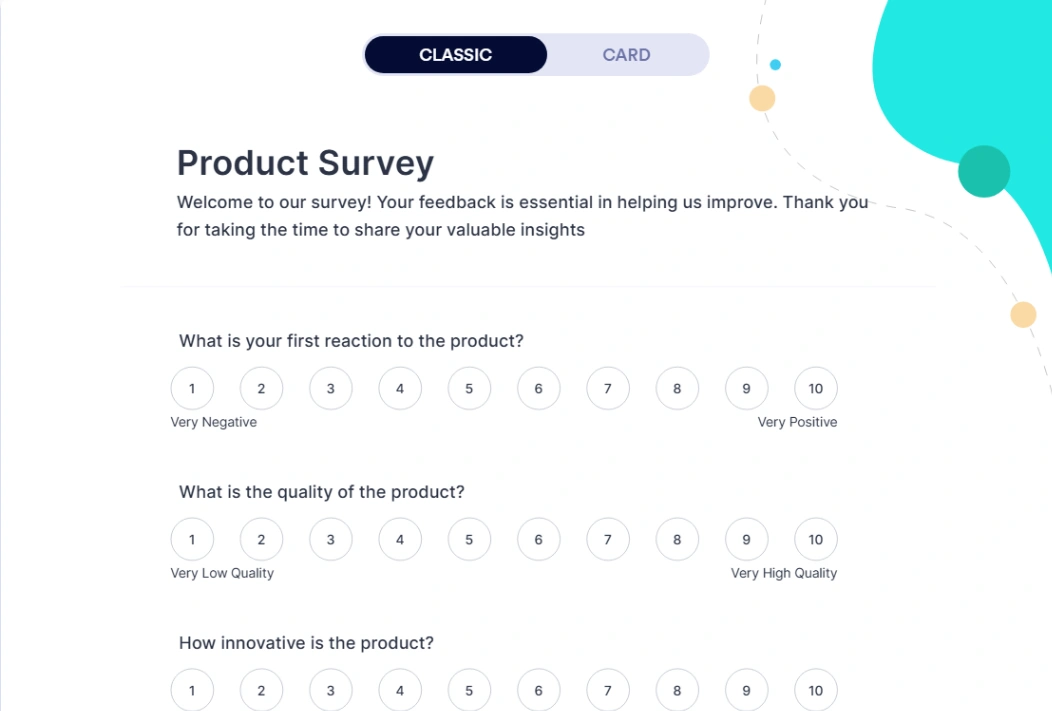
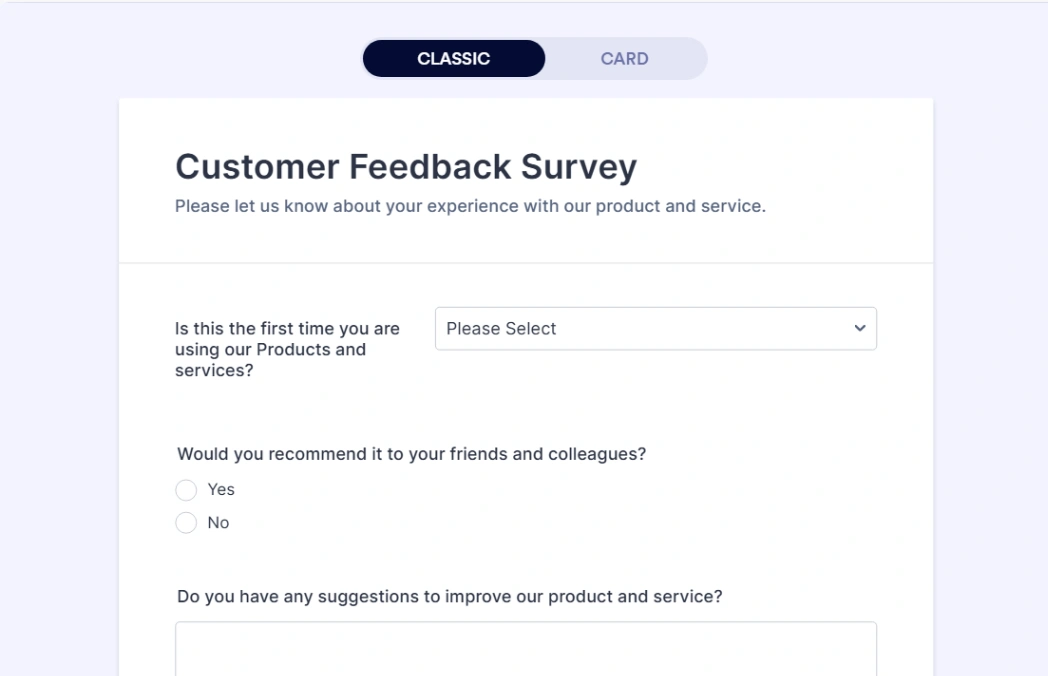
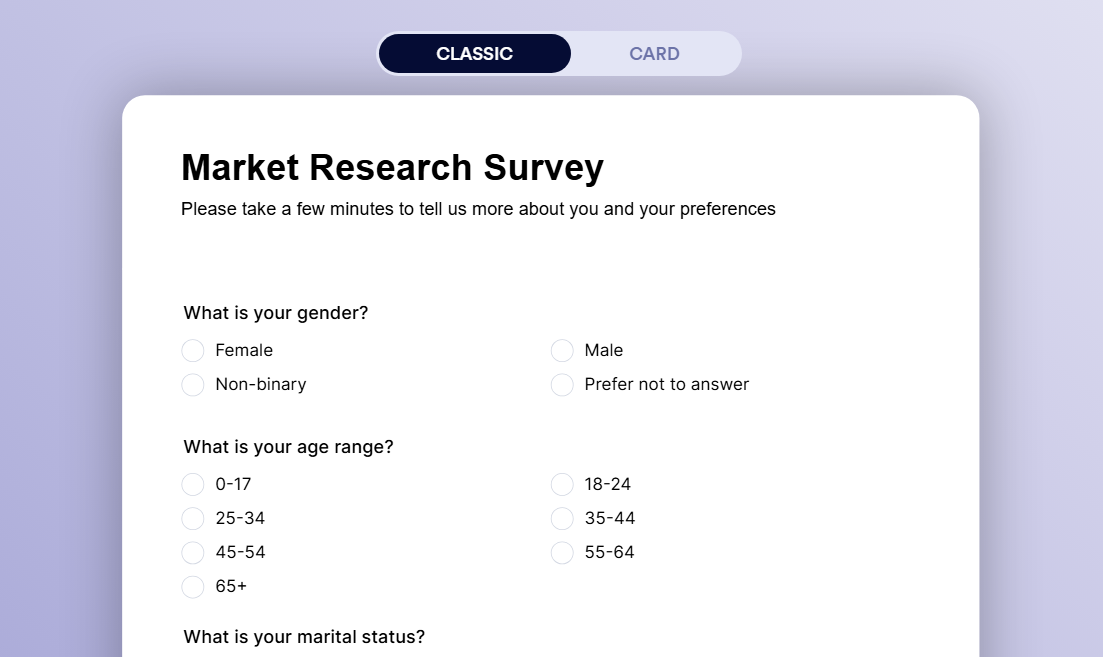
A survey buys data with other people's minutes, and the exchange rate is brutal: every extra question costs completions, every confusing one costs truth. These templates arrive pre-tuned for the finish — one question per screen, honest progress cues, logic jumps past the irrelevant — and that tuning is the product. Clone the structure, then earn it: cut your question list by a third before you even start wording.
Bias is the danger the template can't fix, because it's invisible to the author. "How much did you enjoy the event?" surveys your hopes; "How was the event?" surveys their experience. Watch for the classics — leading framings, double-barreled questions ("was it useful and enjoyable?"), scales with no escape hatch — and pilot the survey on three people who'll tell you where they hesitated. Hesitation in a pilot is confusion at scale.
Decide what sample you need before distributing, and be honest about what you got. A survey shared to your own list measures your fans; one link, reused everywhere, tells you nothing about where answers came from. The platforms pinned above track sources — use separate links per channel and read results with the skew in mind.
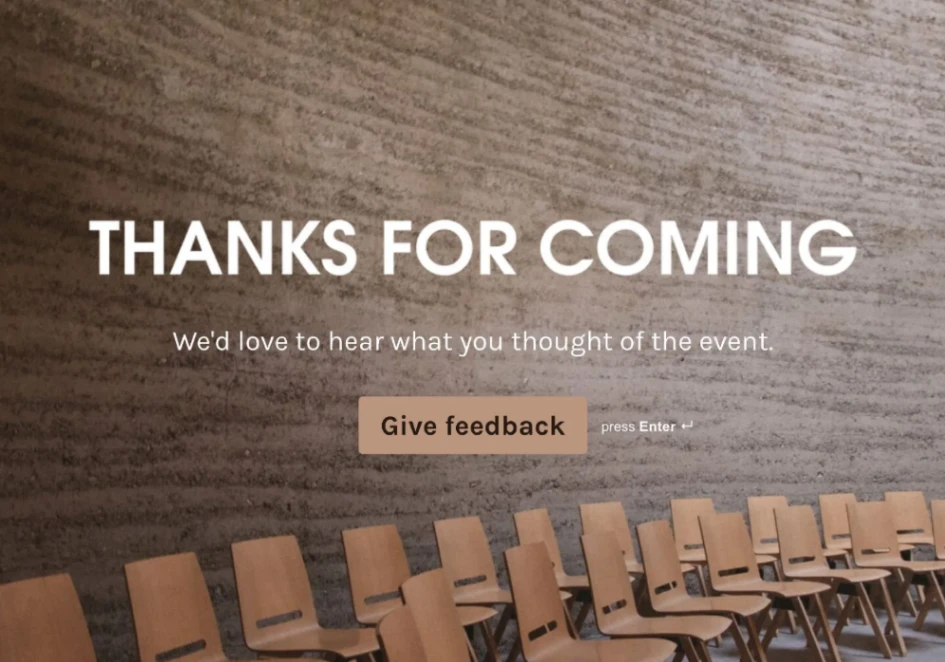
Then close the loop like you meant the imposition: a real thank-you, what happens with the answers, and — the underused move — sharing what you learned with the people who told you. Respondents who see their input land respond again; audiences that get surveyed into a void learn to ignore you, and that reputation outlives any single survey.
FAQ