

















Buyer's guide
How to choose an animation template
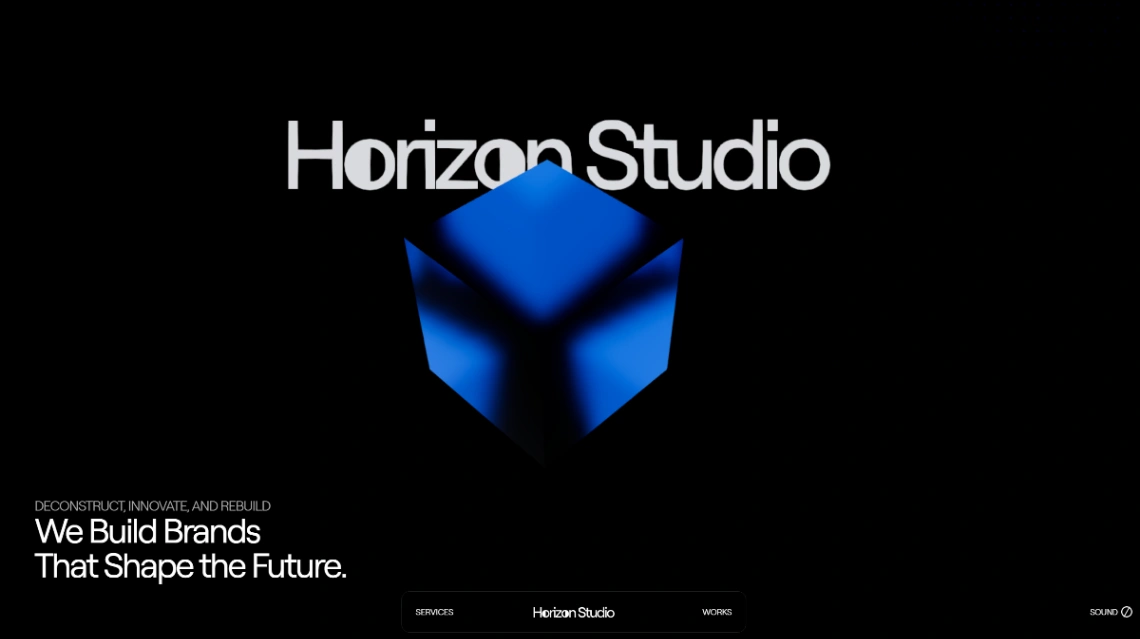
Motion is the one portfolio that must move the moment it loads. A photographer's site can open still; an animator's cannot — the first screen has to demonstrate the craft within a second, and the templates here achieve it two ways: lightweight loops that play instantly, or scroll-driven scenes from the motion-focused builders in the pinned picks. Either works; a static hero with a "showreel" link two clicks away does not.
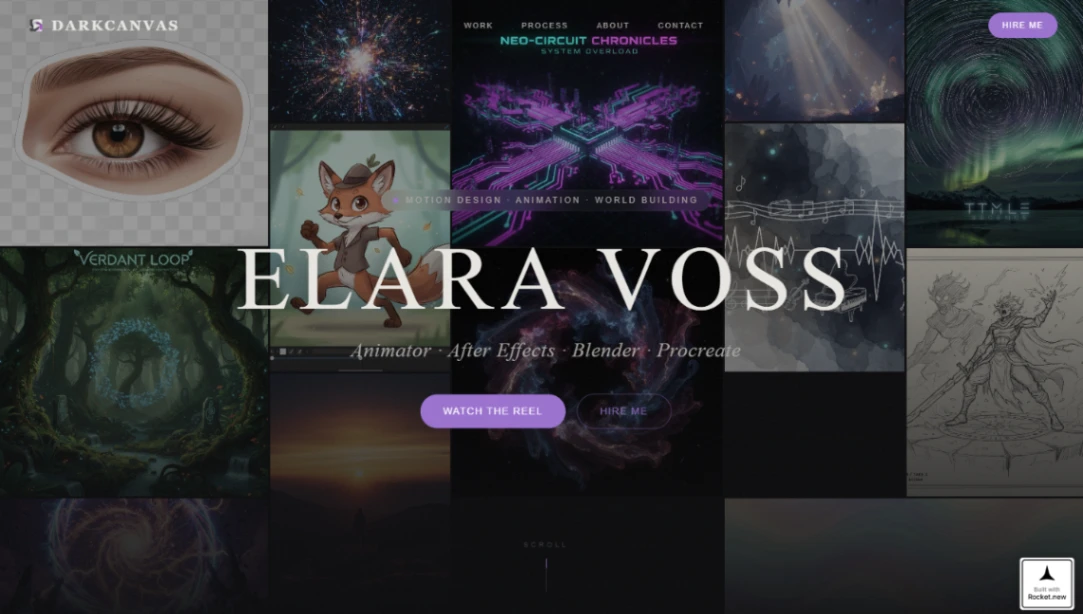
Understand the loop-versus-reel economics. Short seamless loops are the category's secret weapon — a few seconds of your best motion, compressed properly, playing forever at almost no bandwidth — and a grid of them shows range faster than any reel. The reel still matters for the committed viewer, but it's the second beat: loops earn the click, the reel closes it. Weight discipline throughout, because a motion portfolio that stutters is contradicting itself. Poster frames should be your strongest stills, not the first.
Give every motion a job. The template's own animation — transitions, hovers, scroll reveals — should guide the eye or reveal structure, never compete with the work it frames. An animator's site doing backflips around the portfolio is the genre's most common self-sabotage: the frame is auditioning against the picture.
And show the pipeline, because clients buy process as much as polish. Styleframes, boards, an animatic beside the final — one project told this way proves you can be briefed, iterated with, and trusted with a deadline. Finished loops attract; the visible pipeline is what converts a producer with a budget and a timeline.
FAQ