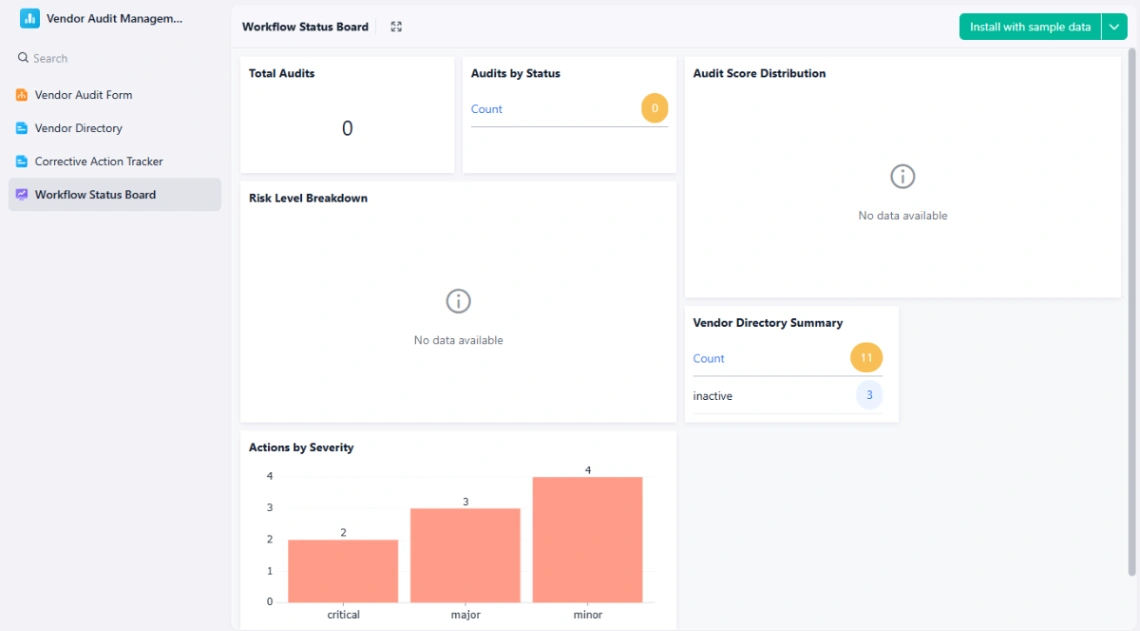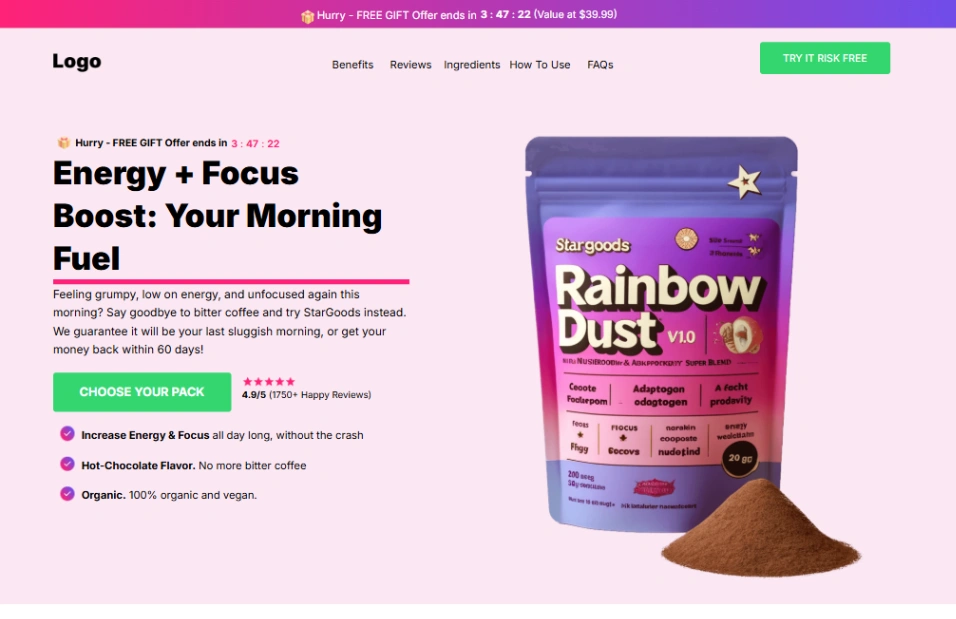

Dance Studio


Golf Academy


Code Academy












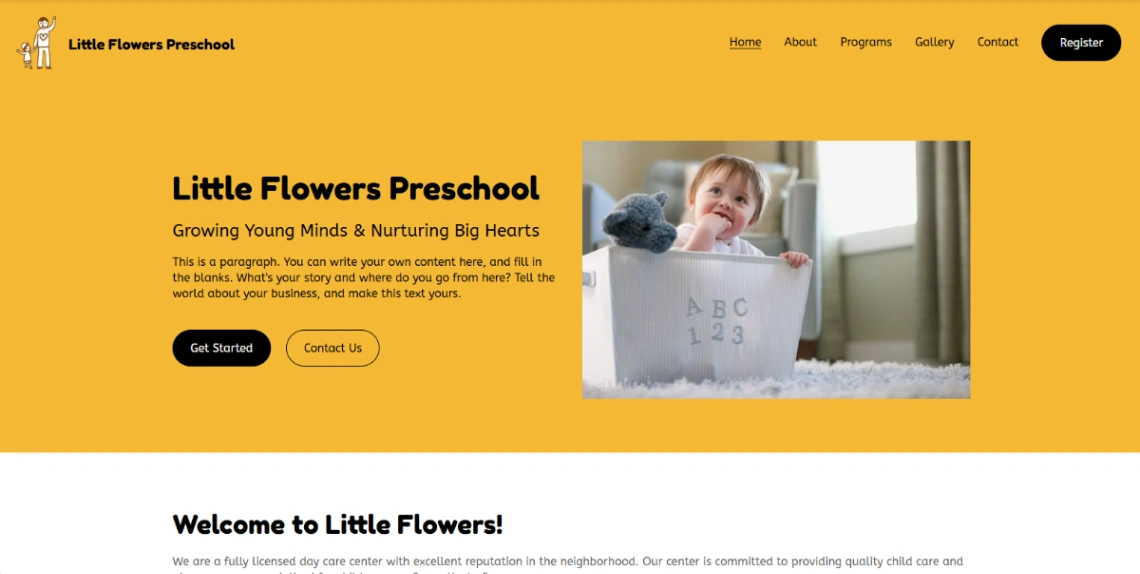




Art Academy



Sports Club







Sports Club






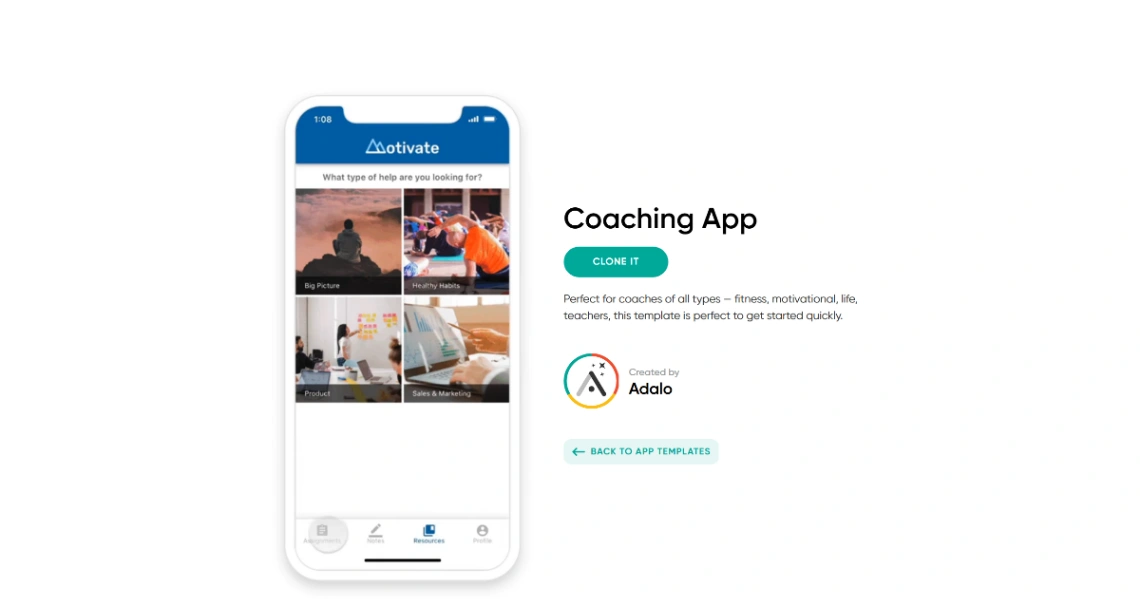
Coaching App


Buyer's guide
How to choose an academy template
An academy sells belonging to a school, not access to a course — and the template has to carry that difference structurally. Students should see a catalog with a shape: programs, levels, pathways from beginner to advanced, and a reason the courses live together. If your offering is one course, the single-course templates a category over serve you better; the academy shelf earns its complexity when students are meant to come back for the next thing.
Judge catalog architecture first: how programs group, whether pathways ("start here, then this") are first-class objects or just marketing copy, and how a returning student sees their position across courses. The course-platform stacks pinned above handle multi-course progress natively — one login, one dashboard, every enrollment — which is the infrastructure that makes a school feel like one.
Multiple instructors change the trust math. The academy brand vouches for the teachers, so templates need instructor pages that establish each one without fragmenting the school into personal brands. Consistent course-page structure across instructors — same sections, same rigor — is what makes the catalog feel curated rather than aggregated.
Then price like a school: bundles, an all-access membership, alumni discounts on the next level. The all-access model quietly changes everything — revenue smooths, and the site's job shifts from selling courses to selling membership in the institution. The warning this shelf earns: a catalog of disconnected courses is not an academy, it's a bookshelf. If you can't draw the path between your courses, students won't find one either.
FAQ