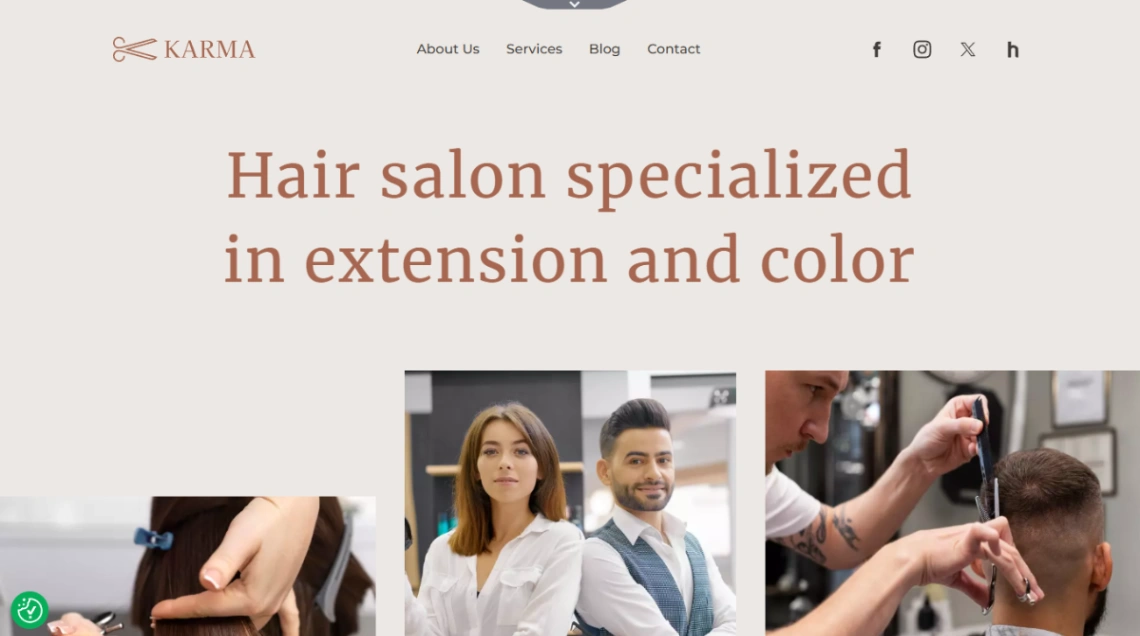
Hair Salon
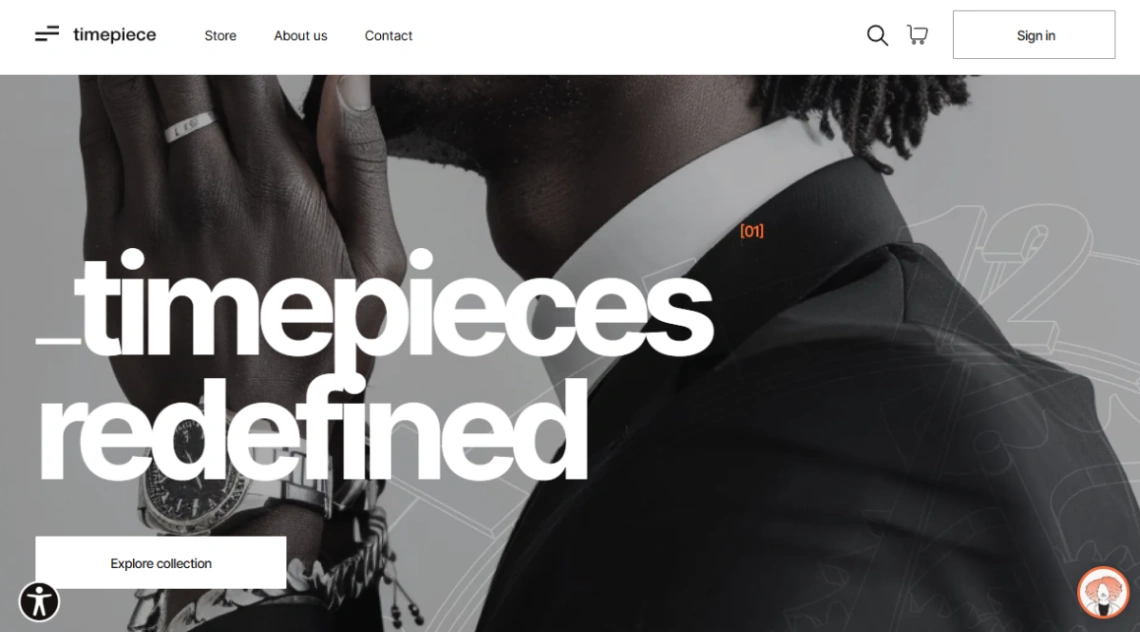
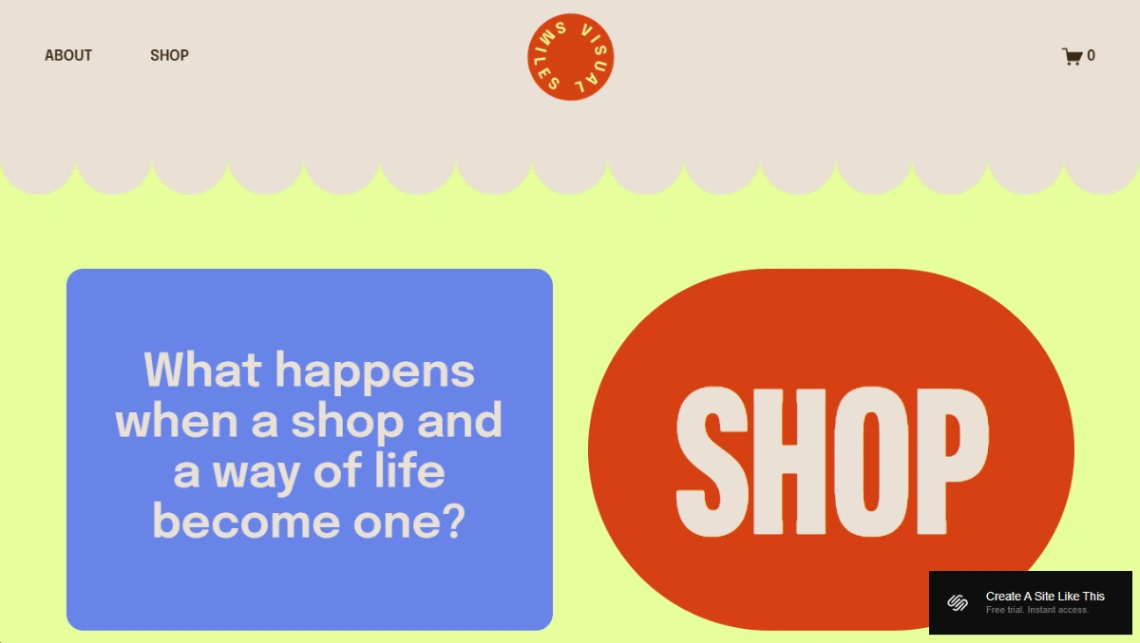
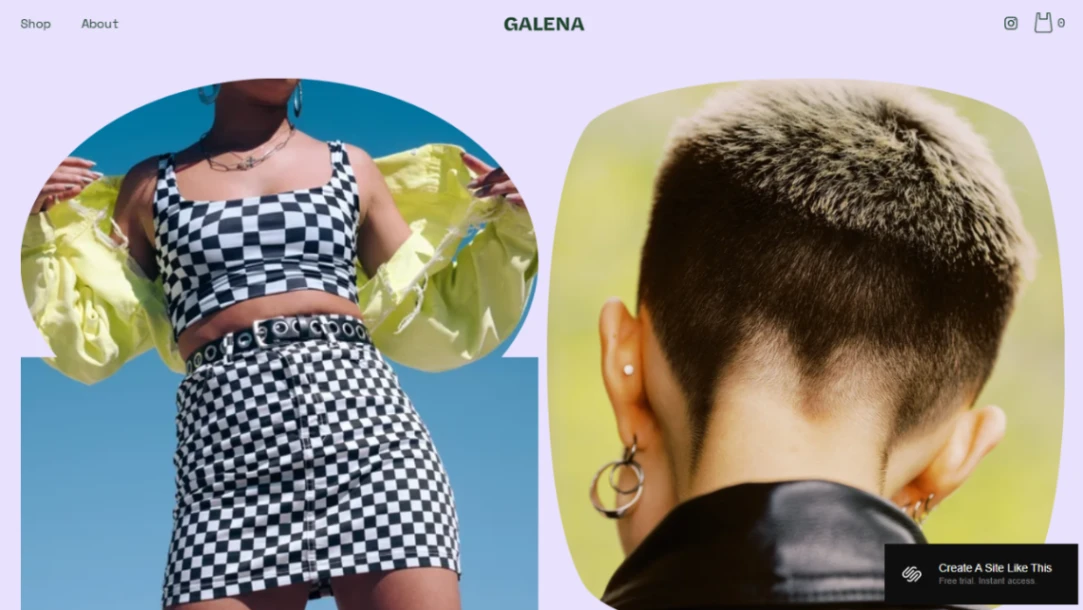
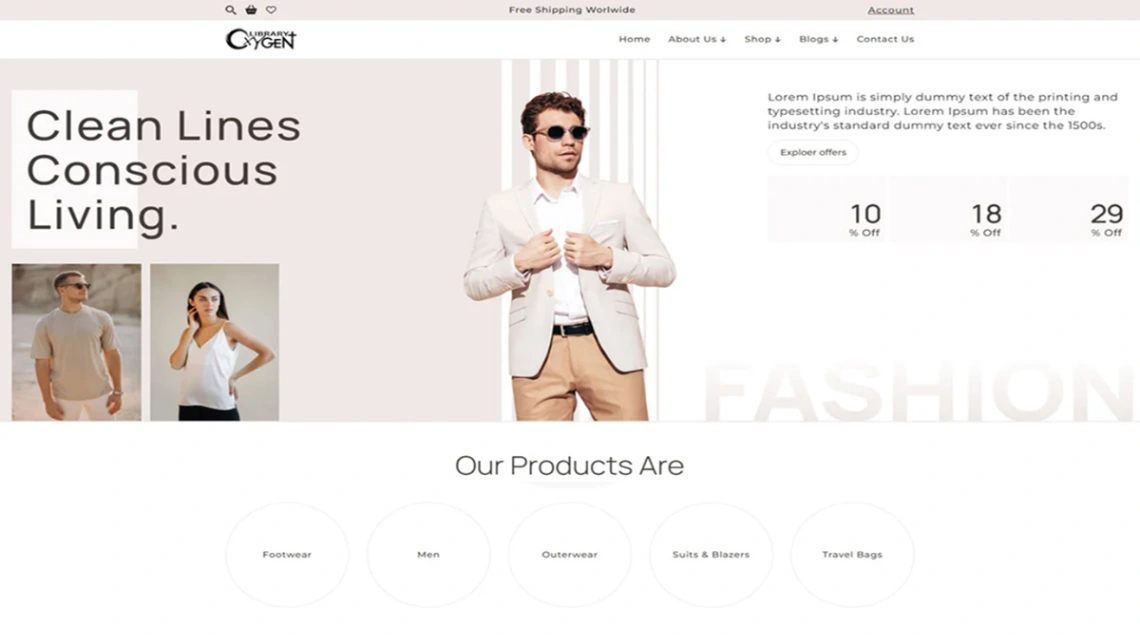
Classic Shop
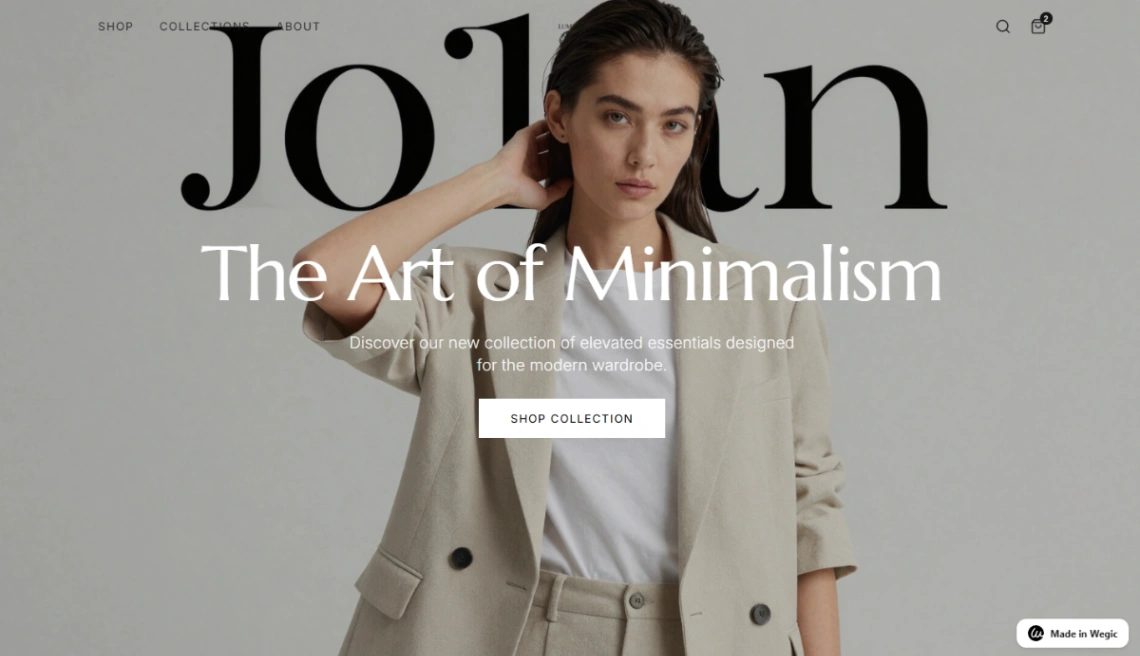
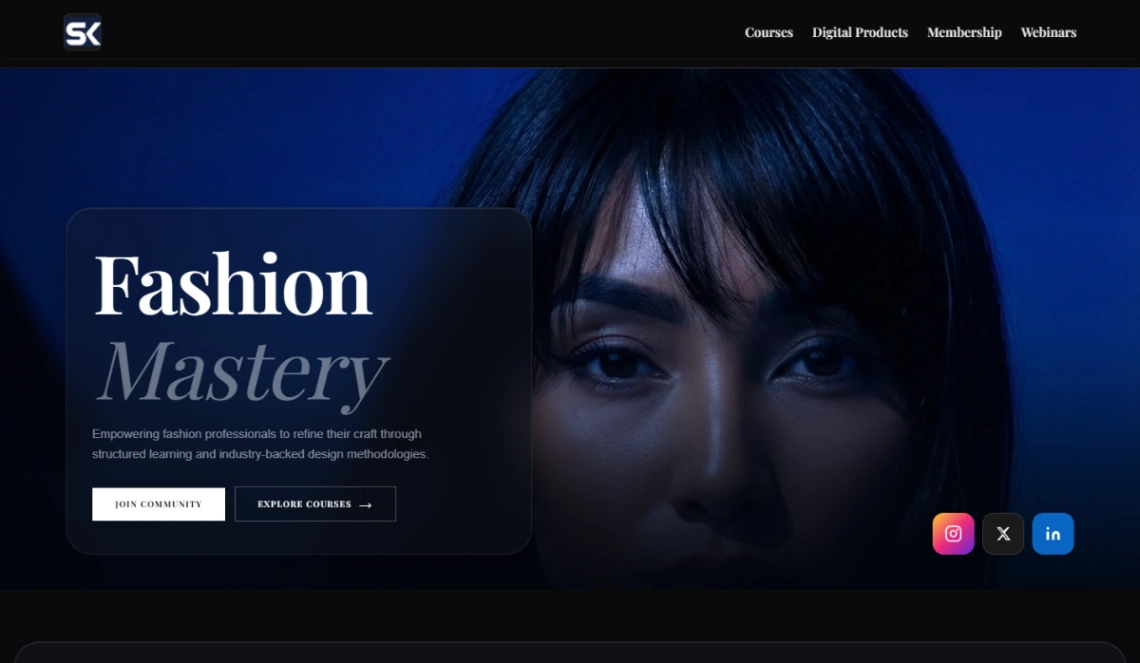
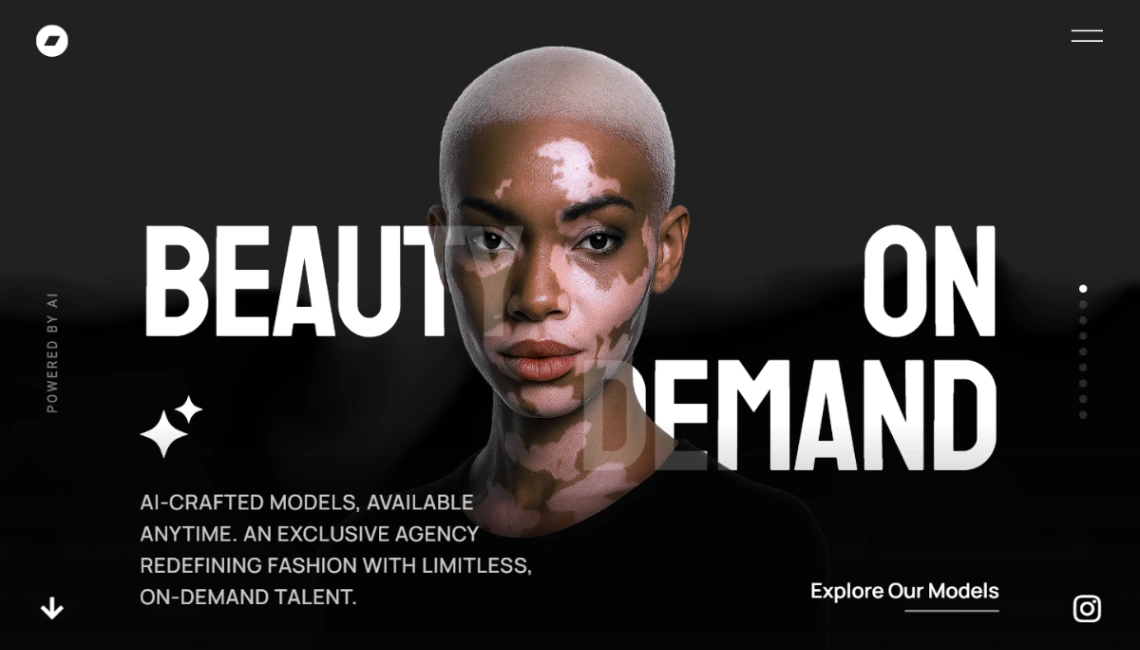

Fashion Blog
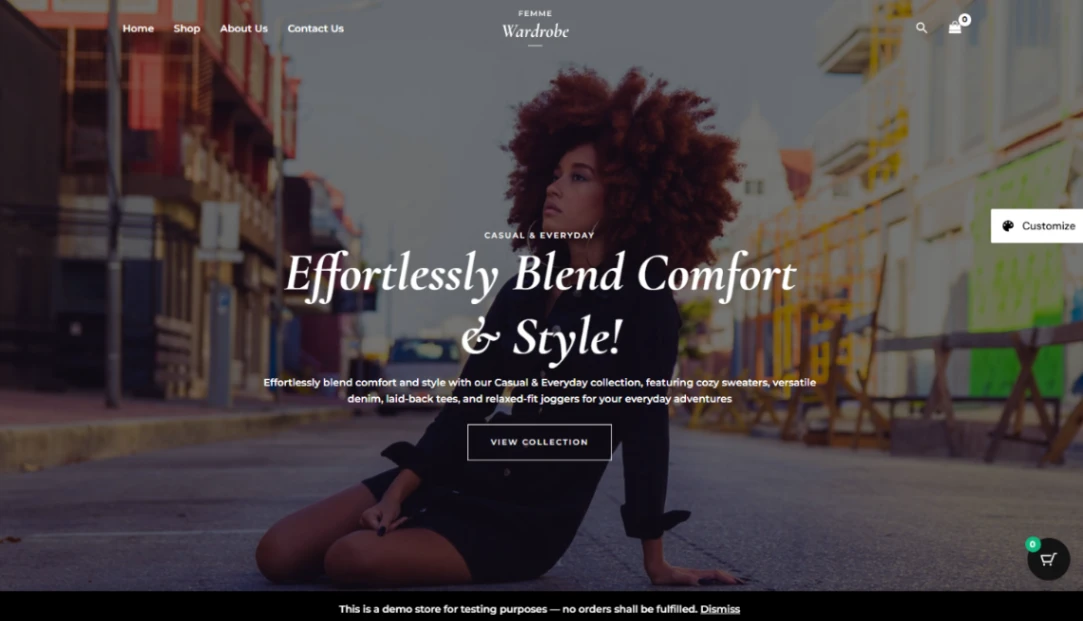
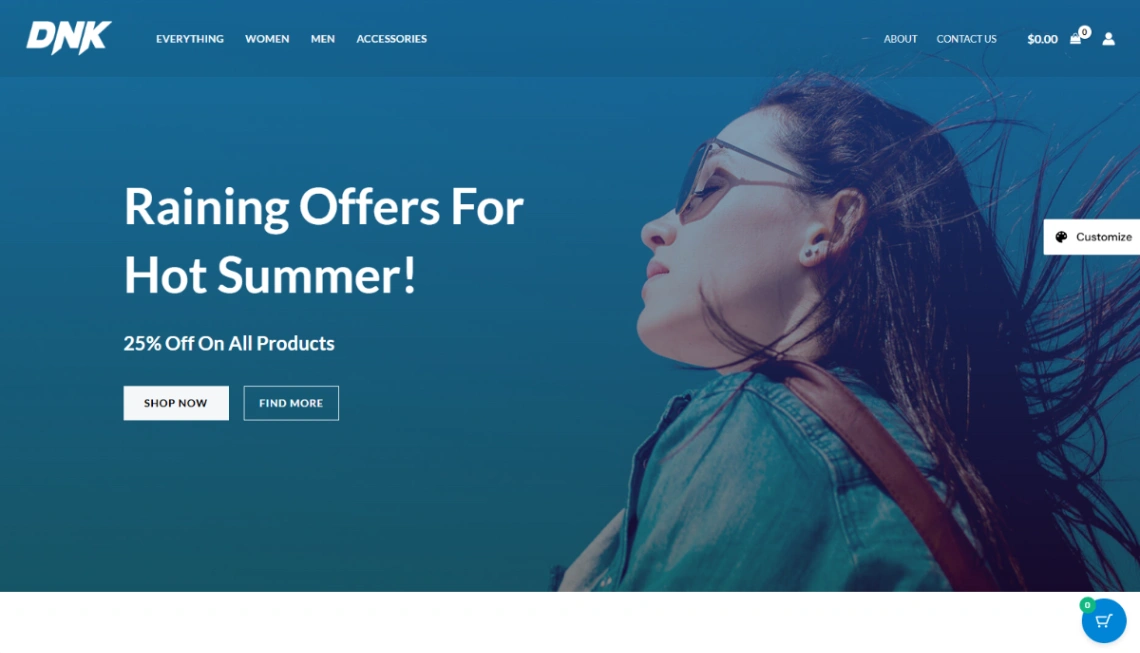
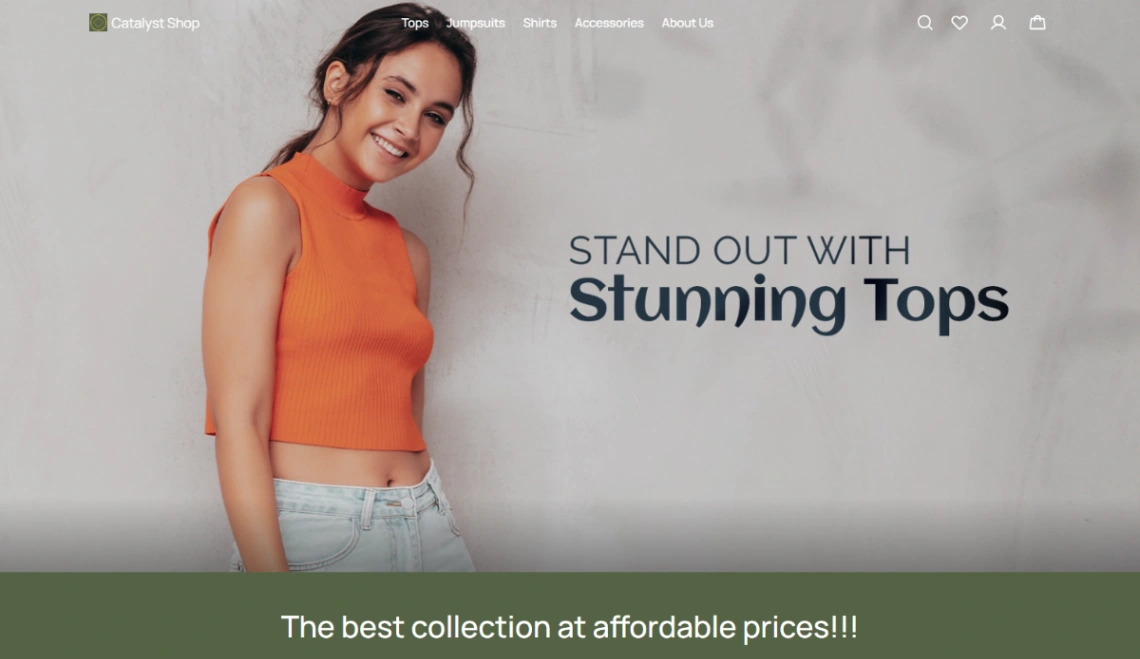
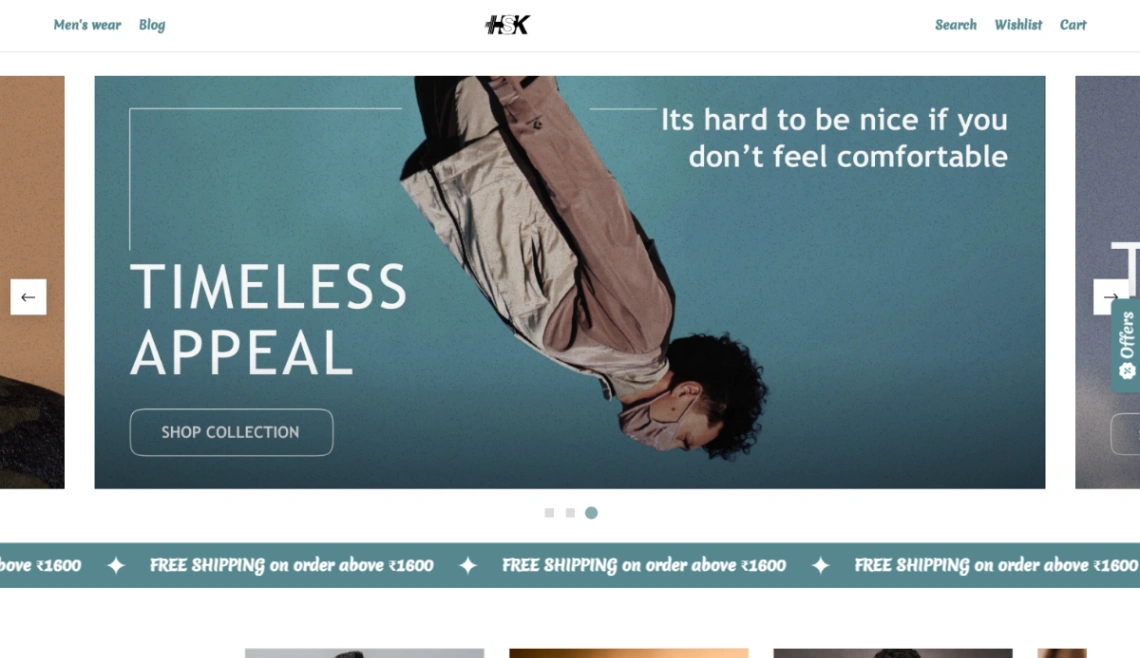

Fashion Sale
Buyer's guide
How to choose a fashion template
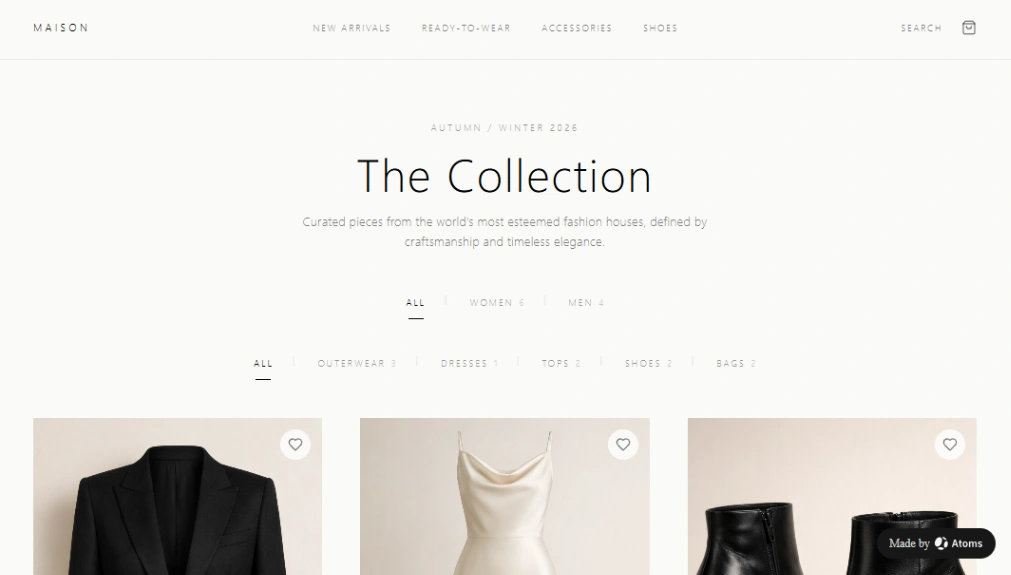
Fashion sites run on a calendar other categories don't have: the drop. Collections arrive, sell through, and archive — and the template has to stage that rhythm, not just display products. Look for real collection architecture: a current collection with its own presentation, an archive that flatters past seasons instead of listing leftovers, and somewhere to build anticipation for what's next.
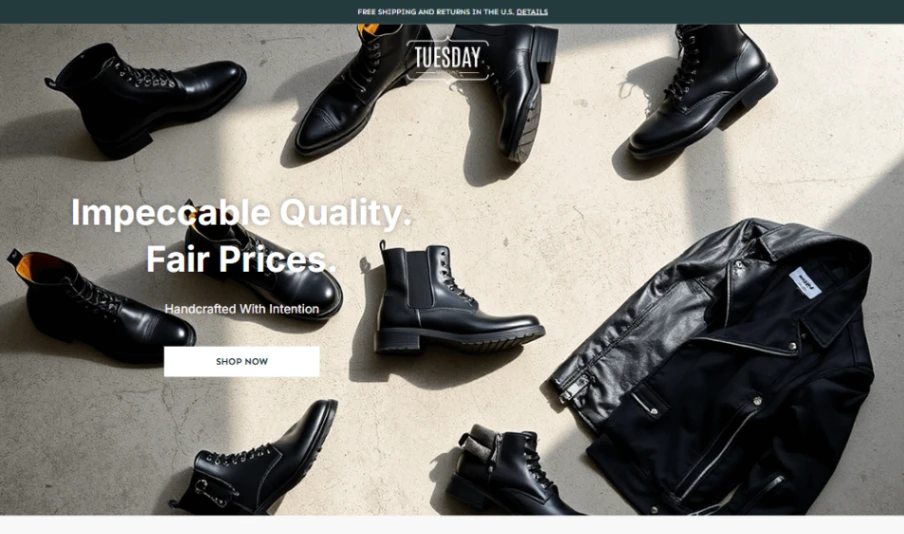
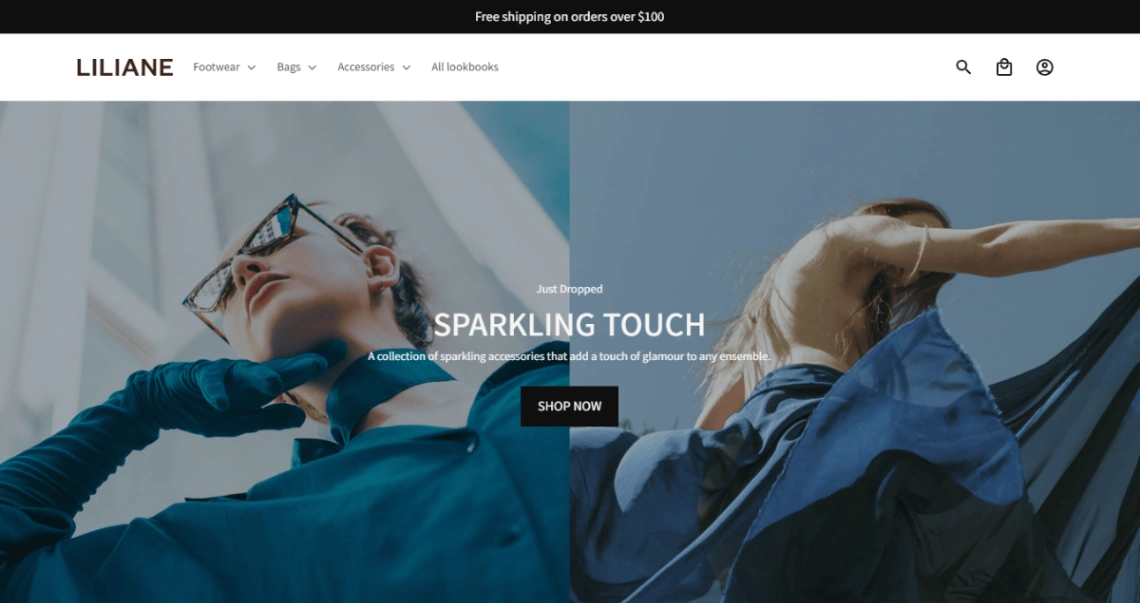
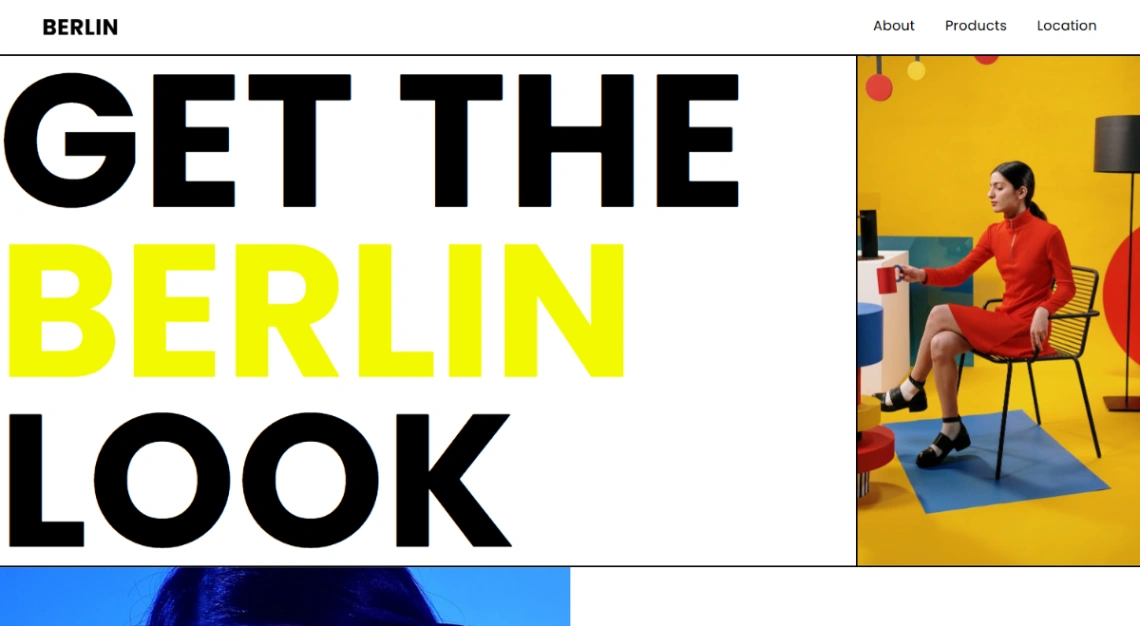
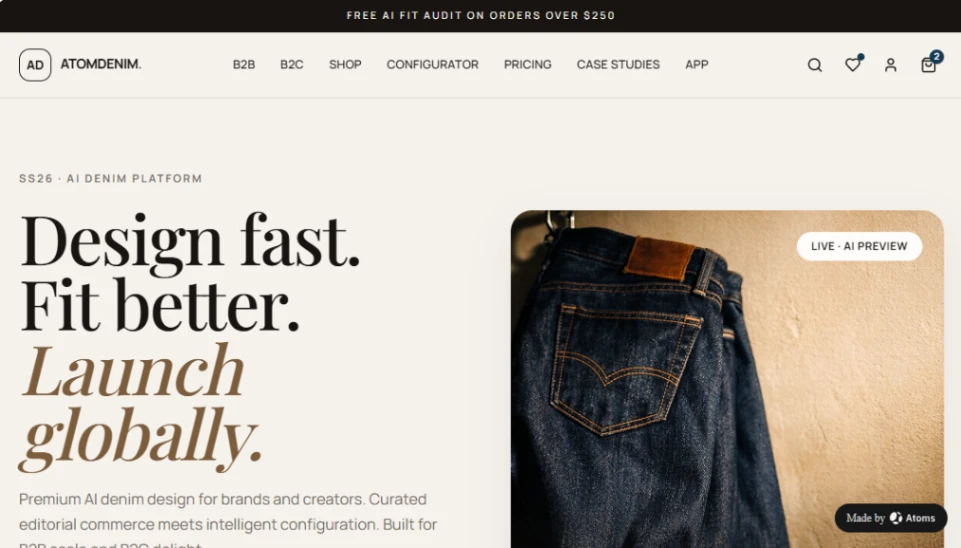
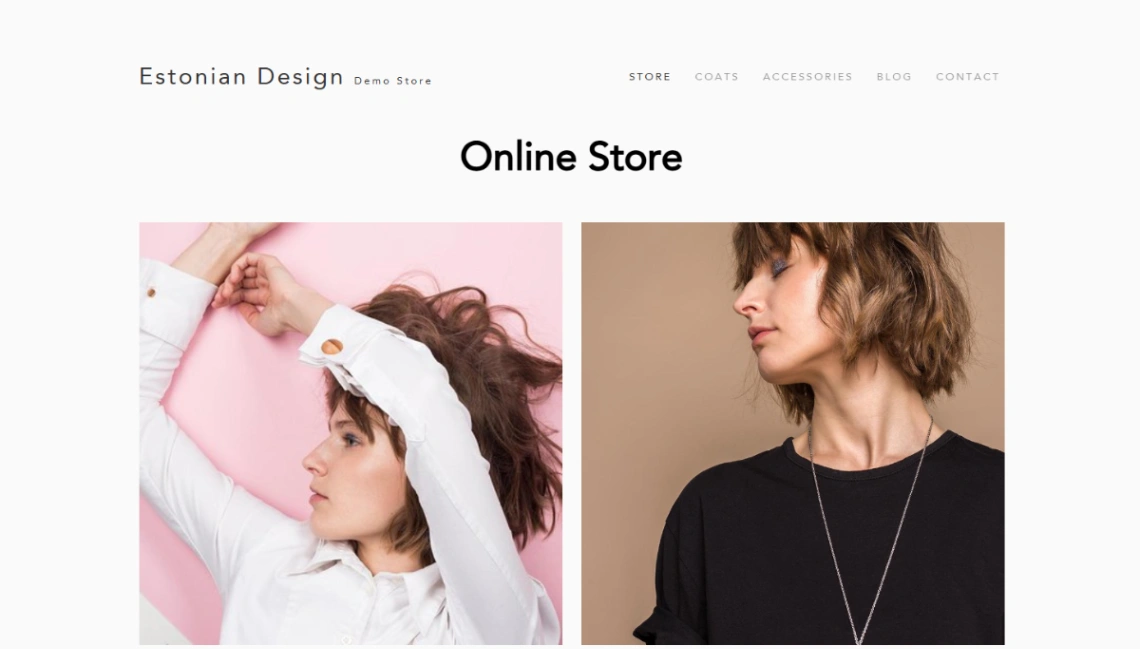
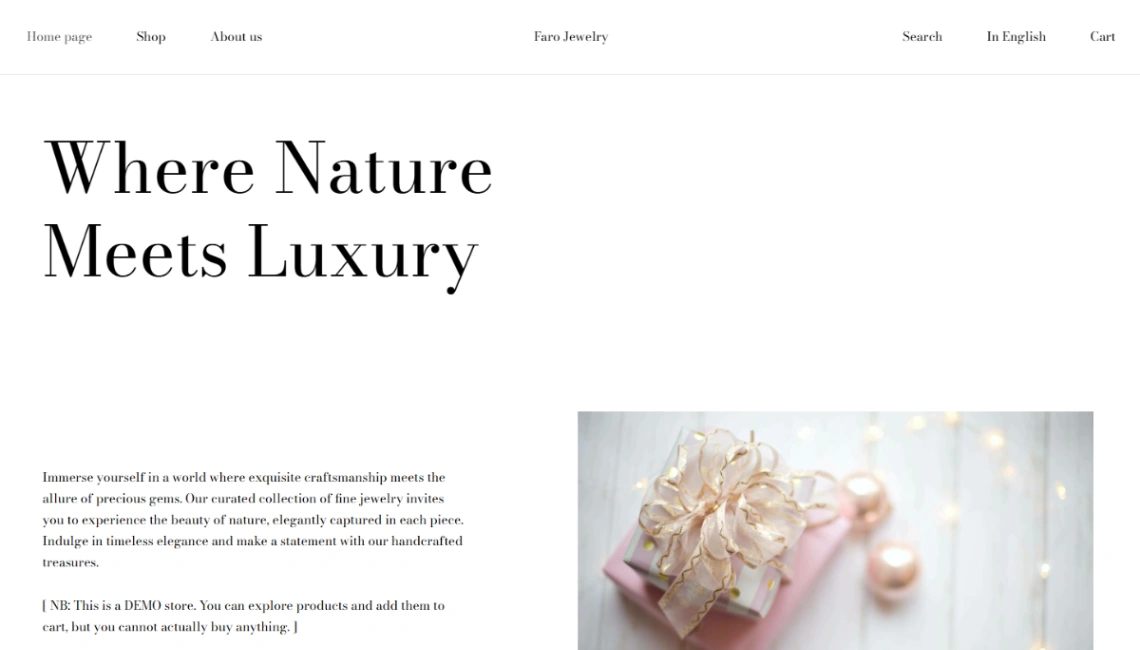
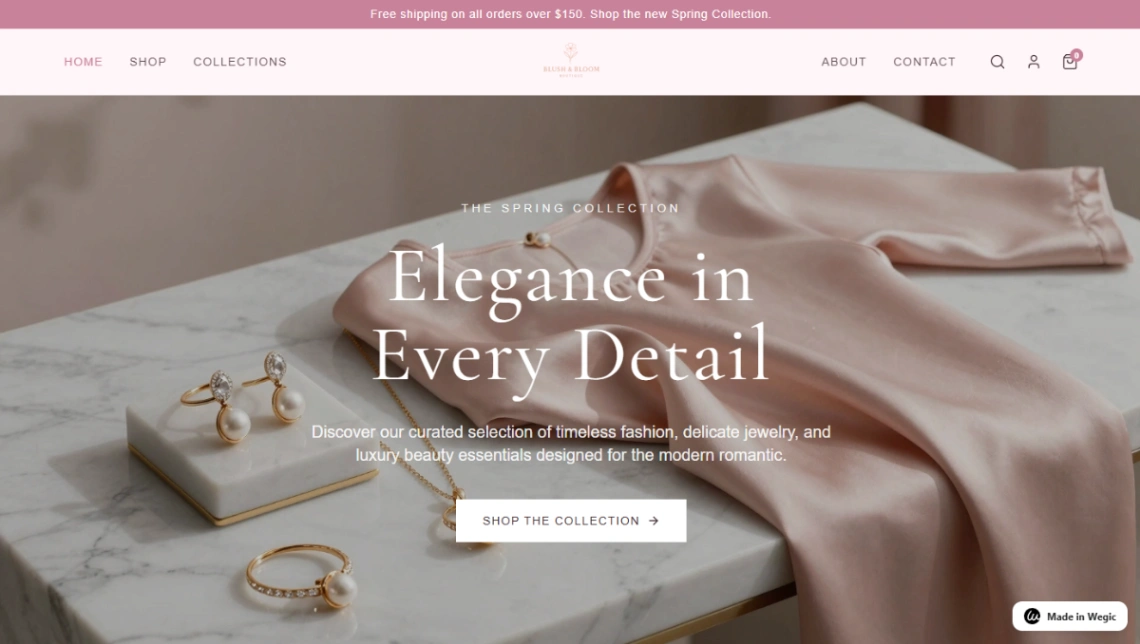
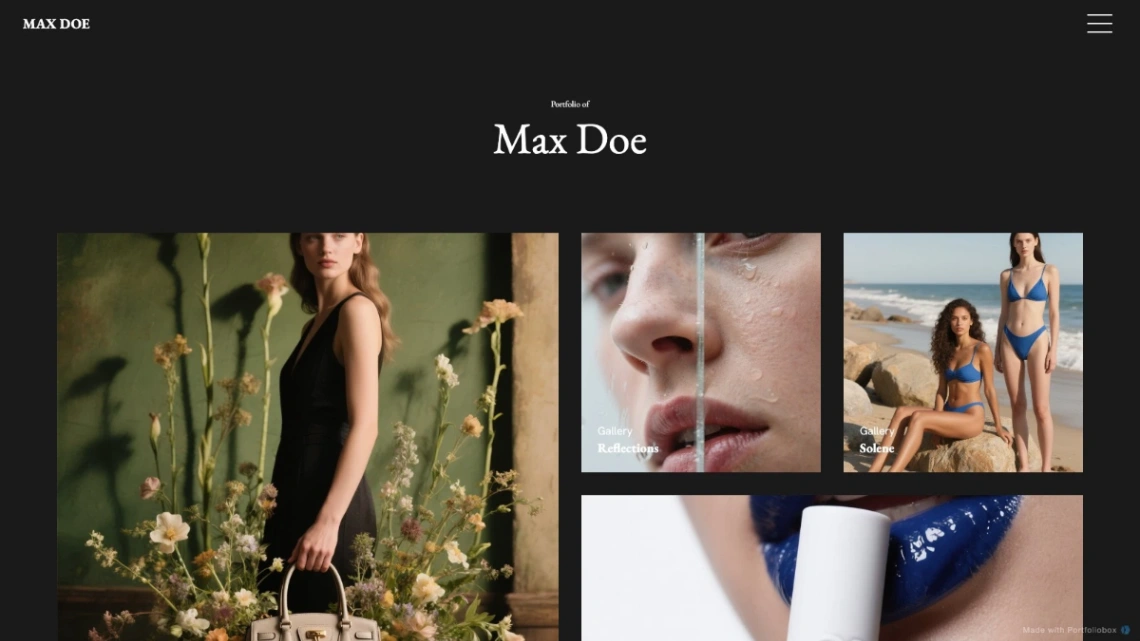
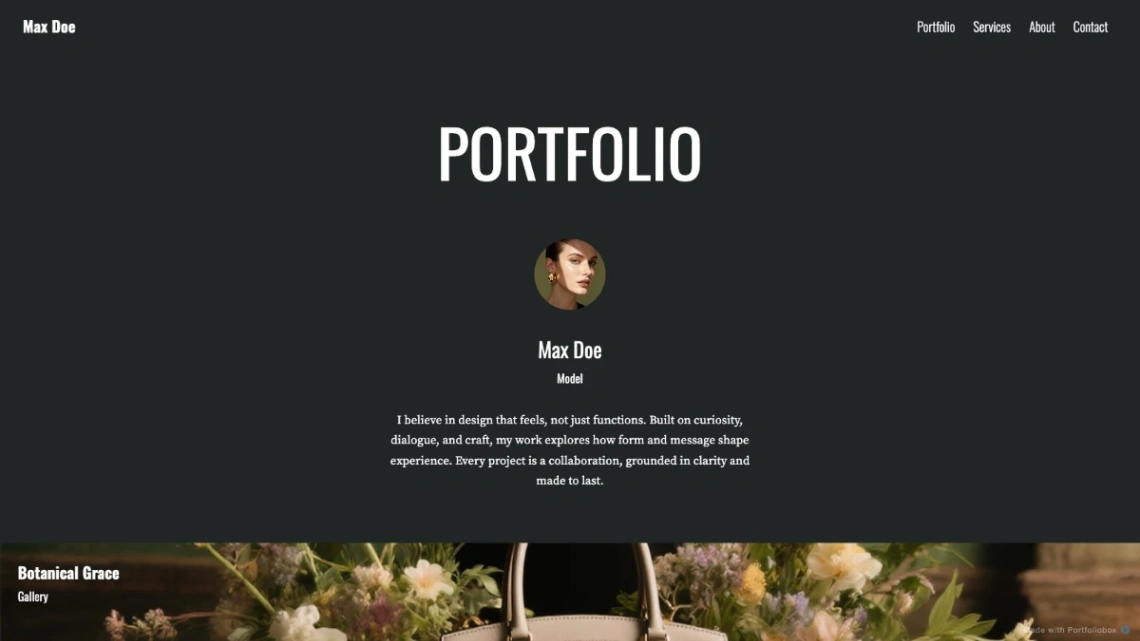
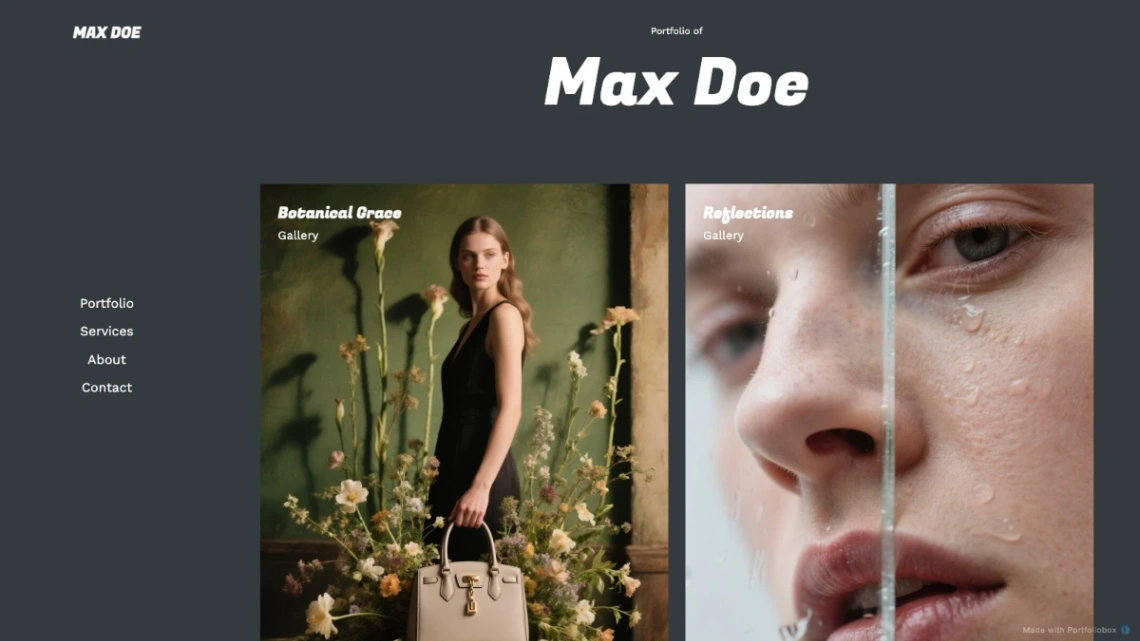
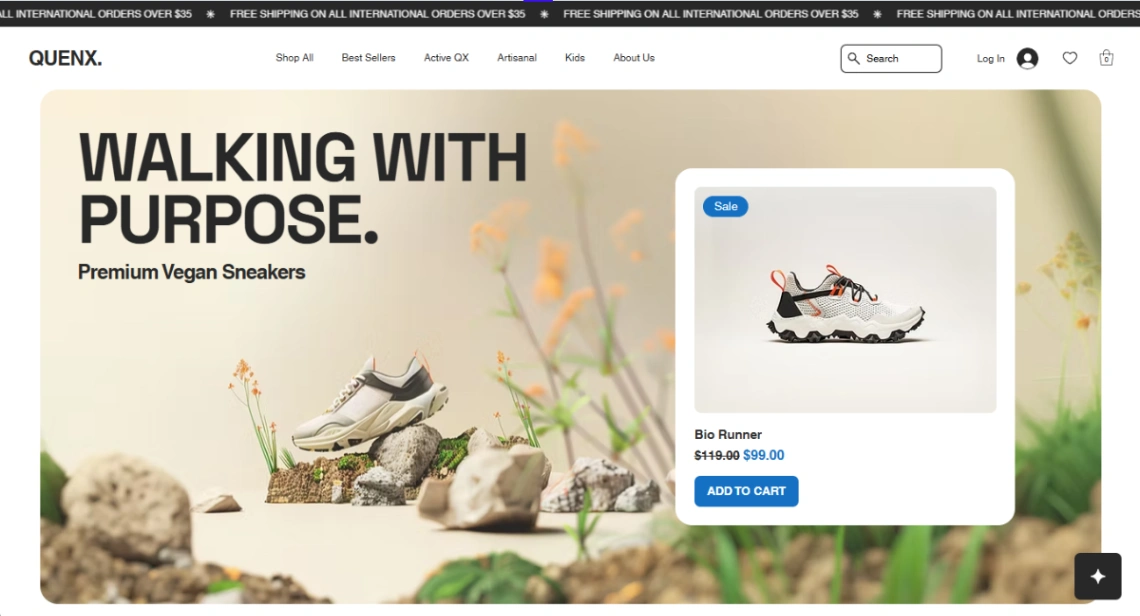
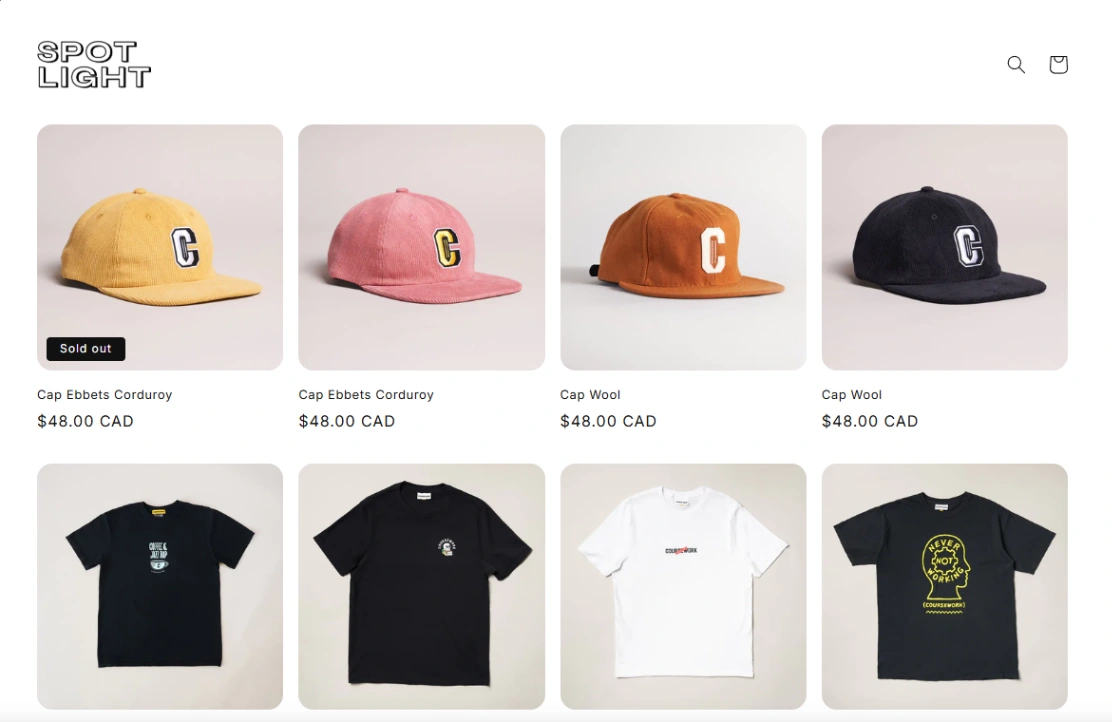
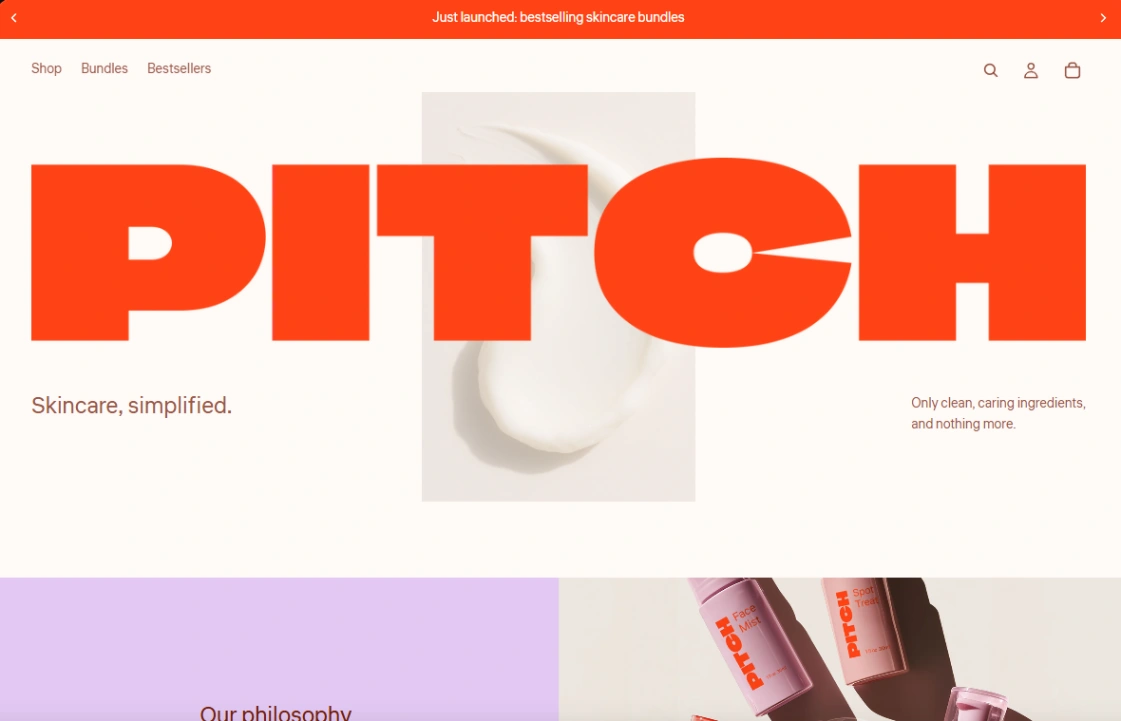
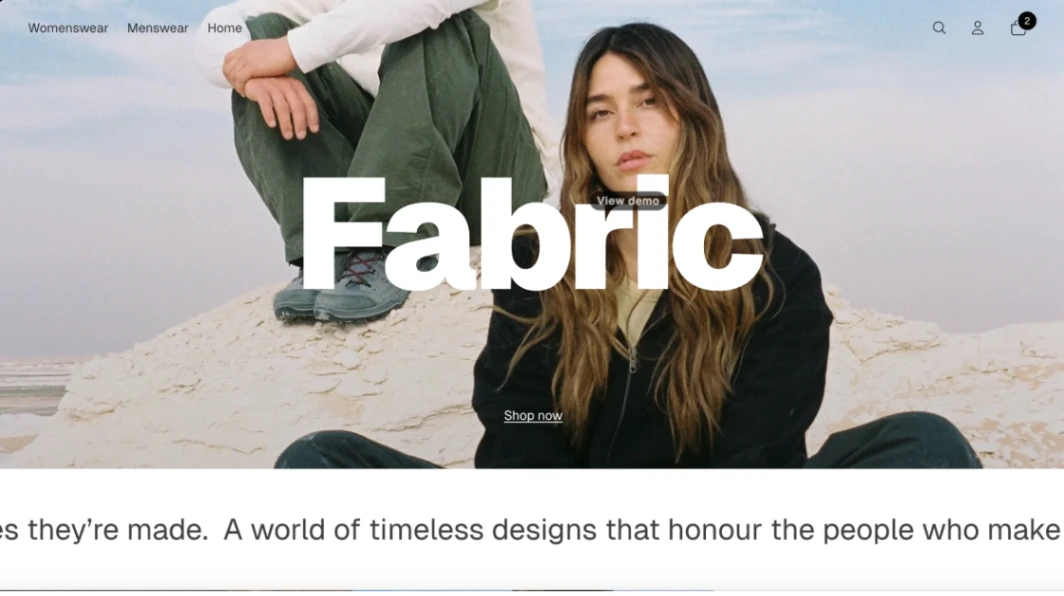
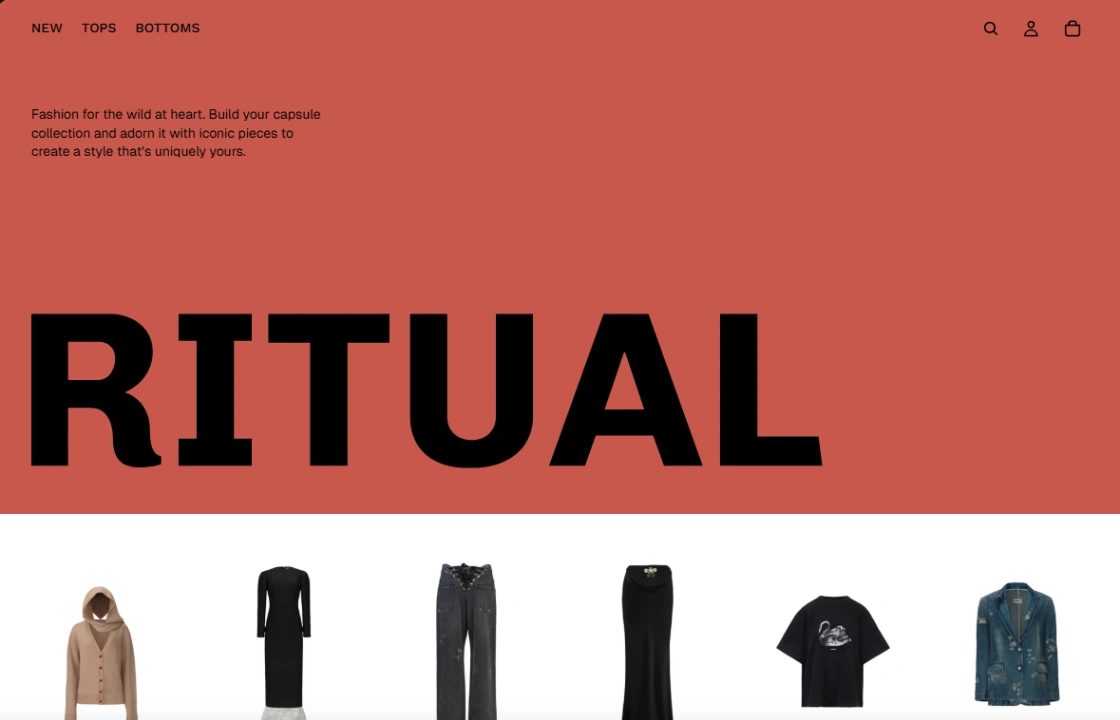
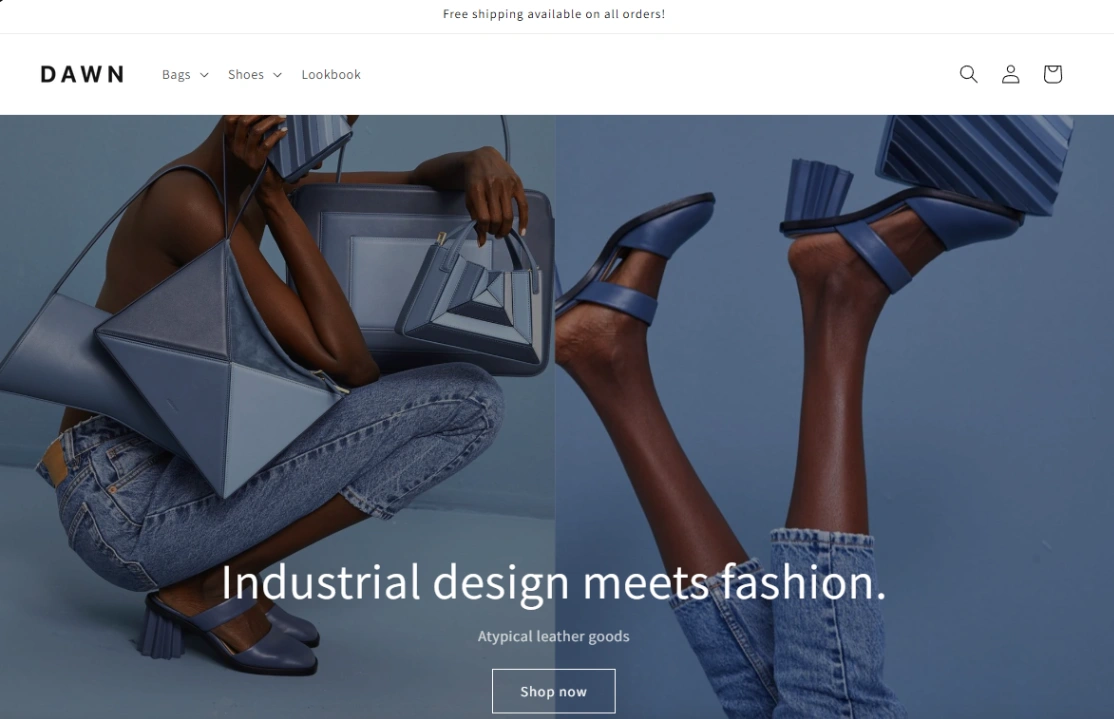
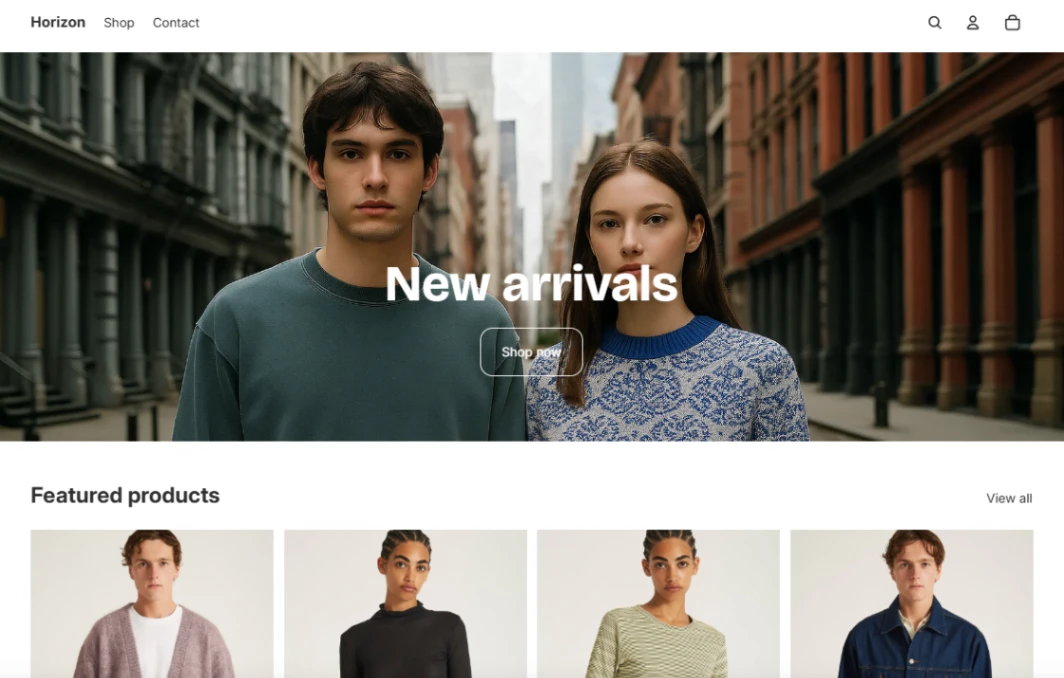
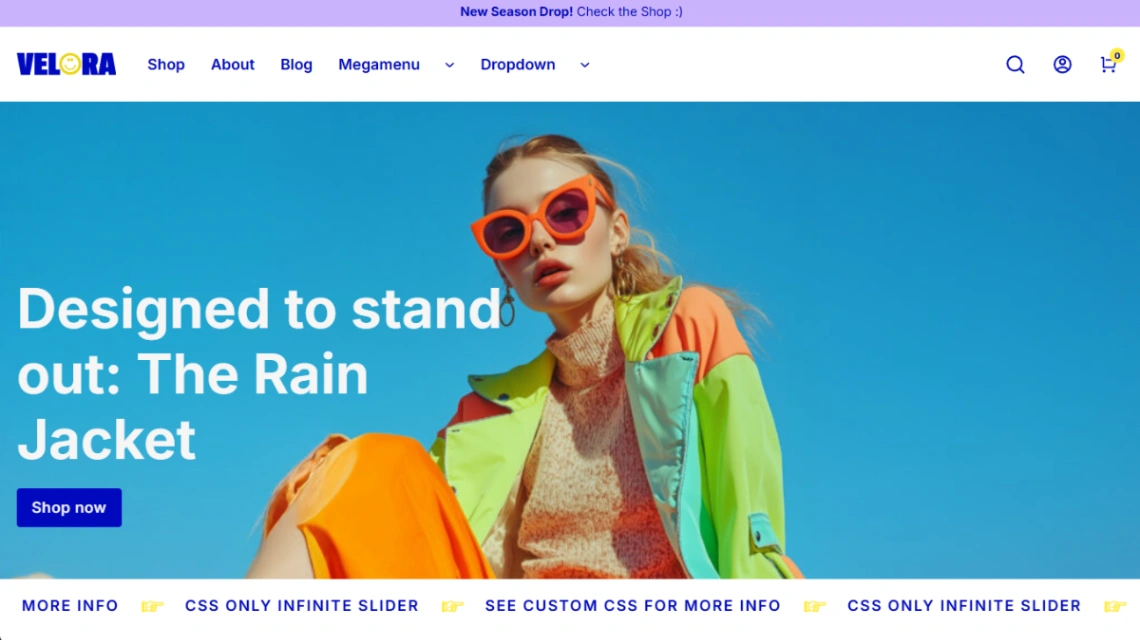
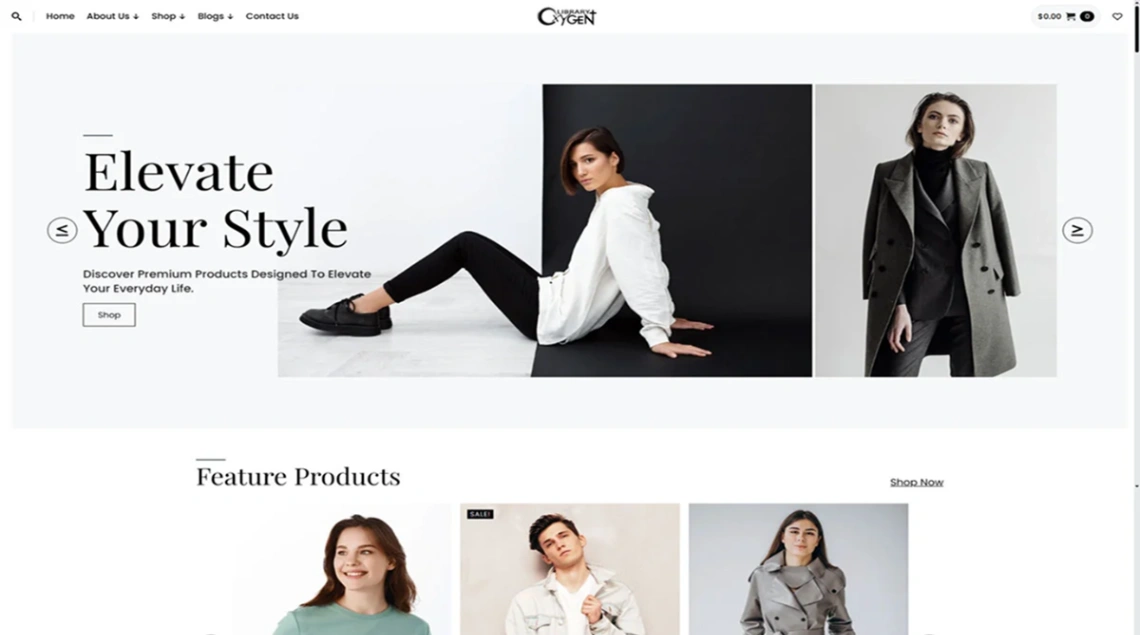
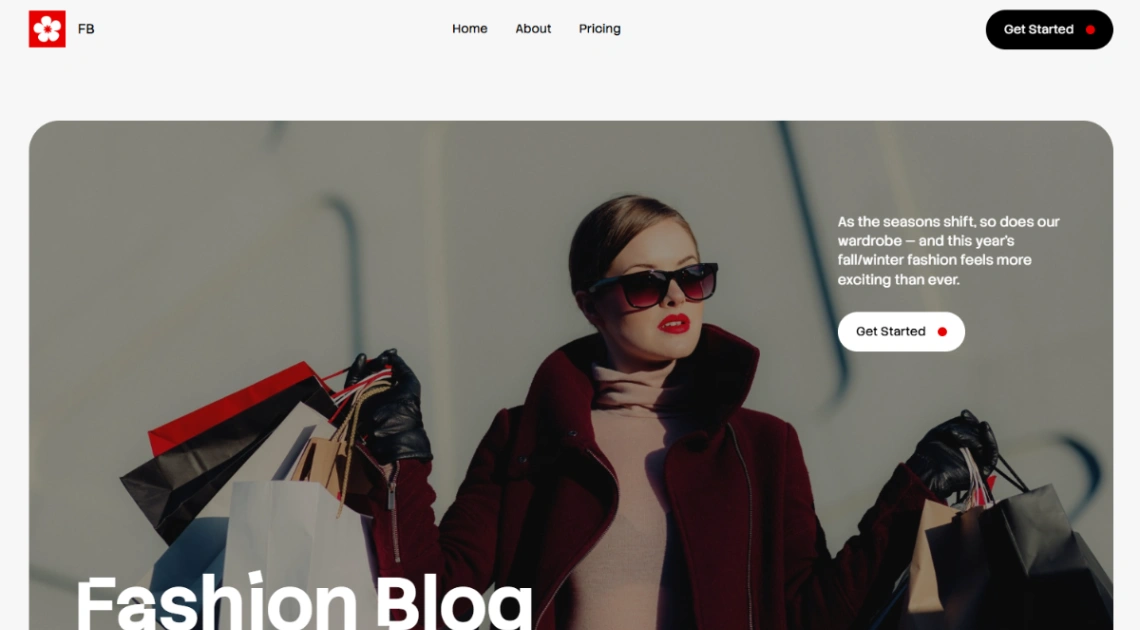
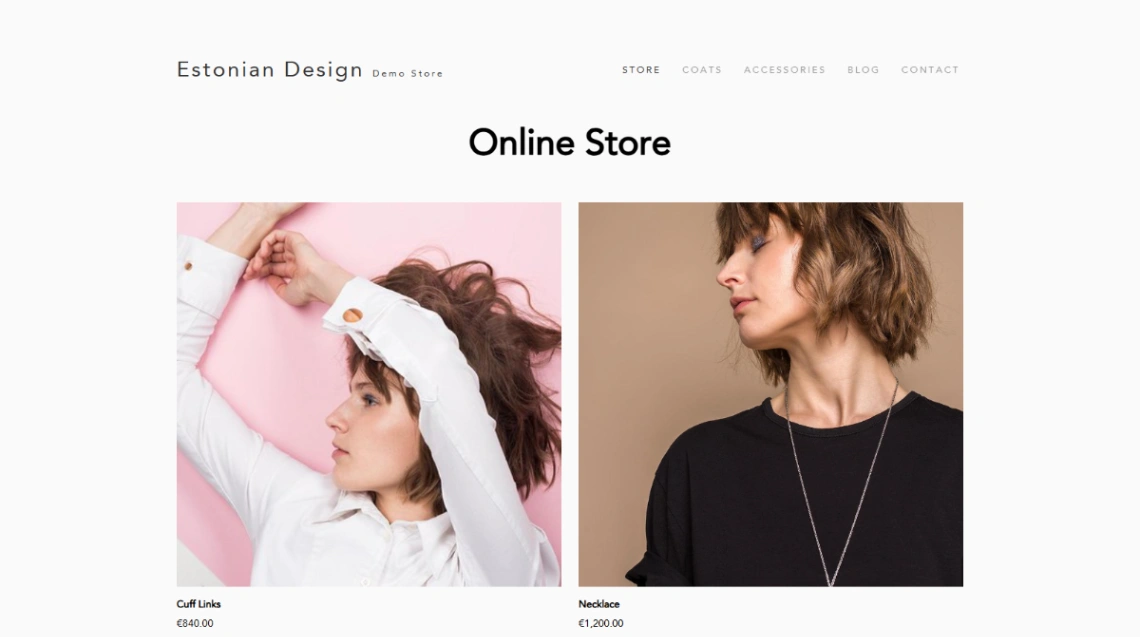
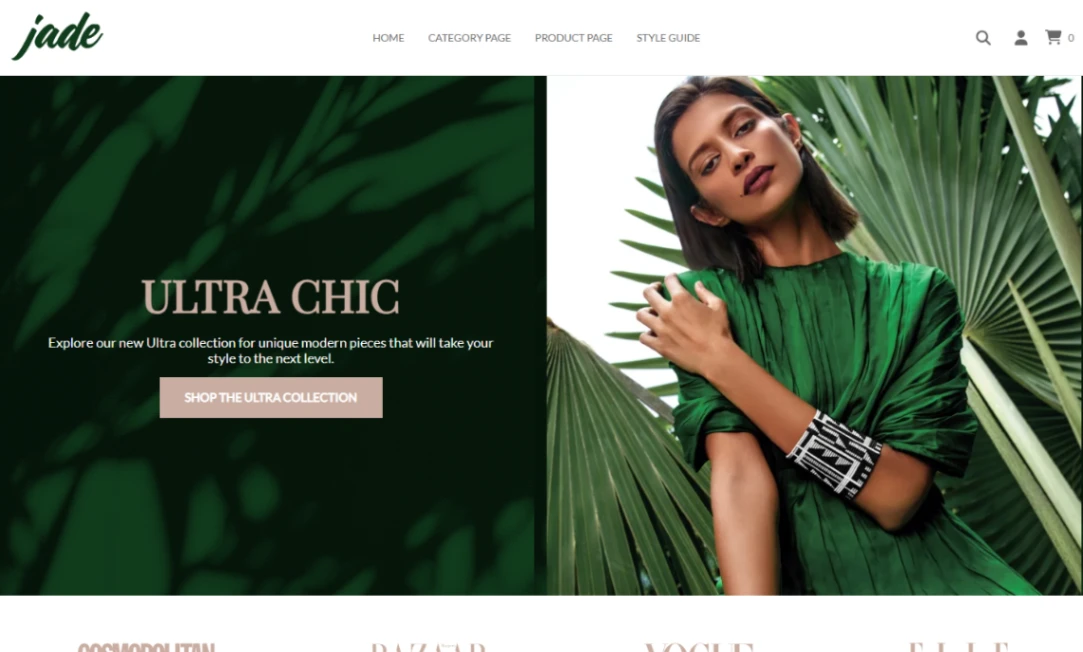
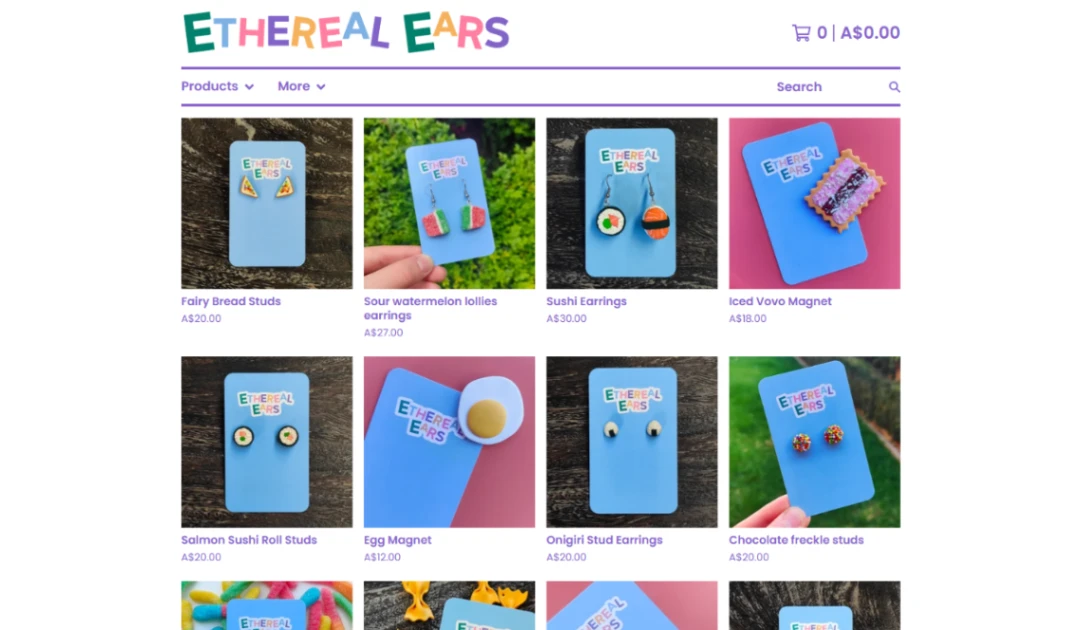
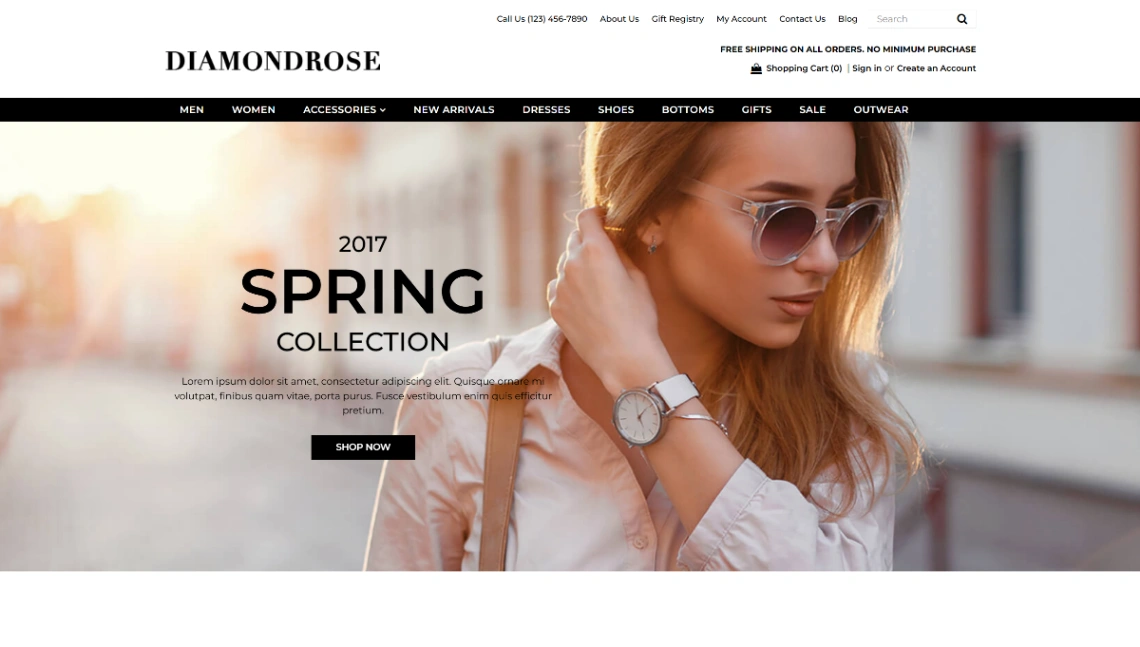
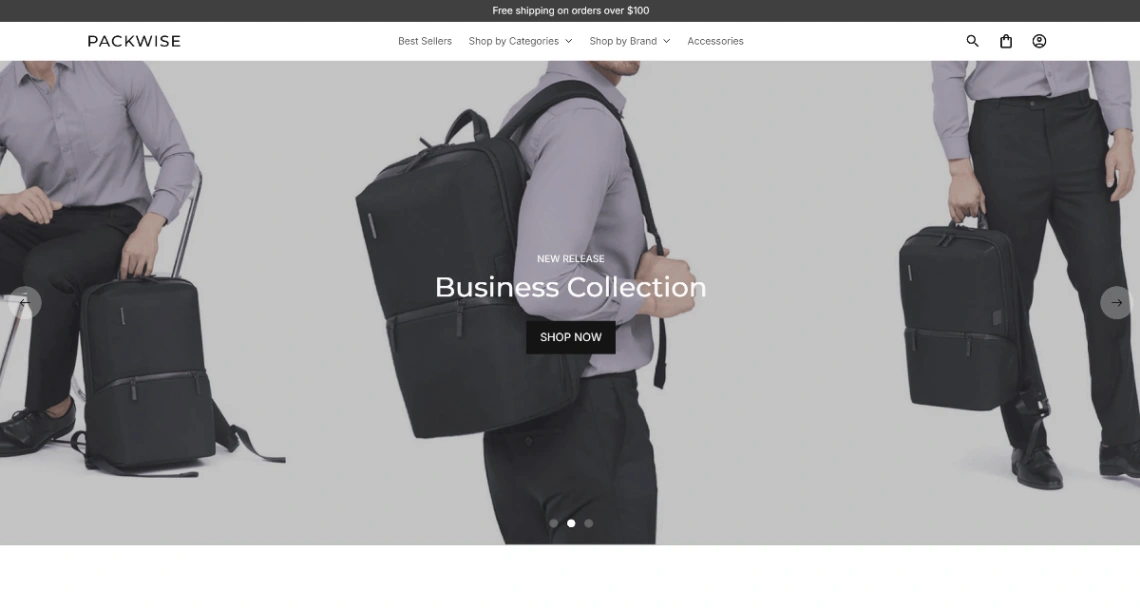
The lookbook is where fashion templates diverge from ordinary commerce. A grid sells items; a lookbook sells the world the items belong to — full-bleed editorial pages, looks shot as outfits, shop-the-look paths from image to cart. The storefront platforms with genuine editorial layouts are pinned above; templates that only do grids will flatten a label into a catalog.
Be honest about the photography contract. These templates are frames for strong images — full-screen, high-resolution, consistently art-directed — and they repay exactly the standard you feed them. A label shooting on a rack in the stockroom will look worse in an editorial template than in a plain one; match the template's ambition to the photography you'll actually produce every season.
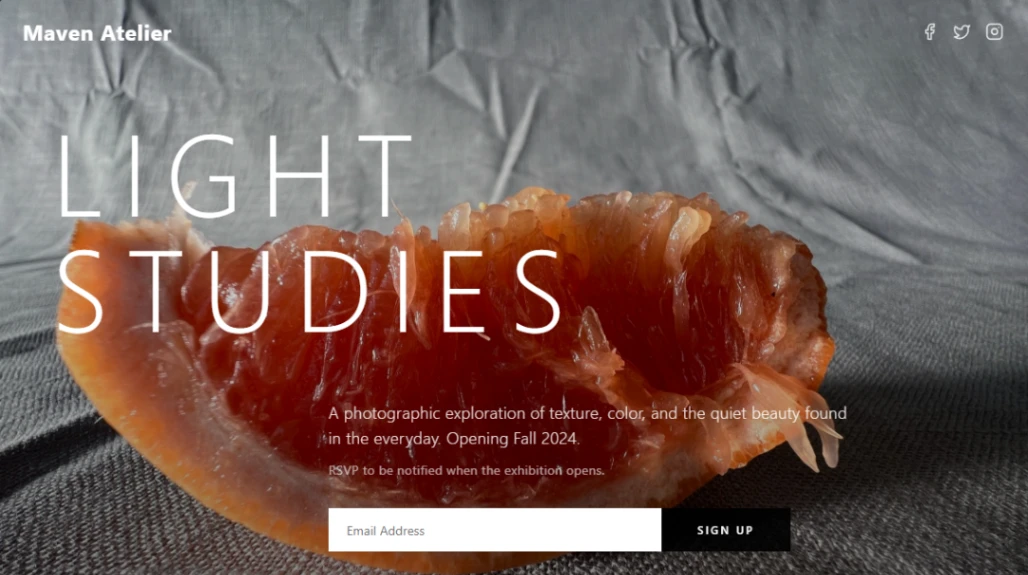
And build the audience machinery before the first drop needs it. Drops work as events — announced, anticipated, sold to a list — so email capture with a reason ("first access") belongs on every page from day one. The mistake this category repeats: a beautiful launch into silence. The collection sold out in the founder's head; the list that would have made it real was never built. Capture first; drop second.
FAQ