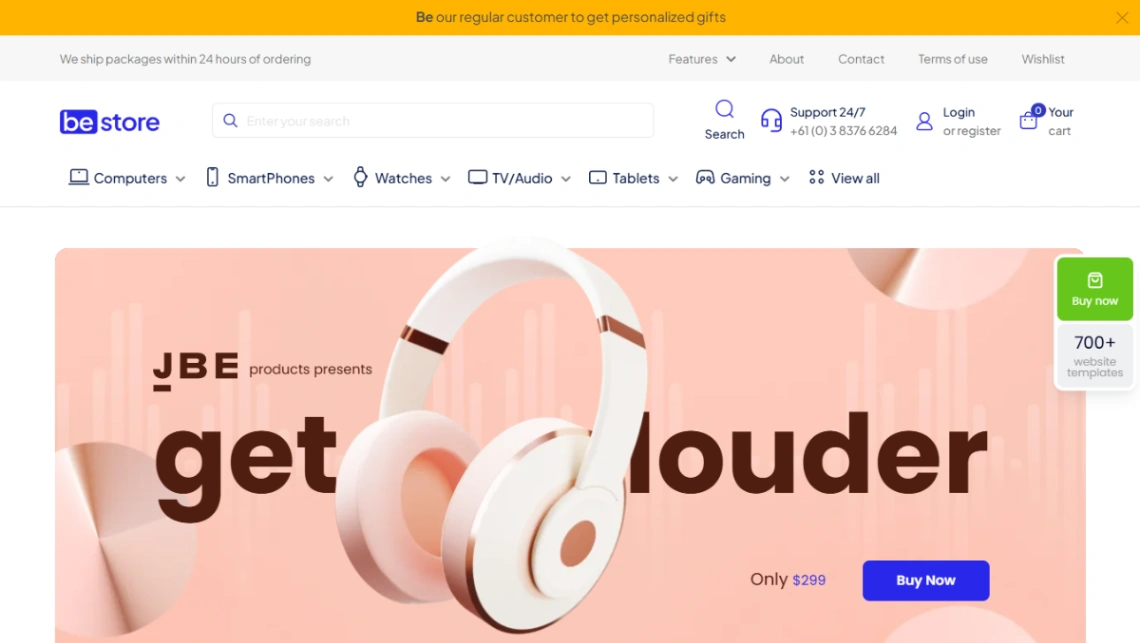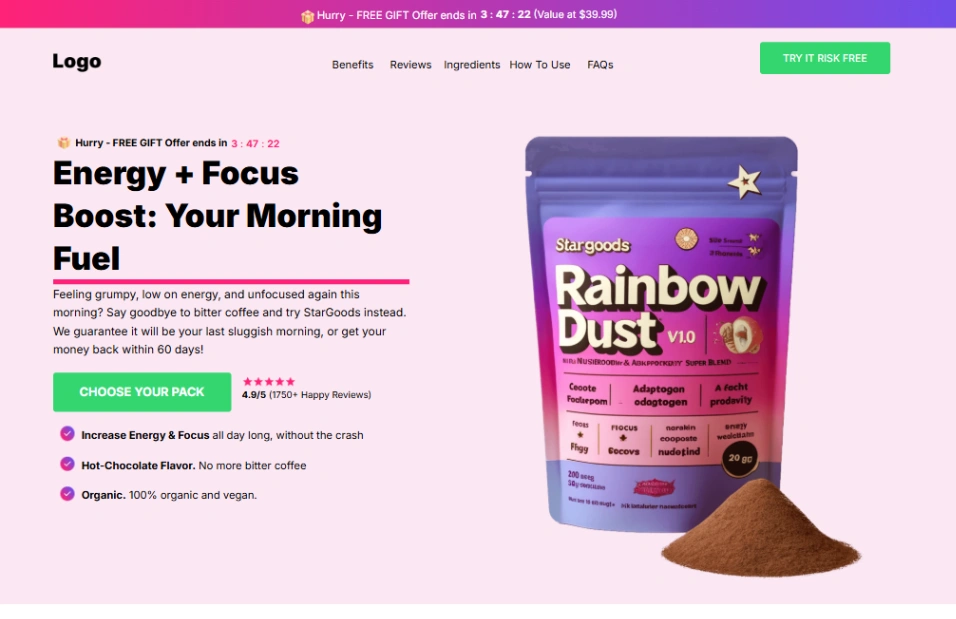
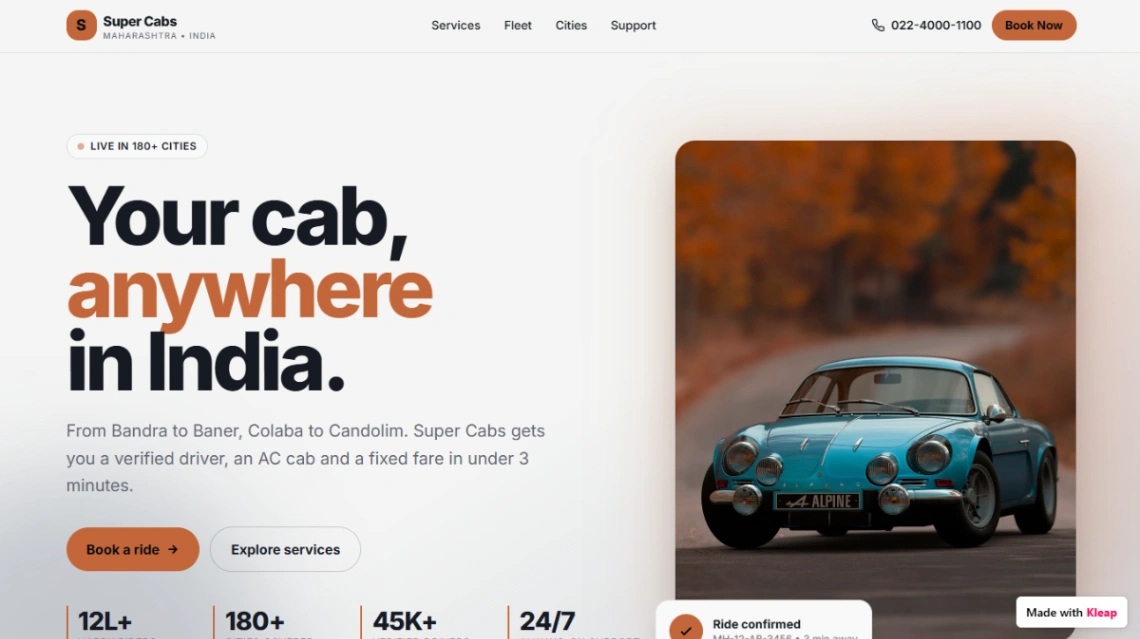
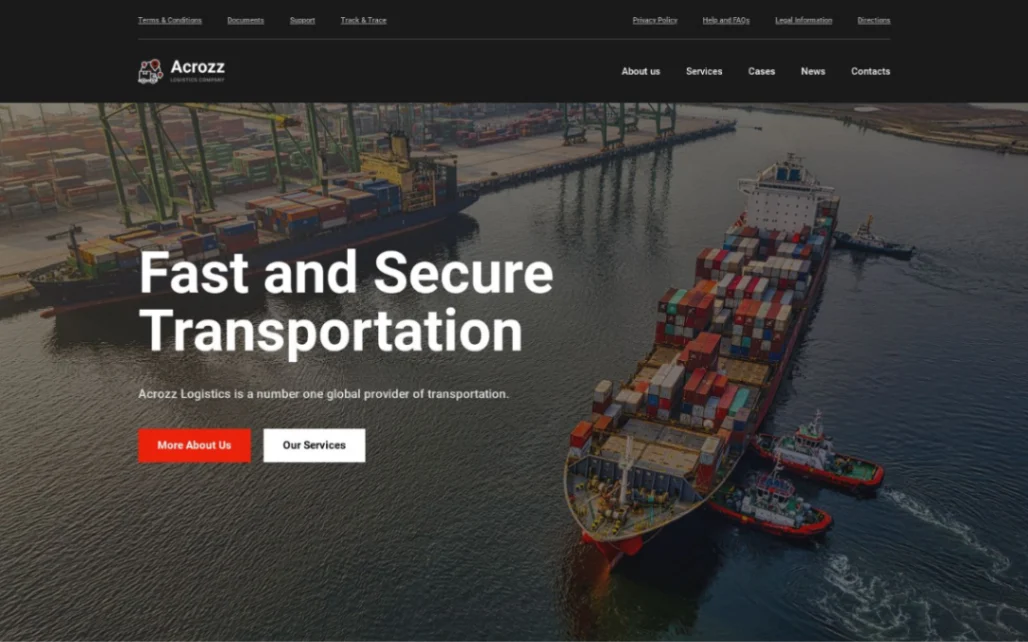

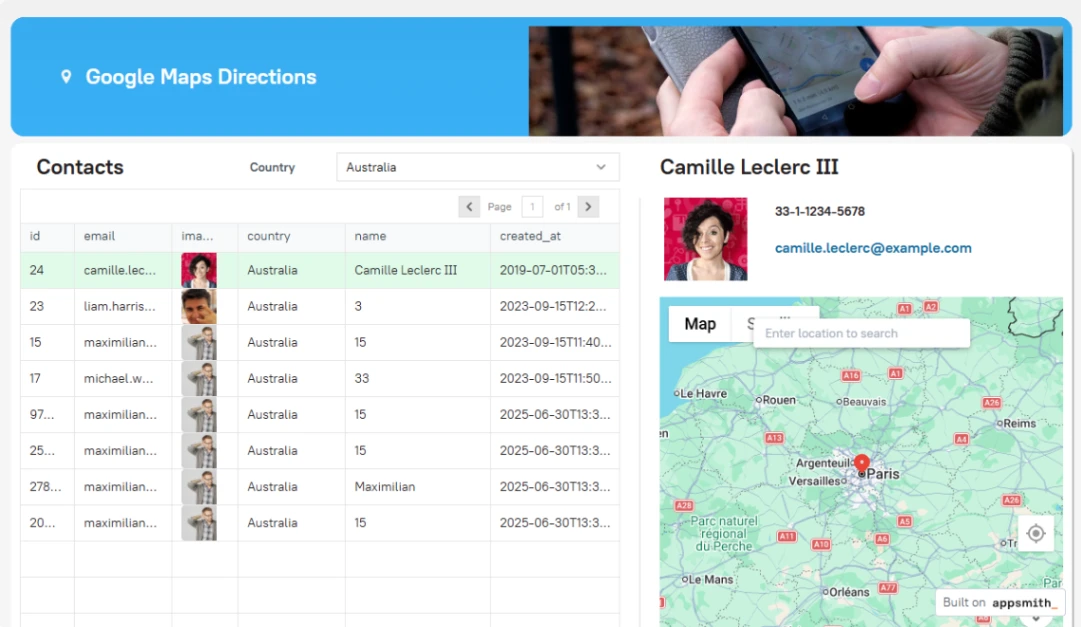

Car Rental

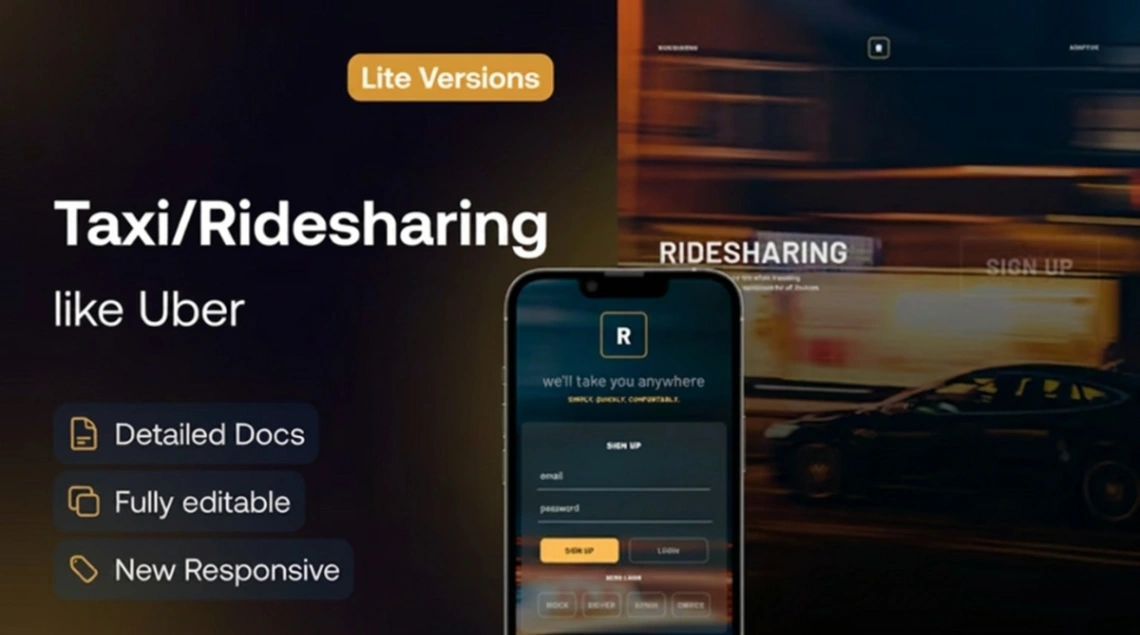
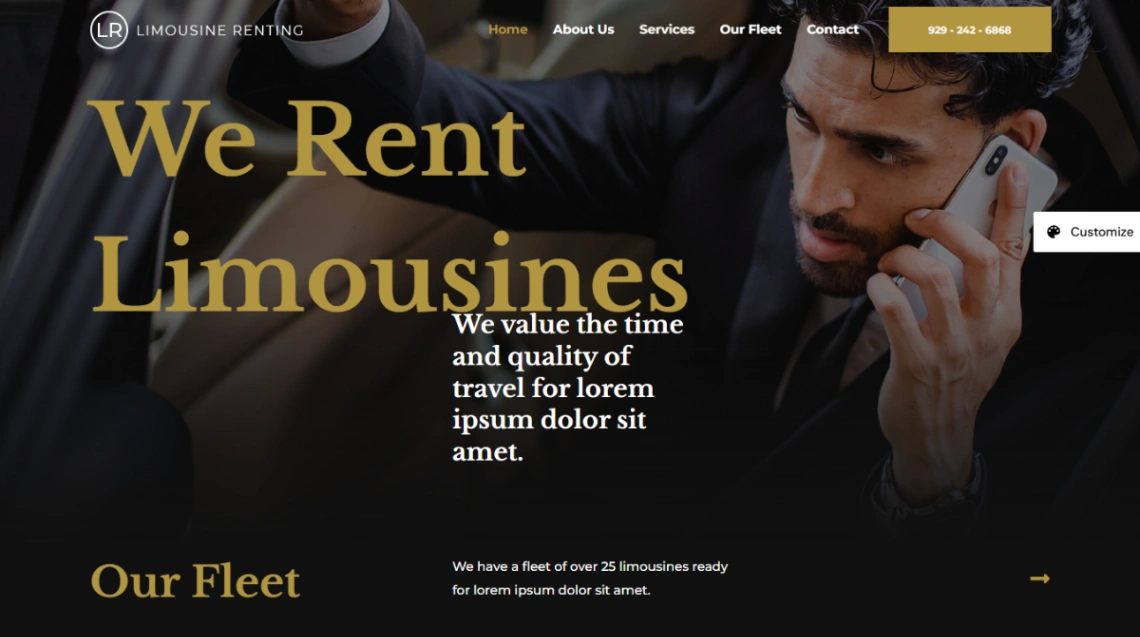
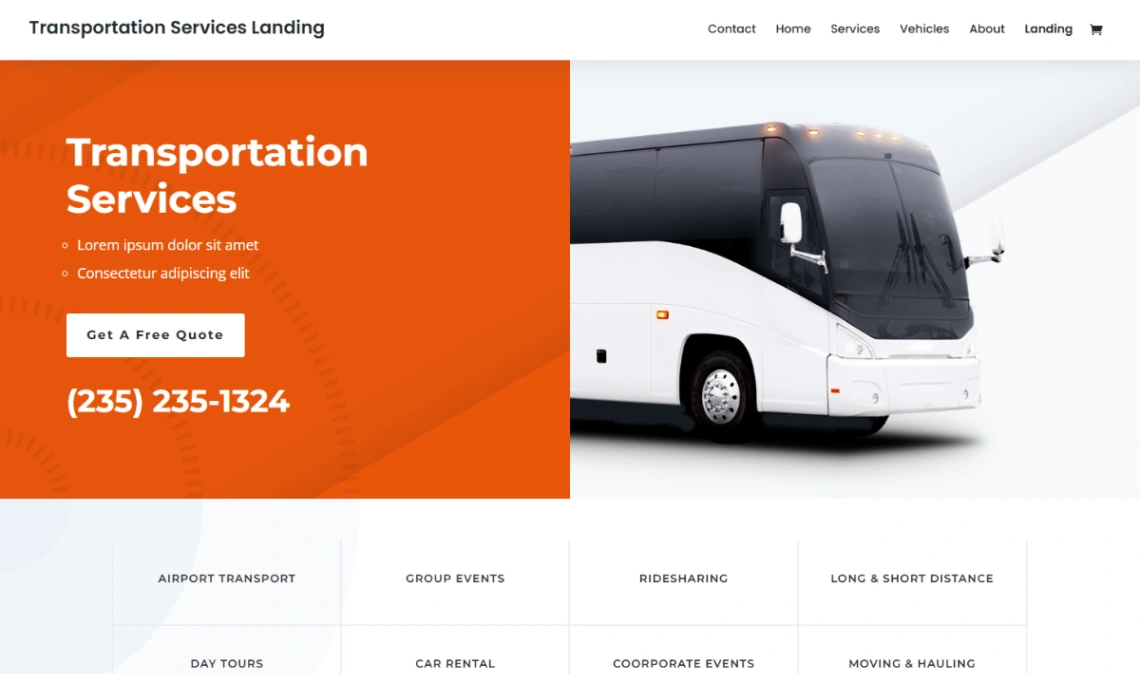

Boat Rental
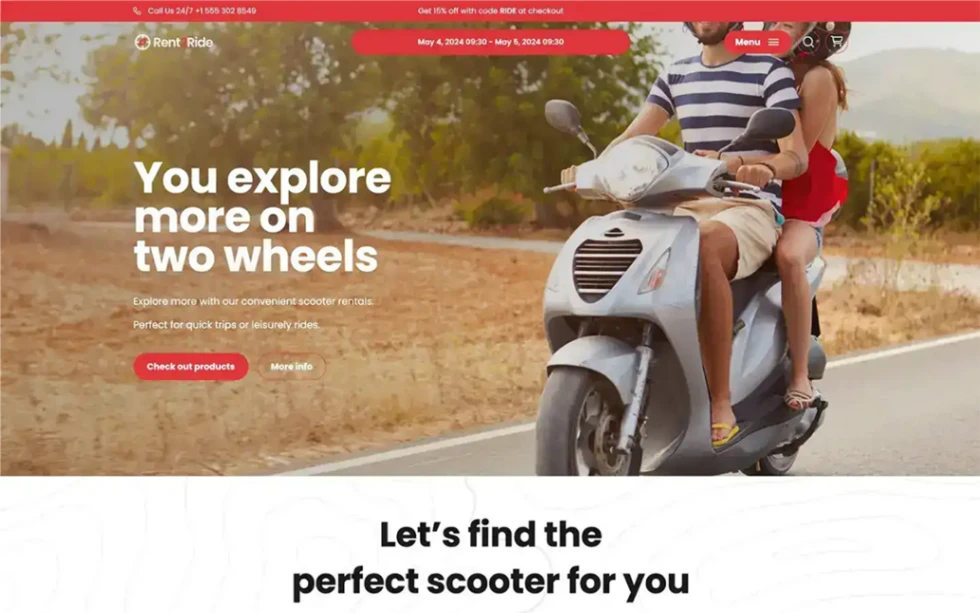
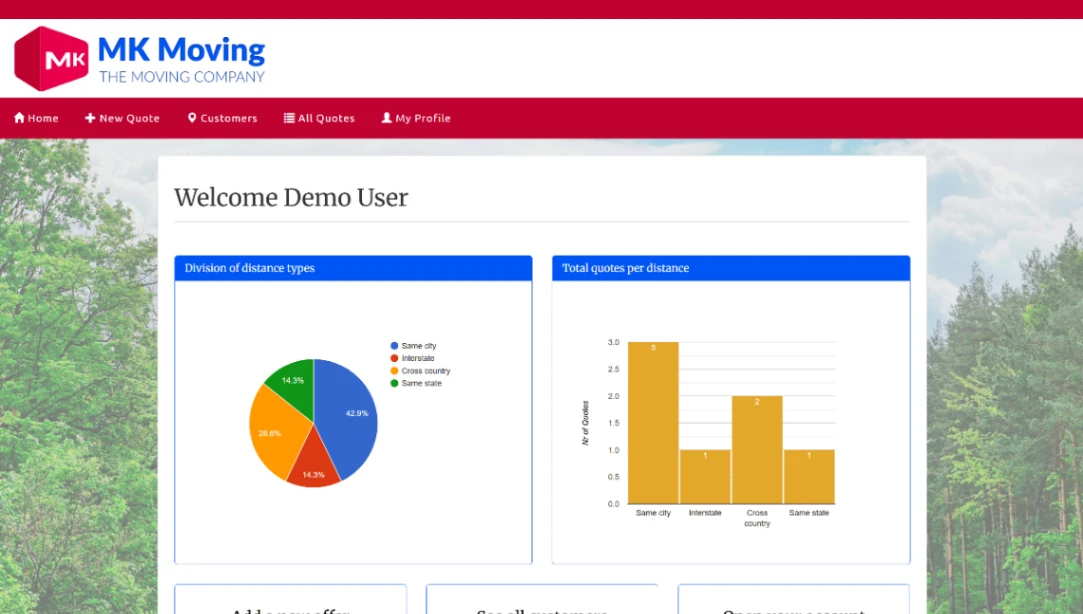

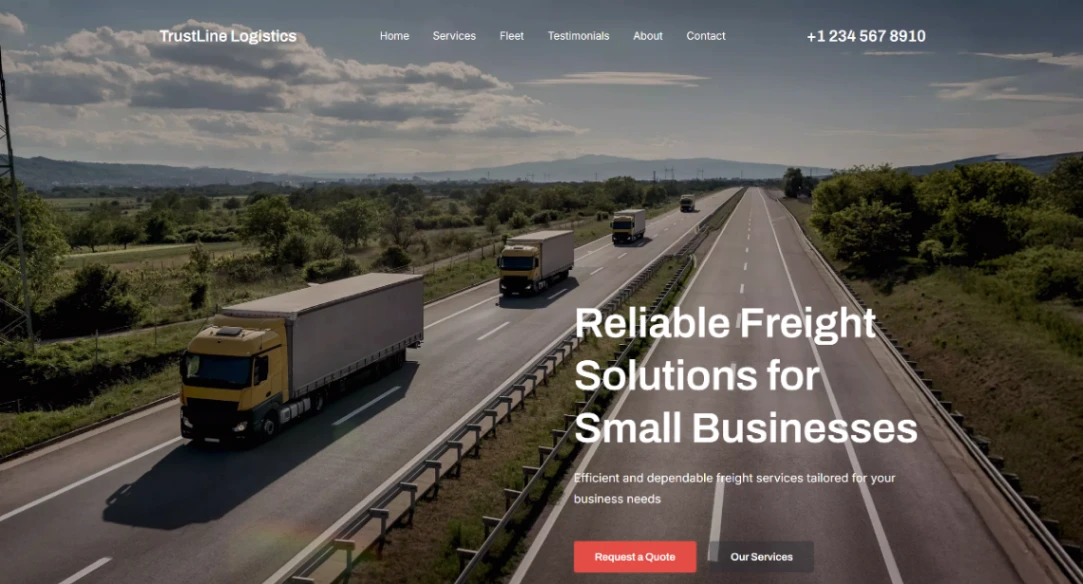

Taxi Service

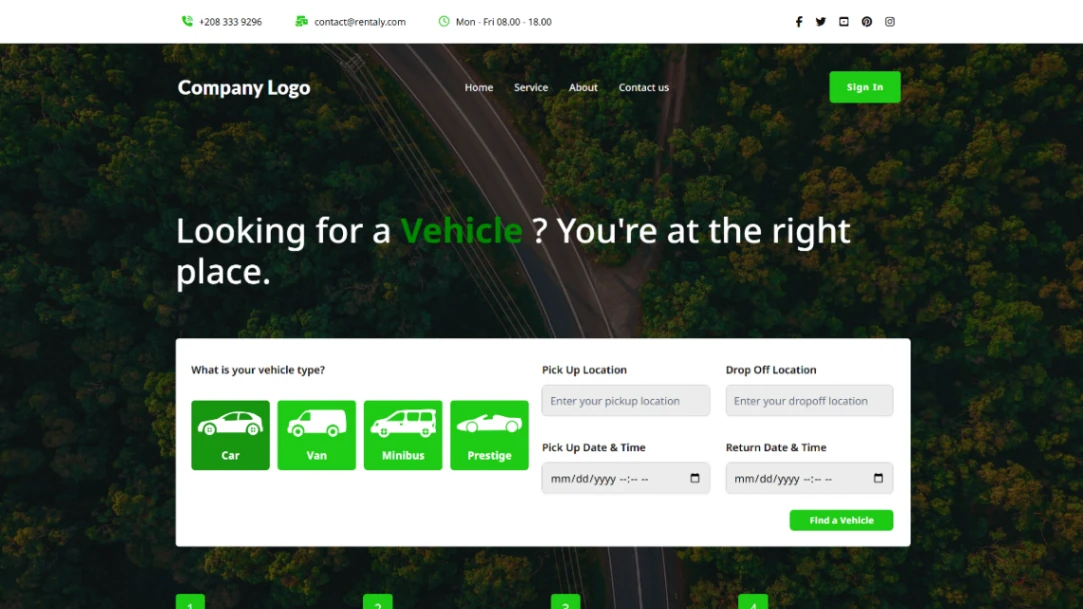
Car Rental

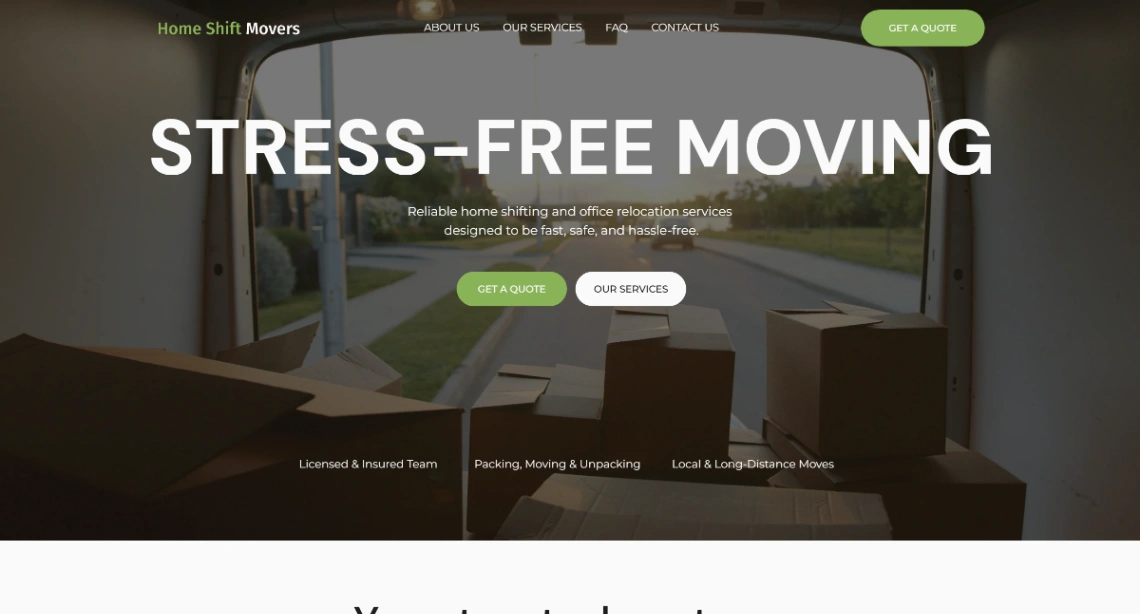
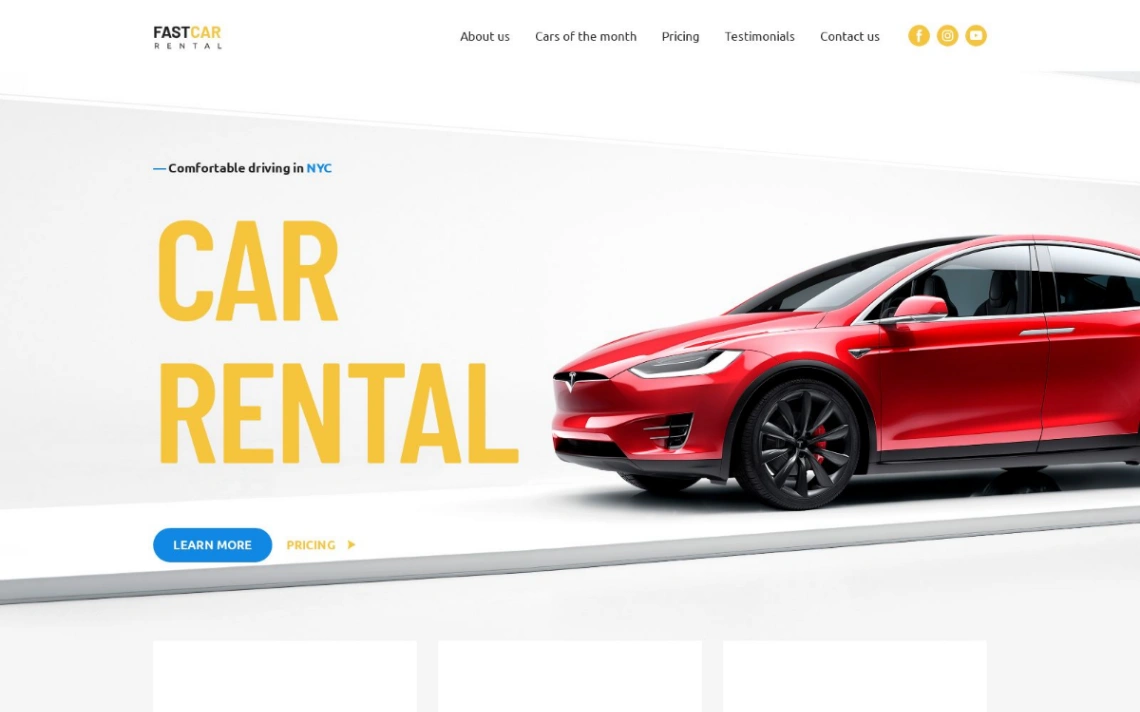
Car Rental
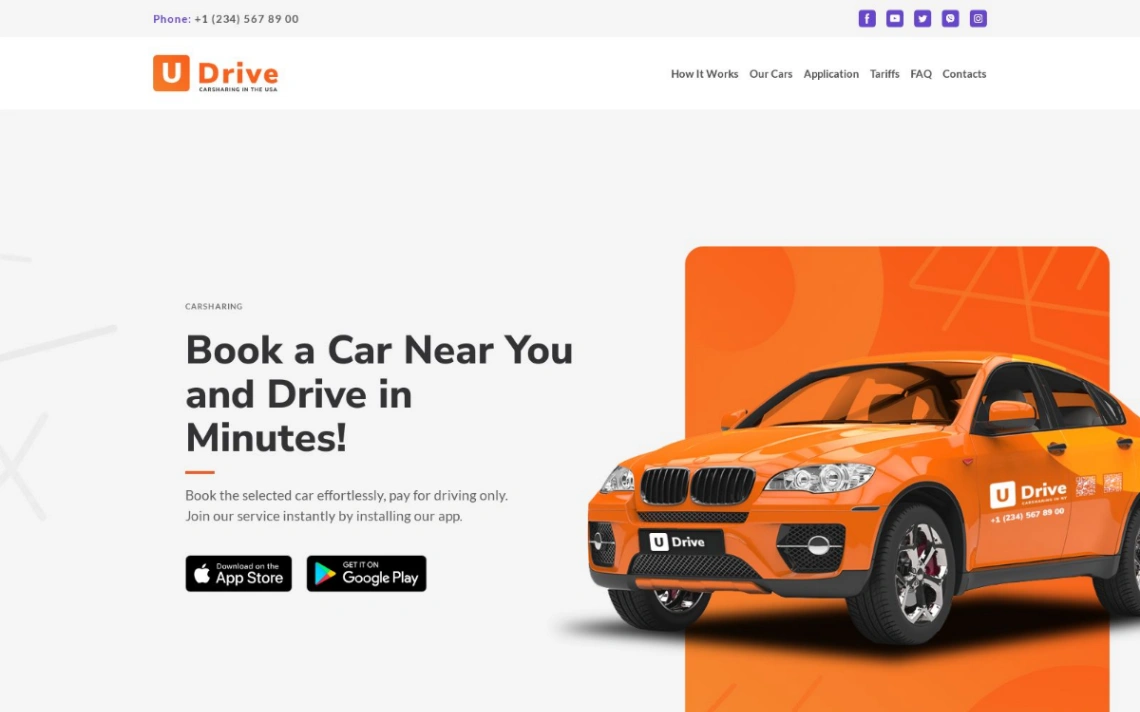

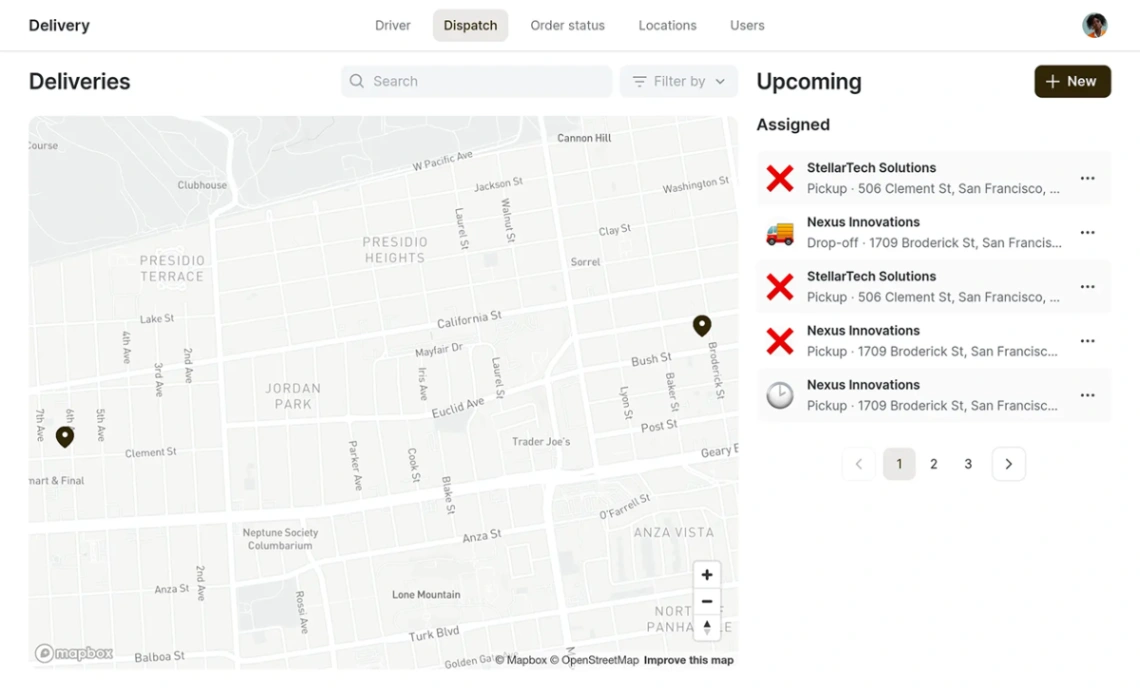
Delivery App
Buyer's guide
How to choose a transport template
Transport is bought as a promise — this thing, there, by then — and the website's job is making that promise look keepable before anyone calls. The templates here split by how the promise is priced: logistics and haulage quote per job, shuttles and services run schedules, and vehicle hire books by the day on the rental-flow platforms in the pinned picks. Pick the template that matches how money actually arrives.
For quote-per-job businesses, the quote form is the entire site. It must collect what pricing genuinely needs — what's moving, dimensions or weight, from, to, when, access quirks — because a form that asks too little starts the callback spiral: three phone calls to learn what five fields could have captured, while the competitor who asked properly has already quoted. Photos of the load, where the trade suits it, halve the surprises.
Be surgical about service area, because transport queries are geographic at the root: the corridors you run, the zones you cover, the cutoffs that matter ("orders by 2pm move same-day"). Stated plainly, this filters the jobs you can't serve and wins the searches for the ones you can — area pages are as load-bearing here as in any local trade.
Then prove reliability the checkable way: fleet honestly photographed, insurance and licensing stated, years running, and the operational specifics (tracking, proof-of-delivery, who to call when a van is late) that tell a shipper you've done this before. In a business where every customer has a horror story, boring competence is the premium aesthetic.
FAQ