
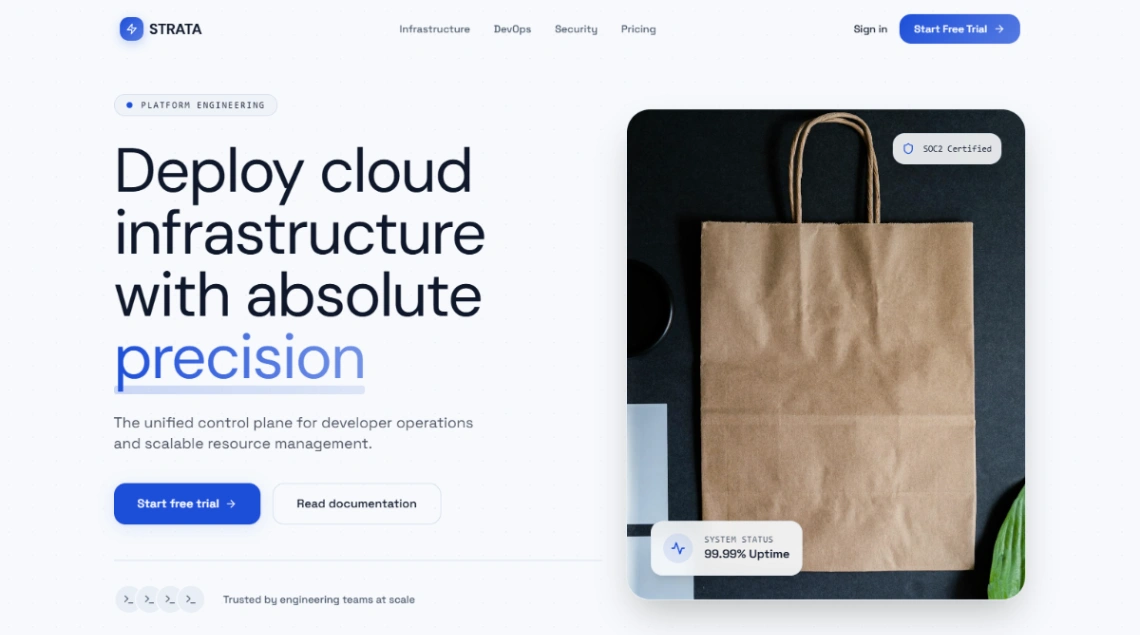

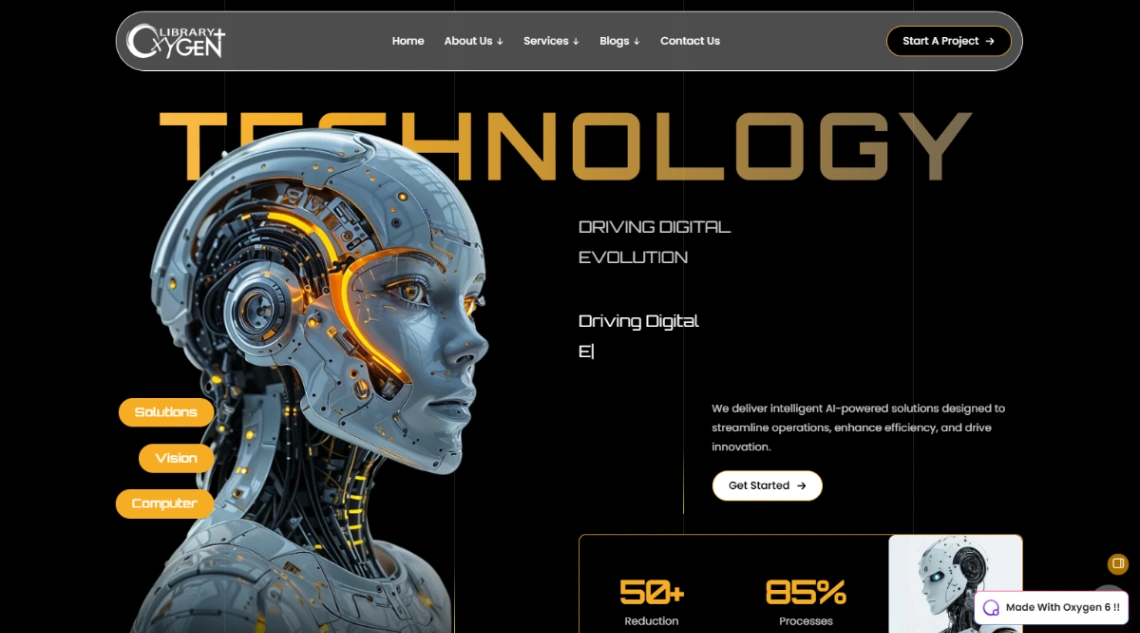
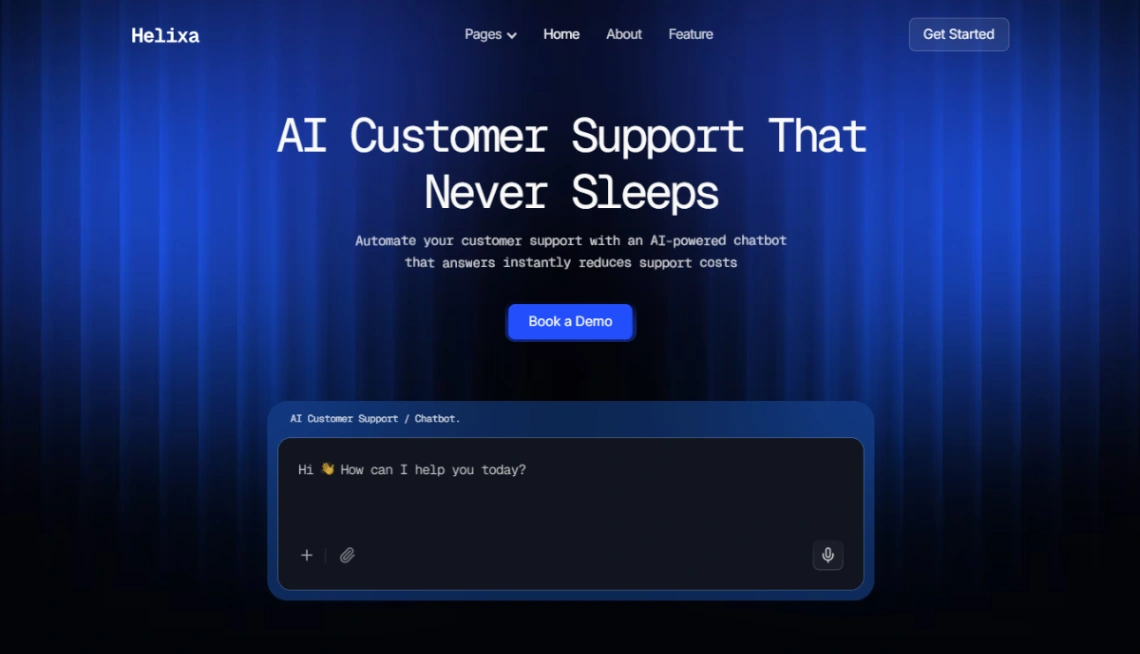
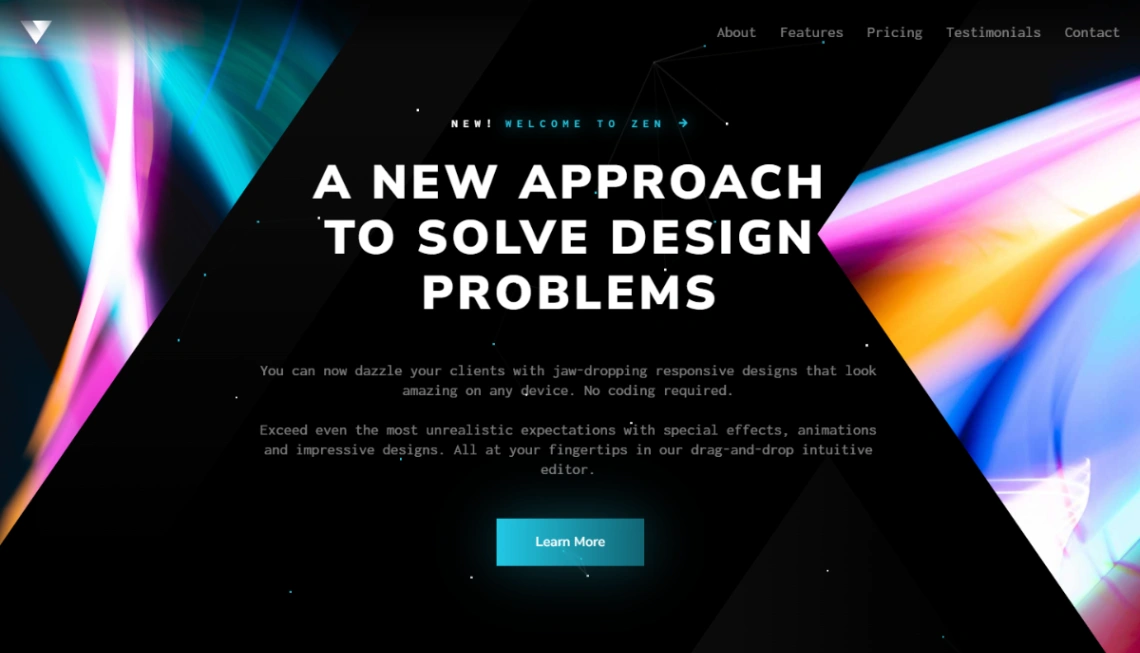
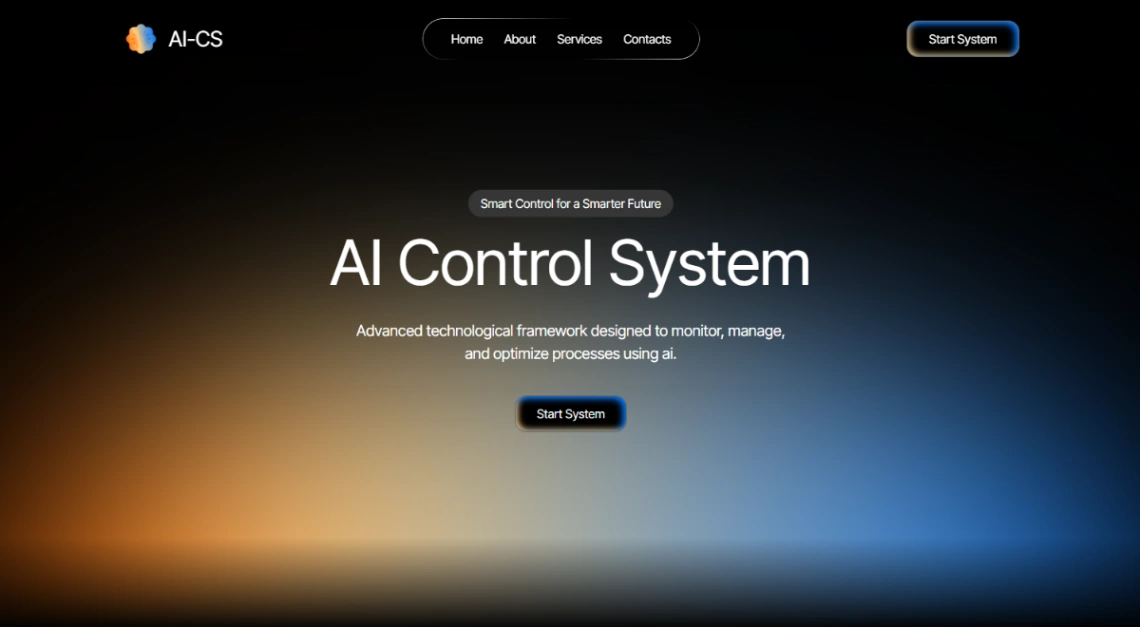
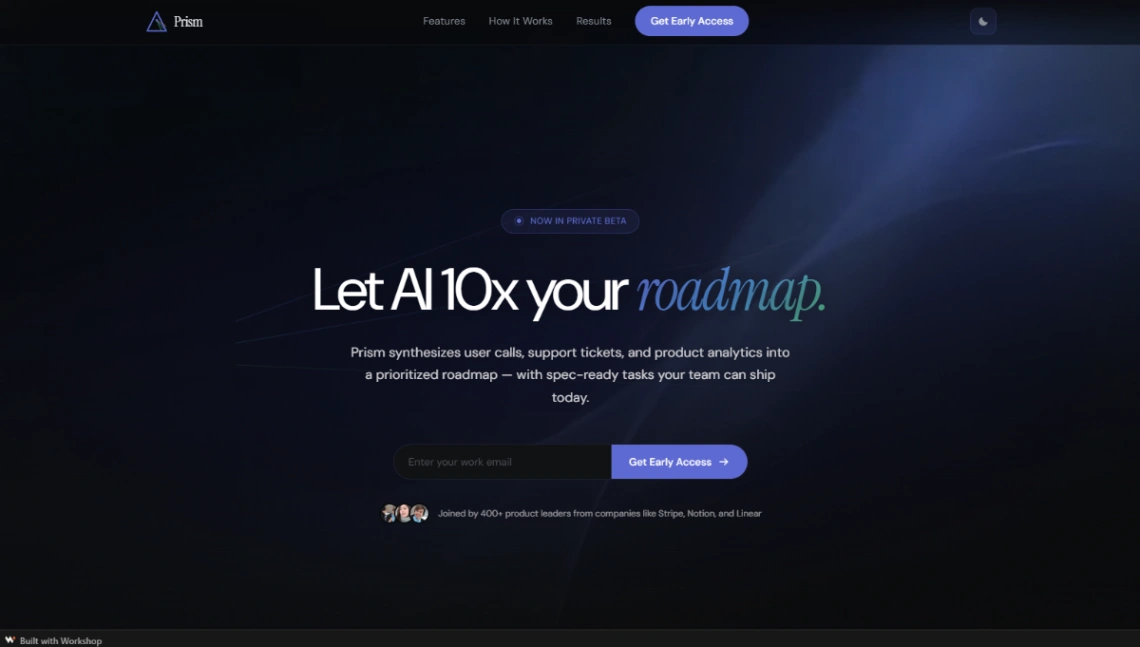
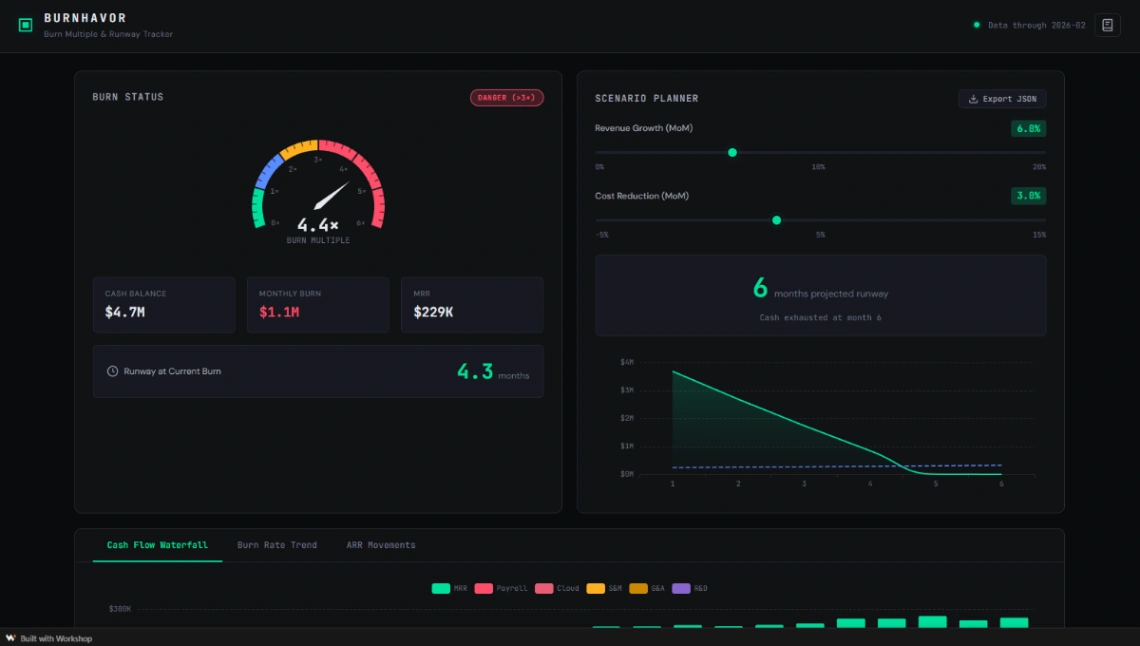
AI Agency
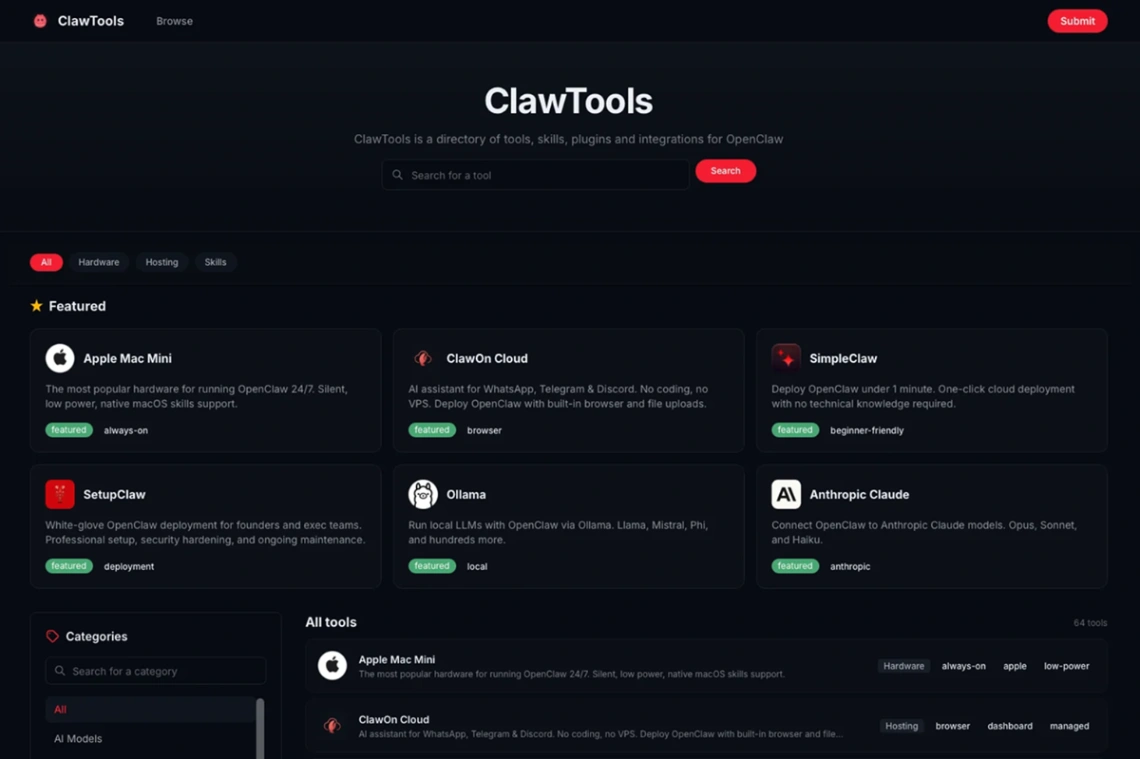
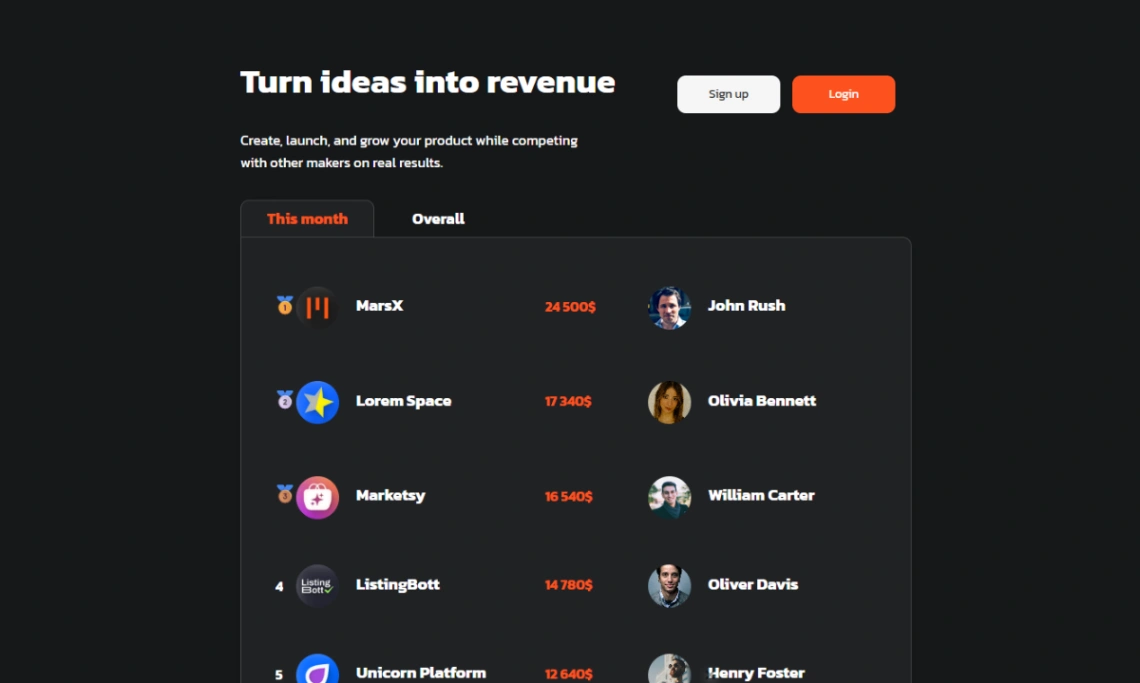
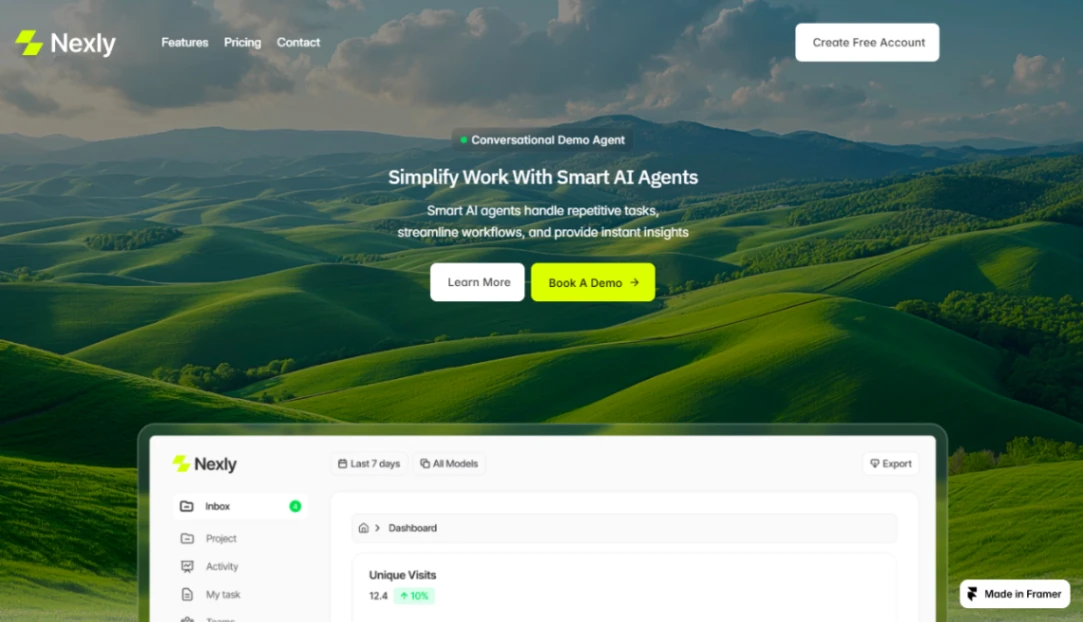
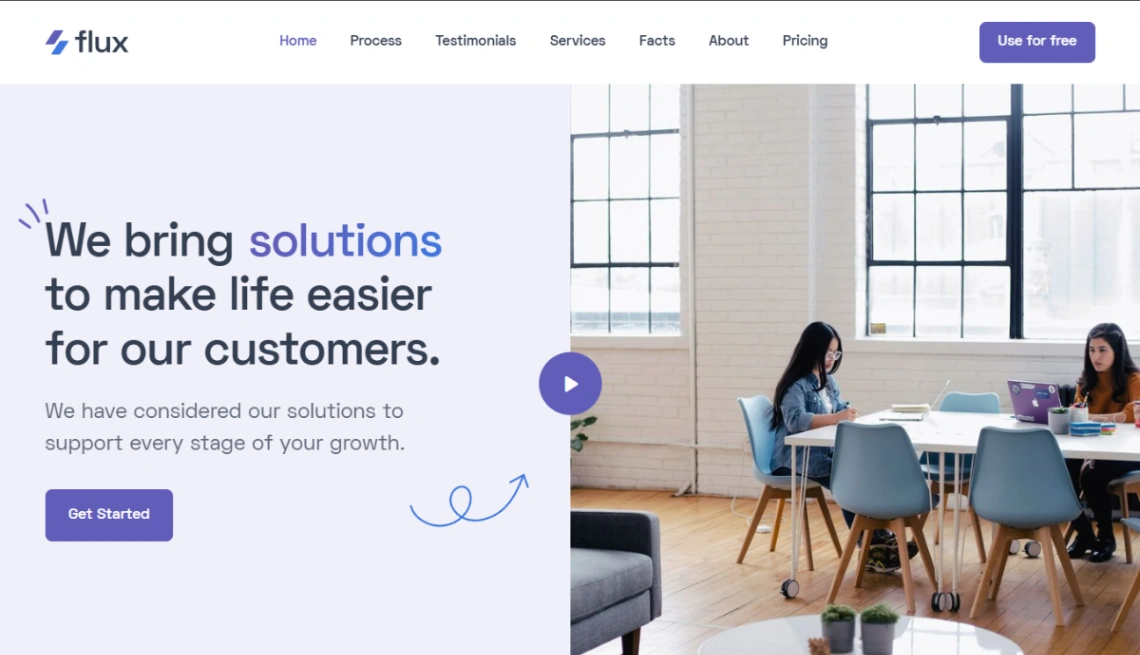
IT Company
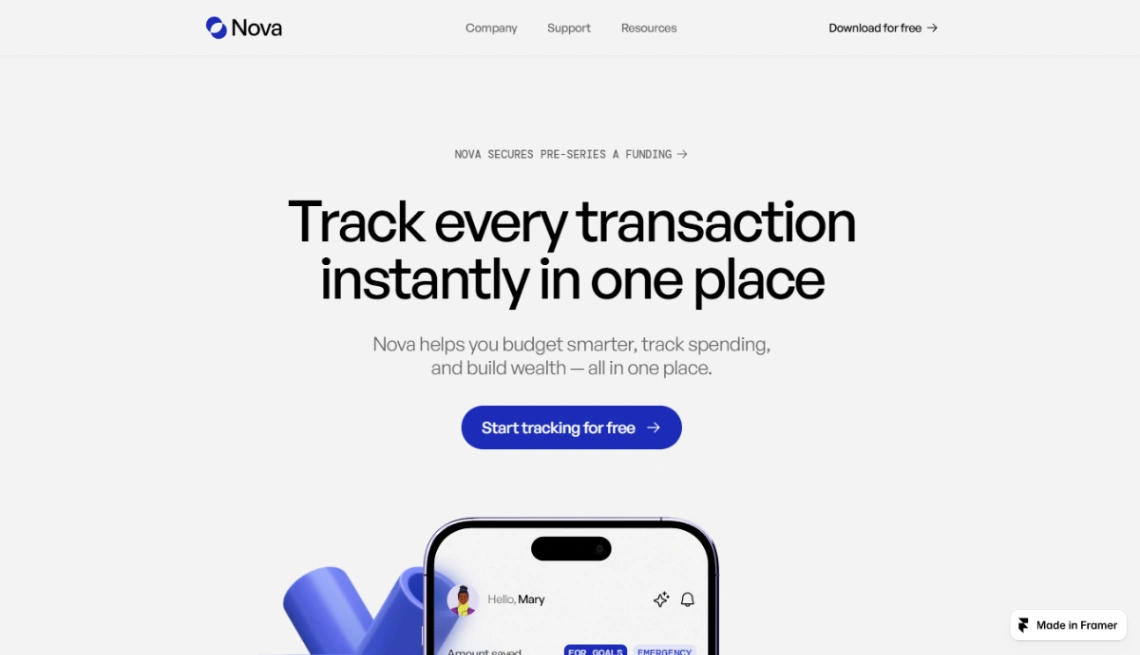
Finance App



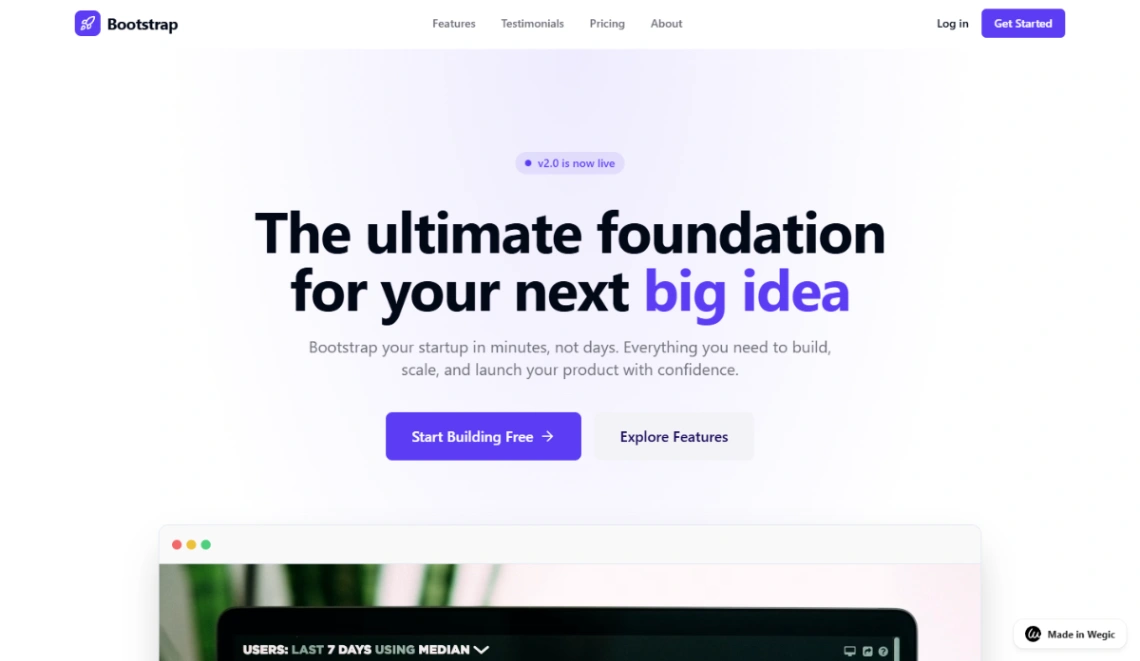
Tech Startup
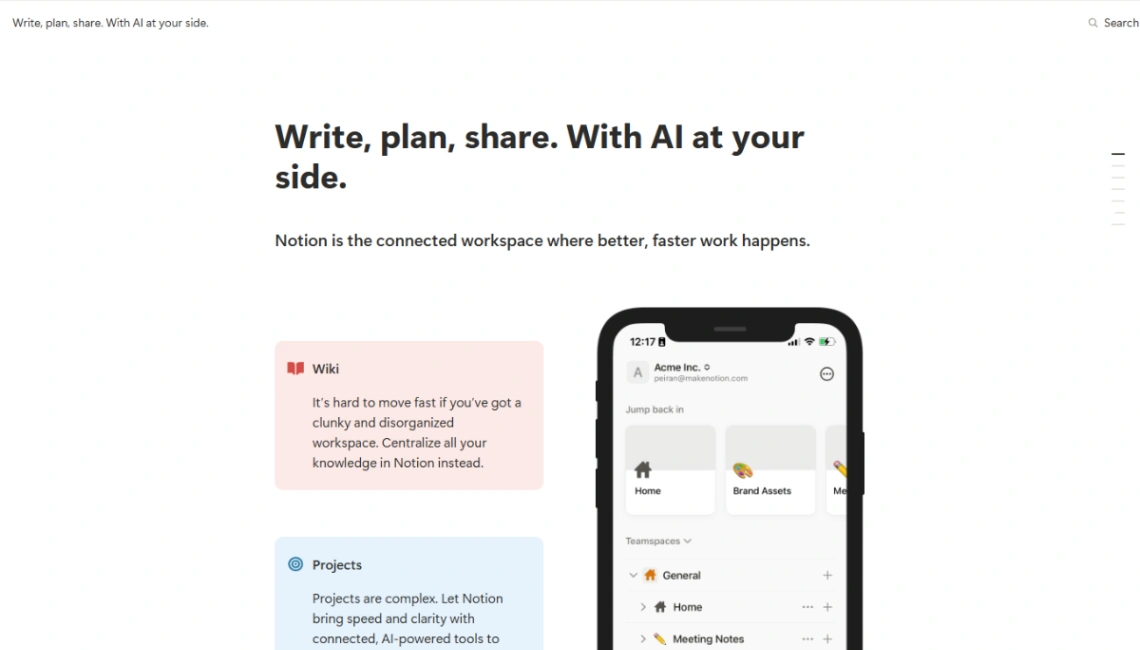
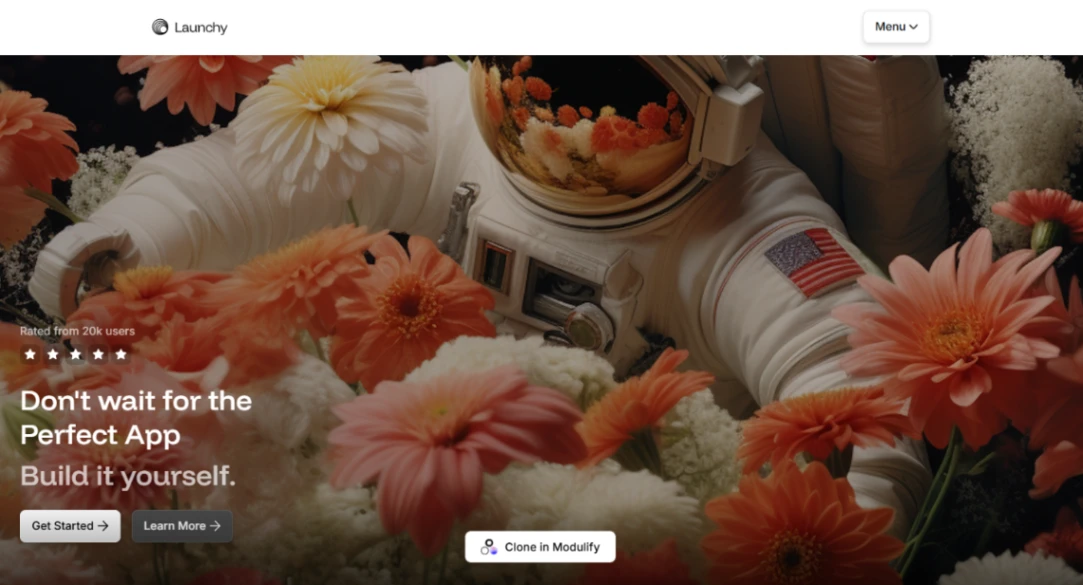
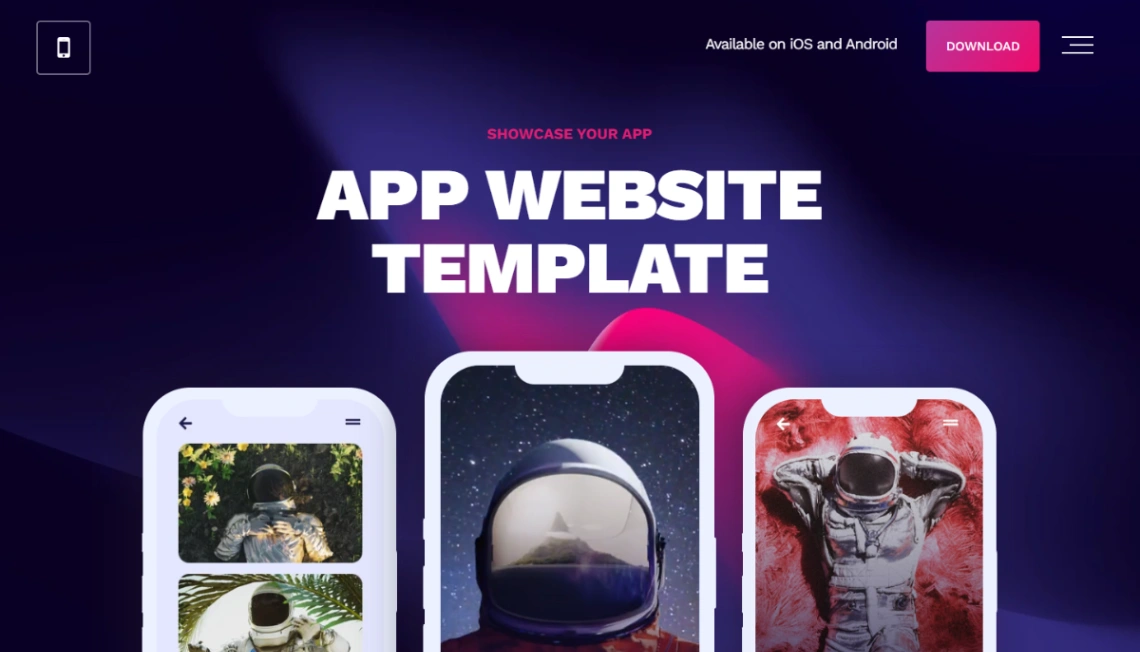
Buyer's guide
How to choose a startup template
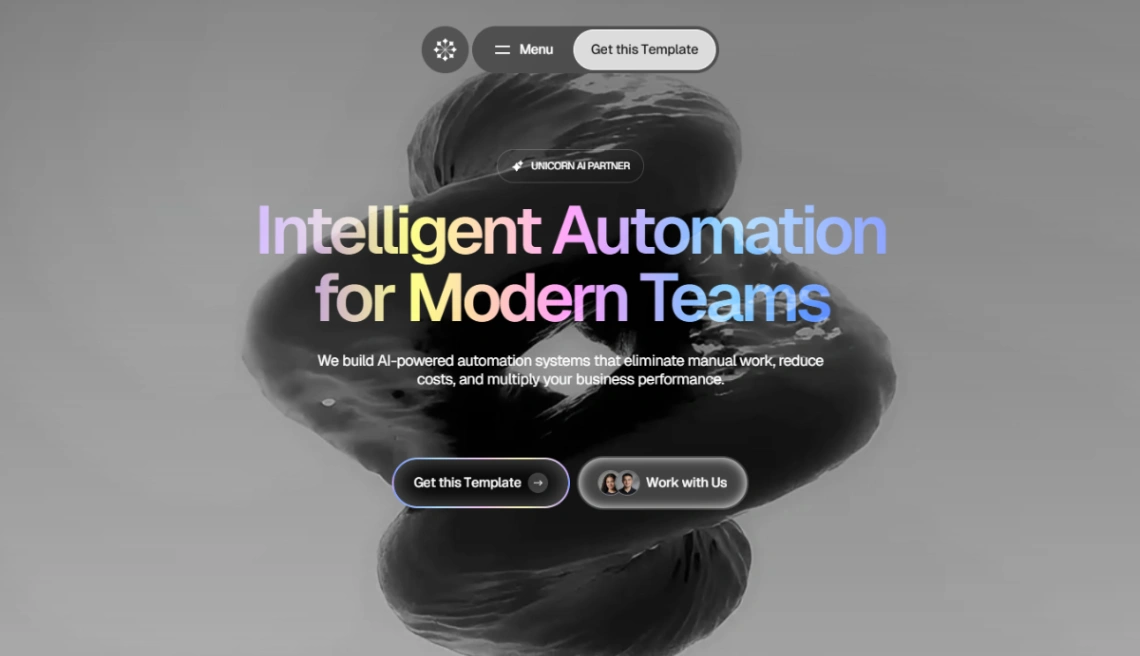
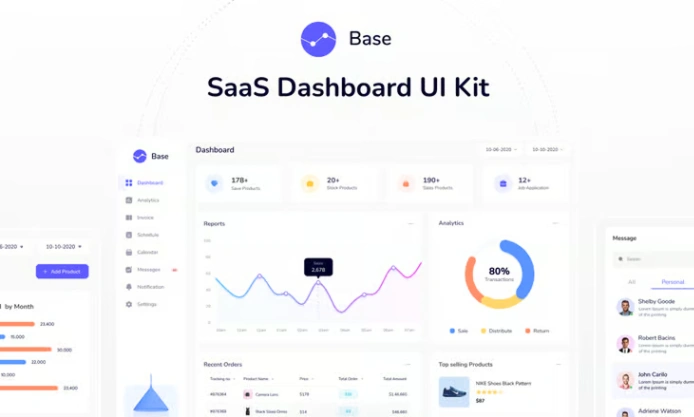
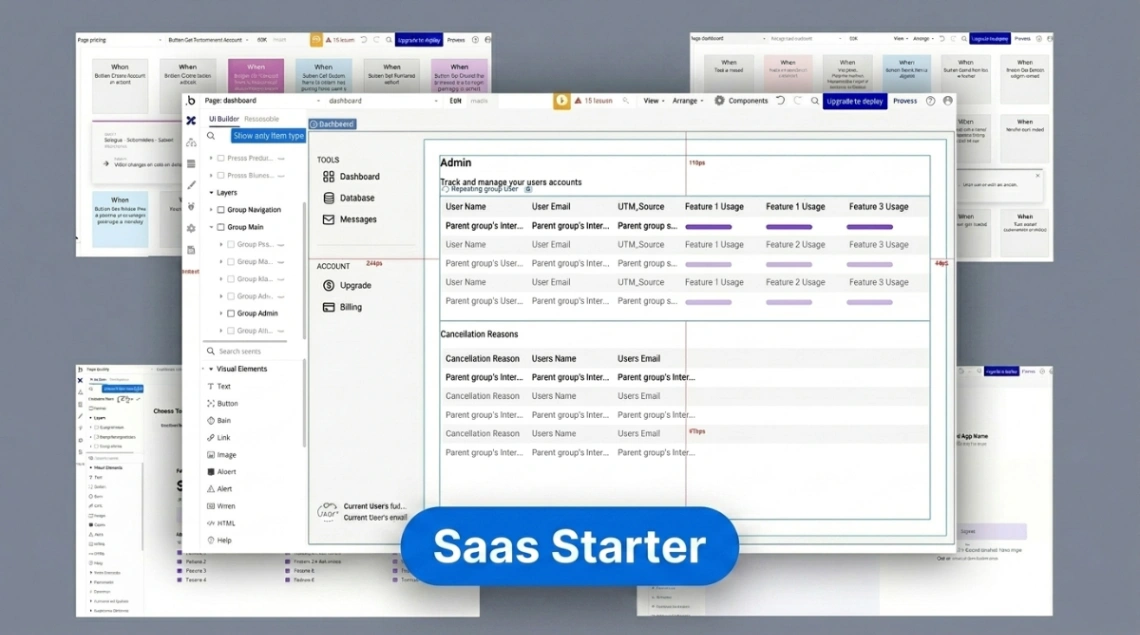
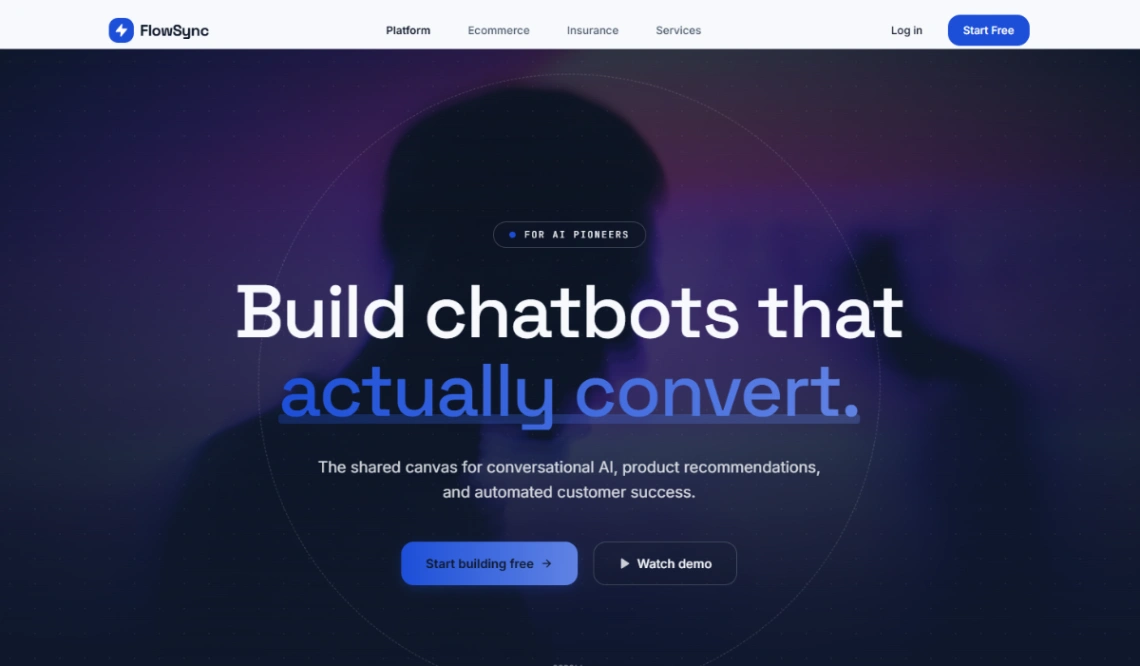
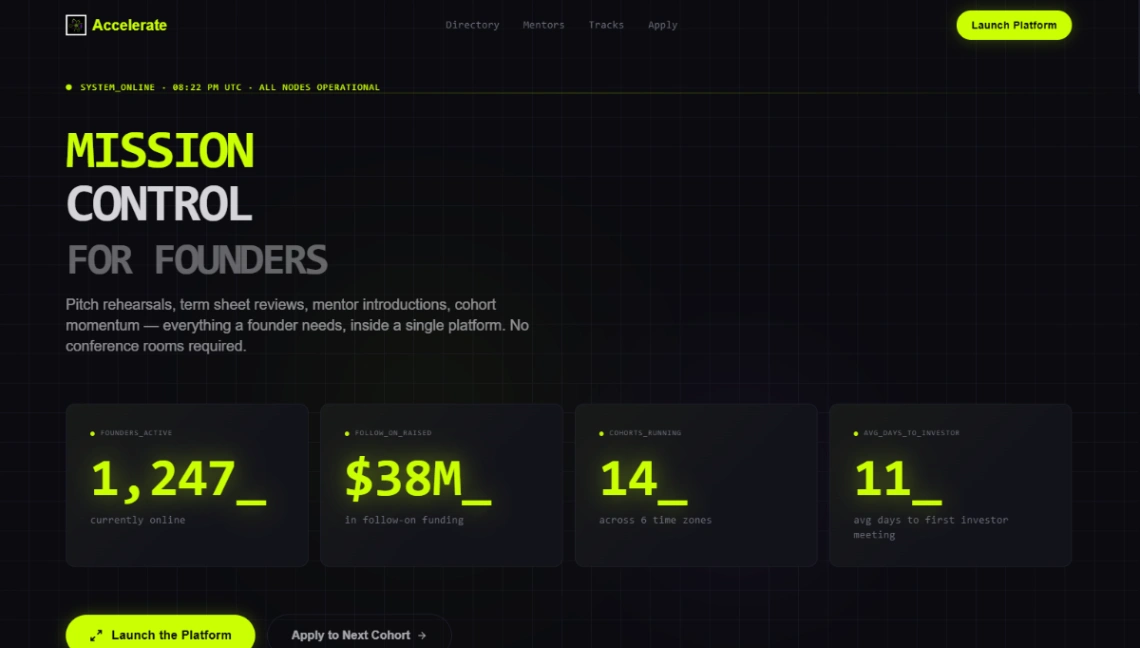
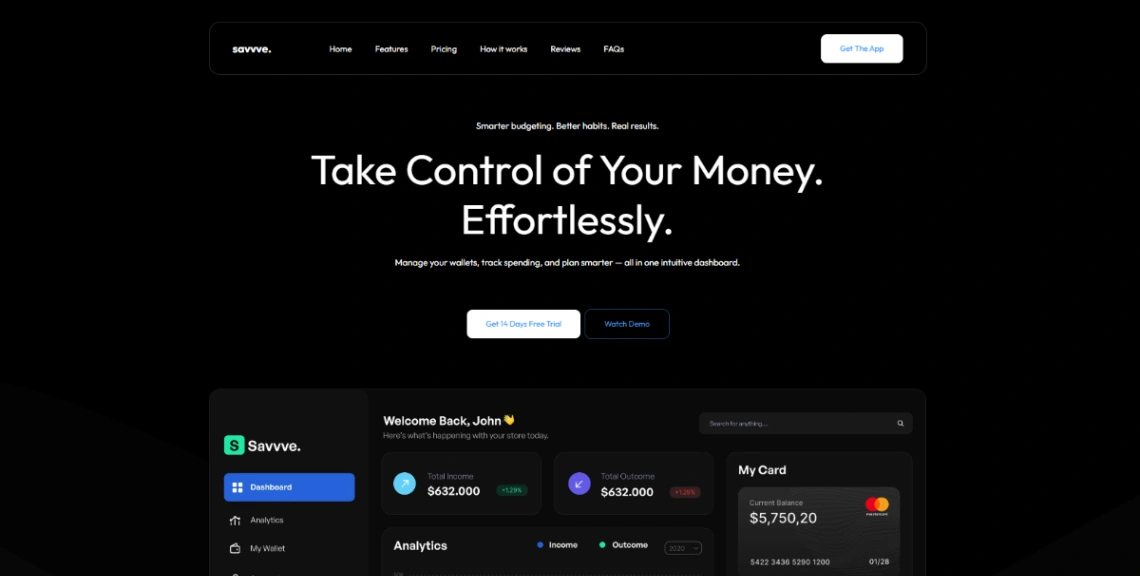
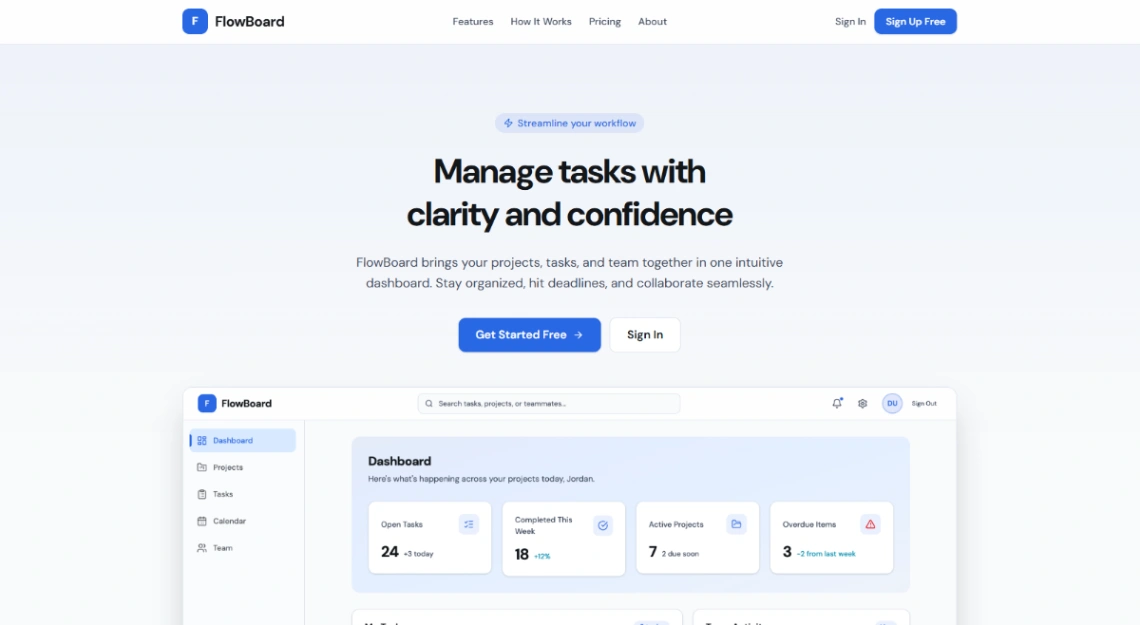
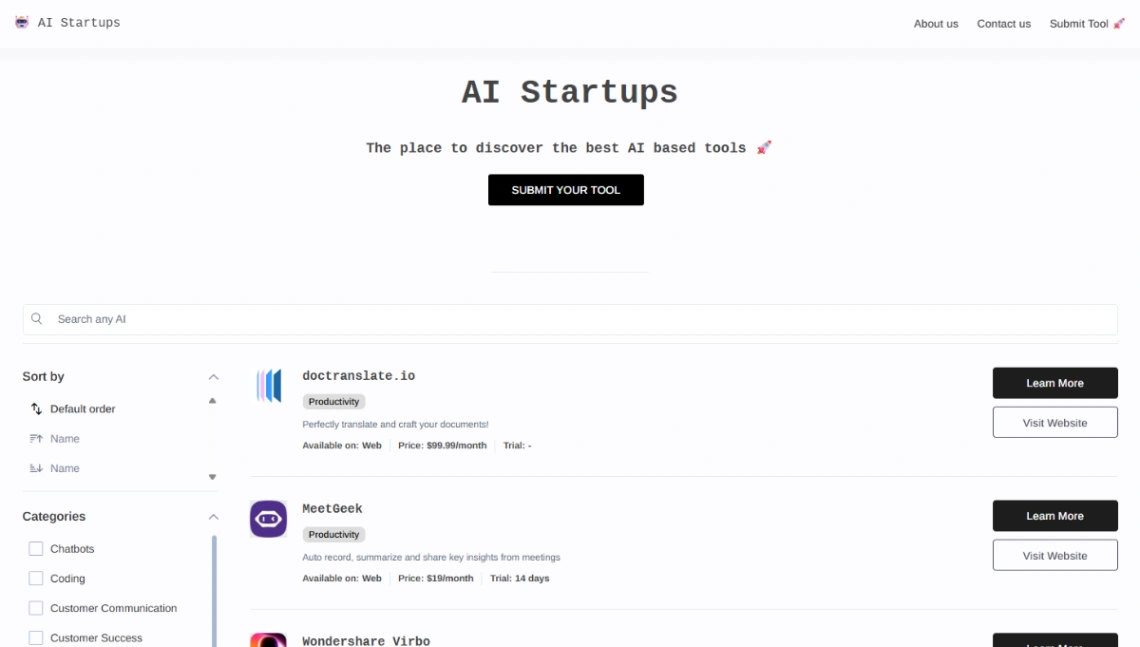
A startup website is a hypothesis with a URL: it states the promise, and the signups measure whether anyone believes it. That reframes every choice in this collection — you're not building the company's forever-home, you're building the fastest honest test of the pitch, which is why these templates optimize for launch speed over grandeur.
Match the template to your stage. Pre-launch, one page earns its keep: problem, promise, waitlist. After launch, add pricing and a demo path. What matters more than page count is edit speed — you should be able to rewrite the headline on a Tuesday, watch a week of signups, and rewrite it again. Templates you dread editing kill exactly that loop, and that loop is the site's whole job.
Know who the site is for, because customers and investors read differently. Customers want the problem named and the price visible; investors scan for traction, team and market. Serve customers on the site — that's what compounds — and keep the investor story in the deck where it belongs, linked quietly from the footer if at all.
The honest warning: this site is disposable, and that's a feature. Most funded startups replace their first site within a year — new positioning, new brand, sometimes a new name. So don't gold-plate: pick a free template, ship this week, and spend the saved fortnight talking to users. A startup site that took a month cost you a month. The launch-speed builders this collection leans on are pinned at the top of this page.
FAQ