










Medical Lab





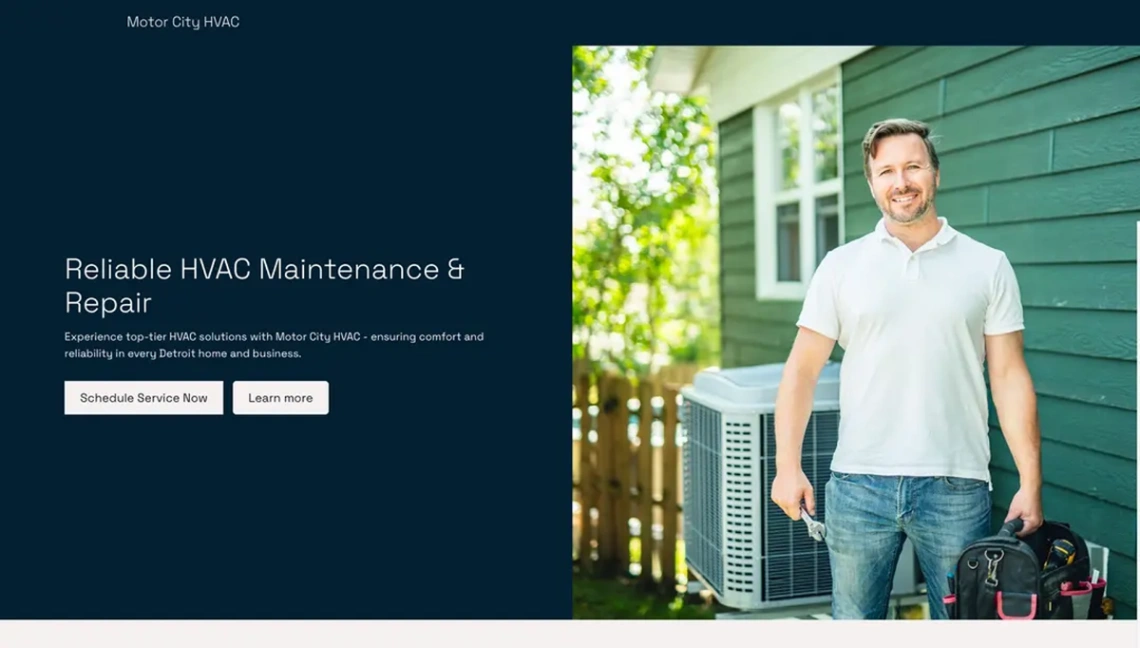
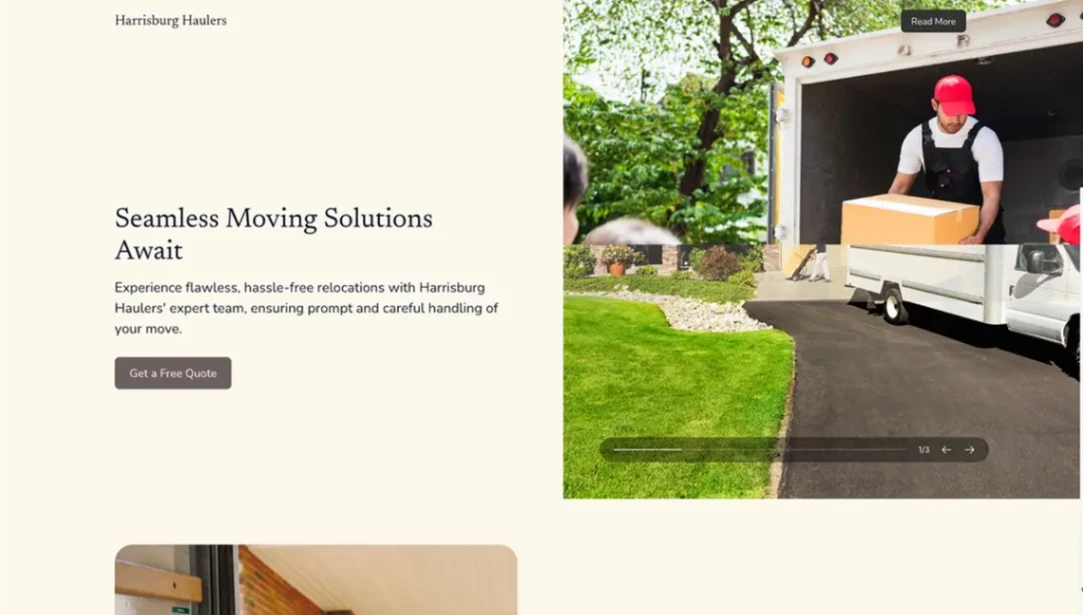
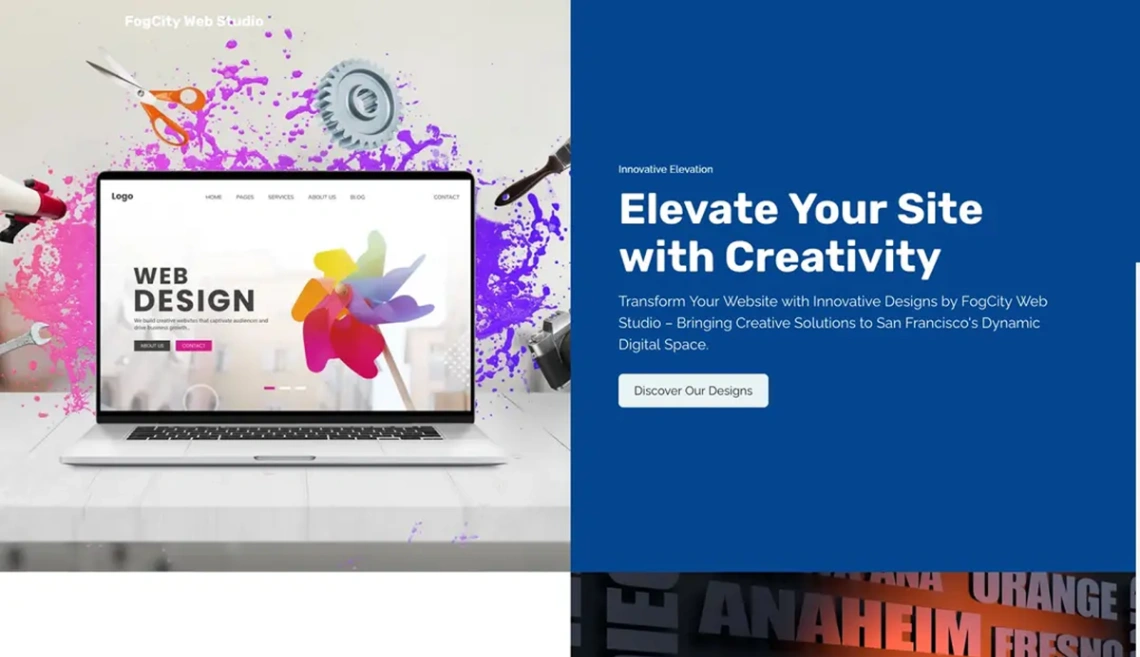


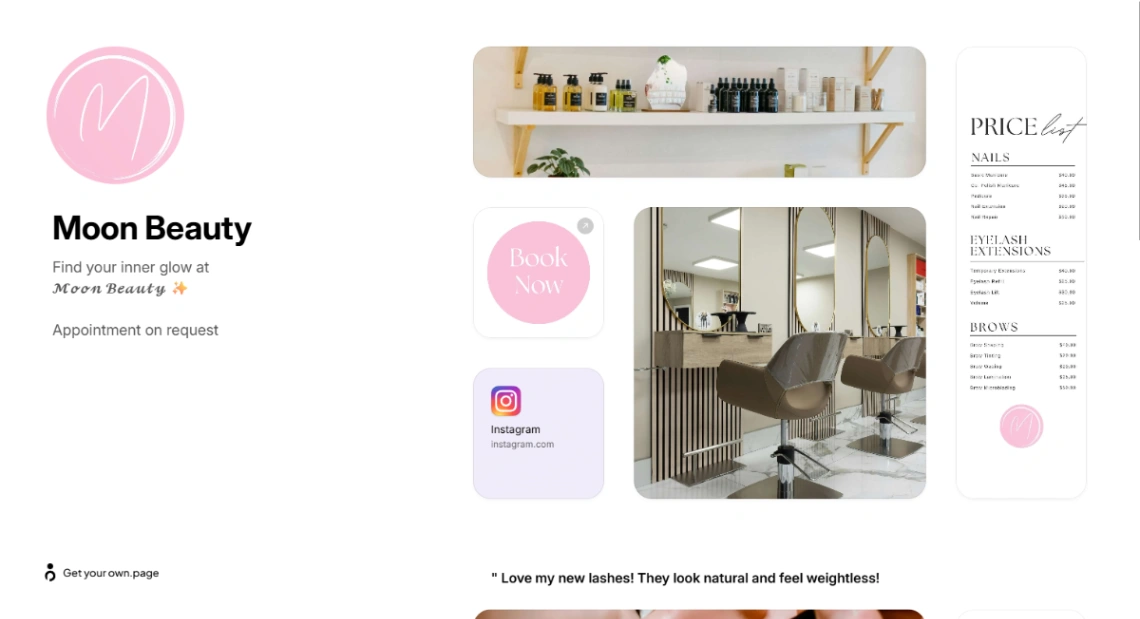
Nail Salon



Buyer's guide
How to choose a services template
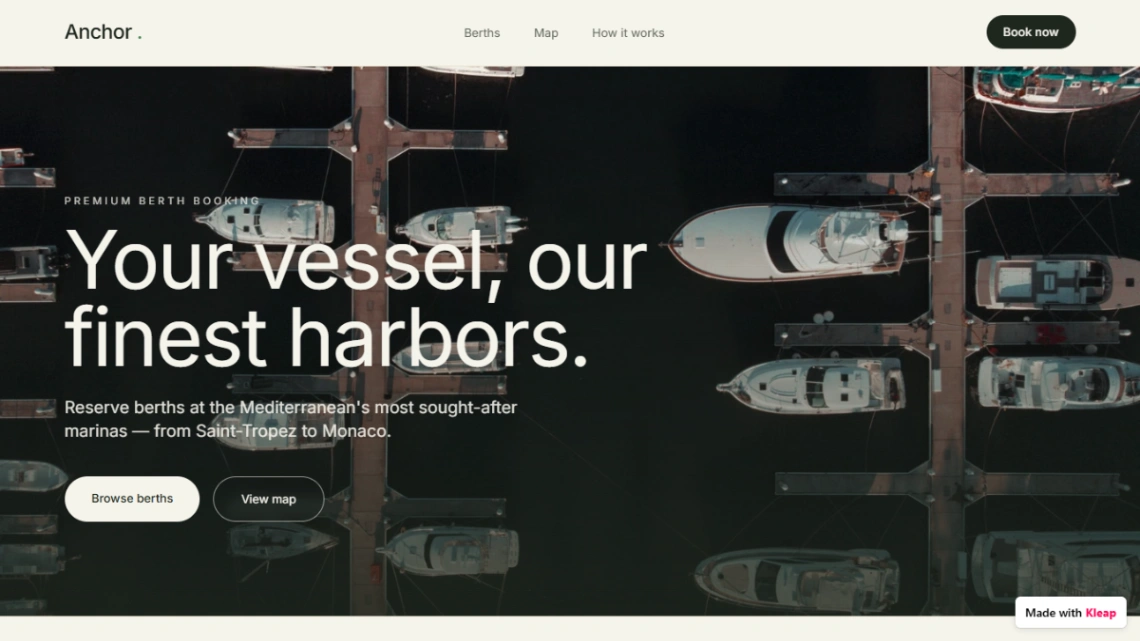
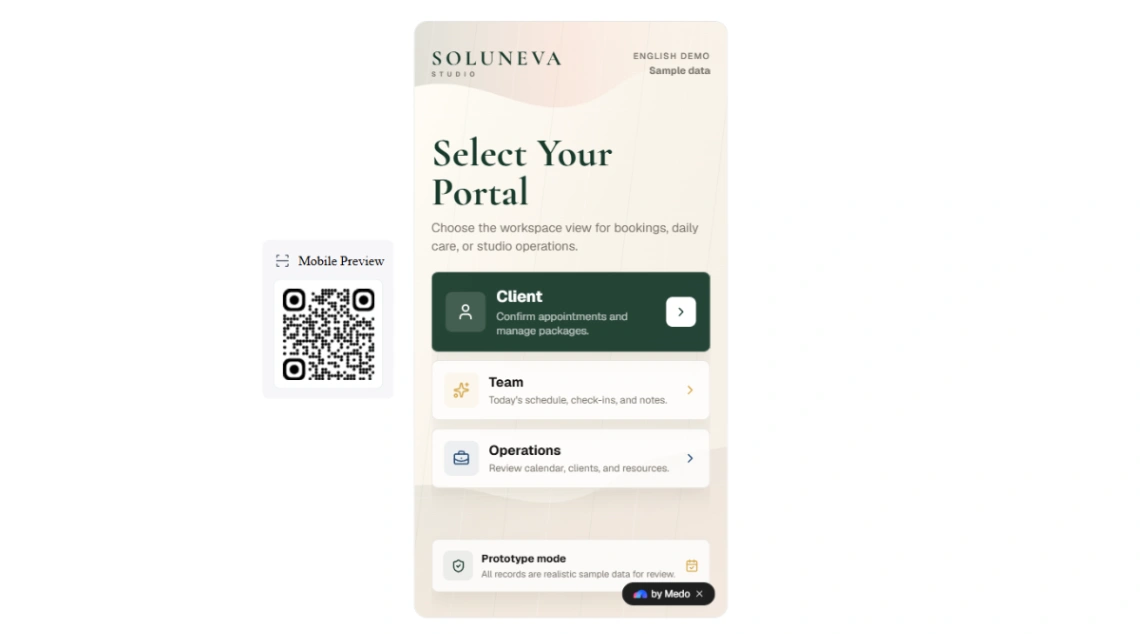
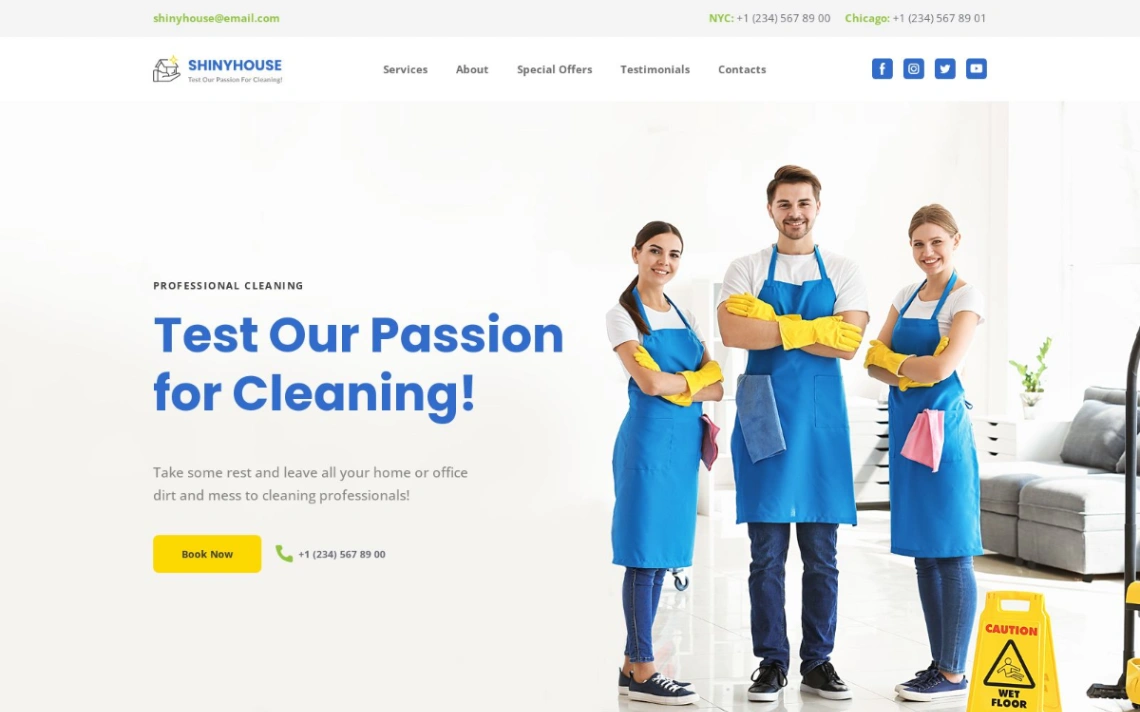
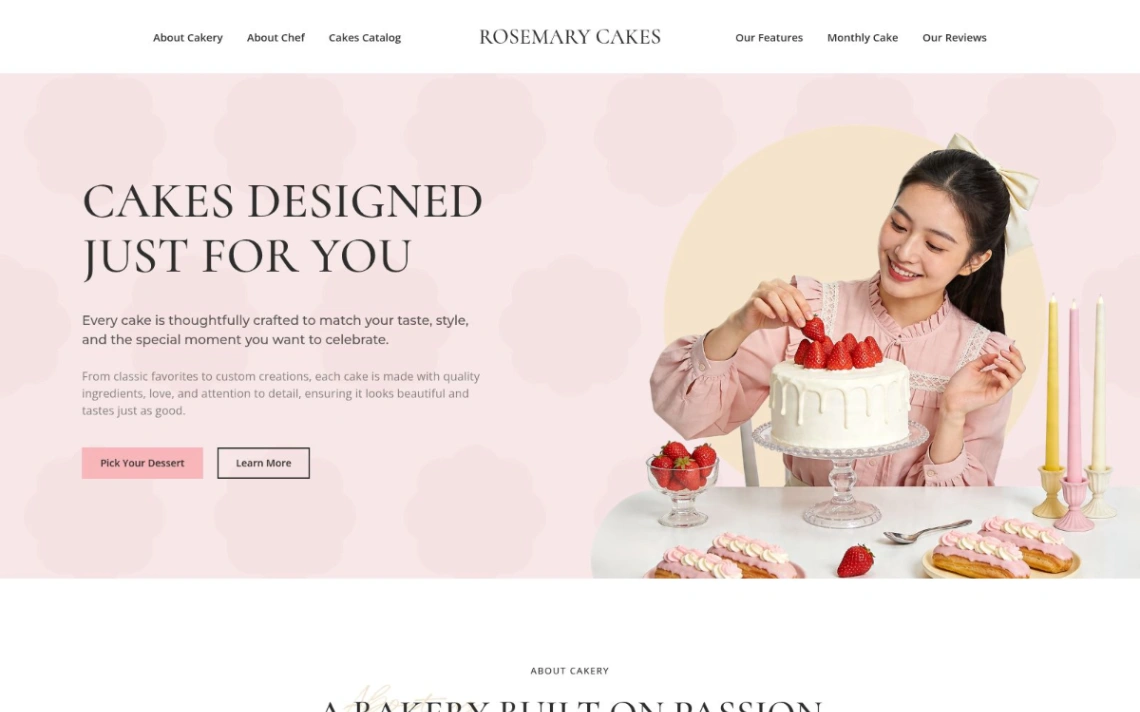
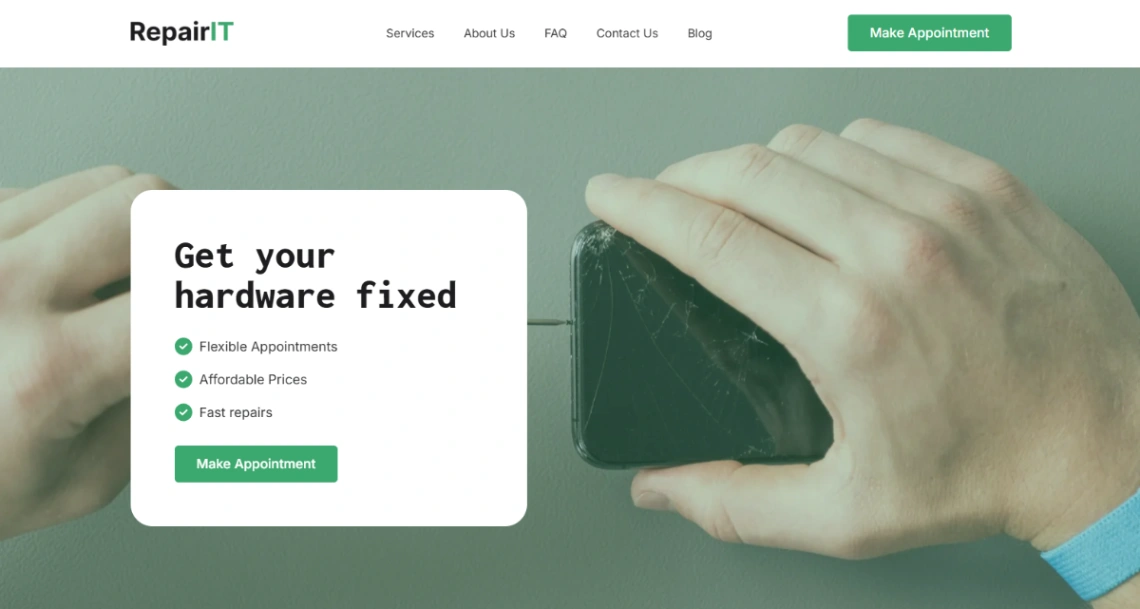
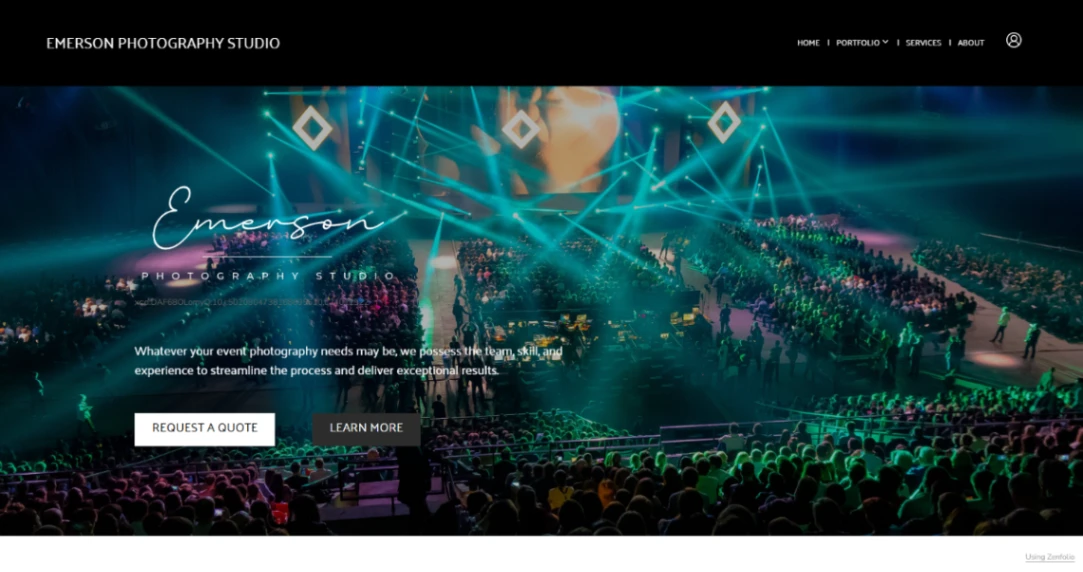
A service business gets hired before it gets met, so the website's whole job is being meetable: proof you're real, proof you're good, and the fastest possible way to ask you for a price. The templates in this collection compete on exactly those three, and design flourish beyond them is spent money.
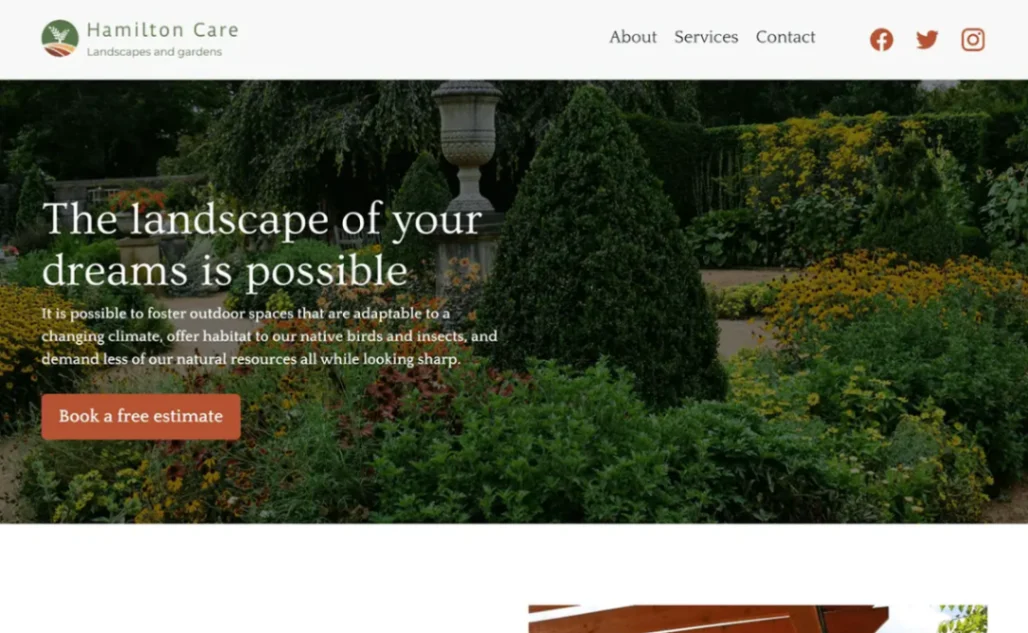
The quote flow deserves the most scrutiny because it's where jobs are won. A good estimate form asks what the phone call would: the job, the rough size, the postcode, photos if the trade benefits (roofs, gardens, removals). Too short and you'll spend evenings calling back for basics; too long and they've messaged your competitor. Forms with photo upload quietly double the quality of every lead in visual trades.
Trust here is accumulated, not declared: recent reviews with names and jobs, badges only if they're real, your face and van rather than stock handshakes, and a guarantee stated in one sentence. Then geography — service-area pages (one per town or district you cover) are how local search finds you, and the templates that treat areas as first-class pages carry most of this category's search wins. The builders strongest at those blocks are pinned at the top of this page.
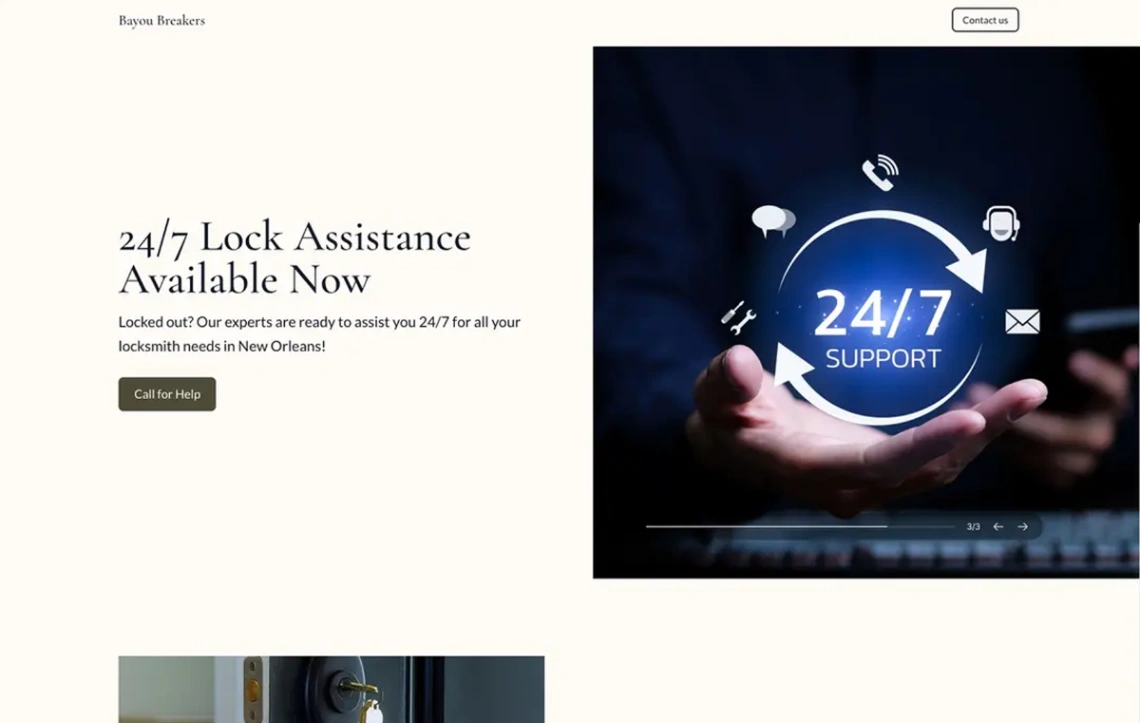
The last differentiator costs nothing in the template and everything in habit: a response promise. "We reply within two hours, seven days" beats a cheaper competitor's silence, but only put it on the site if it's true — it's the first promise customers test. Pair it with an after-hours autoresponse and the promise holds around the clock.
FAQ