












Fashion Sale
Buyer's guide
How to choose a sales template
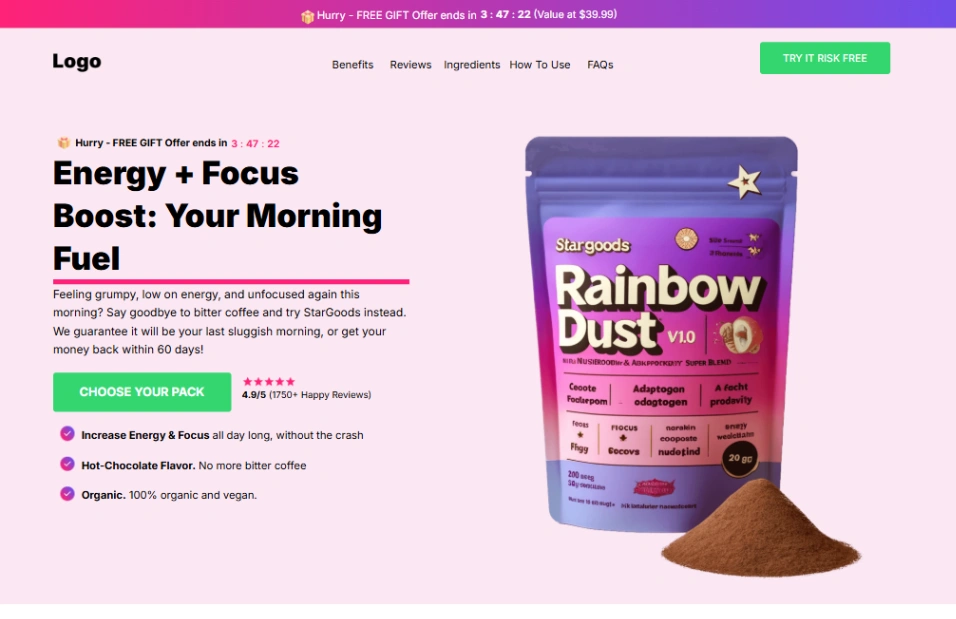
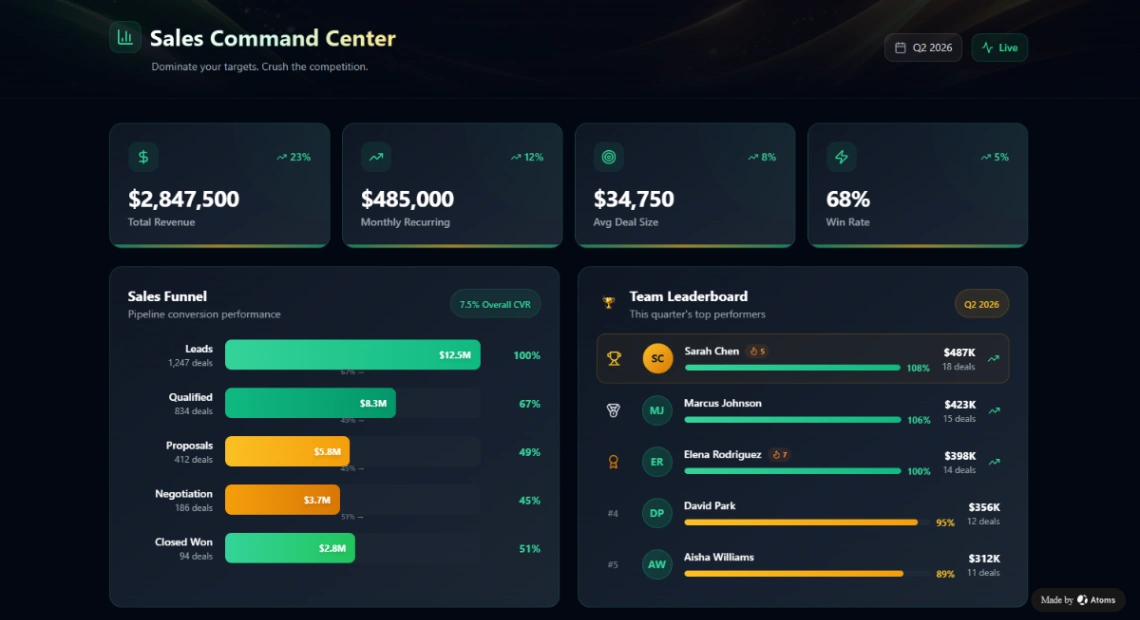
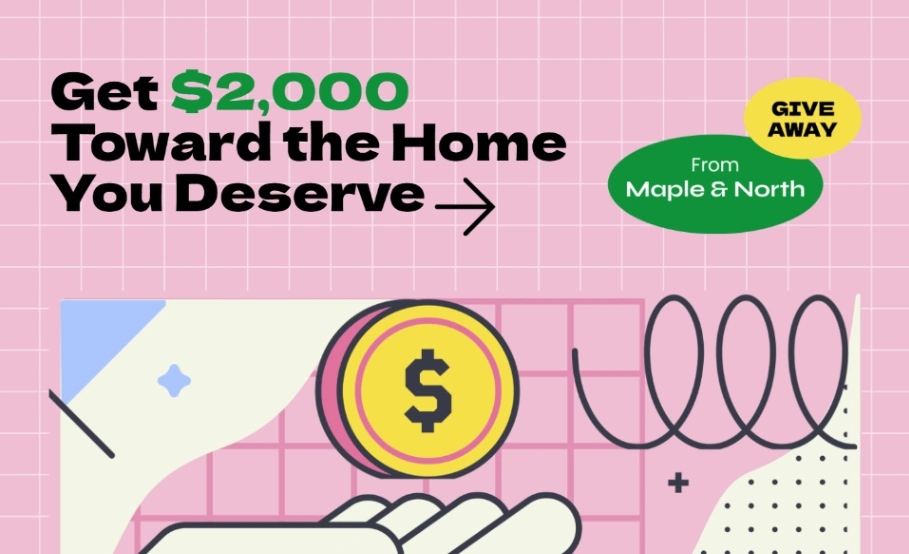
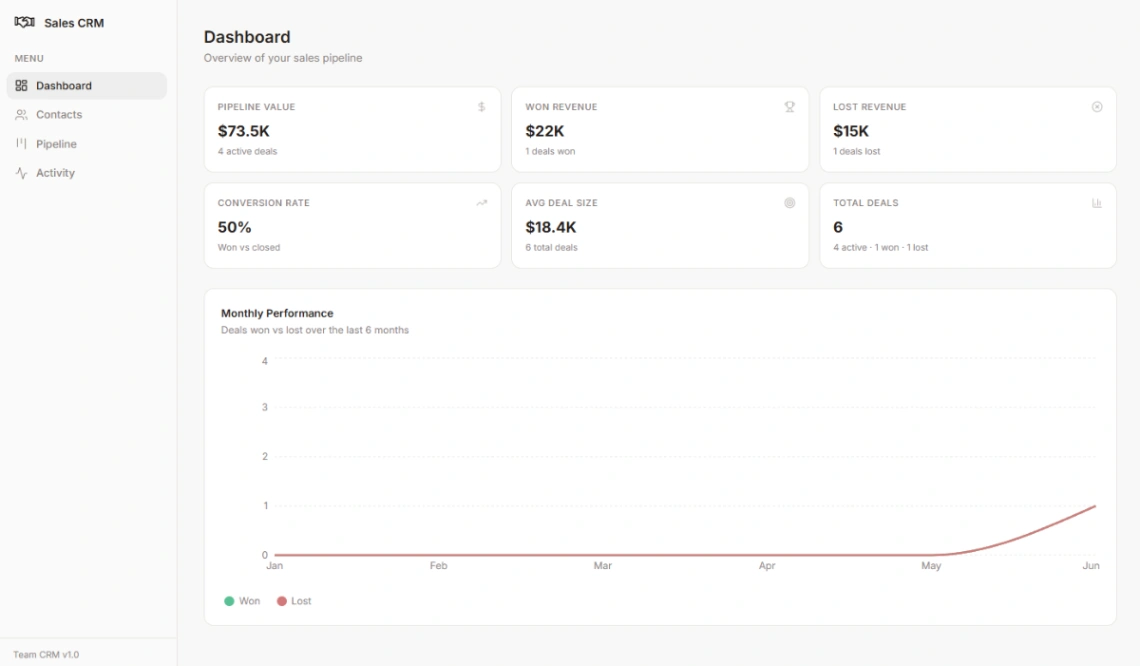
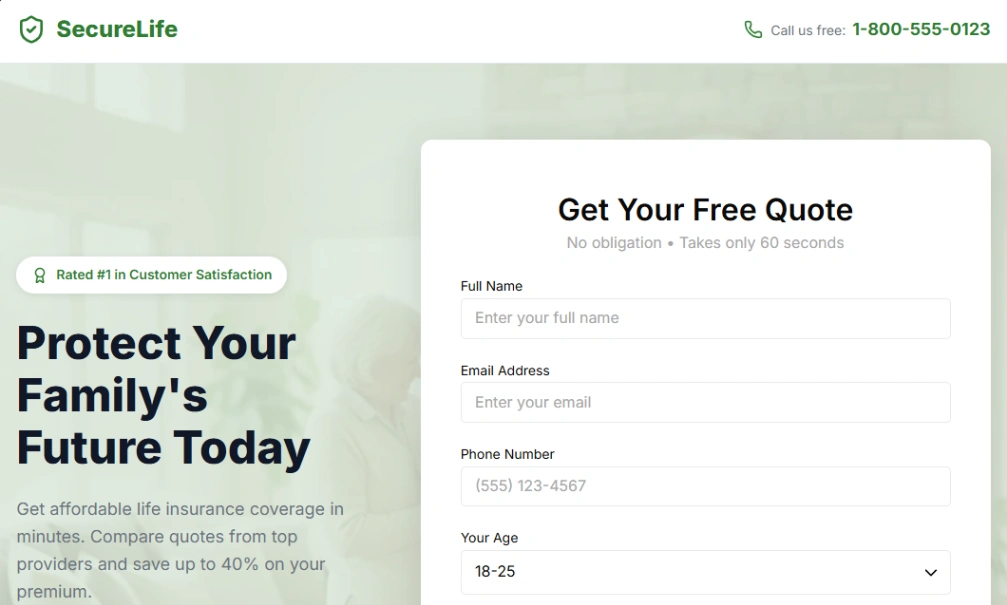
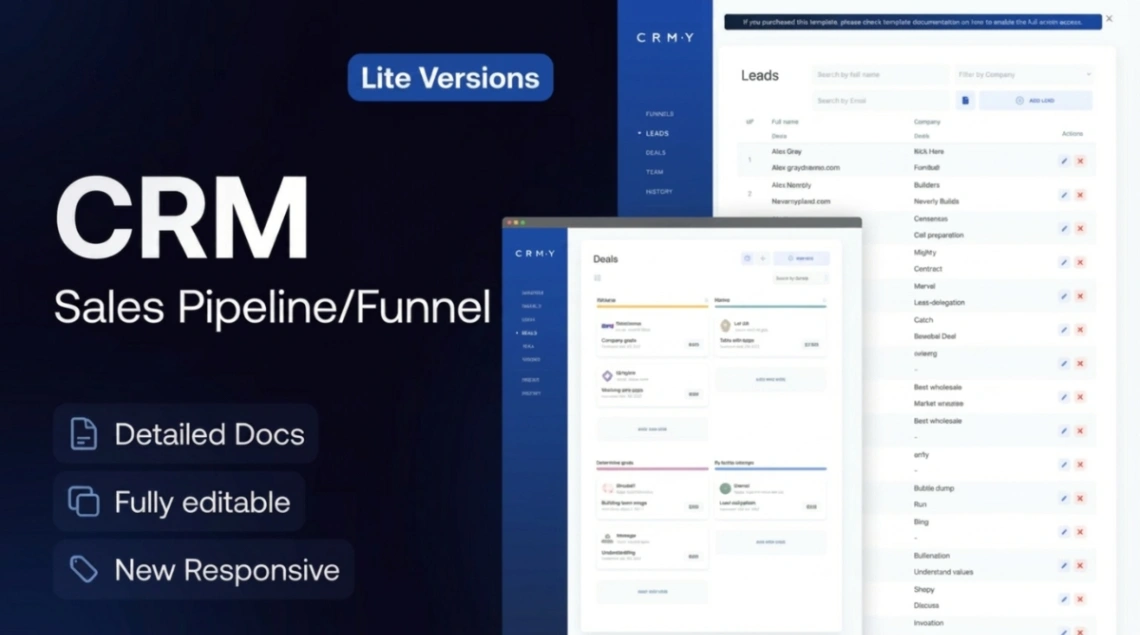
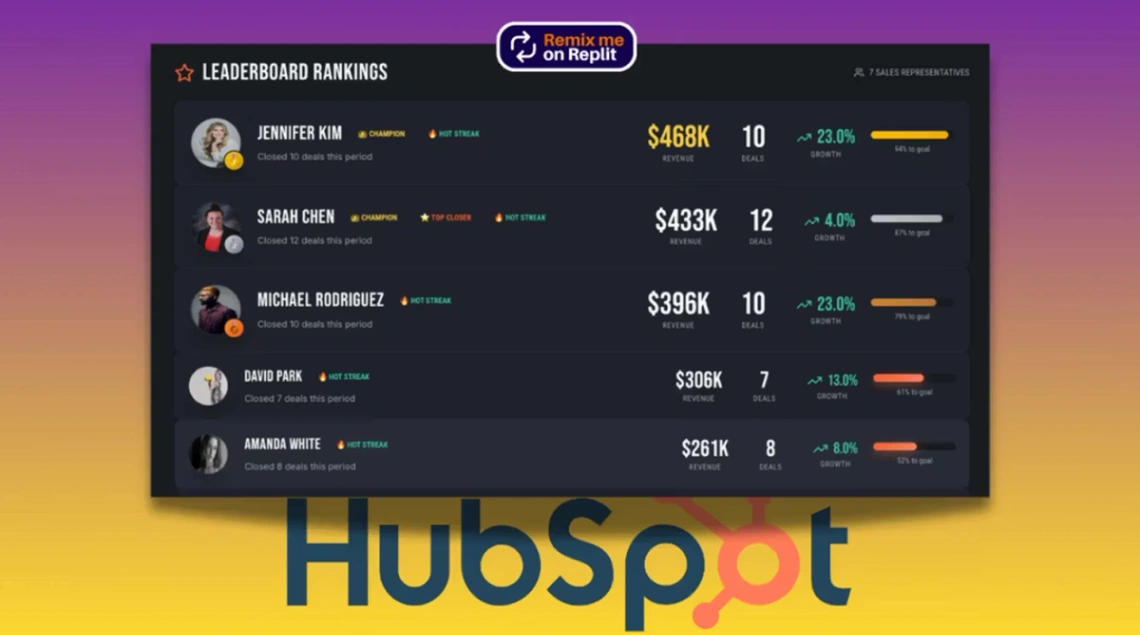
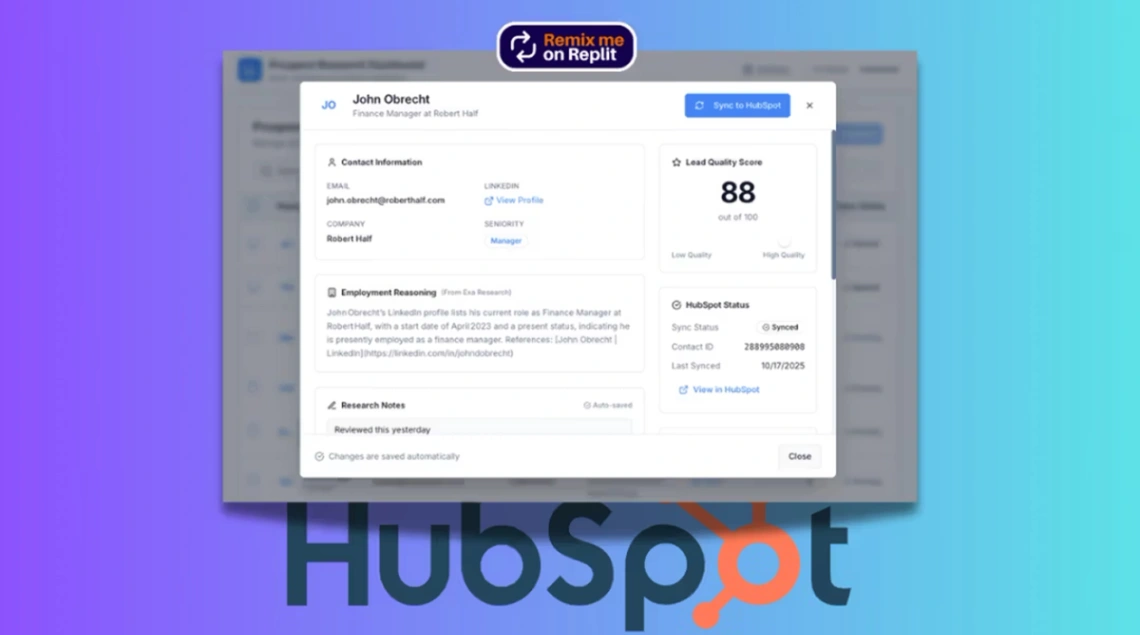
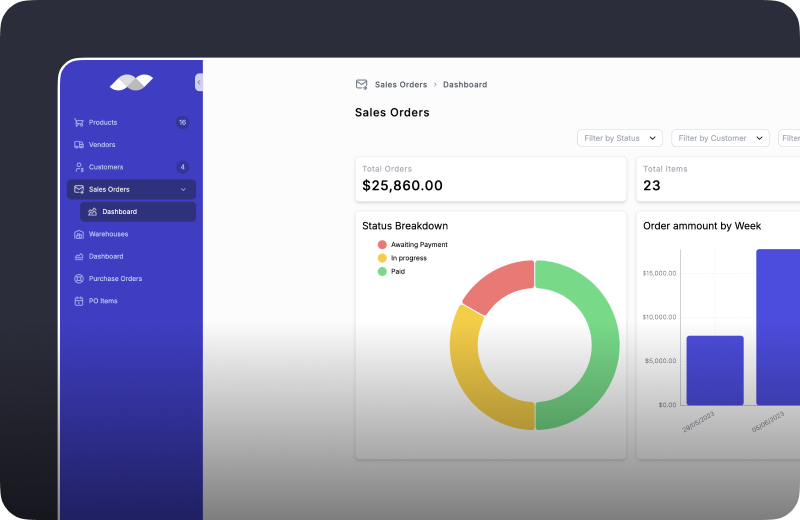
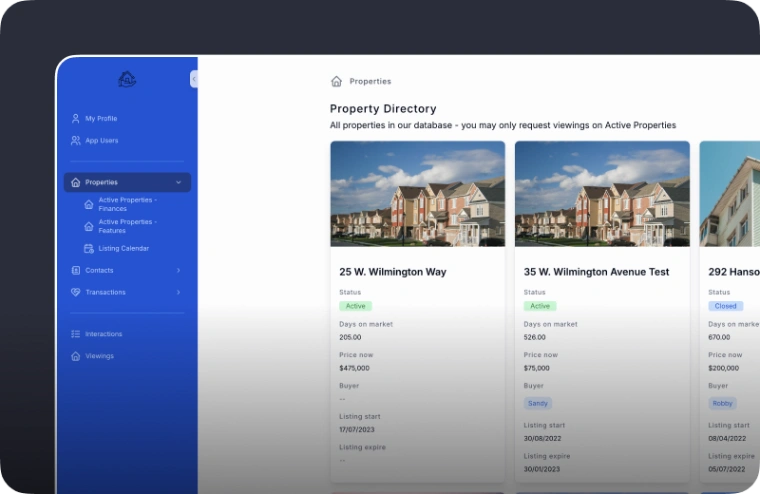
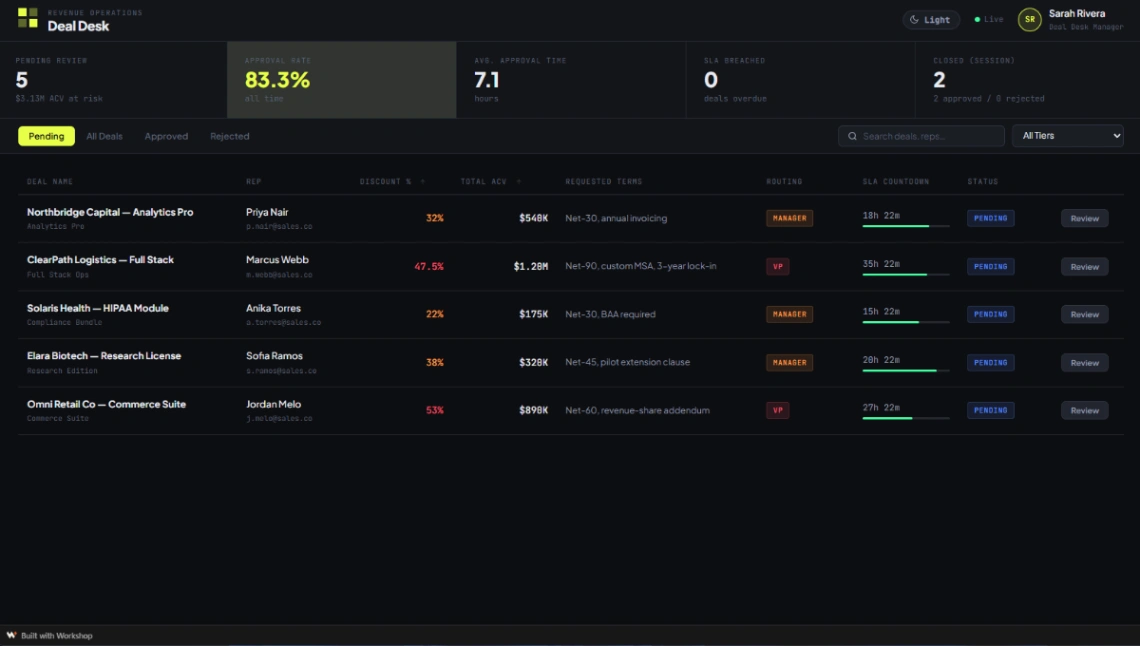
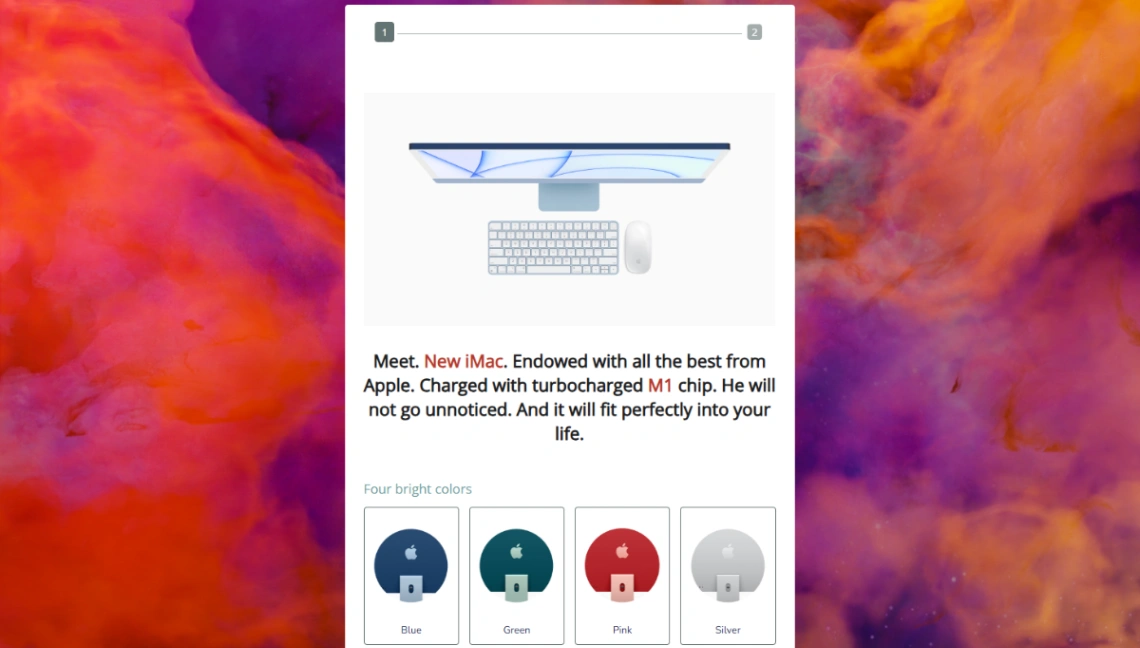
Revenue has two rooms: the page where a stranger says yes, and the pipeline where that yes gets managed to a close. This collection contains both kinds of template — sales pages and funnels on one side, working pipeline tools on the other — and the first decision is simply which room is your bottleneck. Not enough leads is a page problem; leads going cold is a pipeline problem; buying the wrong template treats the healthy half.
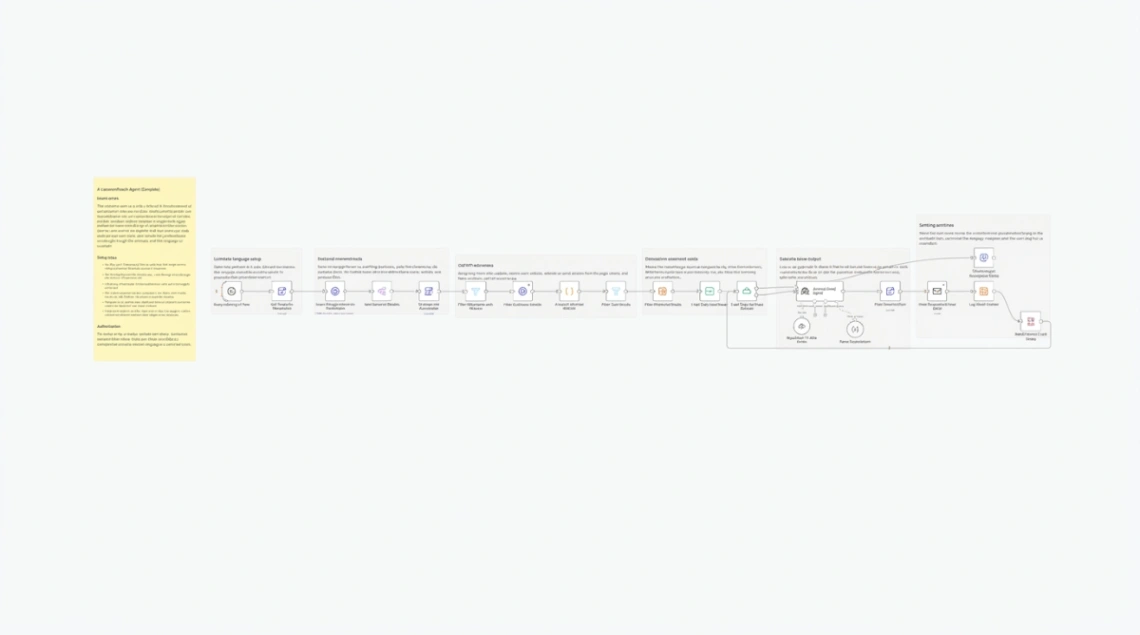
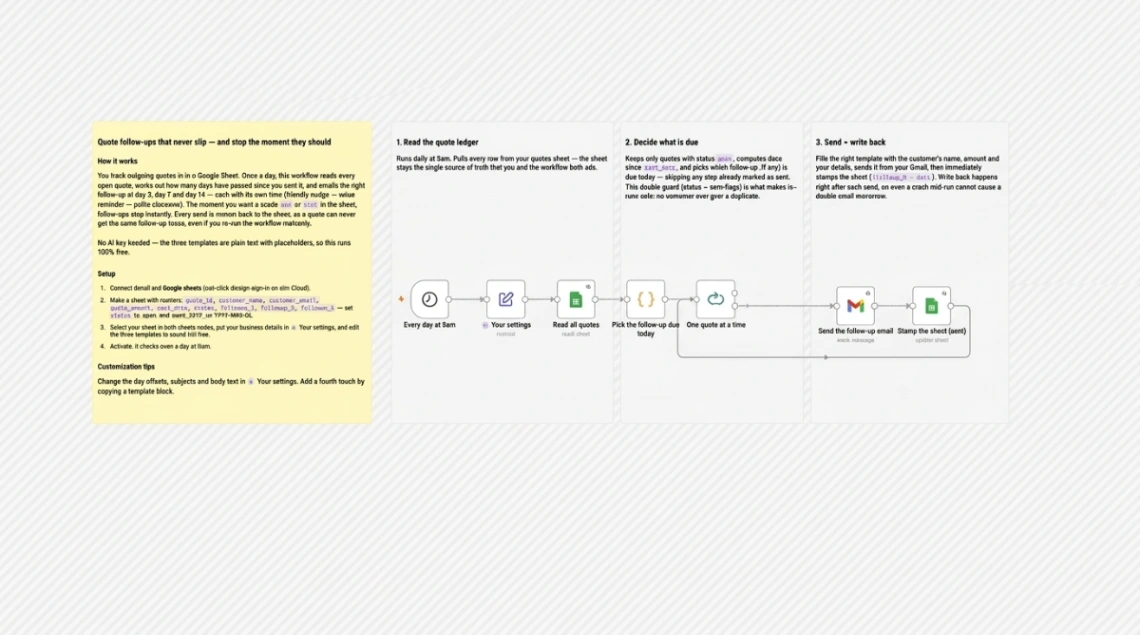
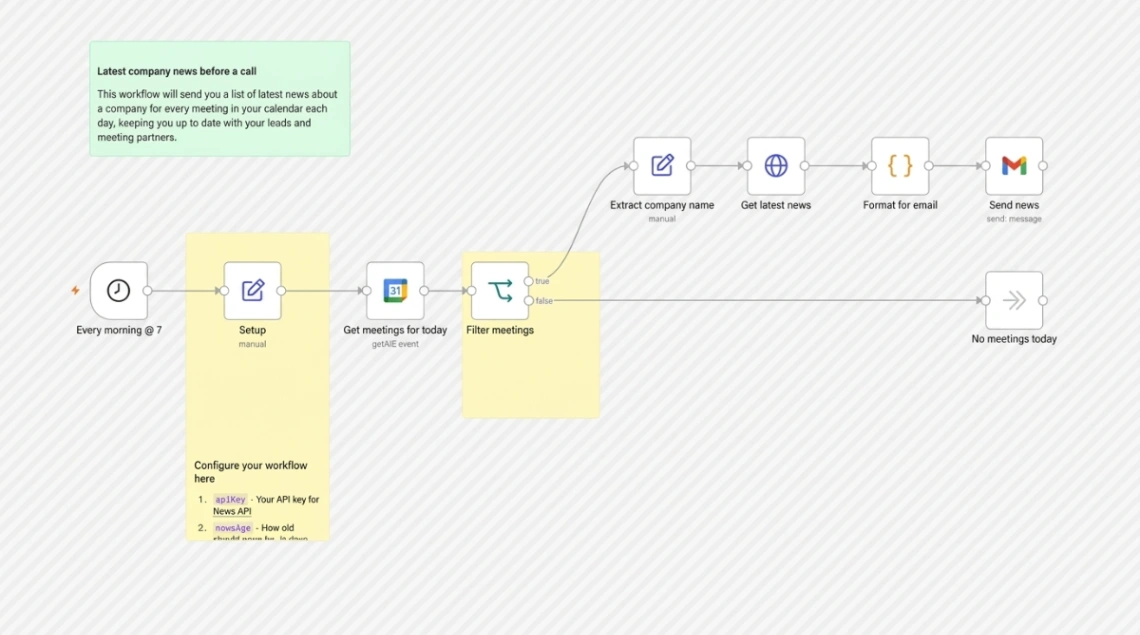
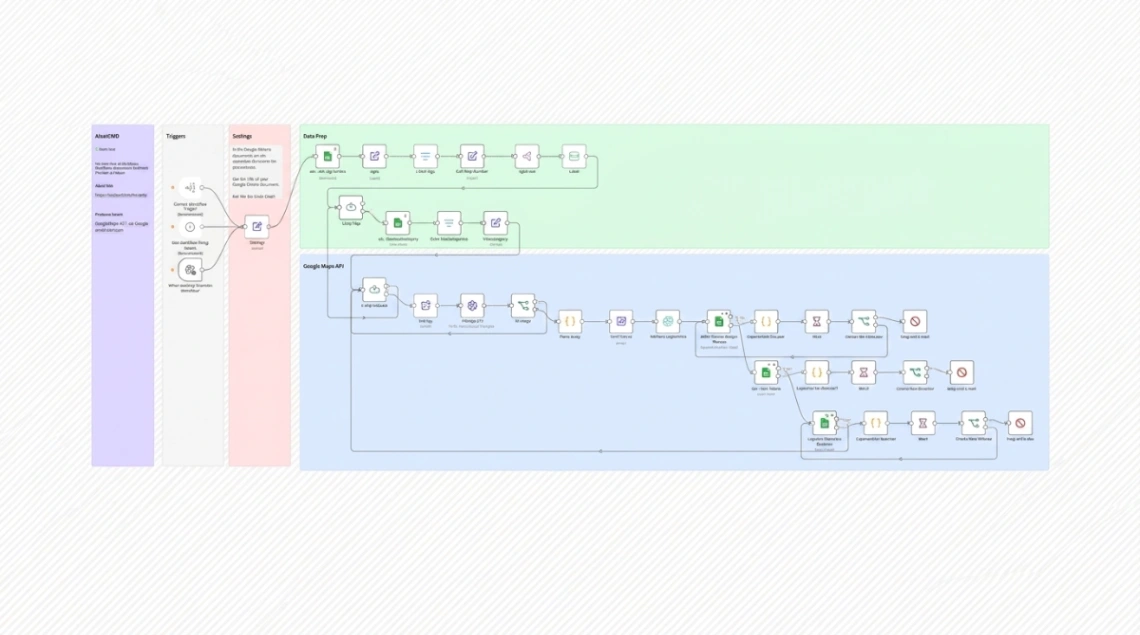
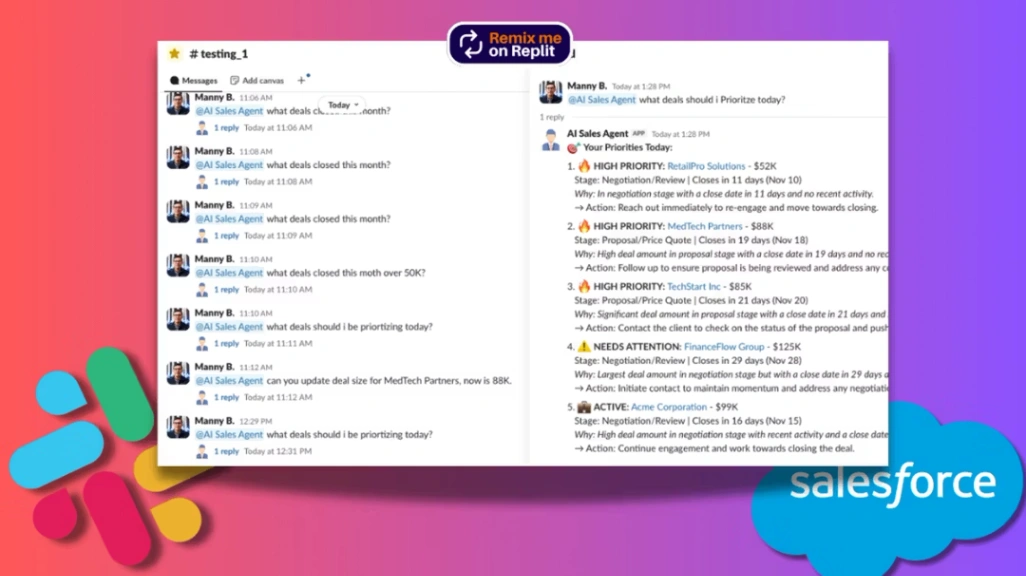
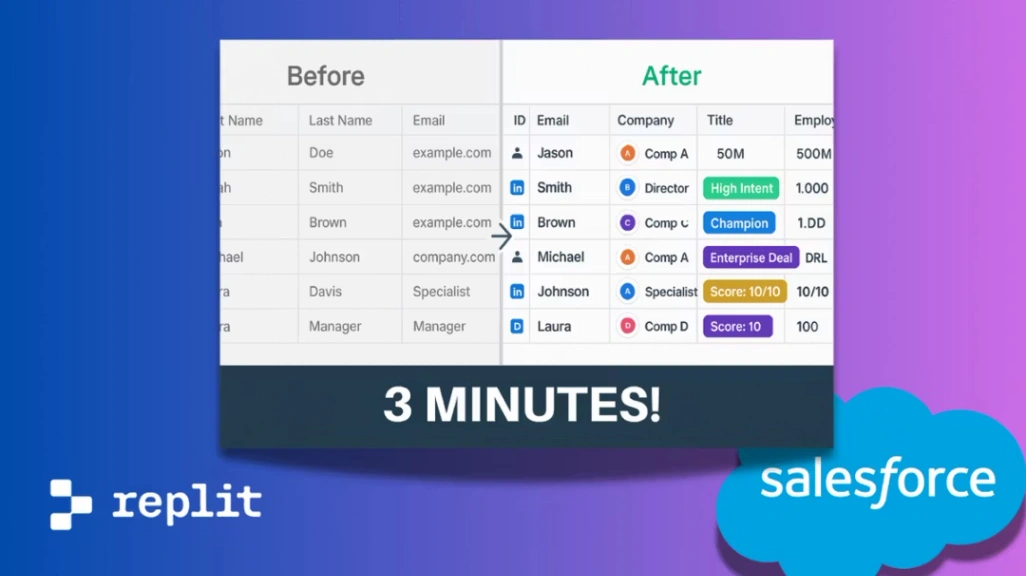
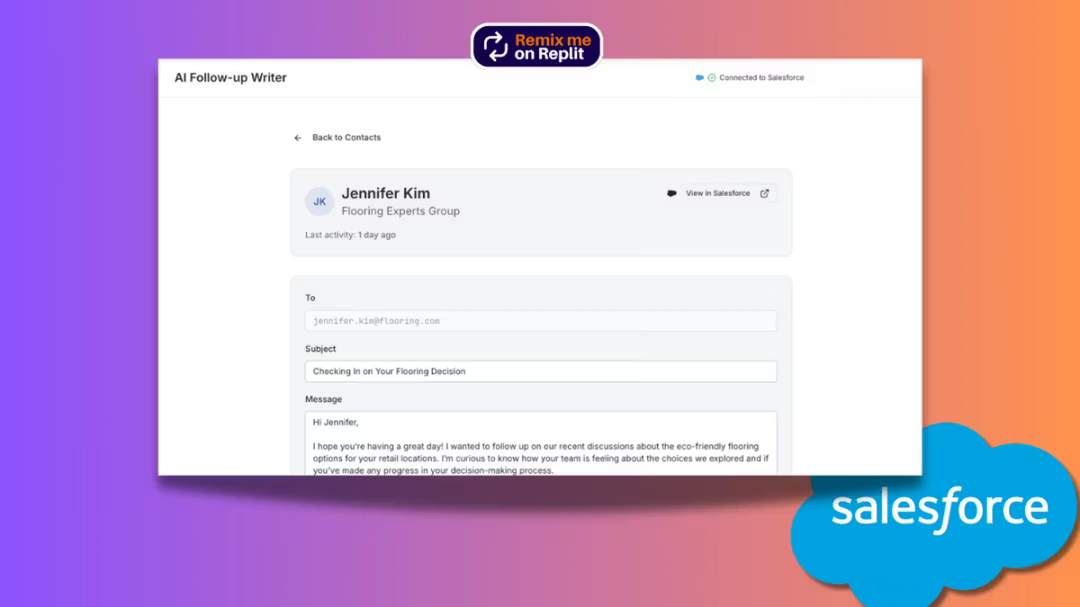
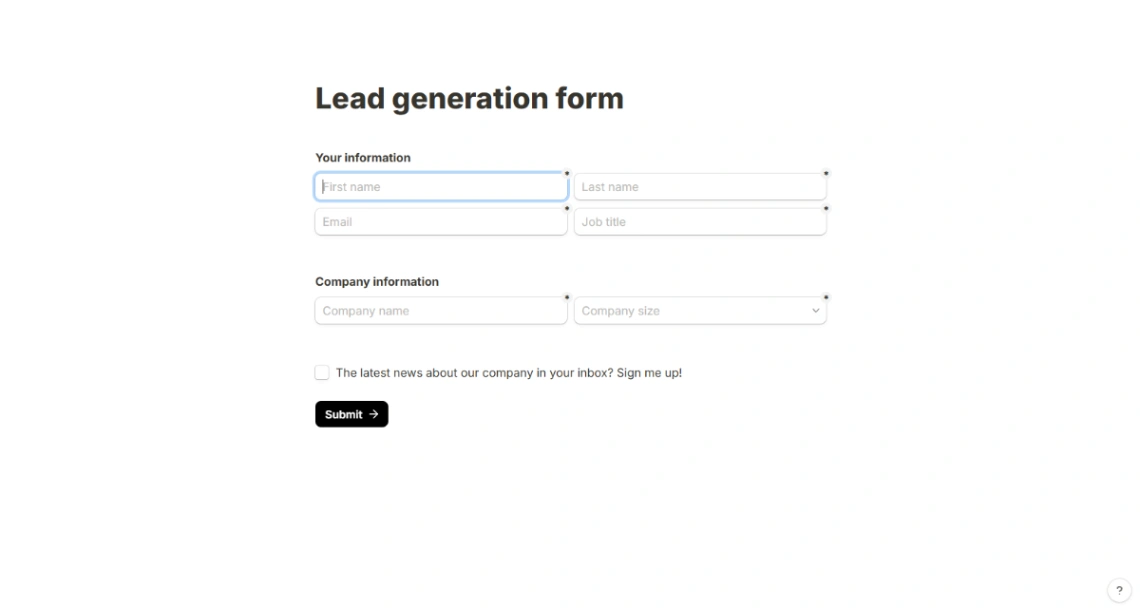
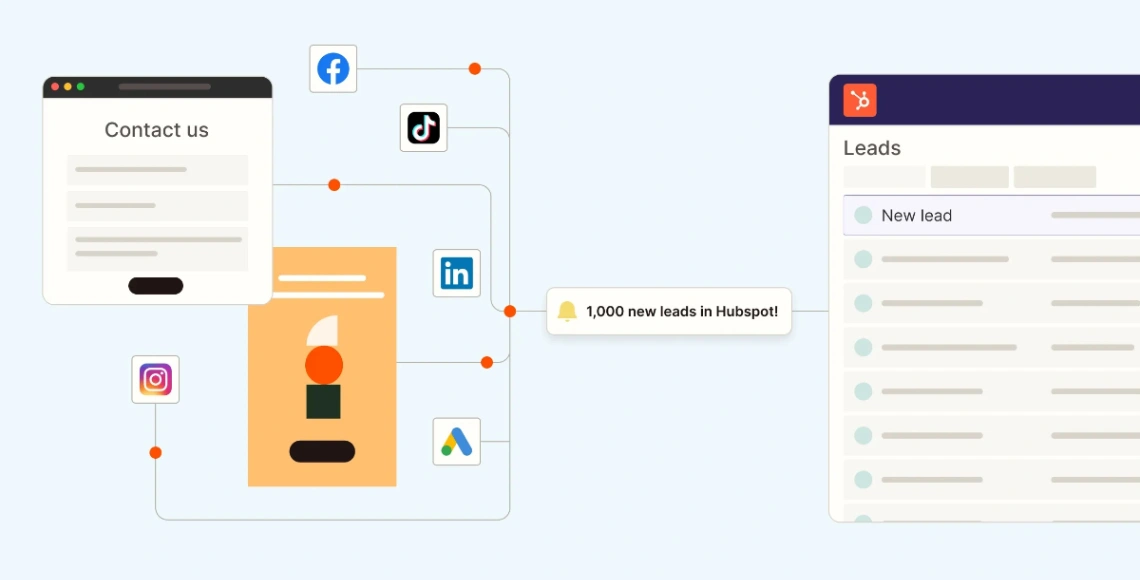
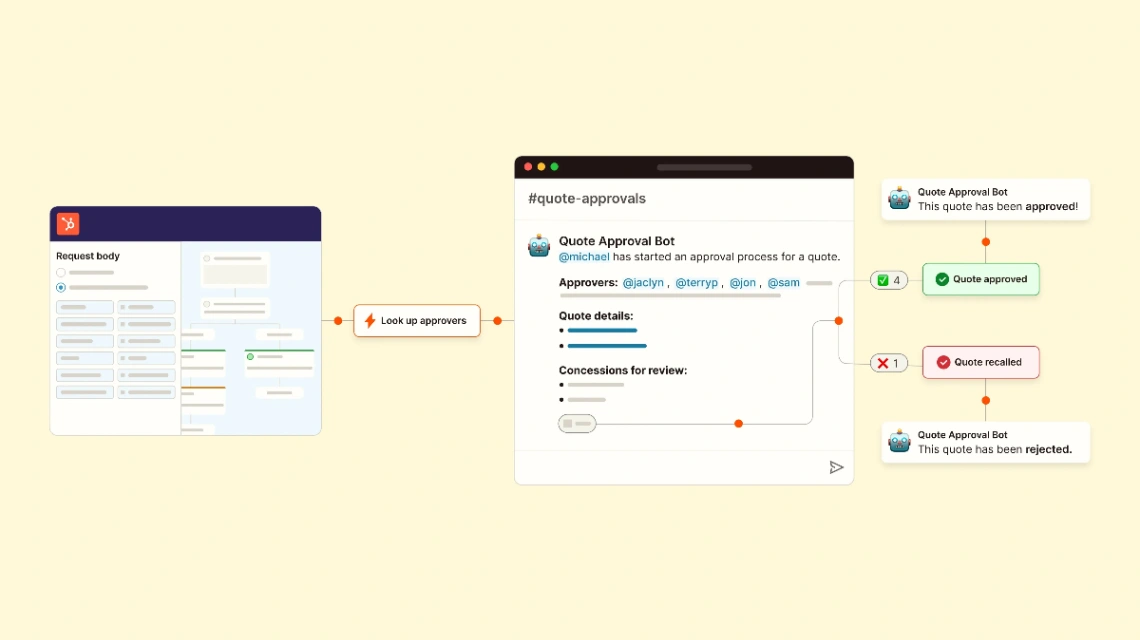
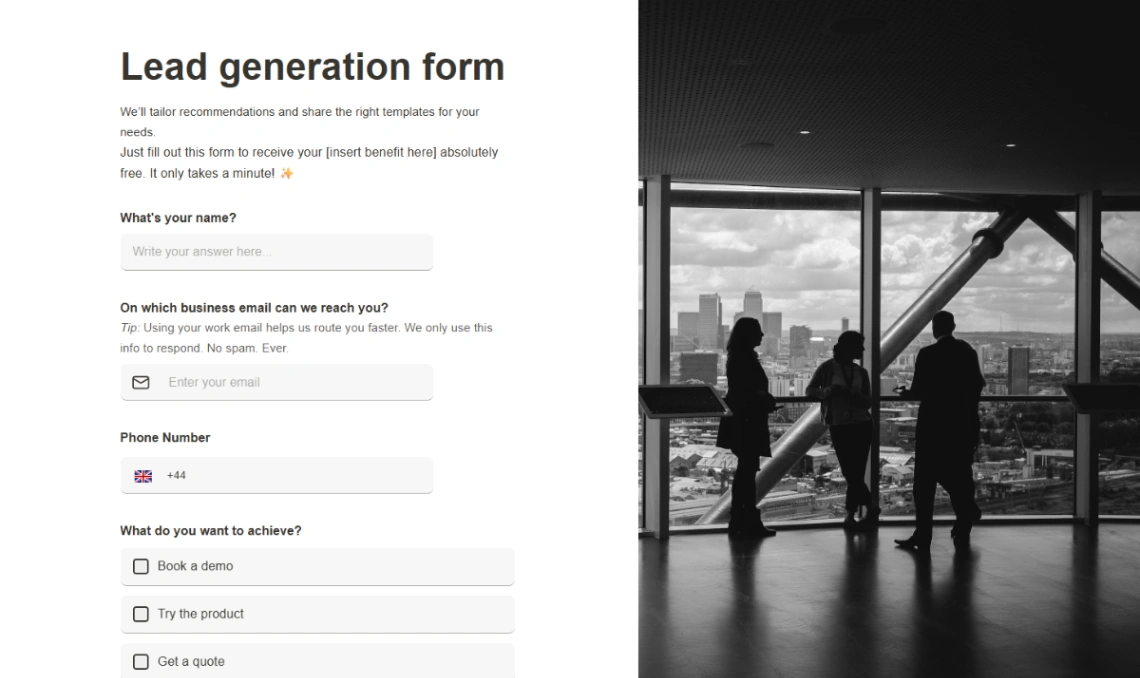
Whichever you pick, insist on the handoff. A form submission that lands in an inbox to be retyped into a tracker is where sales systems quietly leak — the strong setups wire the page straight into the pipeline, lead source attached, first task created. The conversion builders and pipeline platforms in the pinned picks both play this role; the automation stacks stitch them when they don't connect natively.
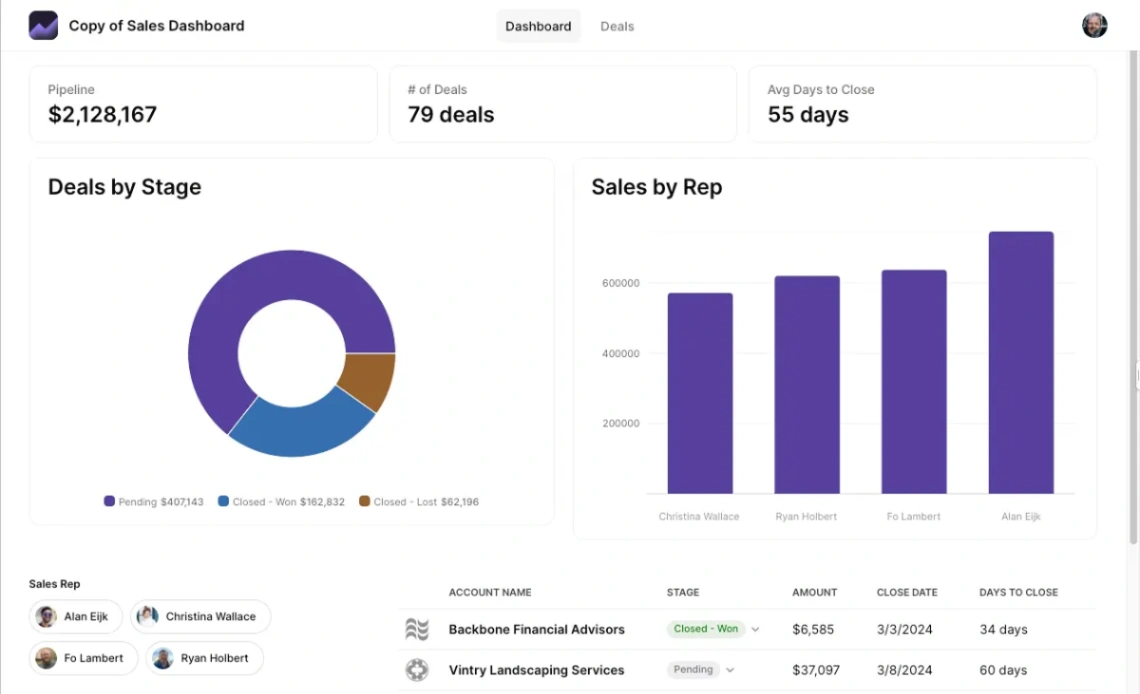
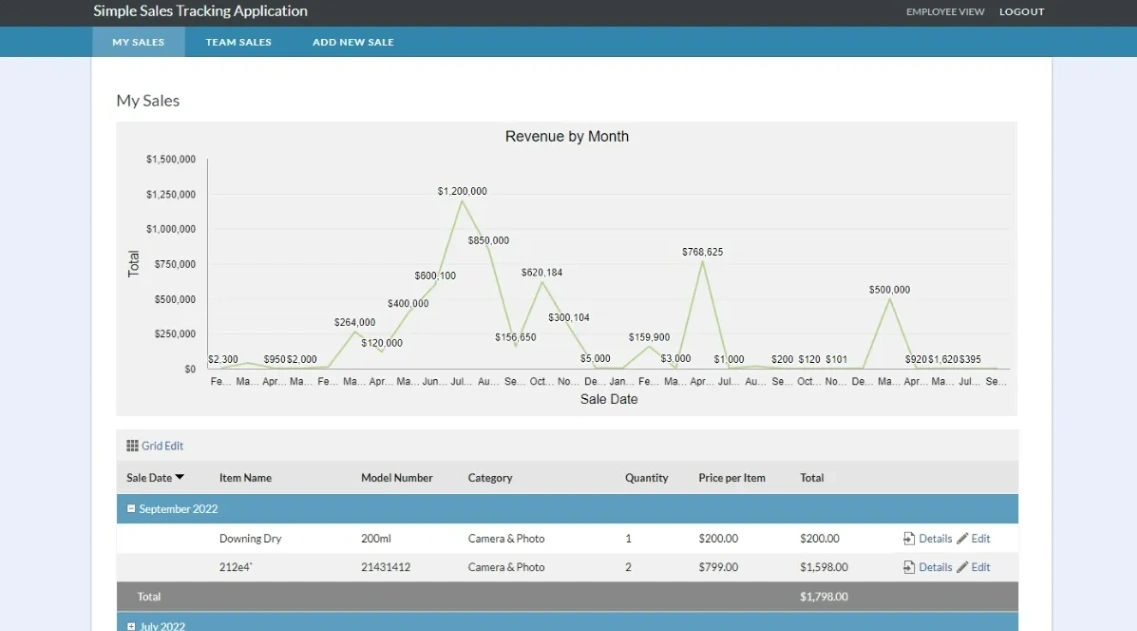
Then instrument from day one, one metric per room: conversion rate for the page, pipeline velocity (how long a deal takes to move a stage) for the tool, reviewed weekly. Templates make this easy to skip because they arrive finished-looking — but an unmeasured sales page is a brochure, and an unmeasured pipeline is a list of hopes with dates on.
The failure pattern worth naming: teams polish the public half because it's visible — new headline, new testimonials — while signed-up leads sit unworked for nine days in a tracker nobody opens. Fix the follow-up before the font. A mediocre page feeding a disciplined pipeline outsells the reverse, every quarter, everywhere.
FAQ