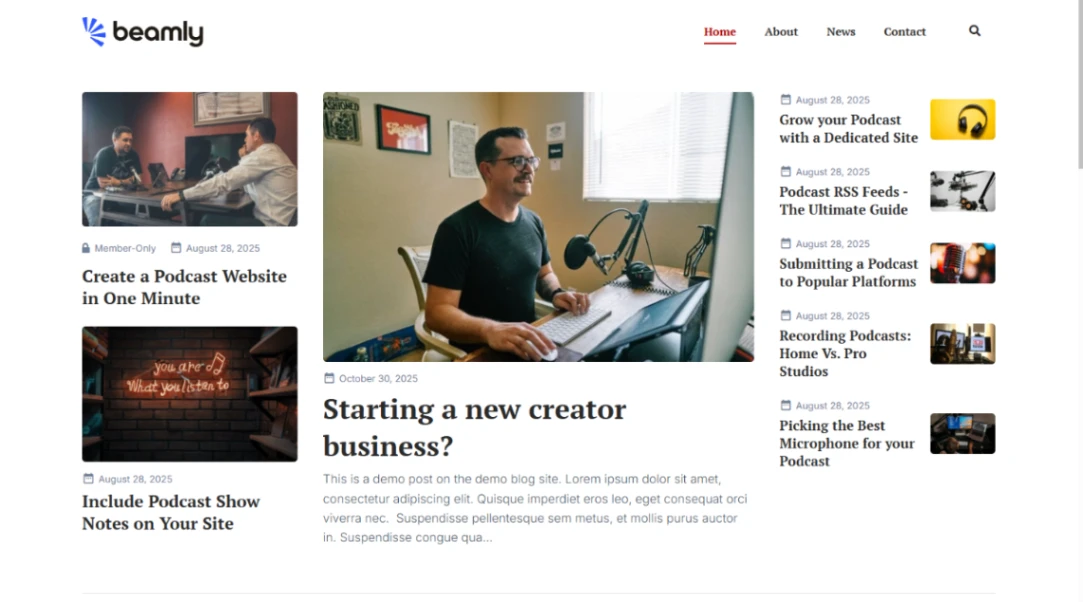
News & Blog
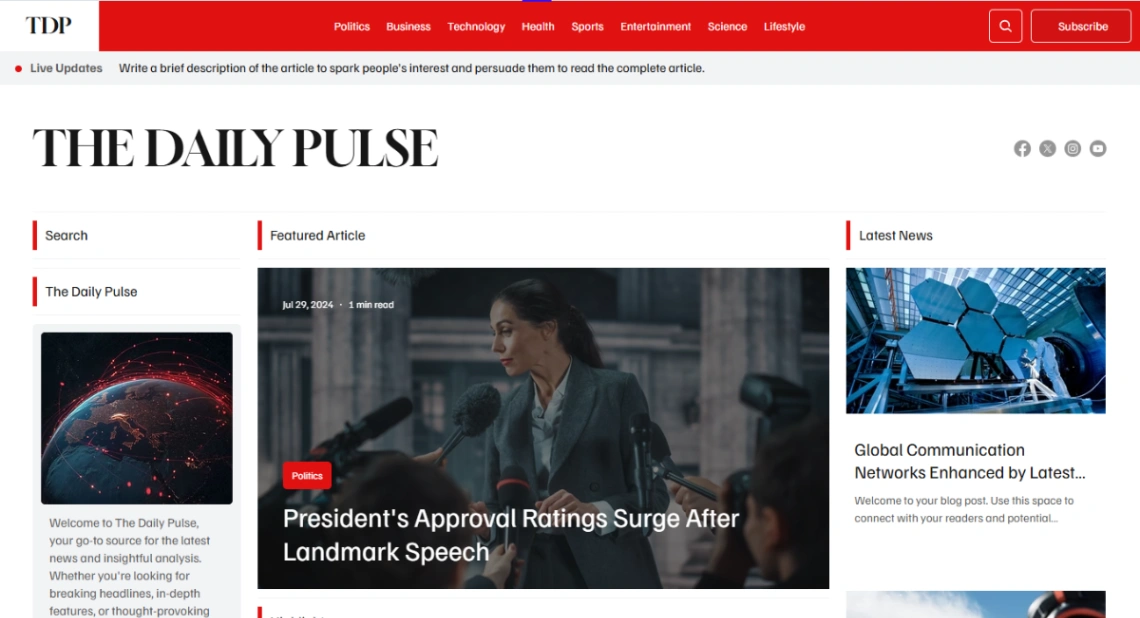
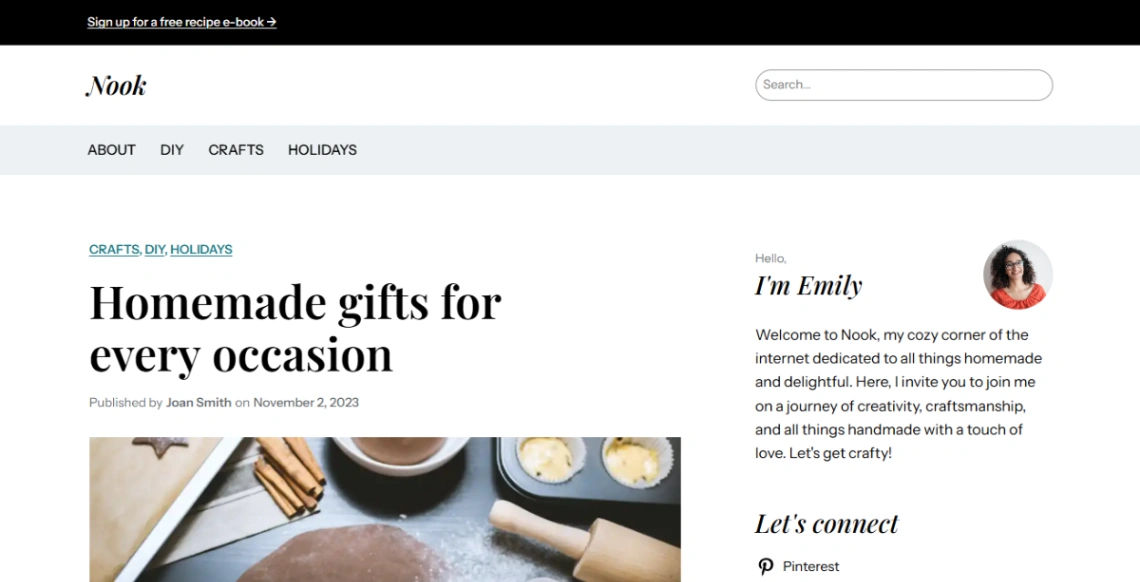

Simple Event
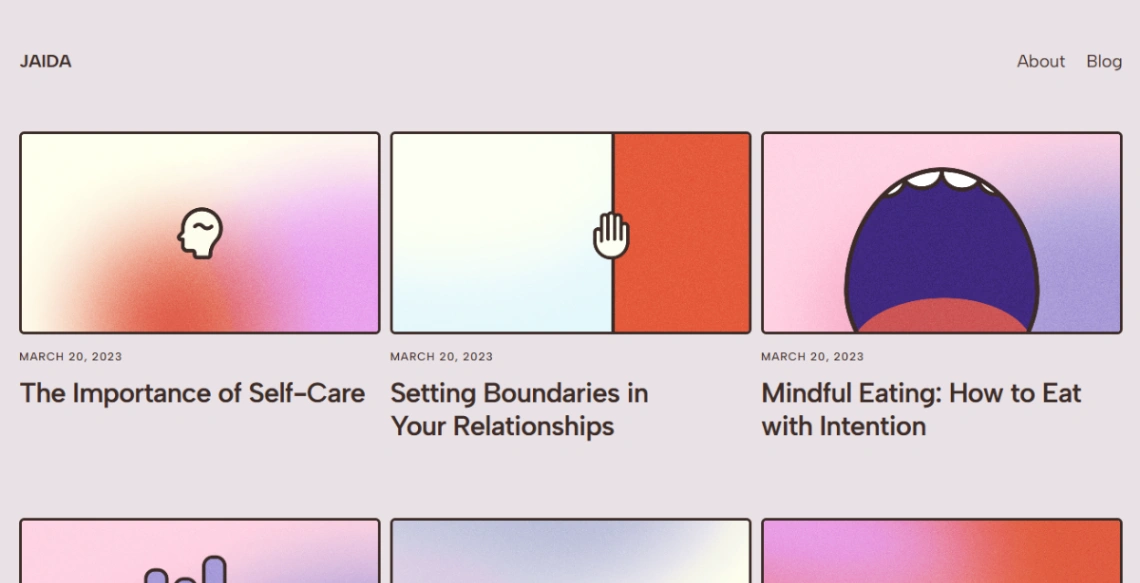
Elegant Blog
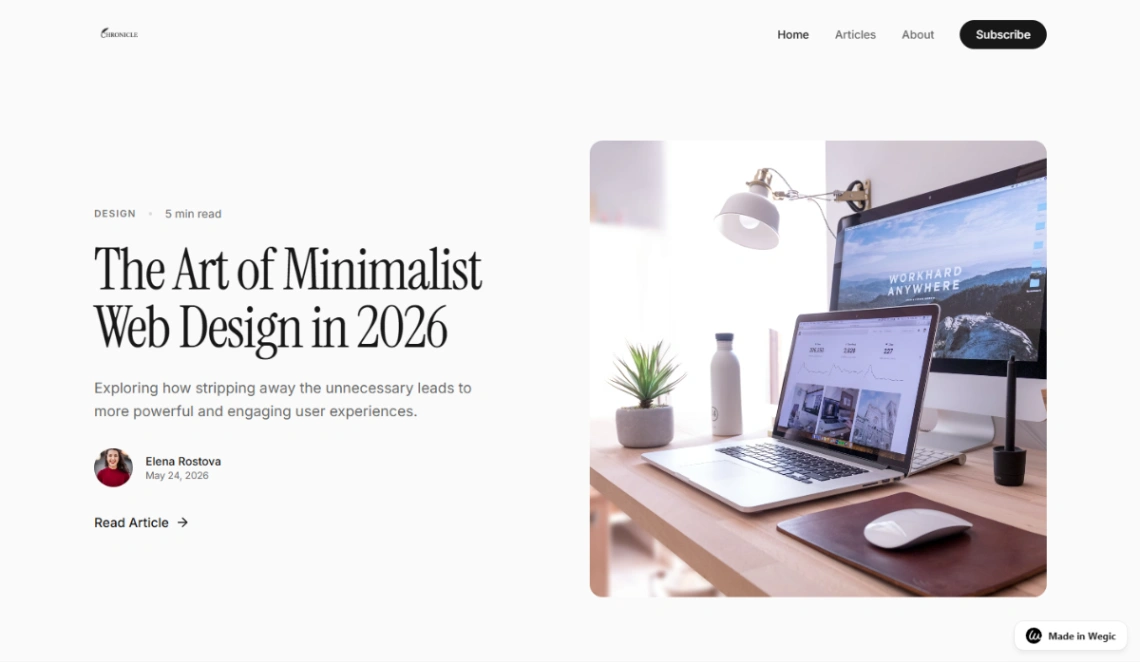

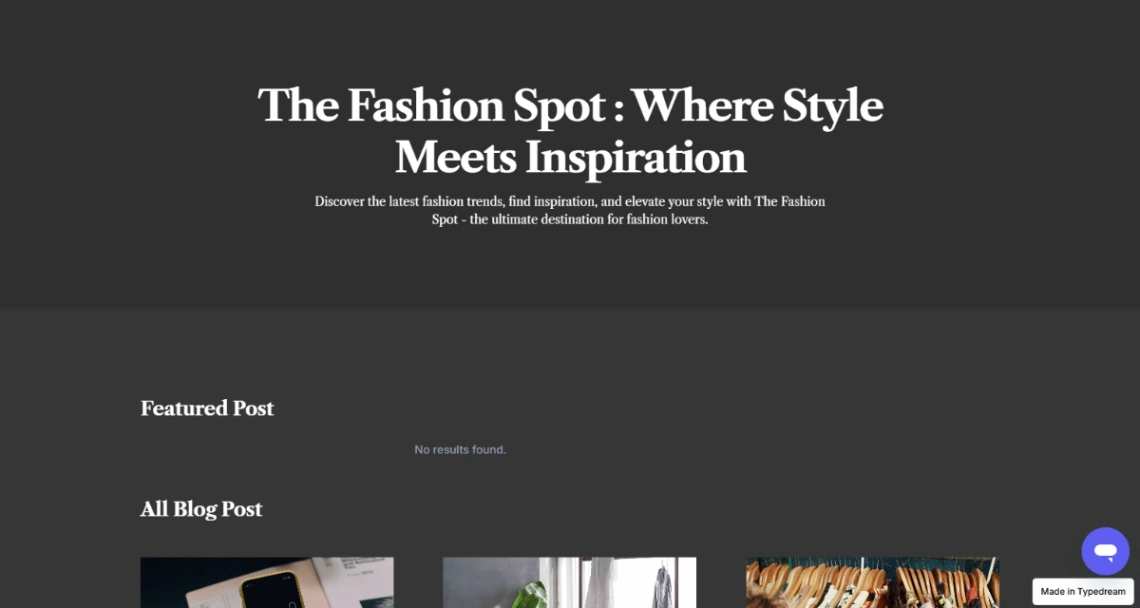
Fashion Blog


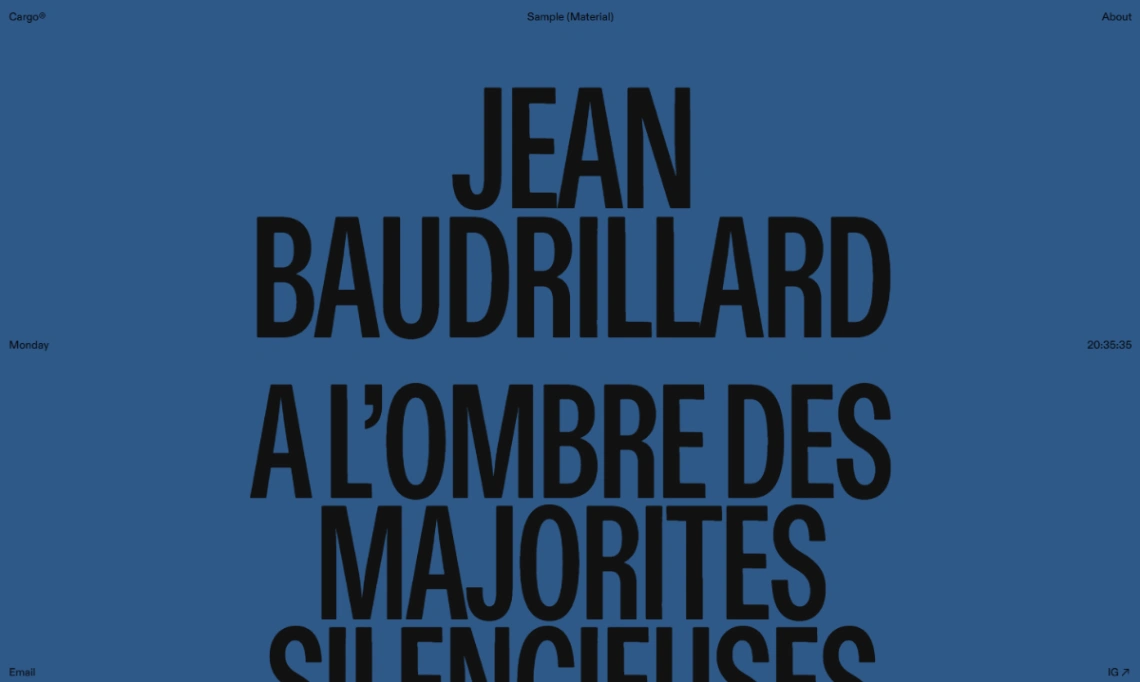
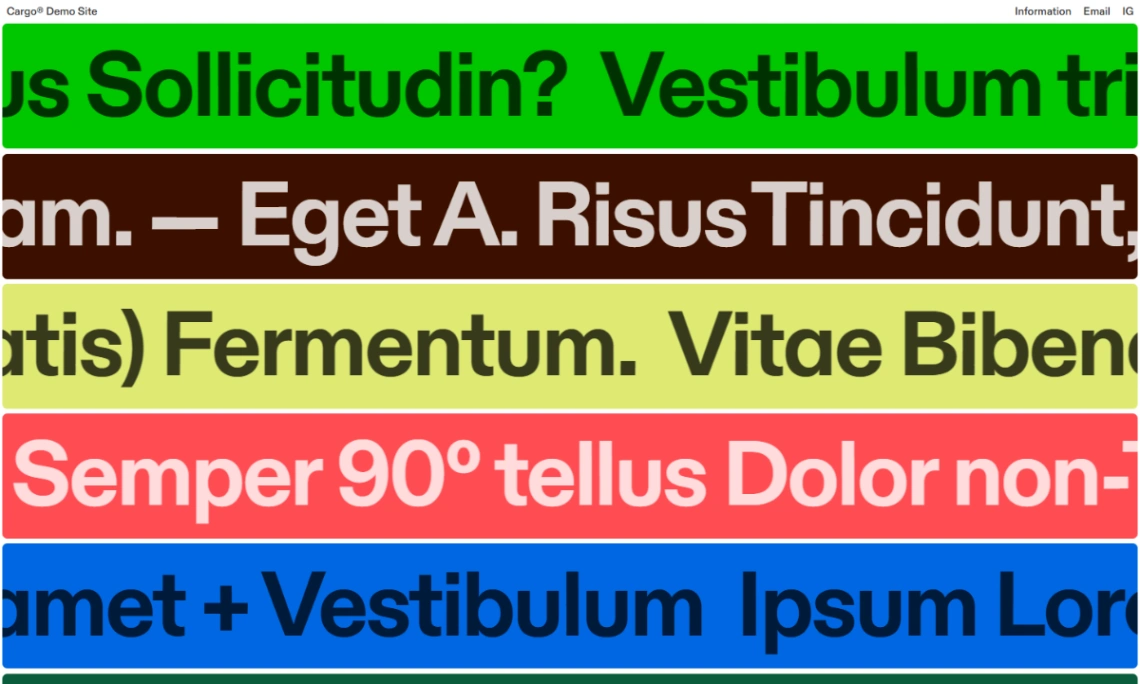
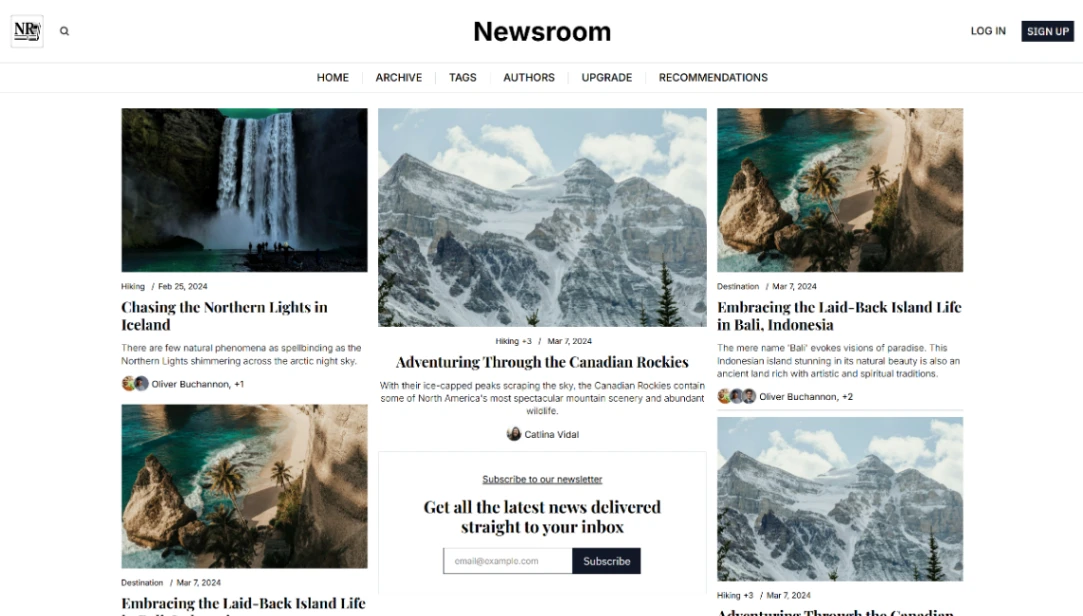
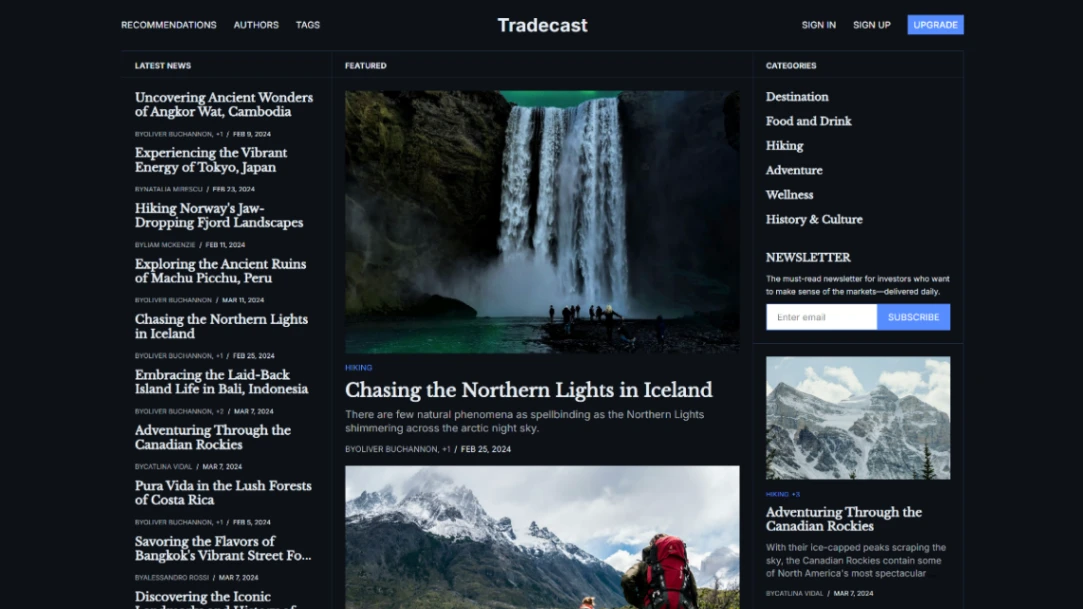
Trading News
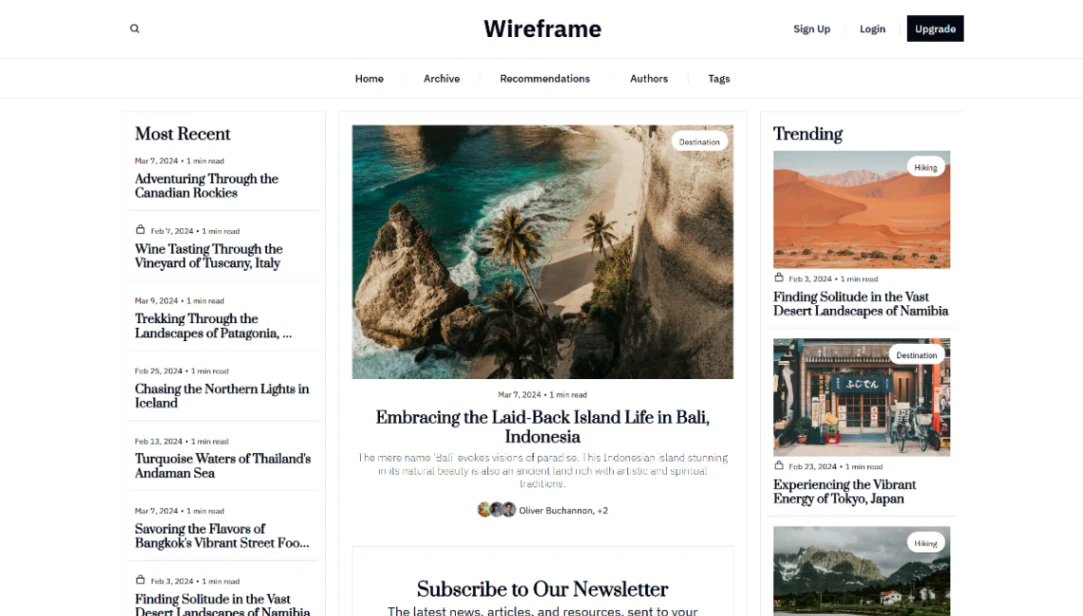
Media News
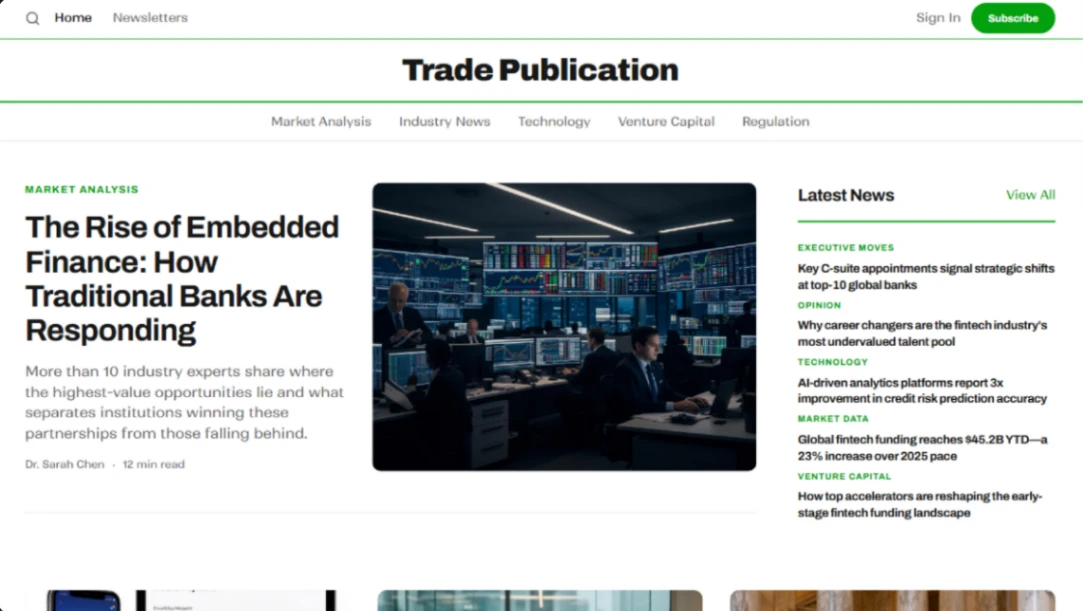
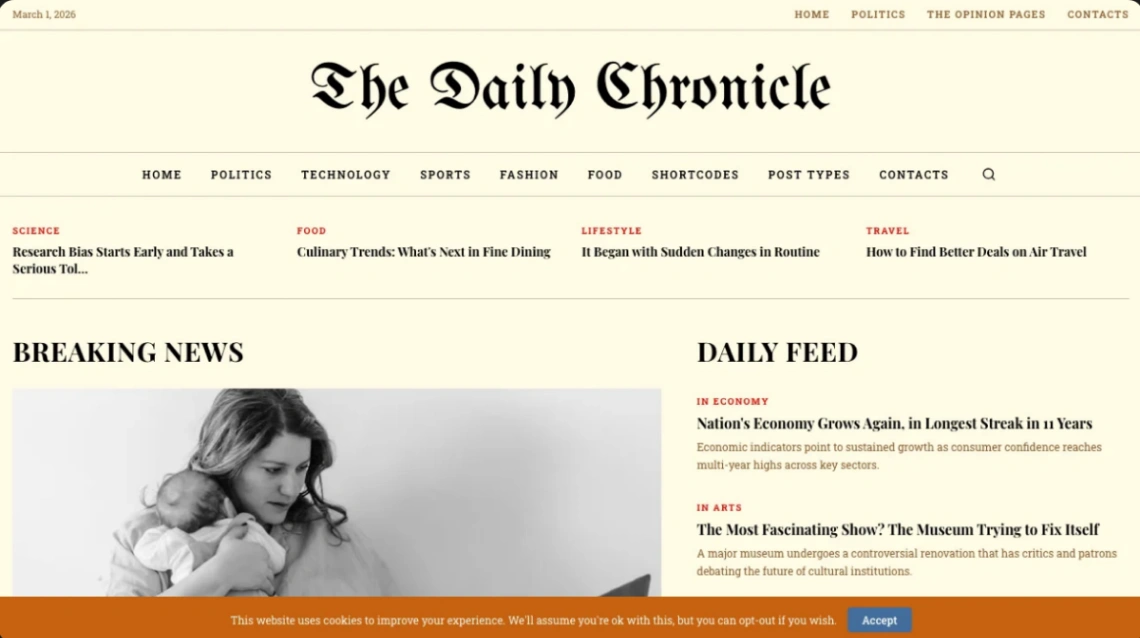
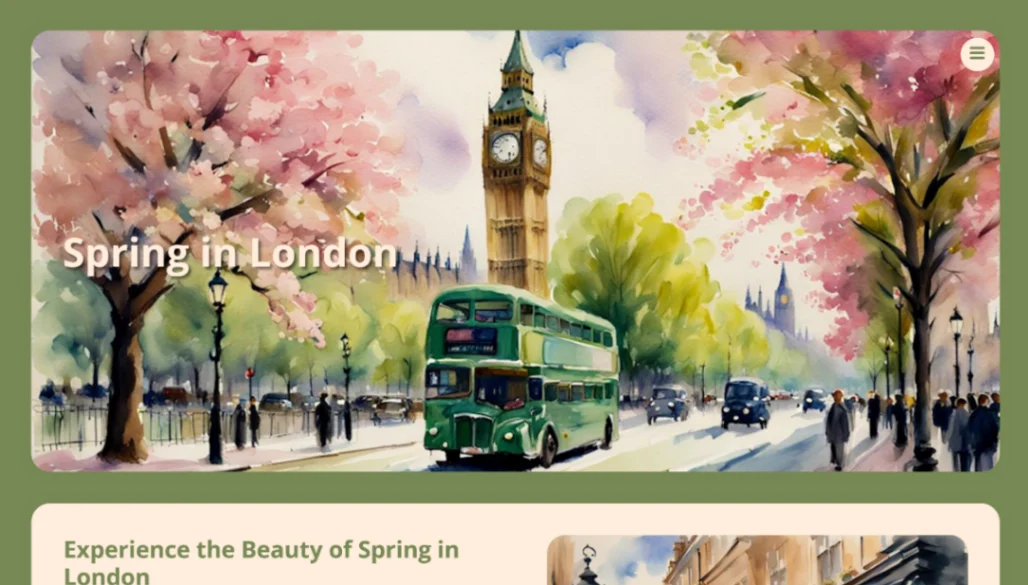
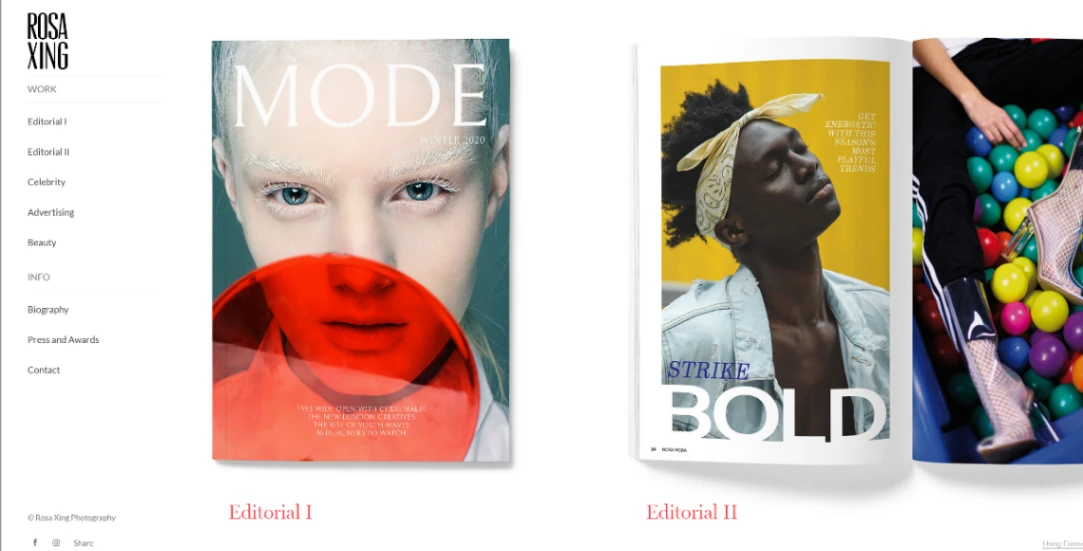
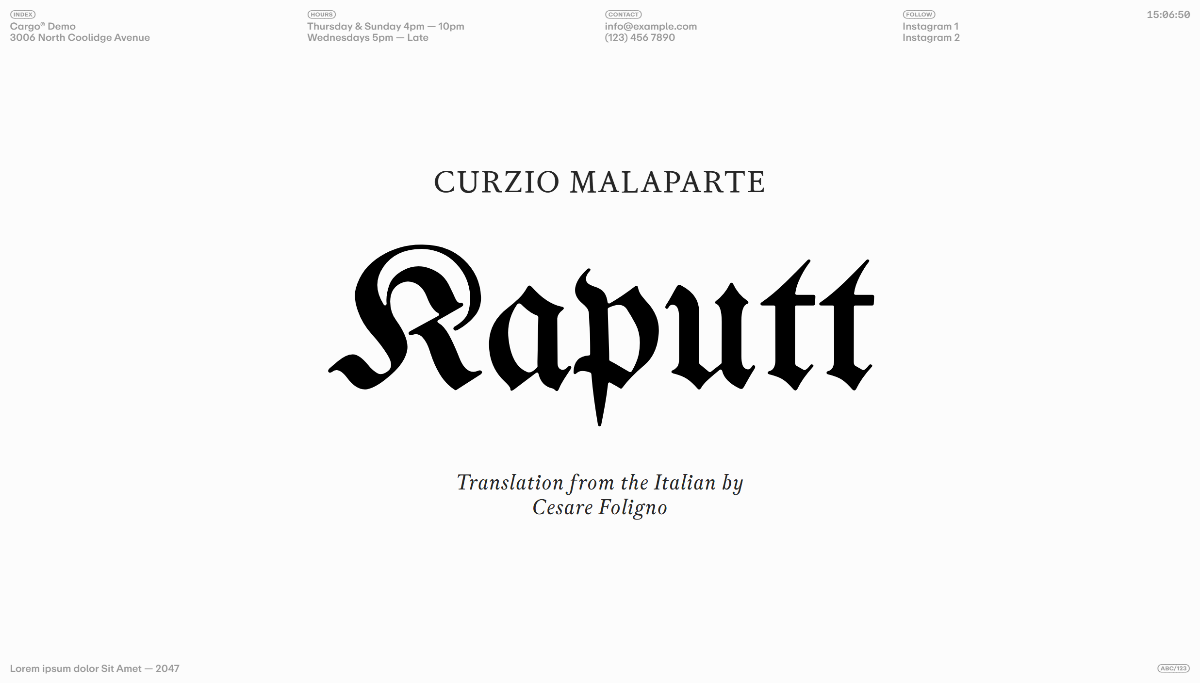
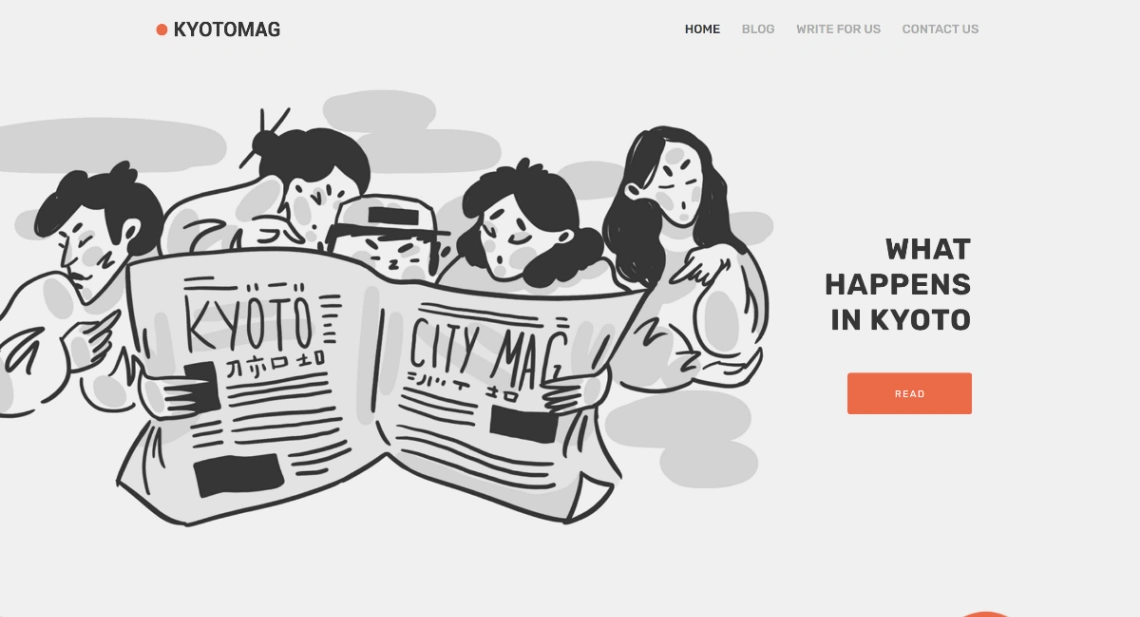
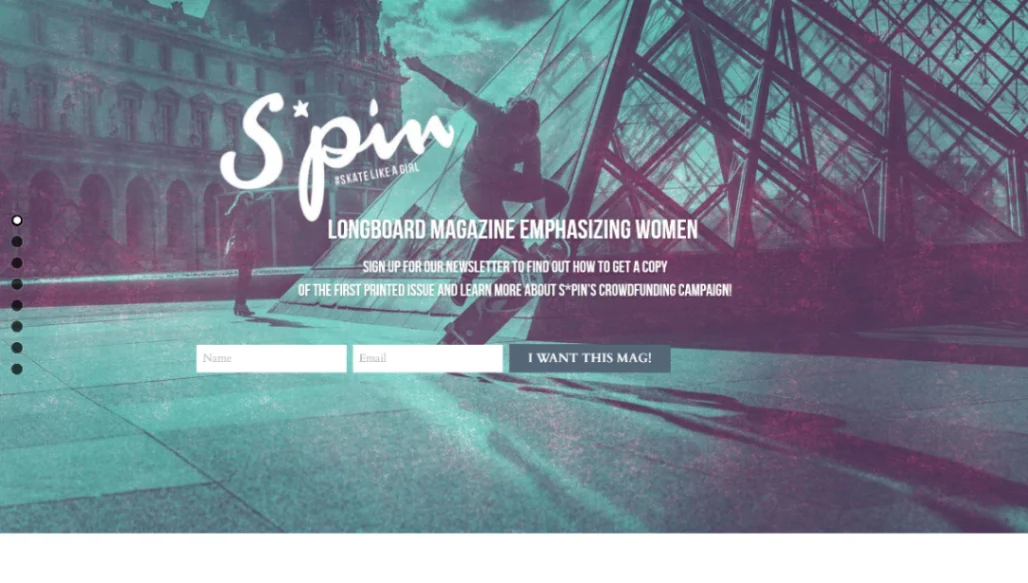
Magazine
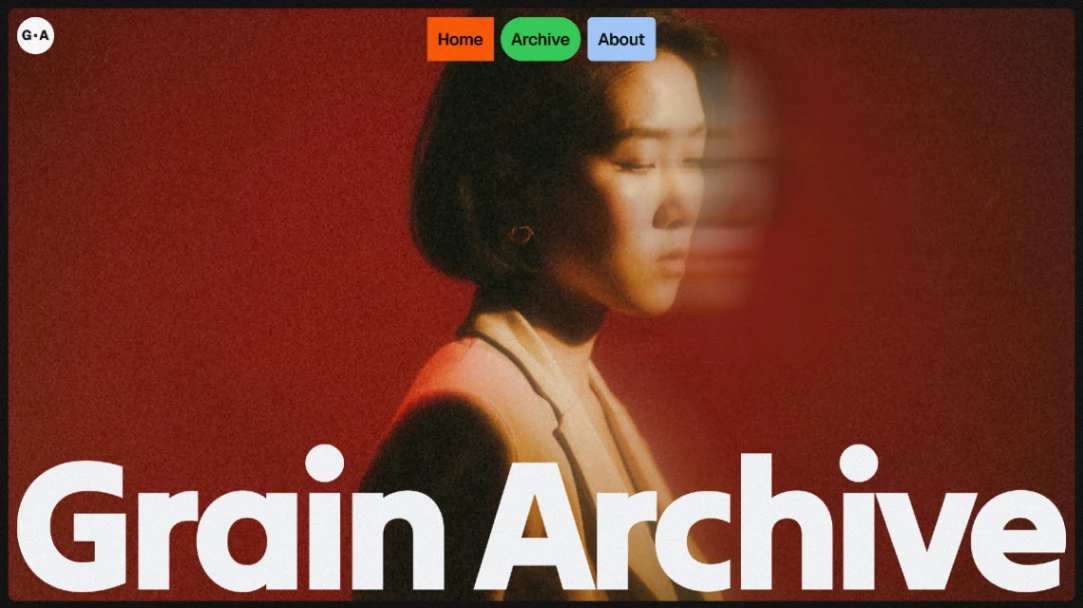
Culture Blog
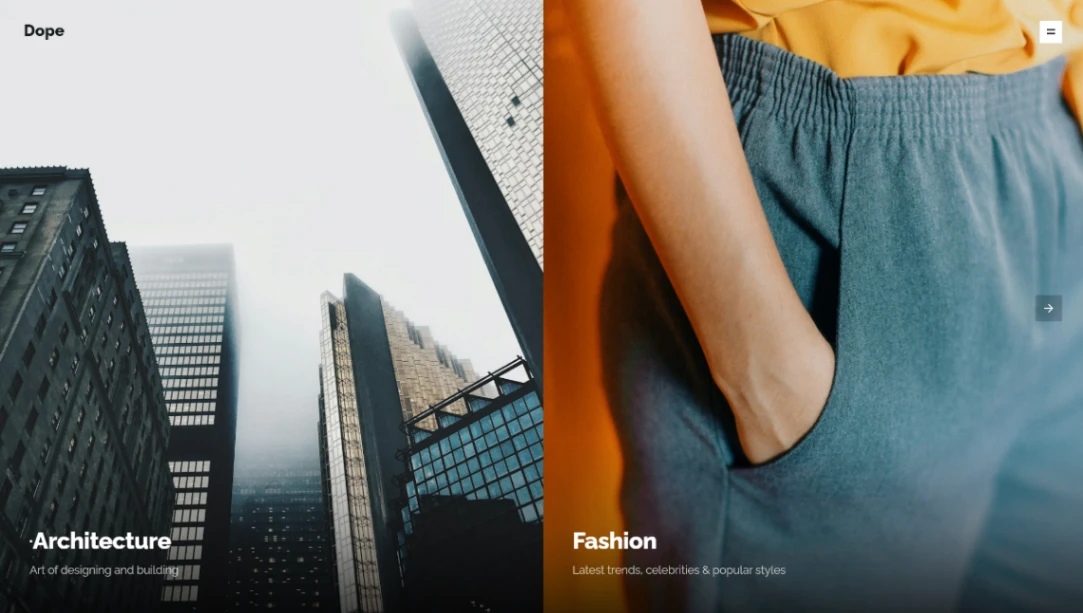
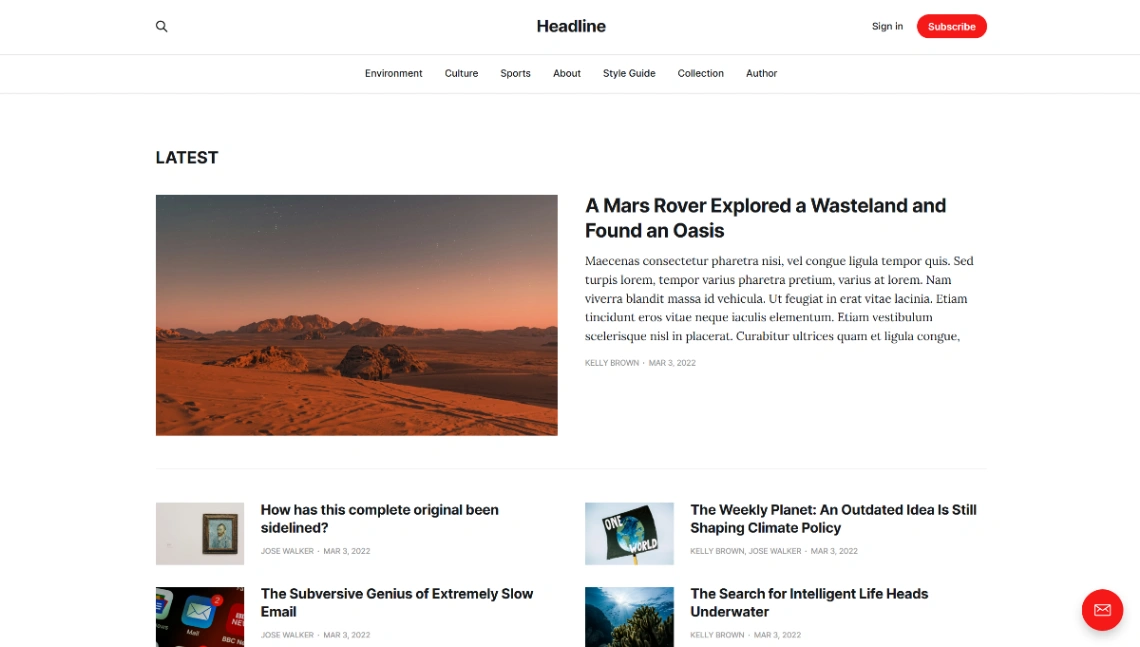
News website
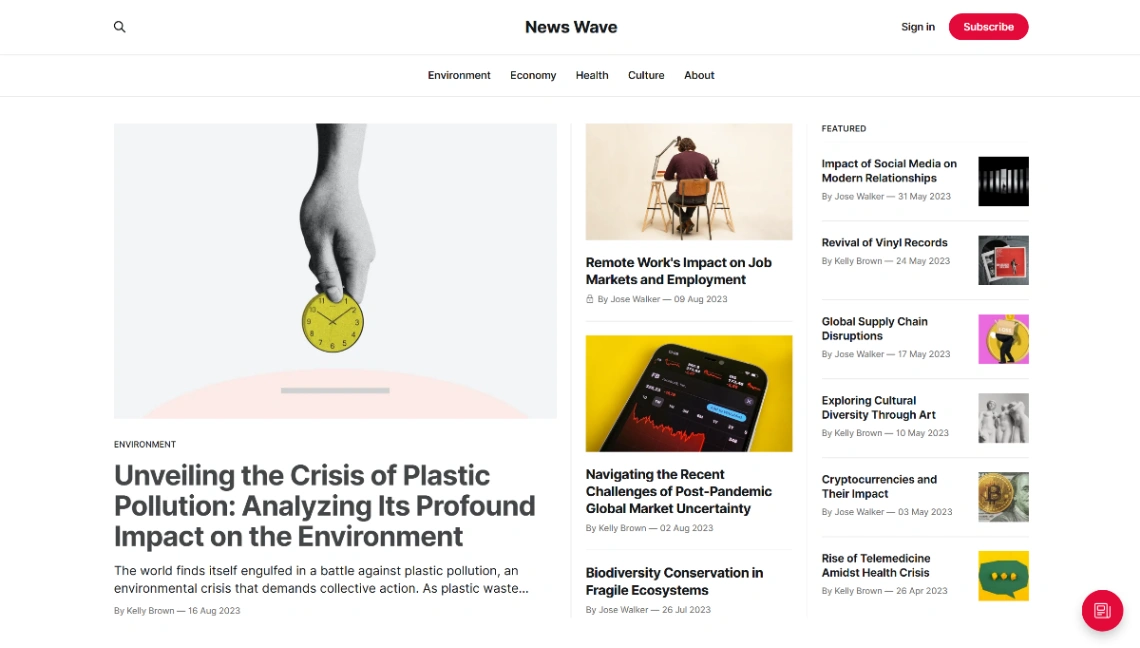

Buyer's guide
How to choose a magazine template
Curation is a magazine's product — the template just publishes the choices. Where a blog accumulates and a news site churns, a magazine's front page is an argument about what matters right now, made with hierarchy: one story led large, a considered second tier, the rest in ordered calm. Test every template here with ten real stories at once; the good ones let you make that argument, the weak ones give every piece the same voice and call it a grid.
The reading experience is the other half of the product, because magazines trade in longform. Judge the article page like an editor: a text measure that doesn't exhaust the eye, type set for twenty-minute reads, images that punctuate rather than interrupt, and pull quotes that reward the scanner without cheapening the piece. The typographically serious builders in the pinned picks earn their place here — body text is where they quietly beat the generalists.
Decide your rhythm: rolling publication, or issues. Issue structure — a dated collection with a cover story and a sense of completeness — is this category's distinctive tool, and it changes reader behavior: issues get finished, feeds get sampled. Templates with real issue architecture make the cadence visible; if you publish in bursts anyway, name the burst and let the structure carry it.
And capture readers where the reading ends: a newsletter block after the article, not ambushing the middle of it. Magazine readers return for sensibility rather than urgency — the list is how sensibility keeps its appointment.
FAQ