
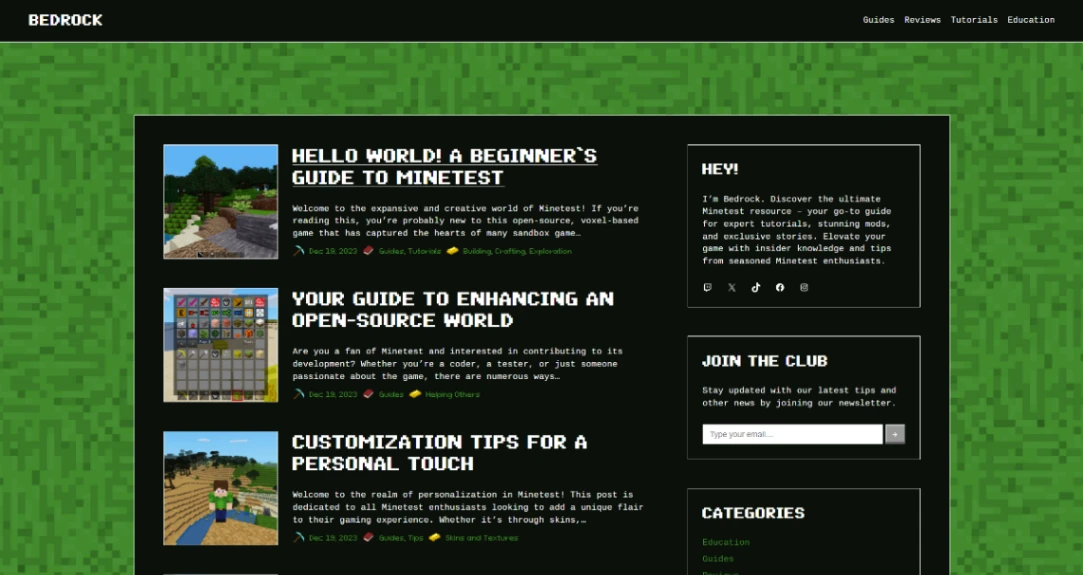
Buyer's guide
How to choose a gaming template
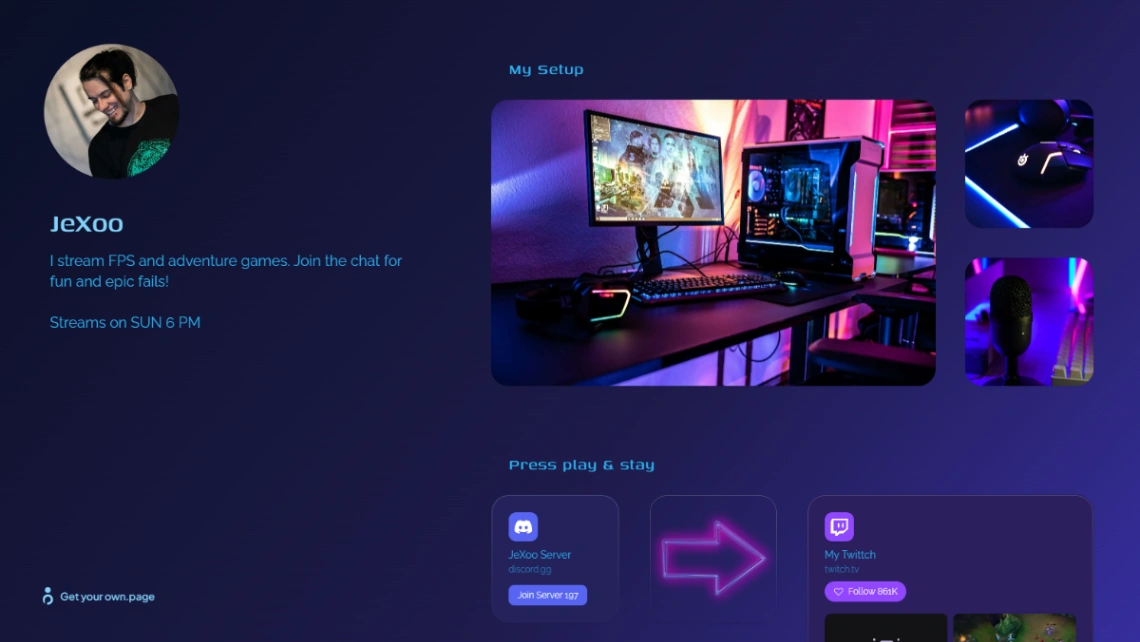
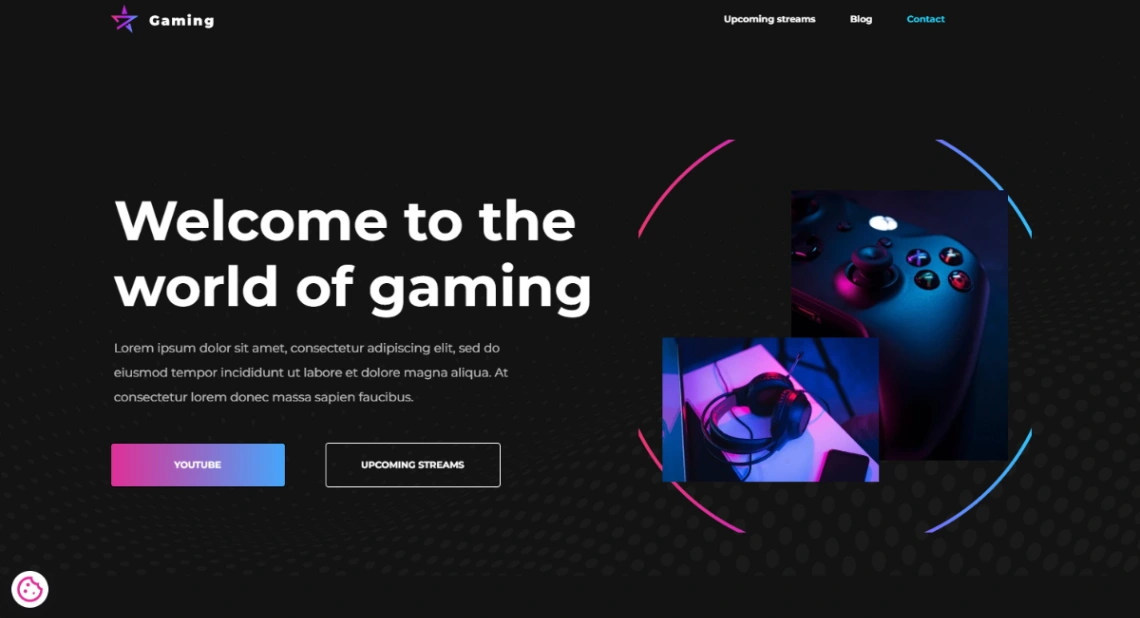
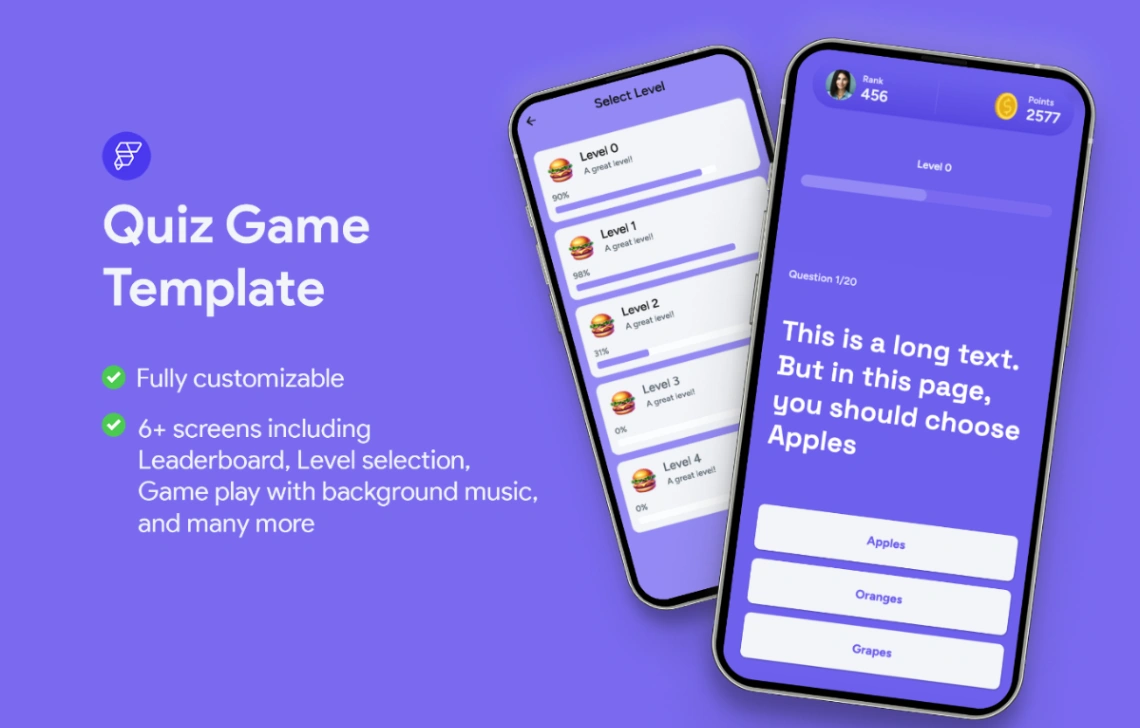
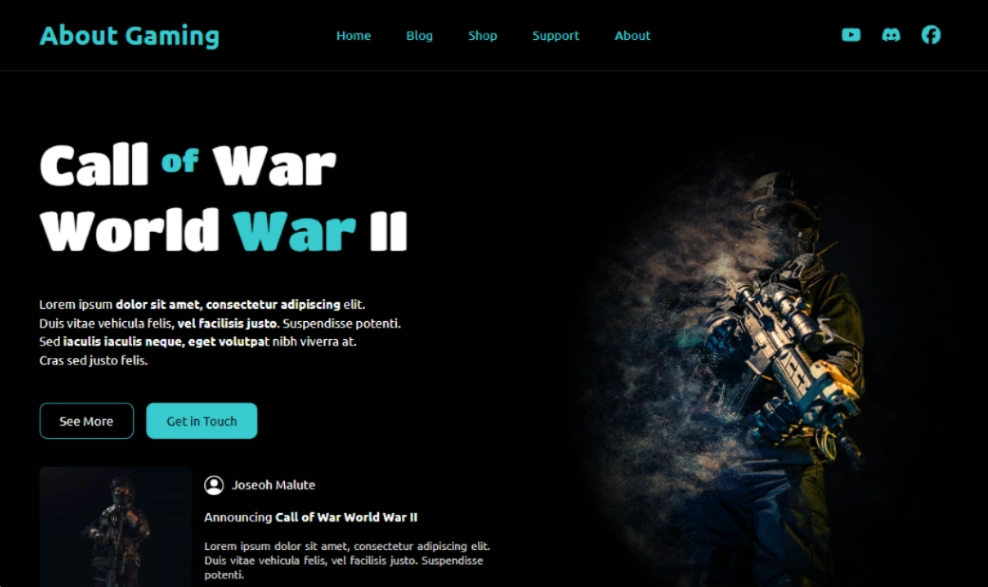
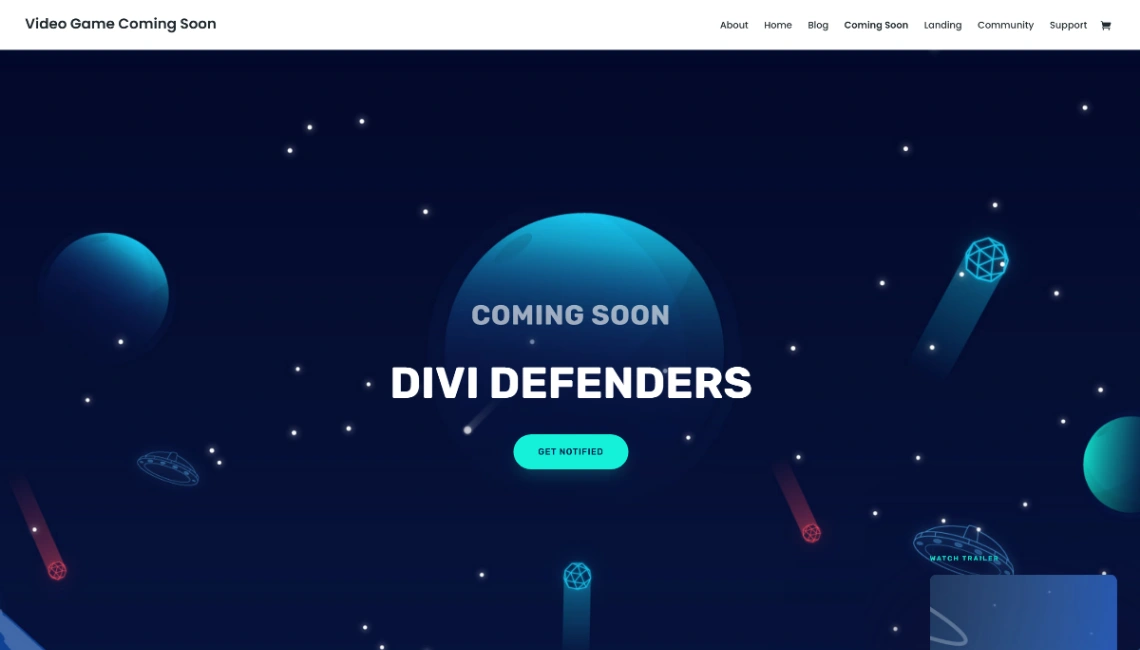
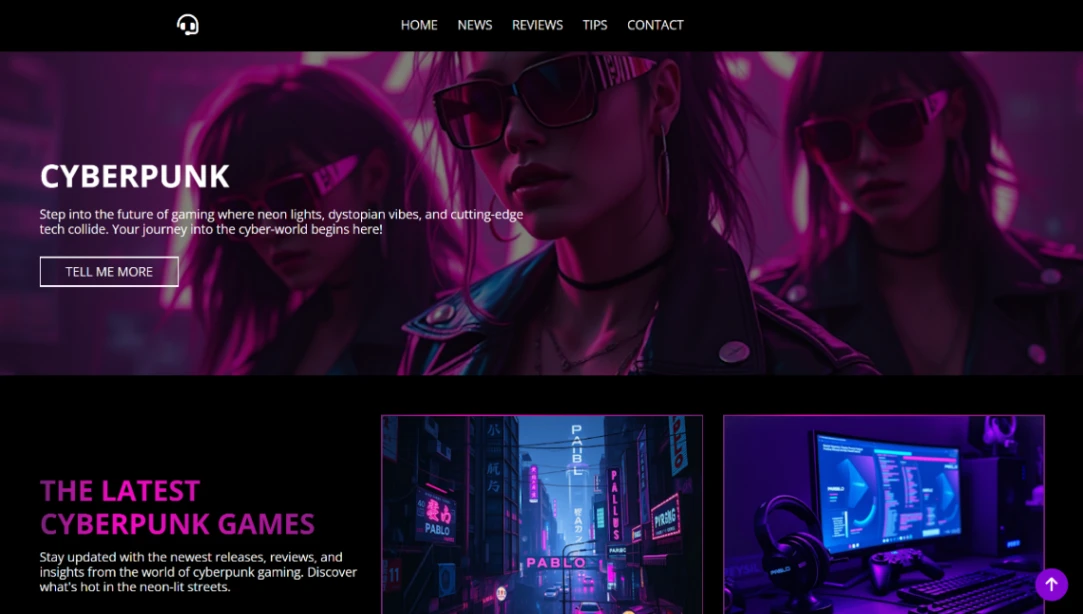
A game's website has one metric that matters before launch: wishlists. Every element of these templates should route toward that click — trailer above the fold, store buttons that work from every scroll depth, screenshots that load fast enough to survive impatience. Fans forgive maximalist design in this category; they never forgive a slow page or a store link that 404s the moment of maximum intent.
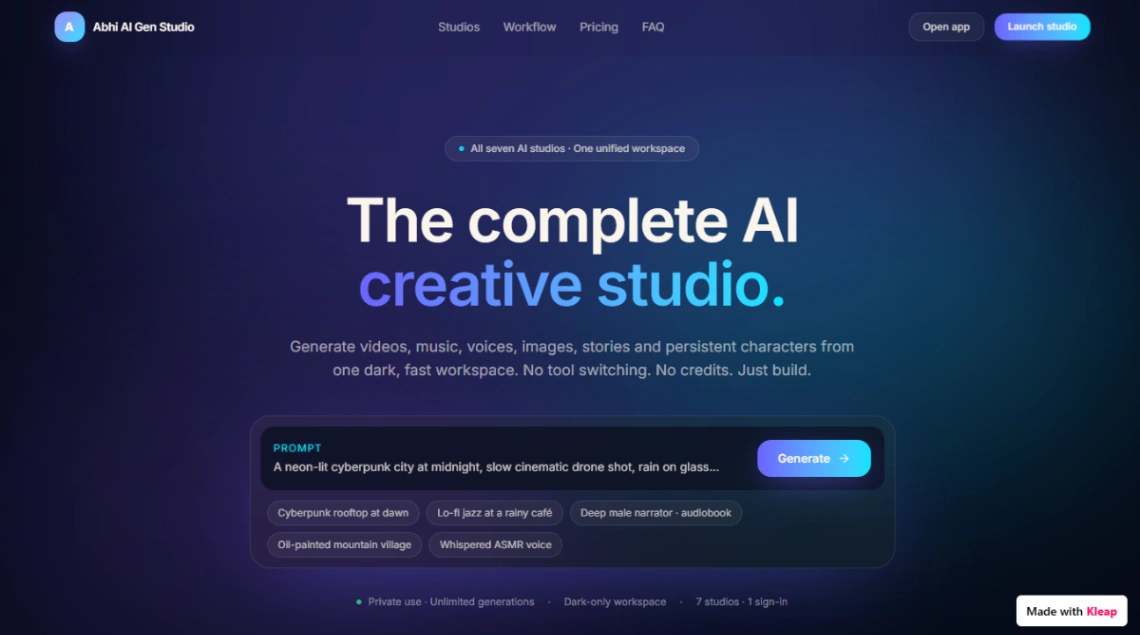
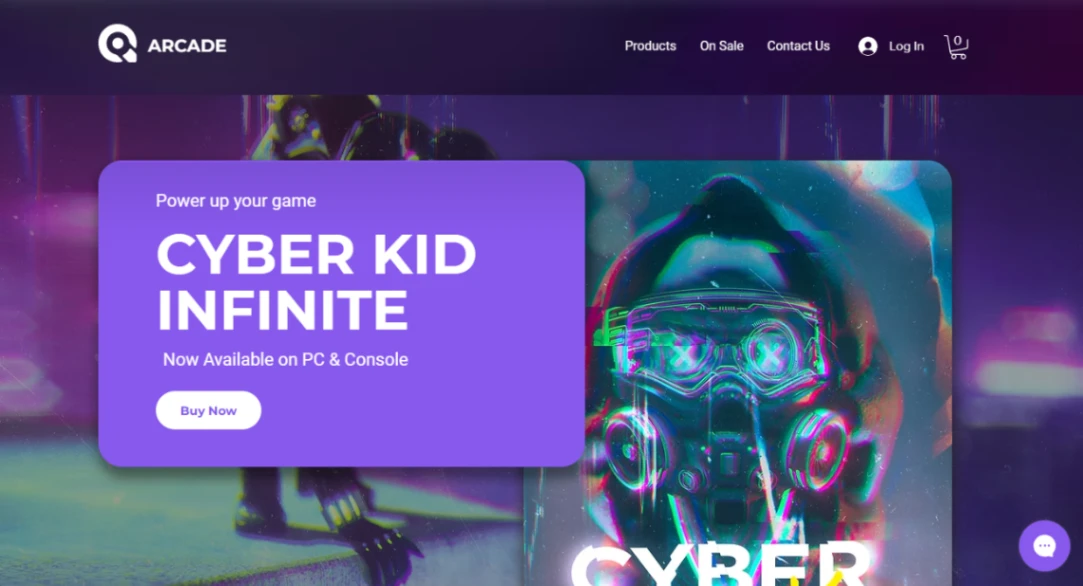
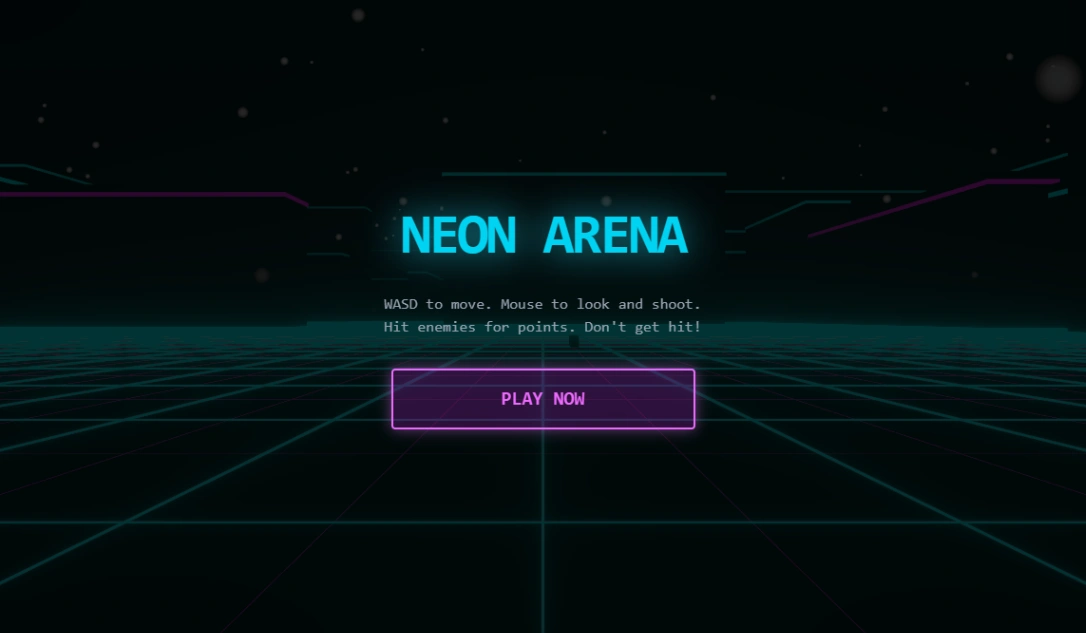
Let the trailer do the arguing. Games sell in motion, and the strong templates here put a fast-loading, muted-autoplay or one-tap trailer at the top with screenshots as the supporting cast. Everything you write below it — features, story, system specs — is for the visitor the trailer already half-convinced. System specs belong on the page too — the question every PC player checks before wishlisting.
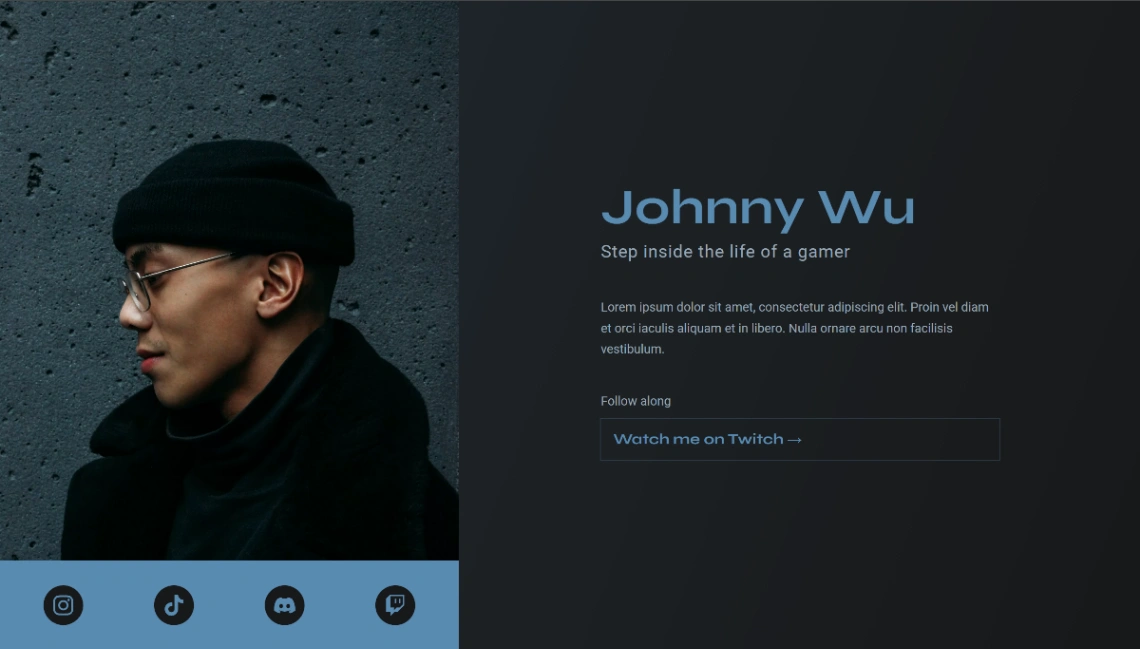
The press kit is the most under-built page in gaming and the cheapest coverage you'll ever buy: description at three lengths, logo and key art in proper resolutions, screenshots zipped, trailer downloadable, contact that answers. A journalist or creator covering ten games this week covers the ones whose assets took five minutes — the templates with press-kit structure (pinned above) do their job for them.
Between announcement and launch, community is the retention surface. The server link one click from everywhere, a devlog that ships monthly (the publishing-backed templates handle it), and an email list for the people who won't join another server — because platform algorithms decide who sees your posts, but launch-day email reaches everyone who ever cared. Studios remember this precisely one launch too late.
FAQ