












Legal Agency











Buyer's guide
How to choose a legal template
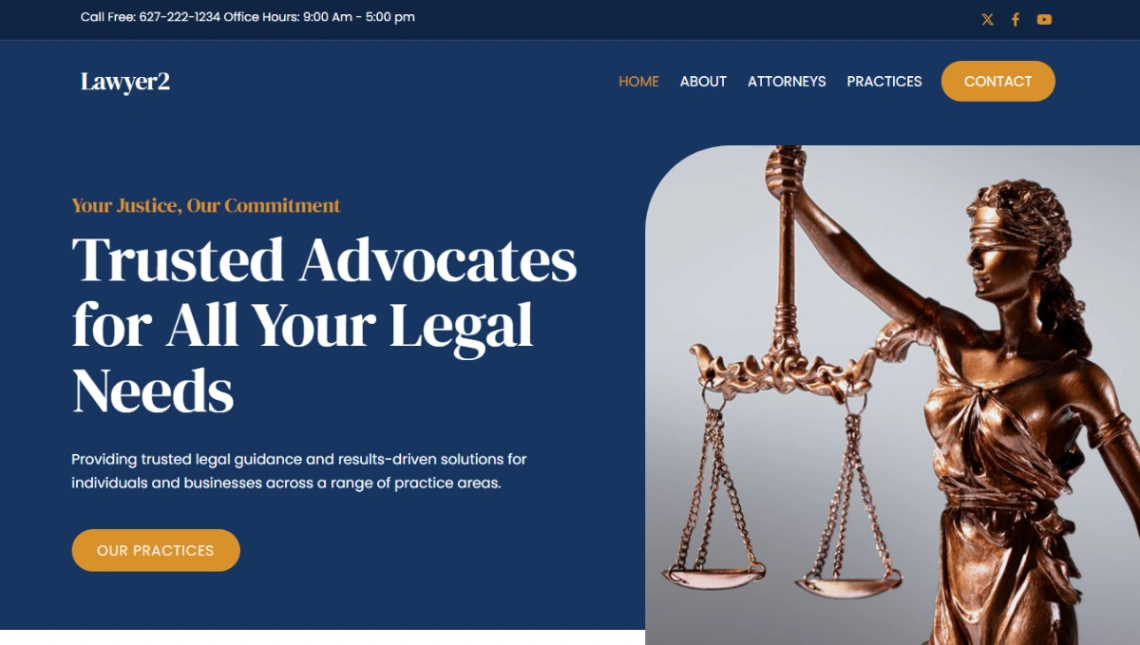
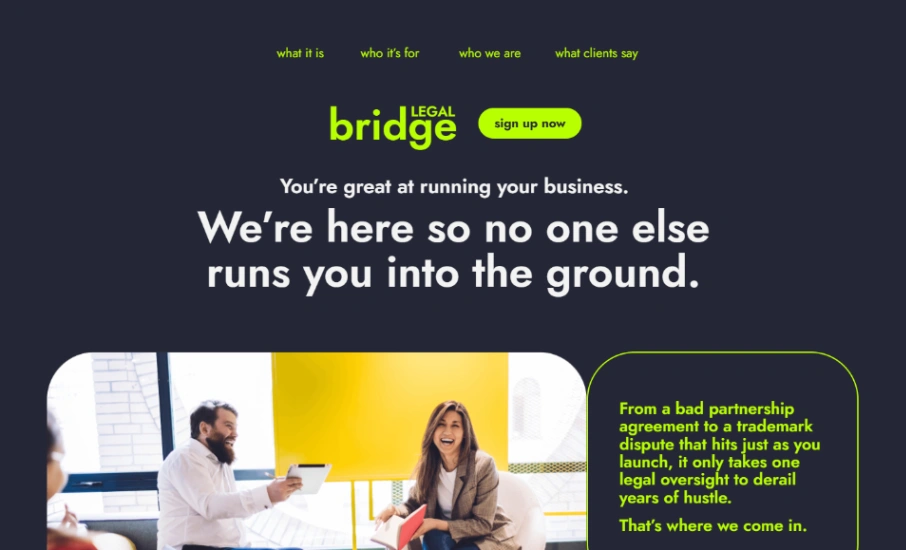
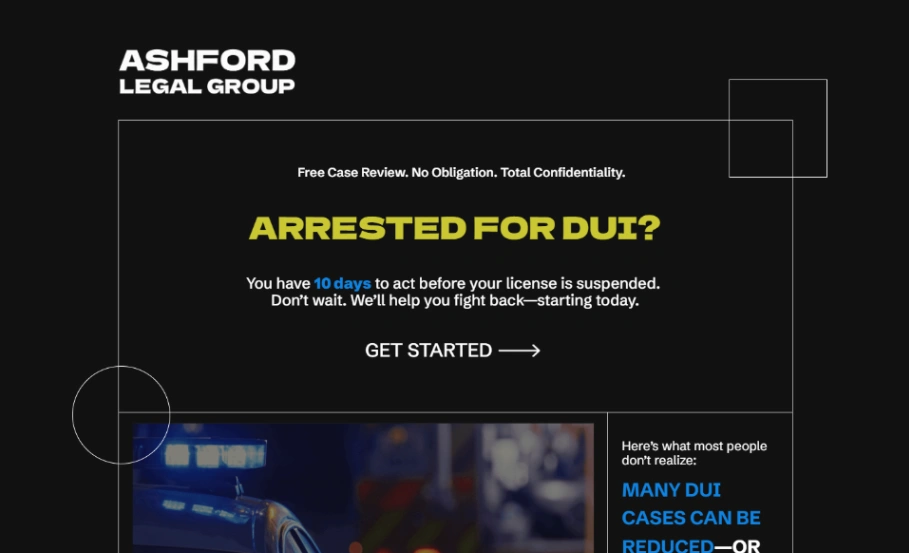
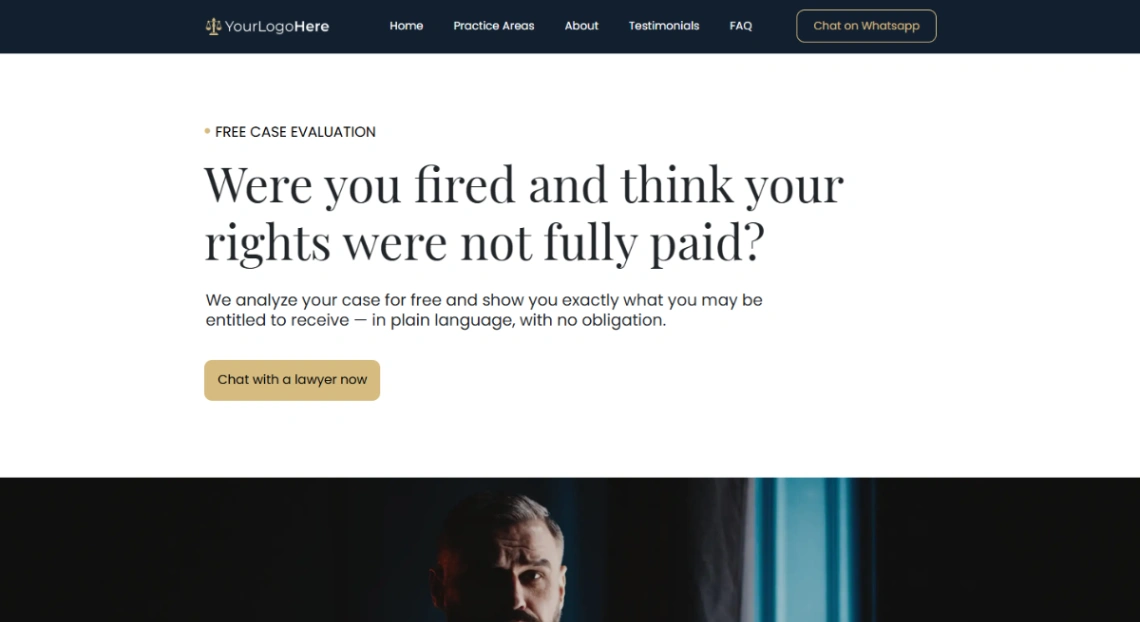
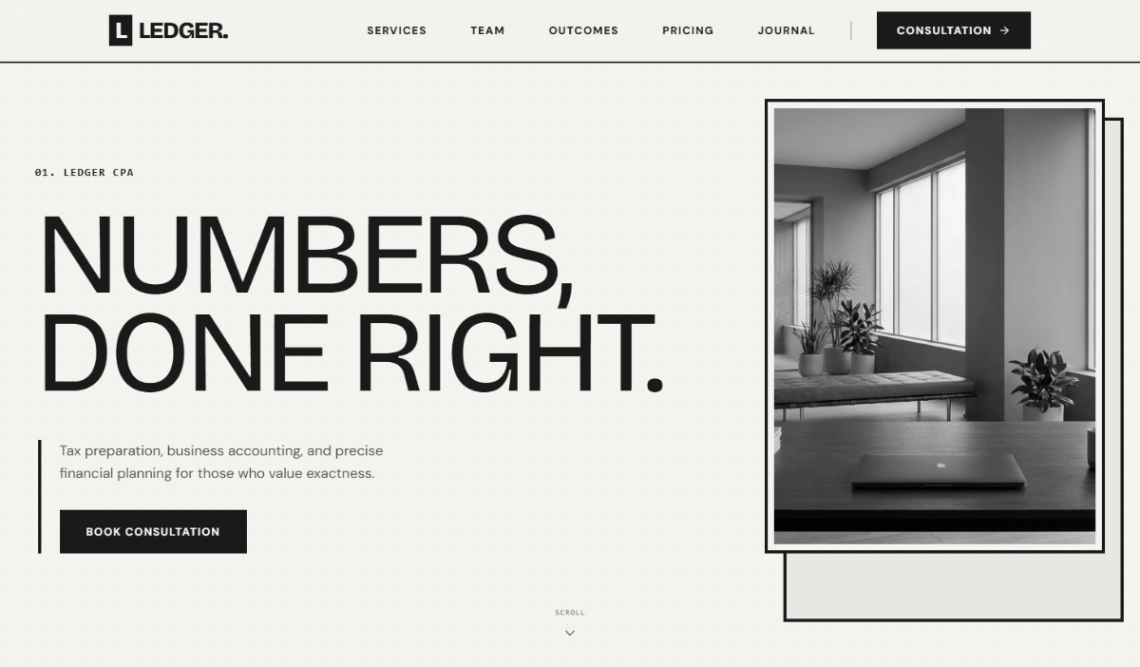
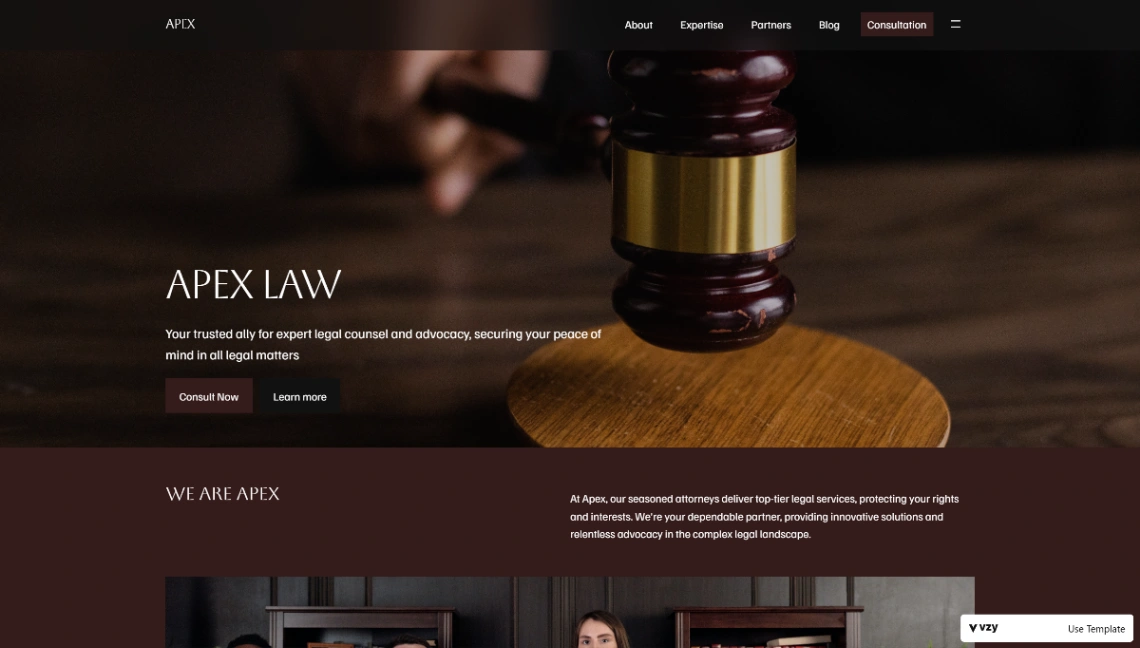
A law firm's website is read twice: once in panic, once in comparison. The panicked read wants three answers in ten seconds — do you handle my problem, can I talk to someone, what happens next. The comparison read, hours later and calmer, wants proof and price posture. Strong legal templates serve both reads in that order; weak ones open with the firm's history, answering a question nobody arrived with.
Practice-area pages are the architecture, not an afterthought: one page per problem you solve, written in the client's words ("dismissed without notice," not "employment litigation"), each with its own path to contact. They're simultaneously how anxious visitors self-identify and how search engines match you to problems — the practice- area structure in the pinned builders is the feature to check first.
Results persuade, and rules govern them — jurisdiction advertising rules on outcomes, testimonials and guarantees vary enormously. The template should make compliant proof easy: case results with appropriate disclaimers, credentials, recognitions, and matter stories anonymized properly. Write within your bar's rules from day one; retrofitting compliance into marketing copy is misery.
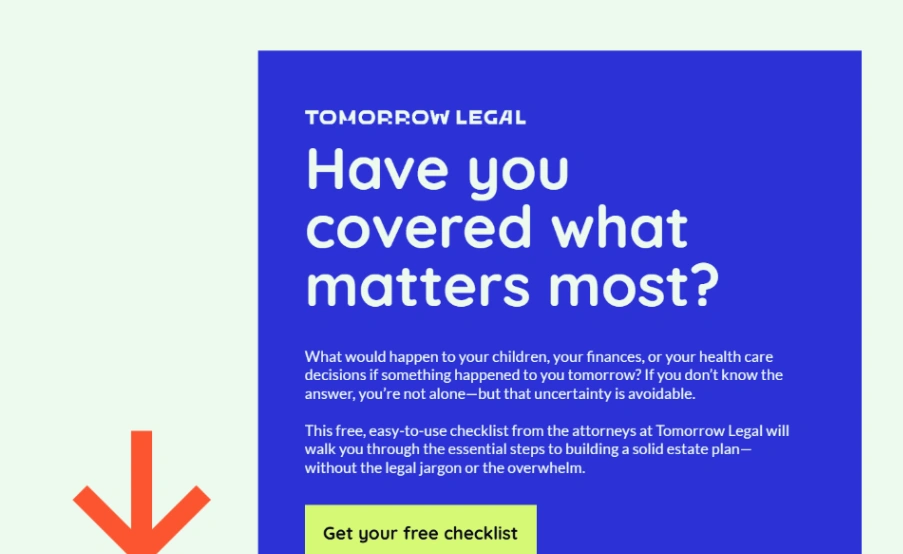
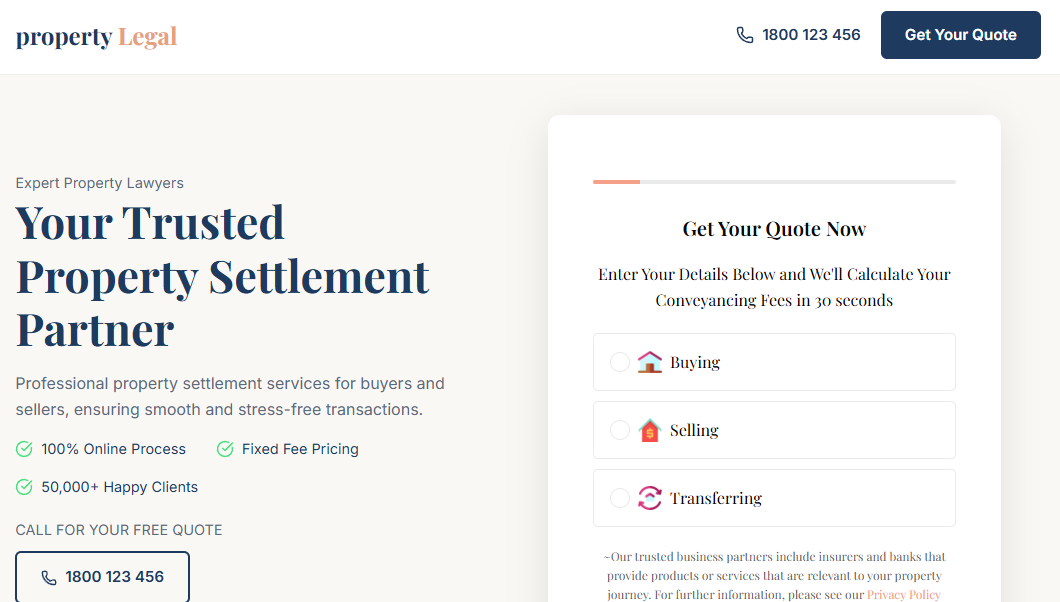
Then demystify the next step, because fear of the process loses more clients than fees do. What the first consultation involves, what it costs (or that it's free), what to bring, how fees work after — stated plainly near every contact point. The firm that explains what happens next sounds like the firm that will keep explaining, and that, more than gravitas, is what the second read is looking for.
FAQ