Buyer's guide
How to choose a pets template
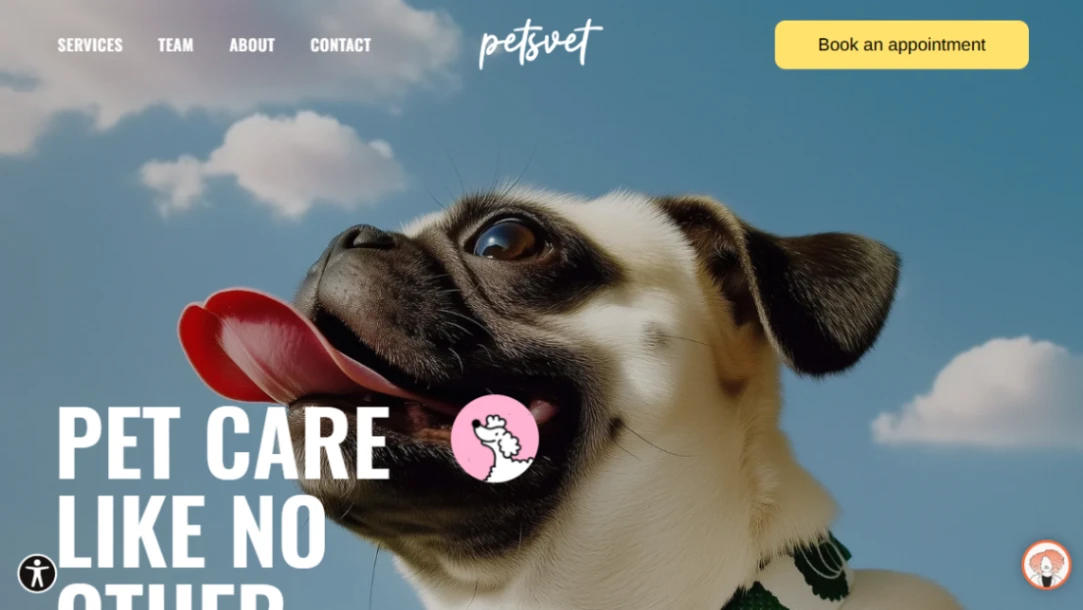
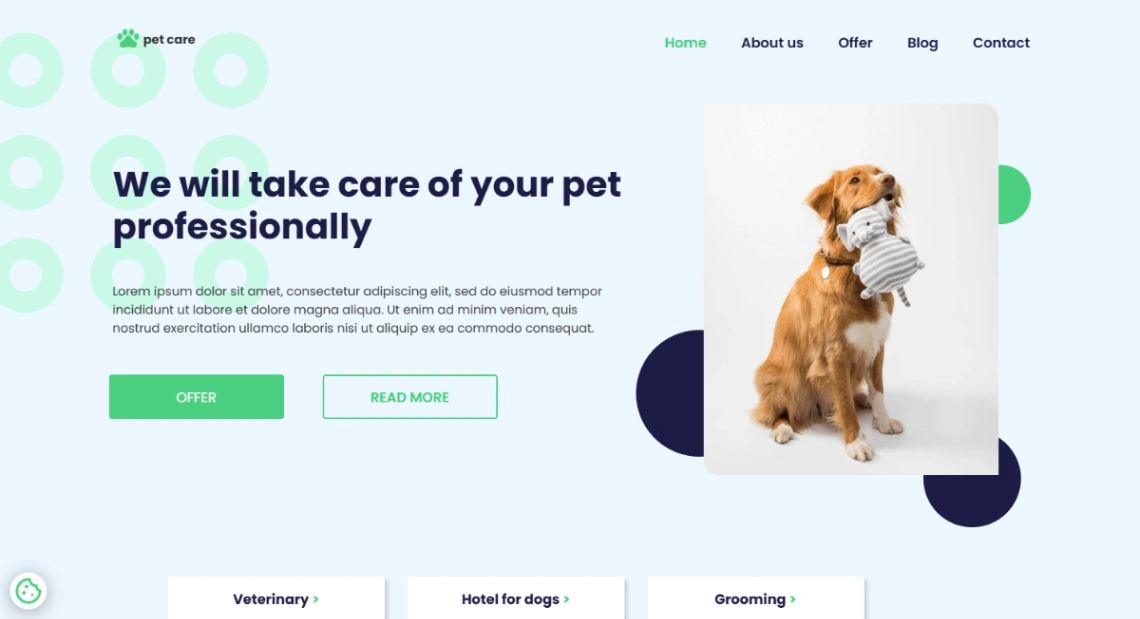
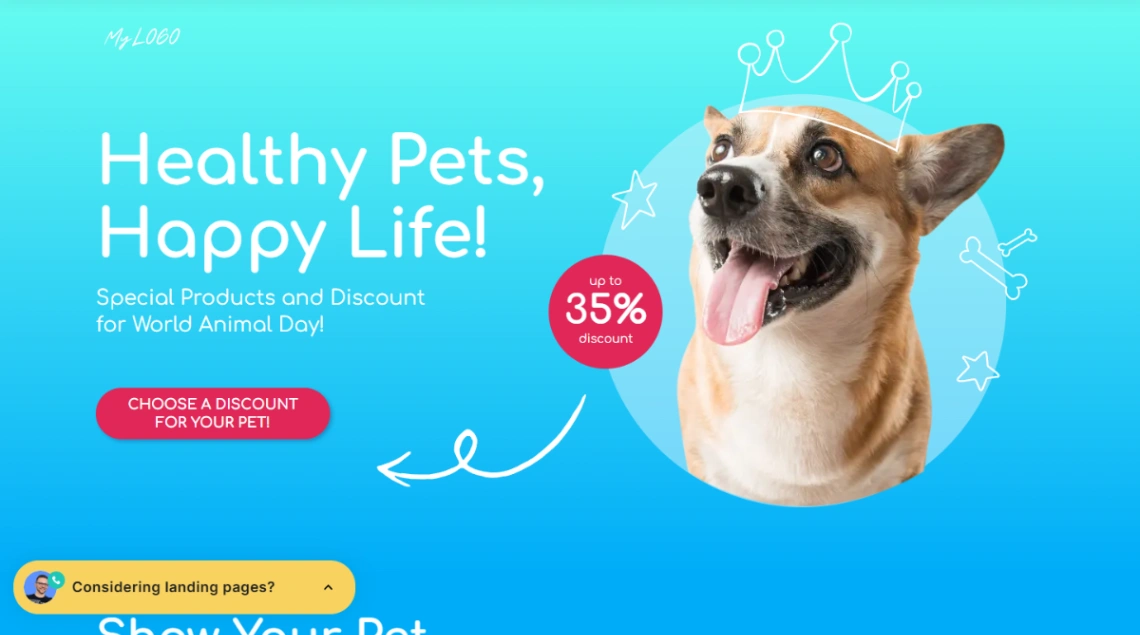
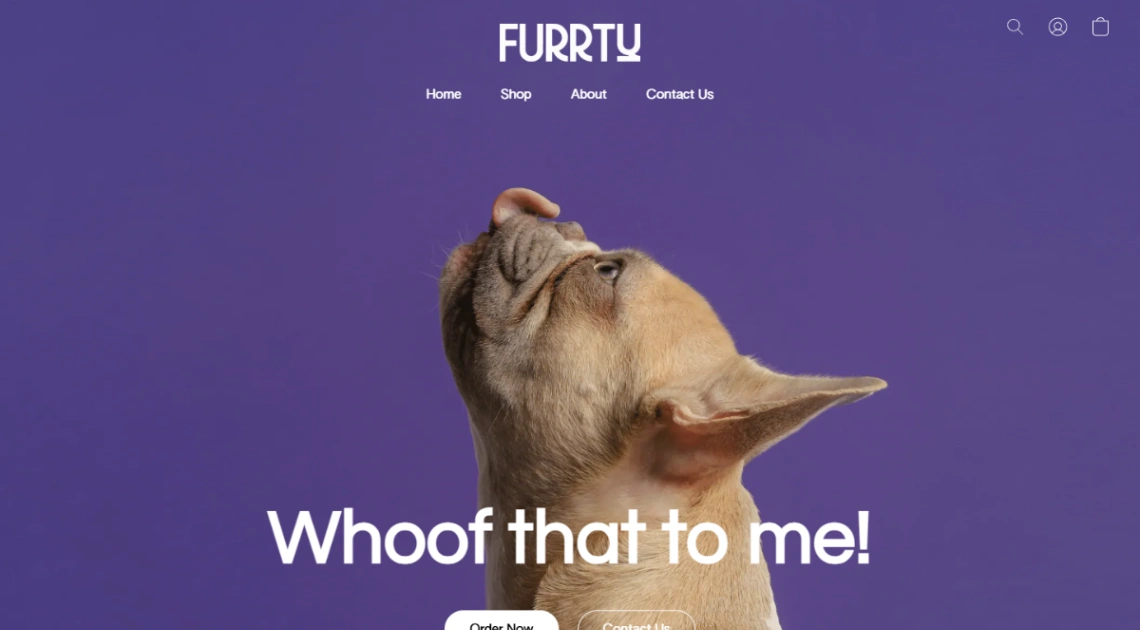
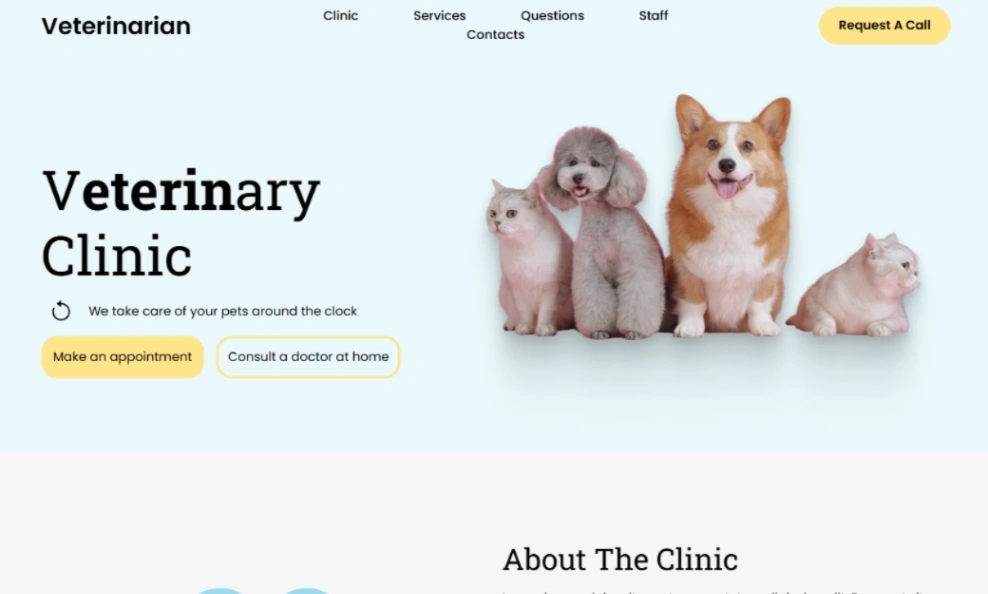
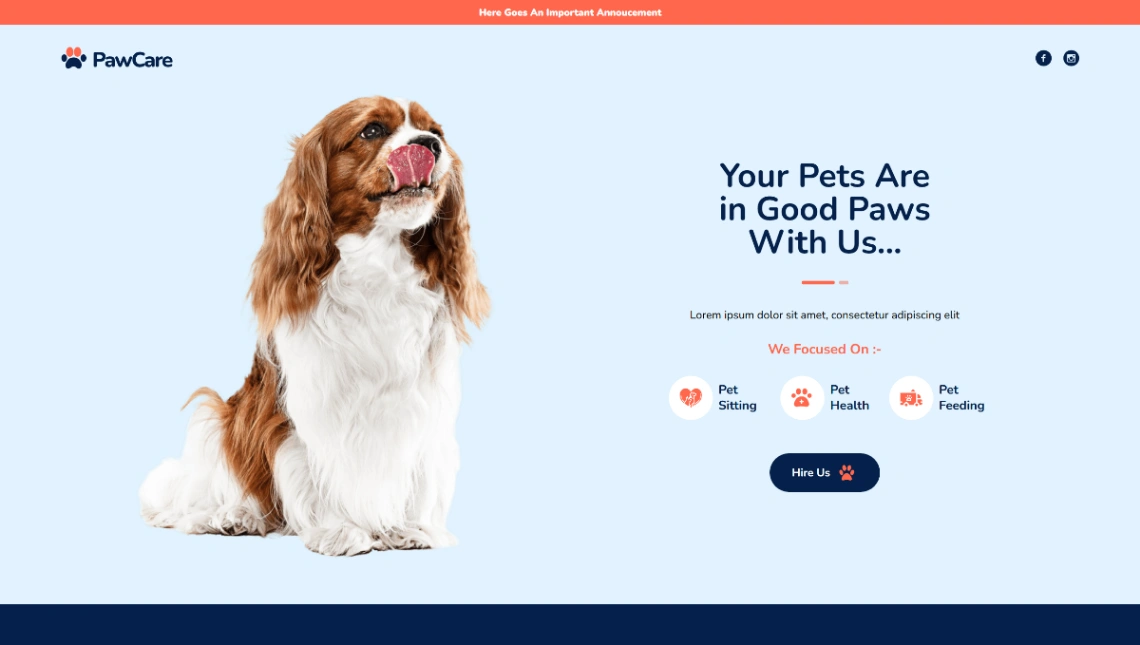
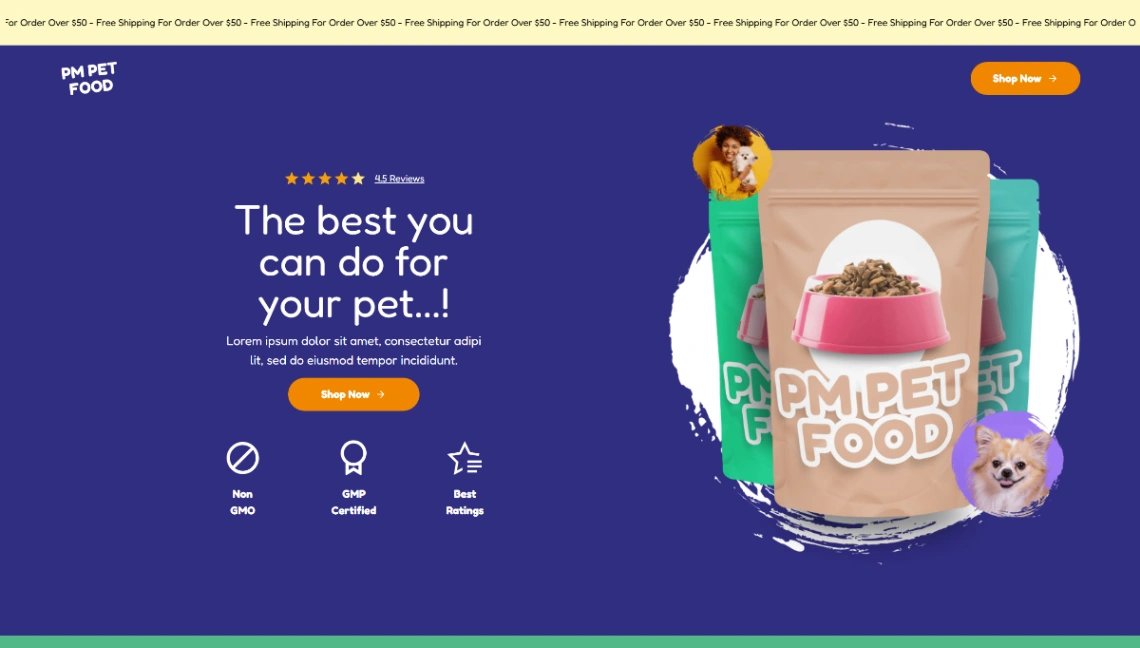
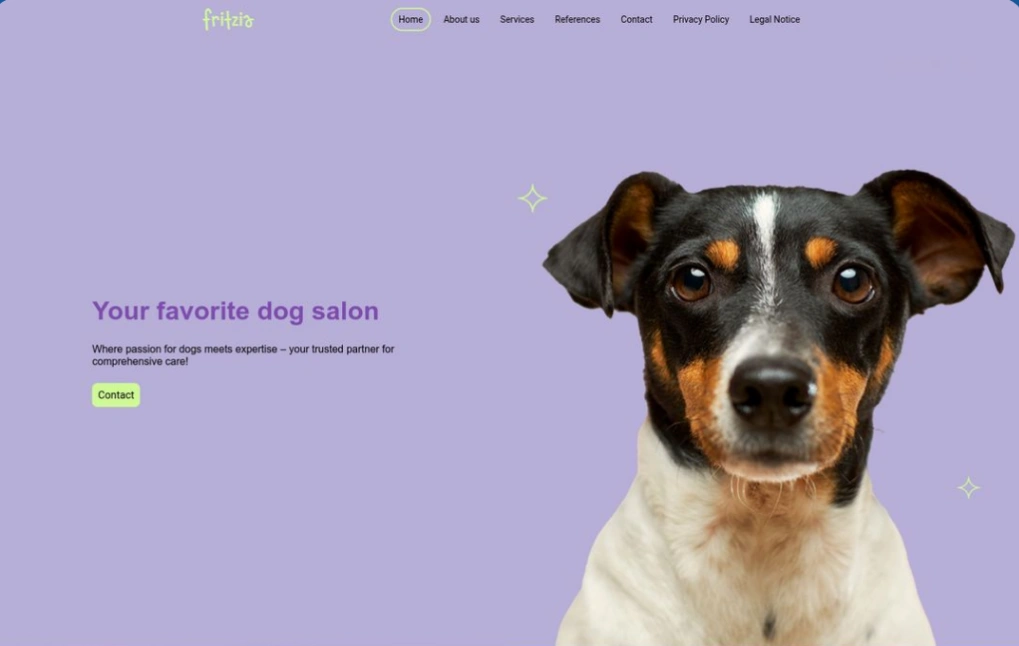
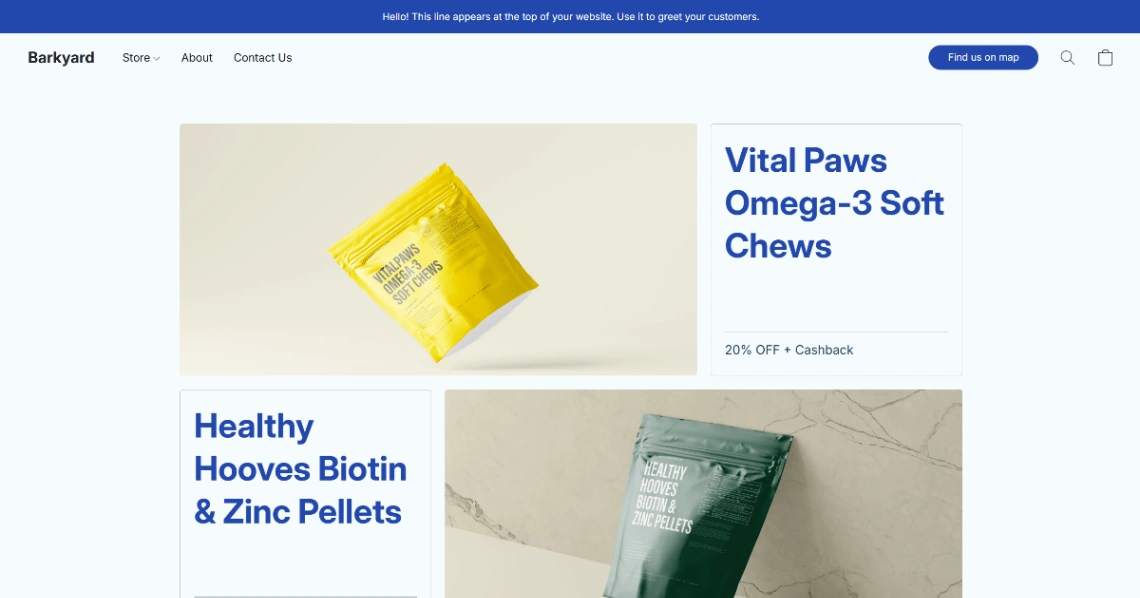
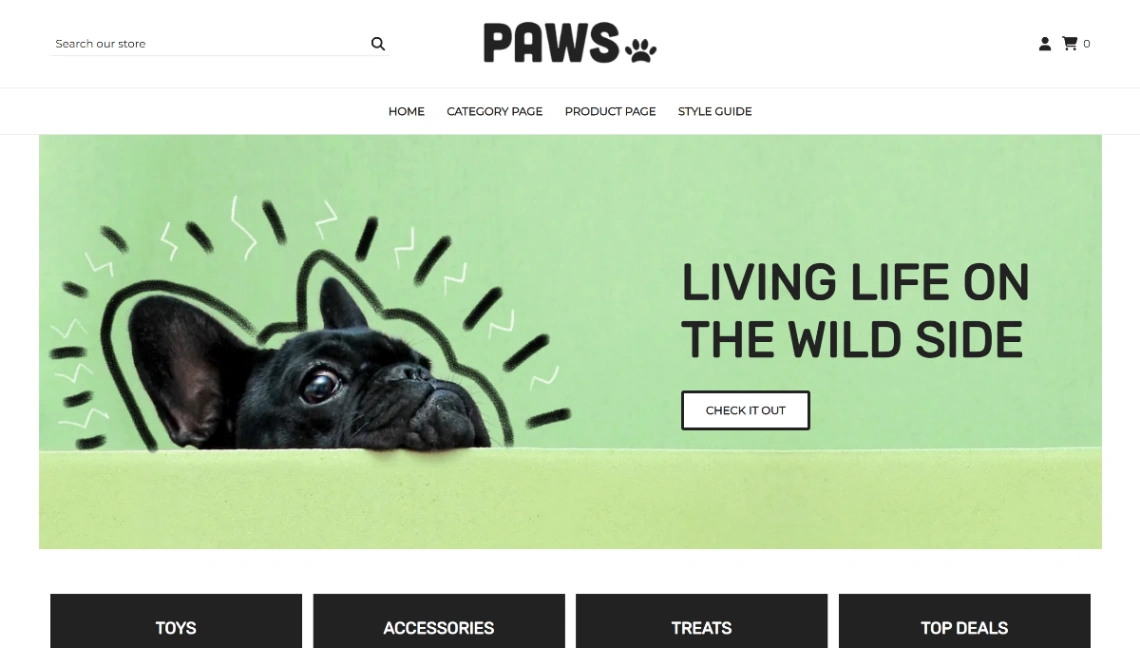
People are trusting you with family members who can't speak for themselves, and the website goes first — it's interviewed before you are. Pet owners screen hard: who handles the animals, what happens if something goes wrong, whether the dogs in the photos look happy in your space. These templates carry warmth by default; your job is loading them with the specifics that turn warmth into trust.
Build the practical trust stack where it's seen: insured and stated, requirements published (vaccinations, temperament screening — requirements reassure rather than deter, because they protect everyone's animal), and the protocol answer to the question every owner rehearses: what happens in an emergency. The named vet relationship, the incident policy, the "we call you first" — one plain paragraph here converts more anxious owners than any gallery.
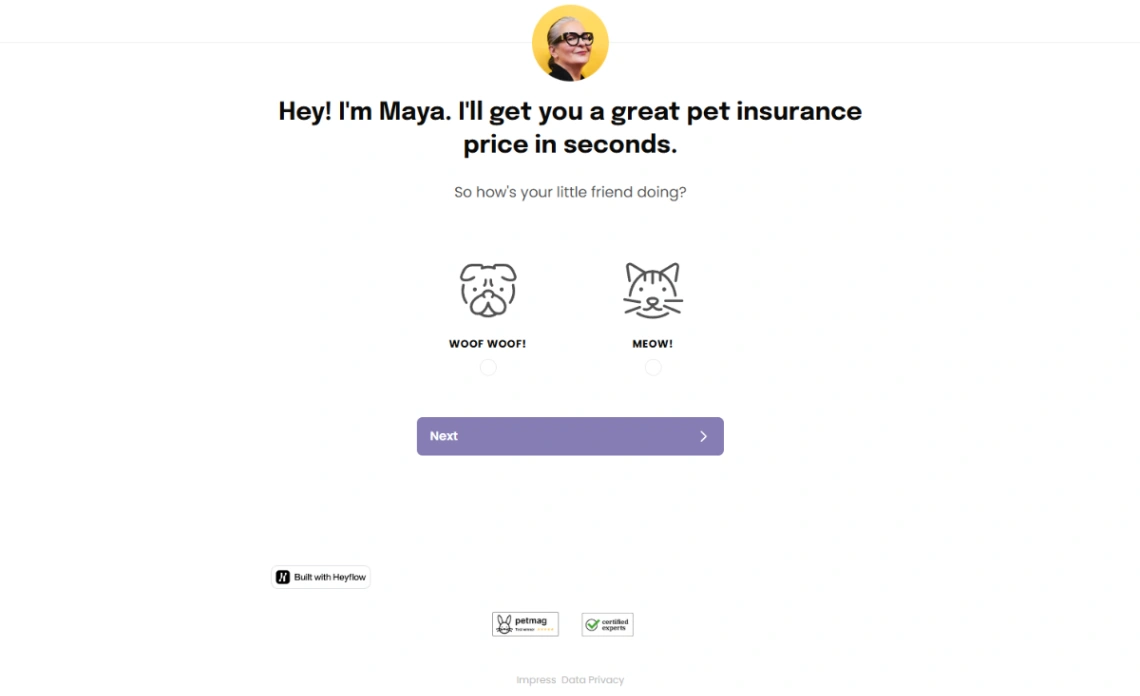
Let booking collect the pet, not just the slot. The booking-capable builders in the pinned picks pair scheduling with intake — name, breed, age, temperament notes, vaccination status — so first visits start informed and repeat bookings remember. For groomers and sitters, per-service durations and honest pricing by size or coat belong on the page; surprise pricing is this trade's fastest bad review. Booking reminders for repeat grooms quietly fill the calendar.
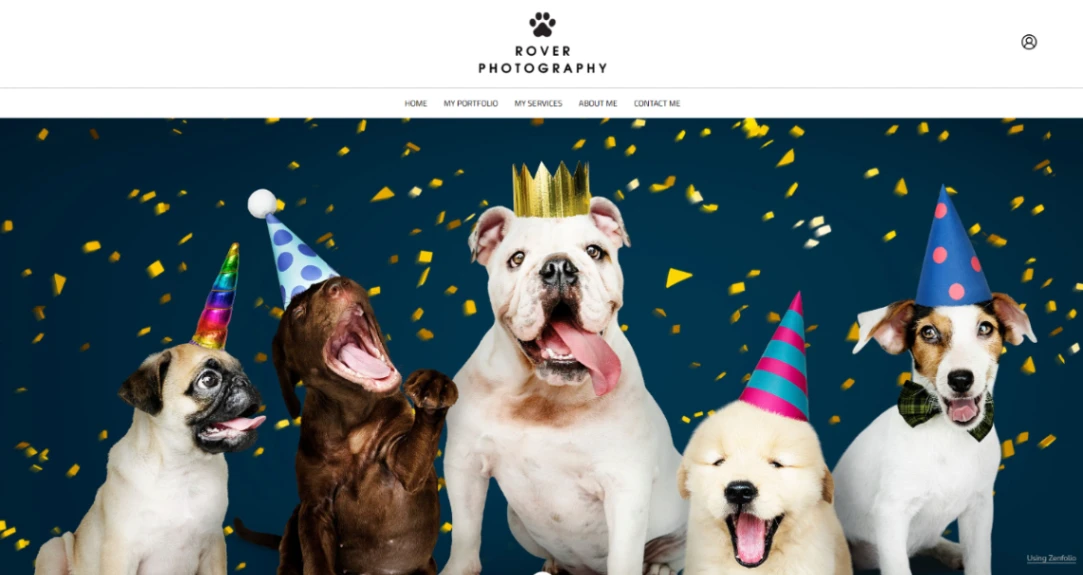
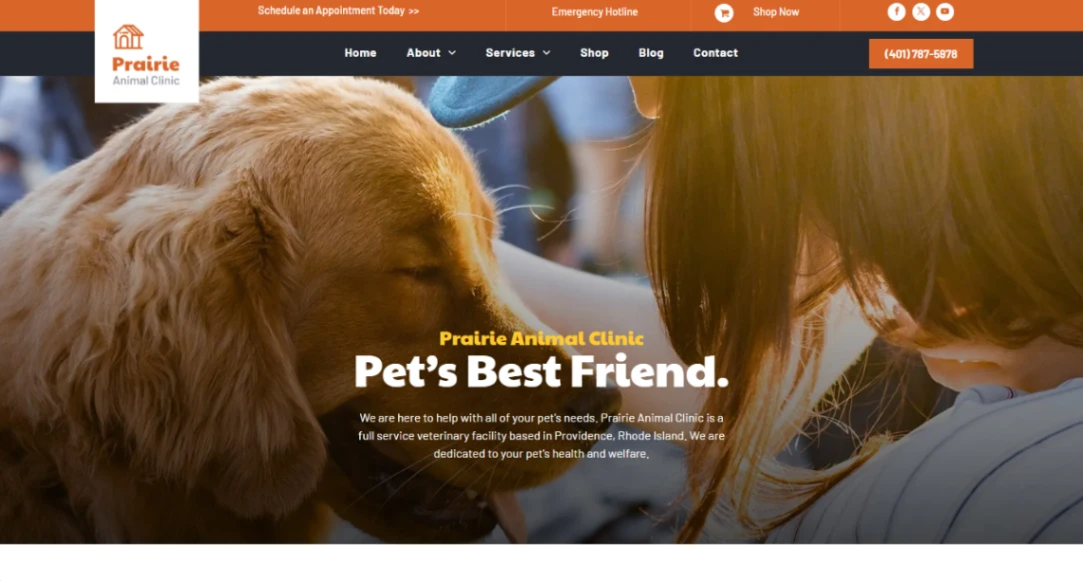
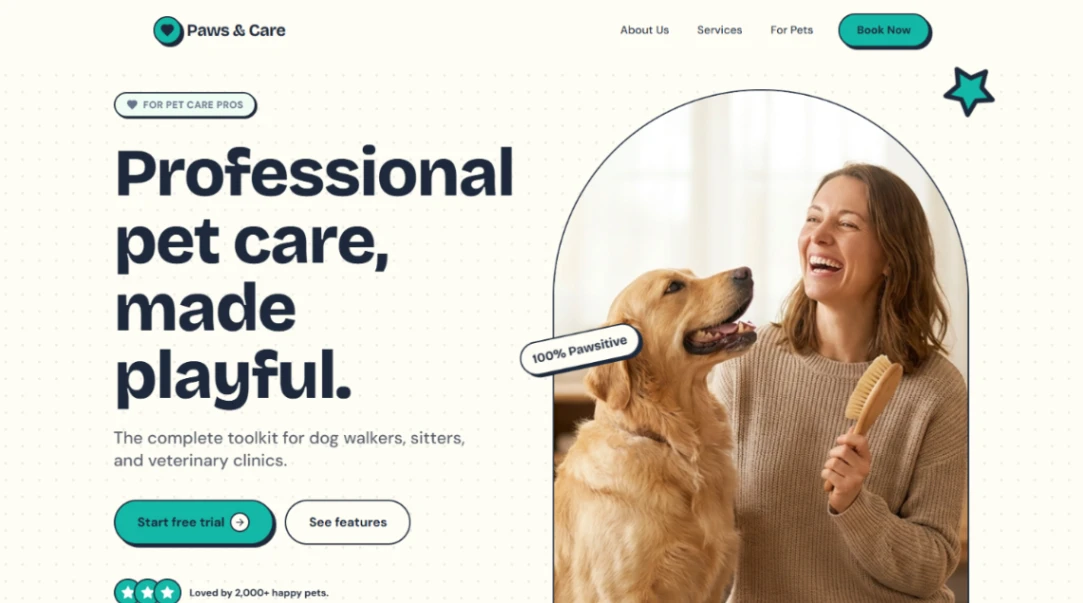
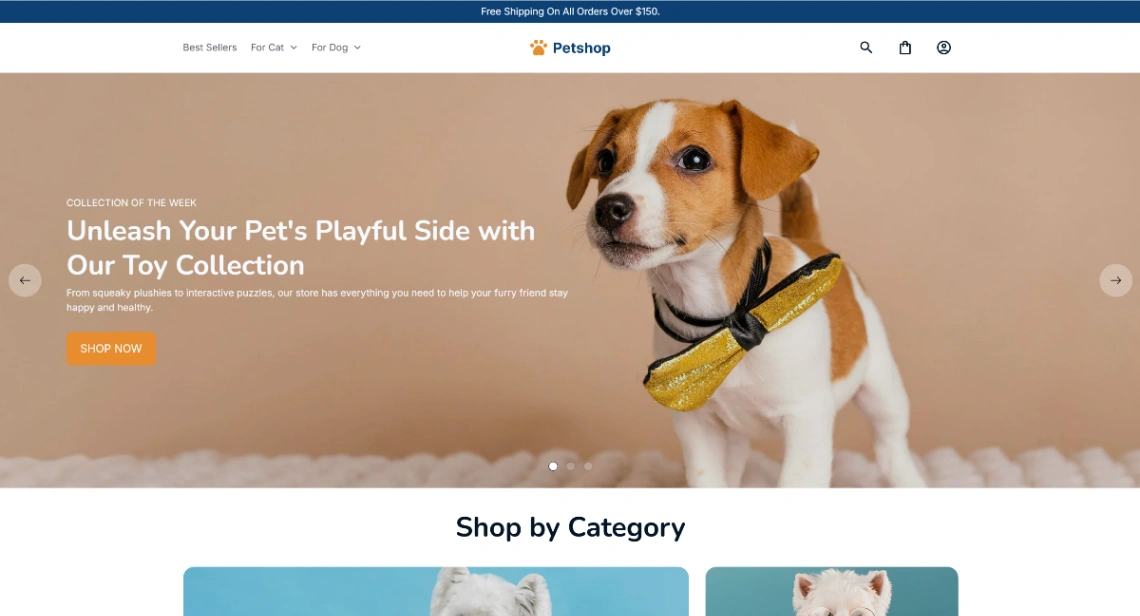
And shoot your own animals-in-care (with owner permission), because pet owners are the one audience that instantly spots a borrowed dog. Real animals in your real space, mid-service, looking like themselves — that's the marketing. The stock golden retriever convinces no one who owns an actual dog.
FAQ