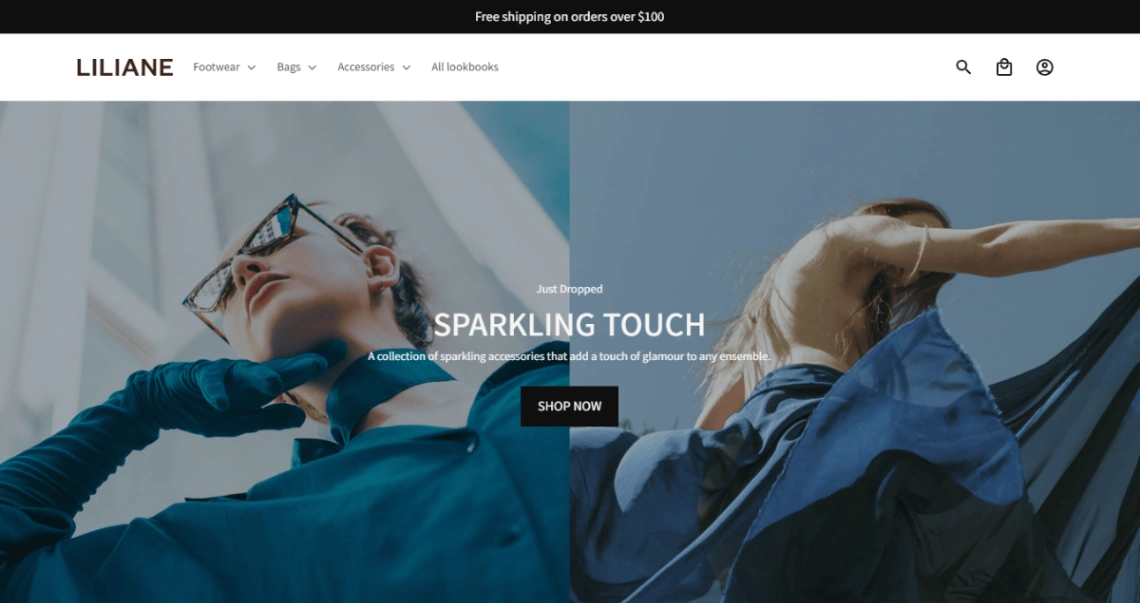
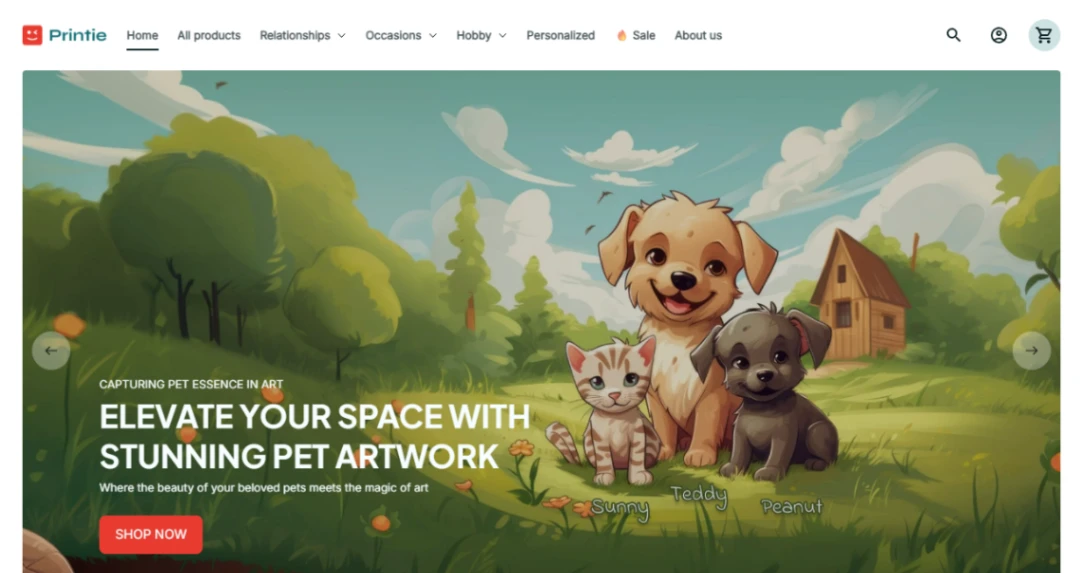
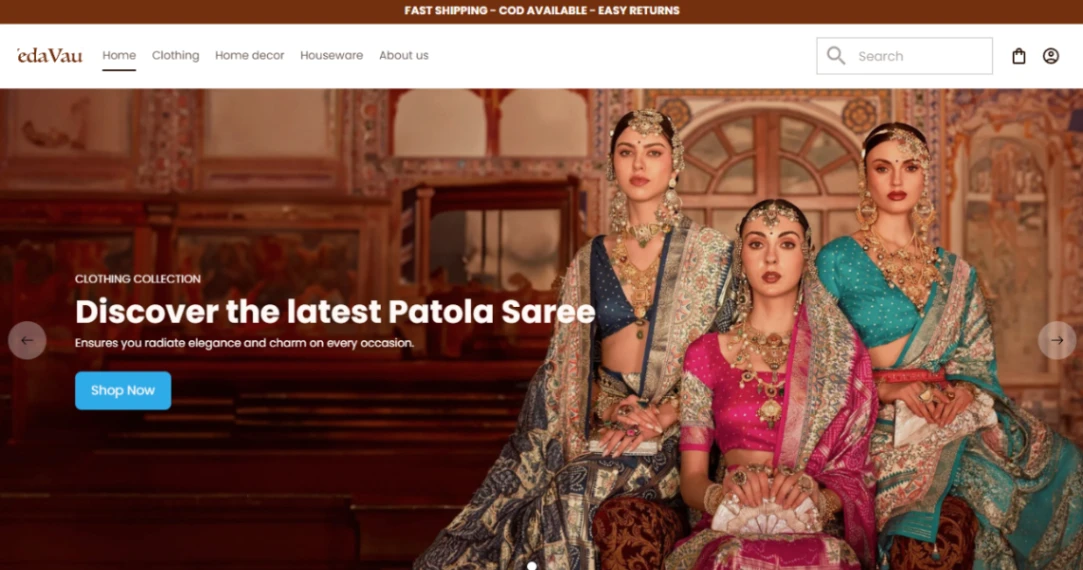
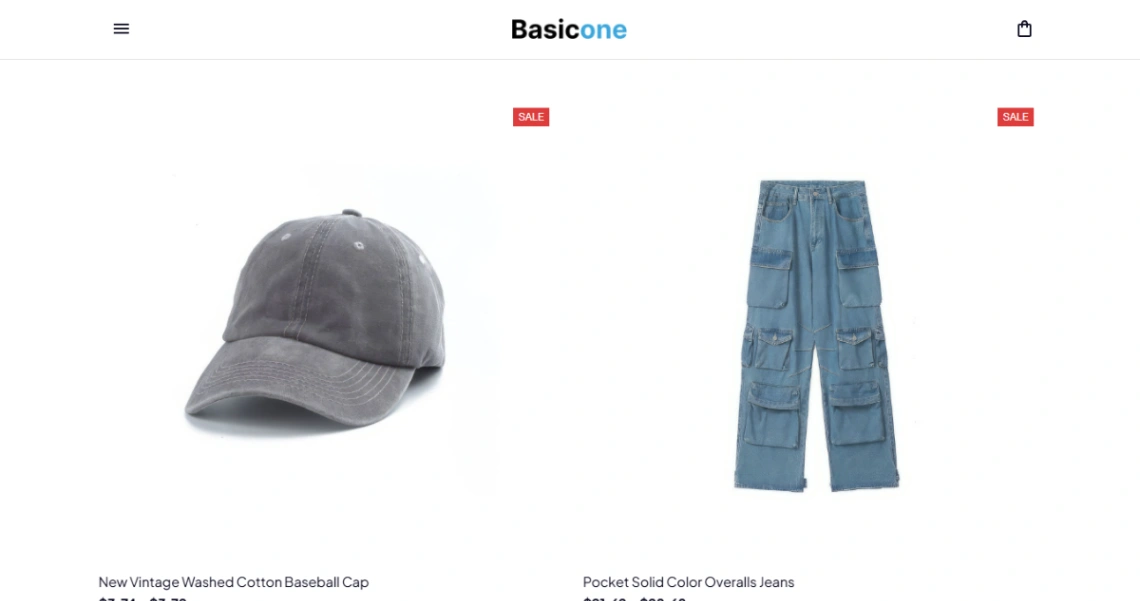



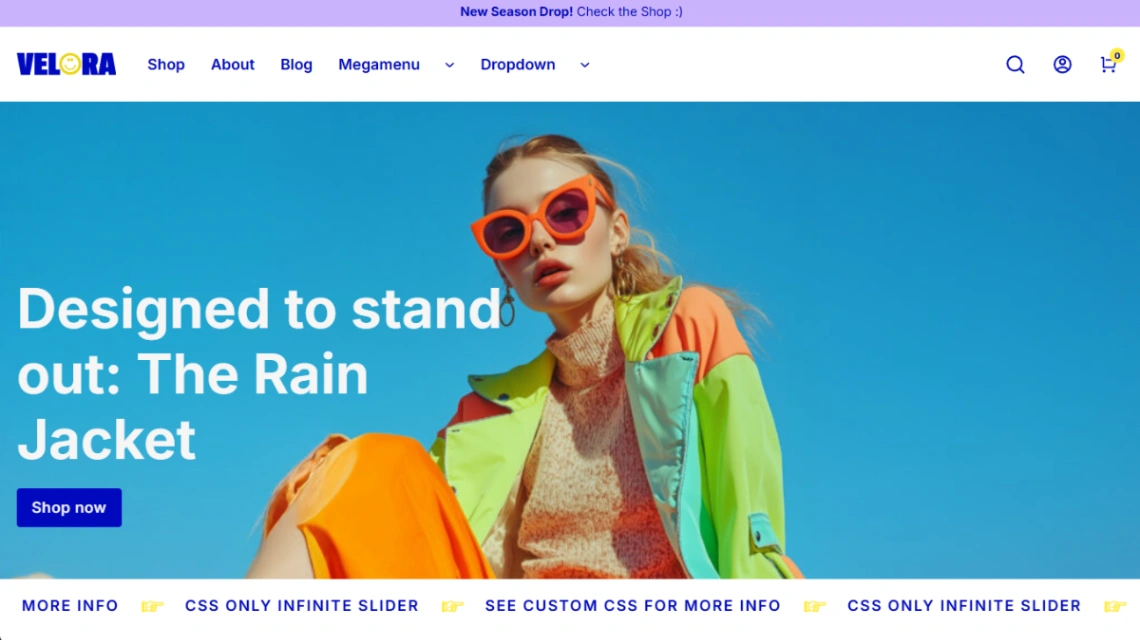
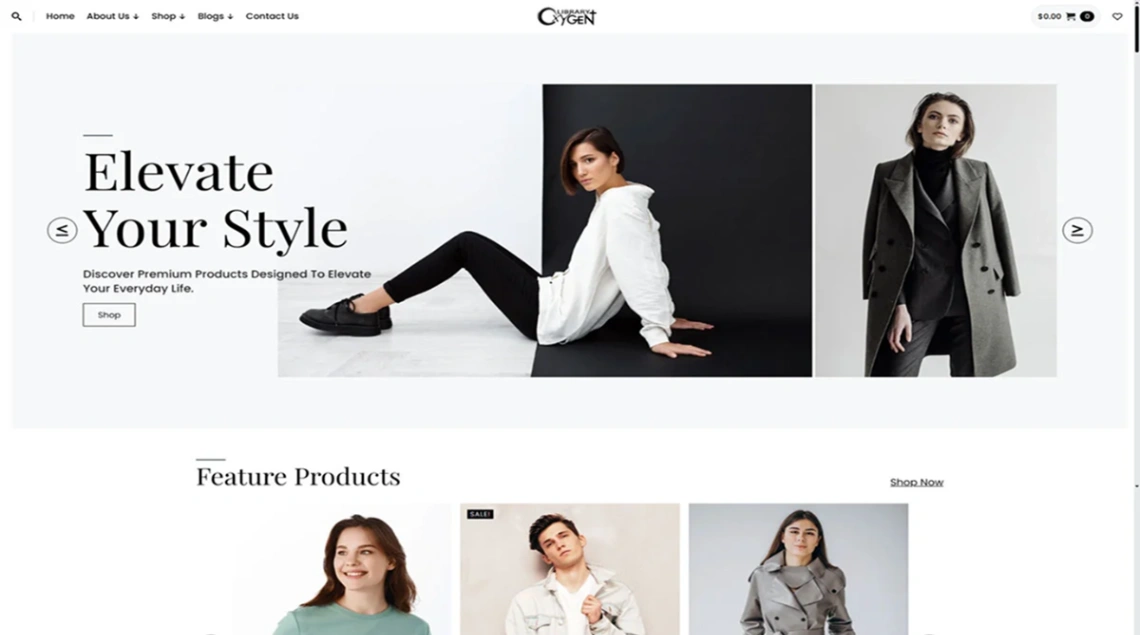
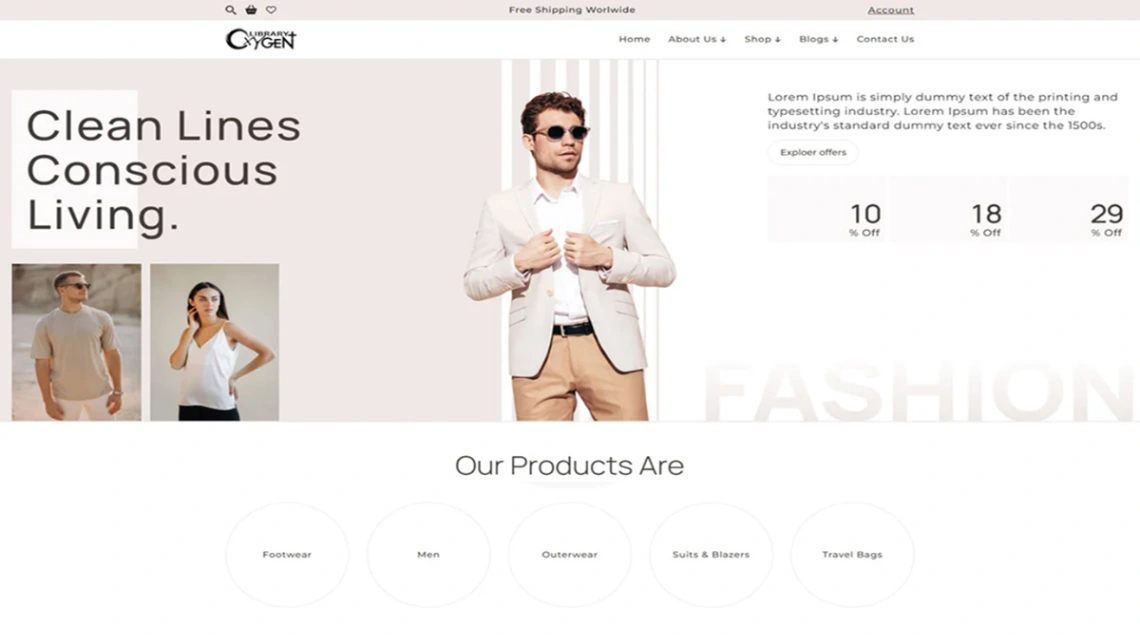
Classic Shop
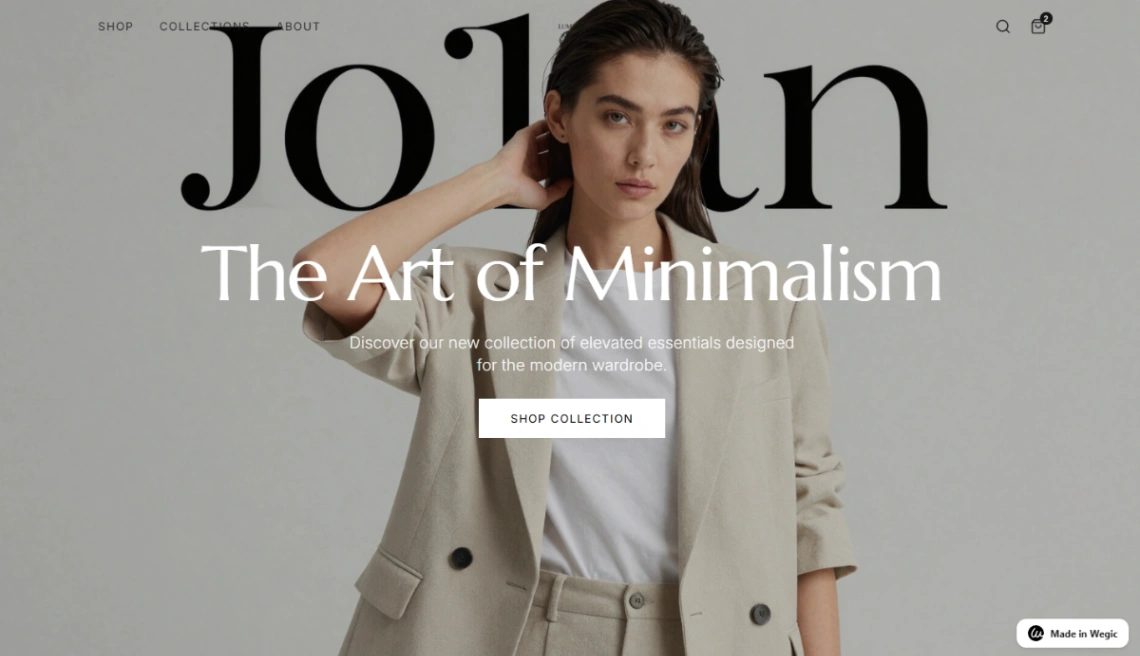

Buyer's guide
How to choose a clothing template
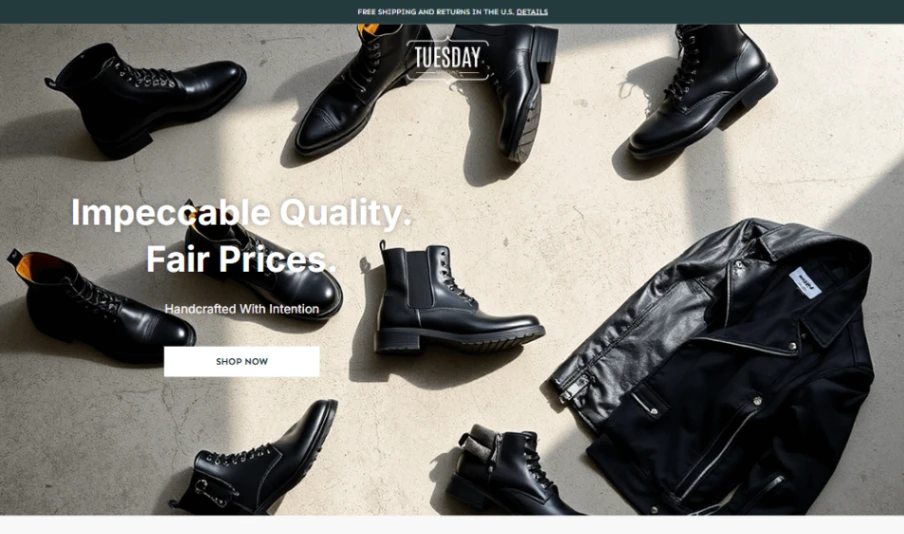
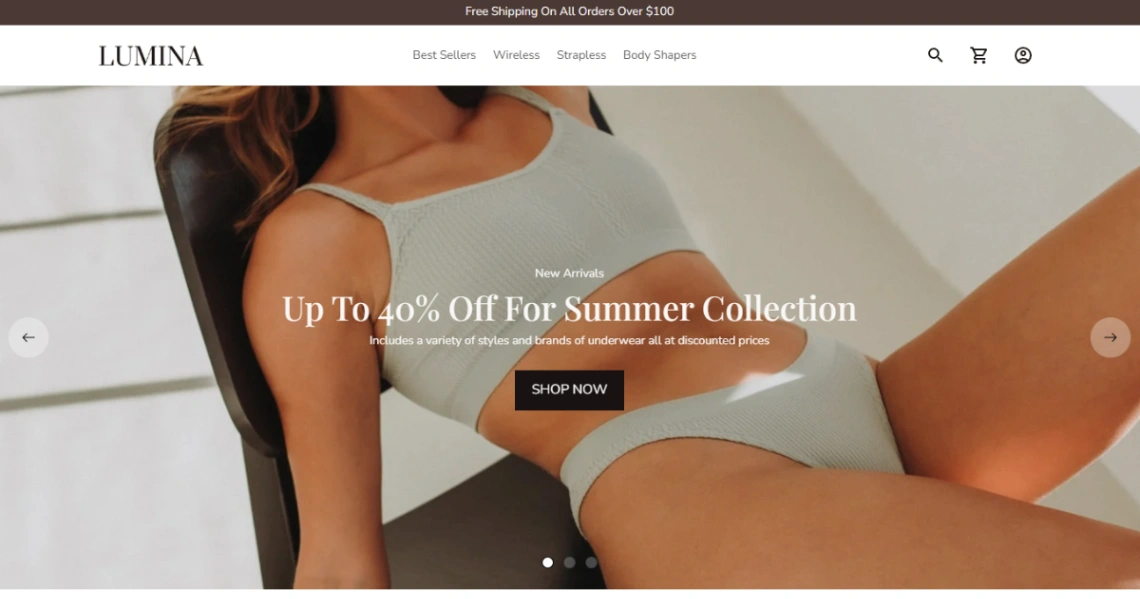
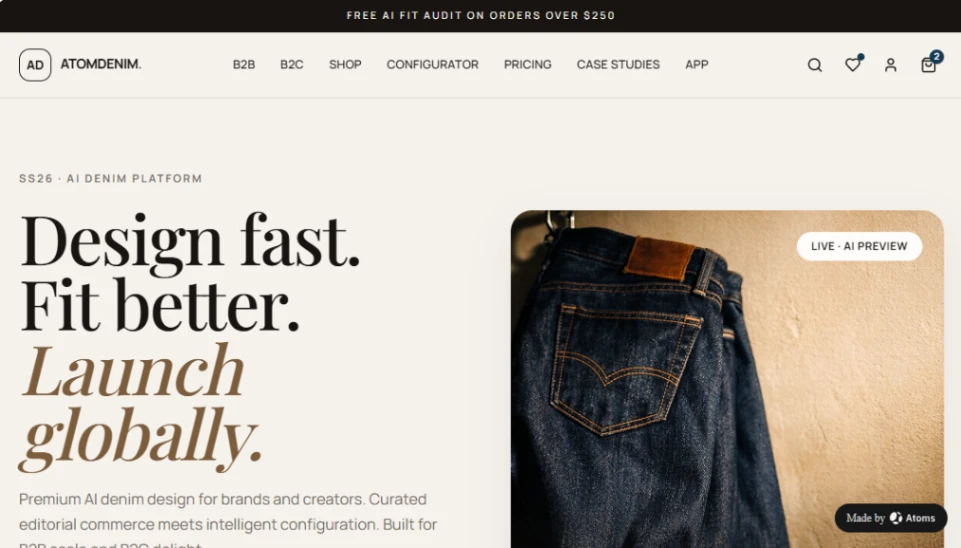
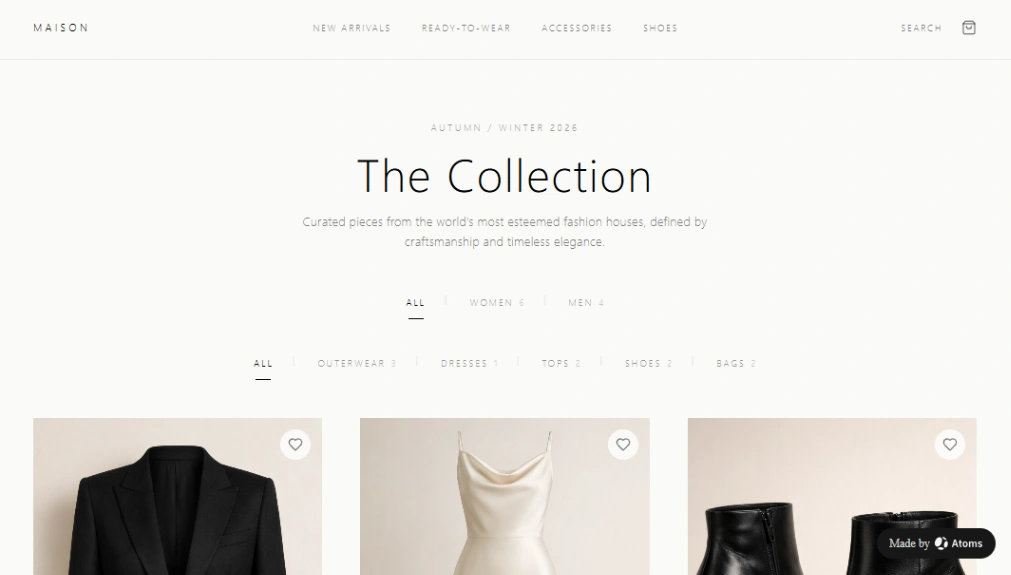
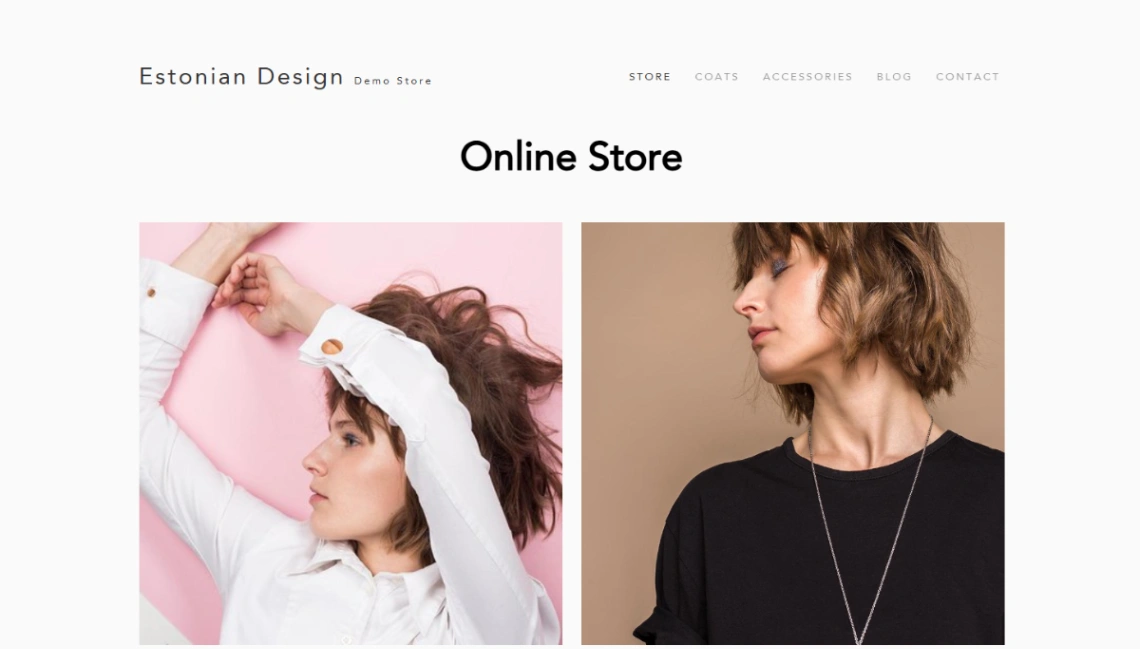
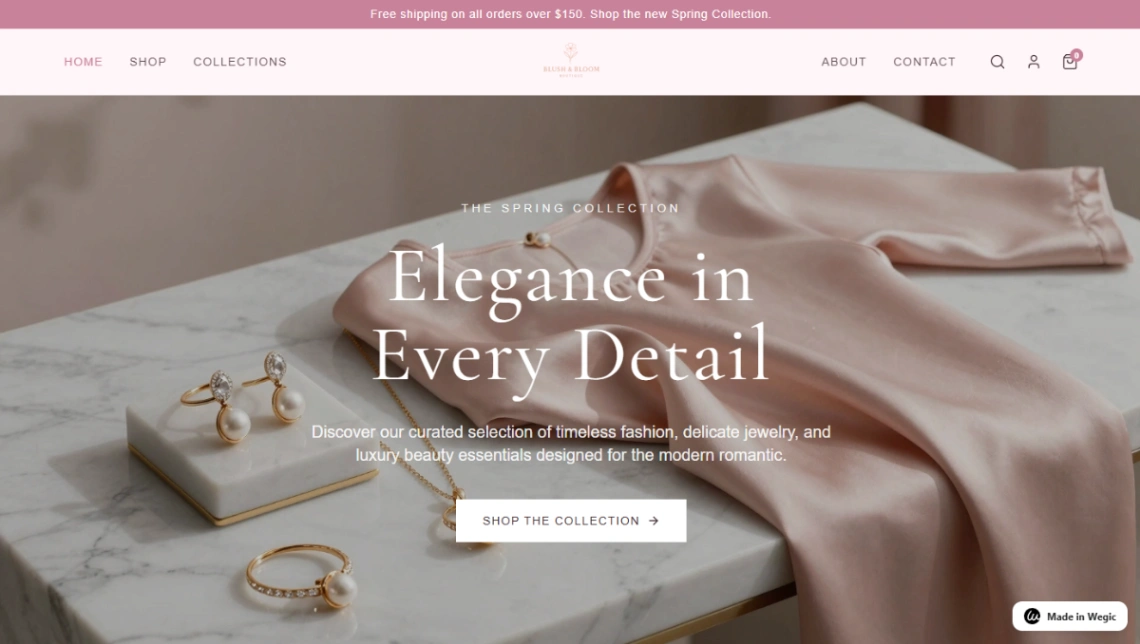
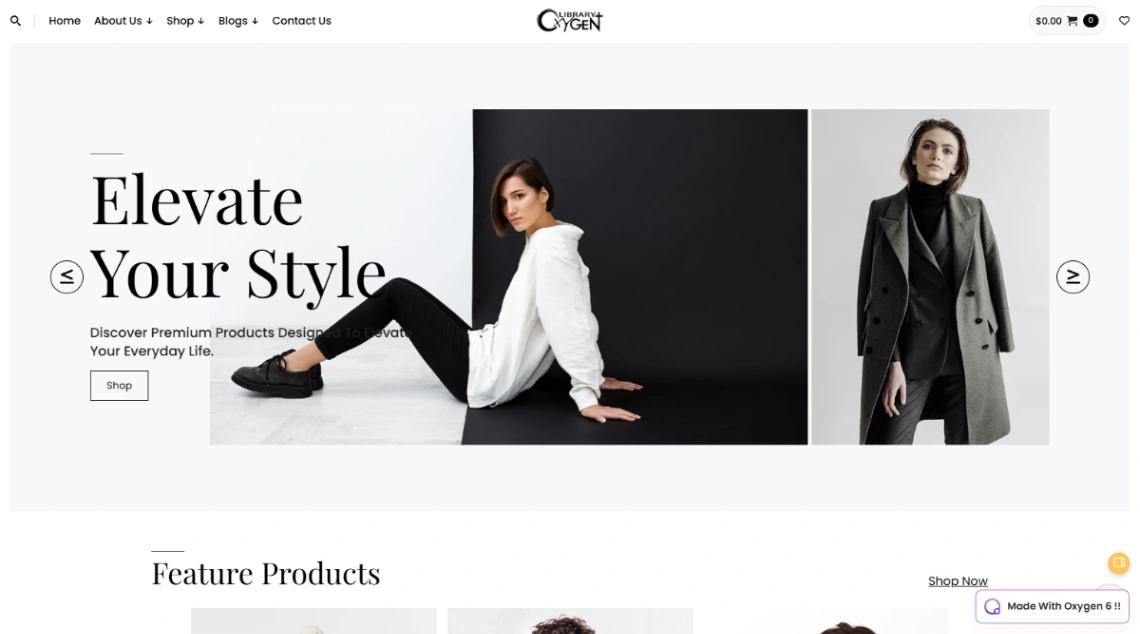
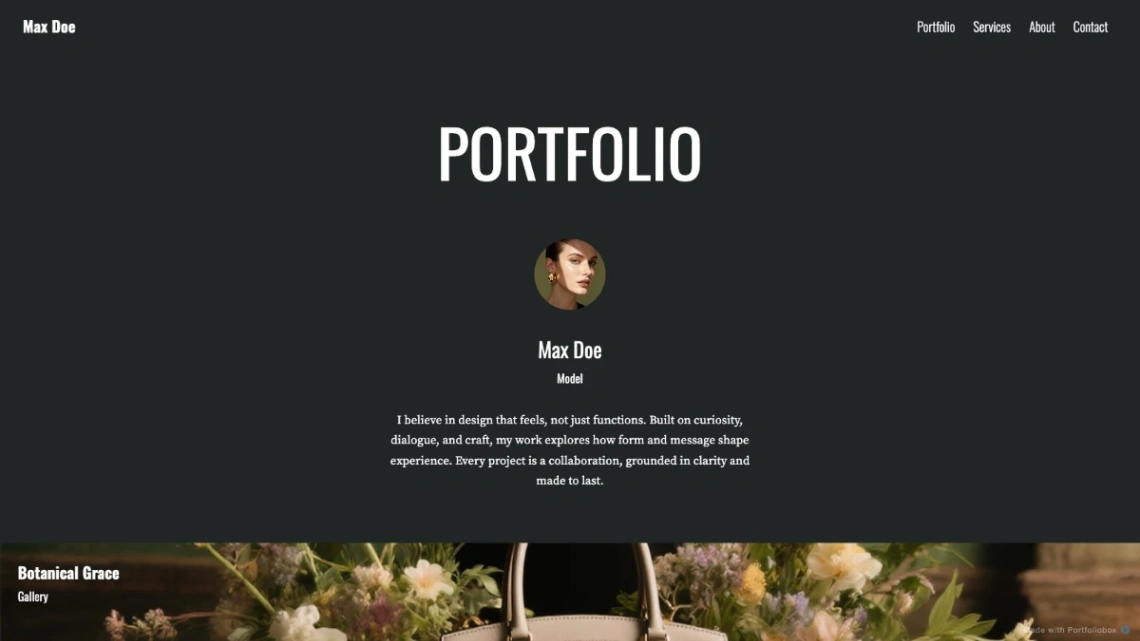
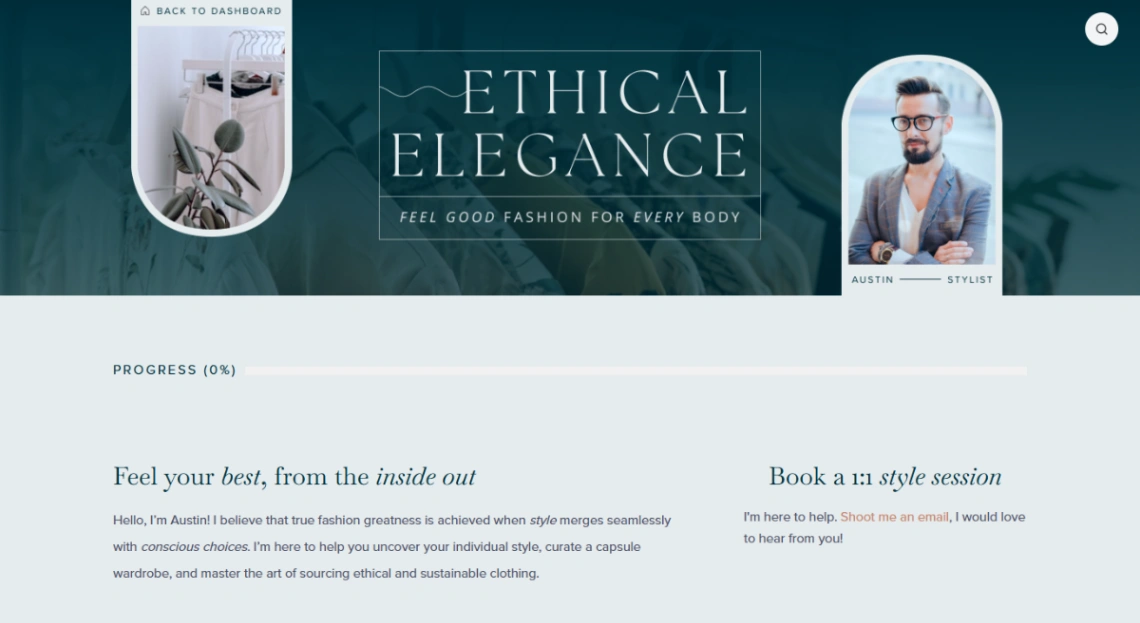
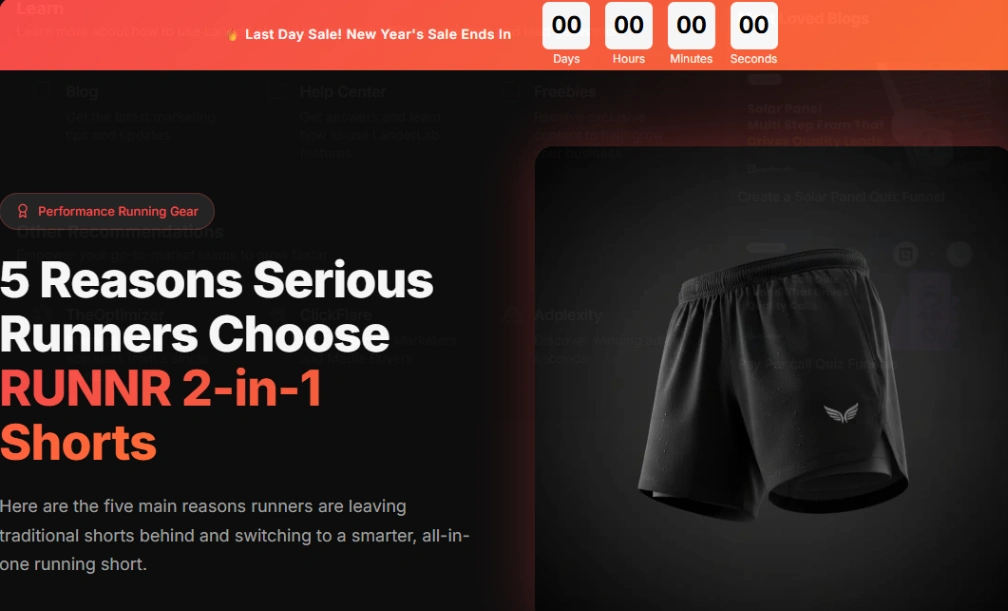
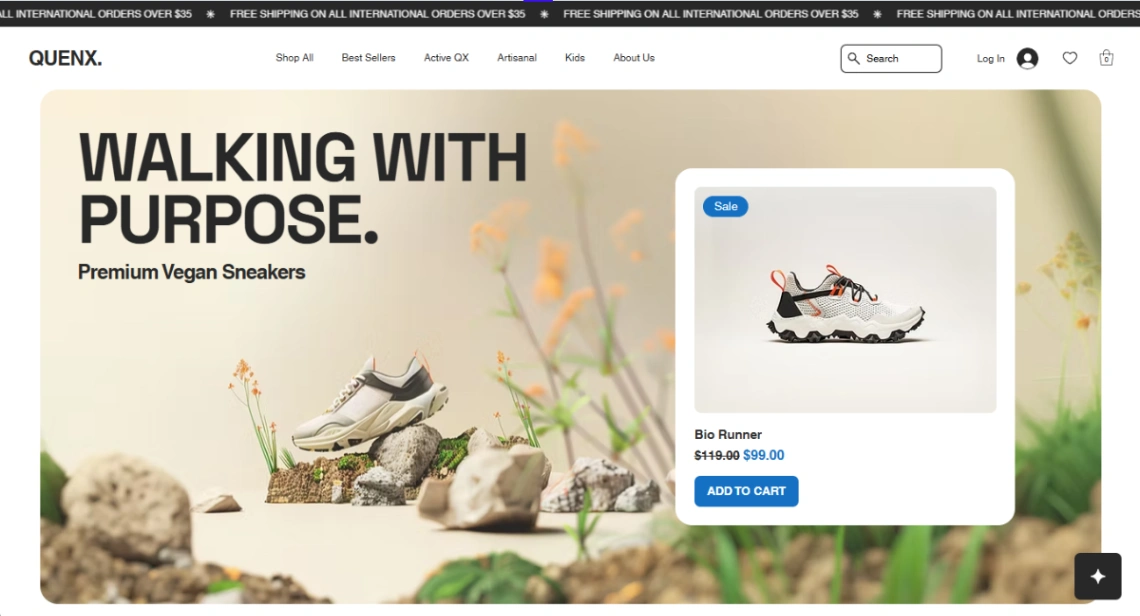
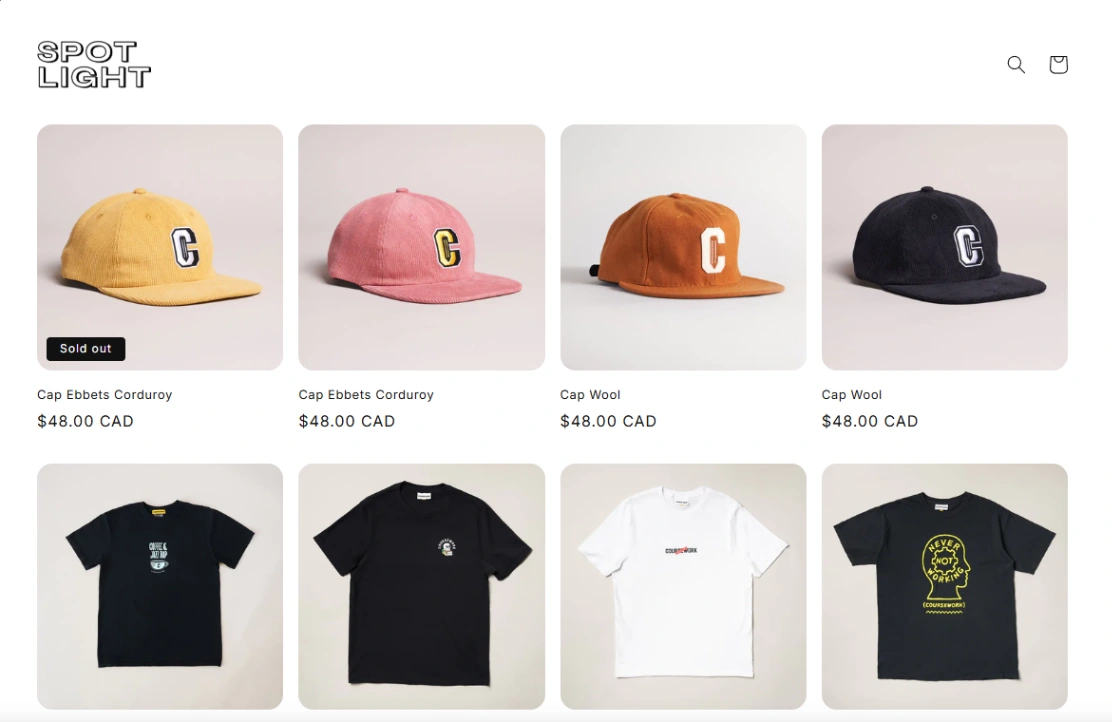
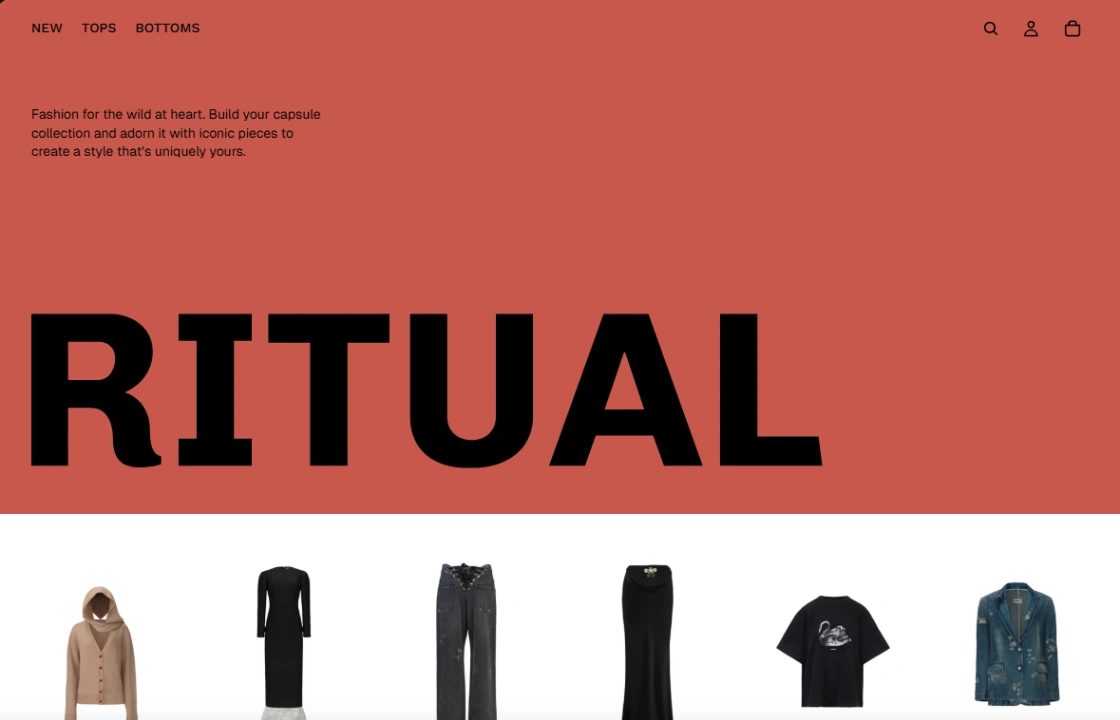
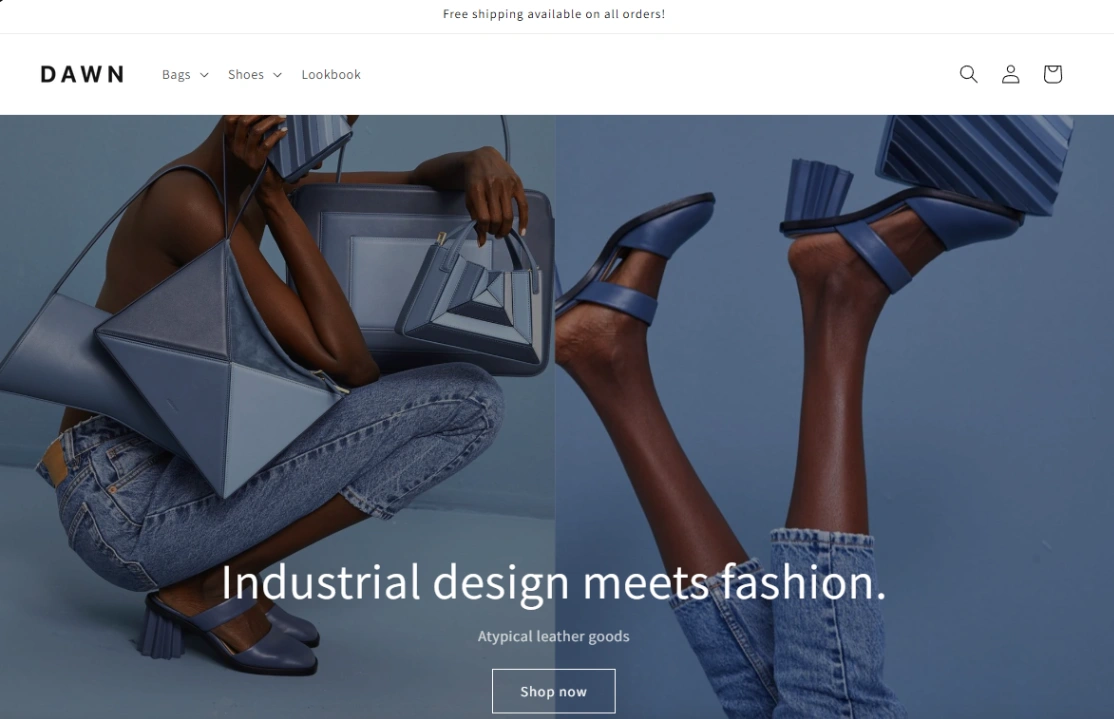
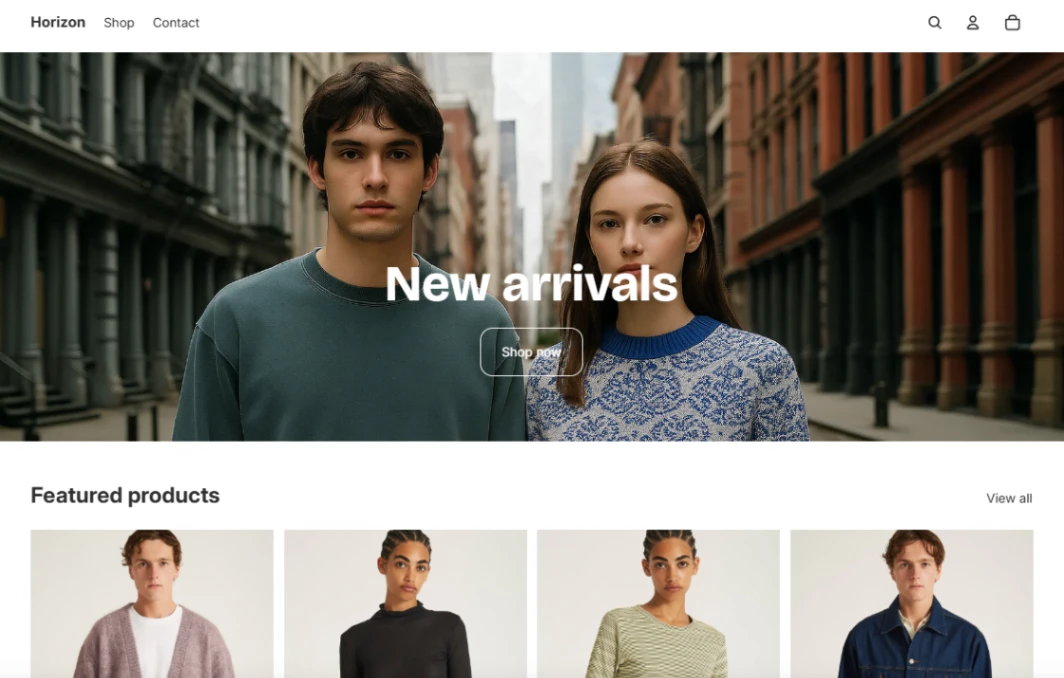
Every clothing return began as a doubt the product page failed to answer — too small? too sheer? nothing like the photo? — so build the shop backwards from those doubts. This collection's storefronts all take payment competently; they differ in how much fit-confidence machinery they carry, and that machinery is the margin, because in clothing the return rate is the business model's quiet variable.
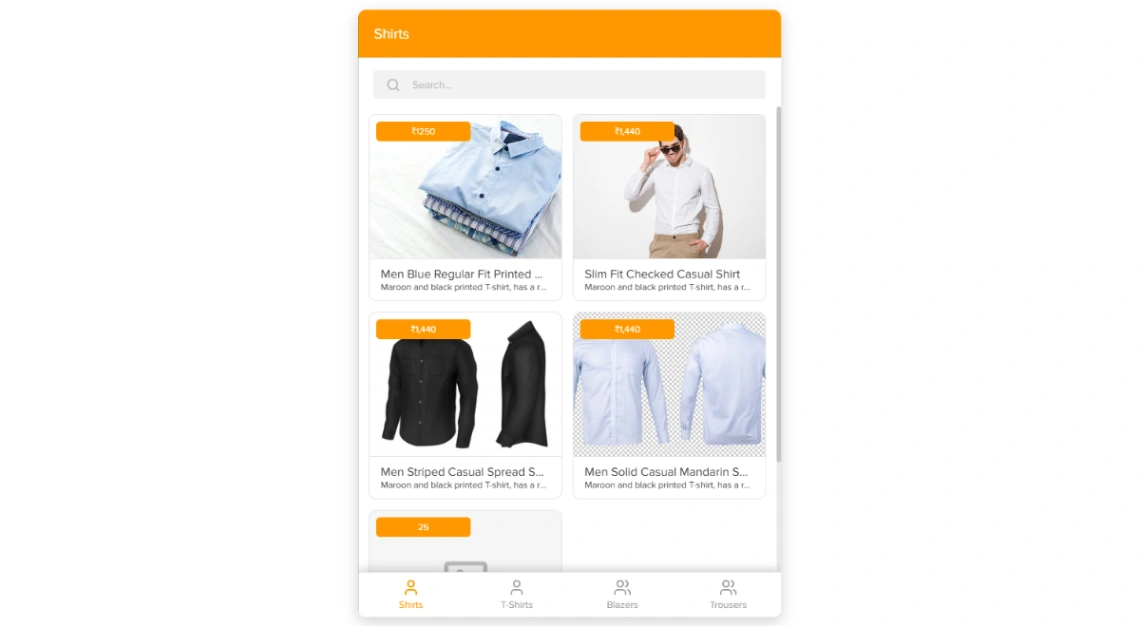
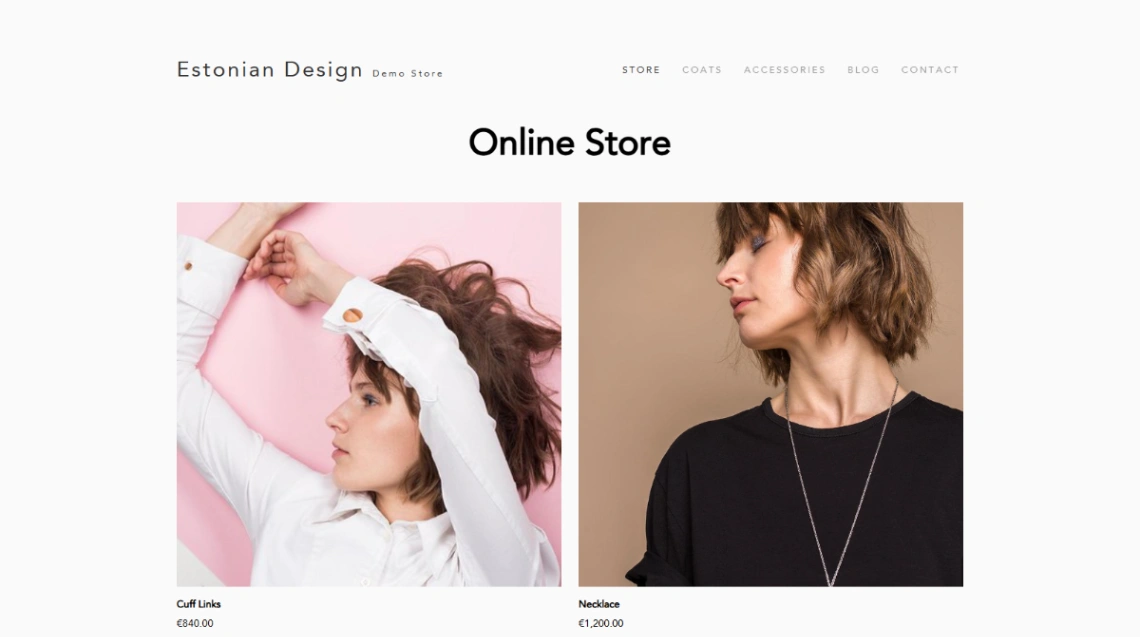
Fit confidence is specific and unglamorous: a size chart in centimeters and inches on every product (not a generic page three clicks away), garment measurements beside body measurements, the model's size and height stated, and — the single highest-payoff upgrade — the same piece shown on more than one body. Templates with structured size-chart and variant blocks, pinned above, make this routine instead of heroic.
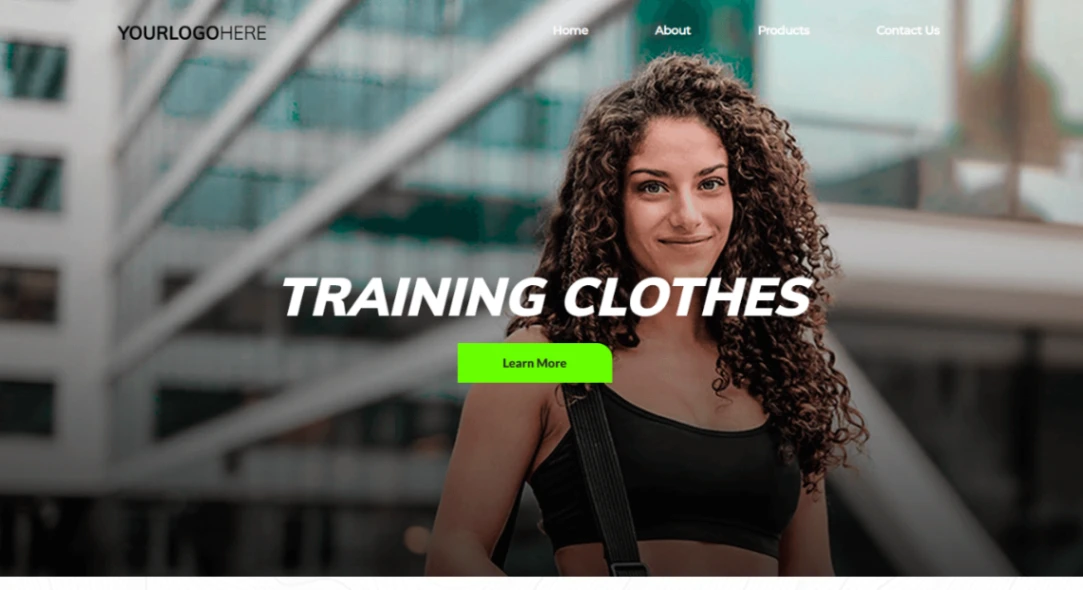
Photograph for questions, not just desire: the fabric close enough to judge weight, the fit from the angles people worry about, the true color in honest light. Then let reviews answer the question photos can't — "runs small, size up" from a stranger converts better than anything you could write, so choose templates whose review blocks capture fit feedback, not just stars.
And publish the returns policy like a feature, because it is one: plain terms, visible from every product page, honored without friction. Confident returns raise conversion more than they raise returns — the doubt they remove is the same doubt that abandons carts. A boutique that makes coming back easy is one people order from twice — and that second order is where boutiques become businesses.
FAQ