







Buyer's guide
How to choose a conference template
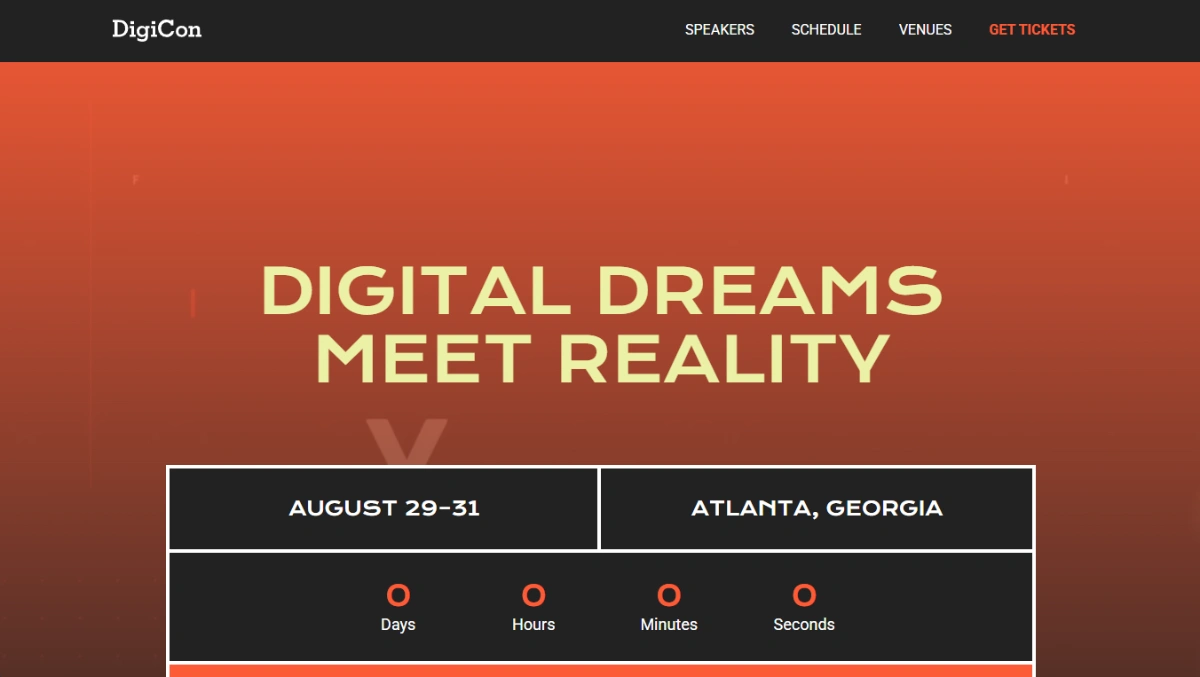
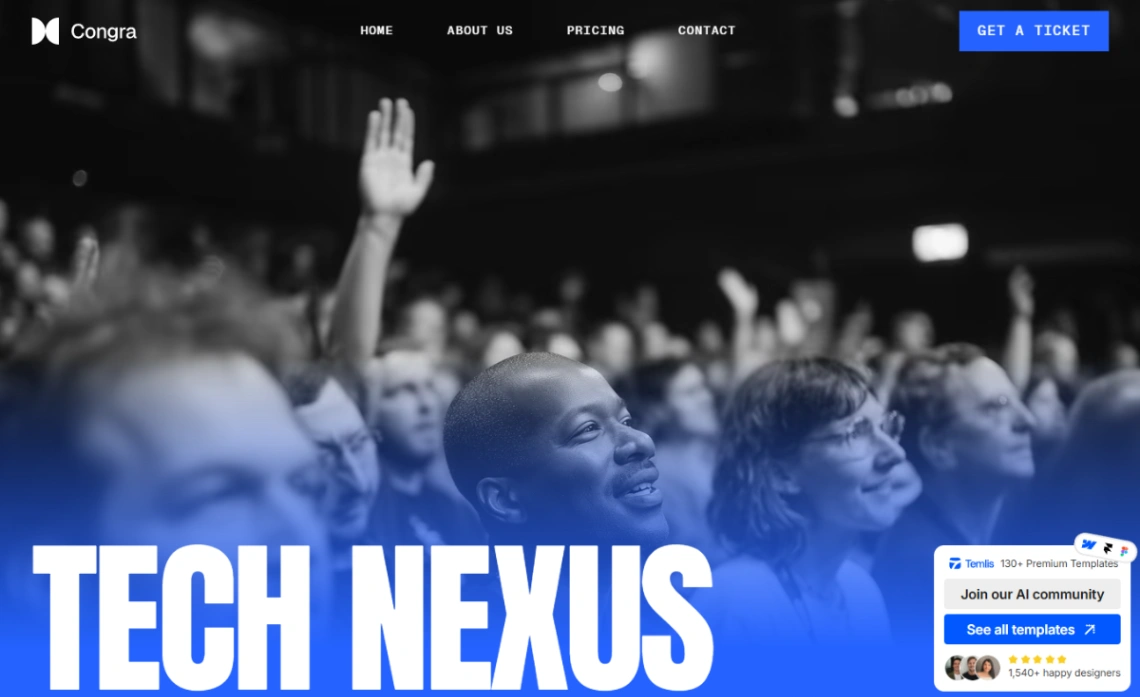
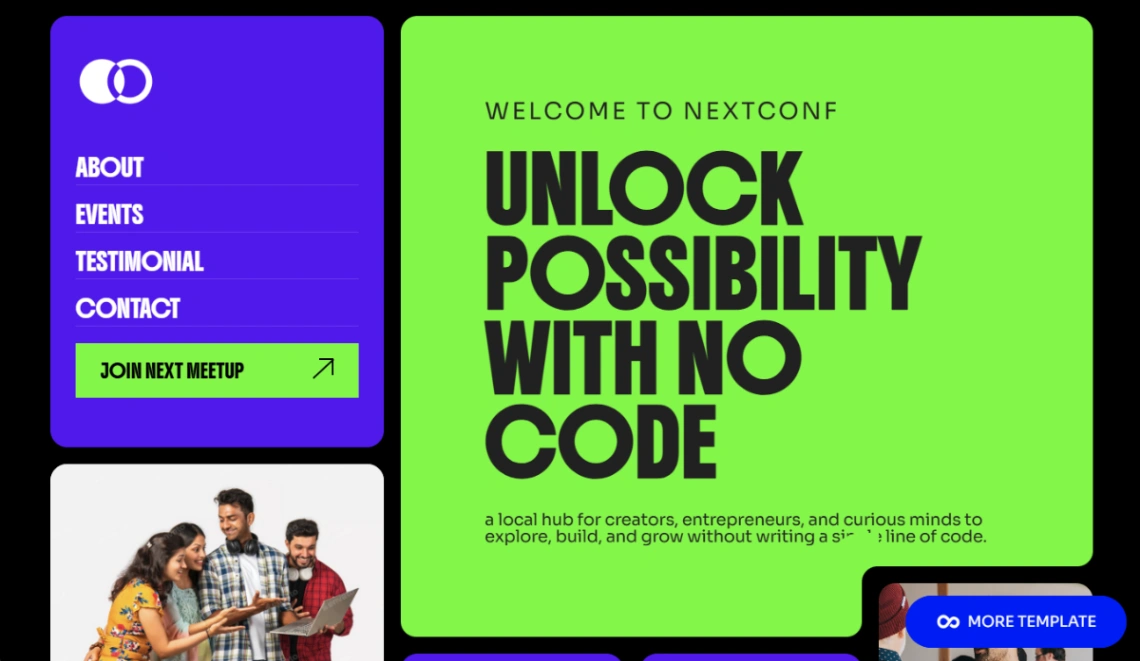
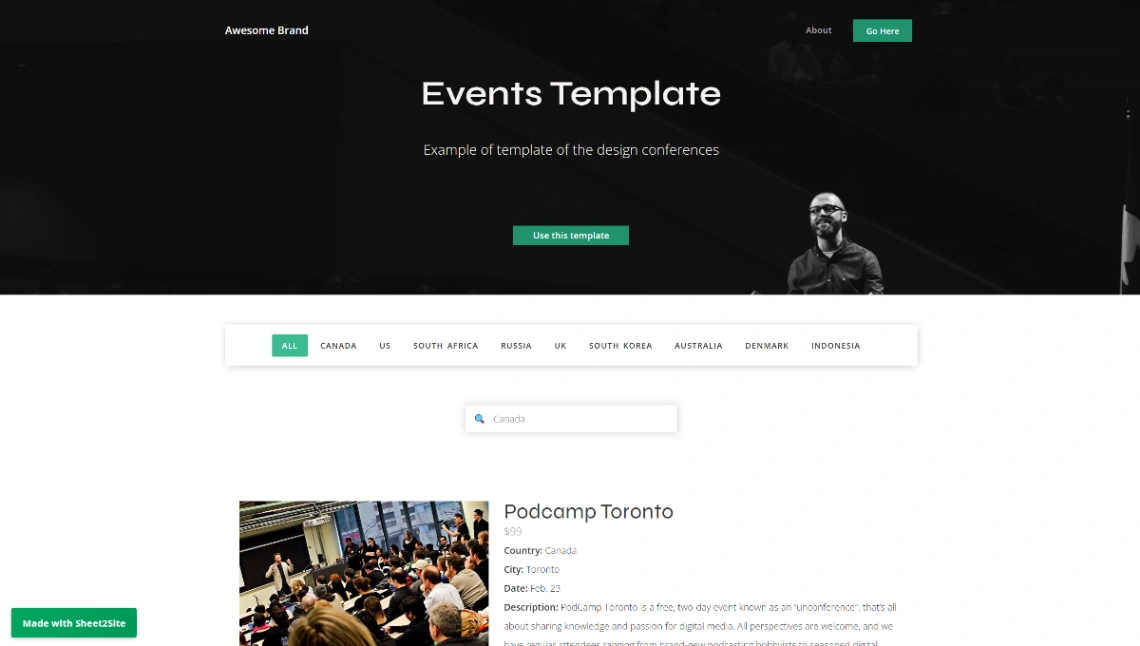
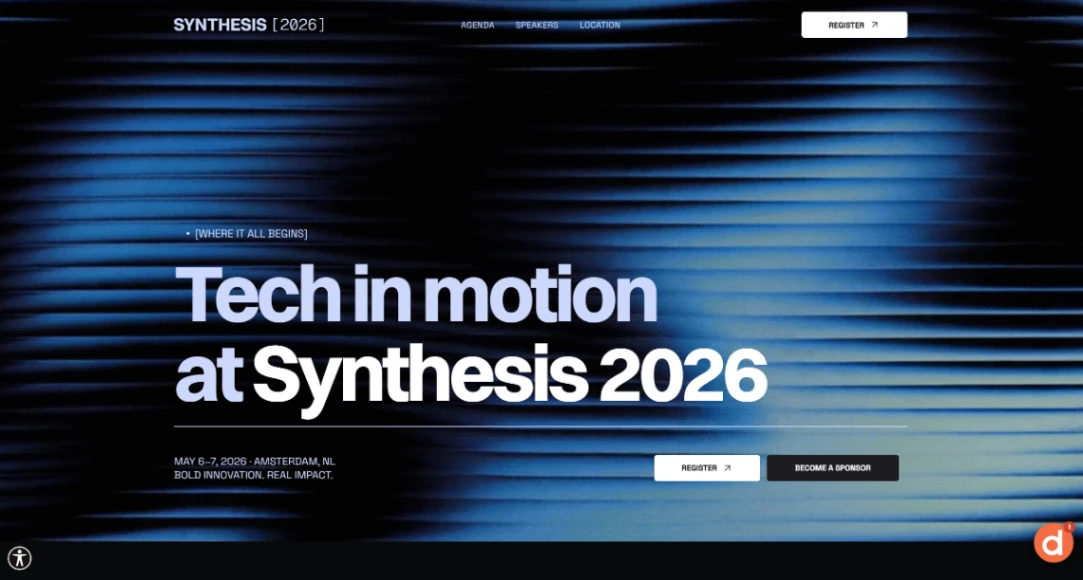
People buy conferences to be in the right room, and the agenda is how the site proves the room. That makes the conference template a four-phase machine on one countdown: announce (date, venue, the promise), sell (speakers and agenda accumulating), inform (the logistics week), archive (the proof that sells next year). Judge templates by whether all four phases live comfortably in one structure — the event-site builders in the pinned picks scaffold speaker grids, agendas and ticket links as first-class blocks.
Publish momentum, not completeness. Speakers go live as they confirm — each announcement is a marketing beat and a reason to revisit — and the agenda fills in public. Waiting for the finished lineup wastes the months when early-bird buyers were deciding; a page that visibly grows is itself the argument that this event is happening and filling.
Ticket architecture rewards honesty: early-bird prices with real deadlines that actually expire, tiers that differ in access rather than adjectives, and group pricing for the team-buyers who fill rows. Every extended "deadline" teaches your audience to wait next year — scarcity kept is marketing; scarcity broken is a discount schedule.
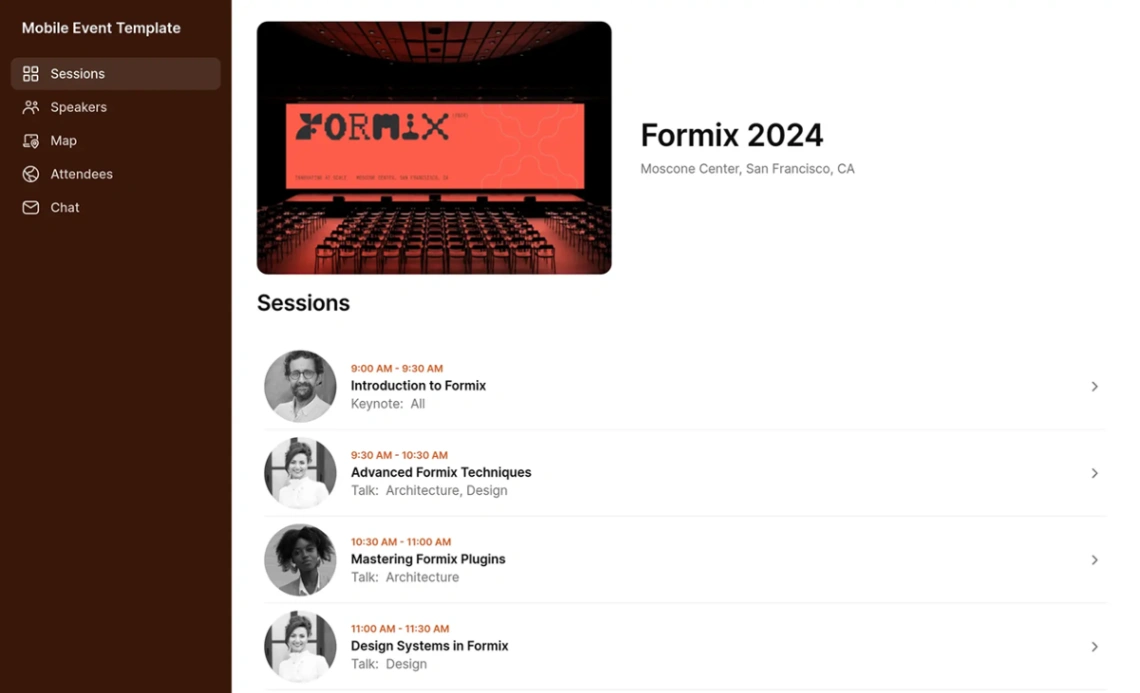
Then flip the site for event week, because its reader changes completely: the attendee on venue wifi needs today's schedule, the room for the next session, lunch, and the wifi code — on a phone, in two taps. Templates with a schedule view built for that week (the app-style platforms handle it) finish the job. Afterward, archive publicly: talks, photos, numbers. Next year's page opens on this year's proof.
FAQ