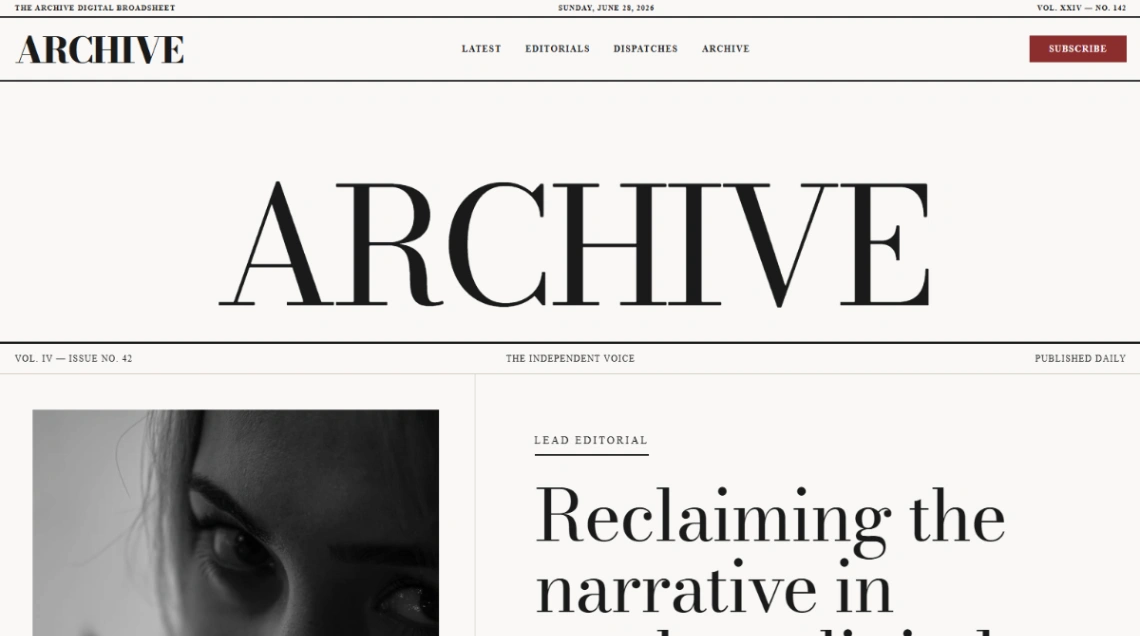
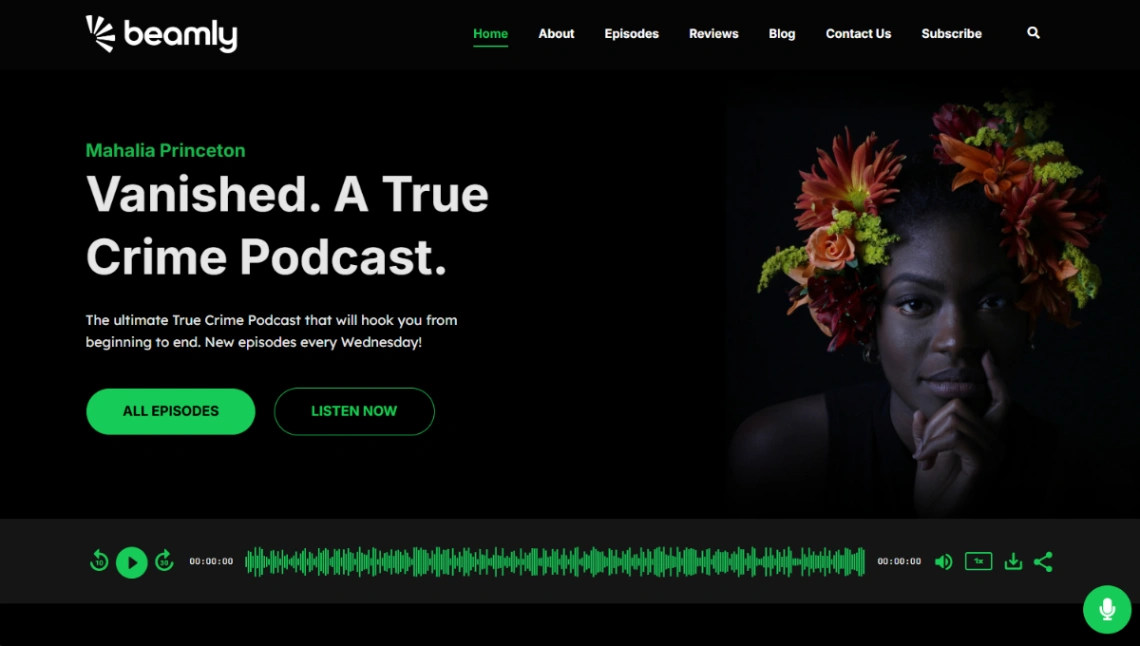
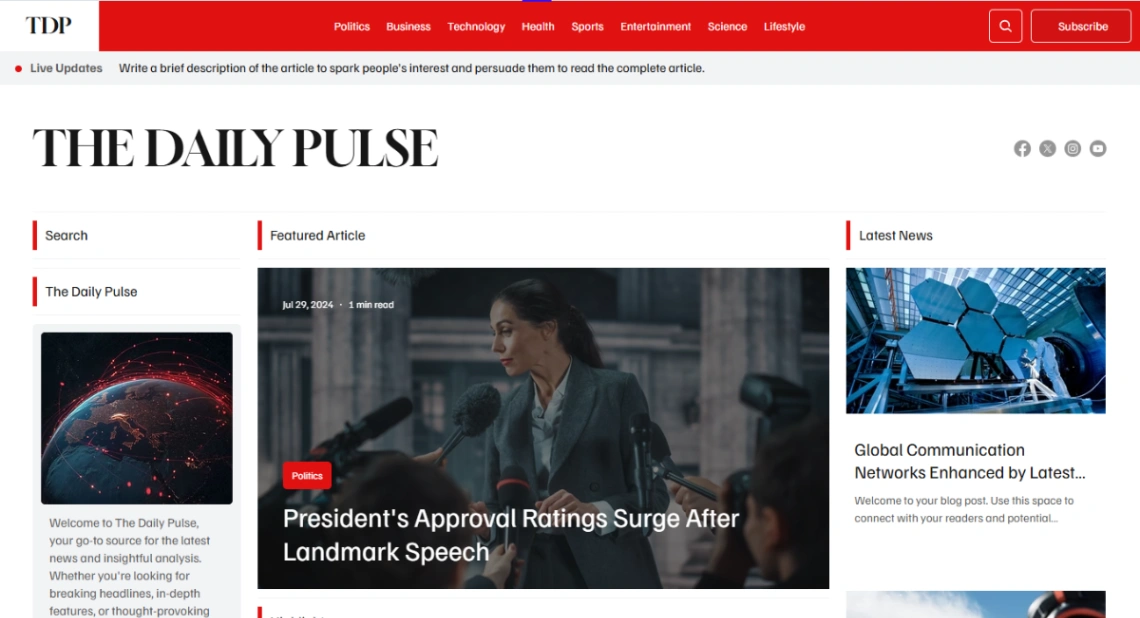
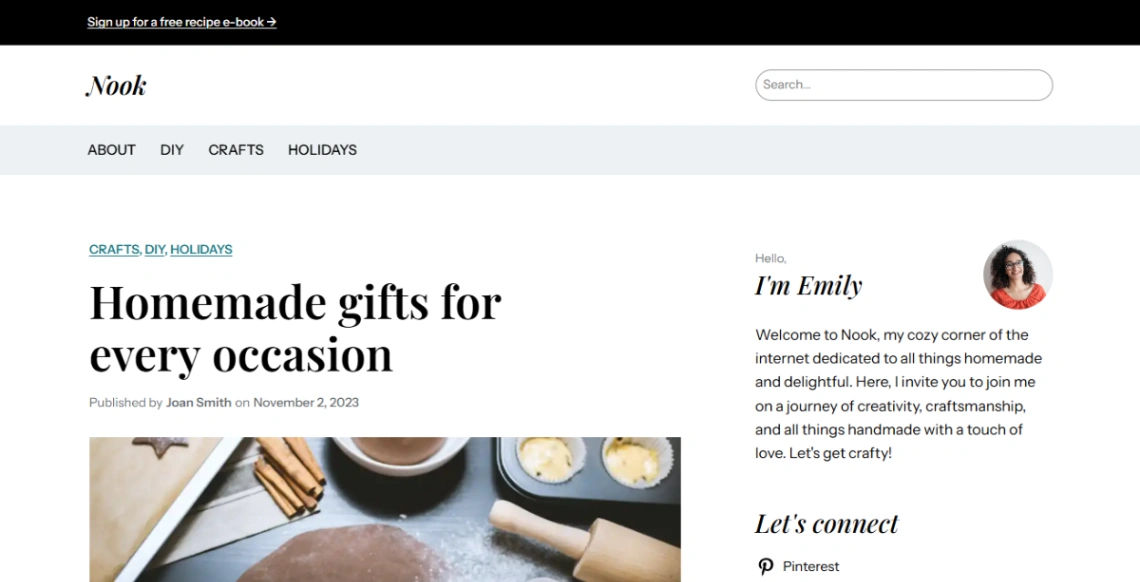

Elegant Blog
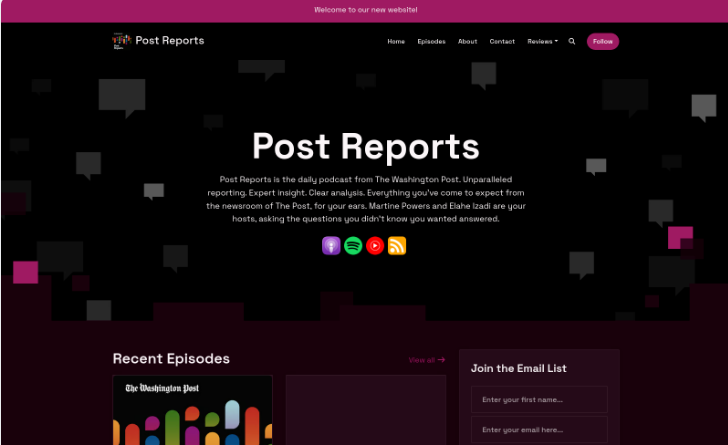
News Podcast


Gaming News
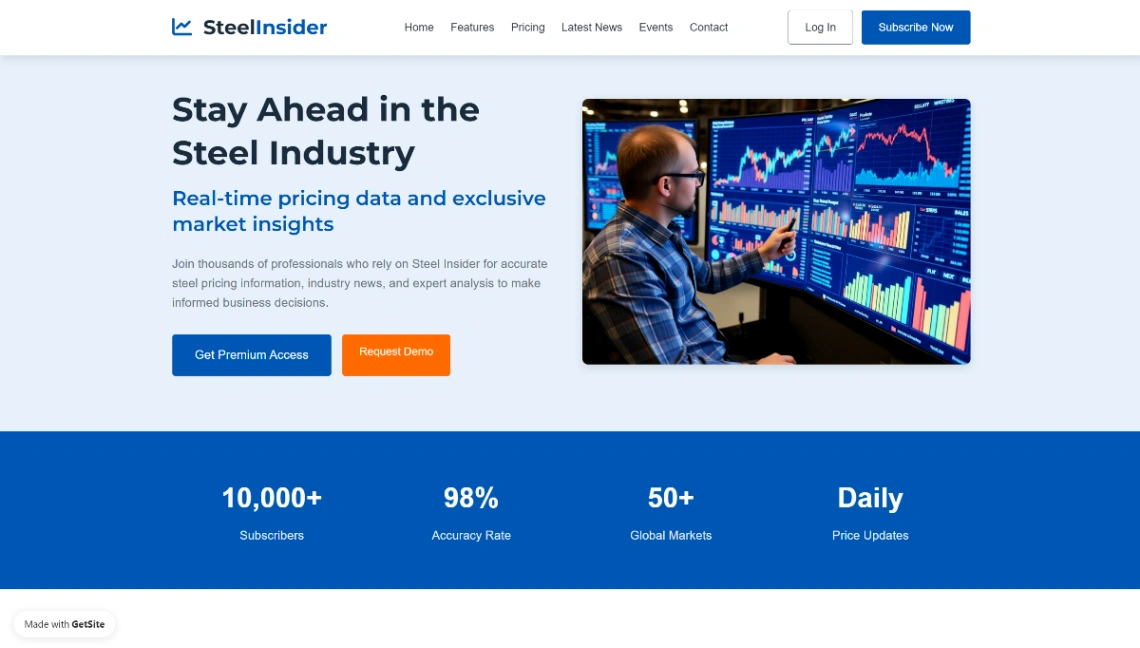
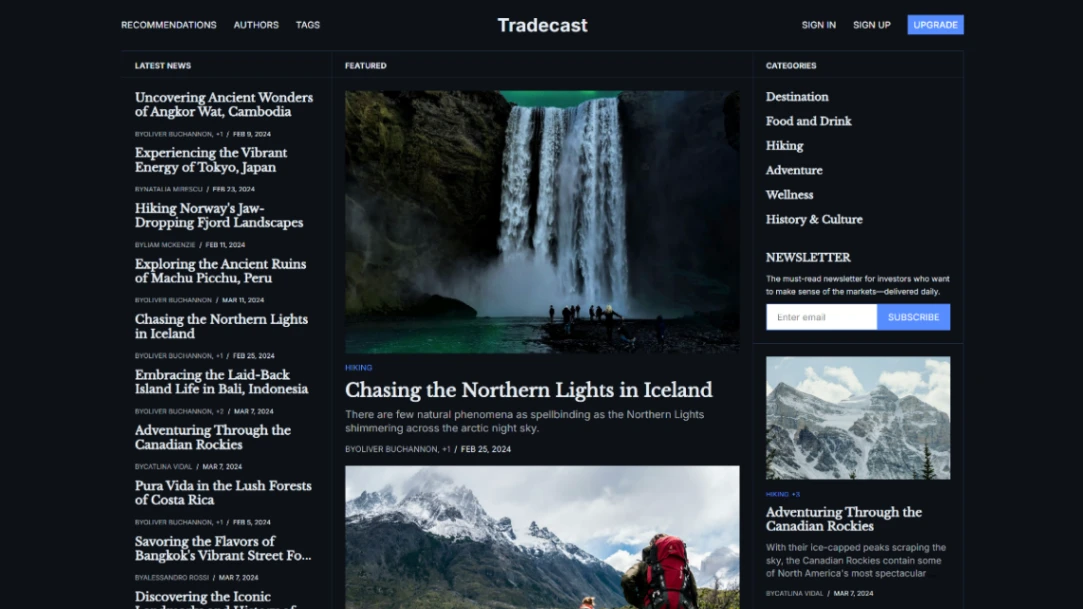
Trading News
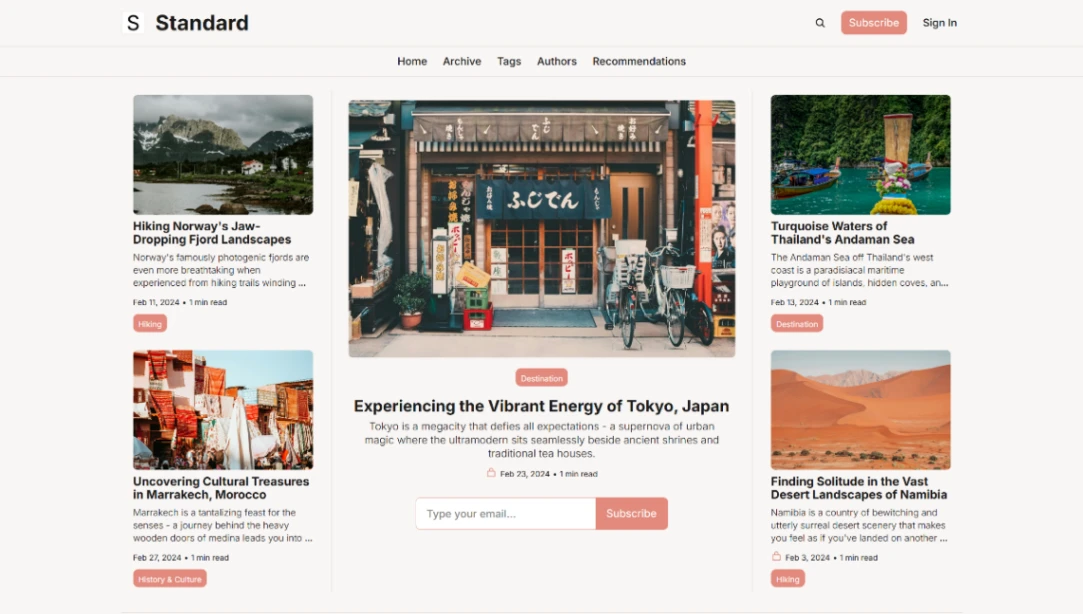
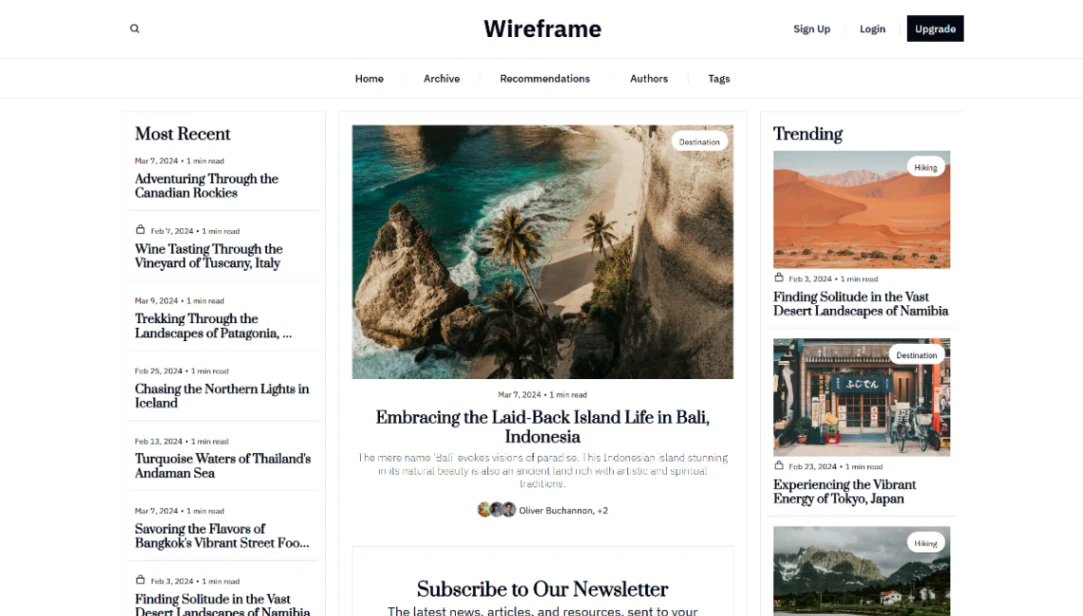
Media News
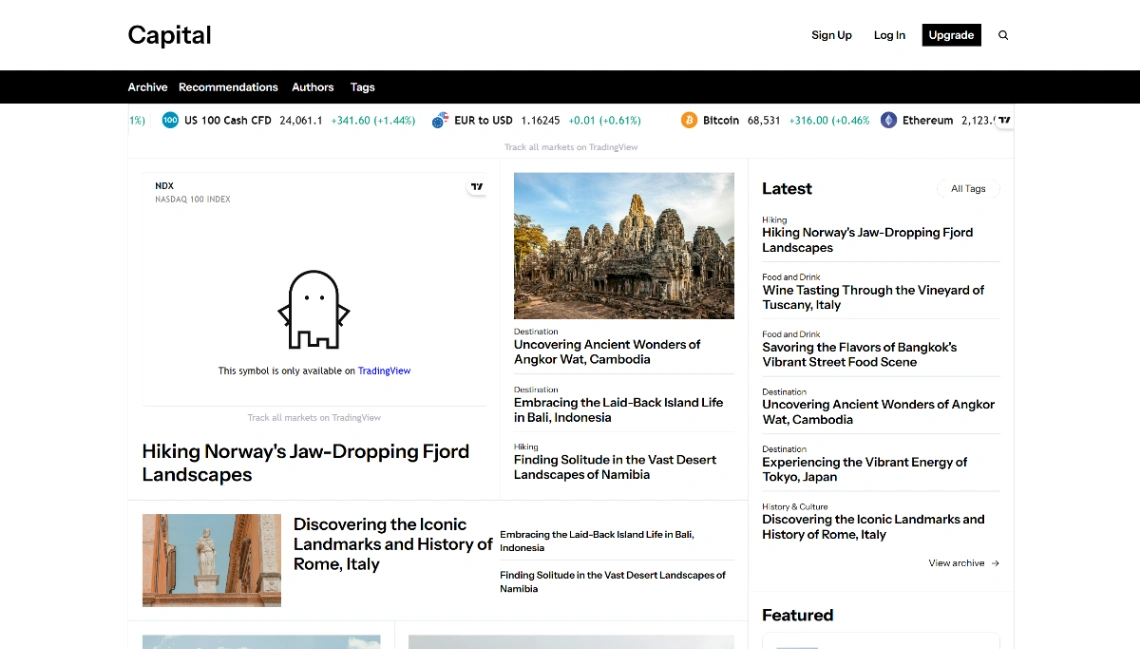
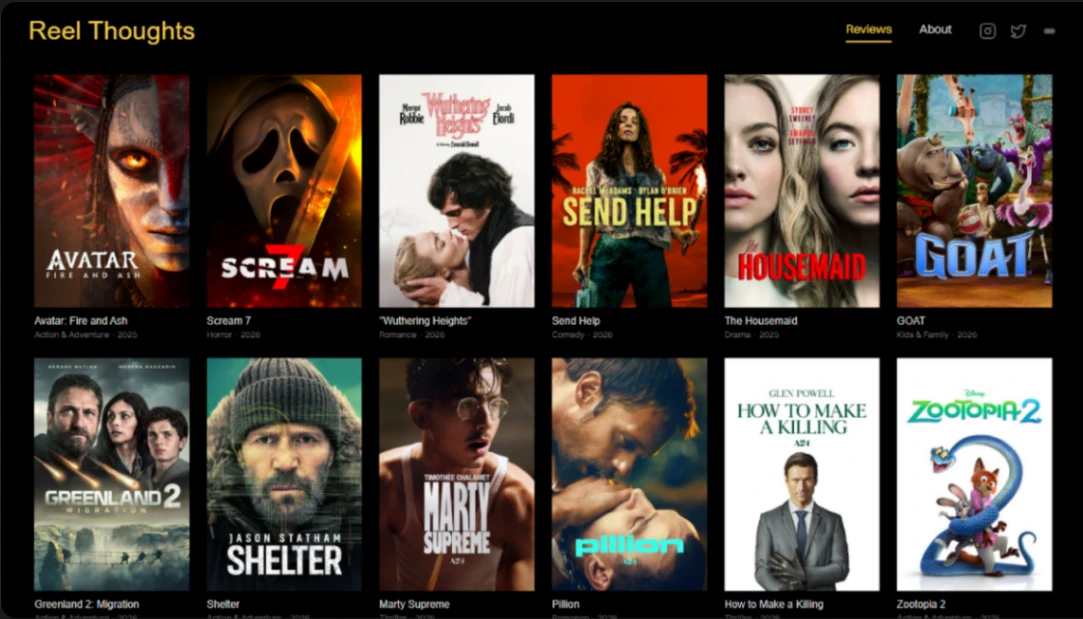
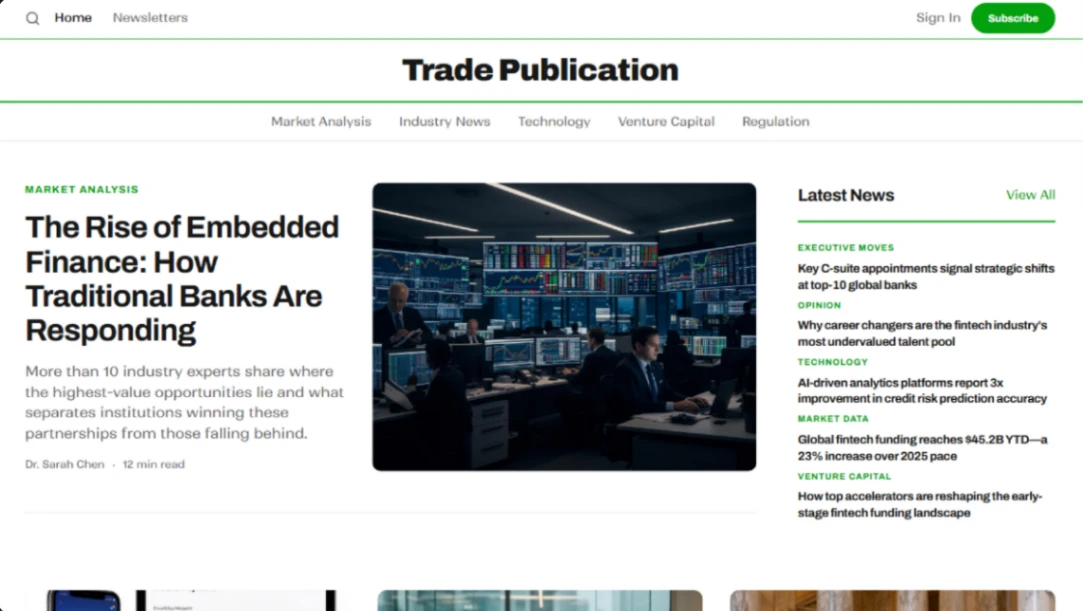
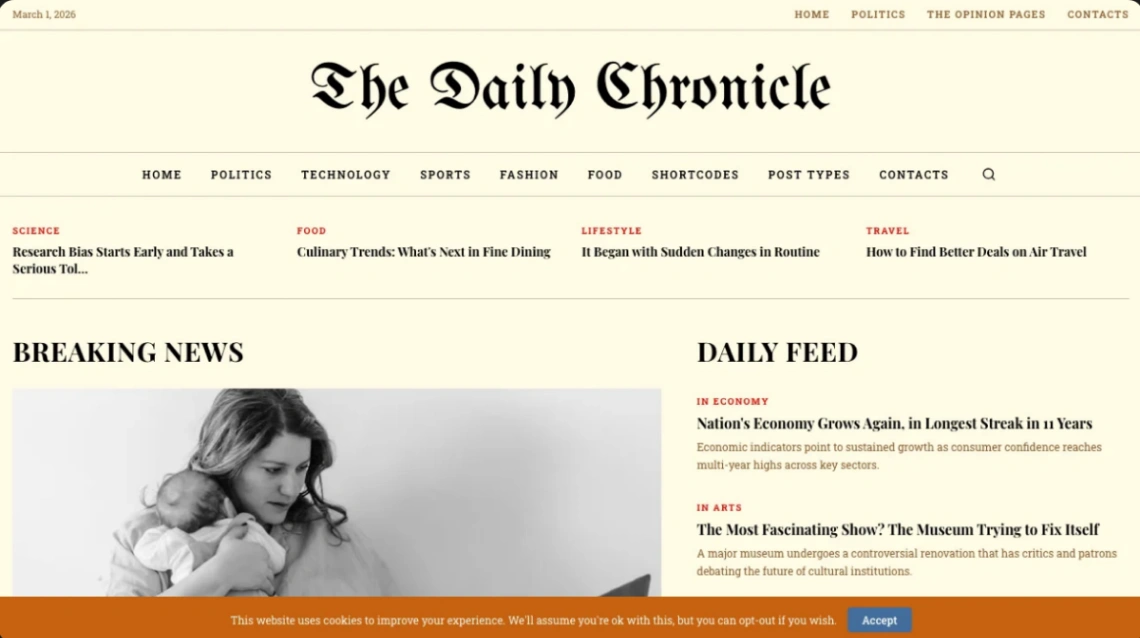
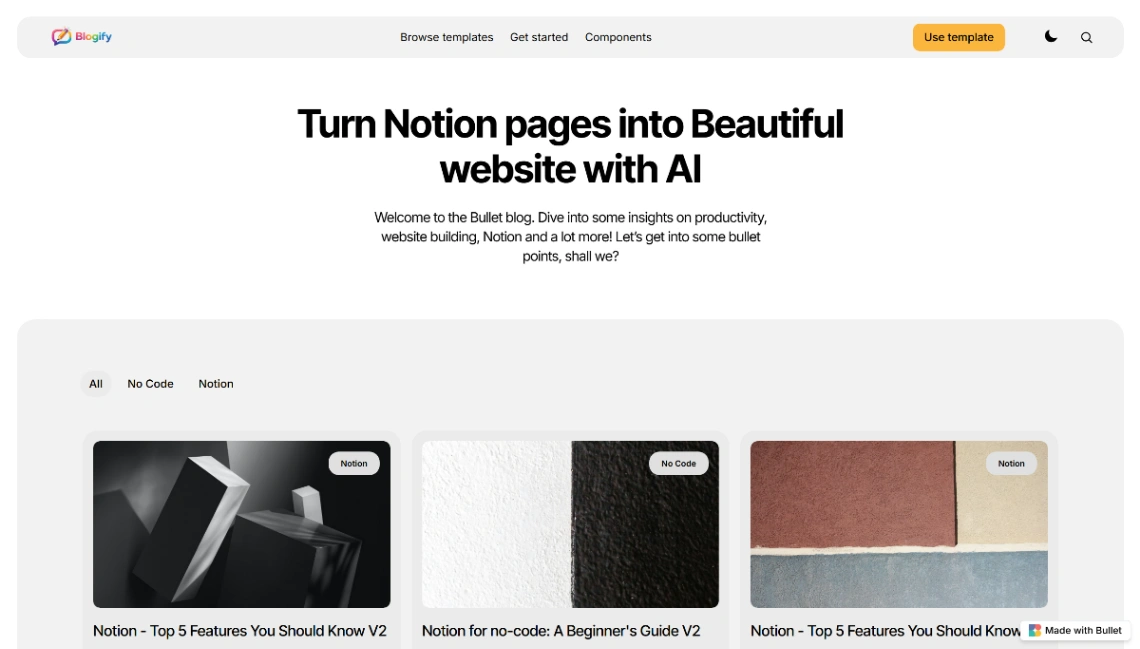


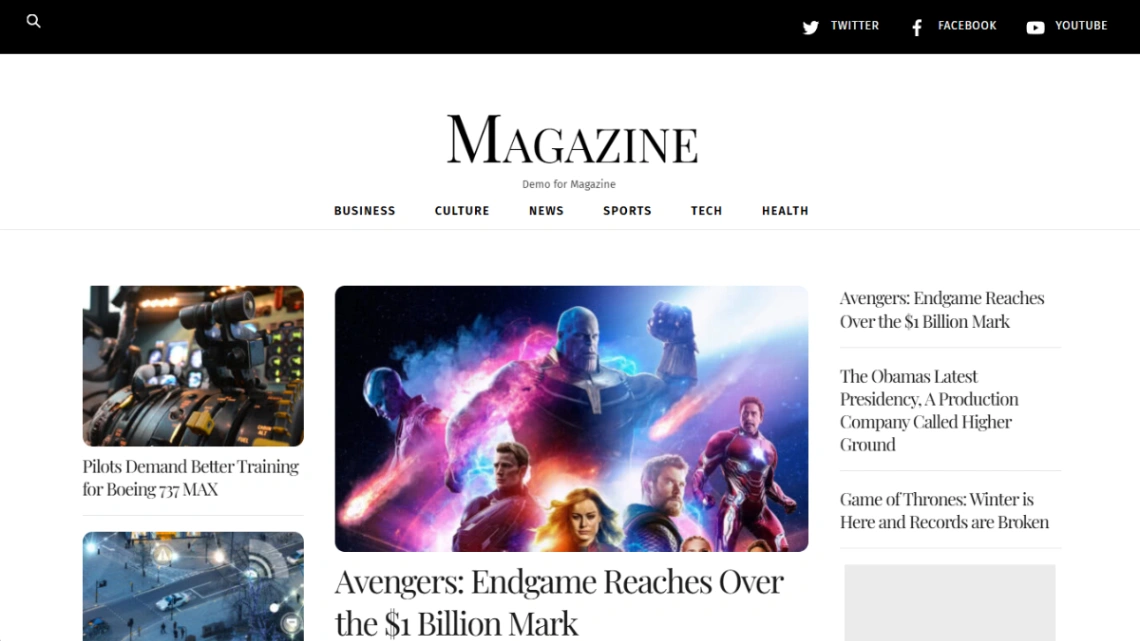
Magazine
Culture Blog
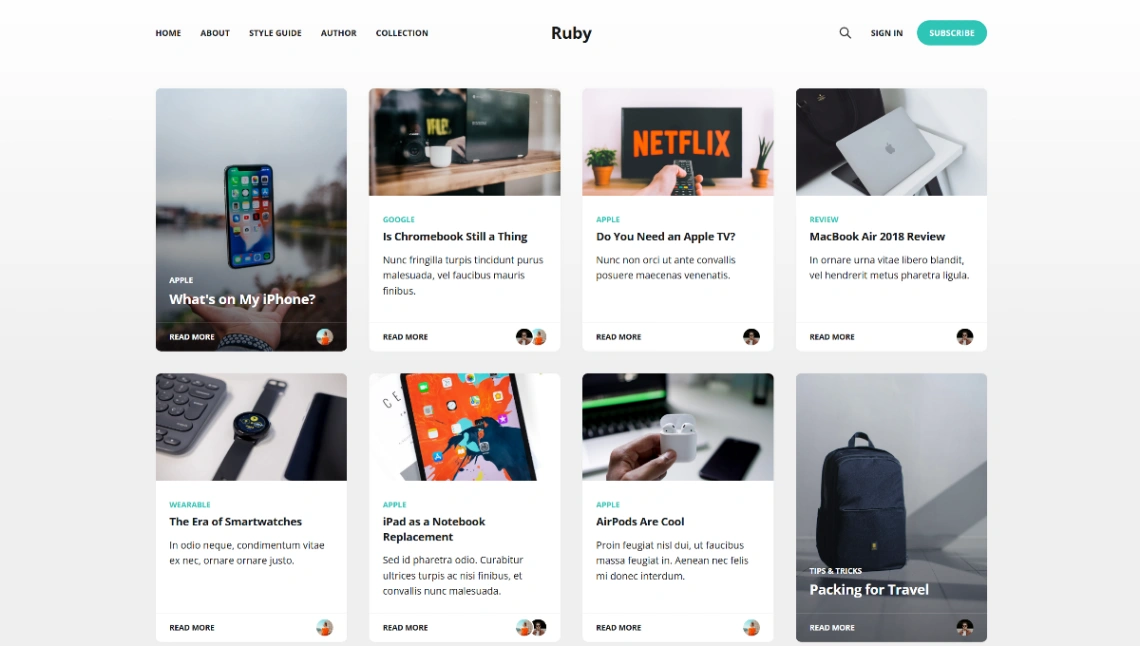
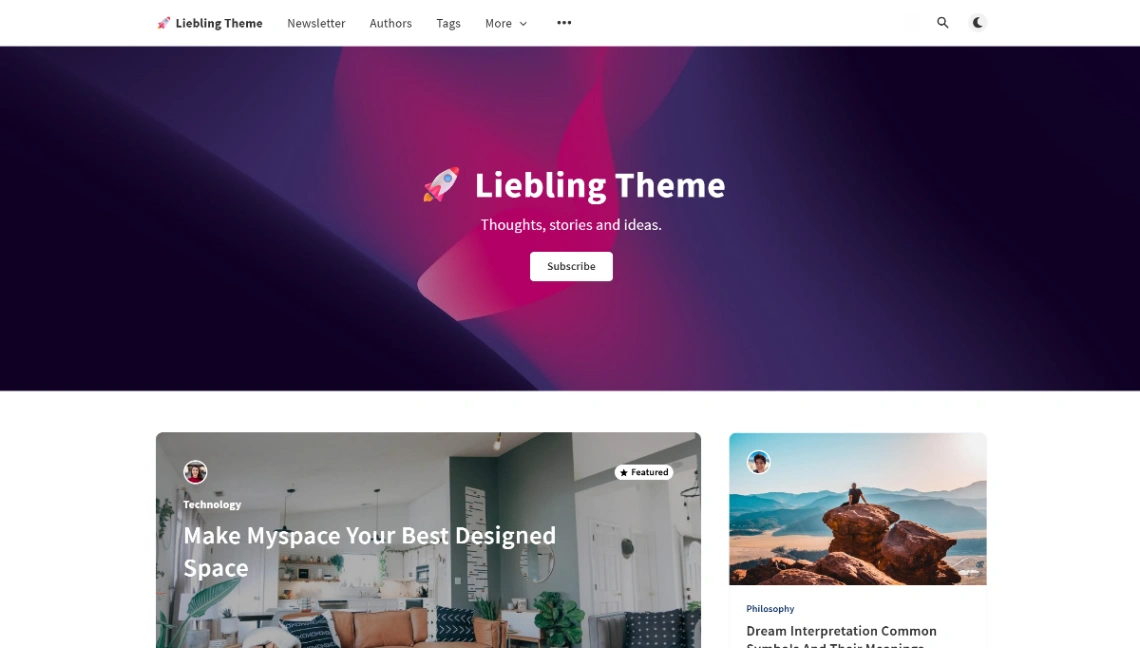

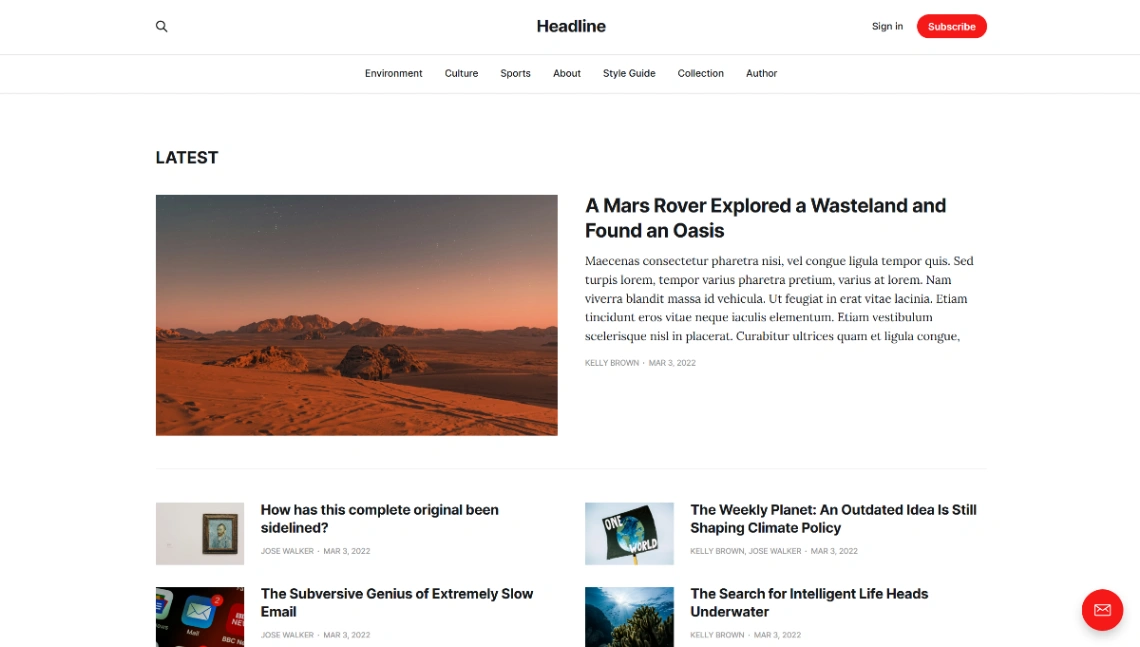
News website
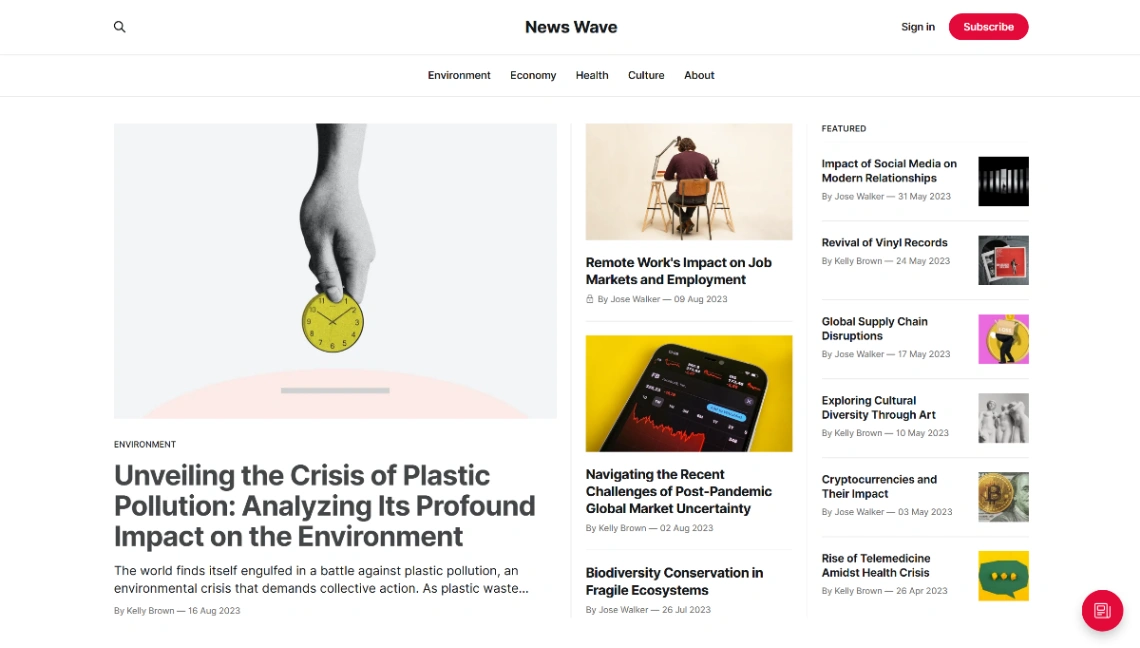
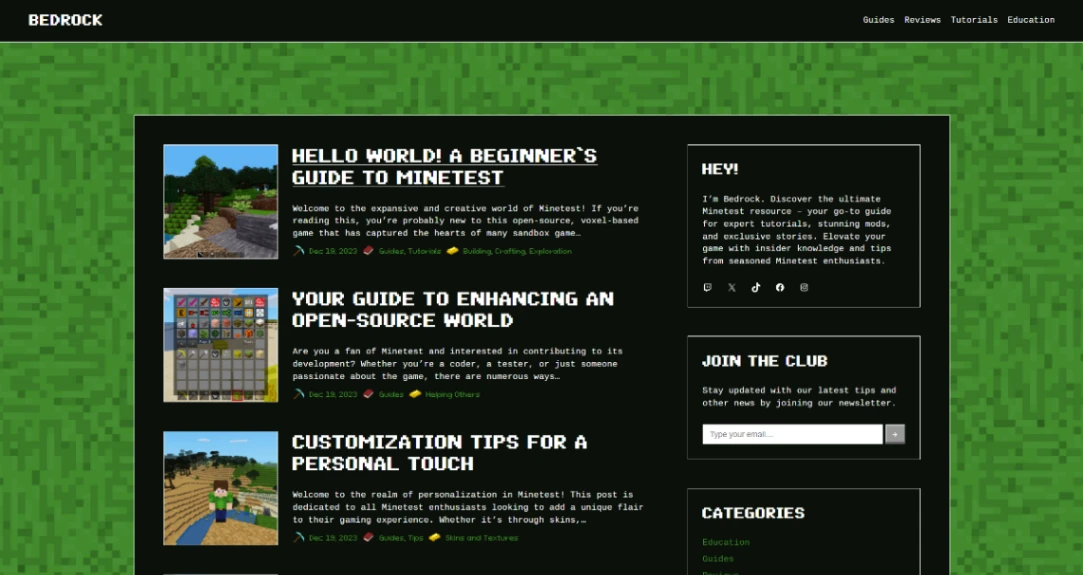
Games blog

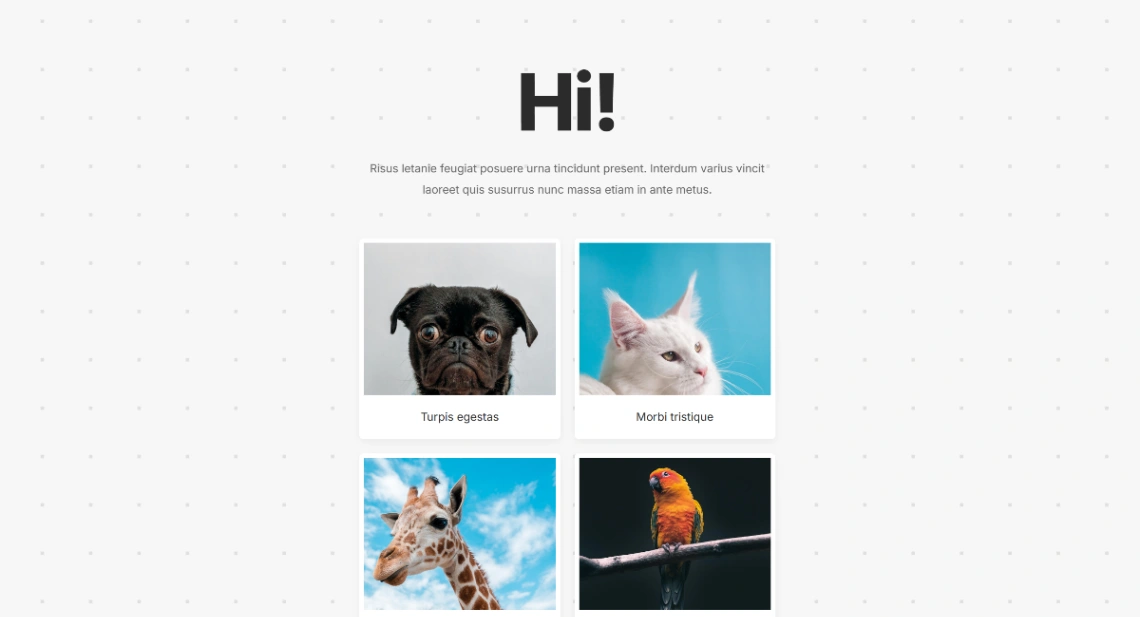
Newsletter
Buyer's guide
How to choose a news template
A news site is rebuilt thirty times a day by its own headlines, so the template's real test is behavior under volume: what does the homepage look like after a month of daily publishing, when the lead story changes by lunch and three sections update before dinner? Test with thirty dummy posts, never three — layout rot at volume is this category's specific disease, and demos are curated to hide it.
Hierarchy is the editor the reader actually experiences: the lead visibly leads, second-tier stories read as second-tier, headlines and decks carry the scan. Templates built on real typographic systems — sizes and weights that mean something consistently — let the day's news re-sort itself without redesign. If every story looks equally important, the template has no opinion, and neither, apparently, does the outlet.
Sections and bylines are structure, not decoration. Section pages that stand alone (local, sport, business — each a front page for its readers), author pages that accumulate a byline's work, and tags that gather running stories: this is how regular readers navigate and how search engines understand the outlet's beats. The publishing platforms pinned above treat these as first-class; page builders bolted into news duty do not.
And weigh the workflow at deadline speed: publishing a breaking story from a phone, correcting a live piece (with the correction noted — that's credibility infrastructure), scheduling the morning's pieces the night before. The template a reporter can publish through in ninety seconds is the one still accurate at press time; newsletter capture on every article, meanwhile, quietly builds the habit loop that turns passers-by into readership.
FAQ