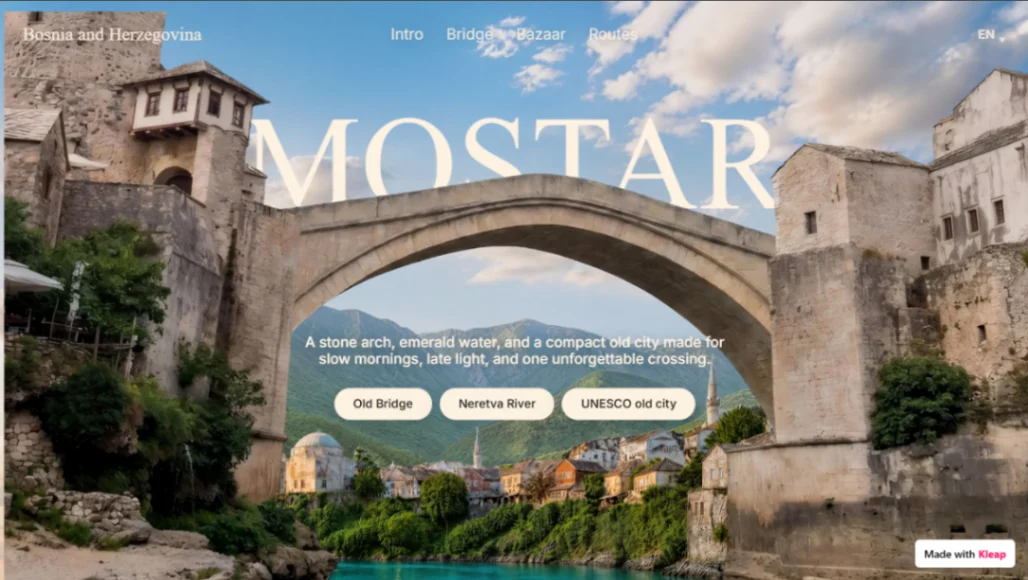


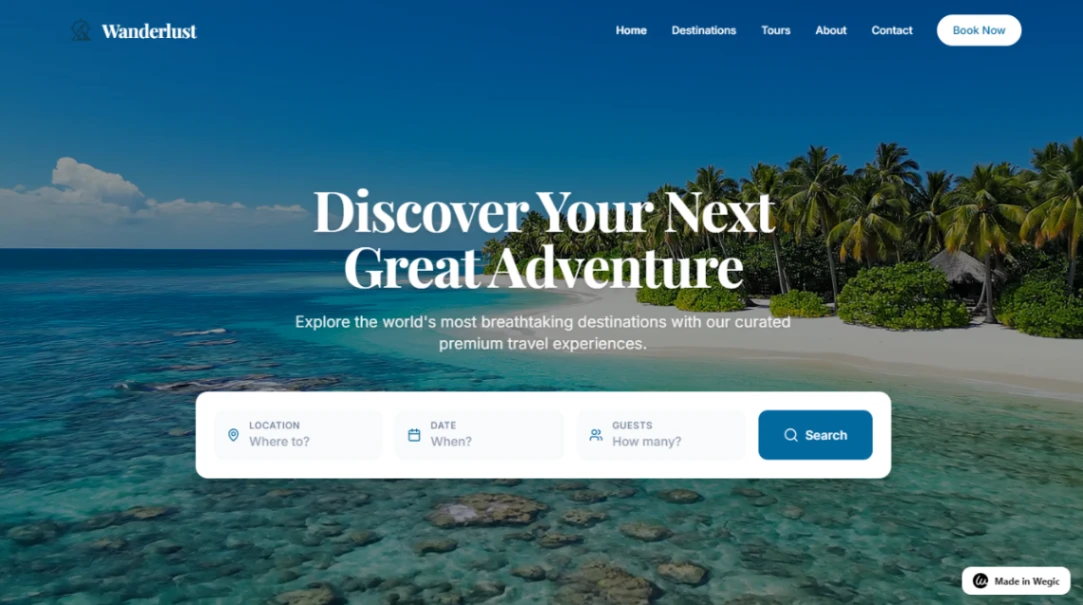
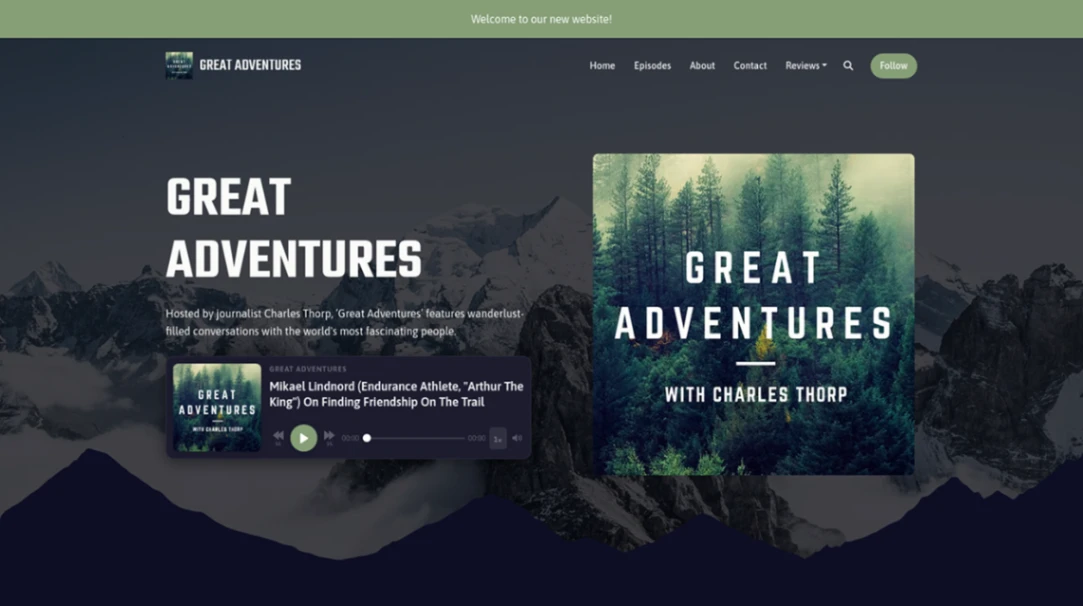
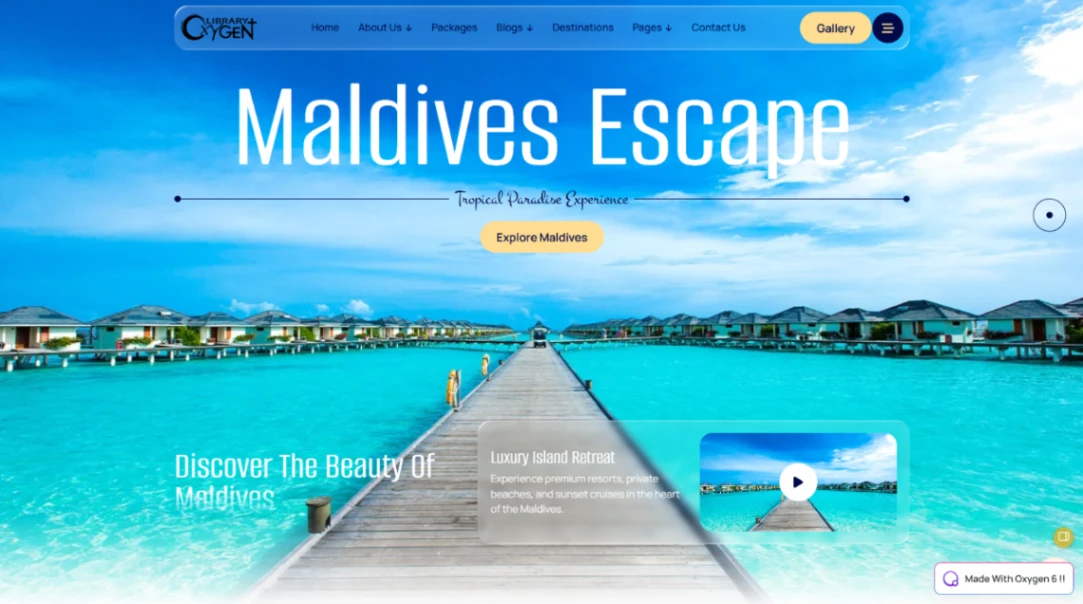

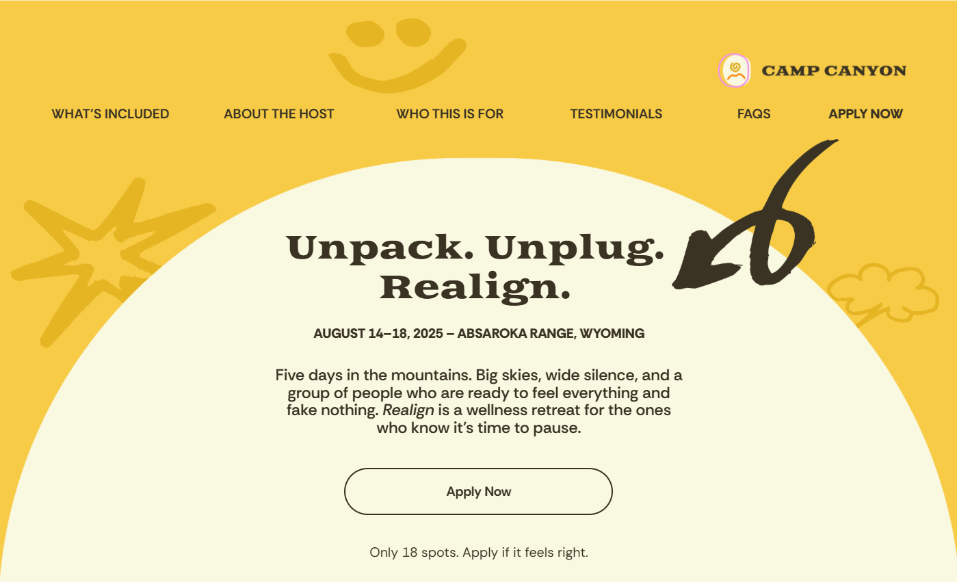





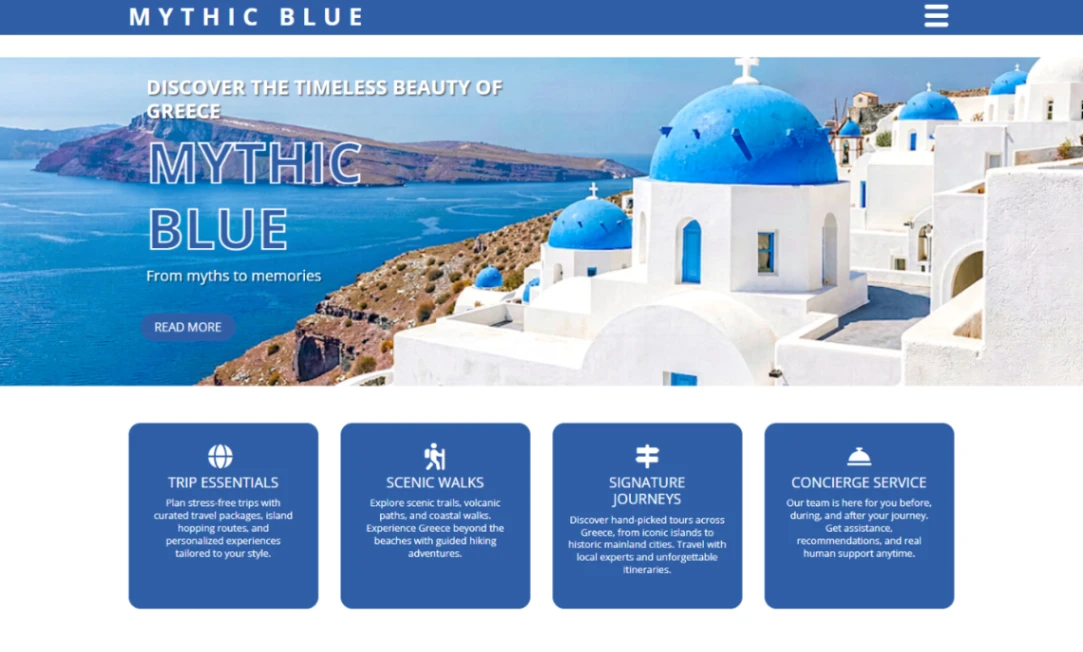
Tour Agency
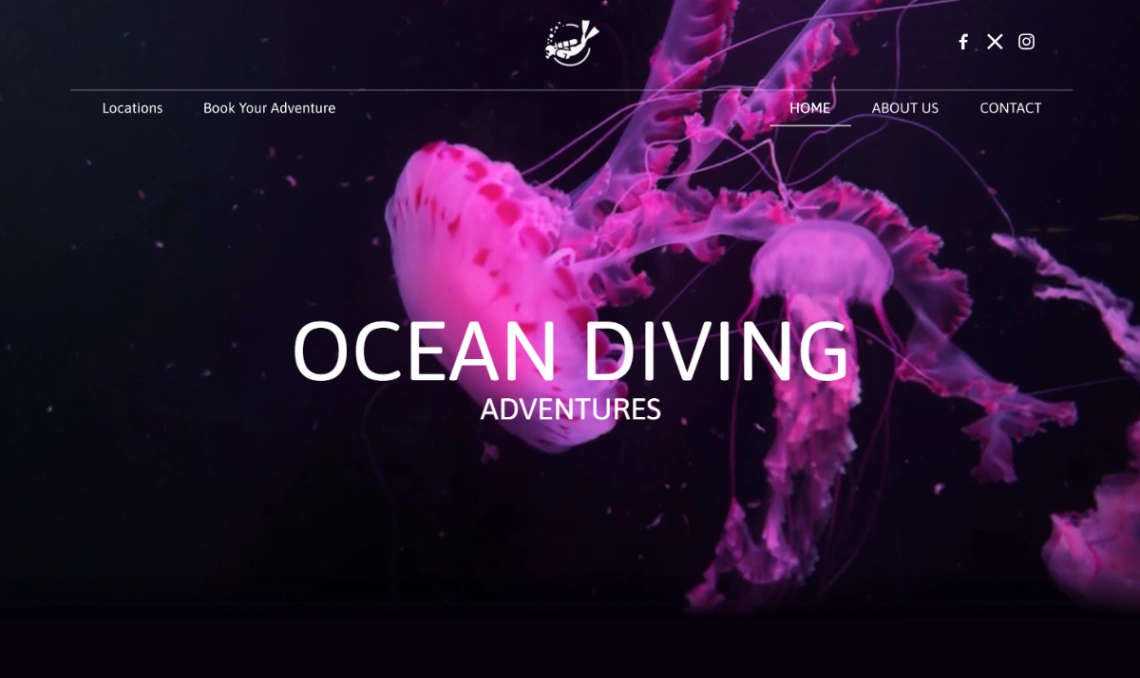
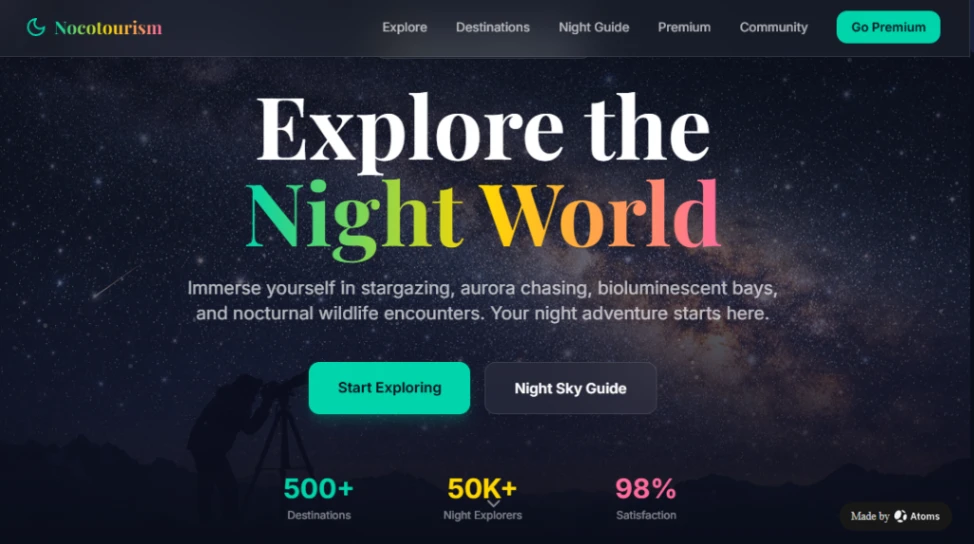
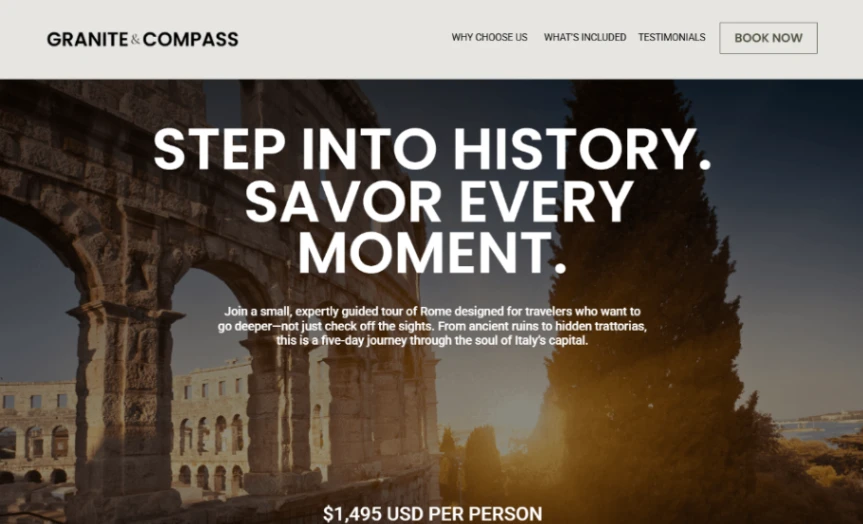
Diving Tours
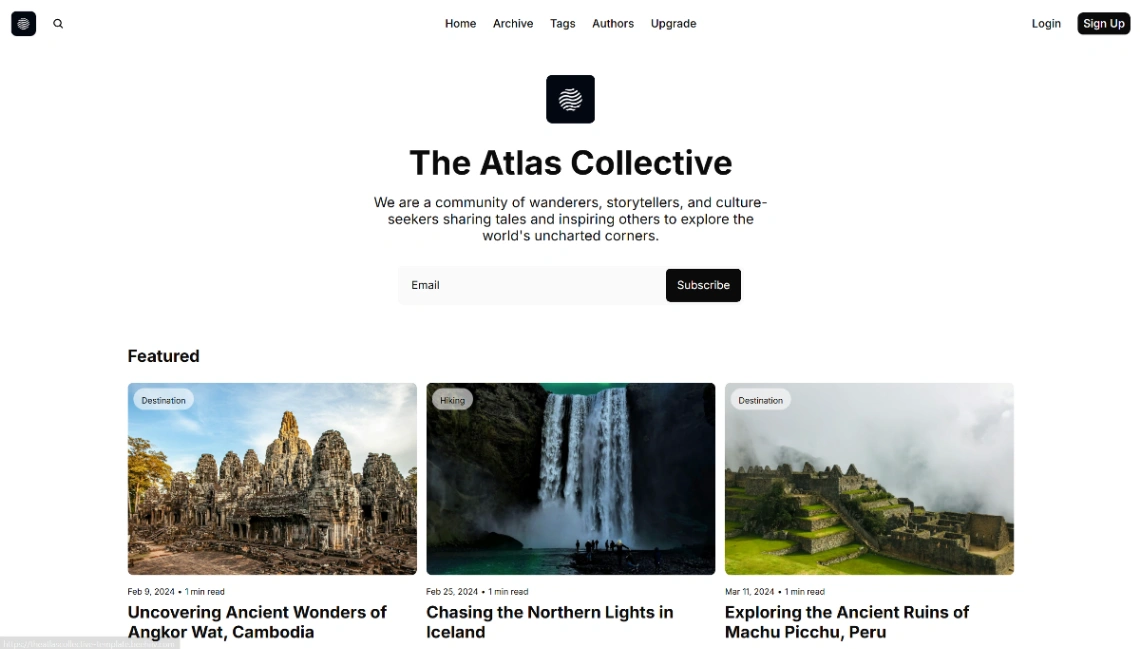
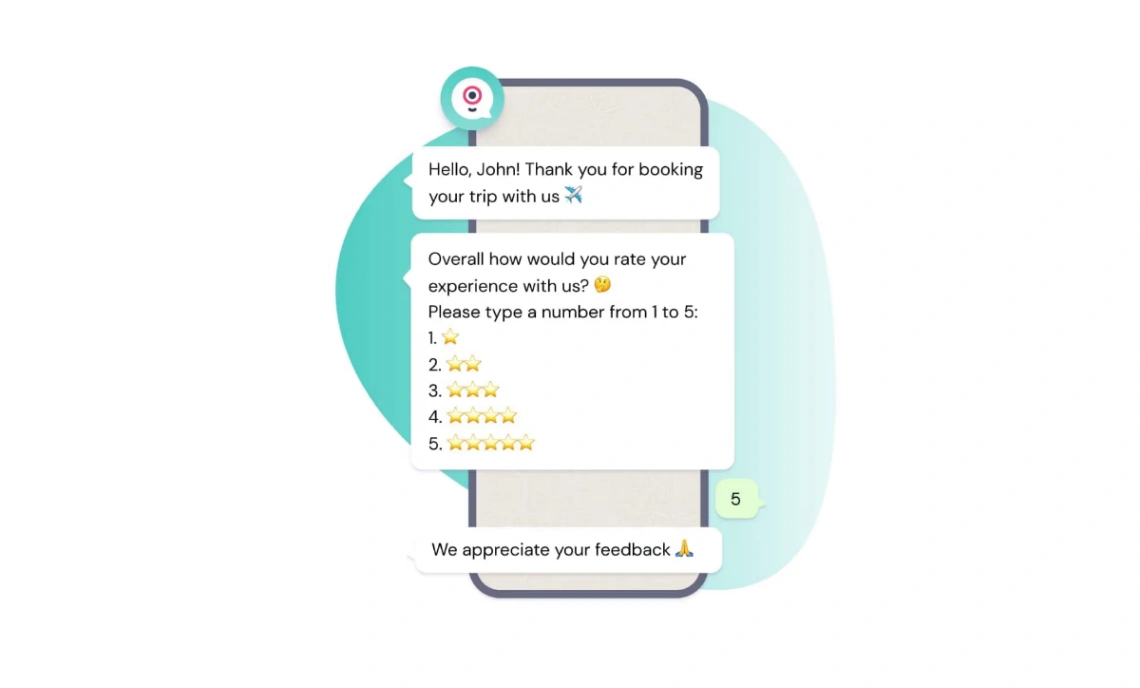

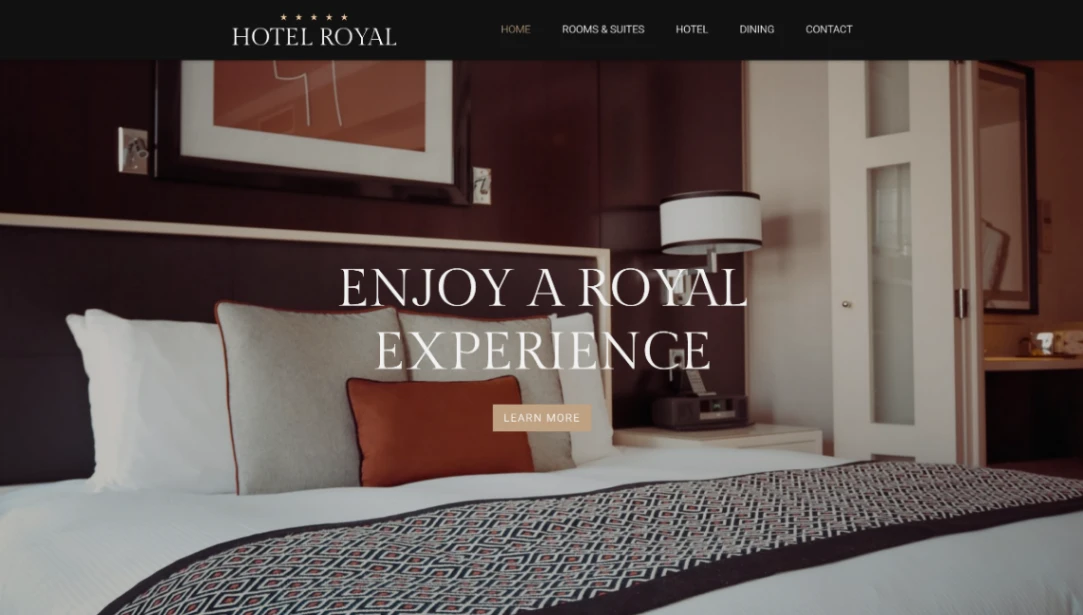
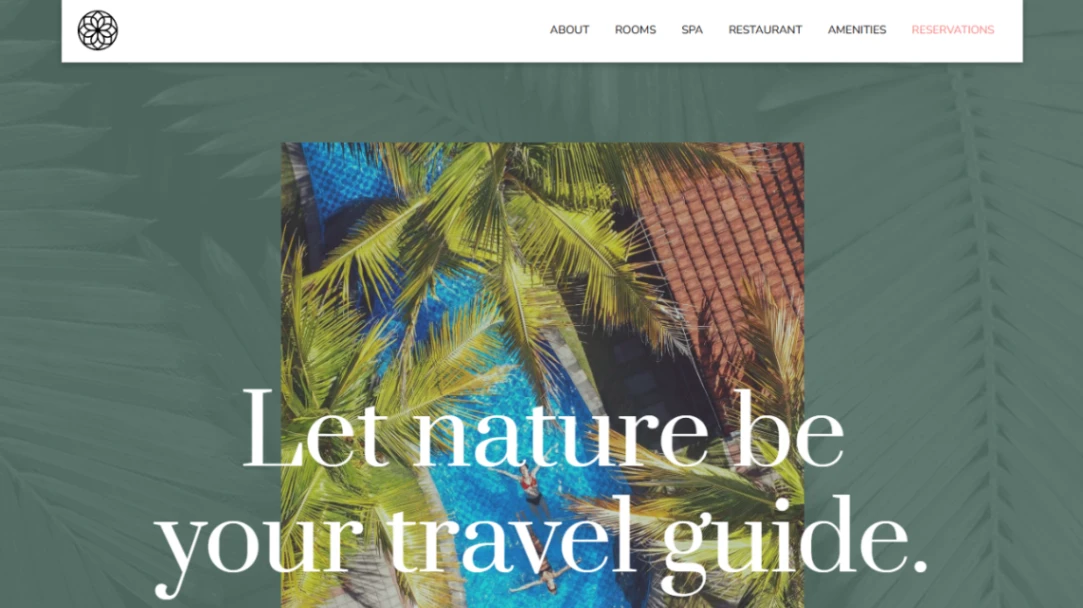
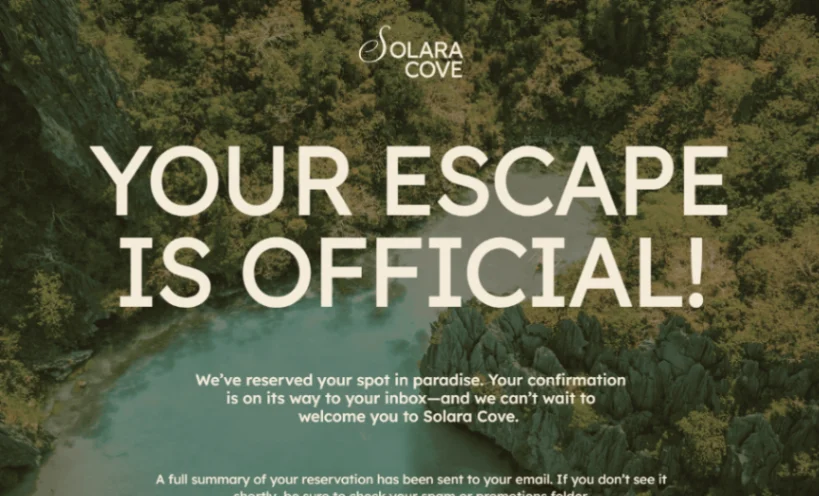
Royal Hotel
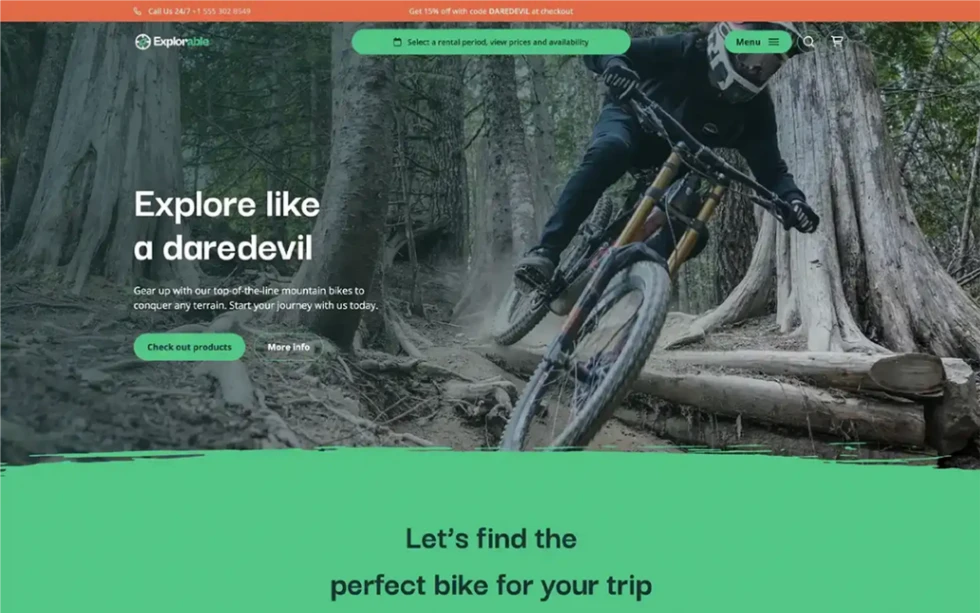
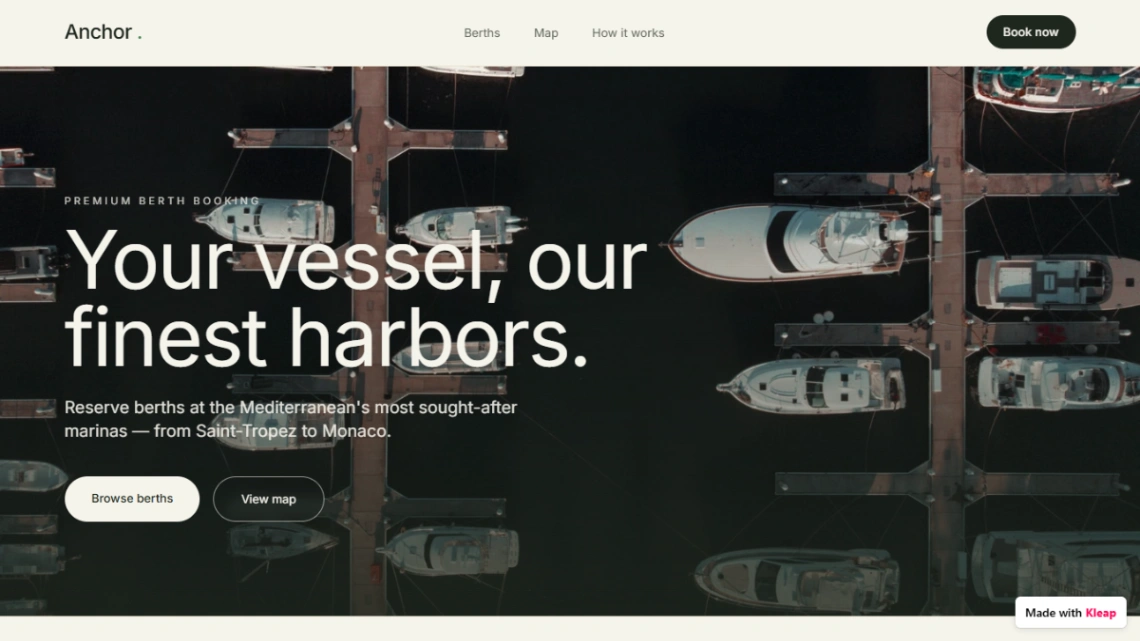
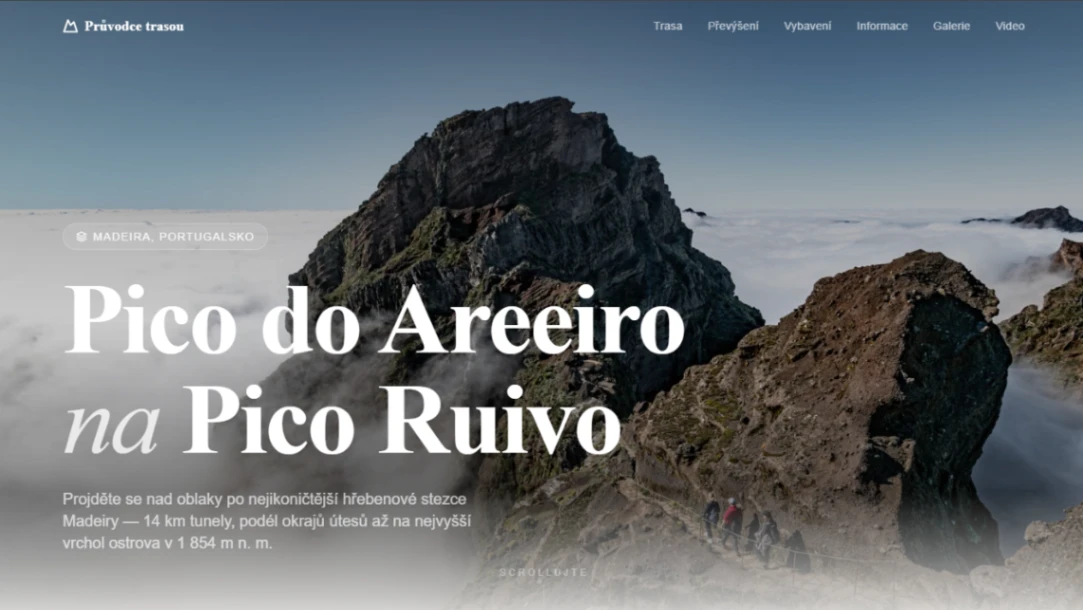
Bike Rental
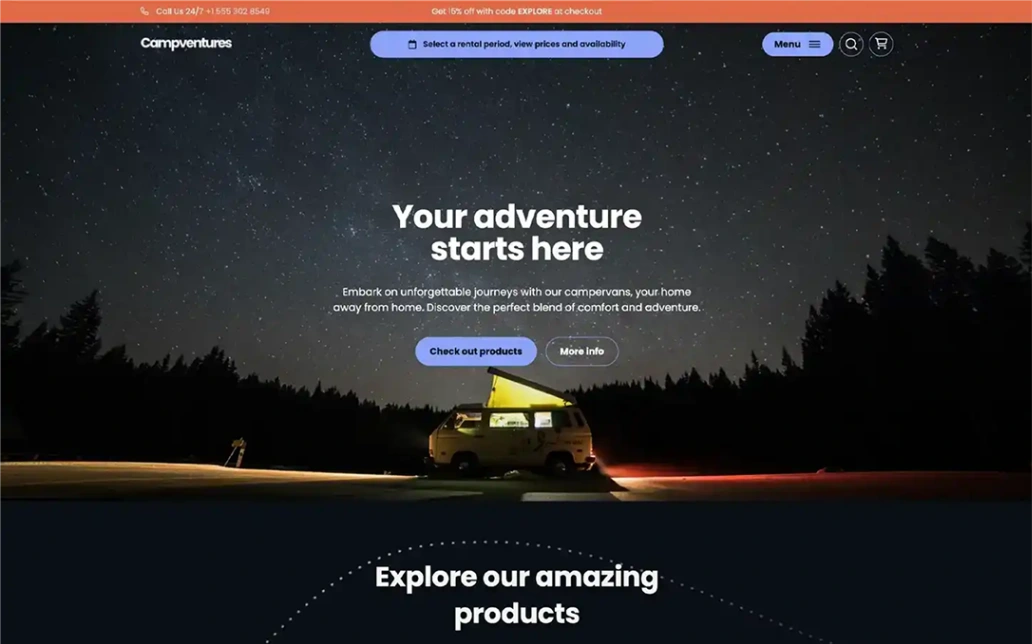
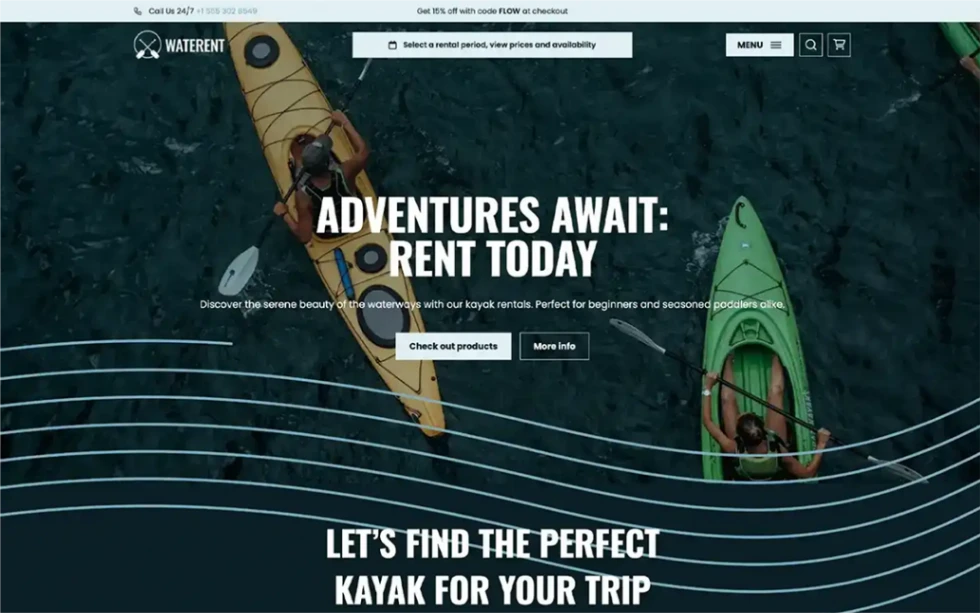
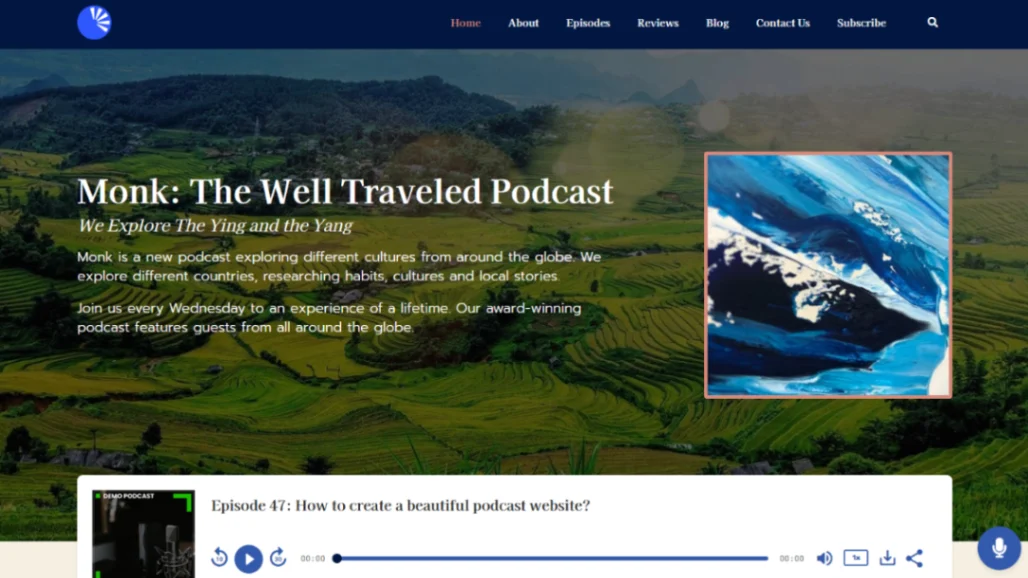
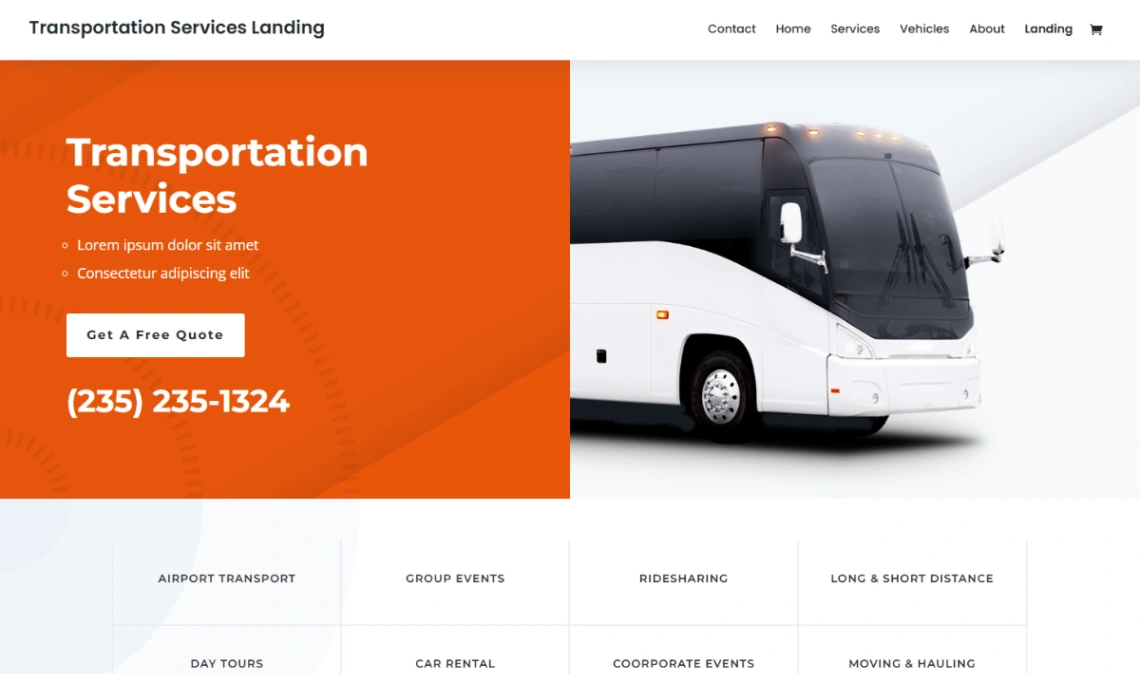
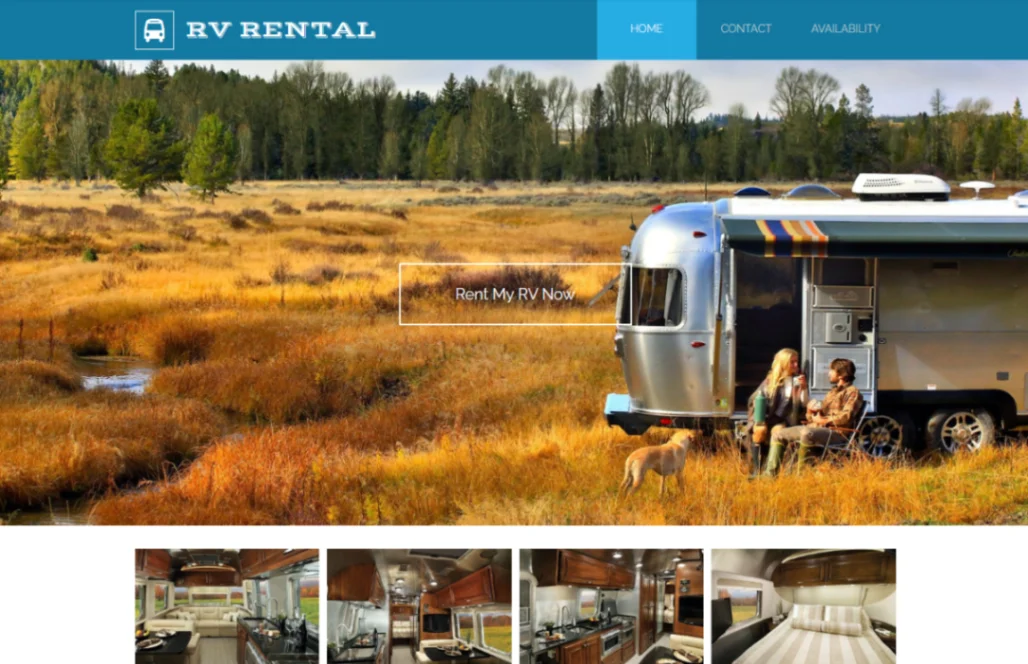
Kayak Rental
Buyer's guide
How to choose a travel template
What a travel site actually sells is a reservation, and travel businesses take reservations in three different ways — which is why this collection splits three ways. Renting things (vehicles, gear, equipment) needs availability calendars, deposits and fleet management. Renting rooms needs rate calendars, room types and a booking engine. Selling experiences — tours, activities, day trips — needs dated departures, group sizes and either checkout or a fast enquiry form. Identify your column first; the scenery photography is interchangeable, the plumbing isn't.
If you already list on booking portals or Airbnb, the direct-booking site has one non-negotiable: synced availability. Templates on booking-engine platforms connect to channel managers so a room sold anywhere closes everywhere; a beautiful template without that connection means juggling calendars by hand, and the first double-booking costs more than the website did.
Travel money has its own shapes — deposits, balance-later payments, cancellation windows, seasonal pricing. Generic checkouts assume full payment of a fixed price at once, so if you take 20% now with a 48-hour cancellation policy, filter for templates whose platforms support those terms natively rather than planning to fake it with notes and refunds.
Content earns its keep here more than in most categories — destination guides and trip writing feed the searches travelers start with. But sequence it honestly: inspiration converts nowhere if the booking path dead-ends, and a traveler who can't see price and availability leaves for the portal that shows both. Get the transaction working, then write. The booking-capable builders are pinned at the top of this page.
FAQ