Podcast Show

News & Blog
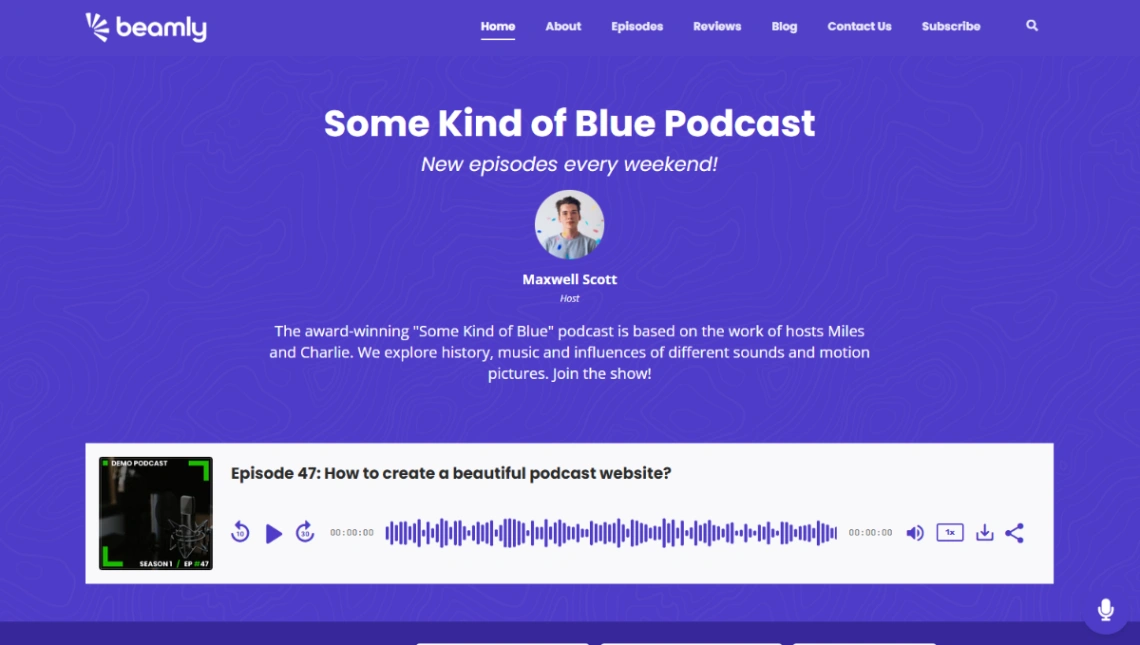
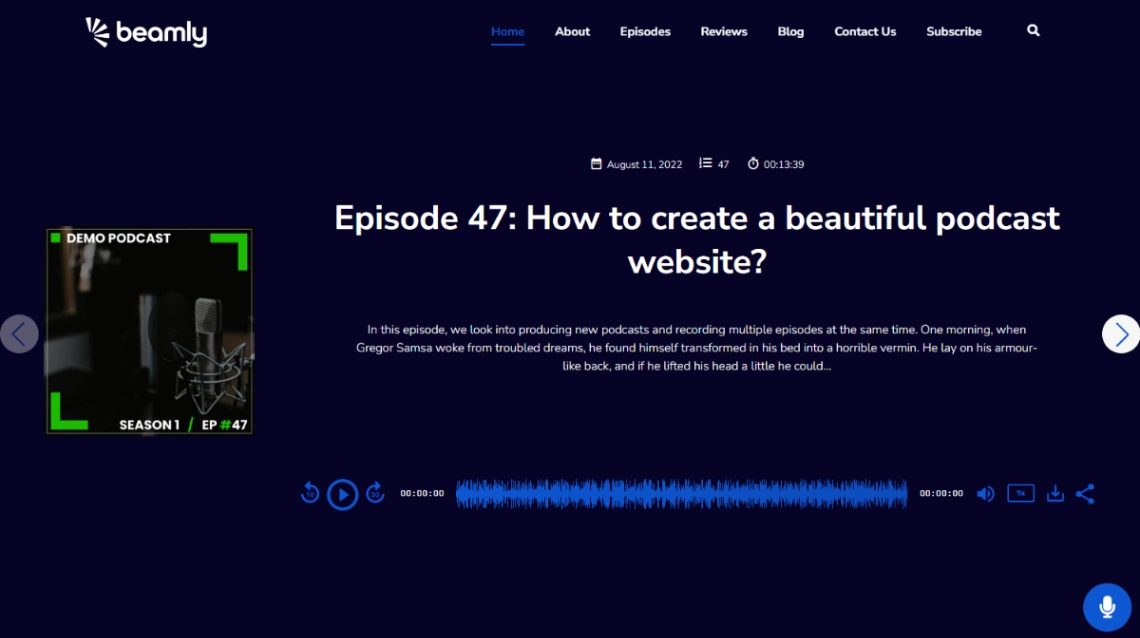
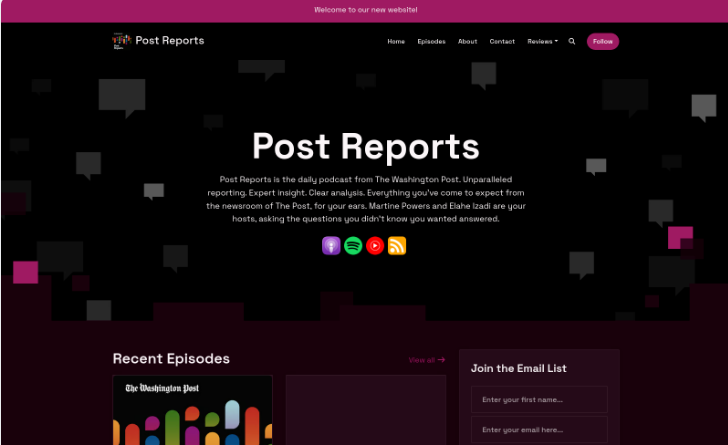
News Podcast
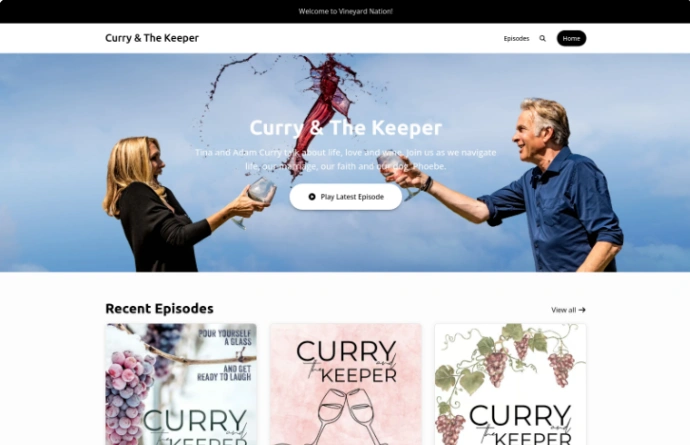
Life Podcast
Tech Podcast
Podcast Hub

Buyer's guide
How to choose a podcast template
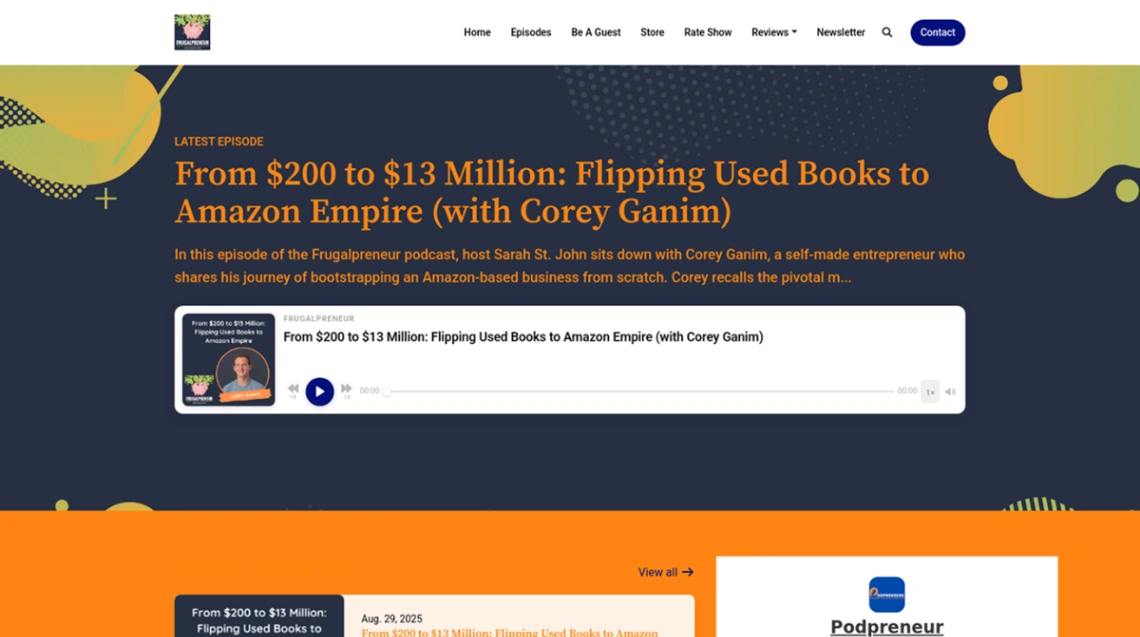
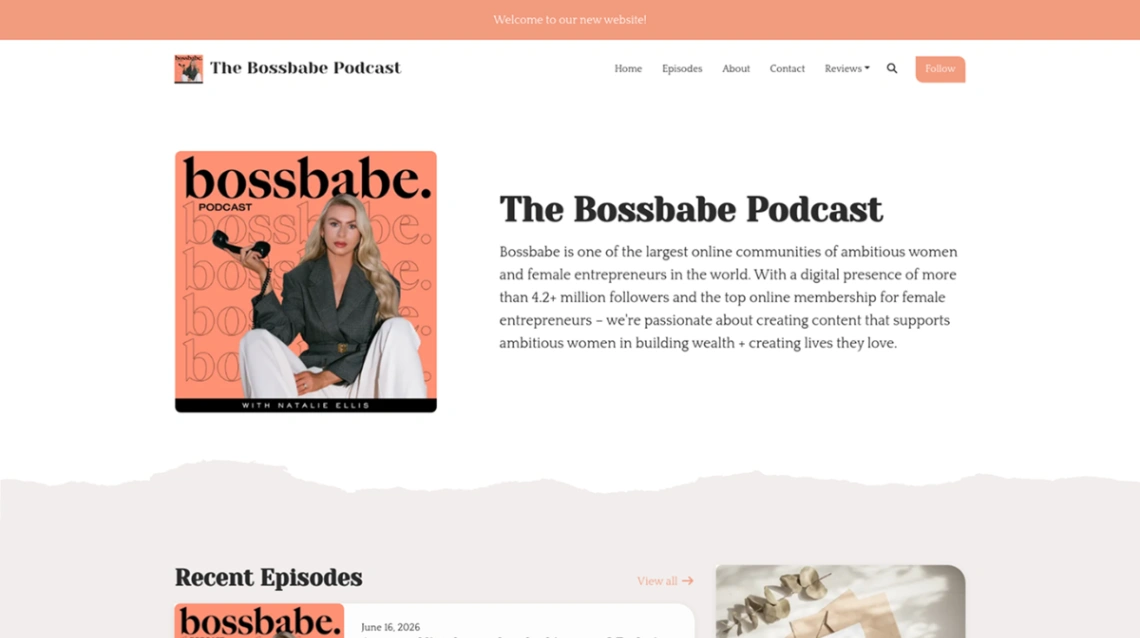
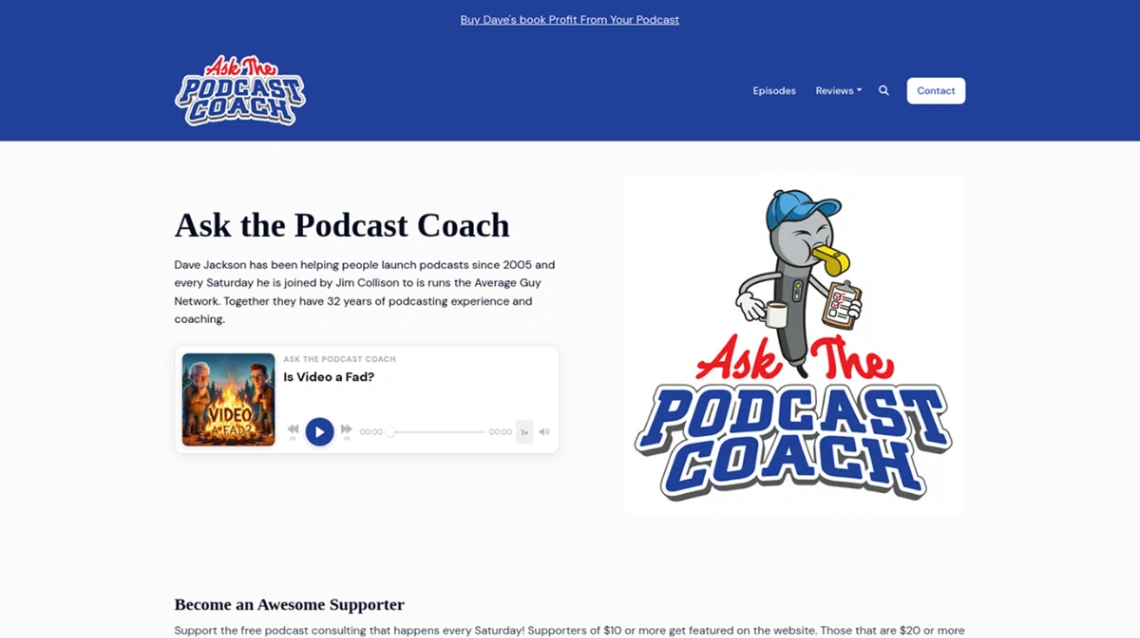
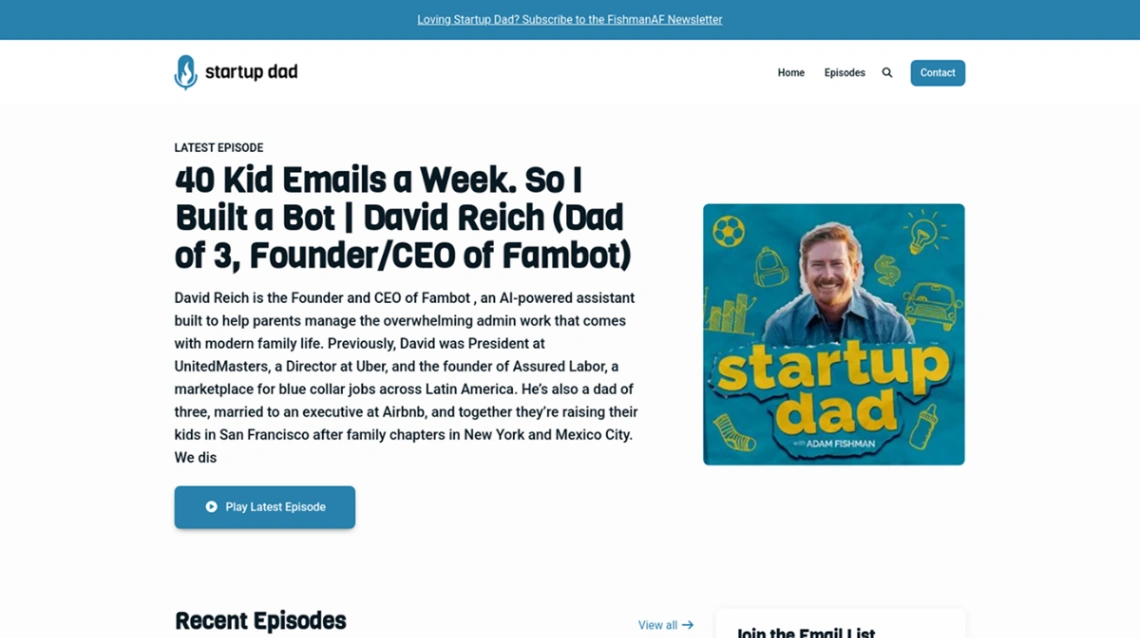
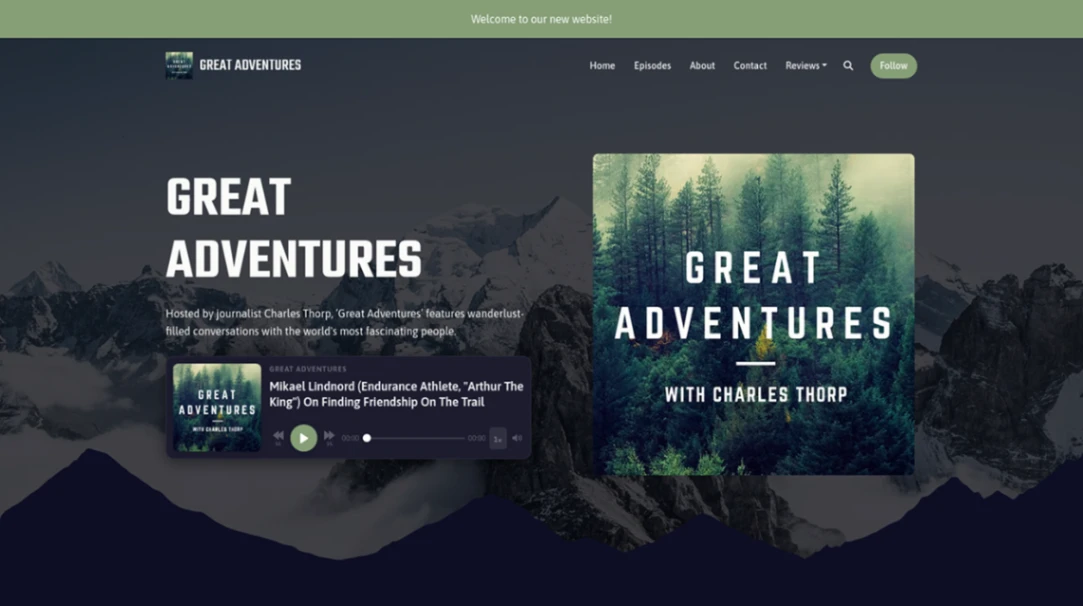
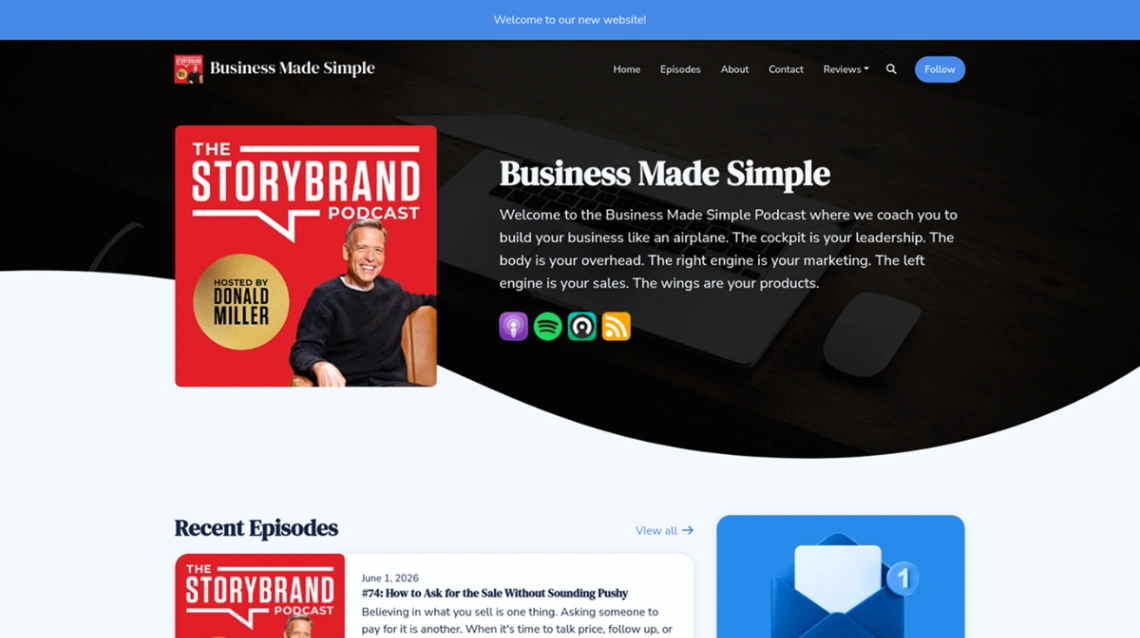
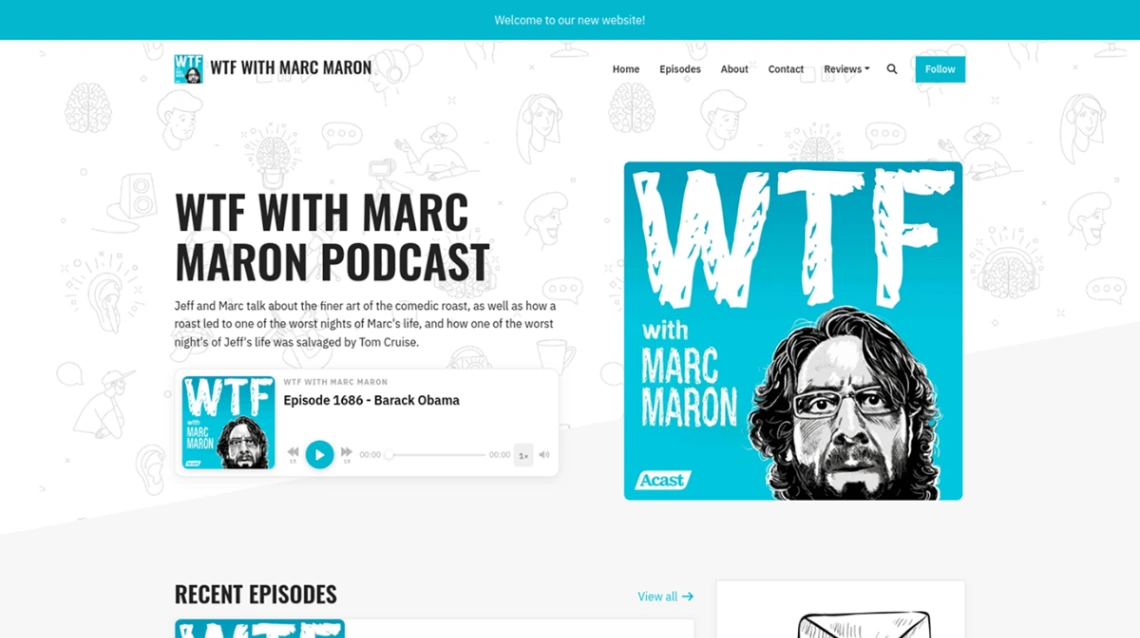
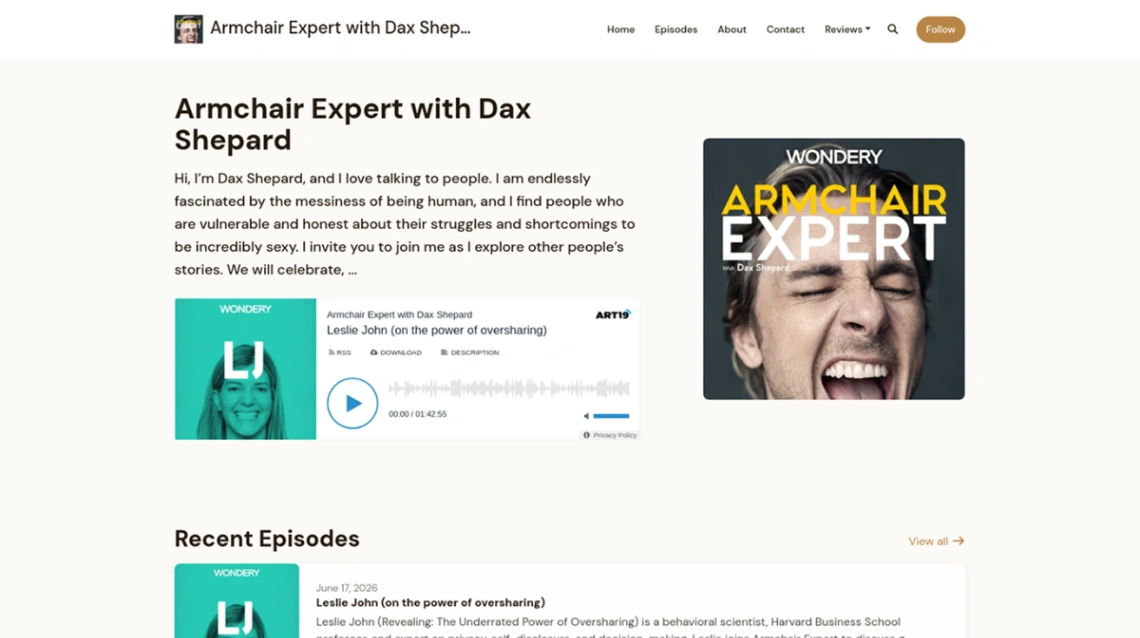
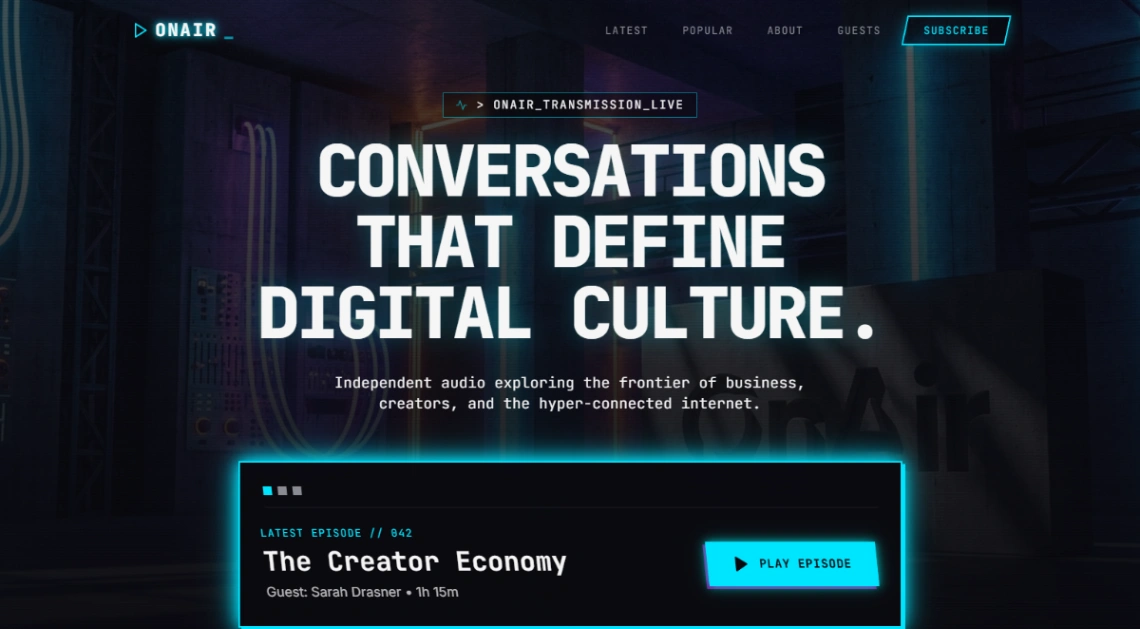
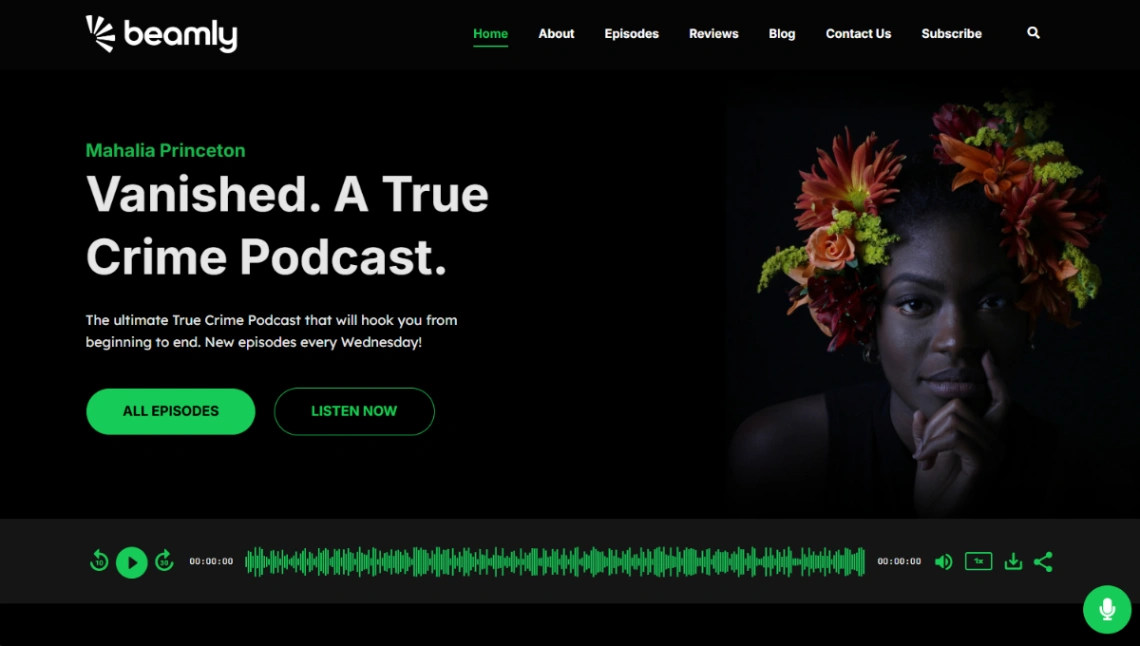
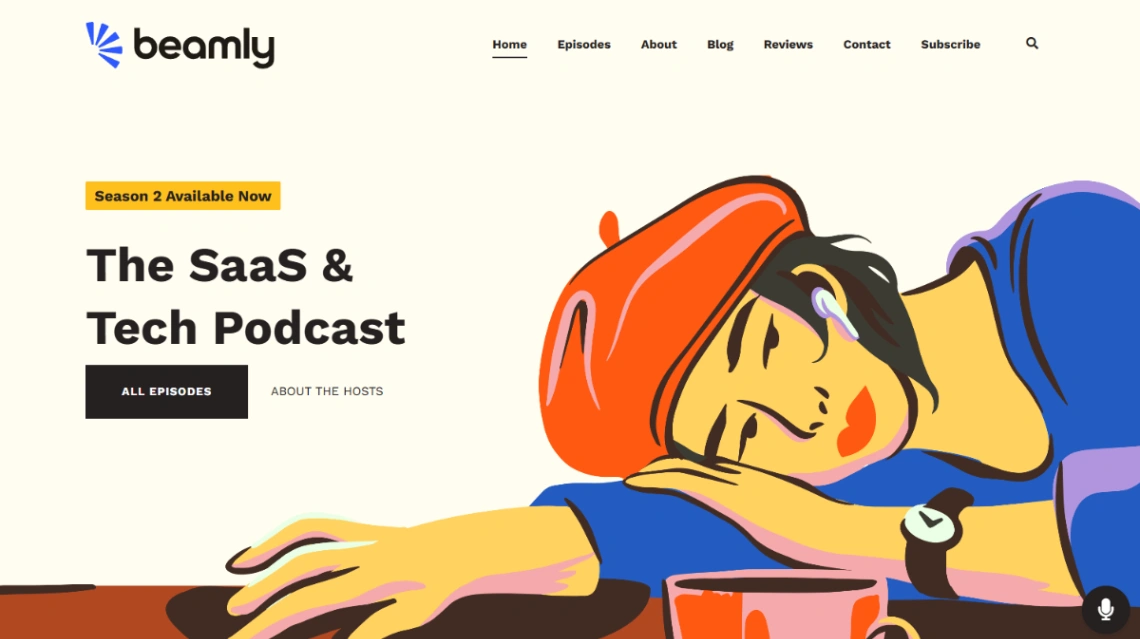
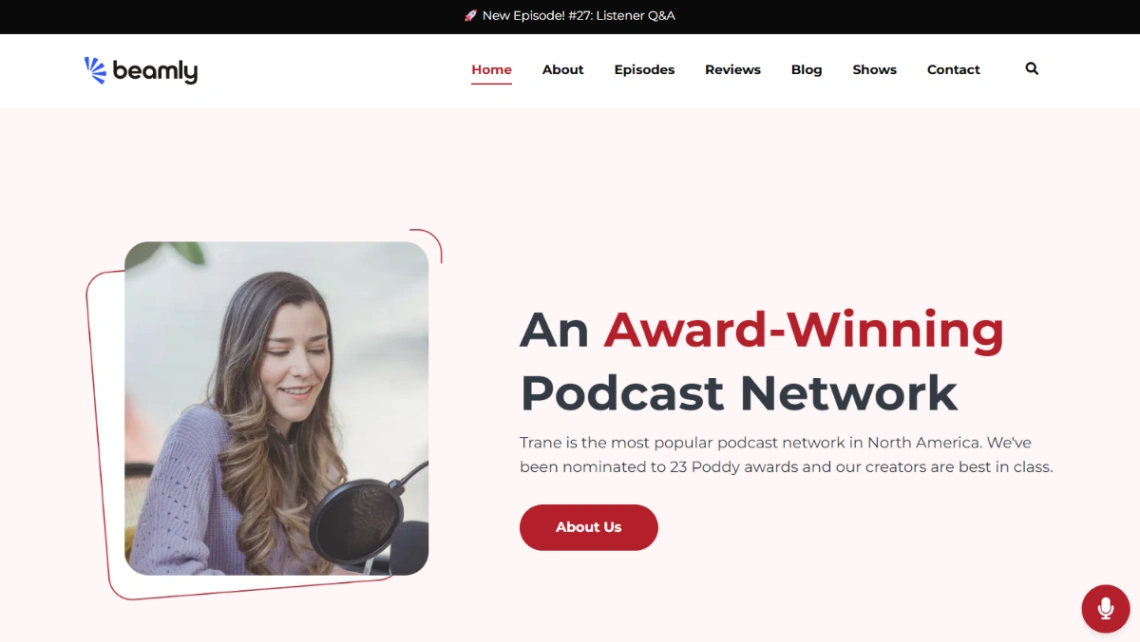
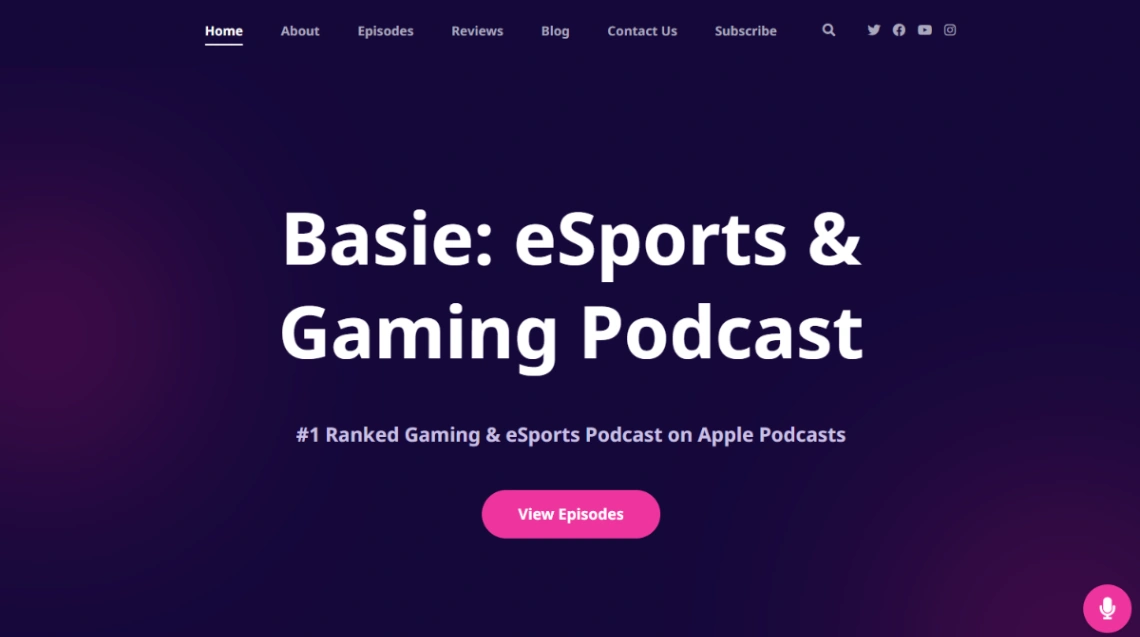
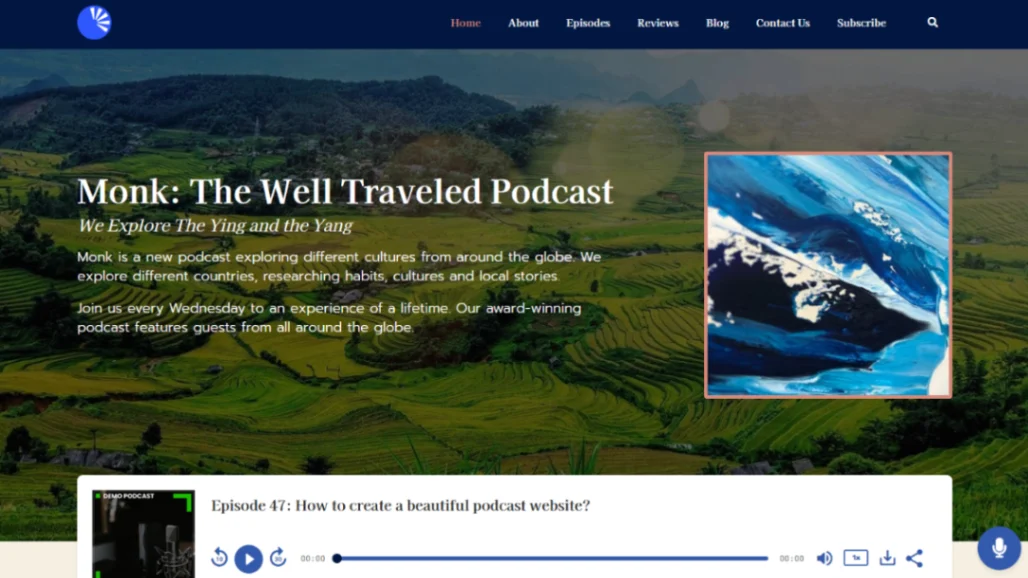
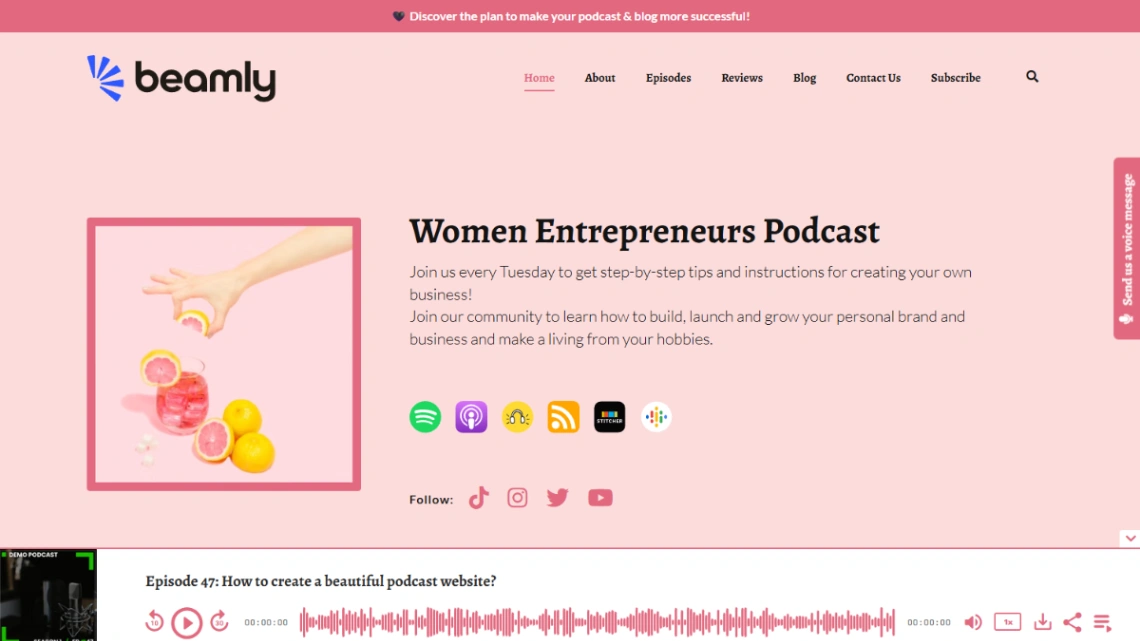
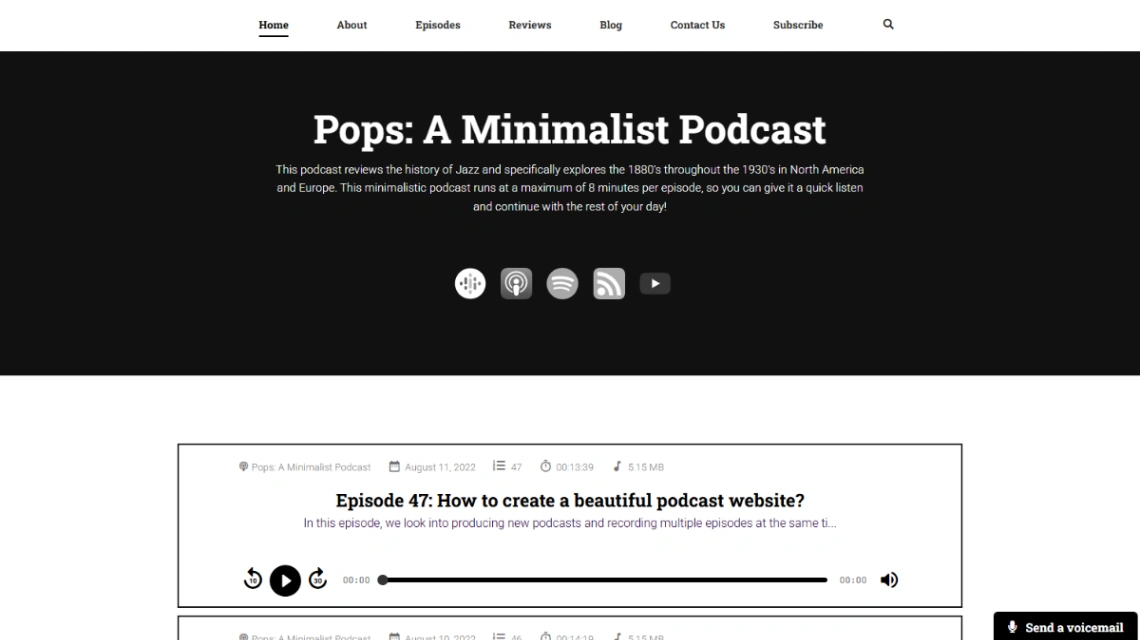
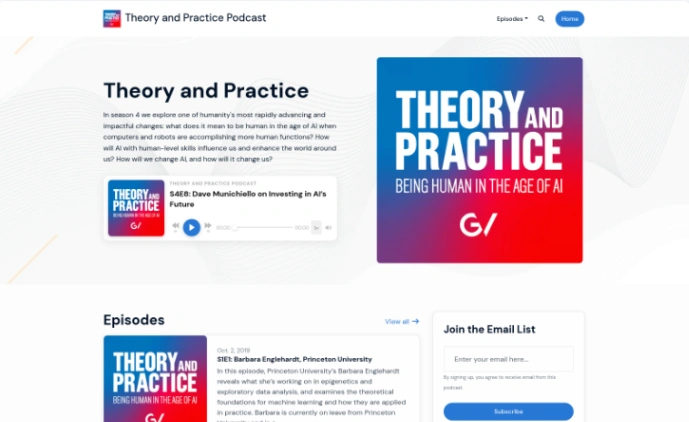
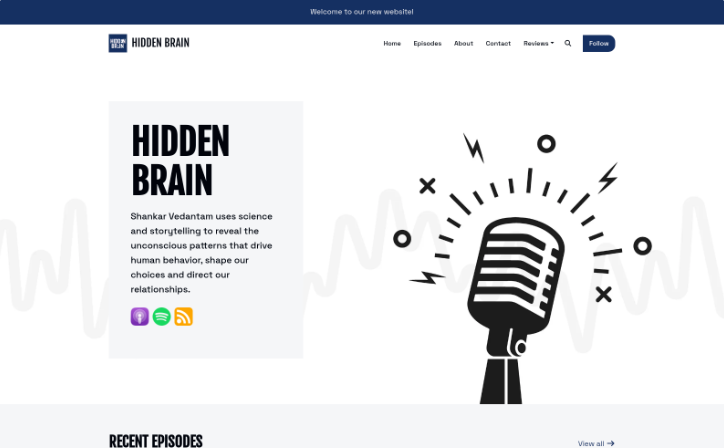
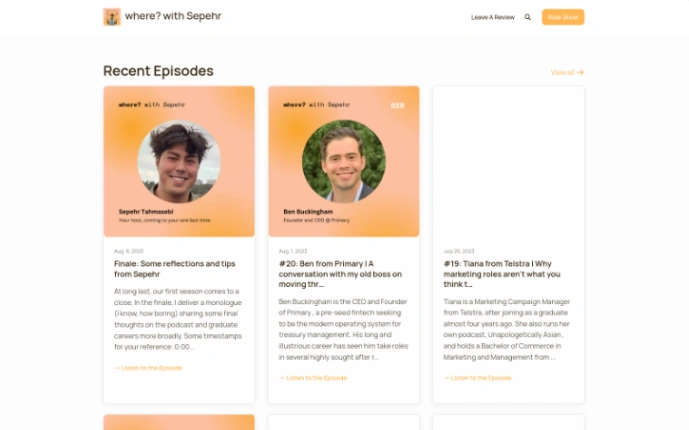
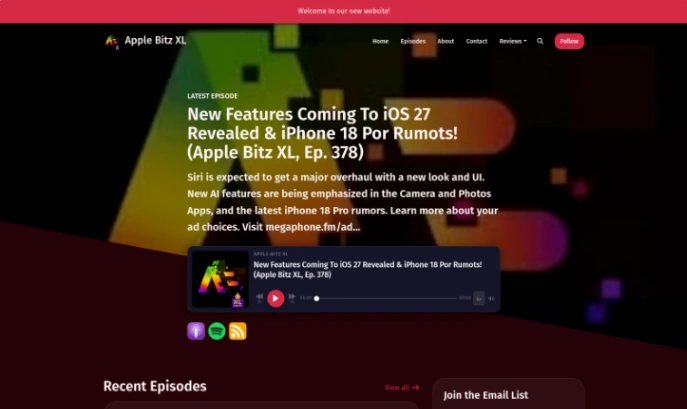
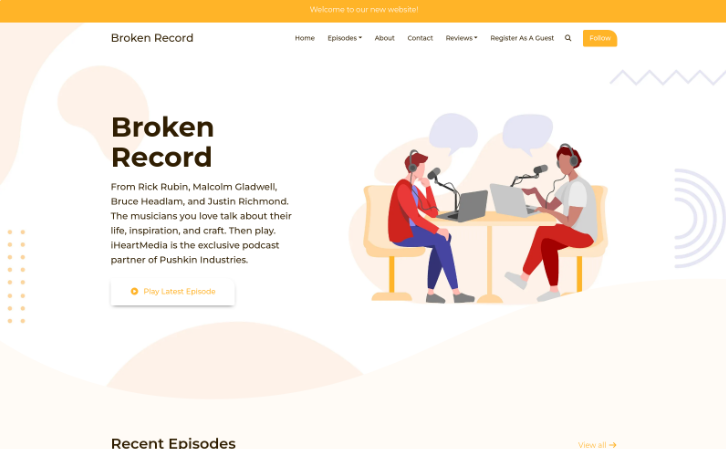
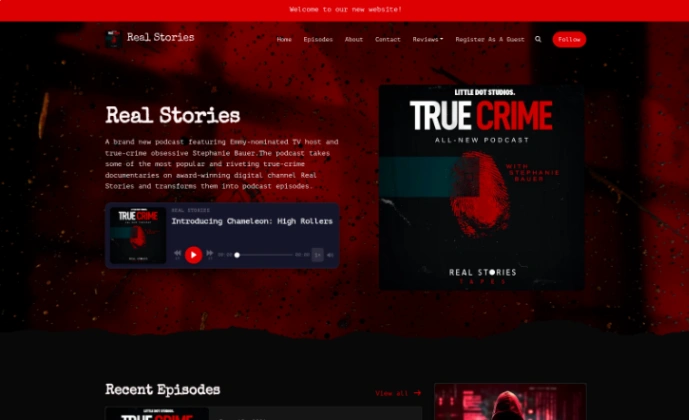
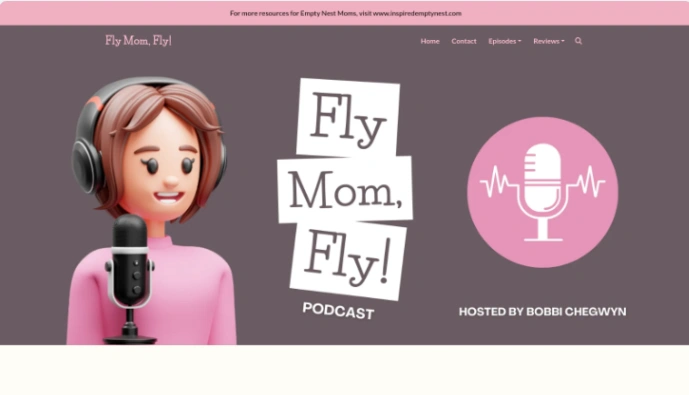
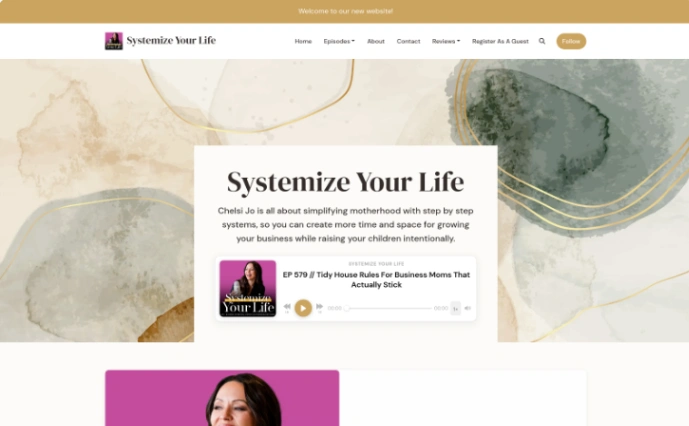
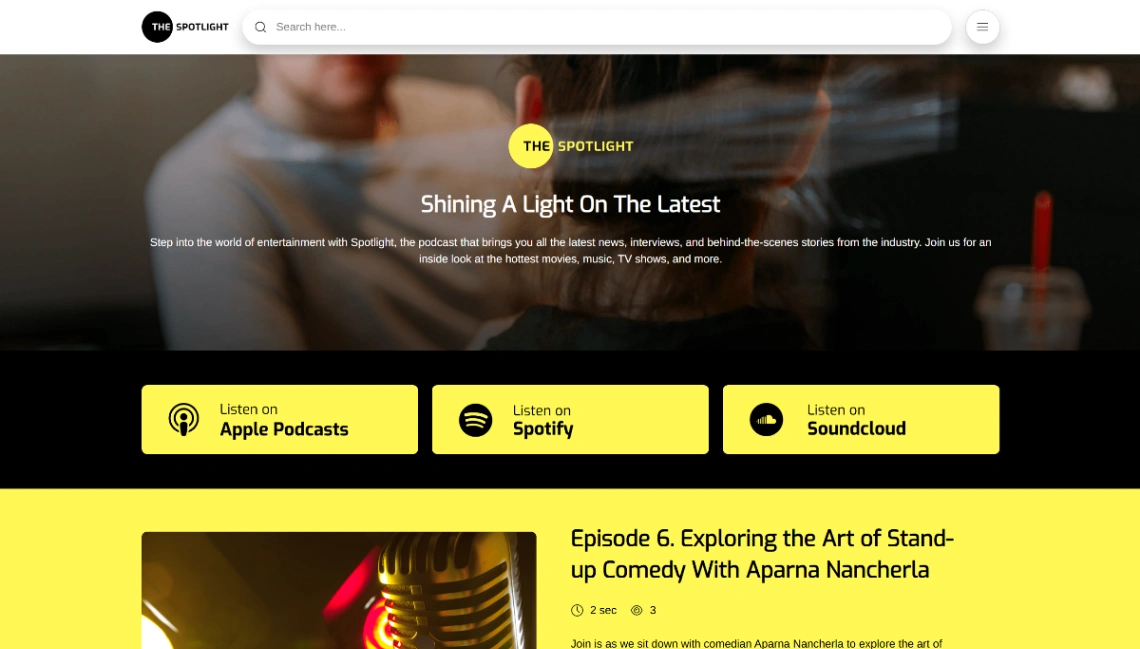
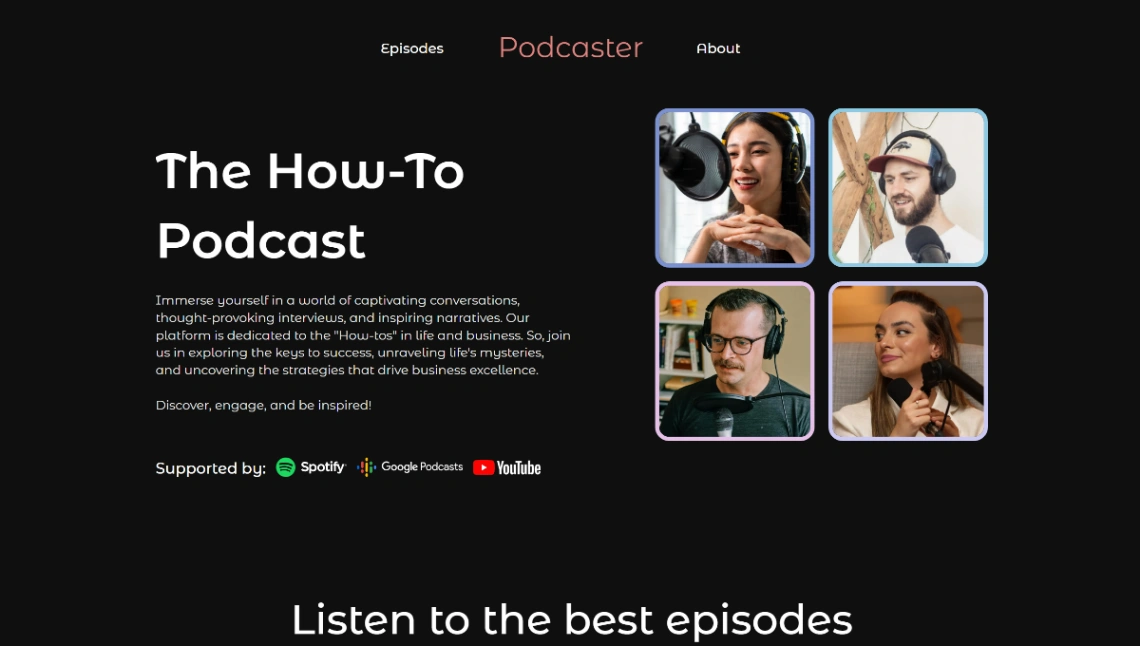
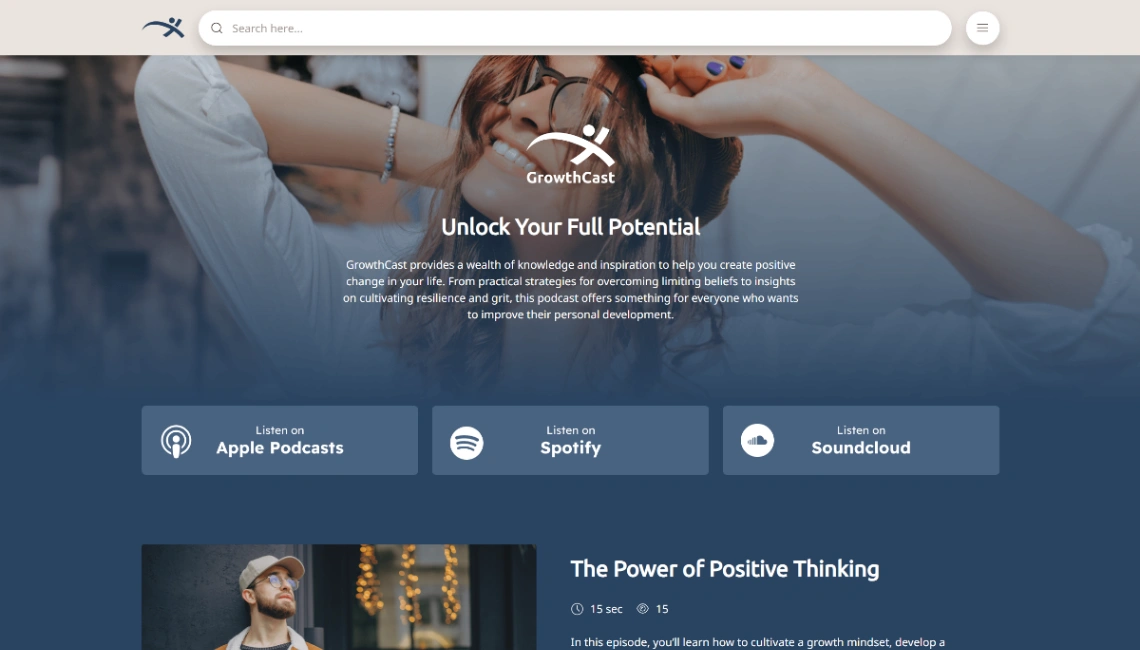
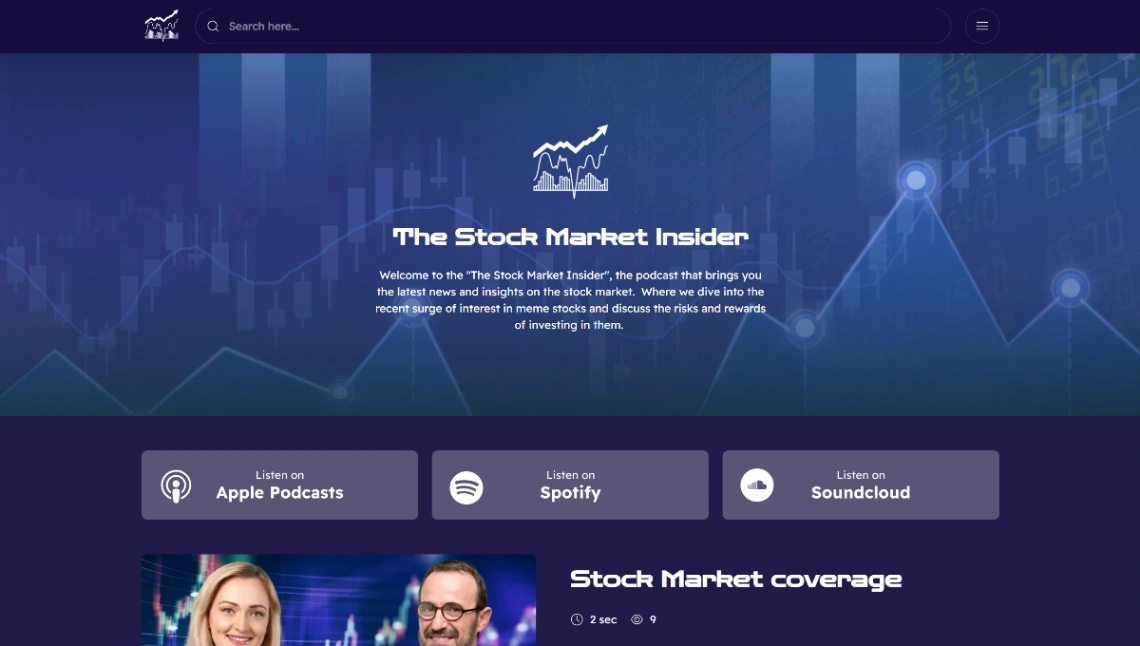
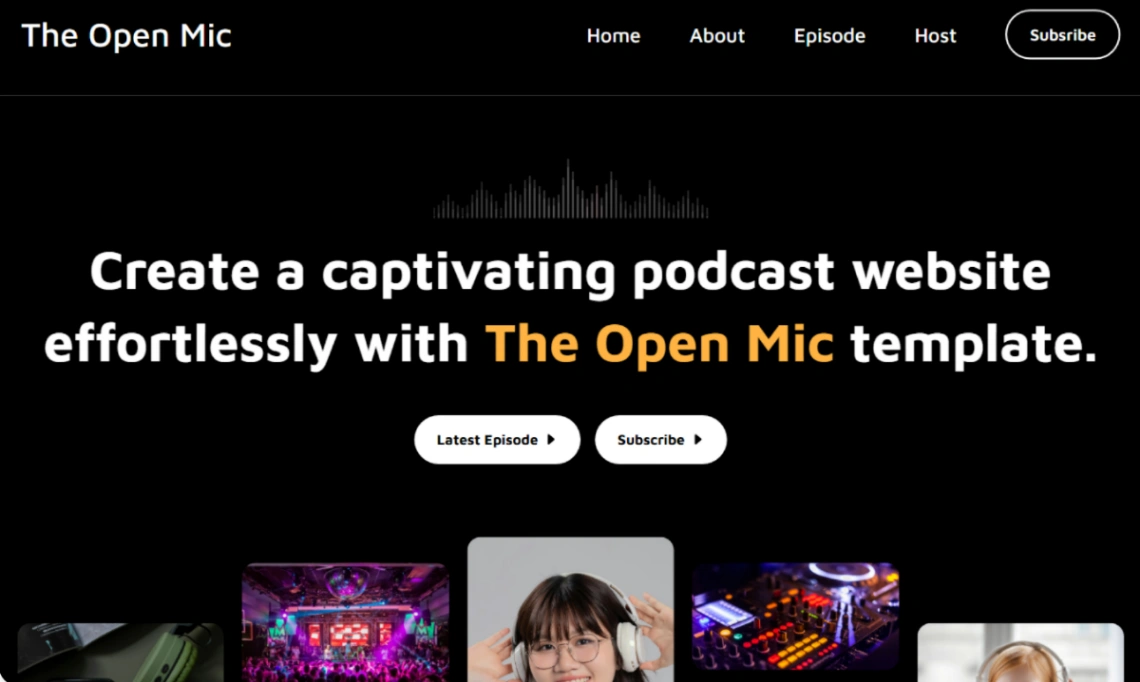
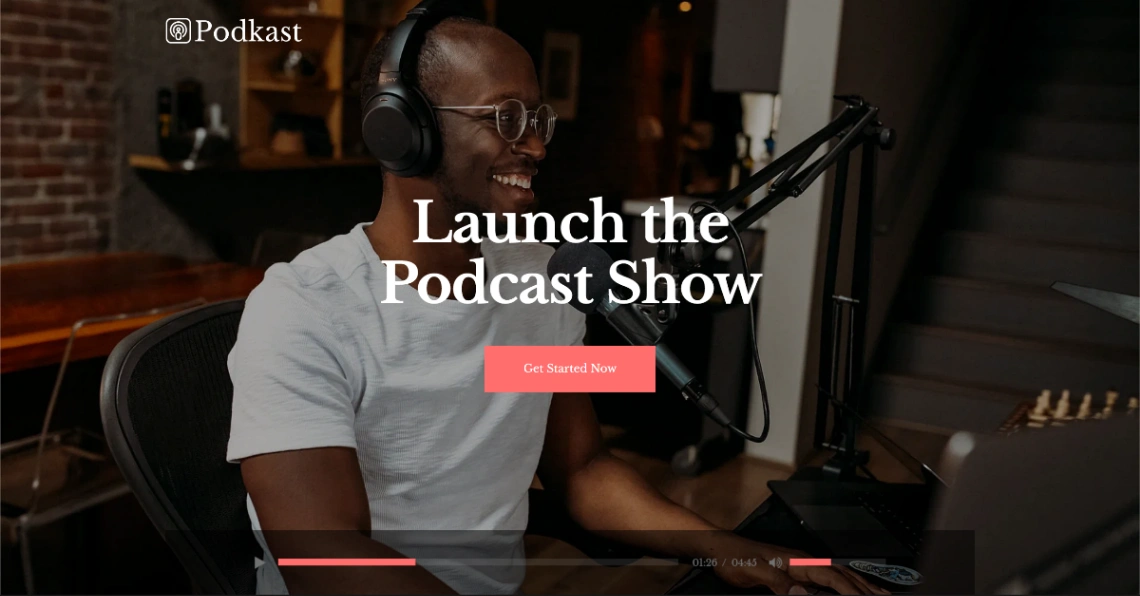
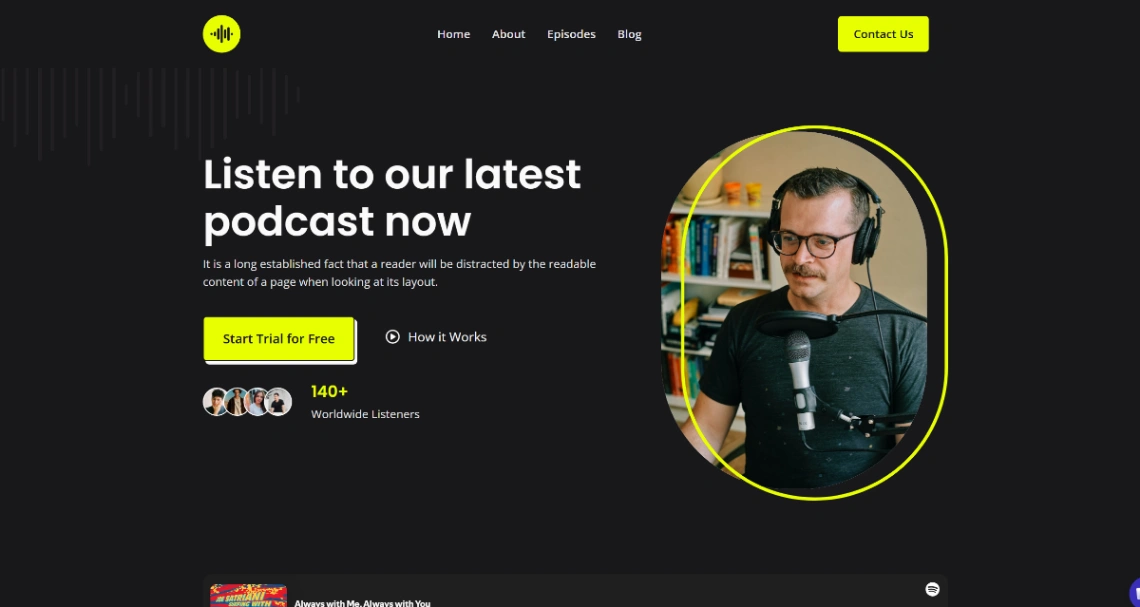
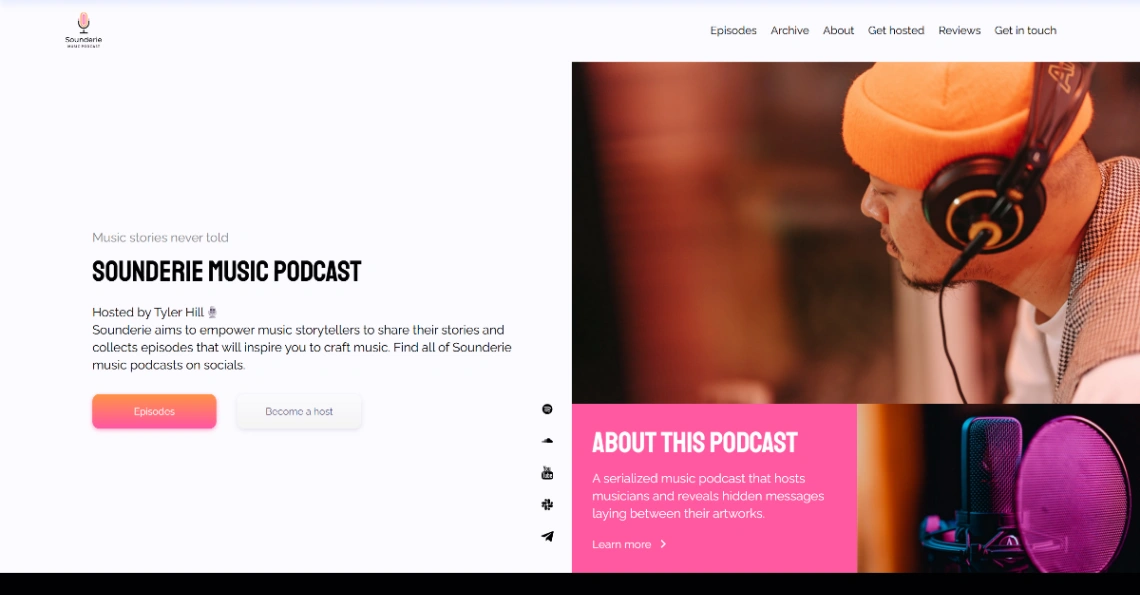
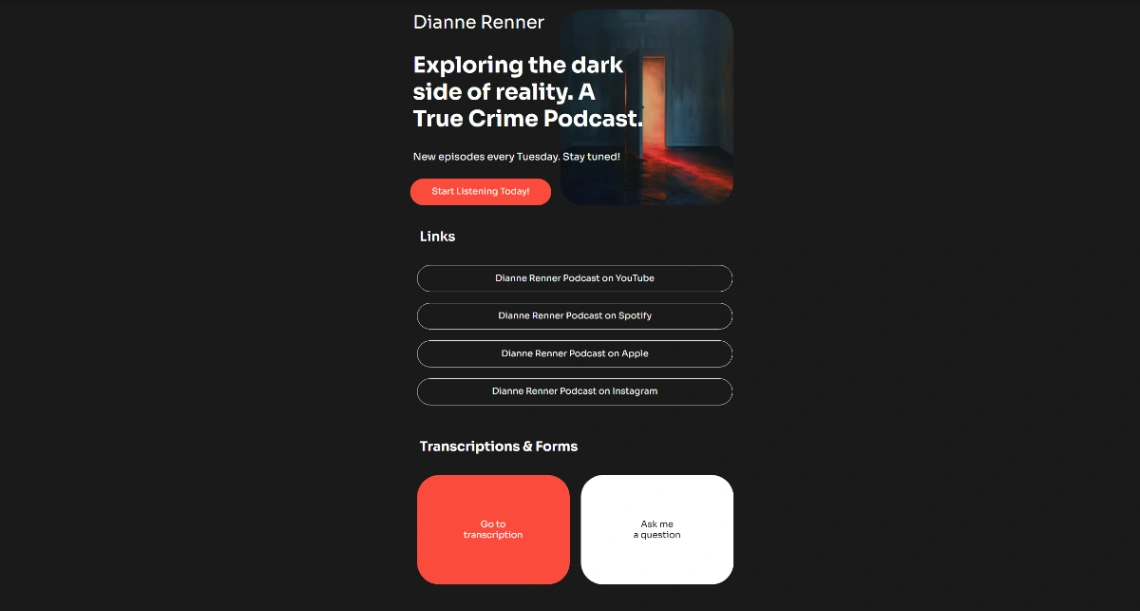
Your feed already did most of the work: paste the RSS into any template here and episodes, players and subscribe links assemble themselves. So judge these designs on the layer above the automation — how a listener browses a hundred episodes, whether there's search across show notes, how seasons and guest appearances are organized. The real gap between podcast sites is navigation, not looks. Season structure earns its keep around episode fifty, when the archive outgrows a single scrolling list.
The case for a site at all, when your host gives you a page for free: the domain is yours, the analytics are yours, and — the part that compounds — episode pages become a search surface. Real show notes and transcripts rank for the questions your episodes answer; the host's page ranks for your show's name and nothing else. Hours of spoken insight stay invisible to search engines until someone writes them down.
Then look for the conversion ladder. A visitor should be able to follow the show in one tap, join the mailing list in two, and support it — membership, premium feed, tips — in three. Templates differ sharply in which rungs exist; the feed-synced platforms in the pinned picks above carry most of the ladder natively.
The failure mode unique to this category: the duplicate that lags. If your template needs manual updates and the site shows episode 40 while the feed is on 52, the site now actively tells new listeners the show is dormant. Feed-synced or nothing — that's the one non-negotiable here.
FAQ