



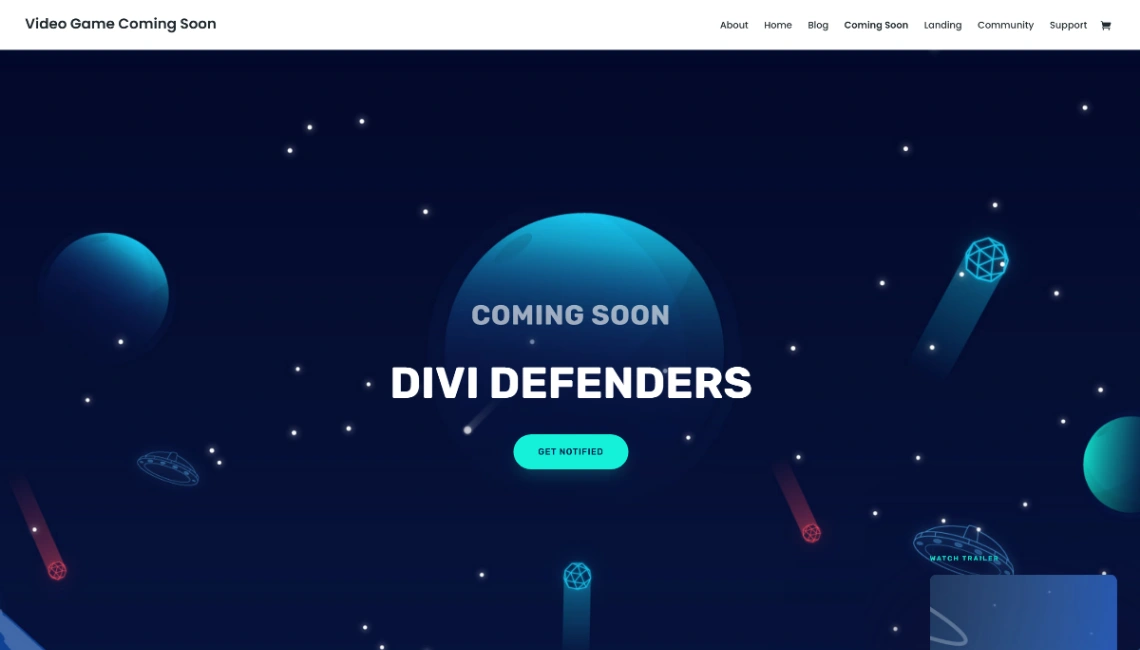
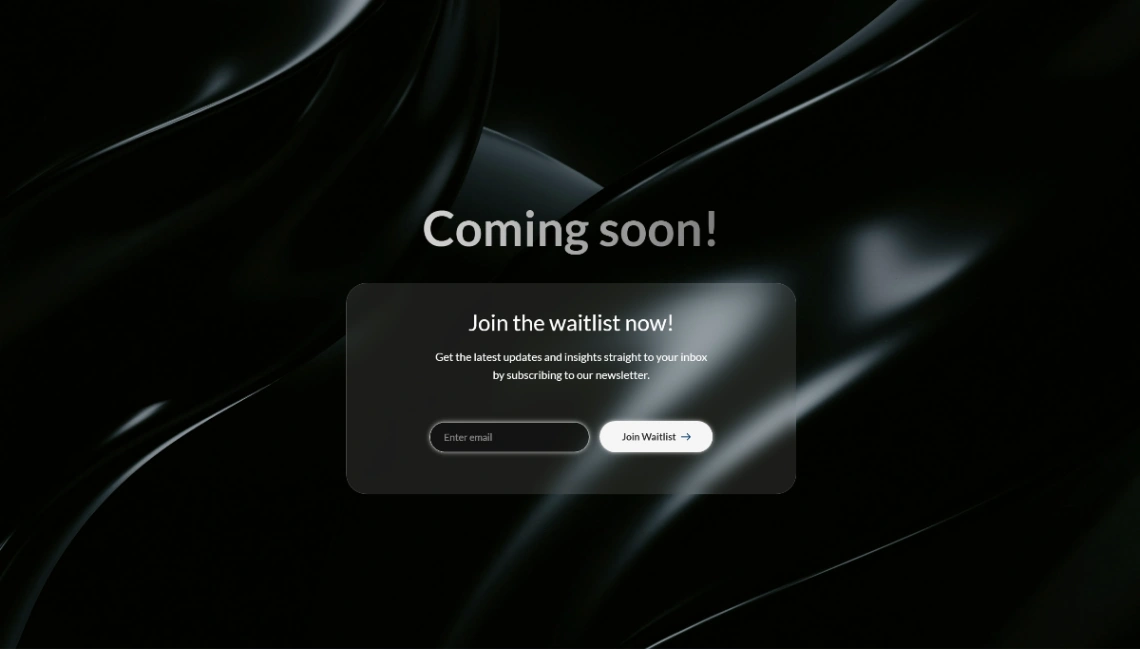
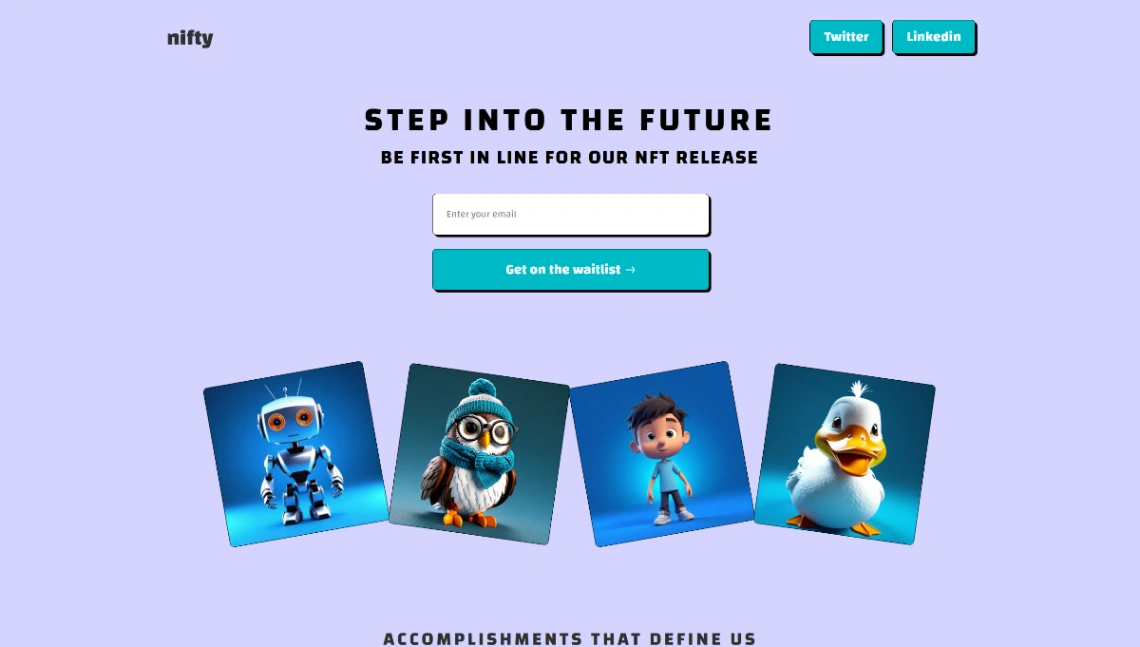
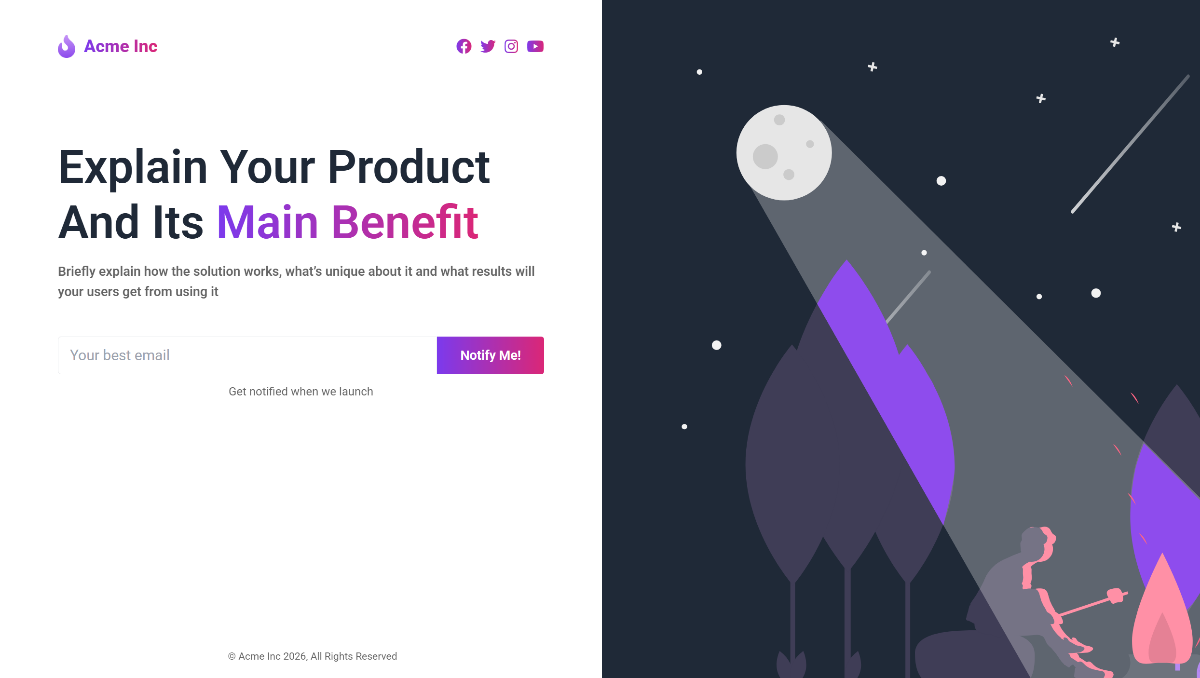
Buyer's guide
How to choose a coming soon template
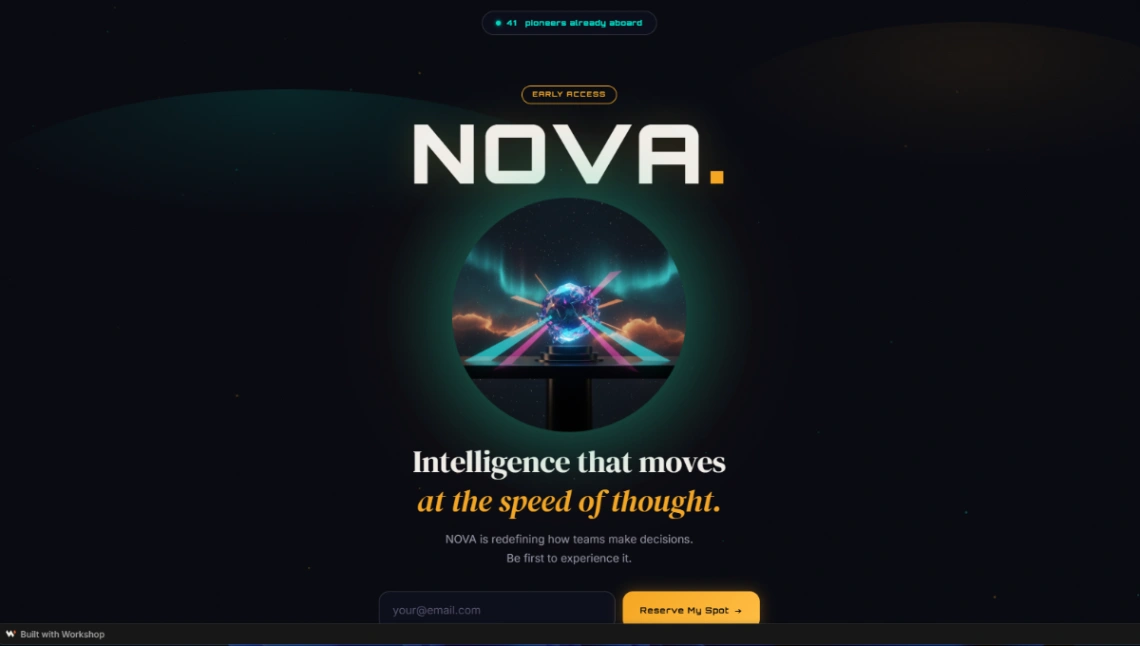
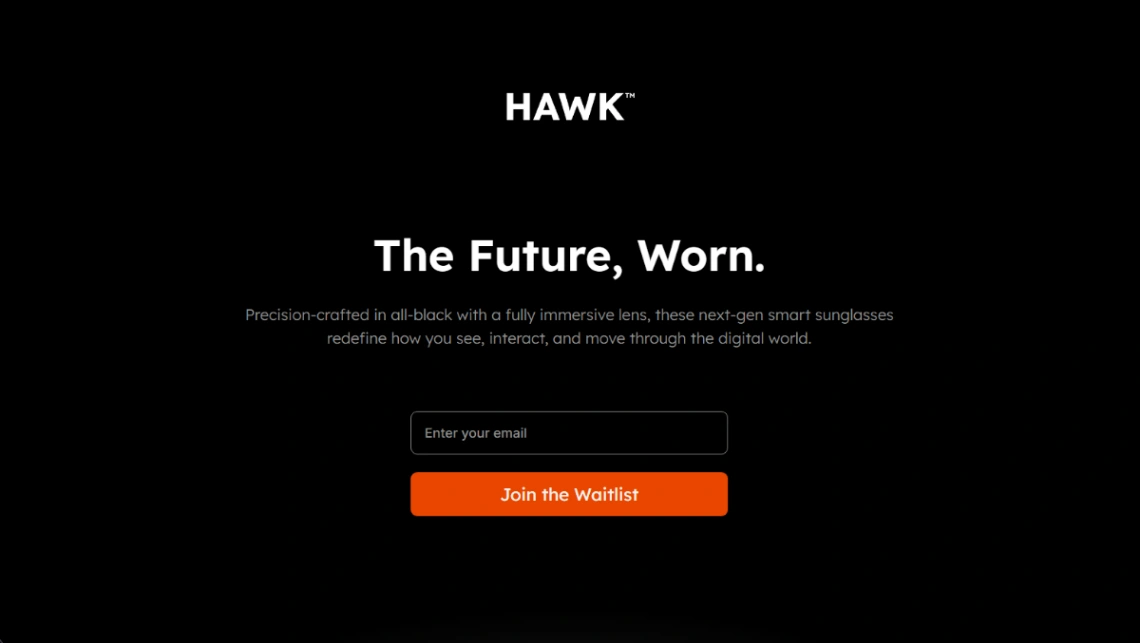
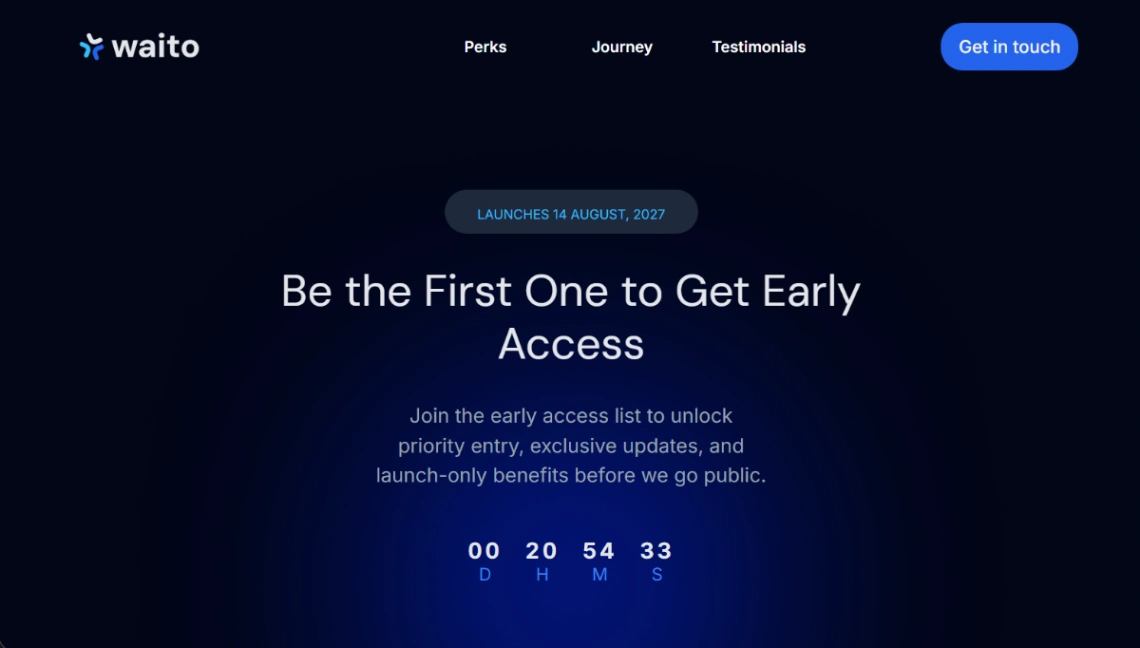
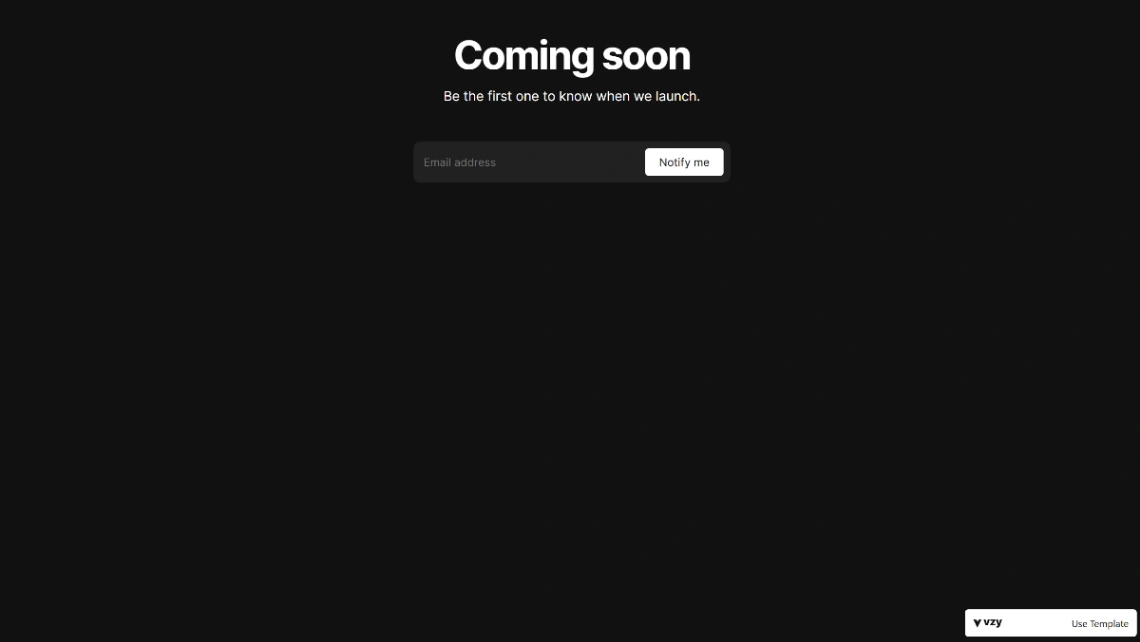
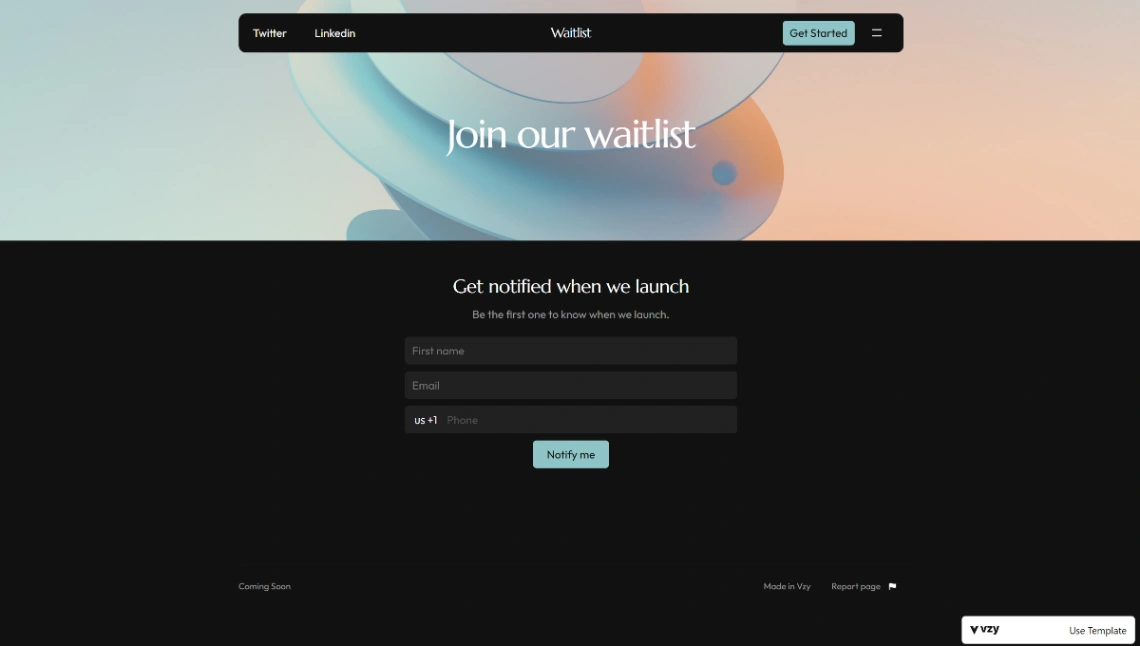
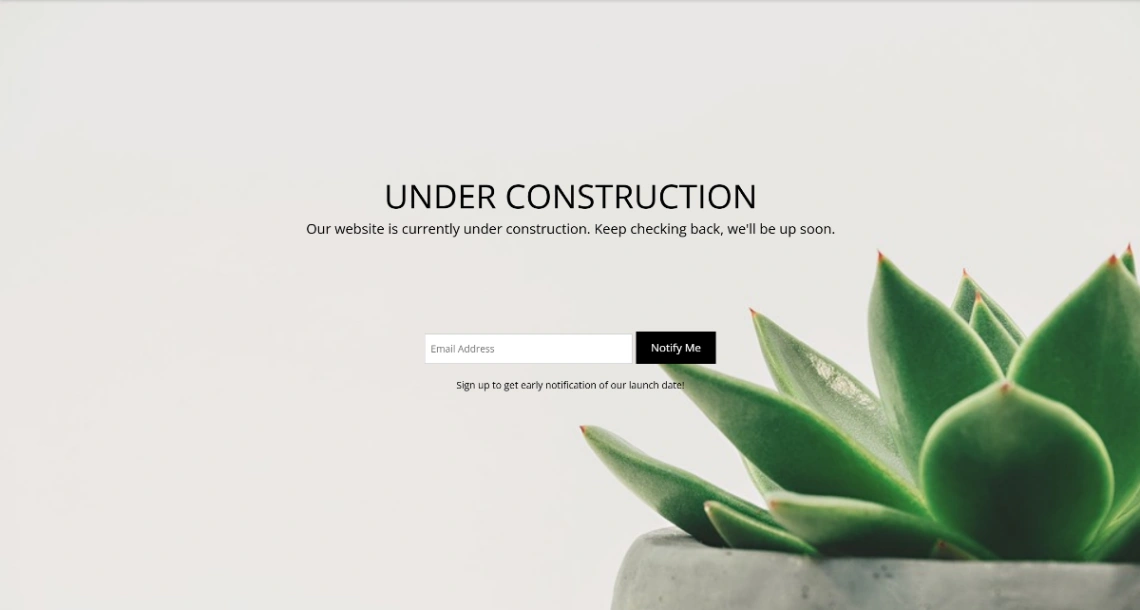
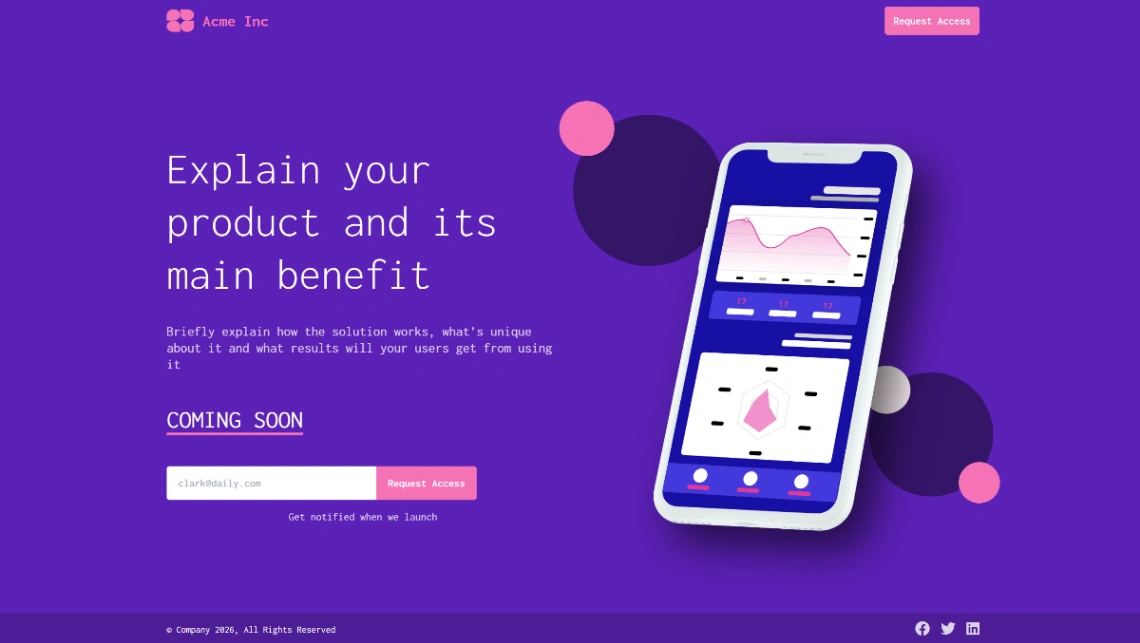
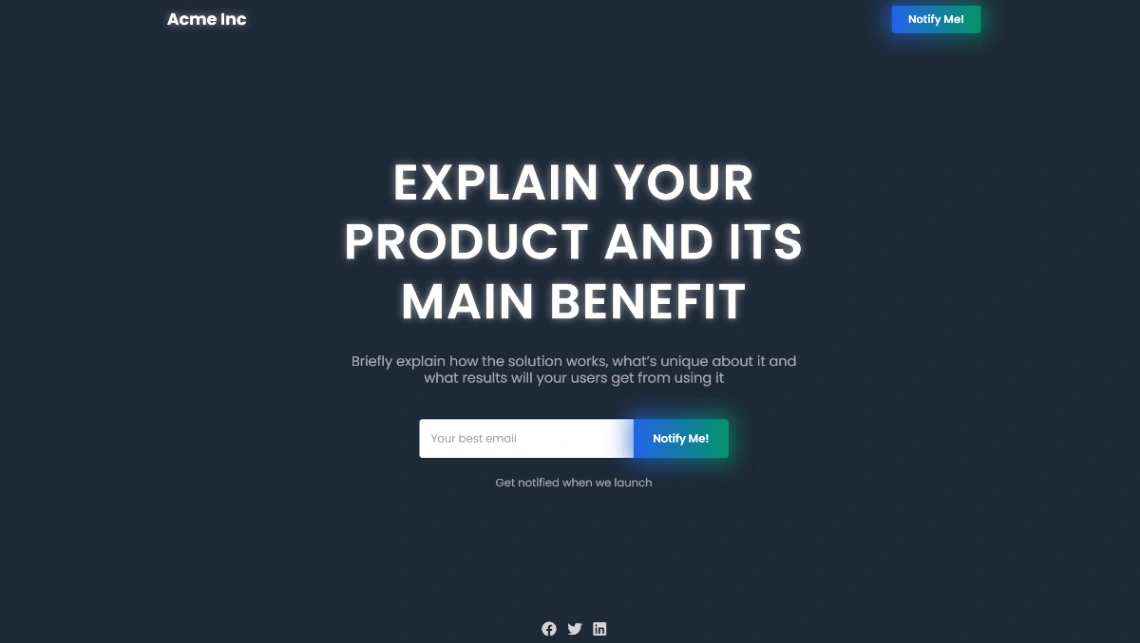
The countdown is the least important element on a coming-soon page. The page has exactly two jobs — say enough to earn an email, and make each email worth more than it cost to get — and every template in this small collection should be judged on how little stands between those two jobs and the visitor.
On the reveal: one concrete sentence beats three mysterious ones. "Bookkeeping software for freelance designers — launching spring" earns signups; "Something is coming" earns them only if you're already famous. Name who it's for and the problem it kills, tease the rest. Mystery is a brand budget most launches don't have yet. Screenshots can wait; a single line of social proof — where the team came from, who's already waiting — cannot.
Then the mechanics that compound while you build. Give the signup a reason — early access, founding pricing, a name on the wall. Add a referral hook if the template supports one; "move up the list" turns your first hundred emails into their friends. And quietly, the biggest one: a live page on your real domain starts search engines' clock months before launch. Ship the page the day you buy the domain — the lightweight builders pinned above make that an evening's work.
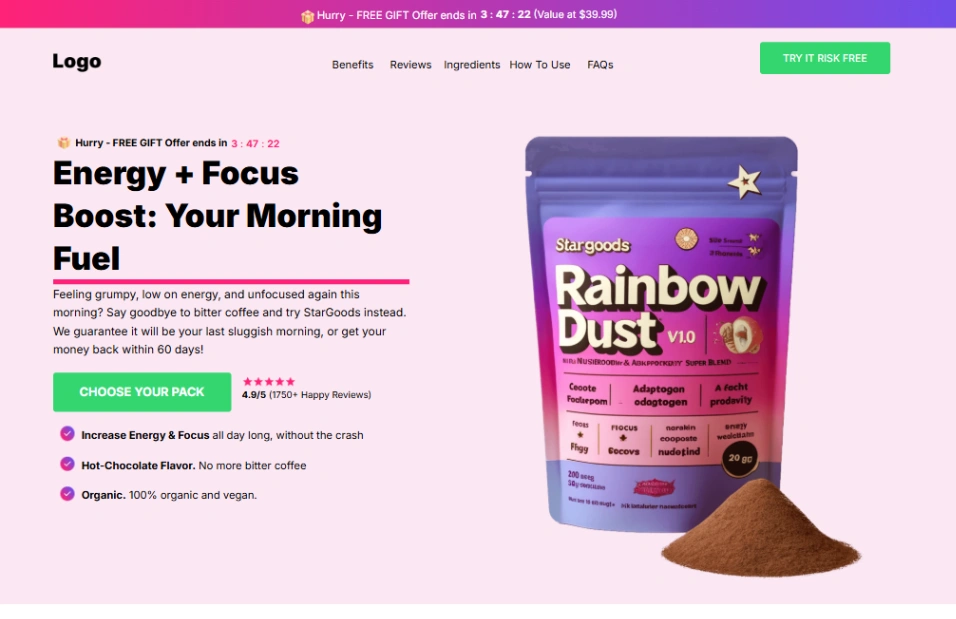
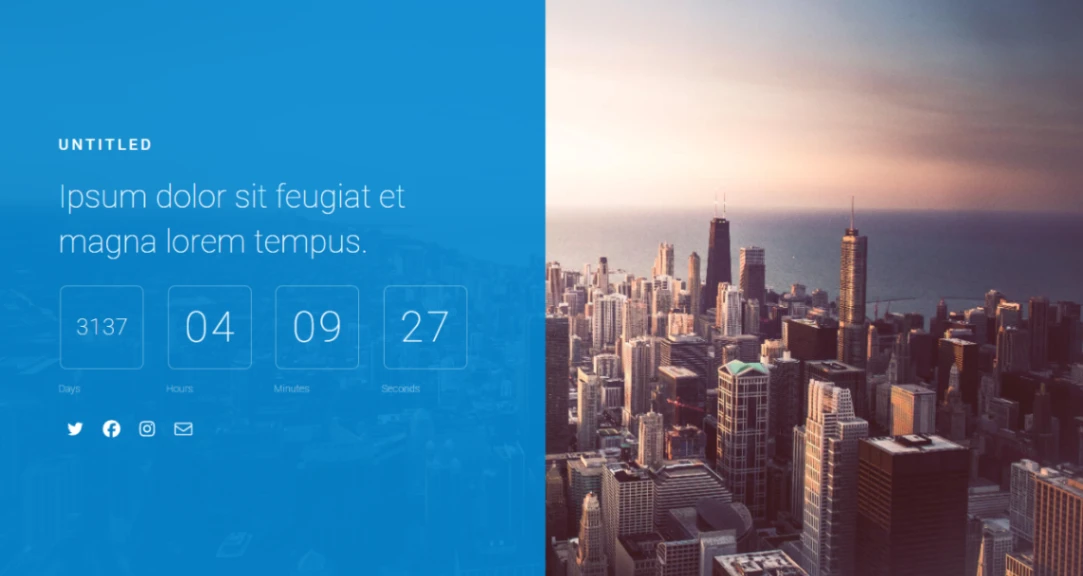
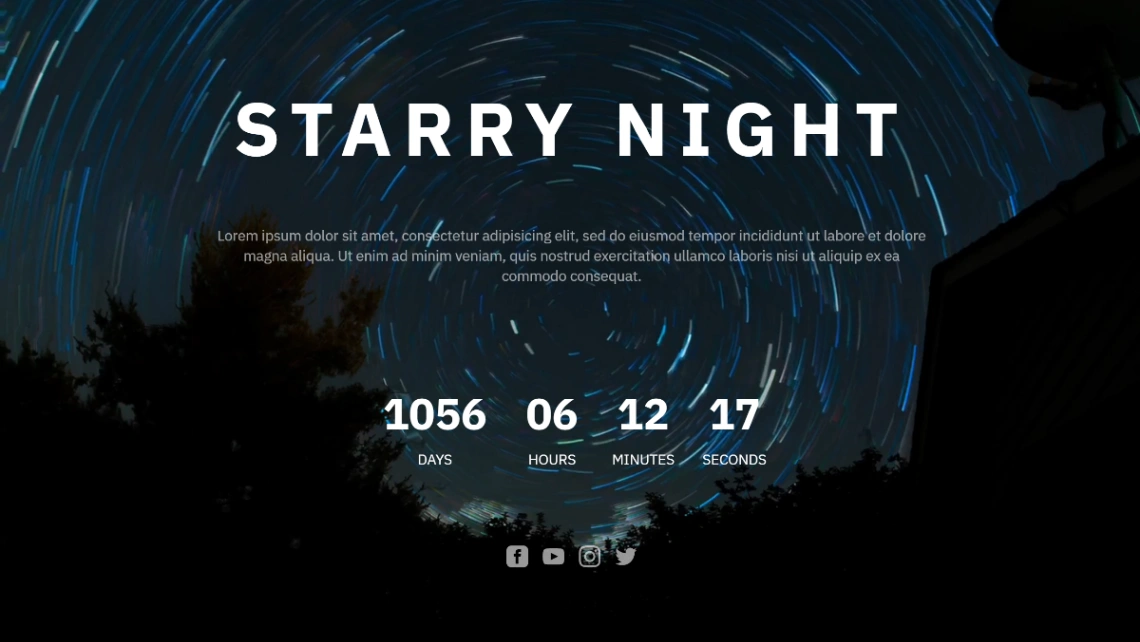
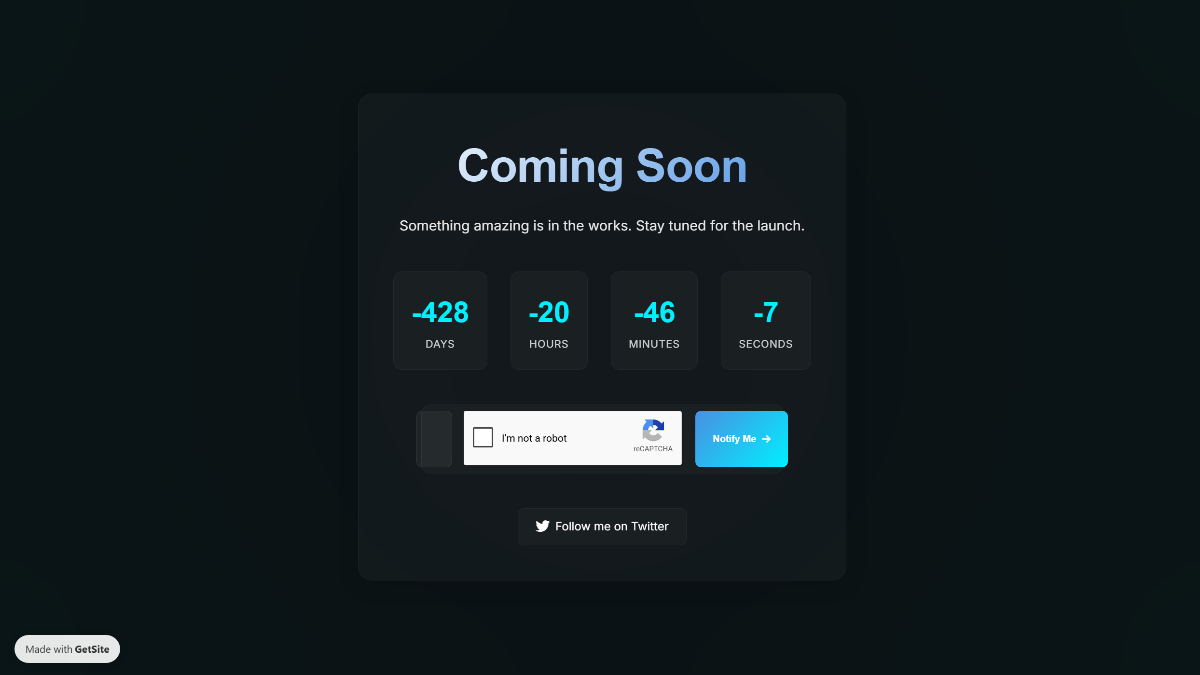
The one way to fail: dishonest urgency. A countdown that reaches zero and resets converts your earliest believers — the exact people who trusted you first — into permanent skeptics. Use a timer only for a date you'd stake money on; "coming this spring" survives a slip, "17 days, 4 hours" does not.
FAQ