



Personal Templates

Create your personal brand online with no-code templates. Perfect for resumes, CVs, and personal websites.

147free templates

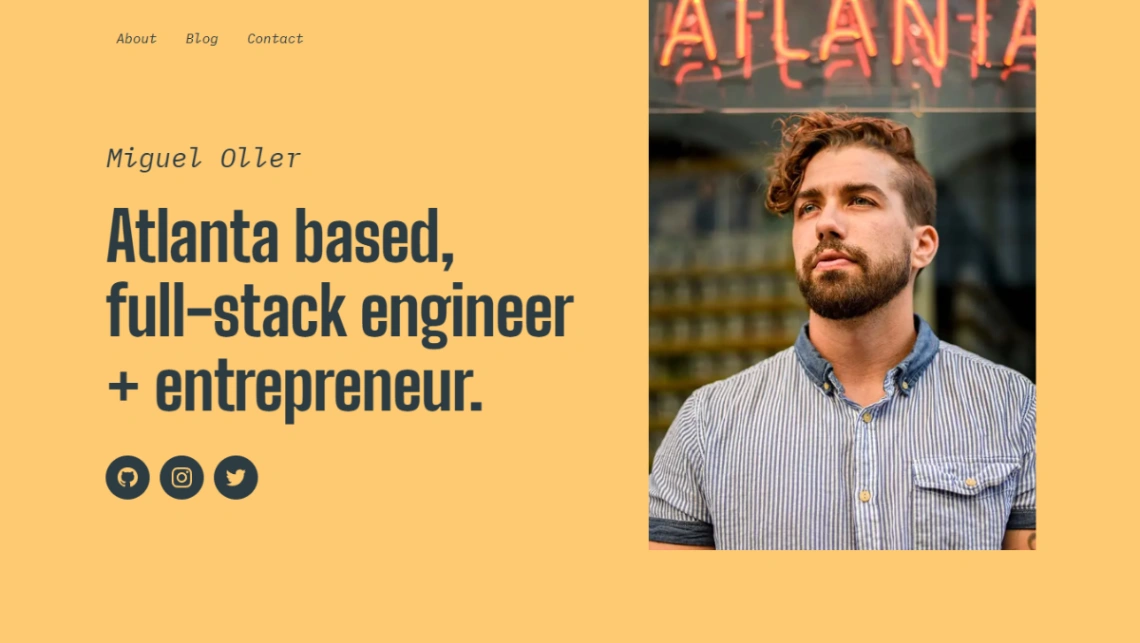
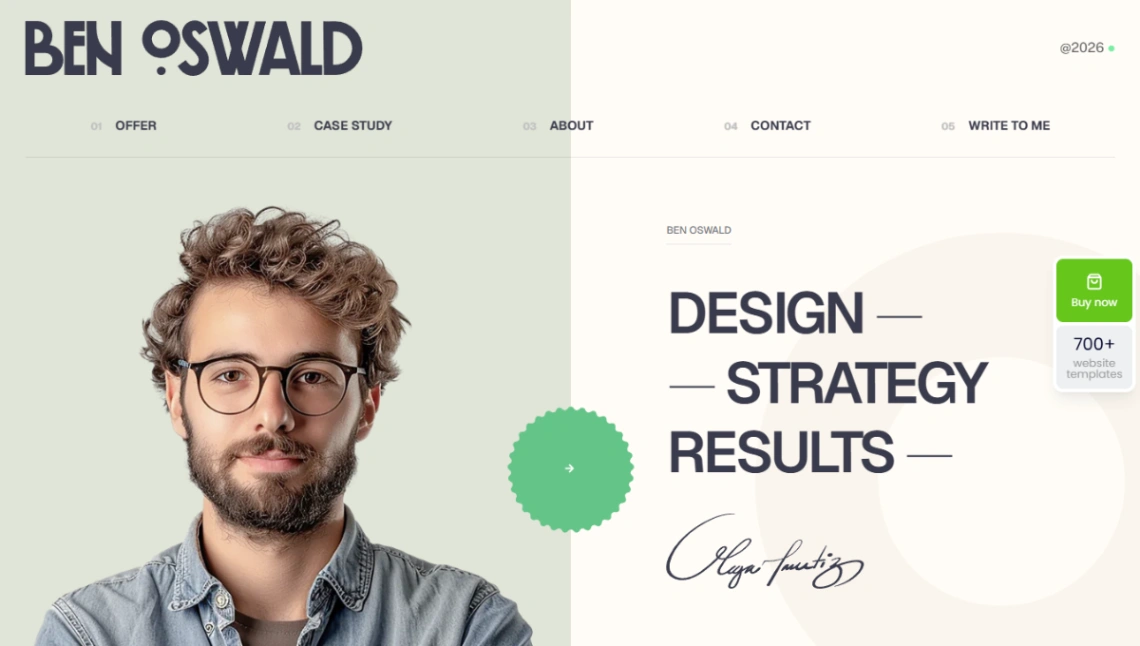
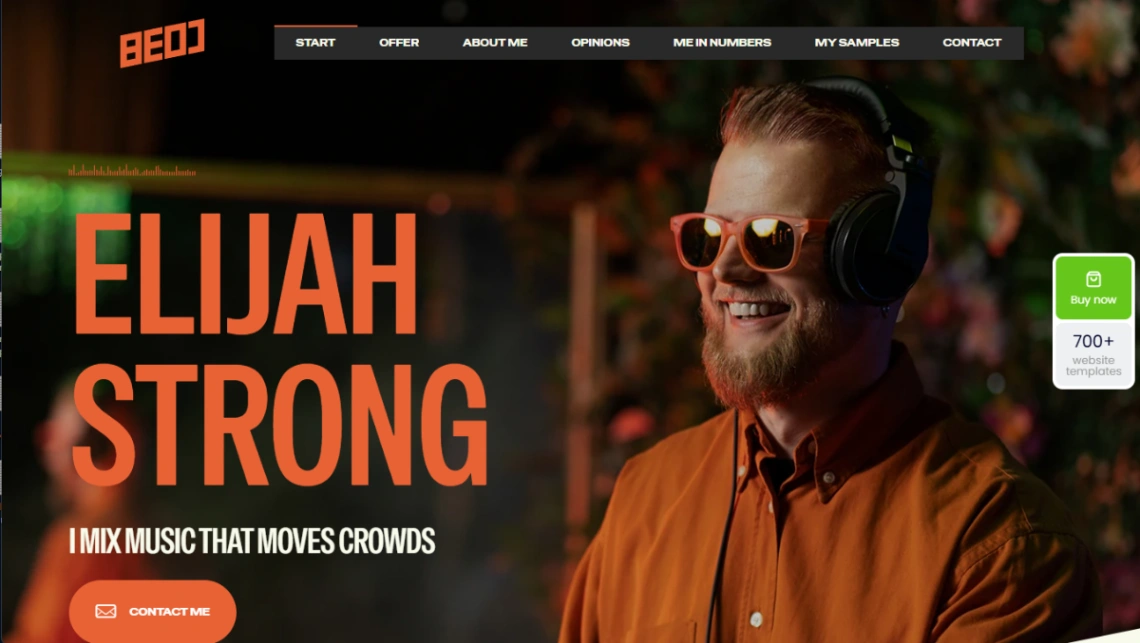
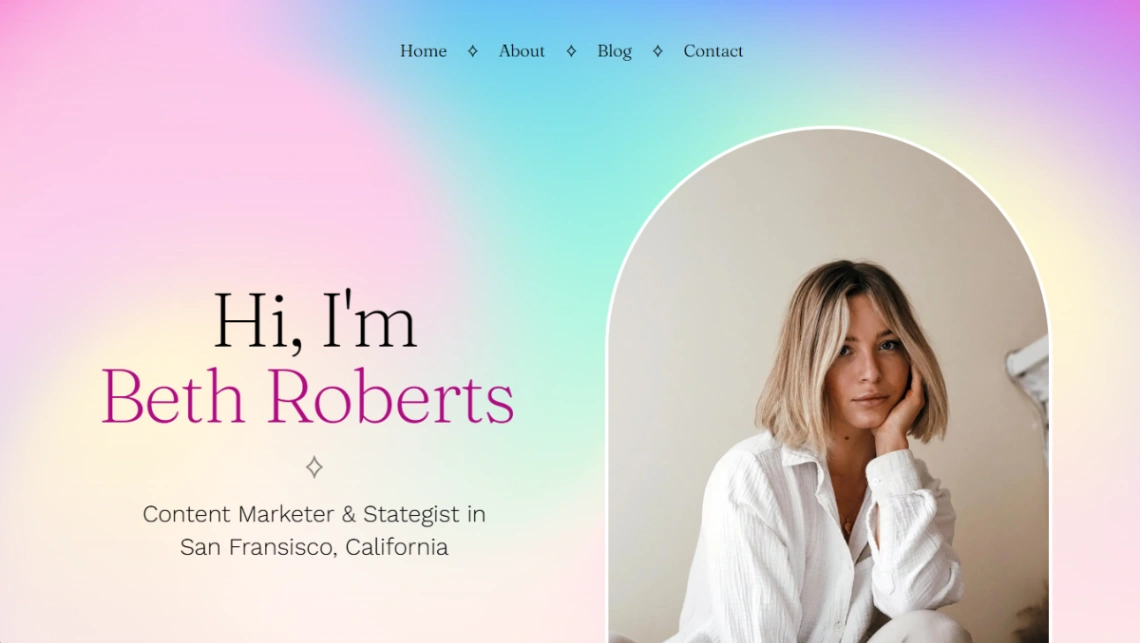
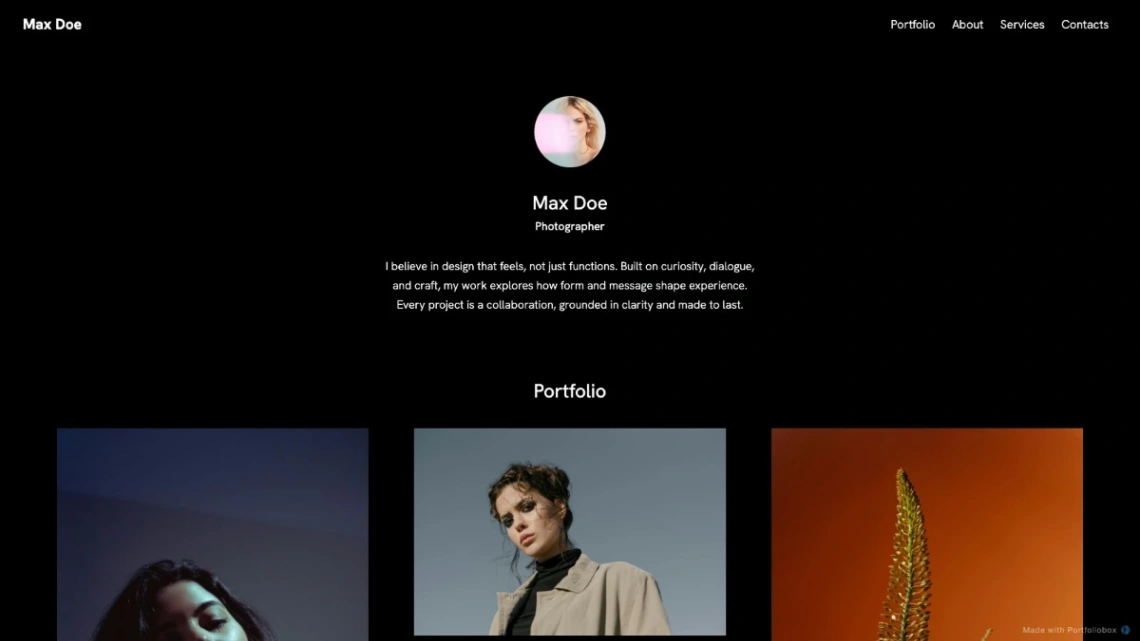
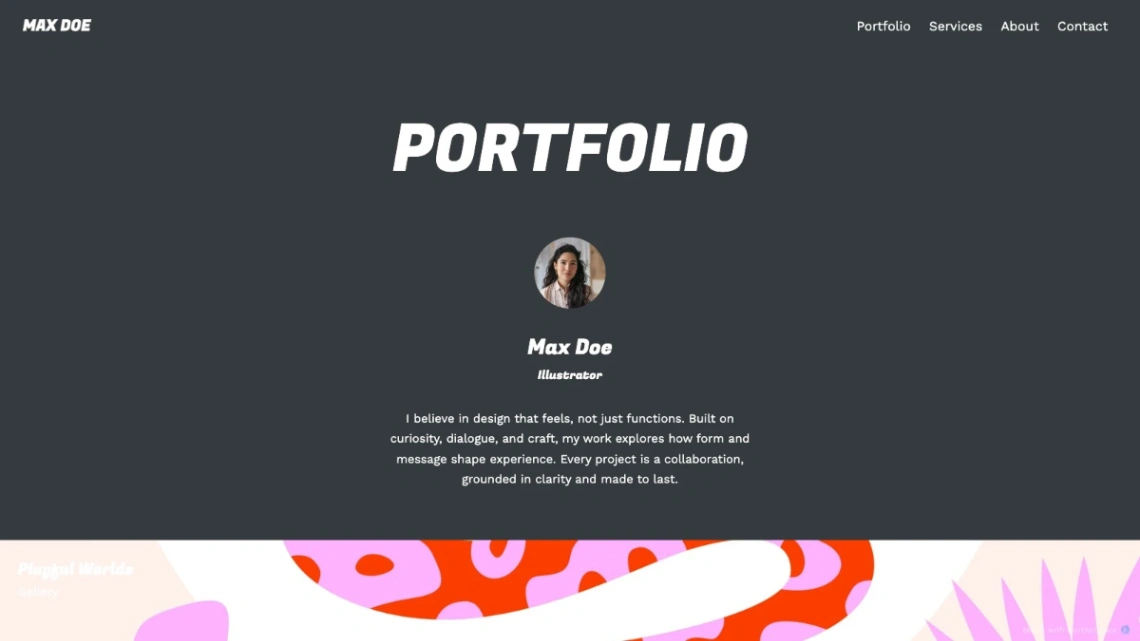
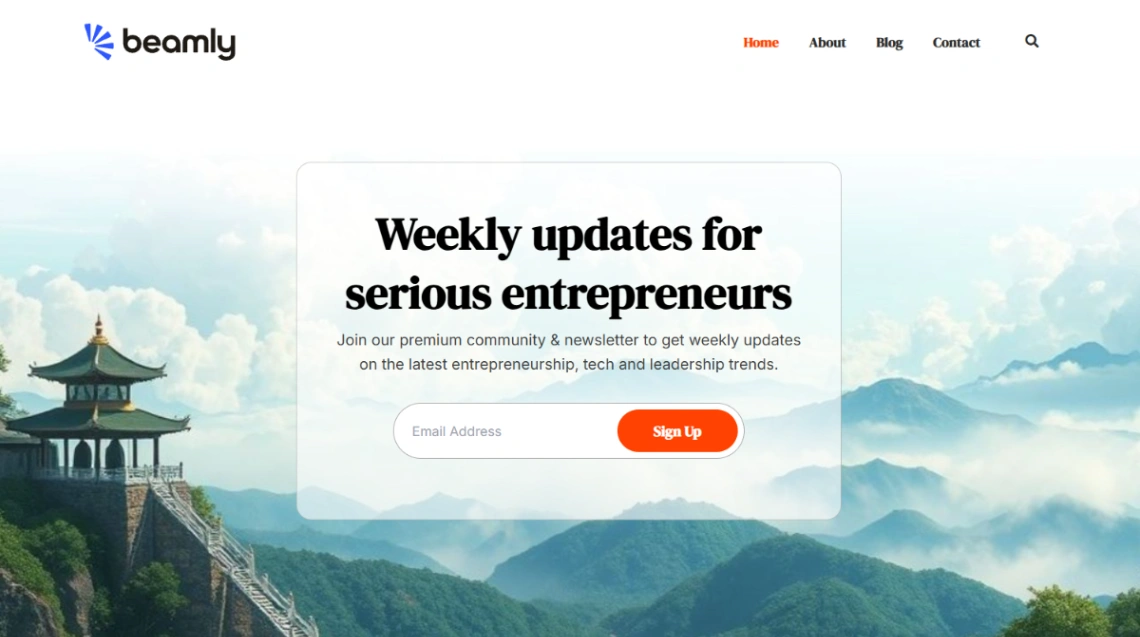
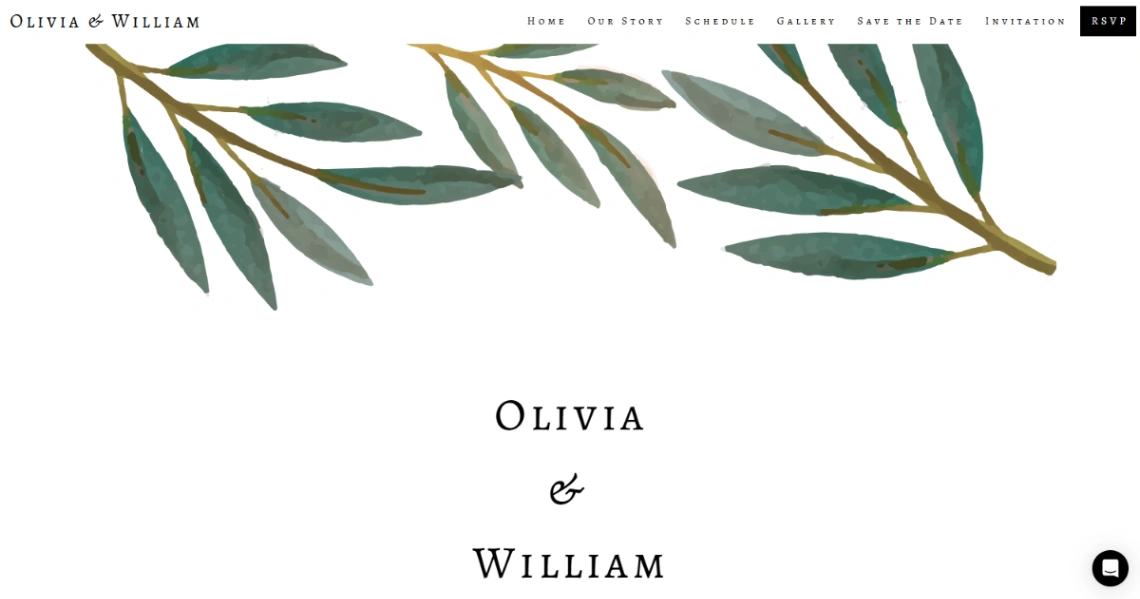
A personal website outlives every social profile you'll ever fill in. These 147 personal website templates make starting one trivial — one-pagers, doc-style pages you edit like a note, and fuller homes for writing. Buy the domain, pick one, and own your name online.

· Updated July 2026

Link In Bio website template
Free

Buyer's guide

How to choose a personal template

Your name gets searched — by a hirer, a date, an old colleague — and the only question is whether you wrote the first result or an algorithm did. That's the entire case for a personal website, and it's why the right template here is the one you'll actually publish this weekend: a page that says who you are, what you do, and how to reach you, at a domain you own.

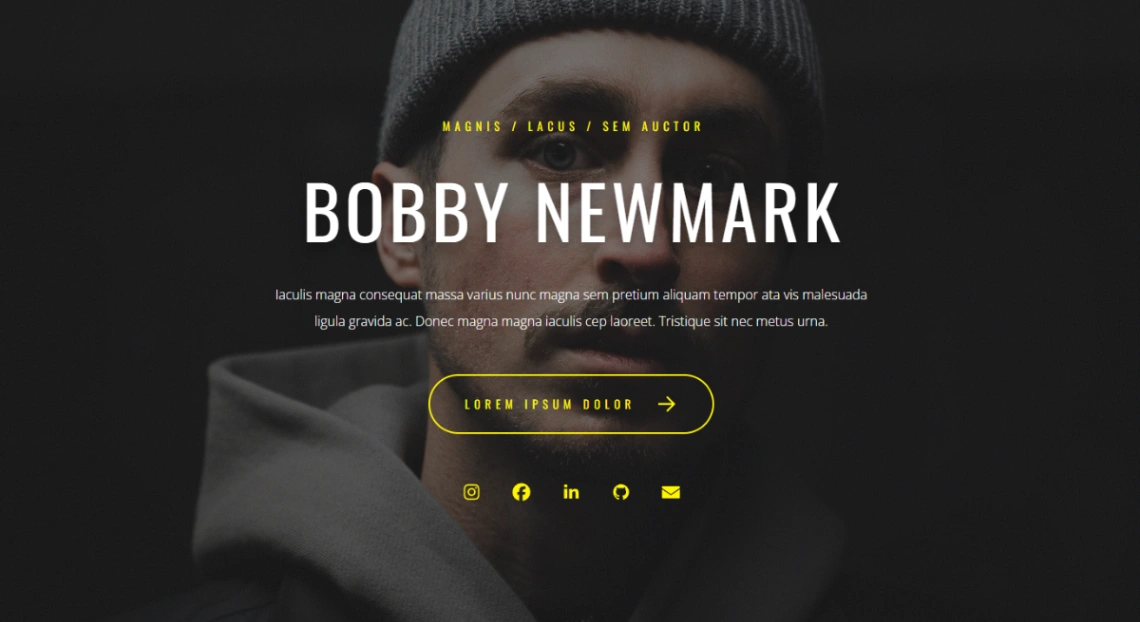
Scope it honestly. The strong default is one page: a short bio in first person, what you're doing now, a few links that represent you, one contact route. Doc-style templates — pages you edit like a note — make this almost embarrassingly easy, and that ease is the feature: the site you can update in thirty seconds is the one that stays true. Designed one-pagers trade a little friction for polish; both live in the pinned picks above.

Design for maintenance you won't do. A personal site with a blog you'll abandon, a projects grid you'll forget, and a photography section from one enthusiastic month reads worse than a single honest page. Add sections when the habit exists, not when the template offers them.

The trap with your name on it: treating this like a portfolio project, with moodboards and a redesign phase, until it never ships. A personal site is infrastructure, not a statement — register the domain, pick the template that takes an evening, publish, and let it quietly outlive every profile you've ever filled in.

FAQ
Common questions

The searchable minimum: who you are in two sentences, what you do now, links you're happy to be judged by, and a contact path. A "now" section — updated occasionally — does more than a blog you'll abandon.

For almost everyone, yes. Pages earn their existence through updates; a single page that's current beats a five-page site that's stale. Expand only when something (regular writing, real projects) demands it.

Profiles are rented and formatted by someone else's product decisions. The personal site is the one address that survives platform shifts, and the domain itself — your name — is the asset. Profiles link to it, not the other way round.

Your name, in the cleanest form available — and buy it before deliberating templates, because the domain is the point. If the exact name is taken, a middle initial or a sensible suffix beats an obscure extension nobody remembers.

Put your name in the title and the heading, link the site from every profile you control, and give it time. For an uncommon name that's usually enough; for a common one, the profiles plus the site together crowd the first page.