


AI Course
AI Agency

Buyer's guide
How to choose a consulting template
A consultant's website has one deliverable: a booked call with the right kind of client. Everything on the page either moves a qualified visitor toward that call or filters an unqualified one away — and filtering is half the job, because a consultant's scarcest asset is hours spent on calls that were never going to convert.
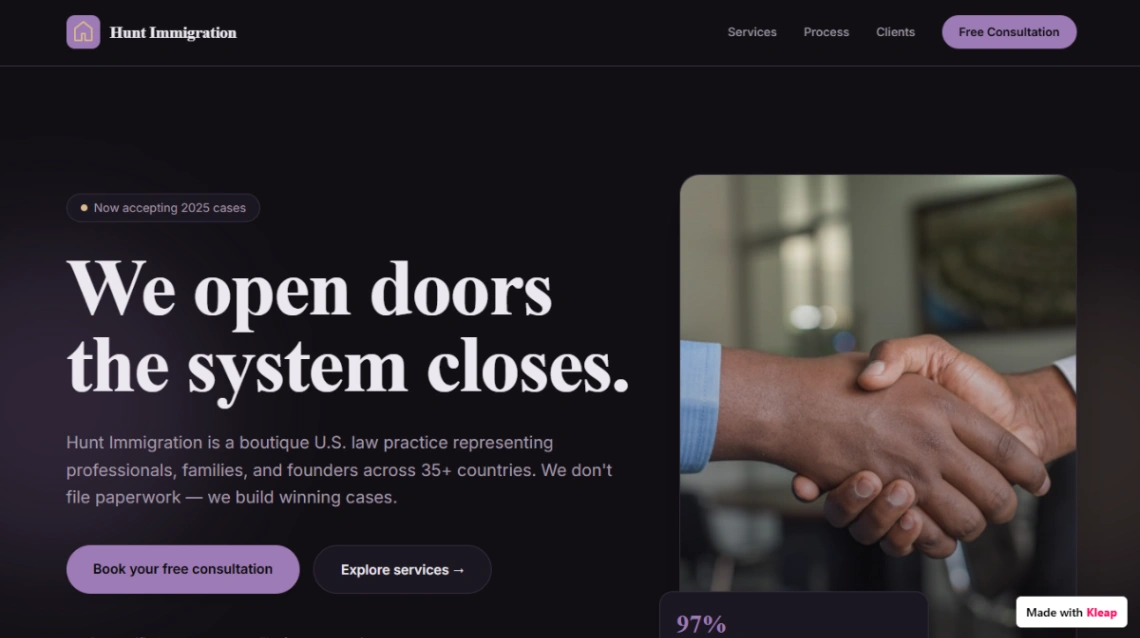
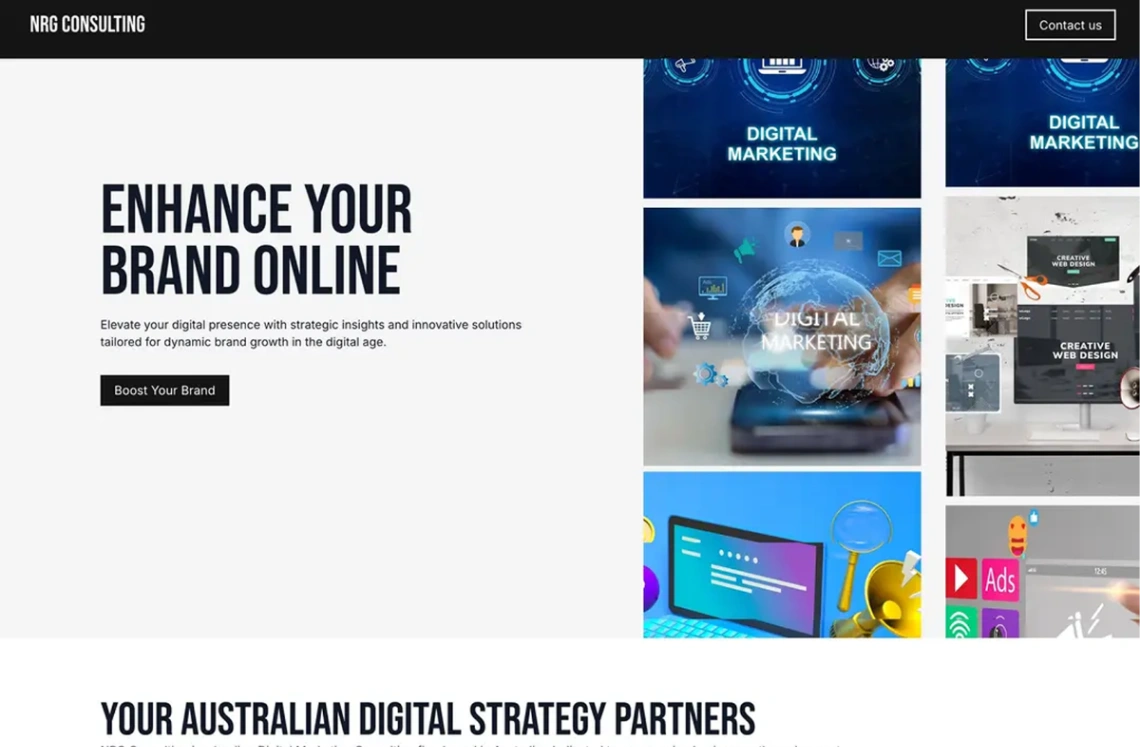
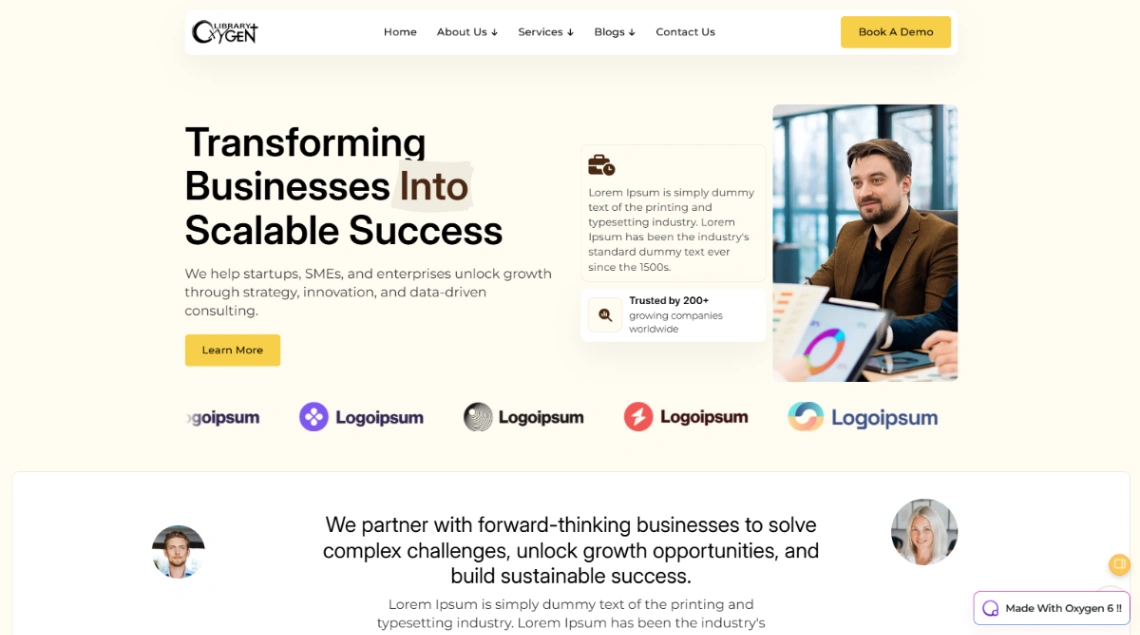
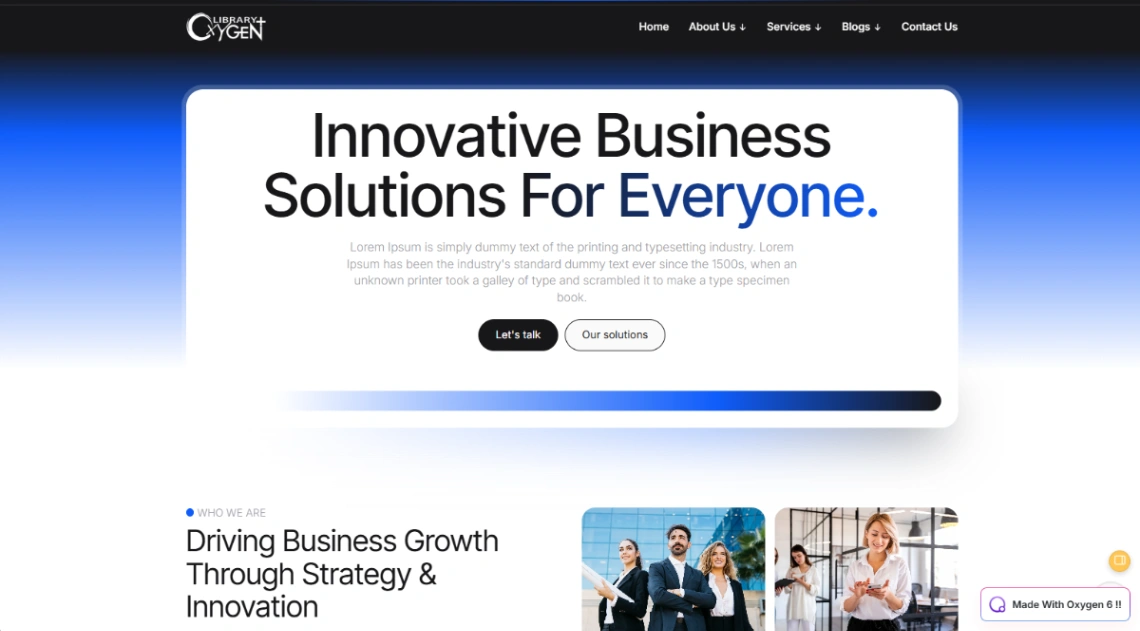
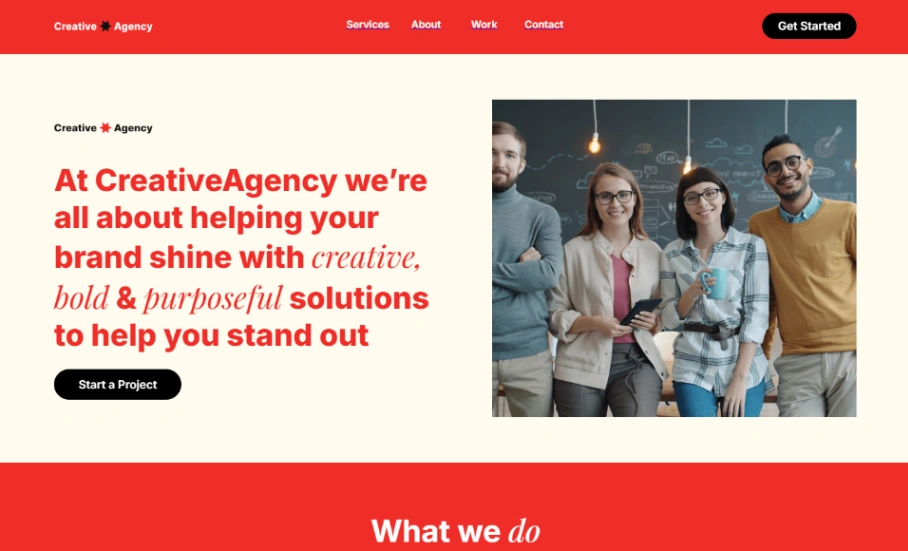
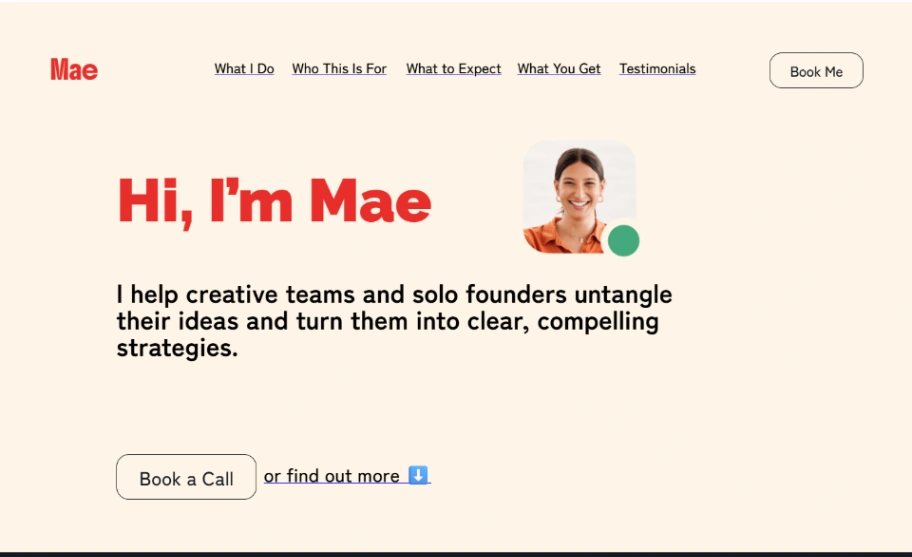
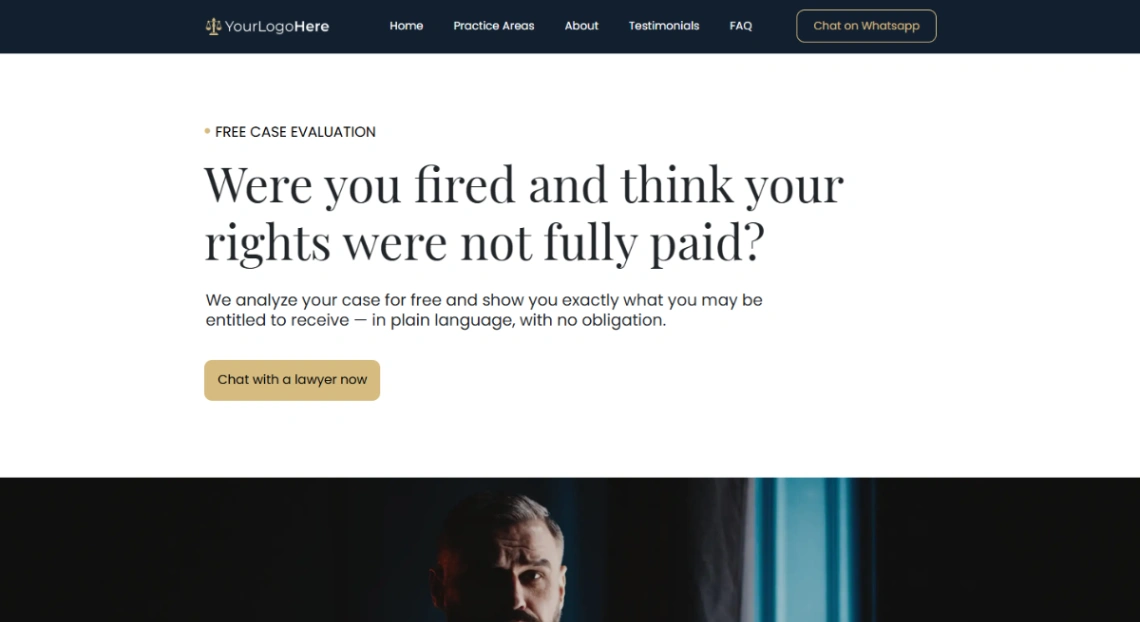
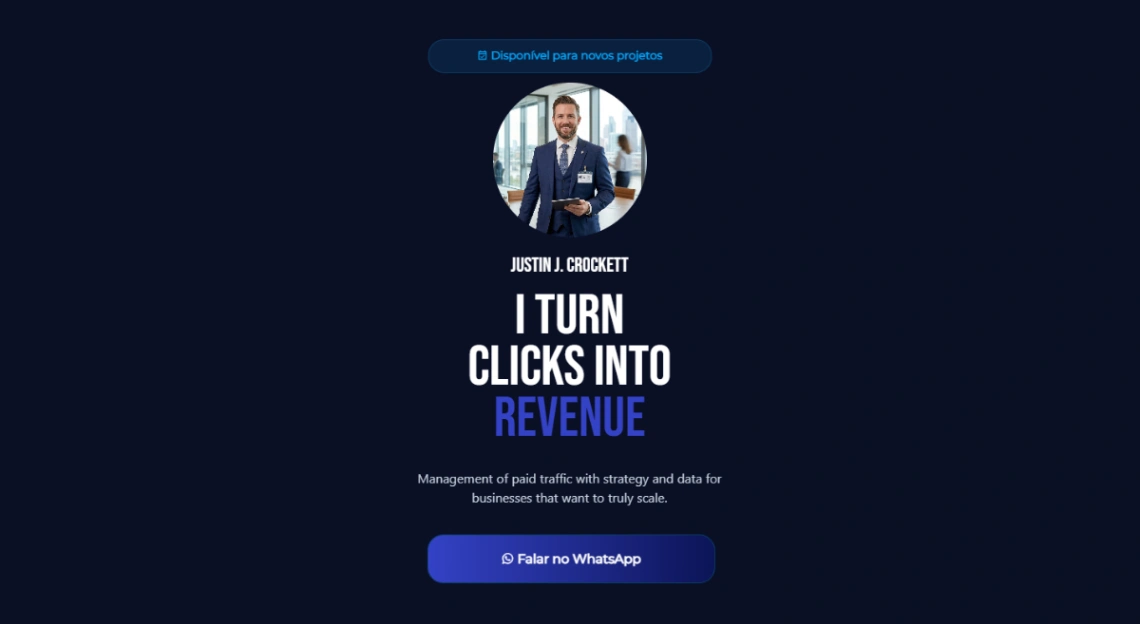
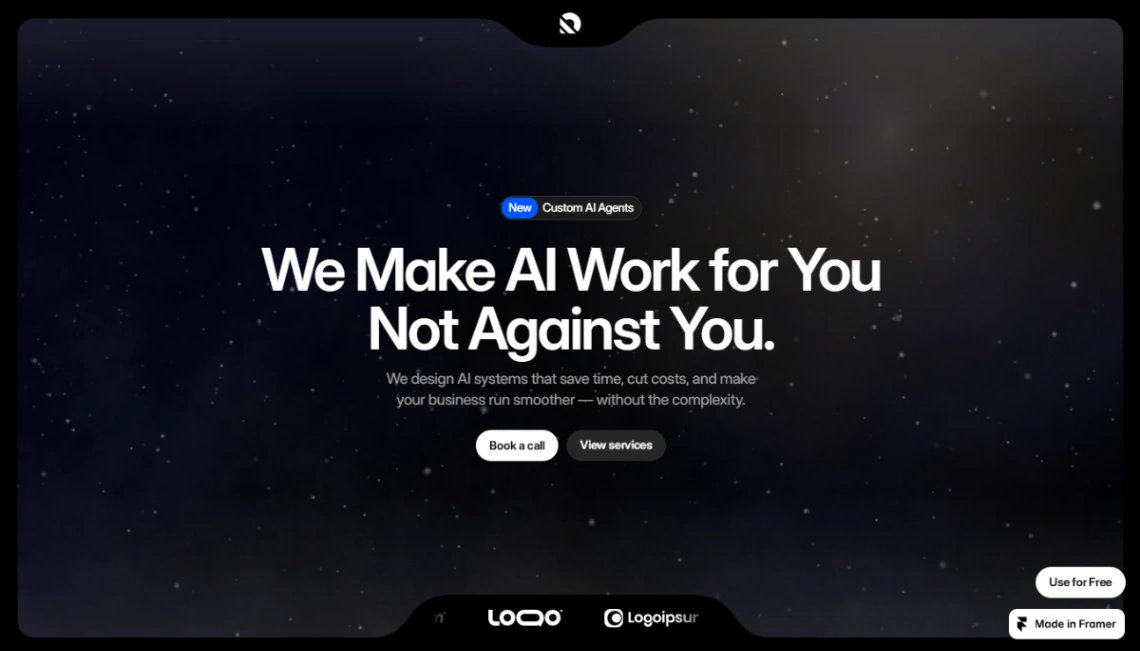
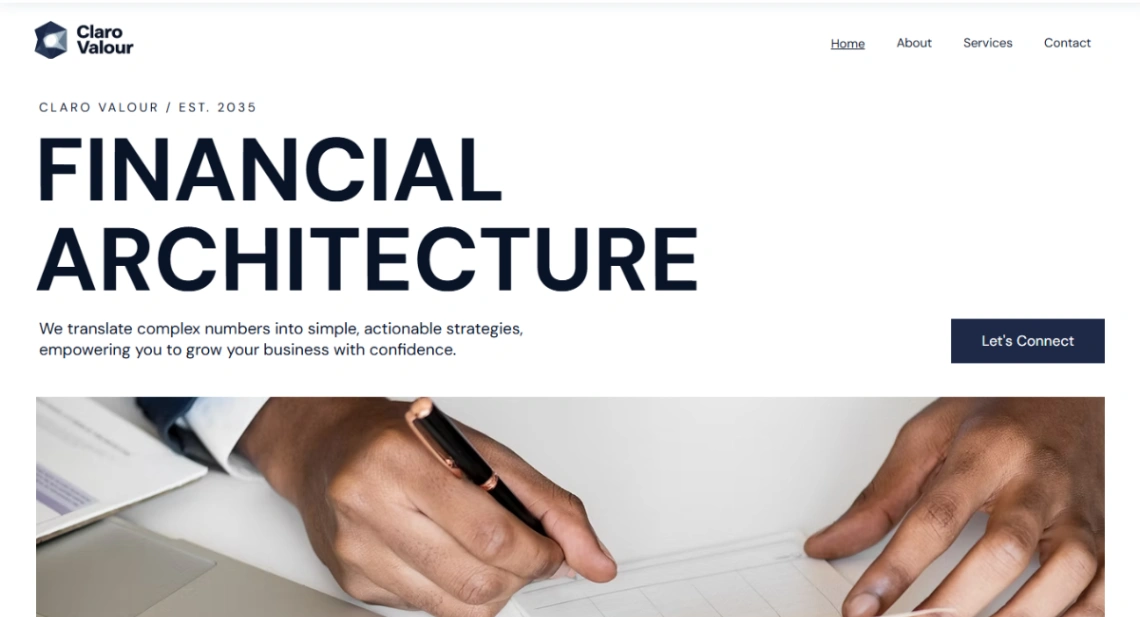
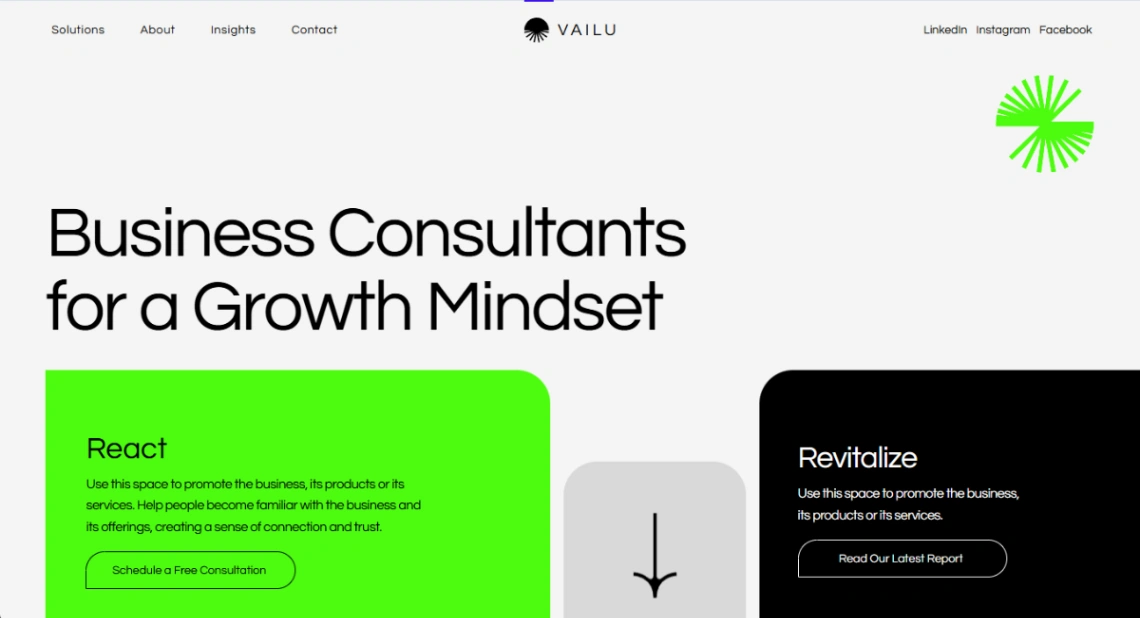
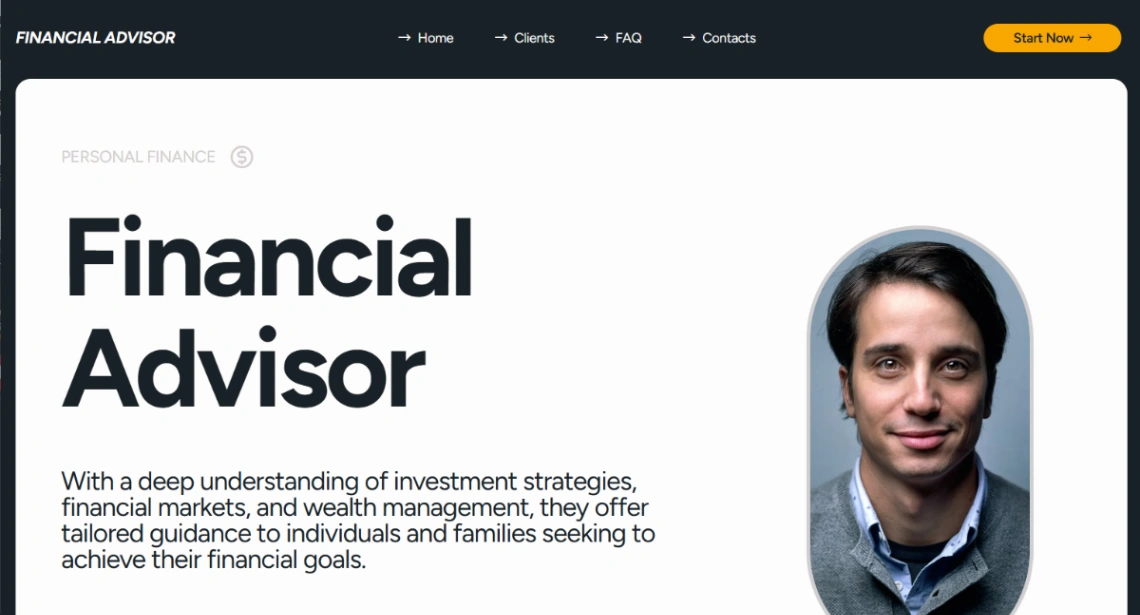
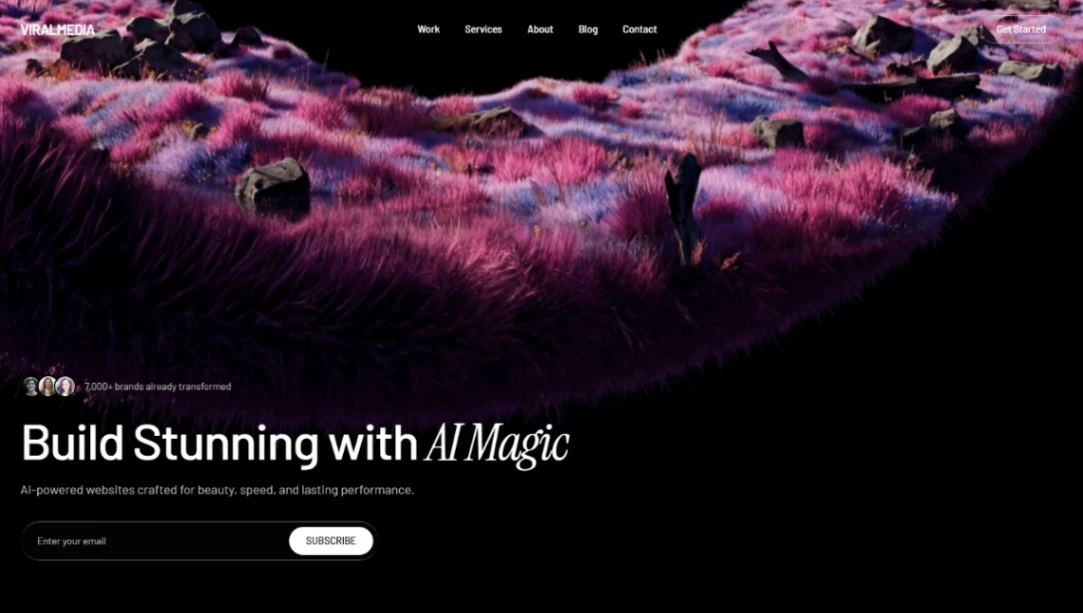
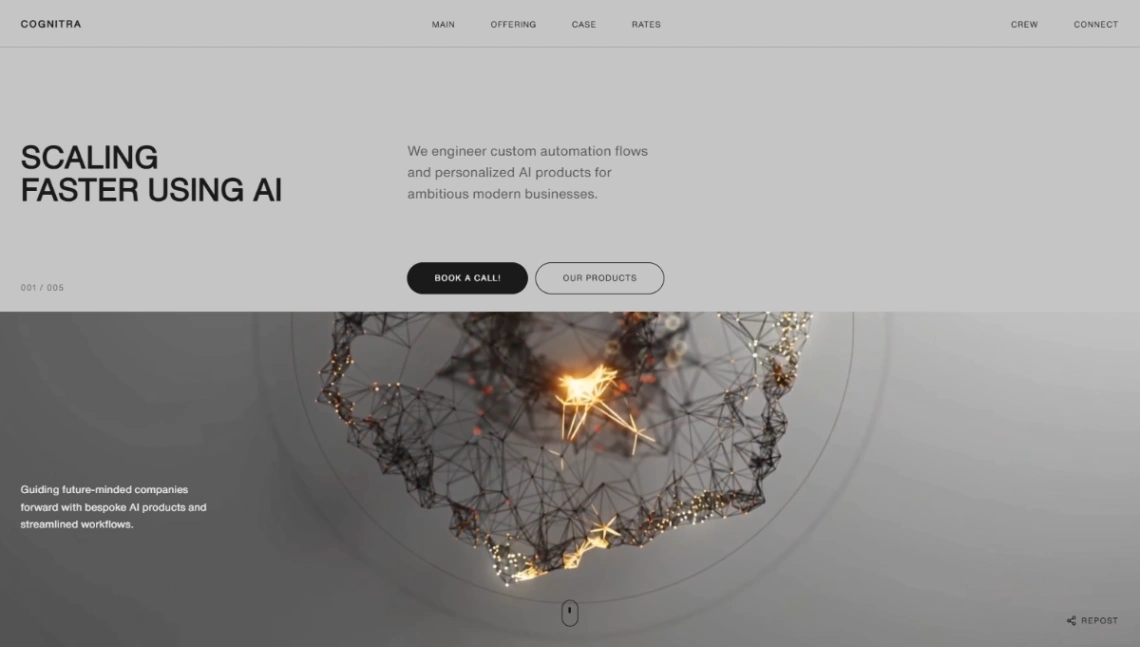
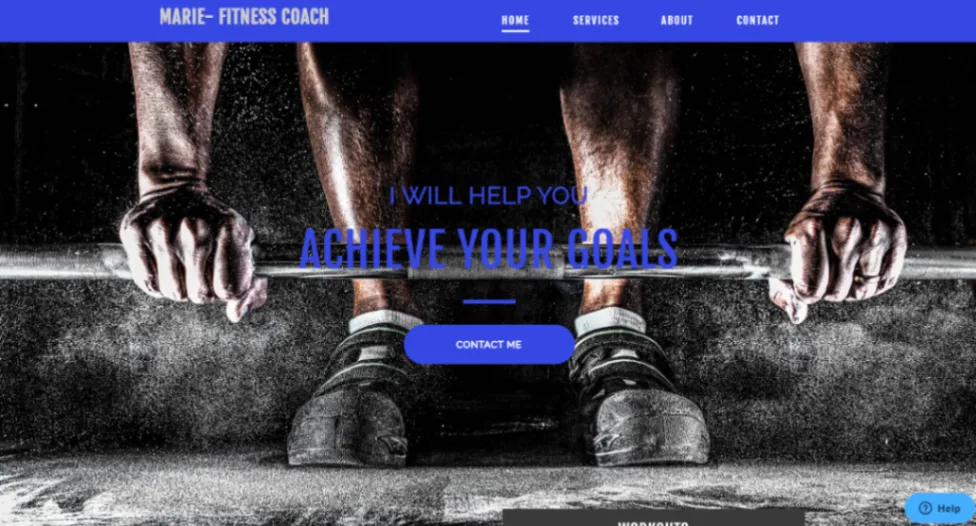
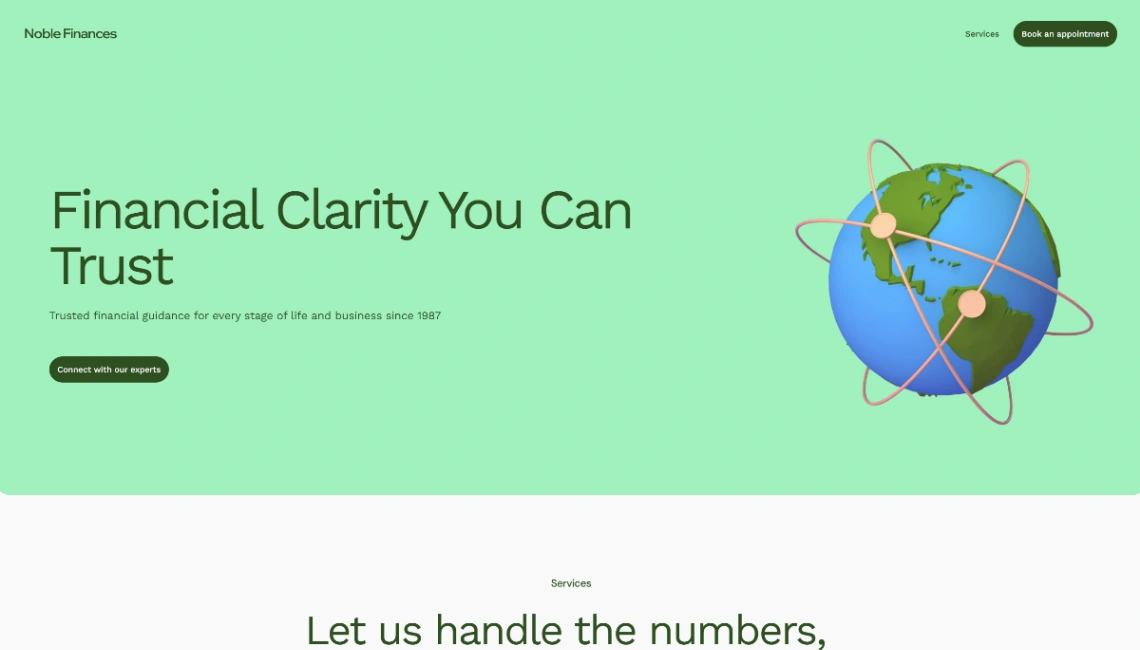
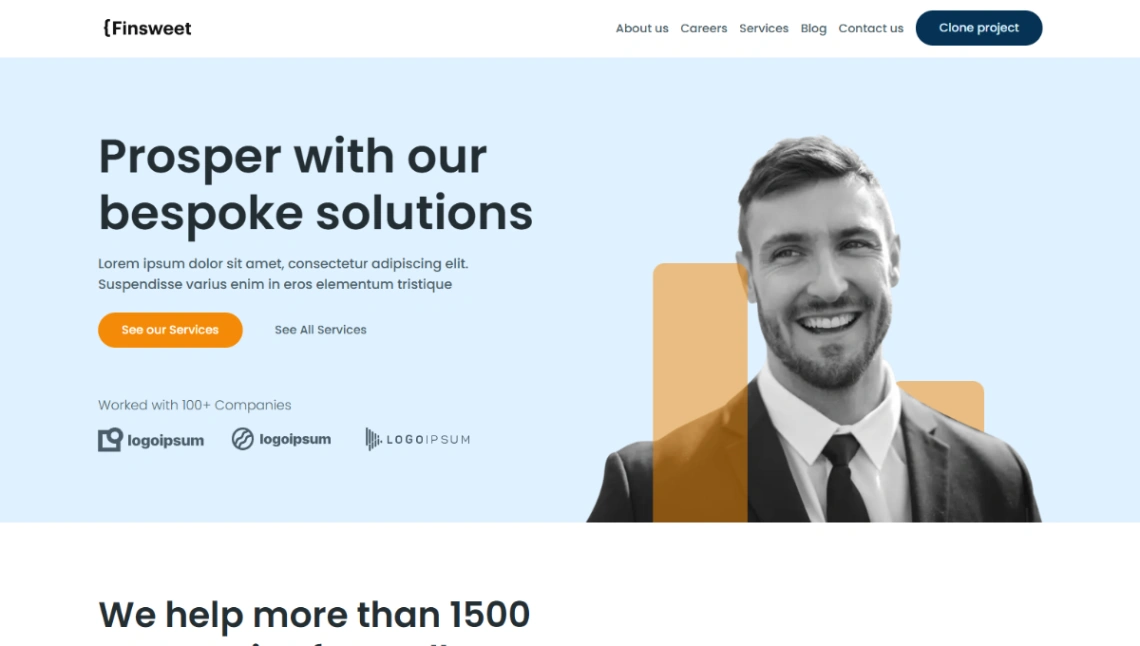
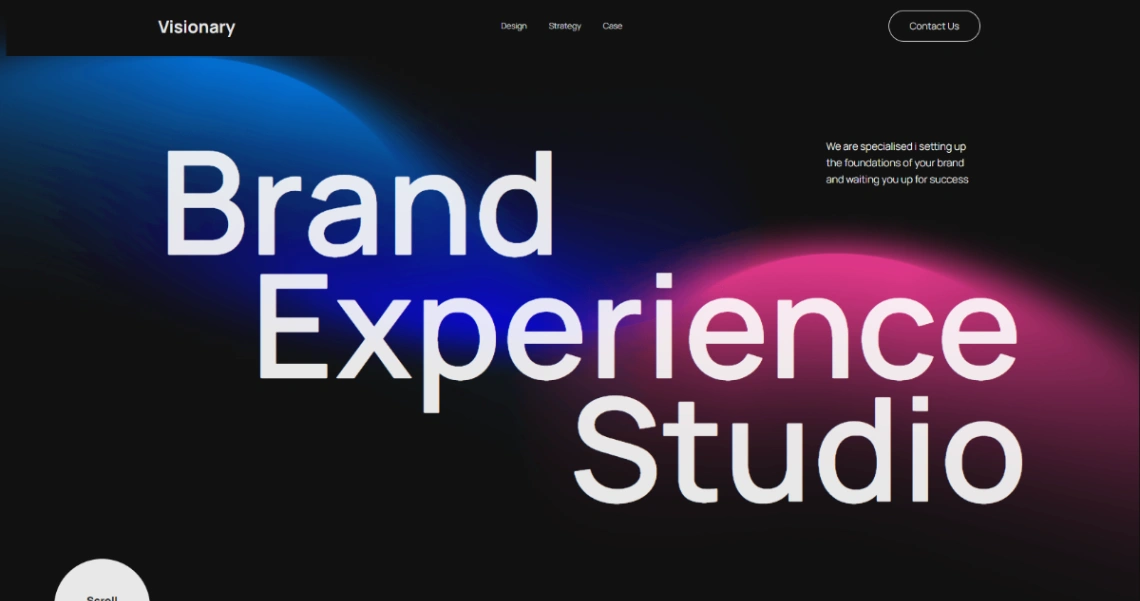
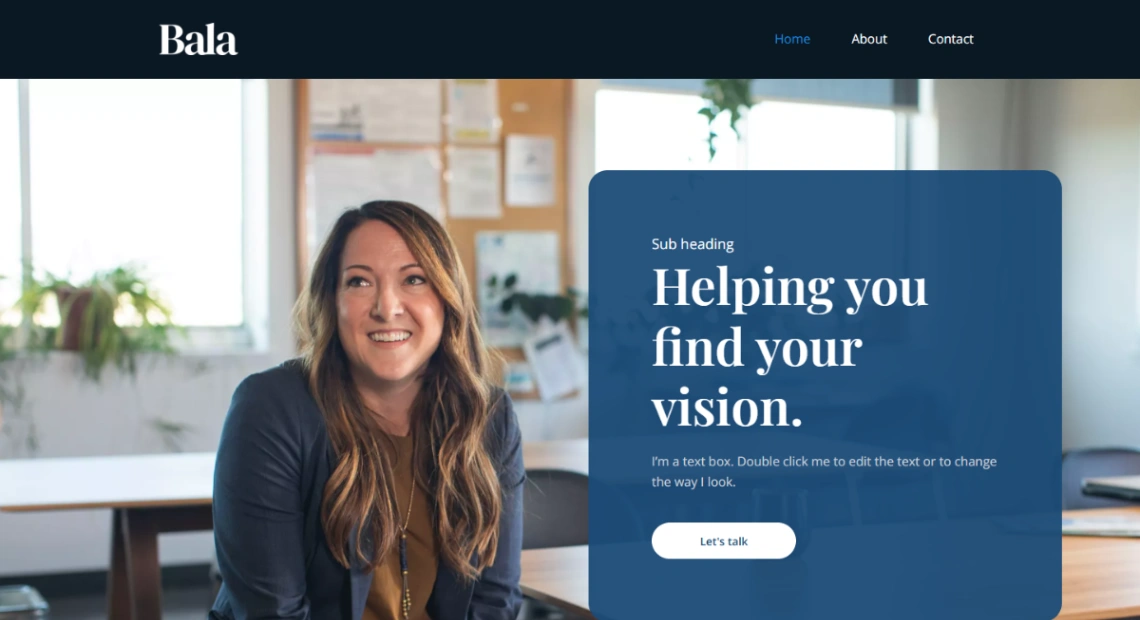
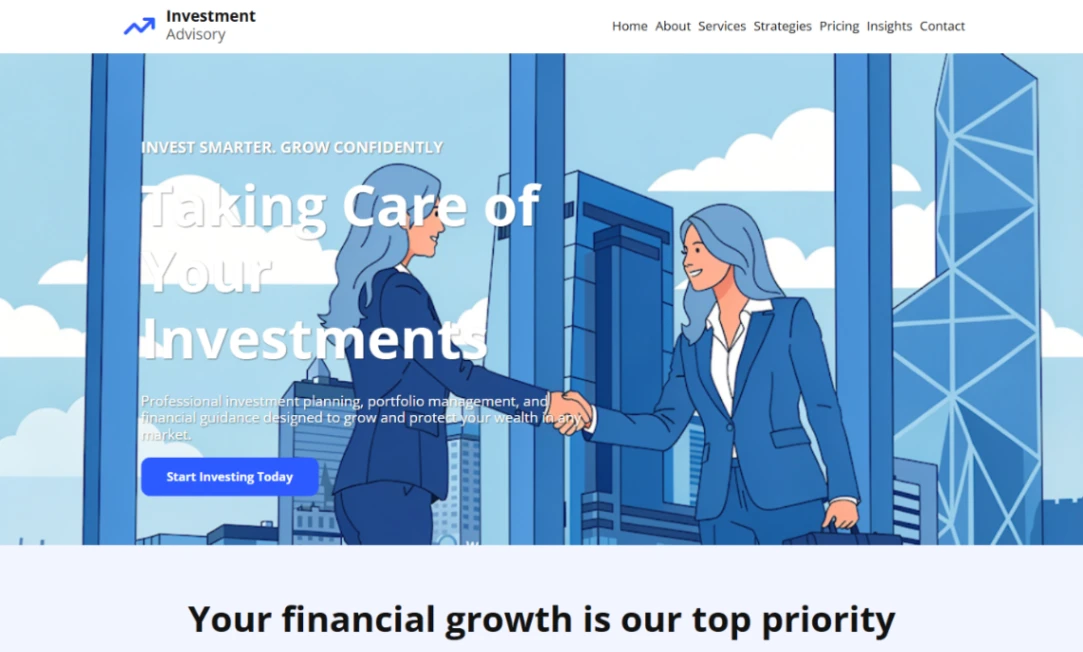
Positioning does the filtering, so make the template carry it sharply: who you help, with what problem, to what outcome, in the first sentence. A statement specific enough to repel most visitors is working correctly — the generalist alternative ("strategic solutions for growing businesses") claims everything, promises nothing, and books calls with nobody. Favor templates whose hero forces a short, declarative claim over corporate layouts built to hedge.
Authority in consulting is demonstrated, not asserted. The template needs homes for three kinds of evidence: results (case studies with the client's before-and-after), method (a named approach — how you work, in steps), and thinking (writing that shows judgment). The method section is the most underrated of the three; naming your process turns "smart person" into "repeatable system," which is what premium rates are made of. CMS-backed builders in the pinned picks handle all three surfaces.
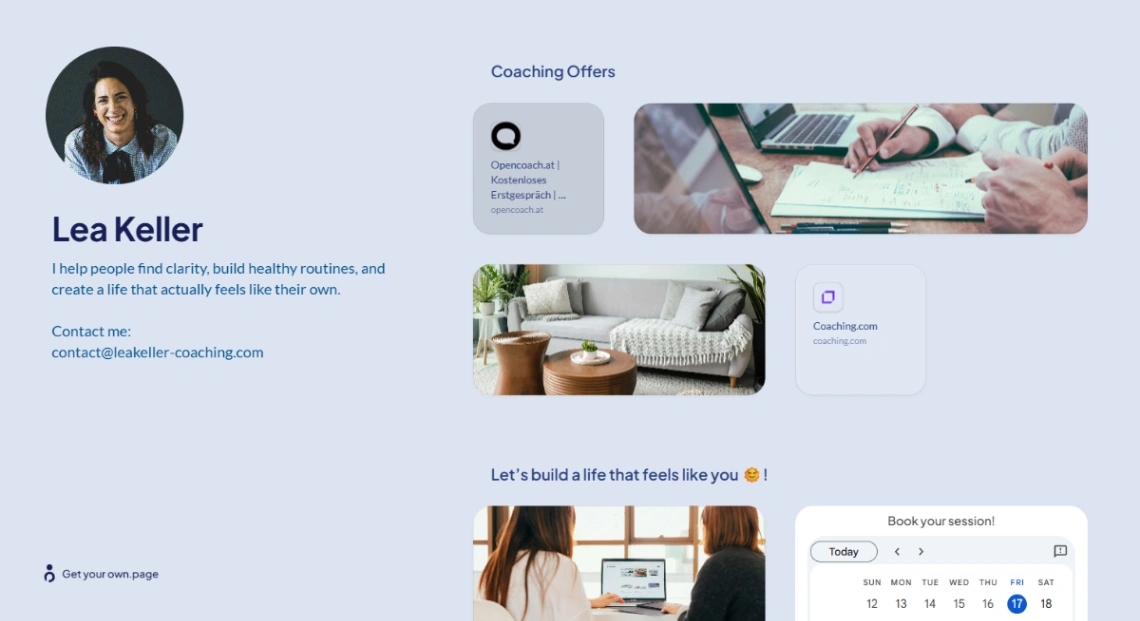
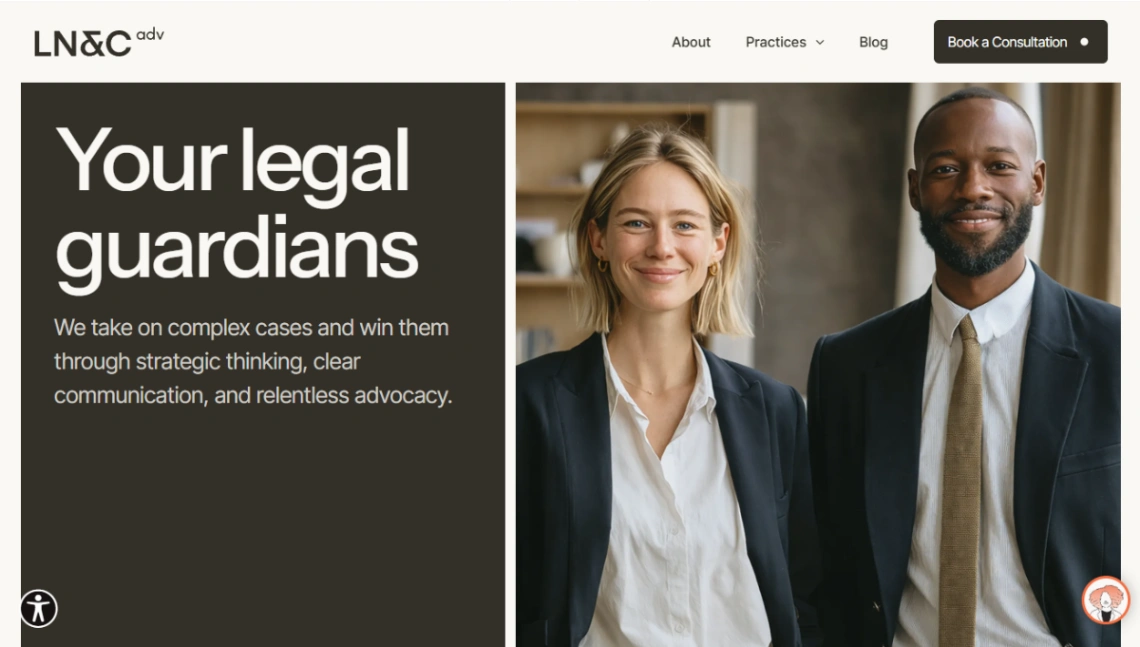
Then the call itself: a scheduling link with rules. Frame it as a diagnostic, not a chat; ask two qualifying questions on the booking form; state who the call is for. And signal your pricing posture — "engagements from…" — because premium consulting hidden behind "contact us" gets shopped like a commodity, which is the one thing it must never be.
FAQ