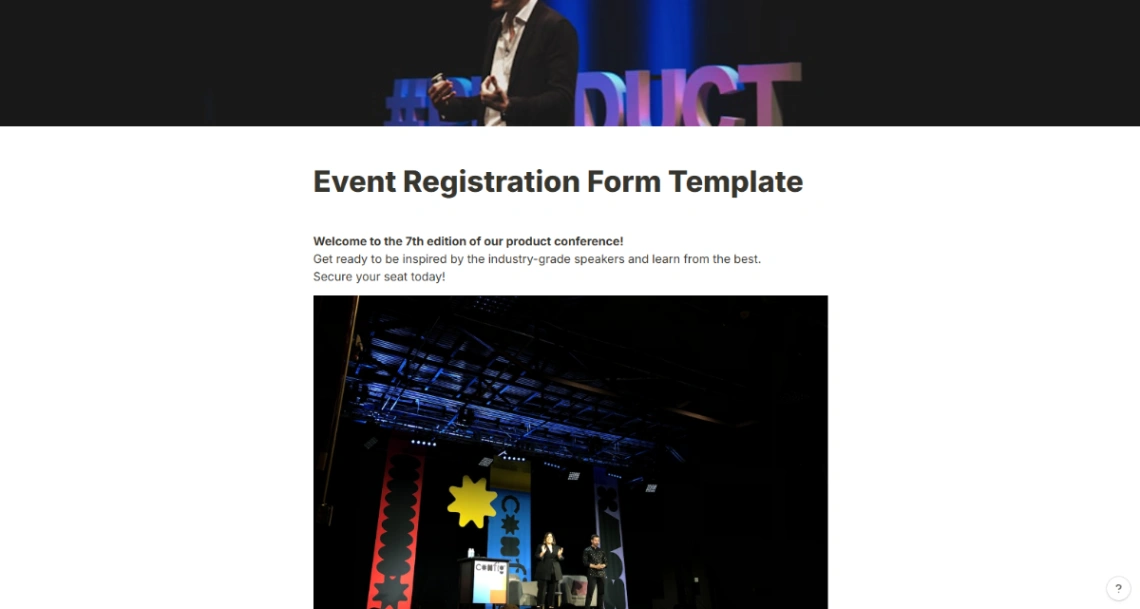
Event Form
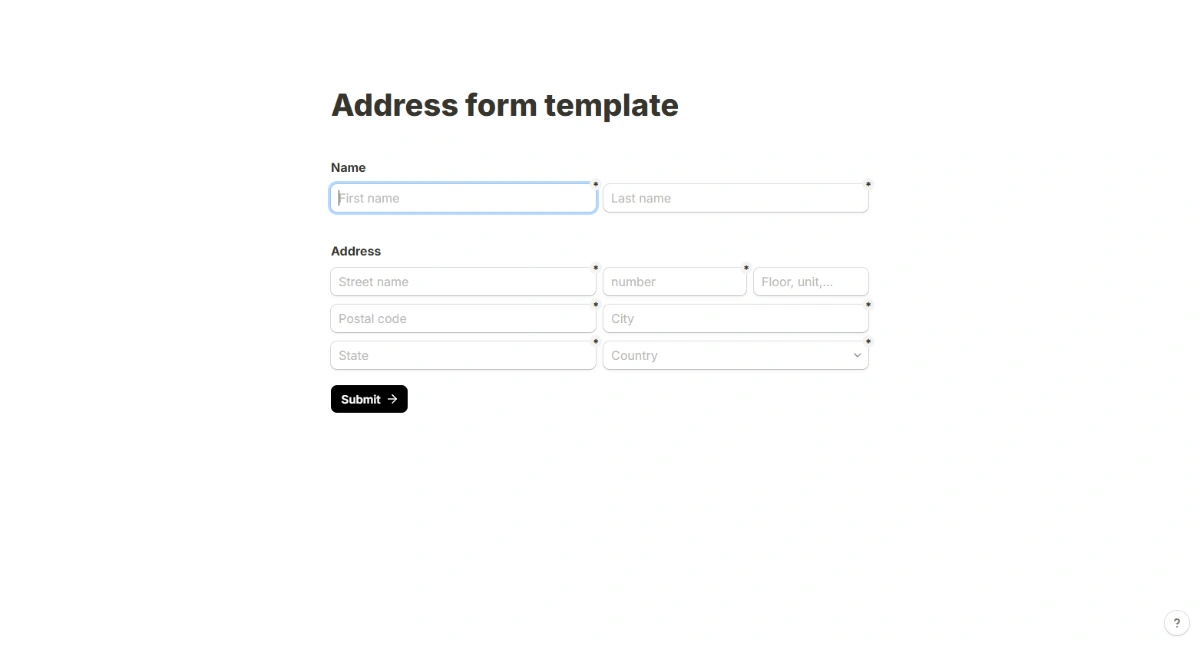
Address Form
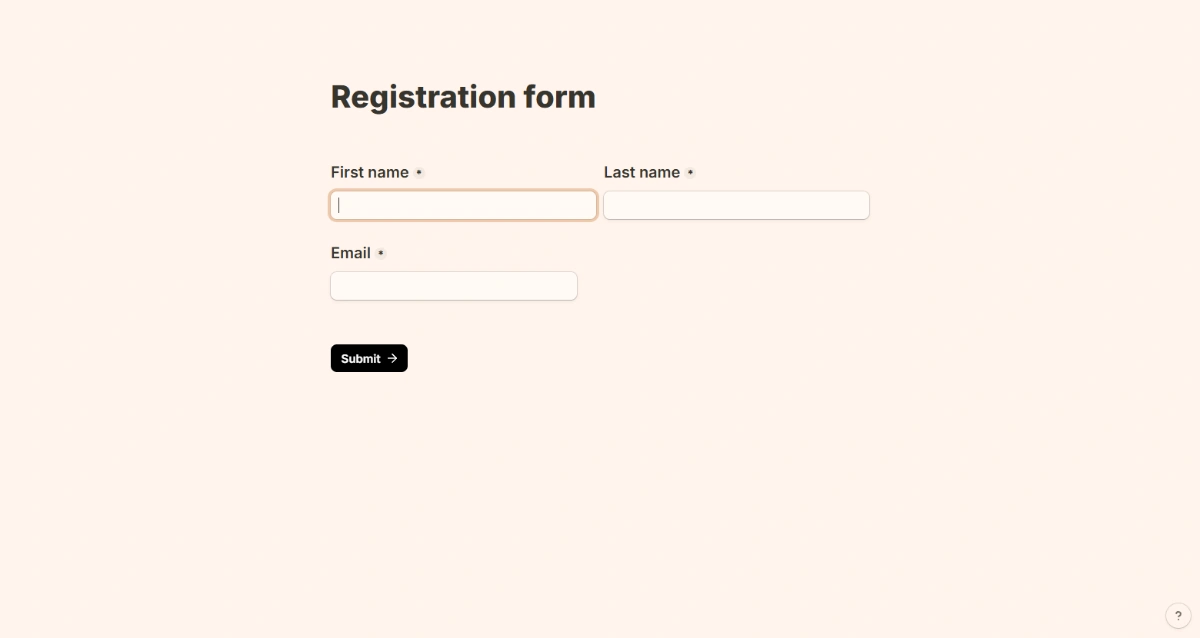
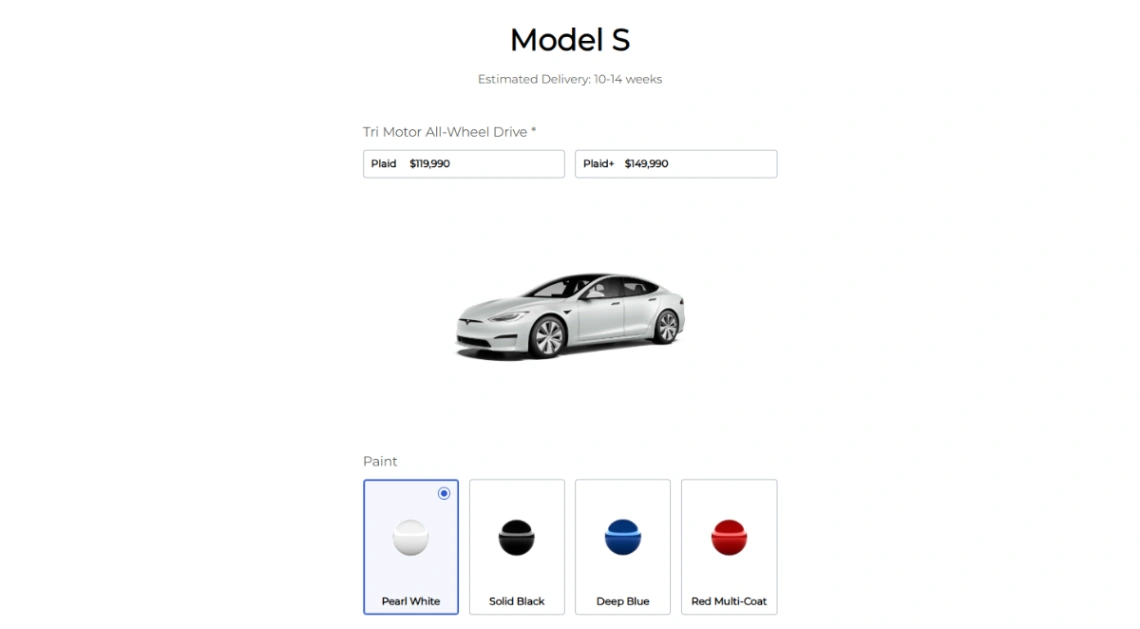
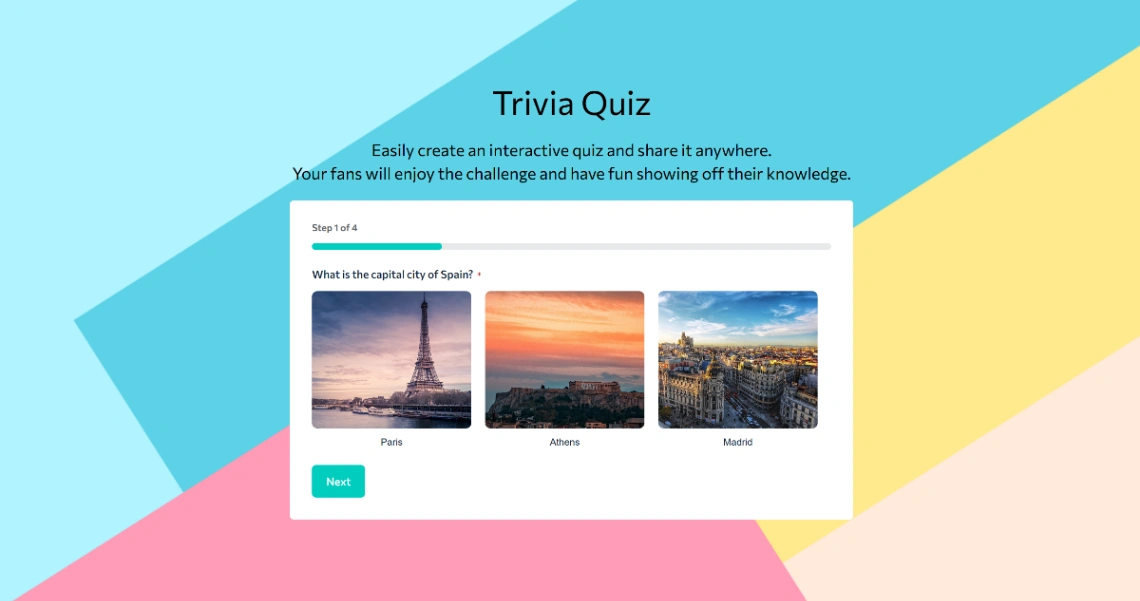
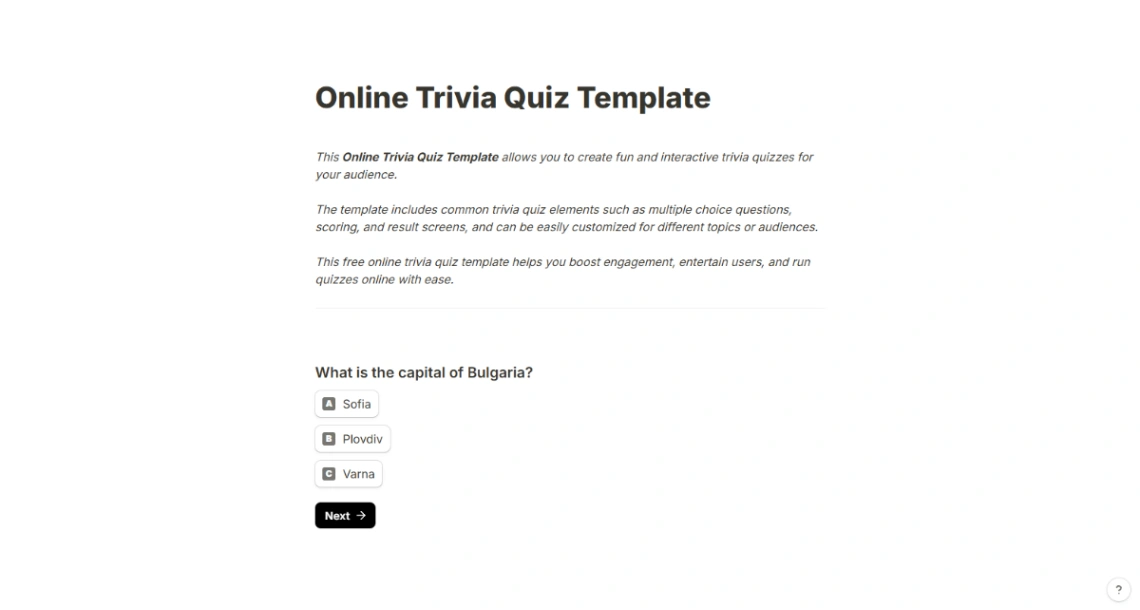
Trivia Quiz
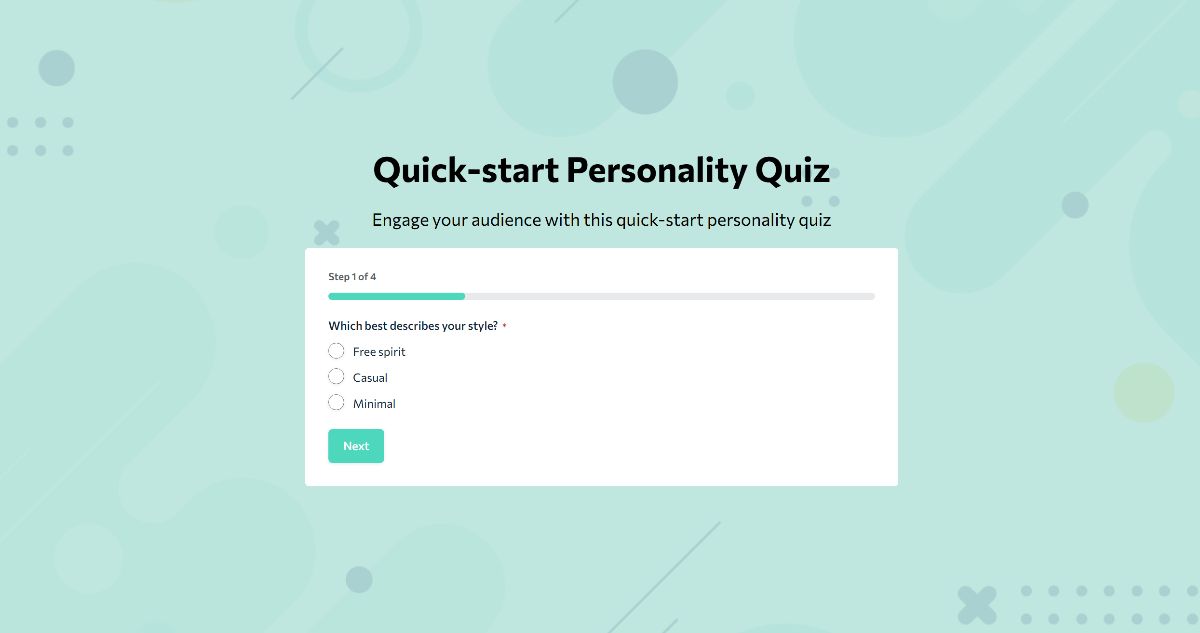
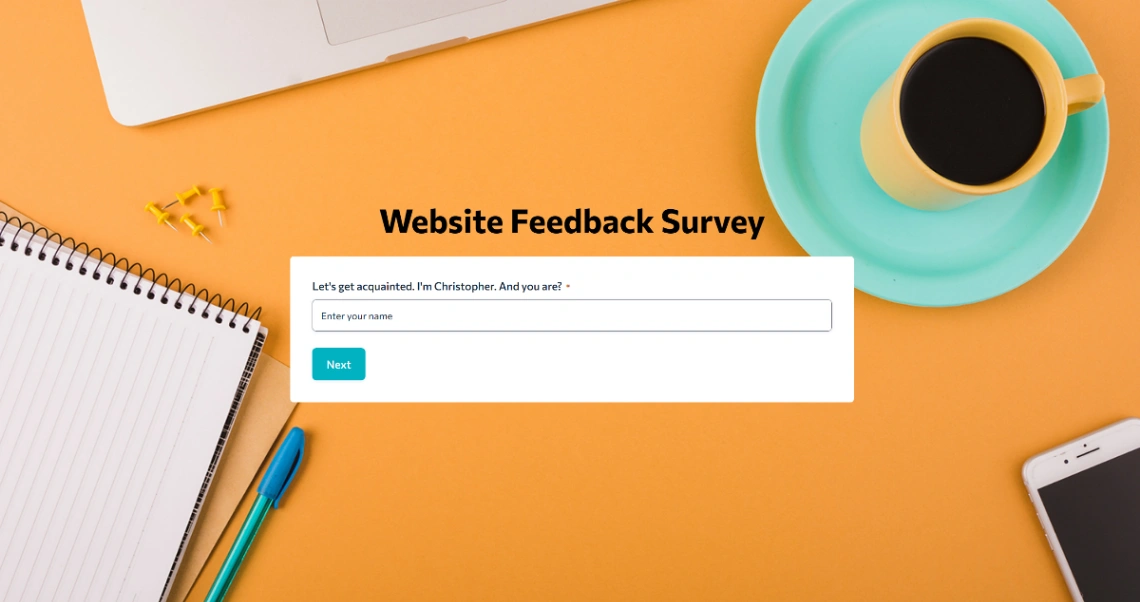
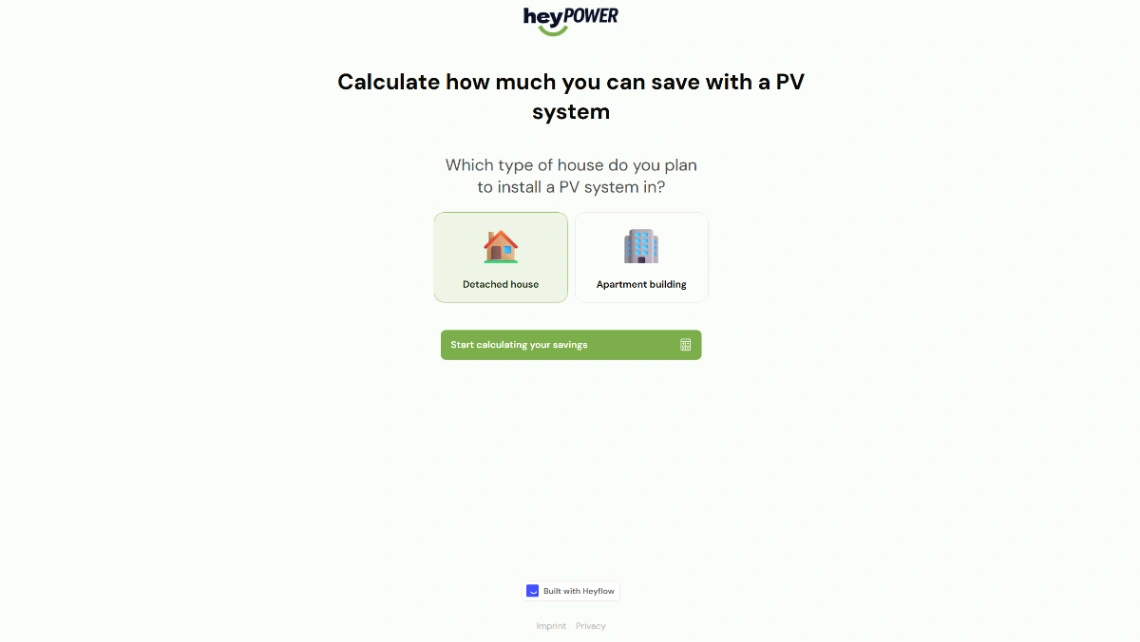
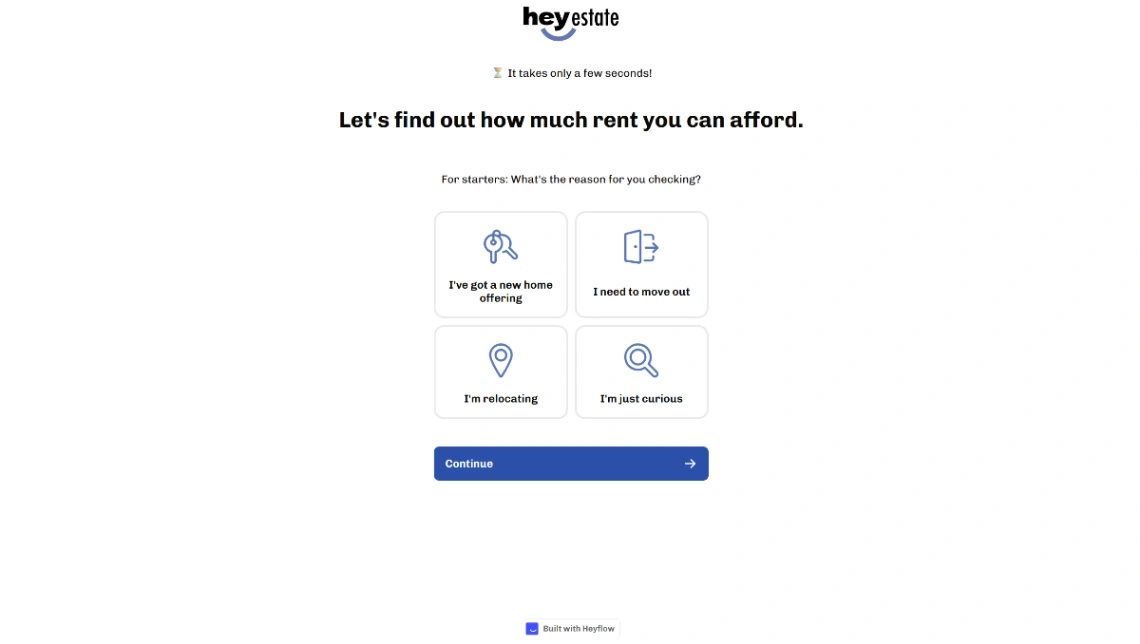
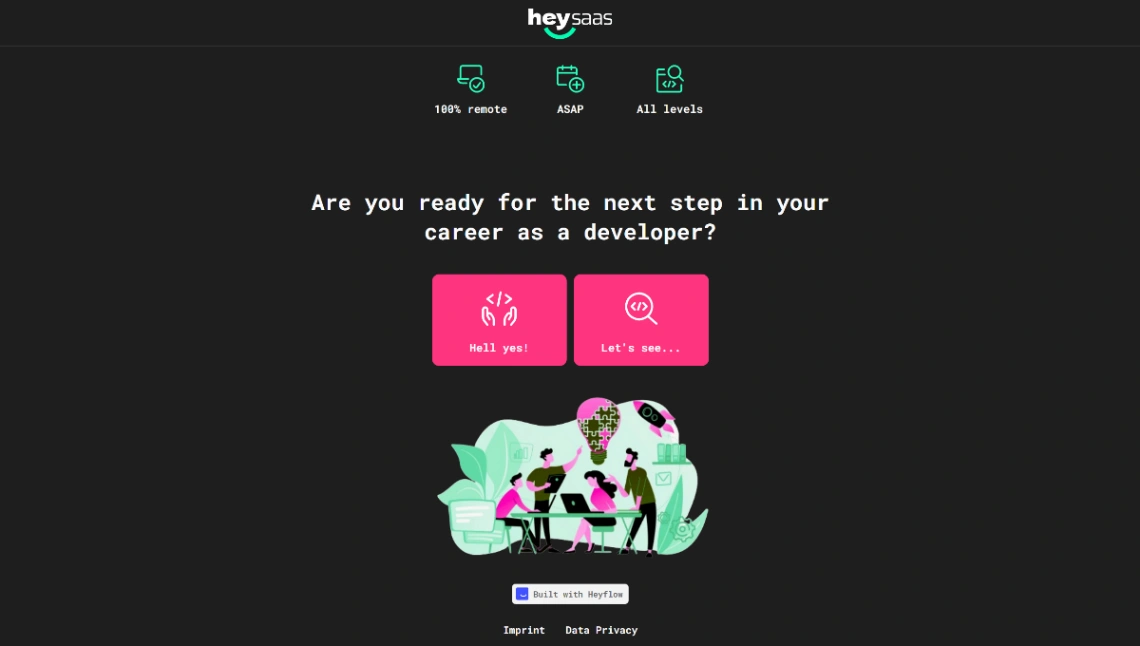
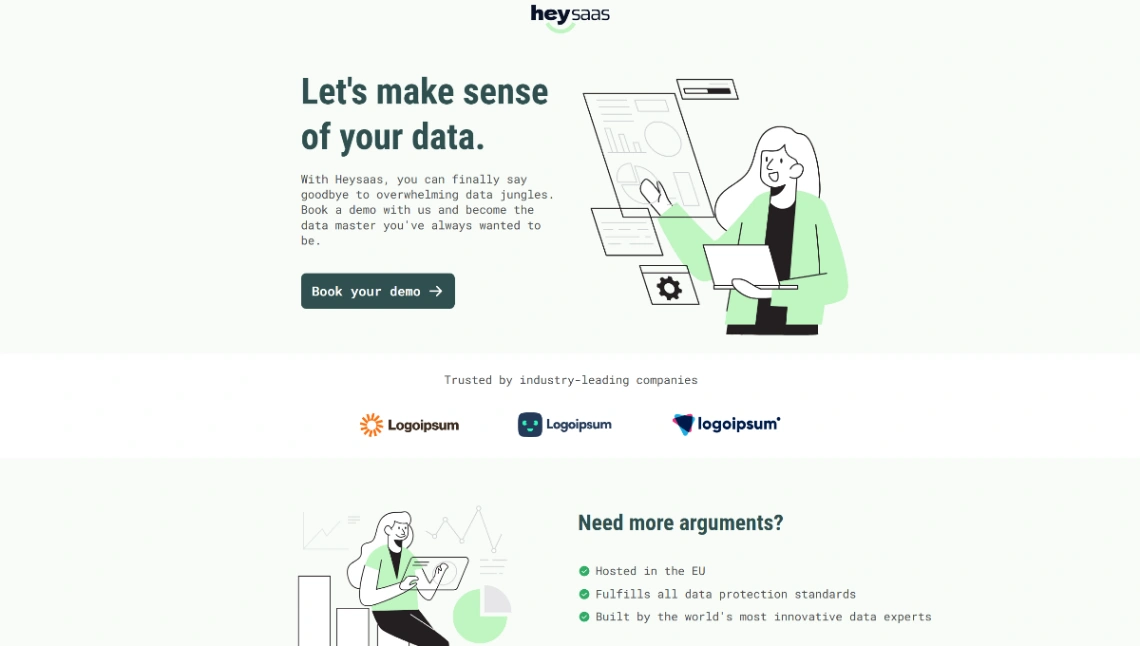



CES Survey
Contact Form
Buyer's guide
How to choose a form template
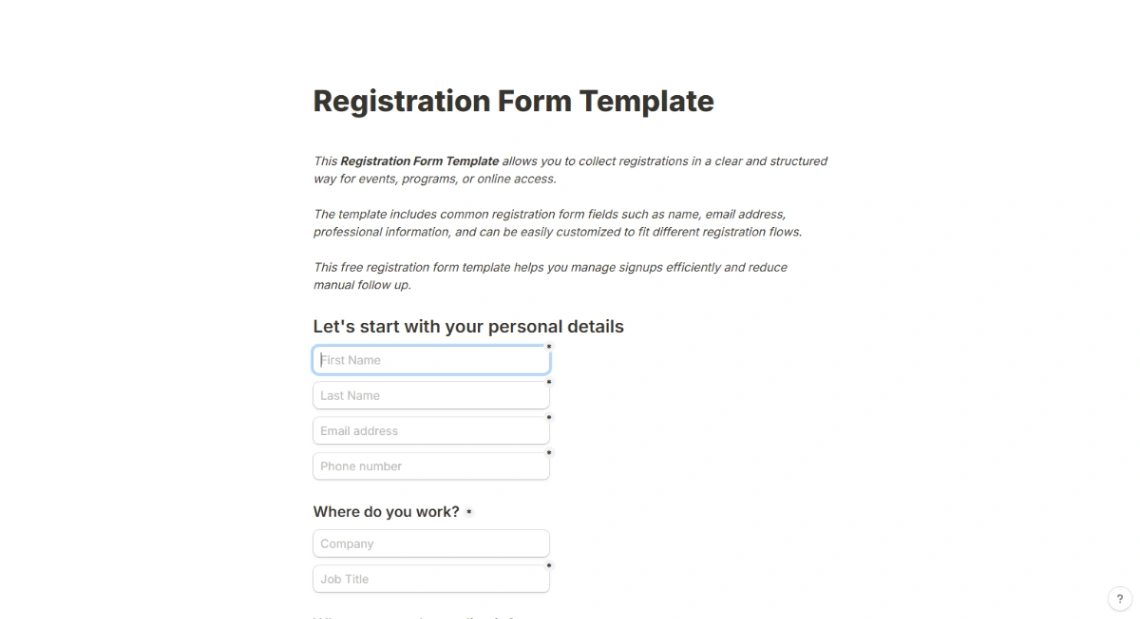
A form is a conversation with the boring parts removed, and these templates are conversations that already went well — applications, intake flows, quizzes and calculators whose question order someone already sweated. That order is the actual product. Clone the template, reword the questions to your business, and resist restructuring until you understand why the easy questions come first.
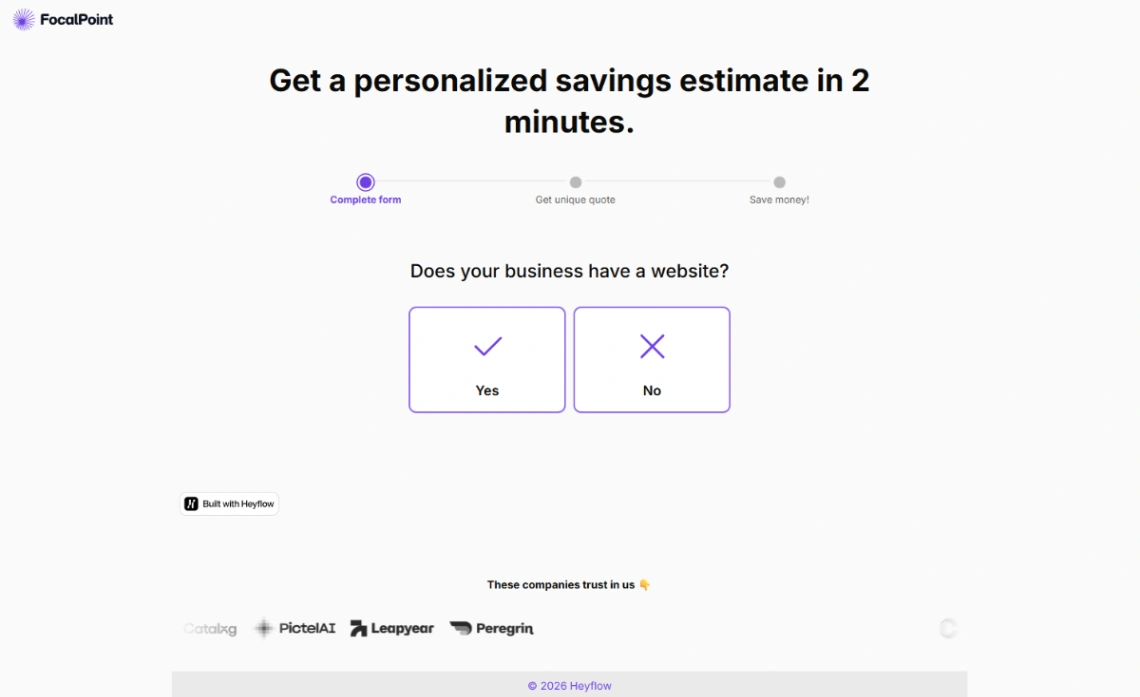
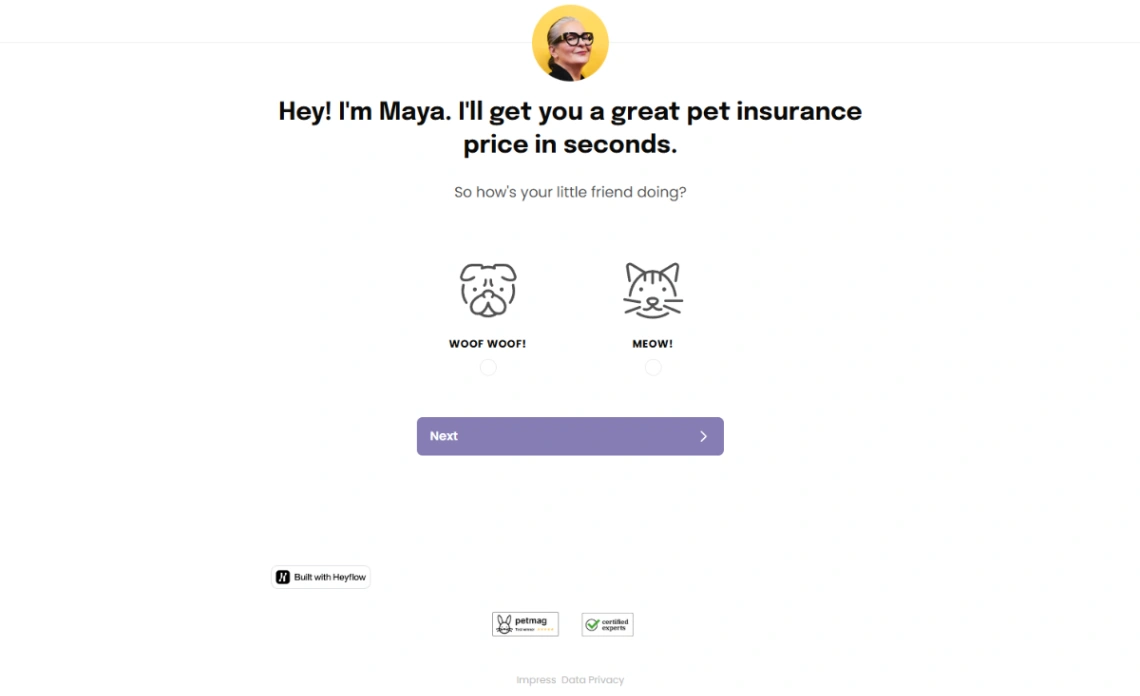
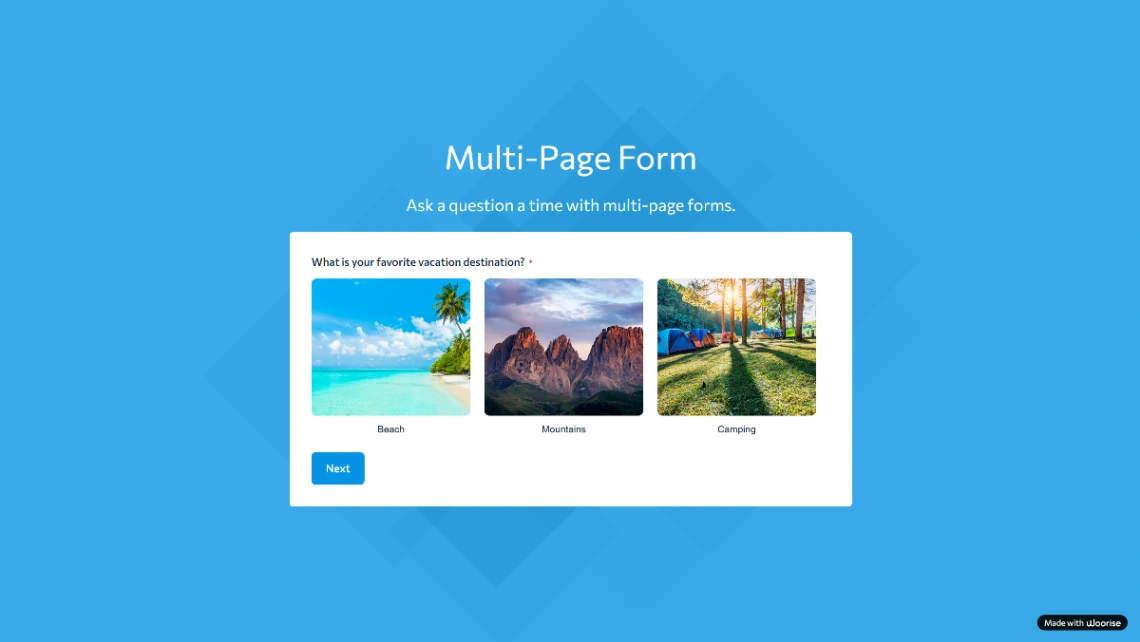
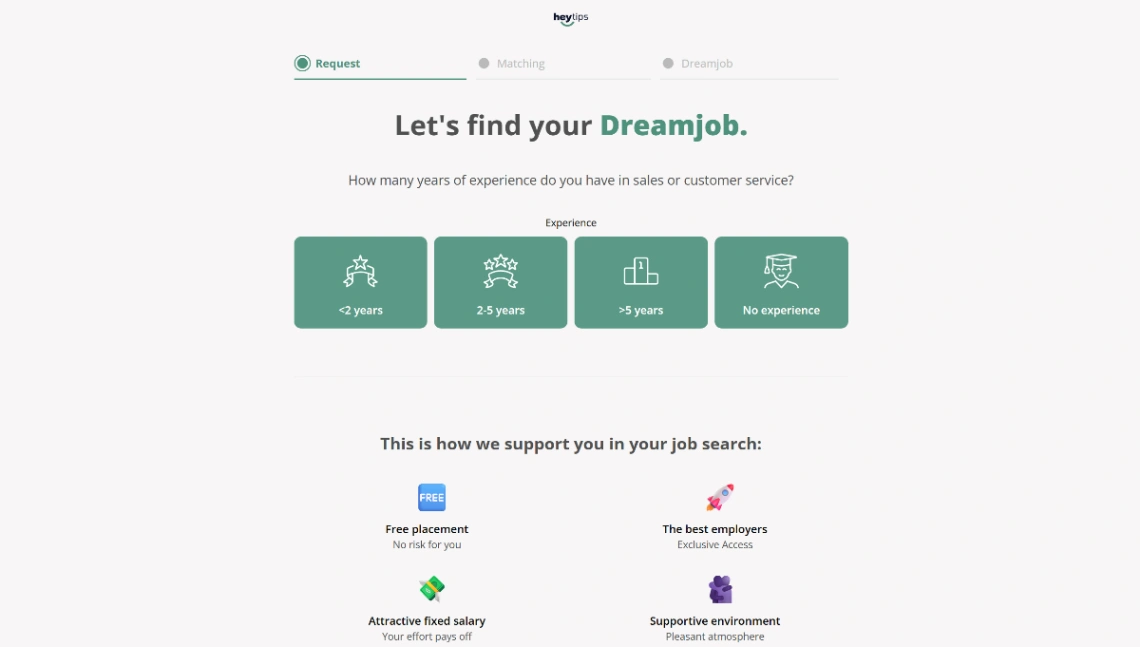
Completion is psychology: momentum from quick early wins, progress that's visible and honest, and length declared up front ("2 minutes" — then keep the promise). The step-flow specialists in the pinned picks exist because one-question-per-screen reliably finishes more; the classic mistake they design against is asking for the email first — the highest-stakes question, at the moment of least trust. Earn it by the end, where it's the natural close of a conversation already had.
Logic and branching should earn their complexity. Skip-what-doesn't-apply keeps respondents moving; deep branch trees quietly become unmaintainable, and you'll discover a broken path from an annoyed applicant. If a branch doesn't change what you do with the answer, it's decoration — delete it. Every branch you keep is a path you must retest after every edit.
Then the half people forget until launch day: where answers go. Submissions should land where you already work — the spreadsheet, the inbox, the pipeline — with notifications for time-sensitive forms, because an application answered in an hour converts wildly better than one answered Thursday. The response you send back (confirmation, next steps, timeline) is the form's second half; templates with it prebuilt finish the conversation properly.
FAQ