










E-commerce
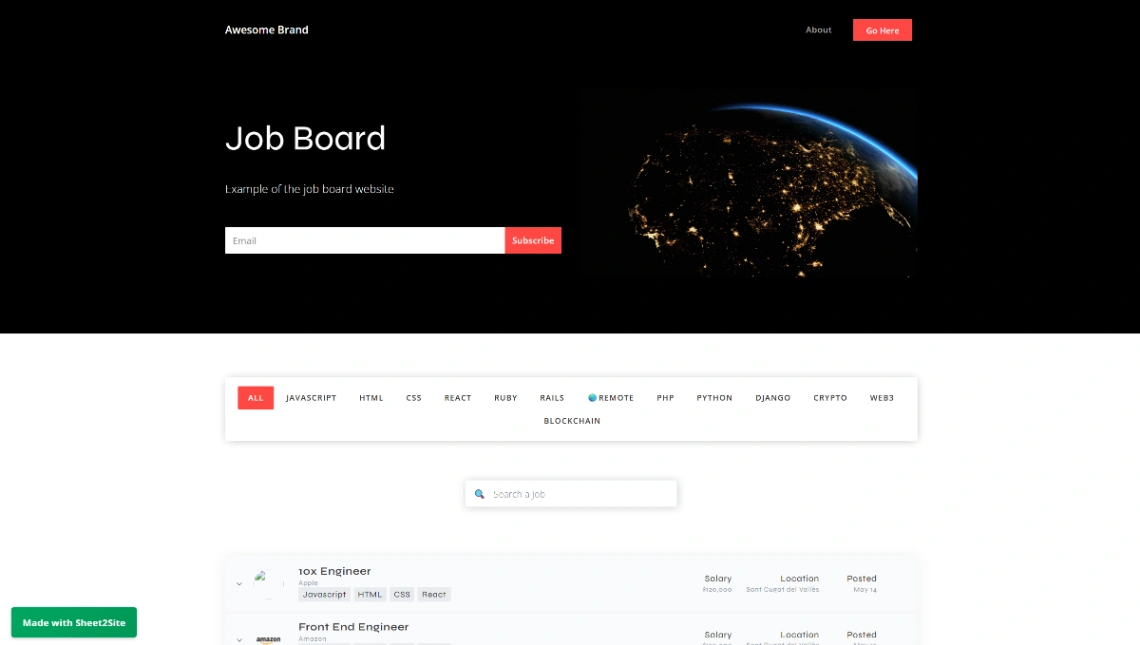
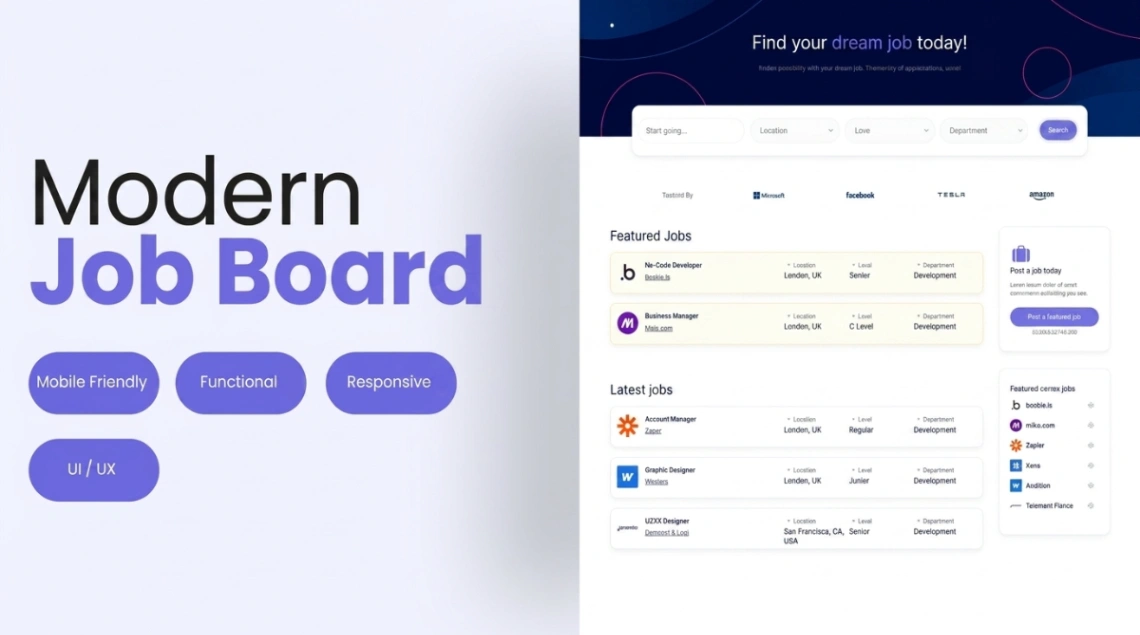
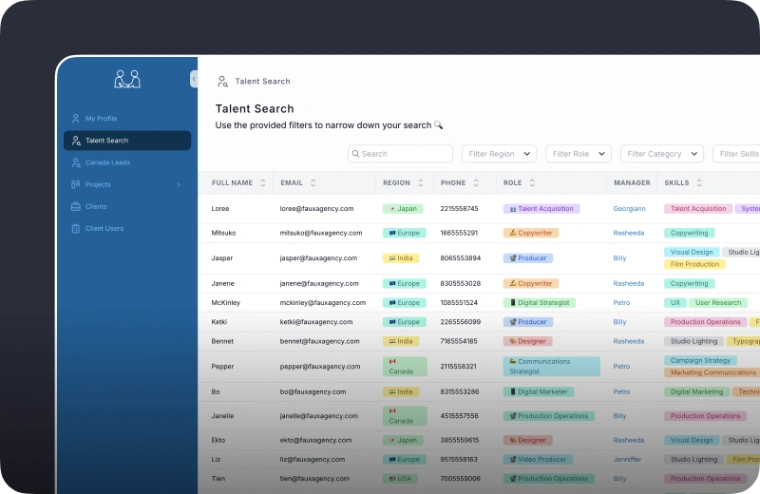
Job Board

Buyer's guide
How to choose a marketplace template
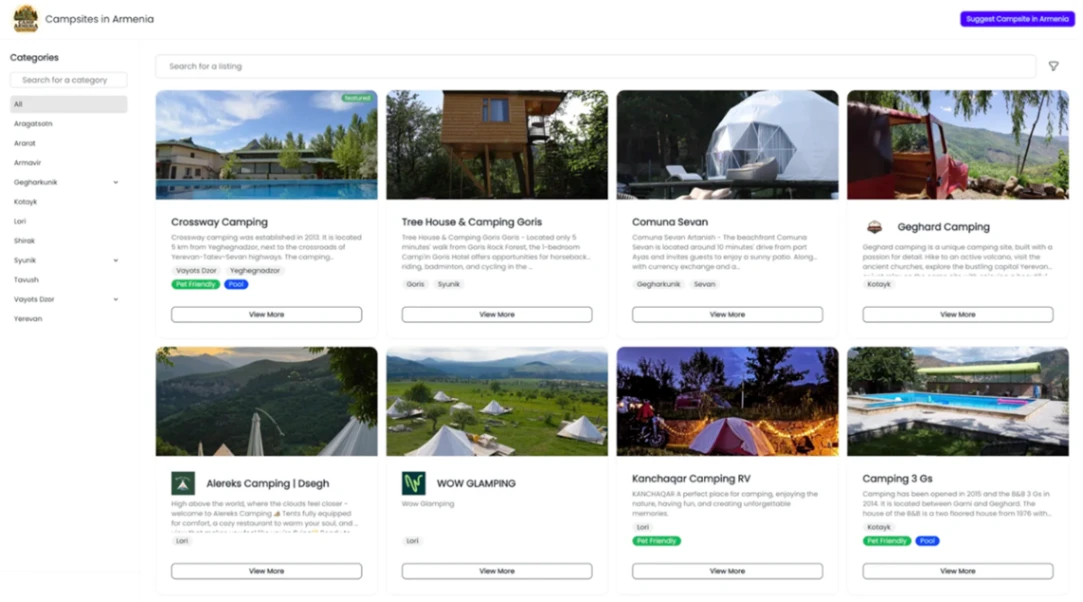
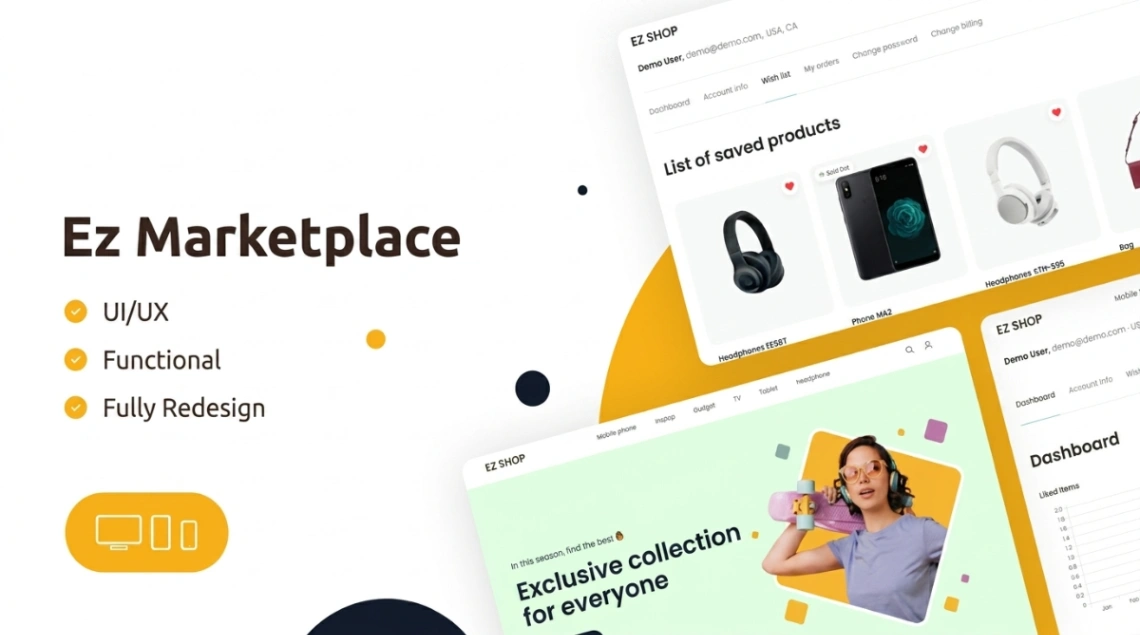
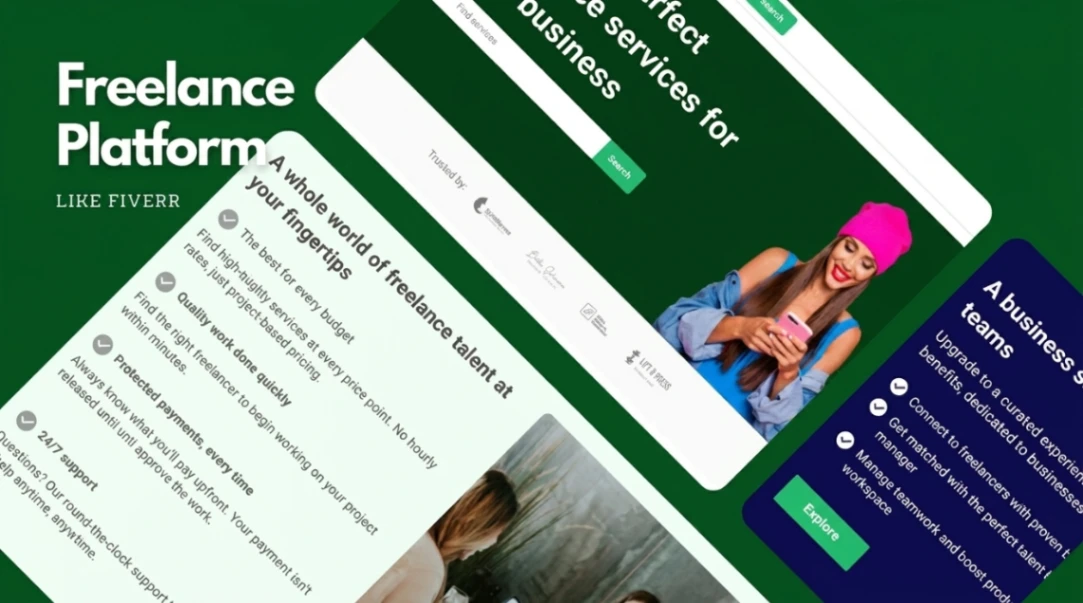
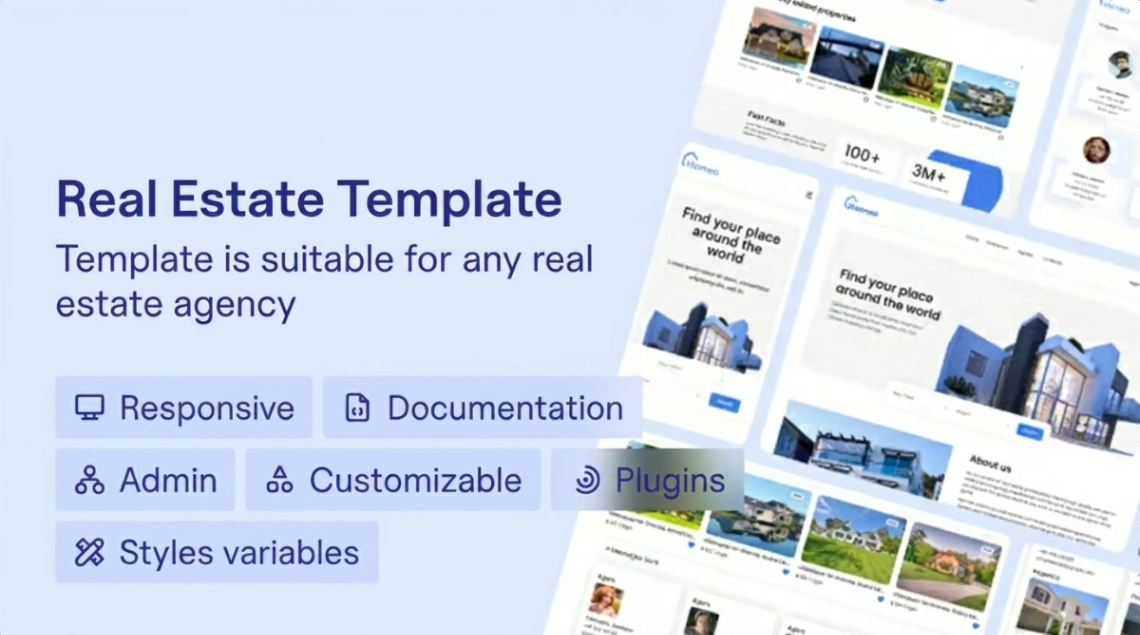
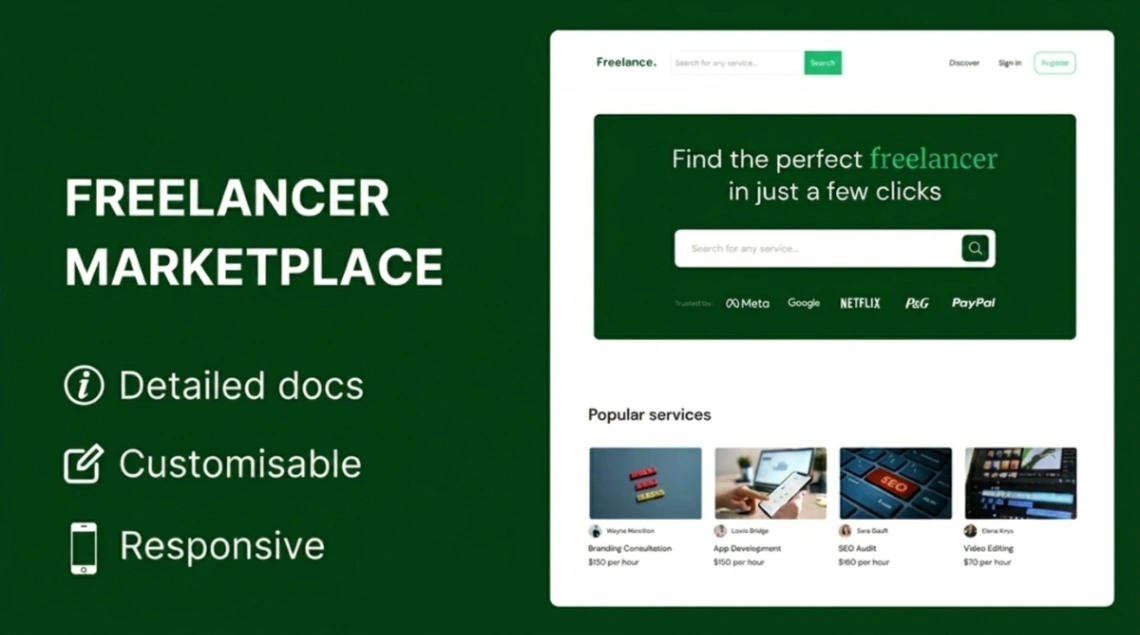
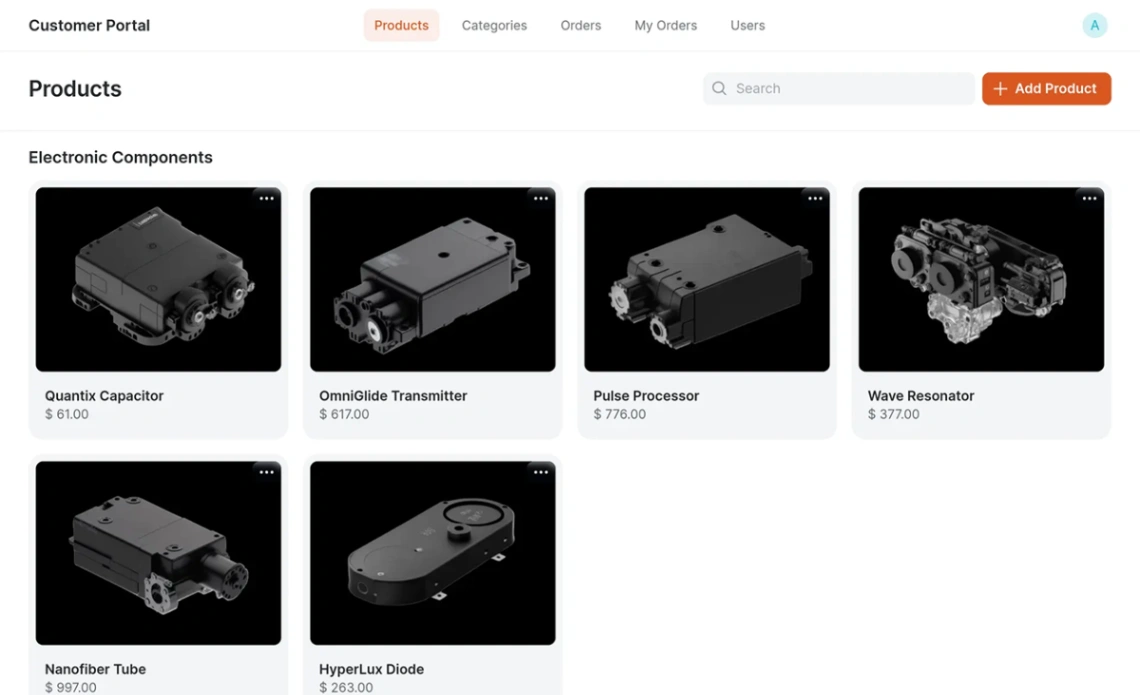
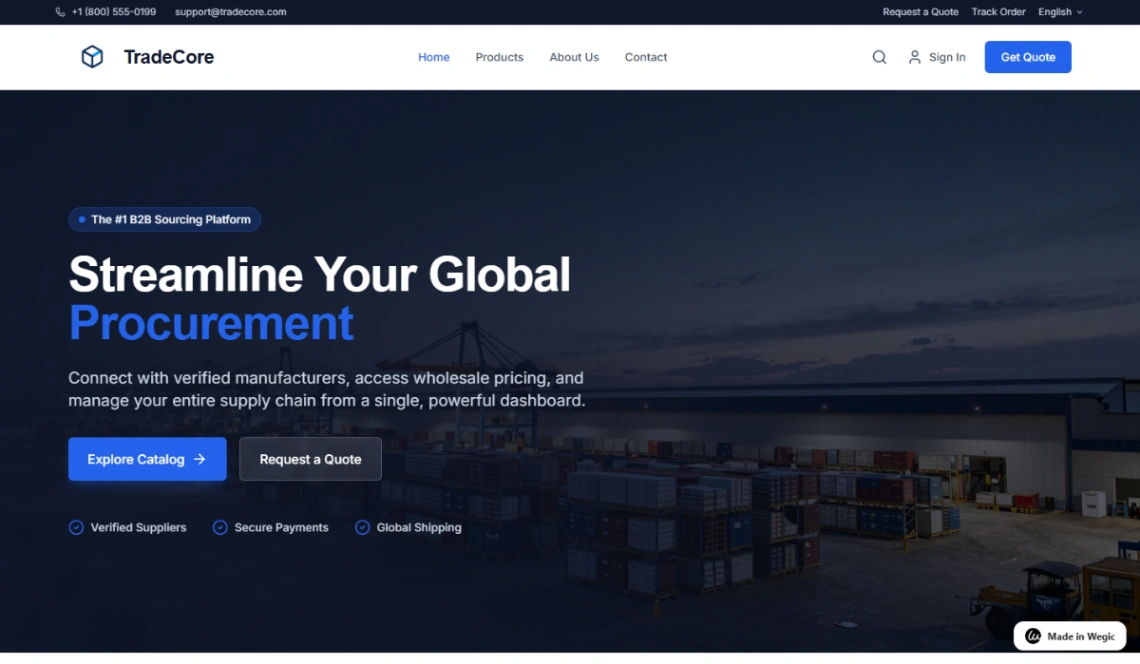
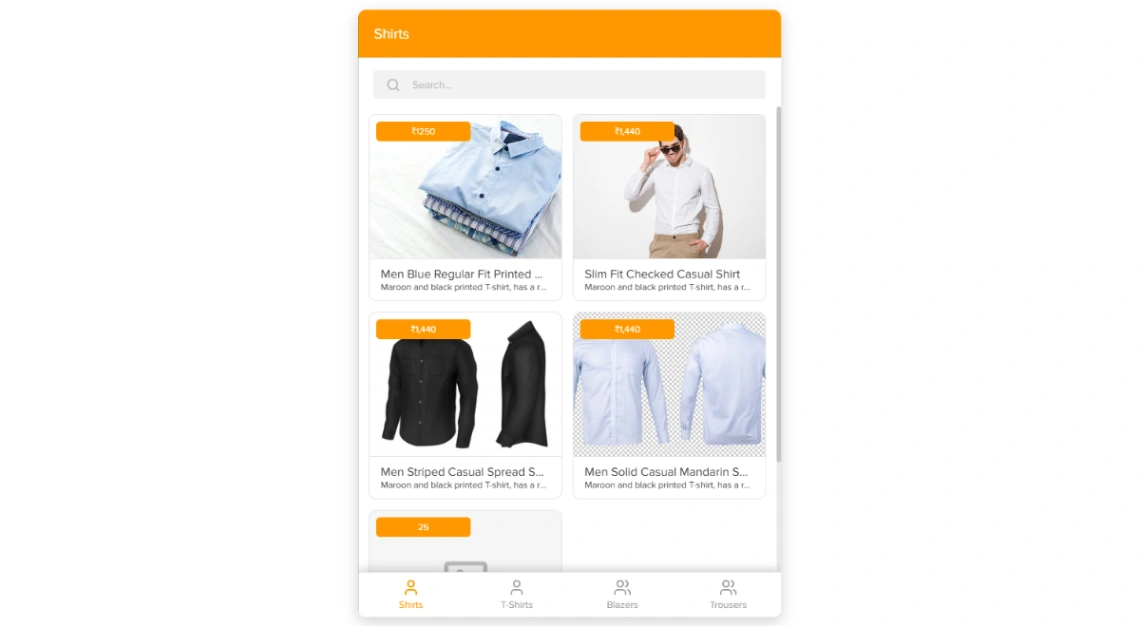
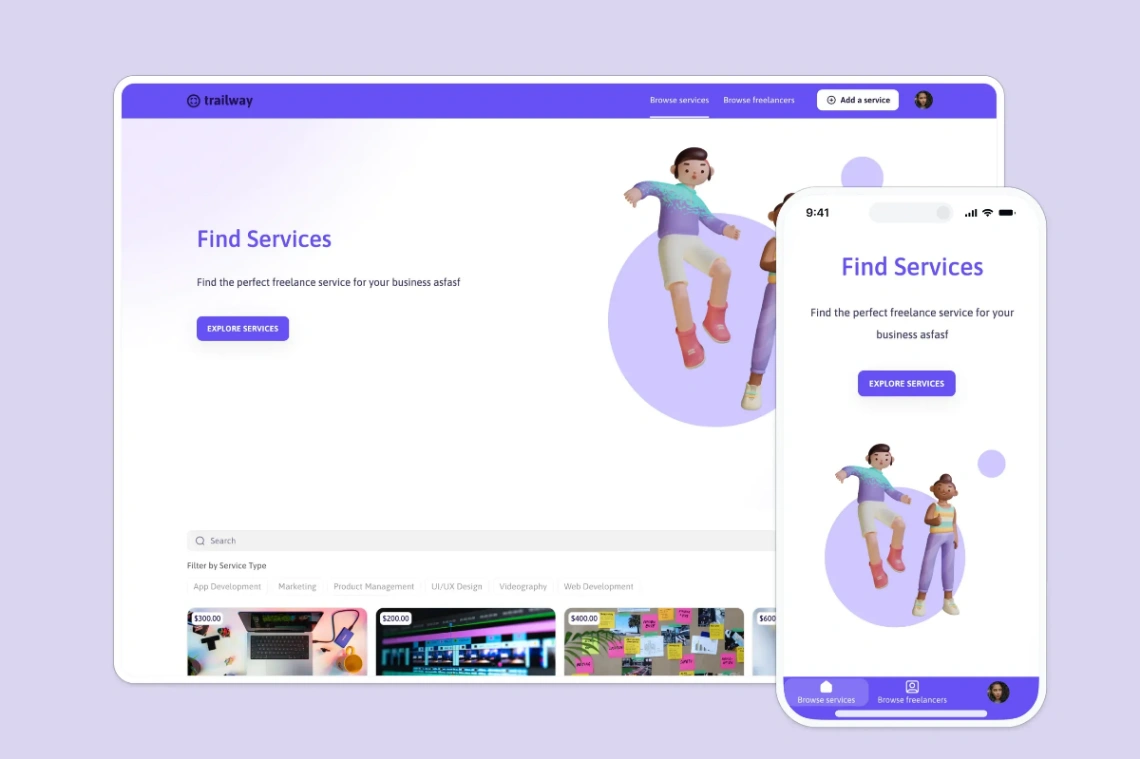
Every marketplace is two businesses duct-taped together — supply and demand, each useless without the other — and the template is the tape. That's why these templates arrive heavier than anything else in the marketplace: listings, seller accounts, transactions and reviews pre-wired on full app platforms (pinned above). What they can't pre-wire is the sequencing, and sequencing is where marketplaces live or die.
Solve the cold start by being your own supply. Seed the platform with listings you source manually — your own inventory, hand-recruited sellers, even concierge-listed items — so the first buyer arrives at a market, not a venue. The template's submission machinery matters only after demand exists; before that, you are the submission machinery, and the honest launch checklist is fifty credible listings before a single ad.
Transactions between strangers are the category's hard part, and the platform choice decides how hard. Payments that split between seller and platform, funds held until delivery confirms, a dispute path that doesn't require your personal arbitration of every sour deal — check what the template's platform genuinely supports, because retrofitting escrow-like flow onto a simple checkout is the migration that kills roadmaps.
And treat seller onboarding as your second product. Sellers judge the marketplace by the listing flow, the dashboard, and how fast they see their first sale or at least their first view. Reviews close the loop — they're the trust infrastructure that lets strangers transact — so switch them on from the first transaction, even when the volume feels too small to matter. Especially then.
FAQ