






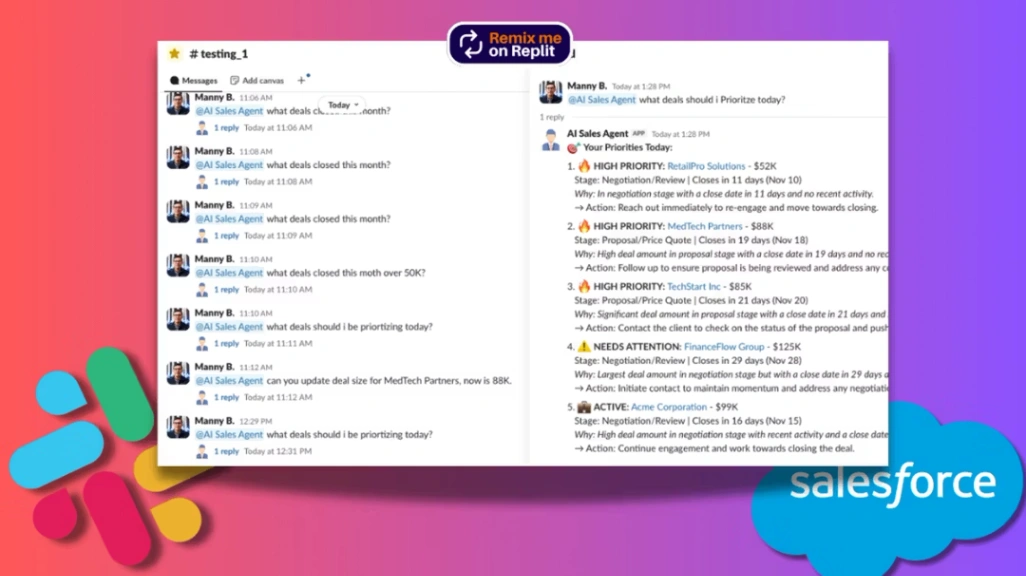
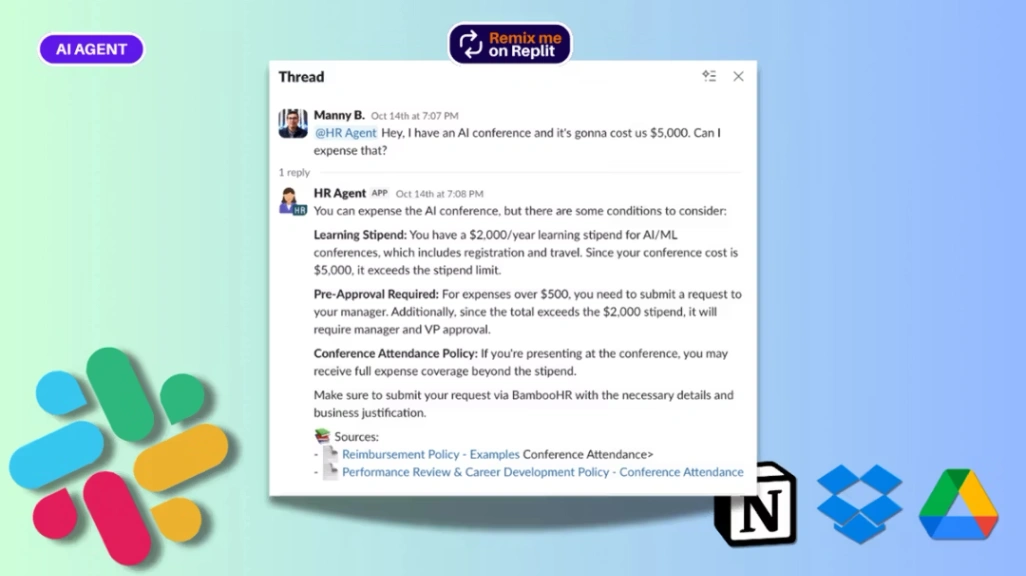
HR AI Agent
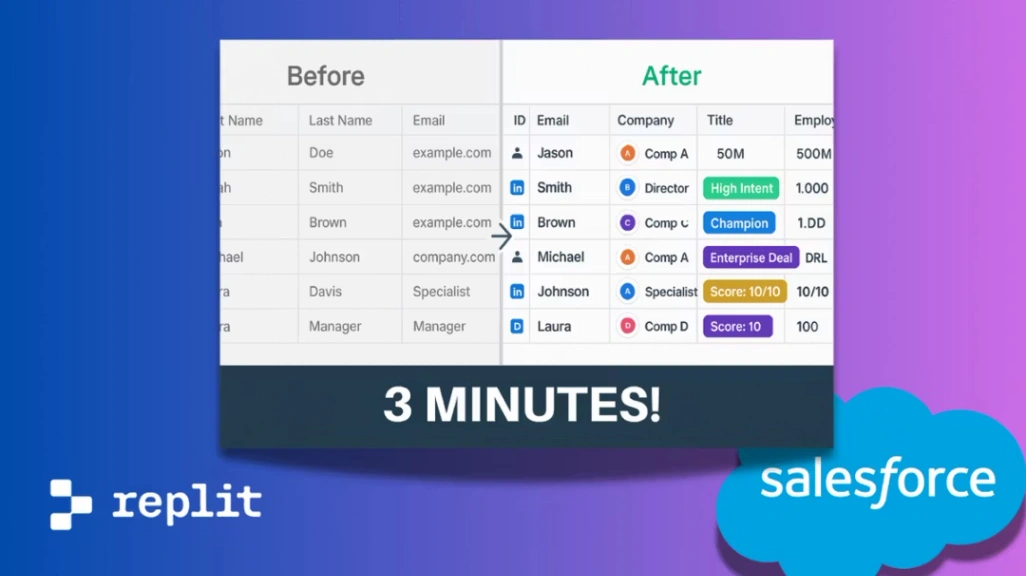
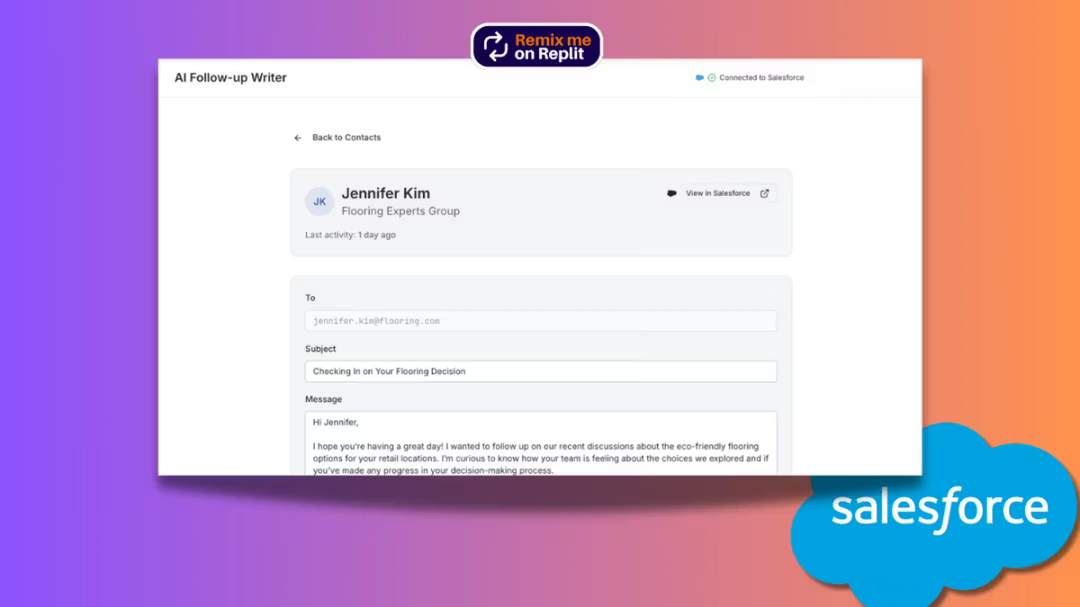
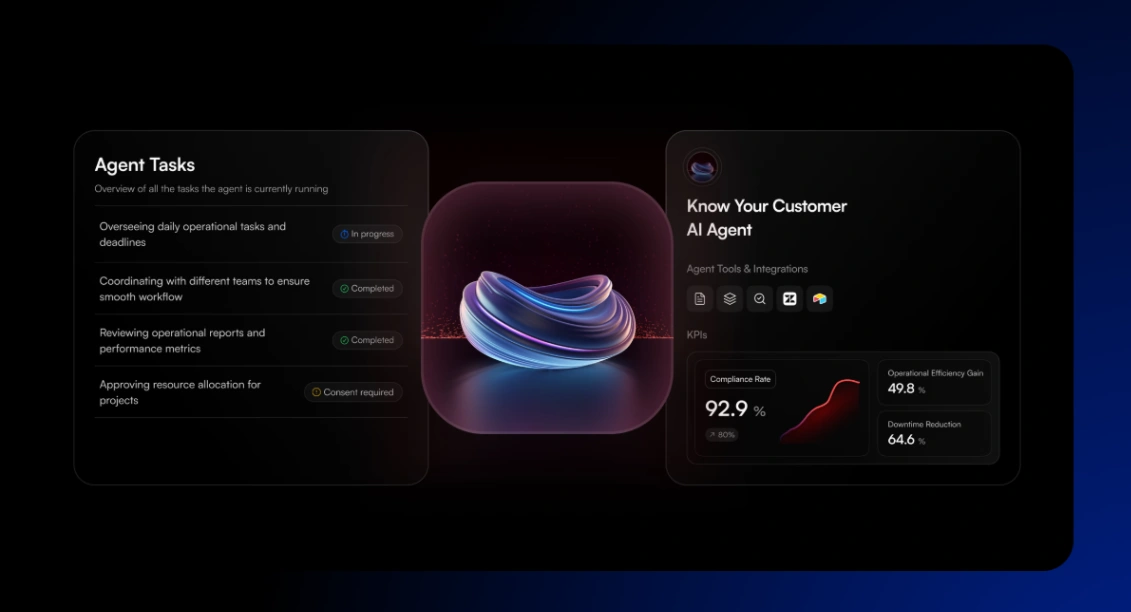
KYC AI Agent


IT Helpdesk
Lead Scoring
Buyer's guide
How to choose an ai agents template
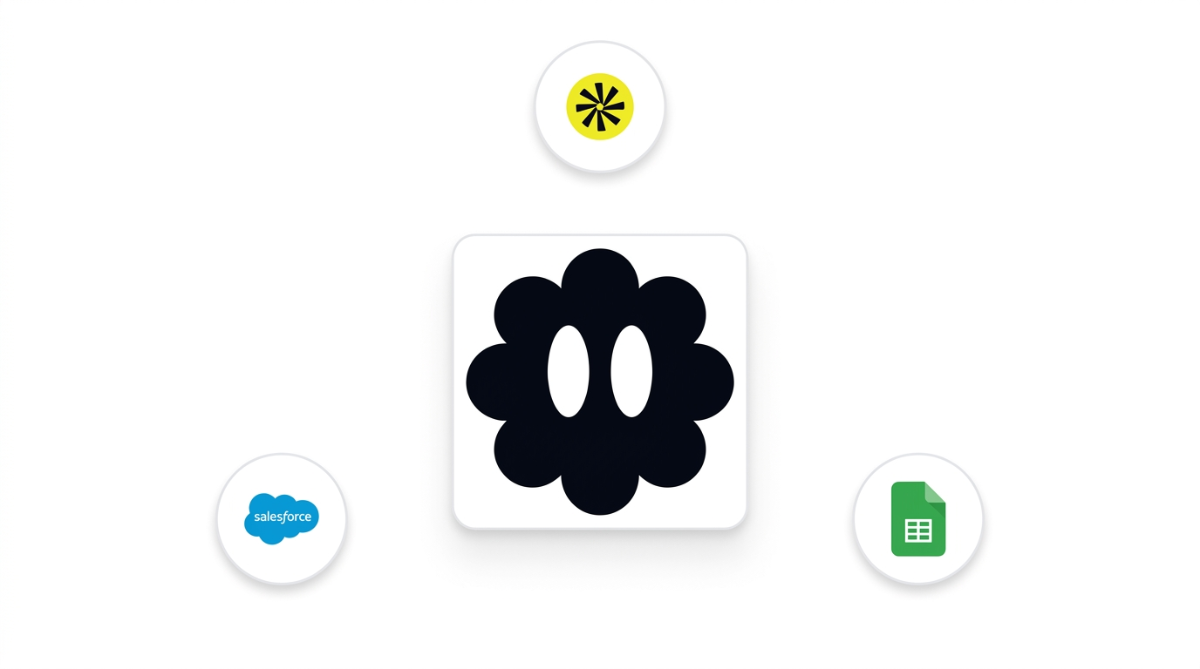
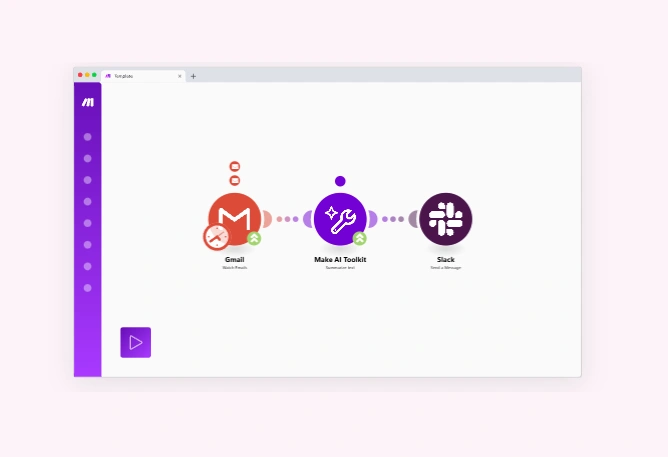
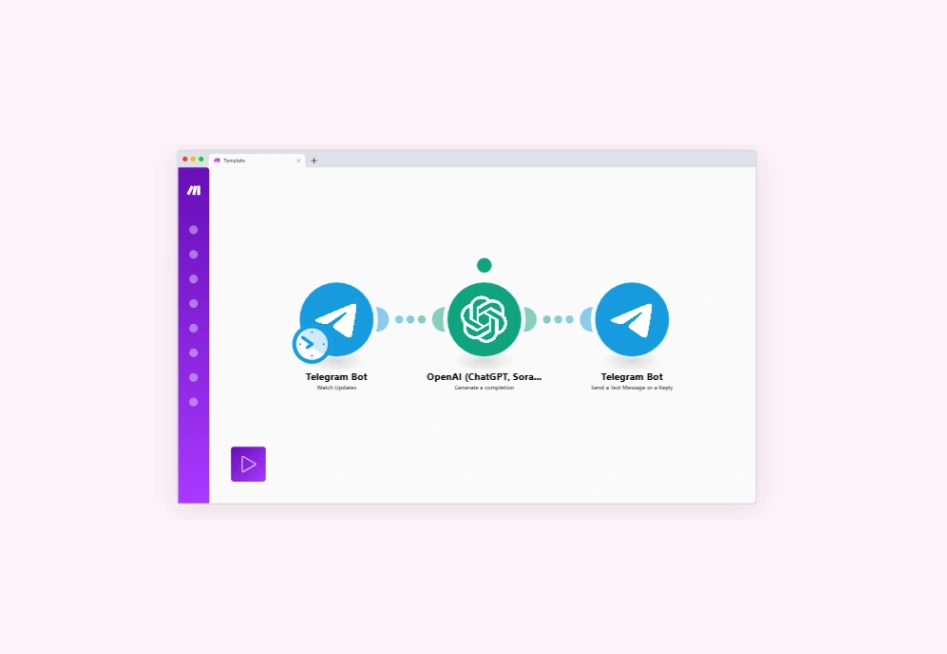
An agent template is a job description that executes: a research assistant, a support triager, a lead qualifier — role, tools and instructions already drafted on the automation stacks pinned above. Hire like a manager, not a shopper: the question isn't which template is cleverest, it's which job you can define crisply enough to delegate. Vague jobs make vague agents, with template or without.
Guardrails are your actual work, and the good templates make them explicit: what the agent may do alone (draft, sort, summarize, look up), and what requires sign-off (send, spend, delete, promise). The dependable starting policy is draft-everything, send-nothing — the agent prepares actions and a human approves them in batches. You'll loosen it deliberately, one action at a time, as trust accumulates; loosening is easy, restoring trust after a bad autonomous send is not.
Then run a real probation. A week of the agent's output, audited honestly: where was it right, where did it hallucinate confidence, which cases does it consistently fumble? Route those cases to a human permanently — an agent that handles 70% of volume flawlessly and escalates the rest cleanly is a genuinely good hire; one that handles 100% claims a competence no current agent has.
Watch the meter, because reasoning is billed by the step. An agent that triages every inbound email spends tokens on every inbound email — estimate monthly volume against the platform's pricing before switching it on, and start it on a filtered slice. The economics that work for a hundred items a day may not survive ten thousand.
FAQ