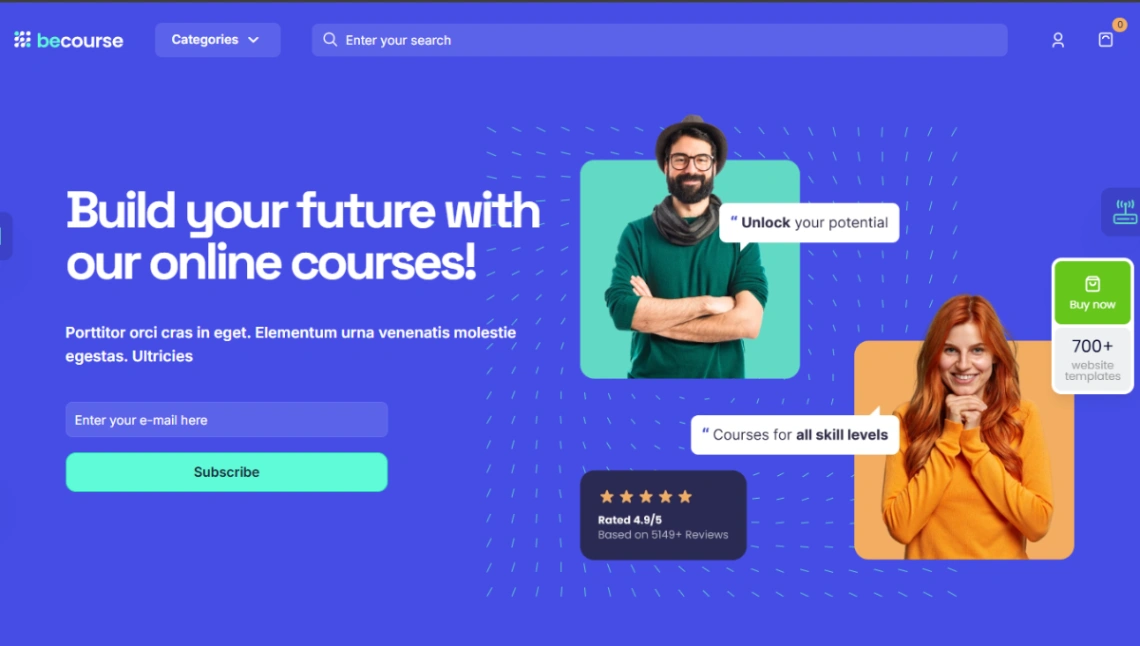
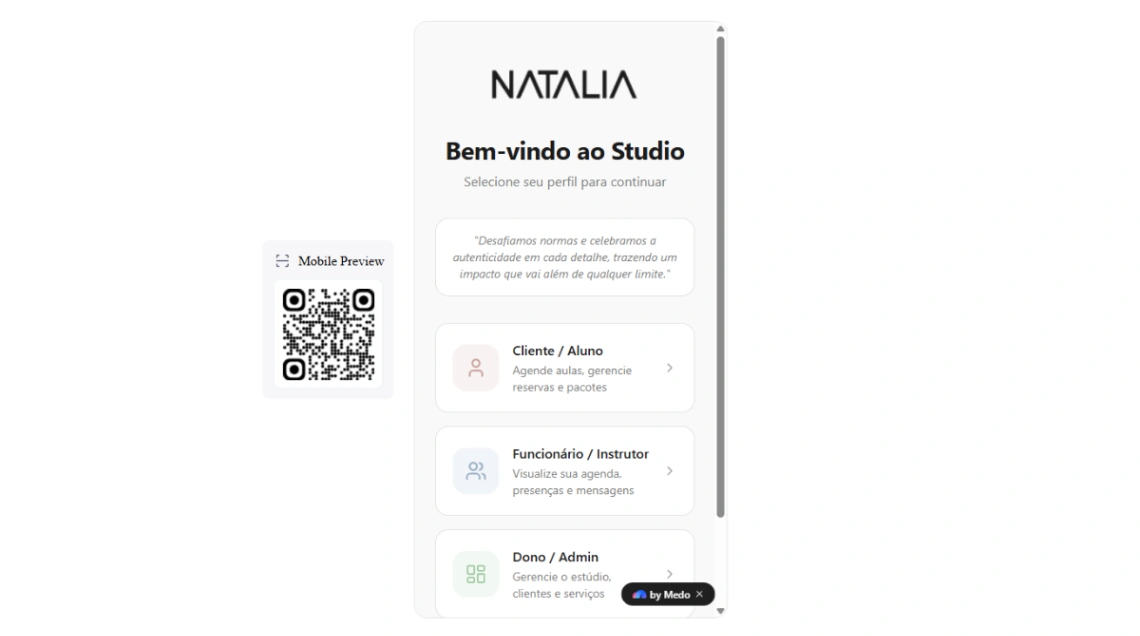
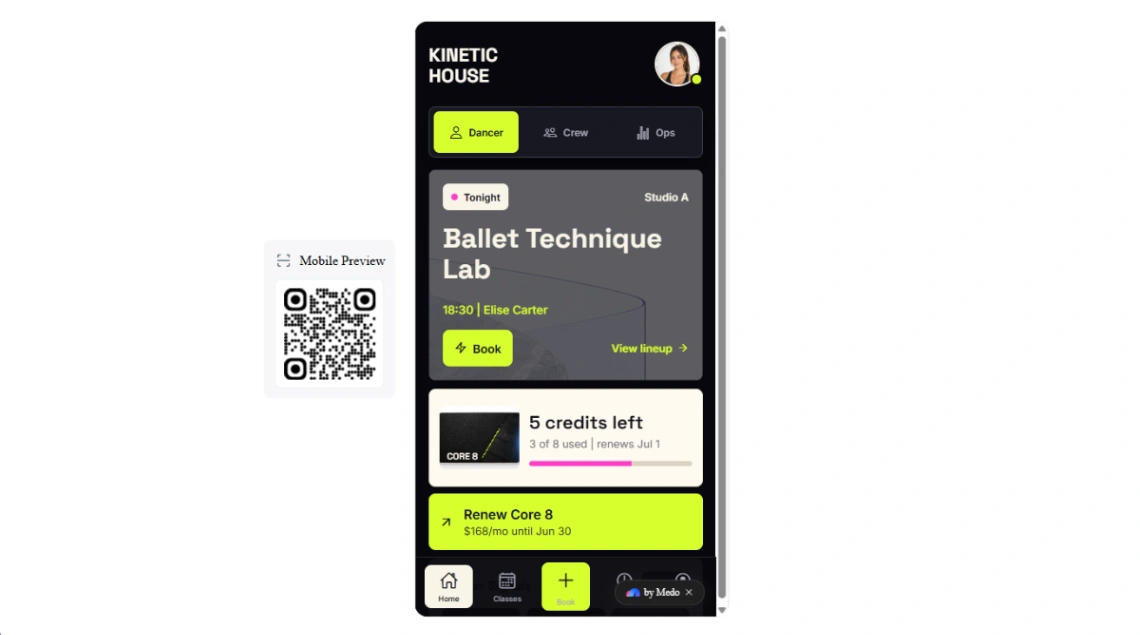
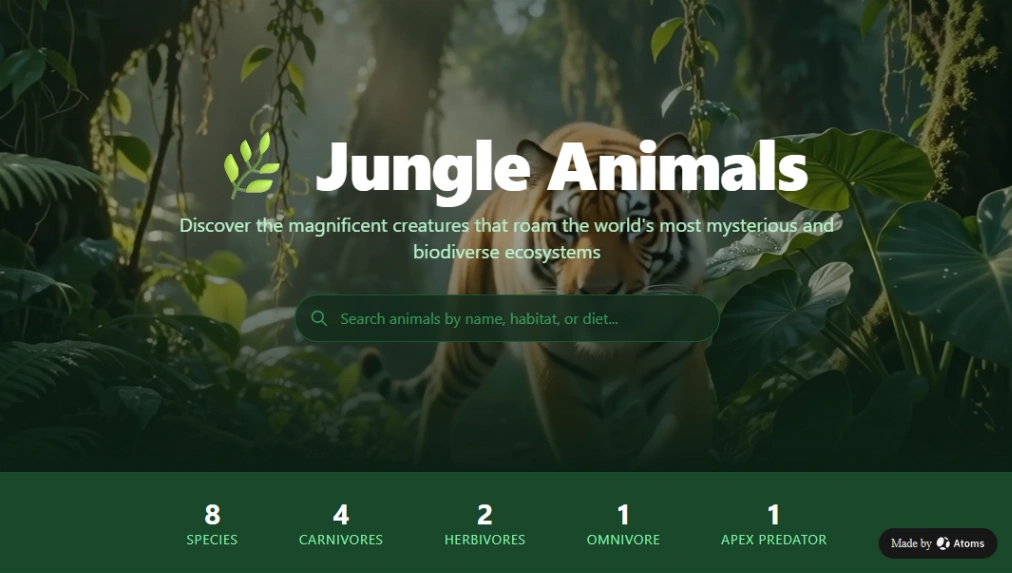


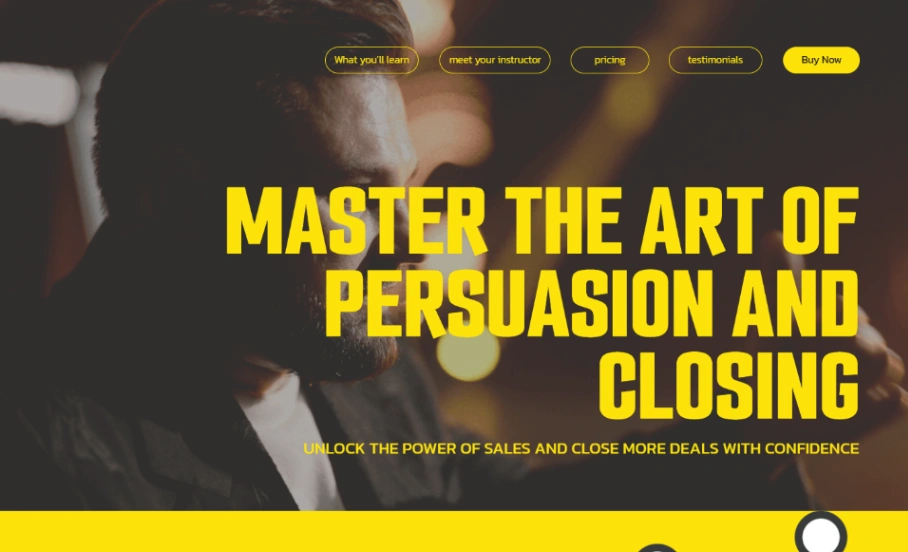
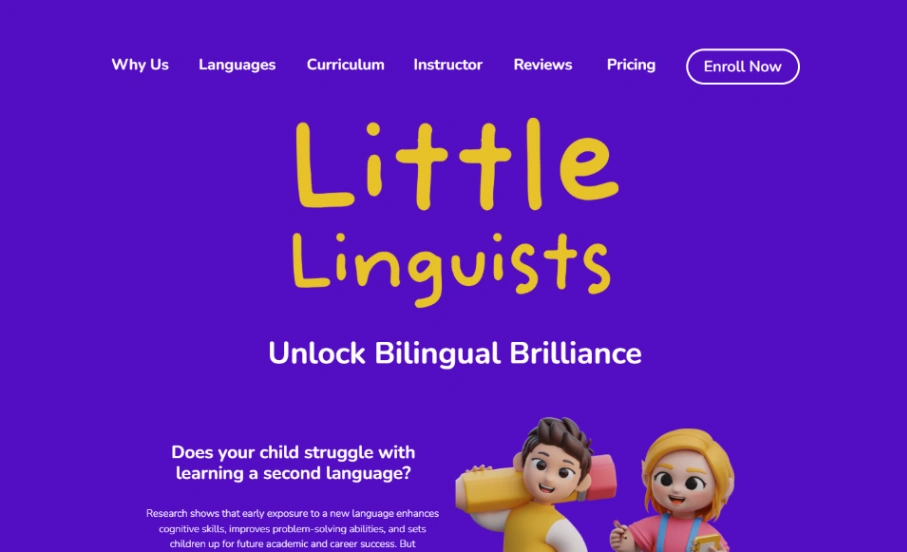

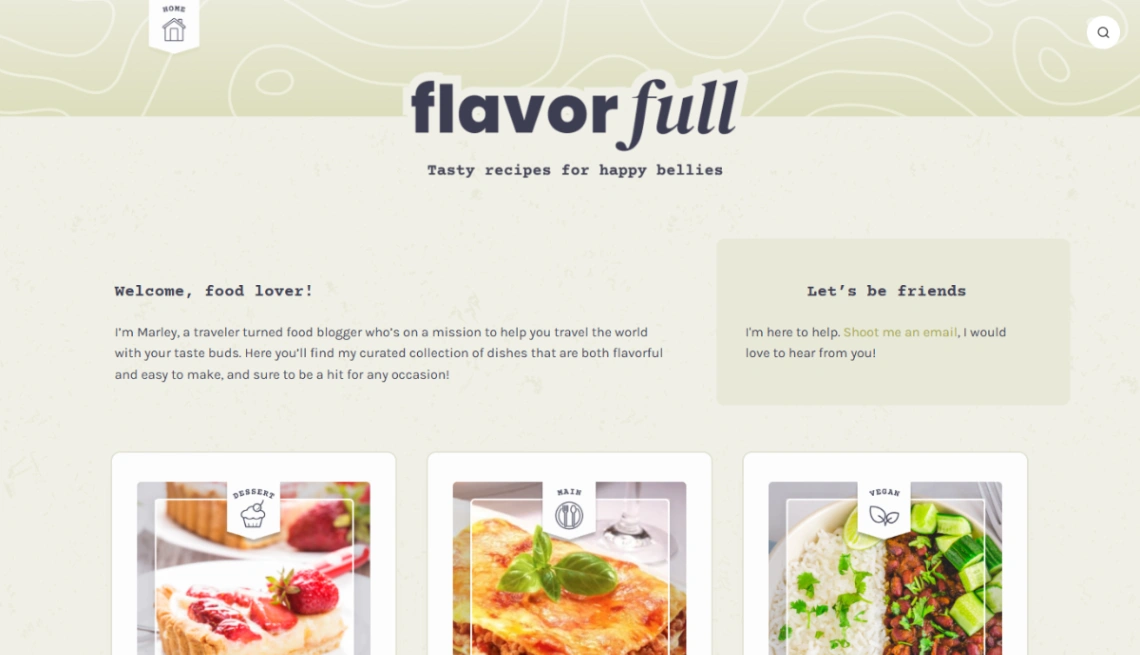
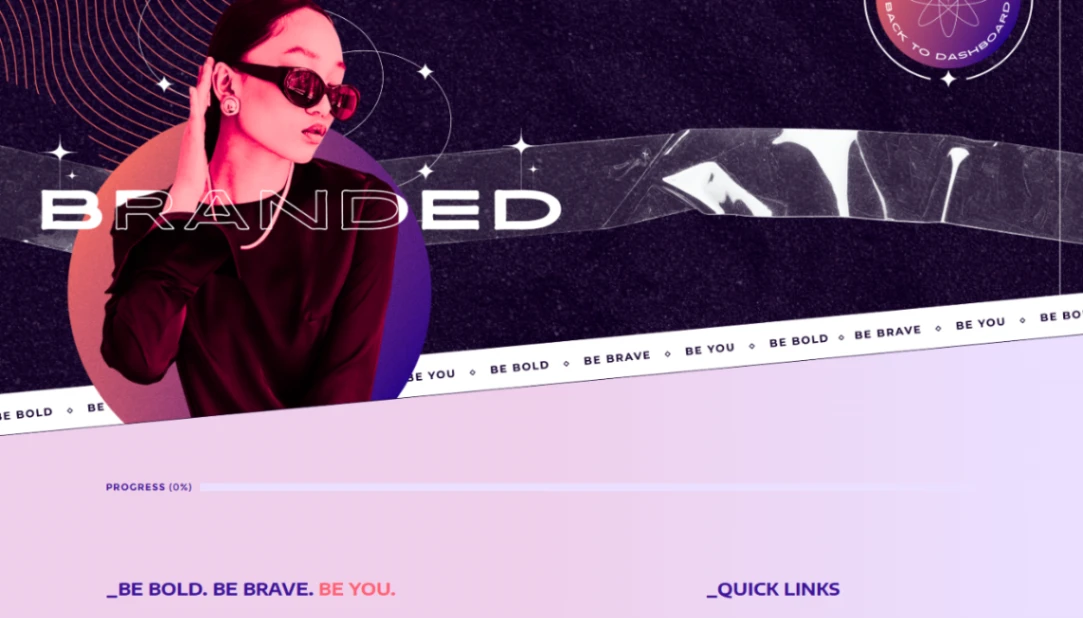
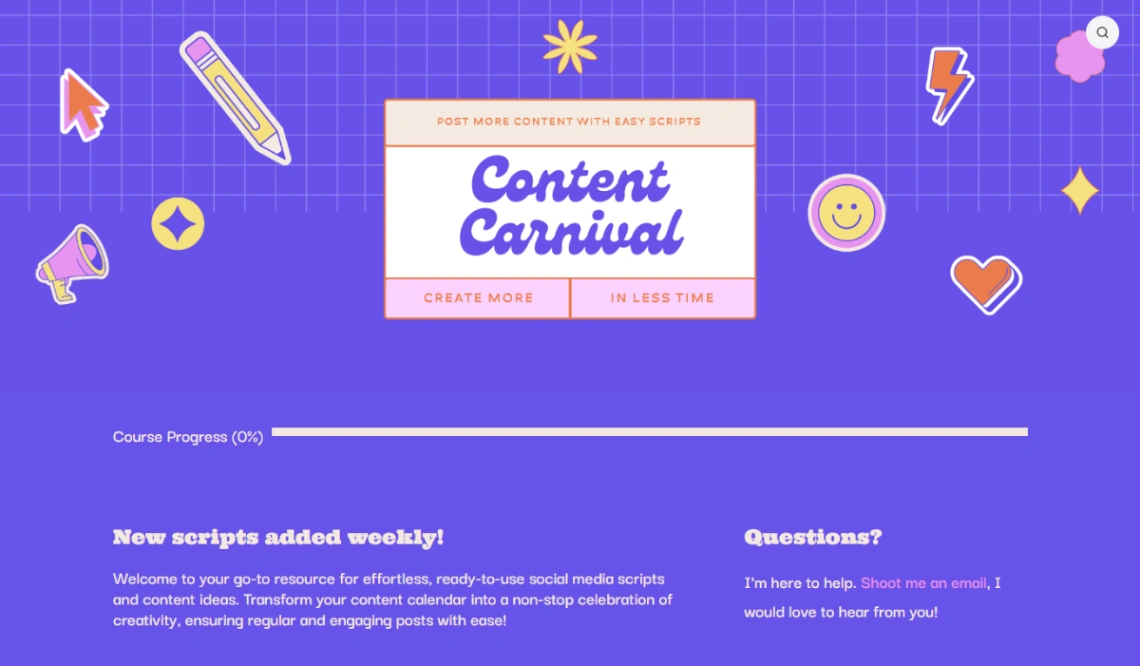
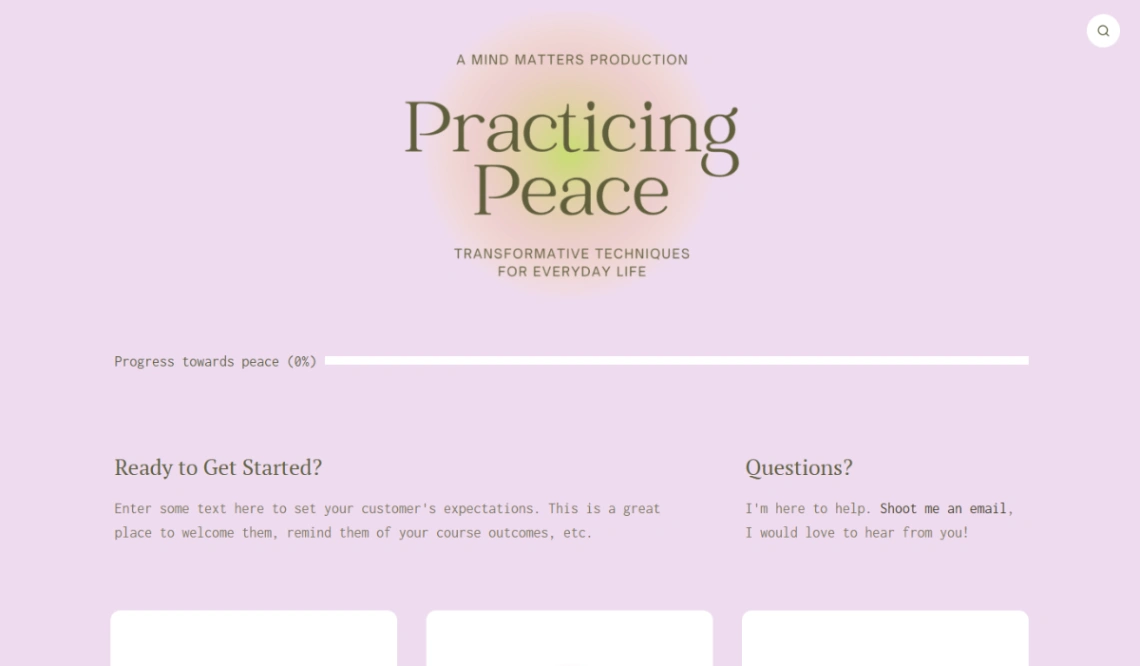
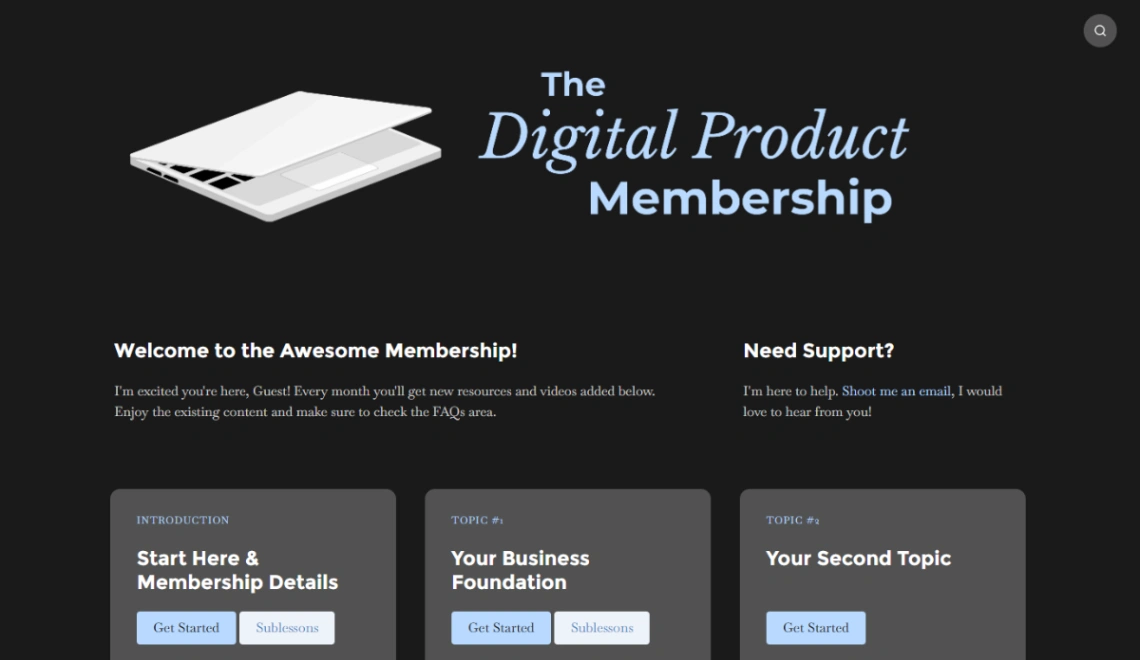
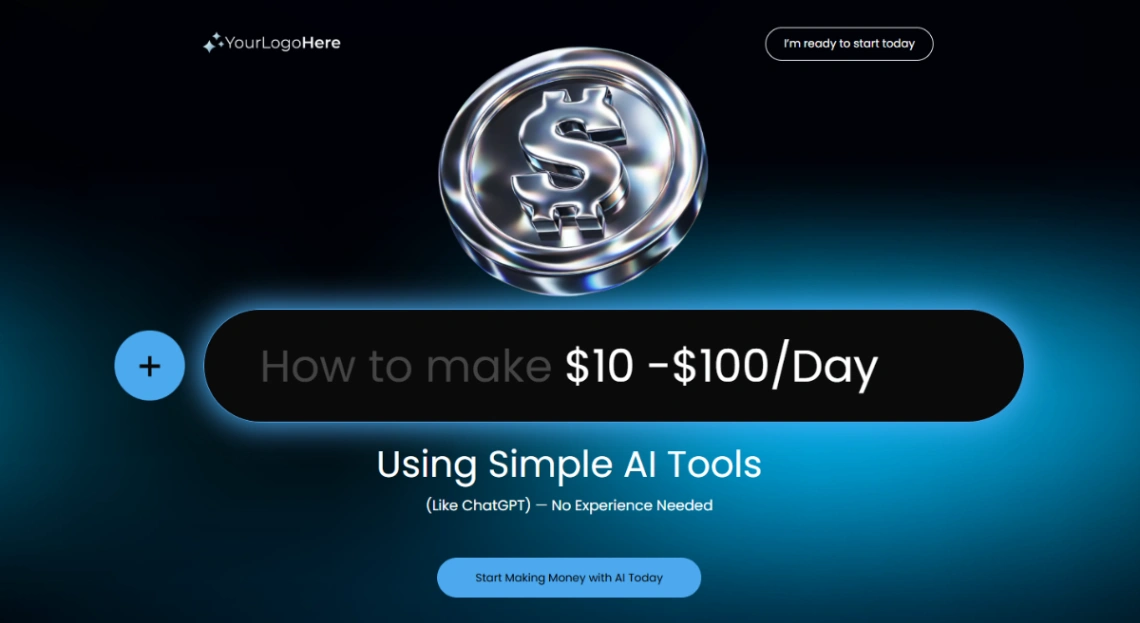
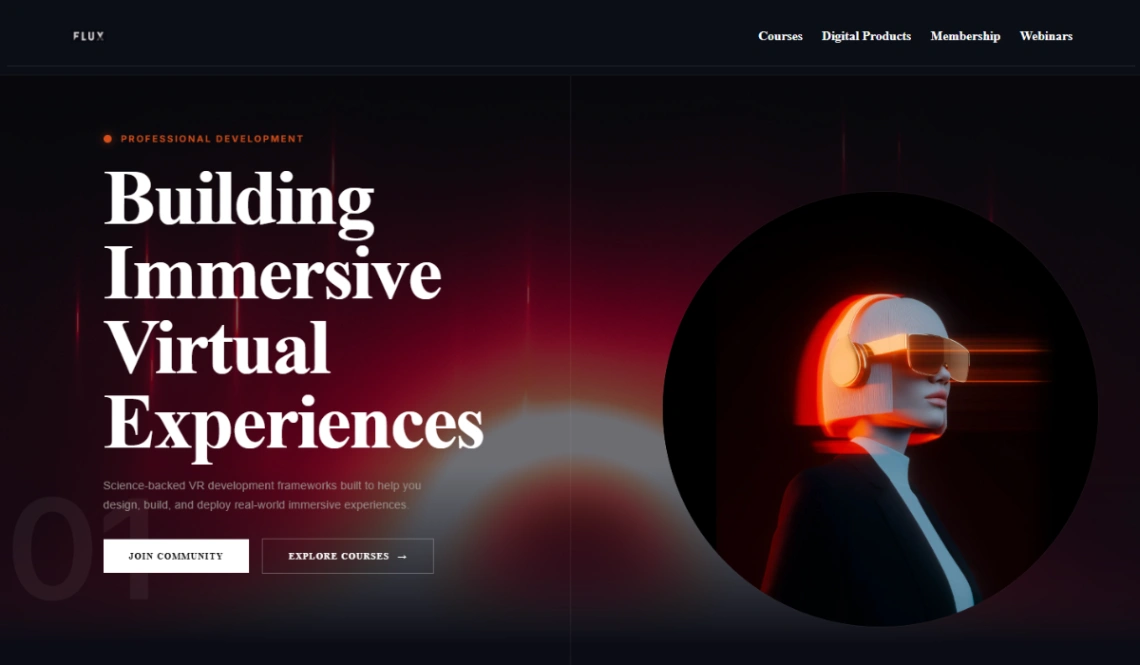
AI Course

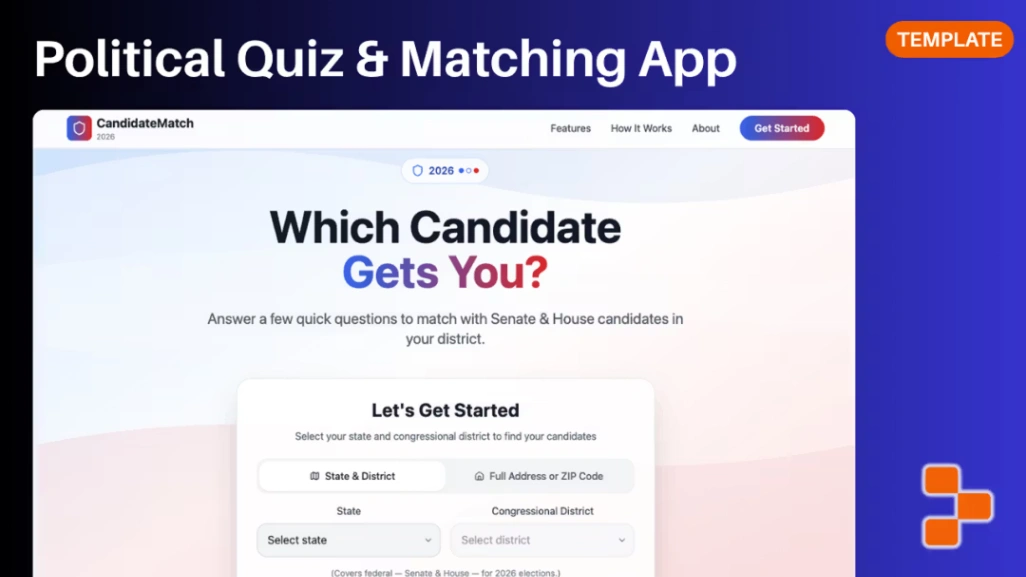
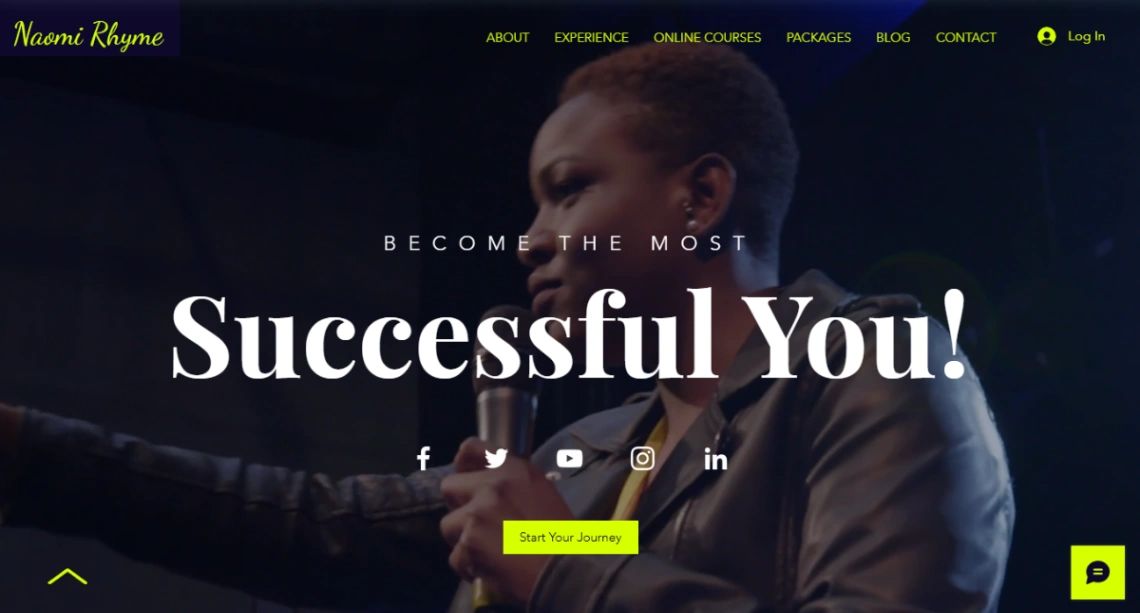

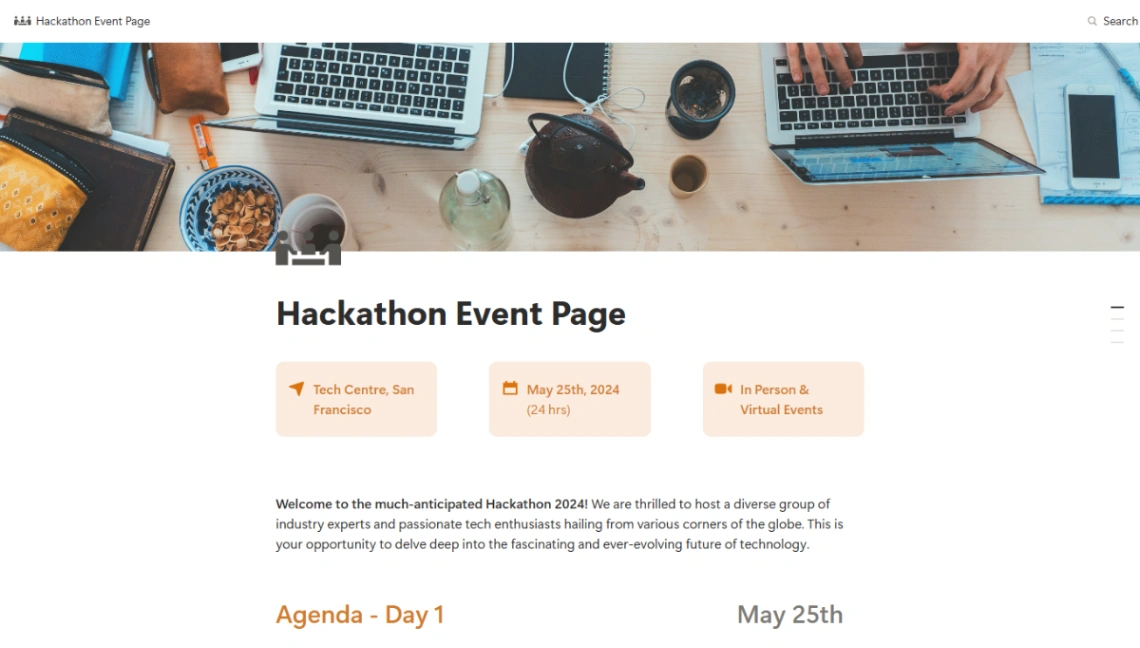
Dance Studio
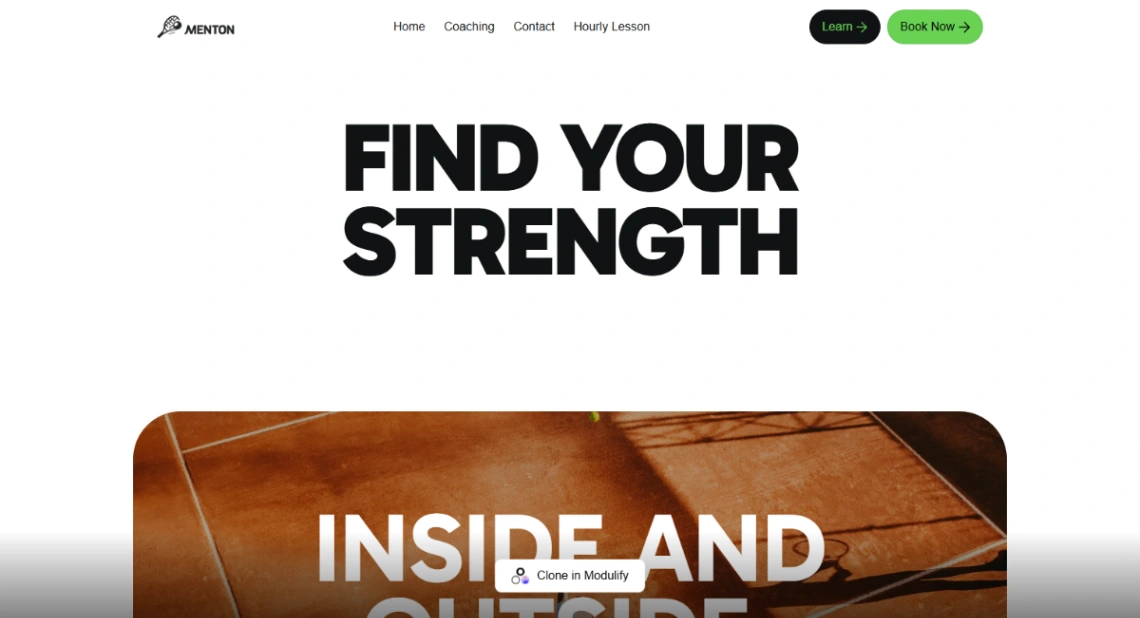
Golf Academy
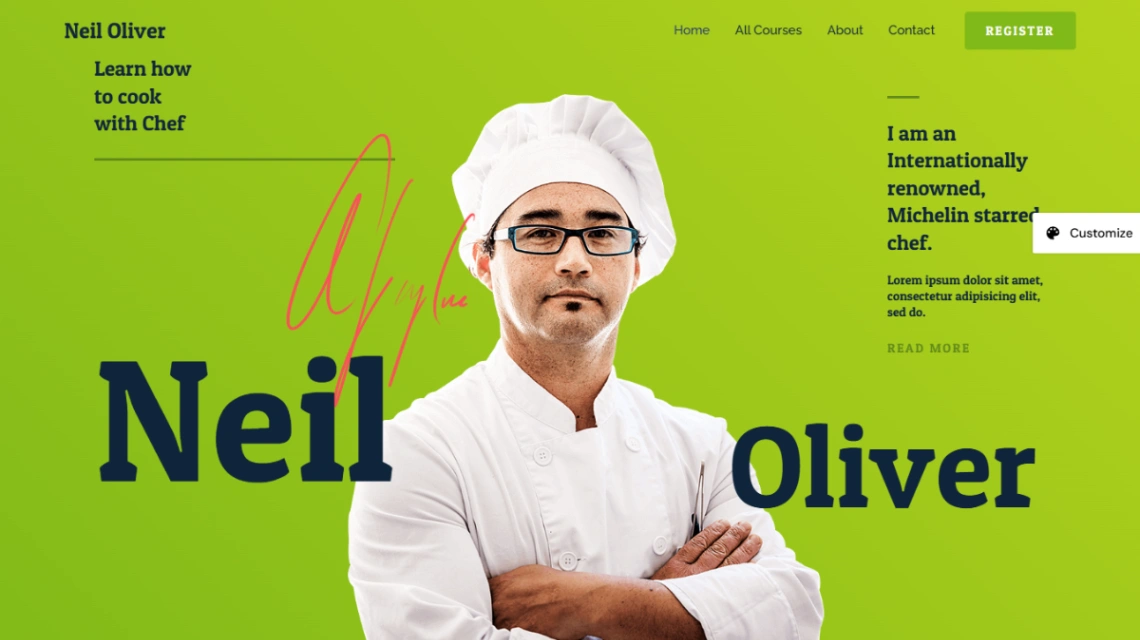
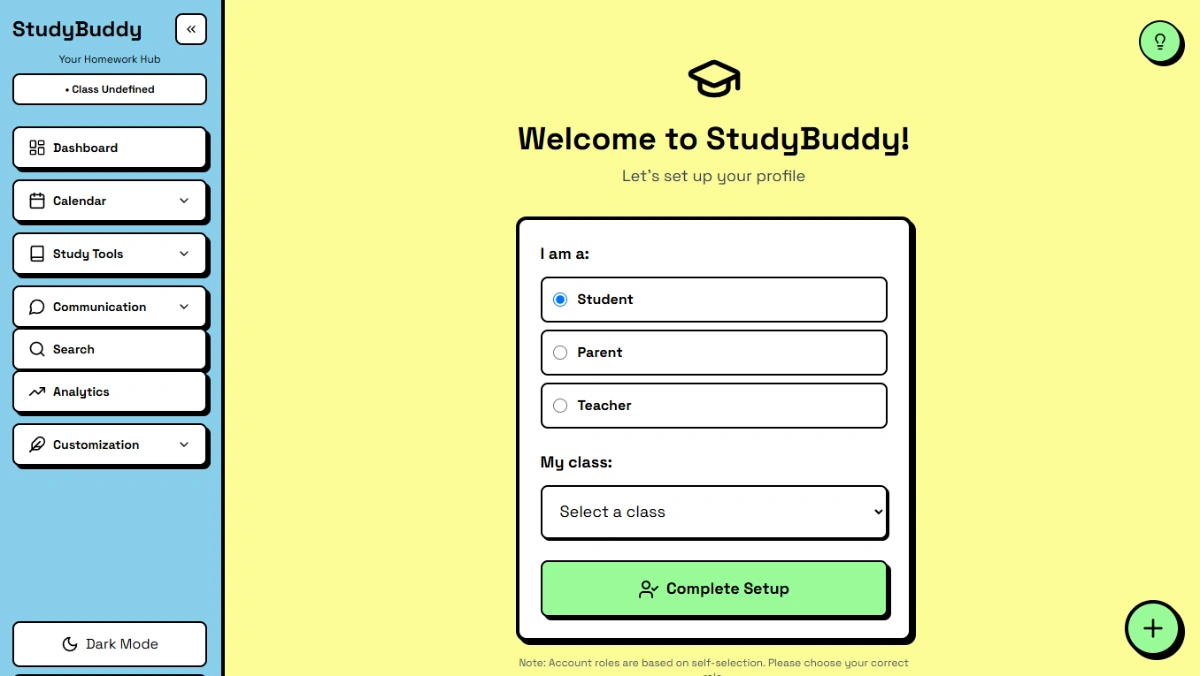
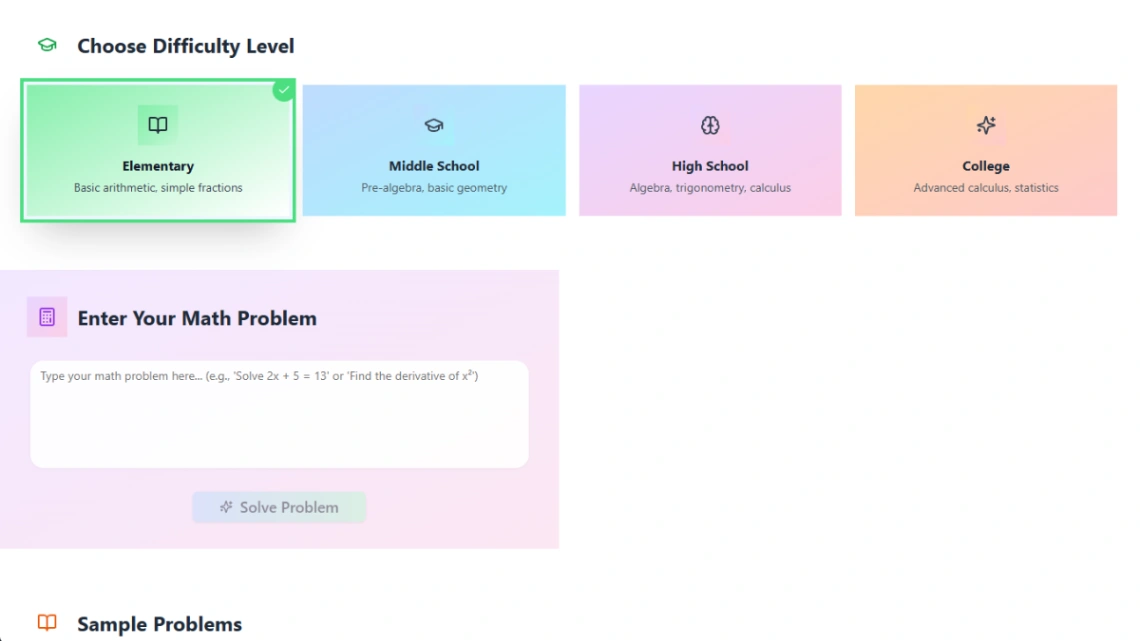
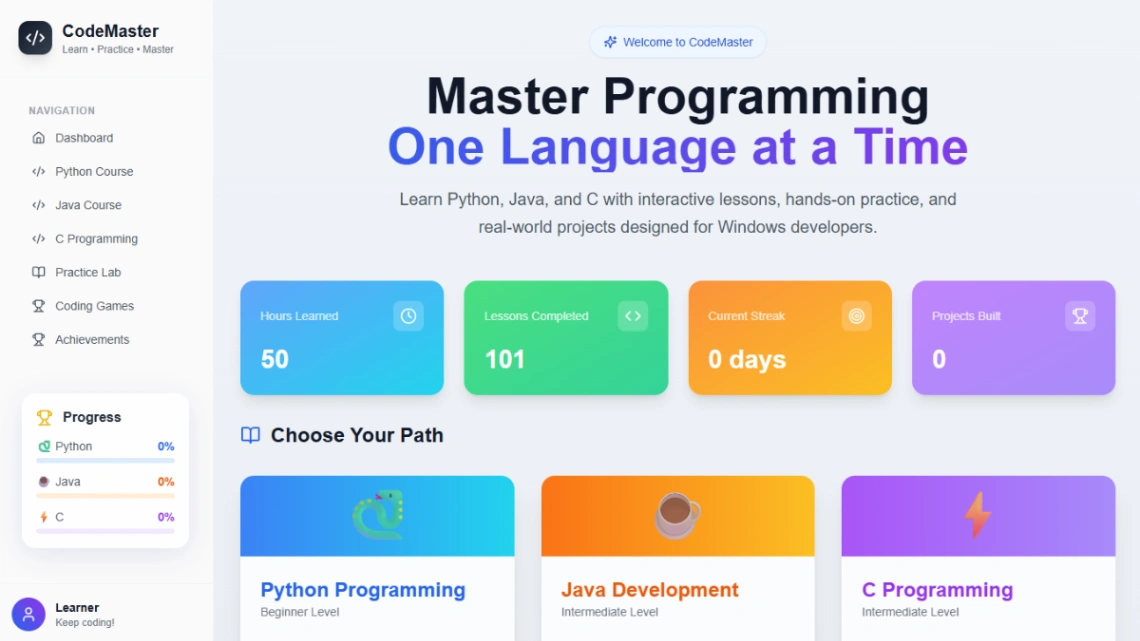
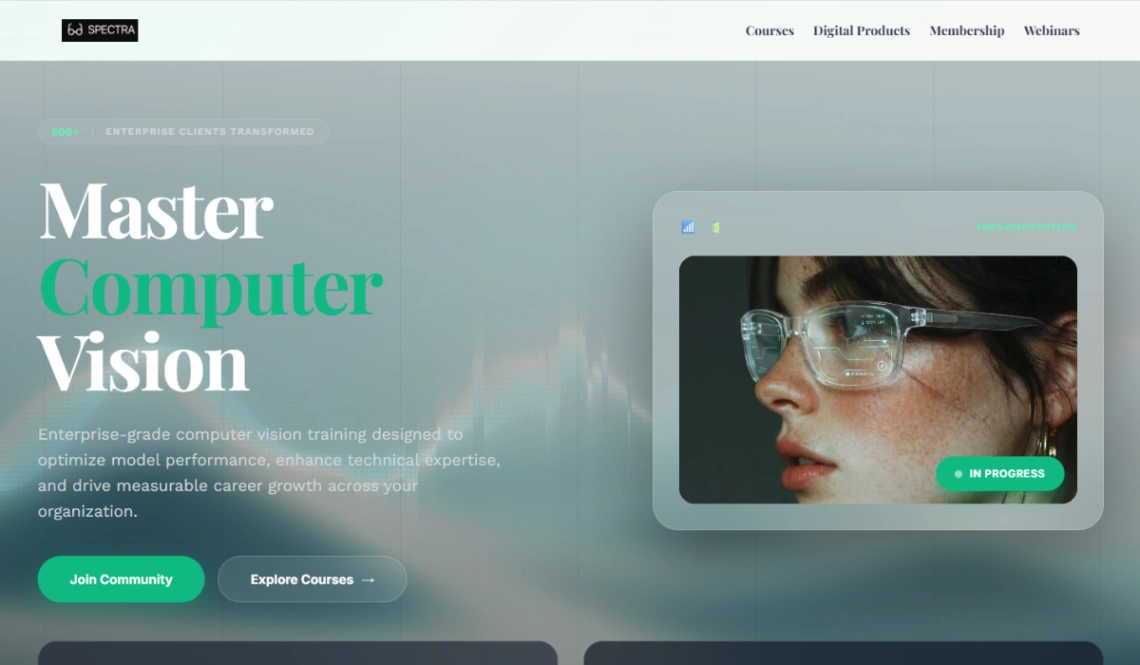
Code Academy


Buyer's guide
How to choose an education template
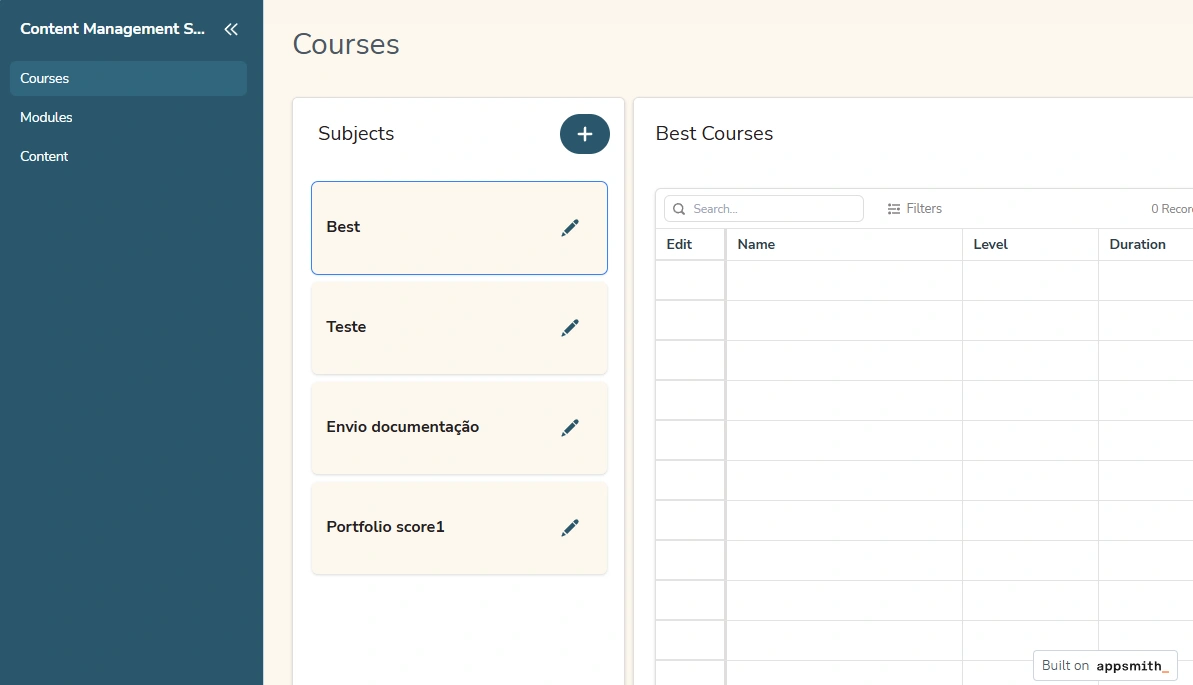
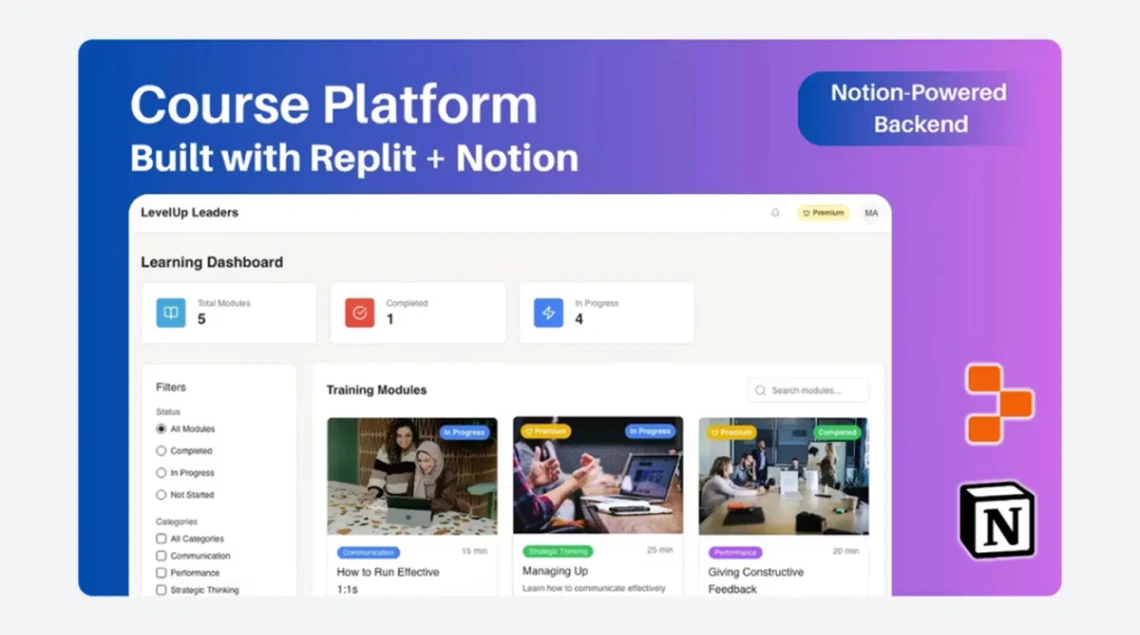
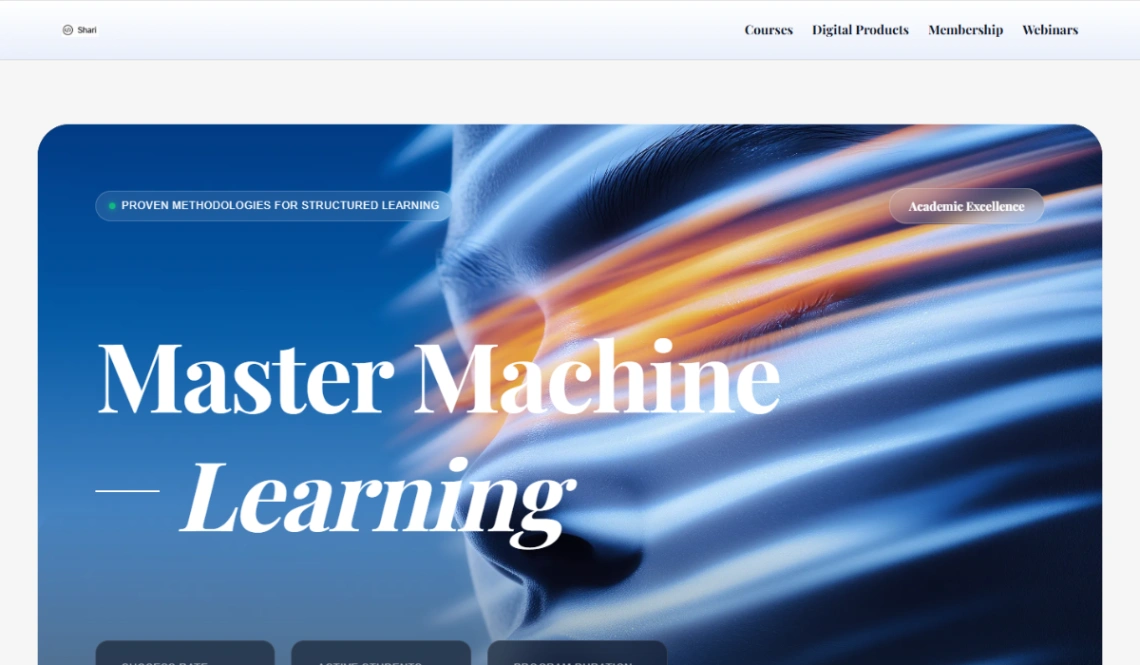
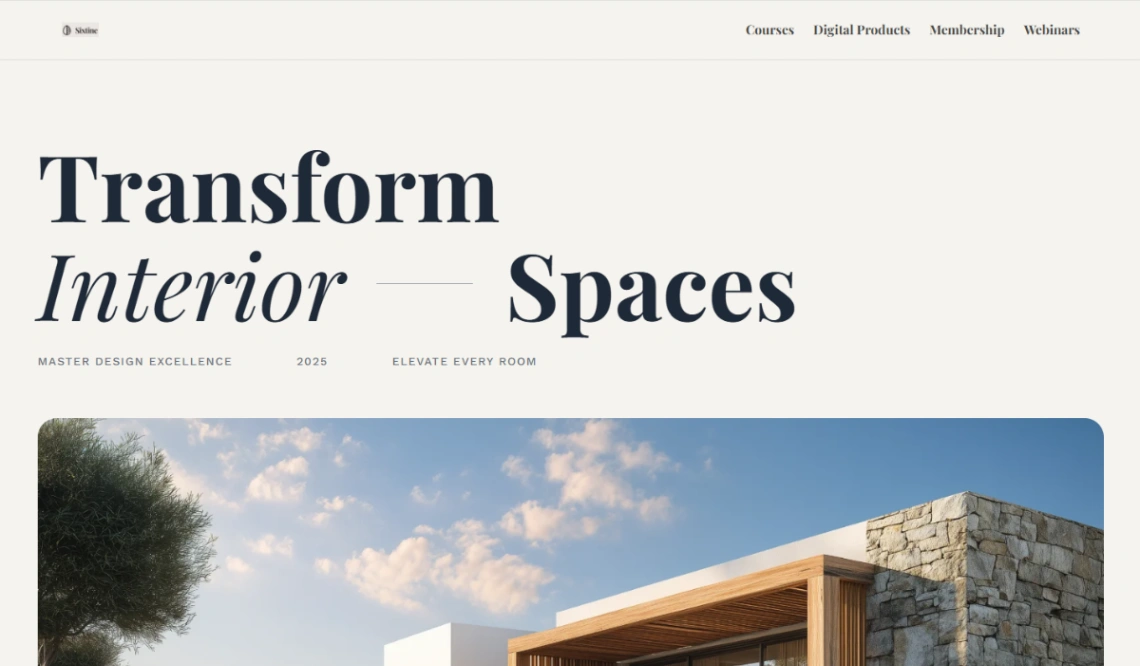
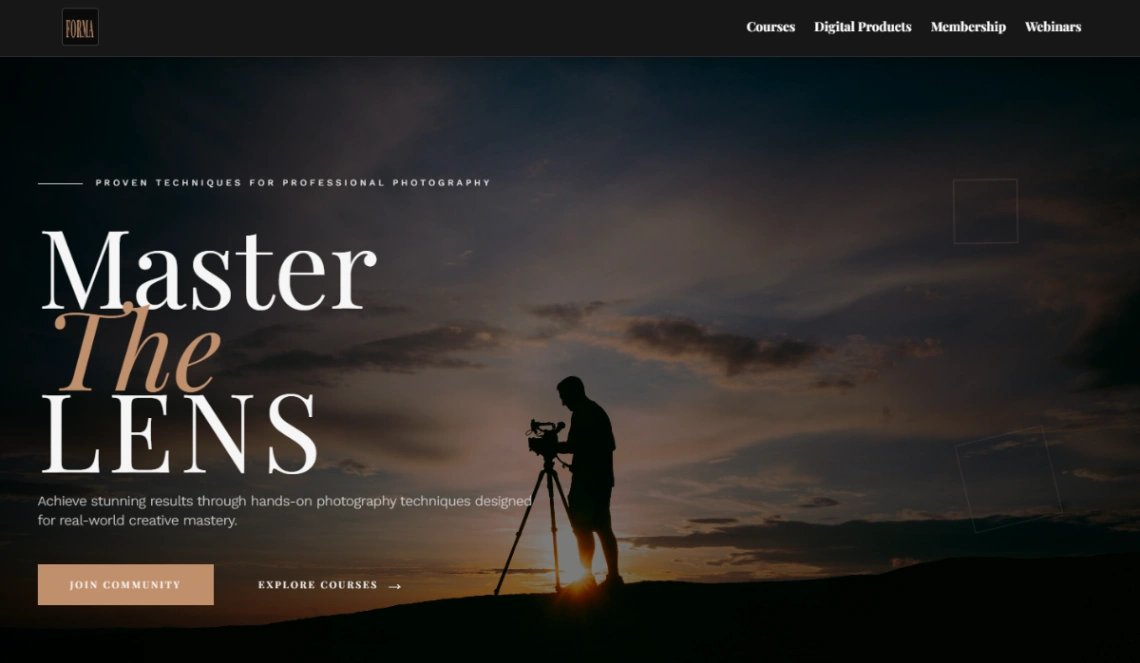
An education site has two customers: the person paying and the person learning — usually the same body in different moods. The sales page persuades the payer; everything after checkout serves the learner, and this collection's real split is where that after-checkout world lives. Course-platform templates keep lessons, progress and student accounts inside one system; site-builder templates give you a freer public site with enrollment handed off. Decide which half you'd rather own, because the pinned builders above specialize accordingly.
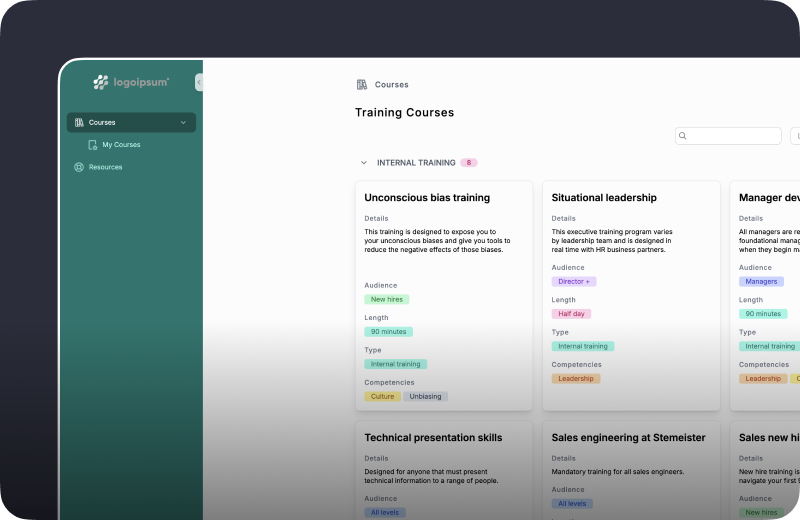
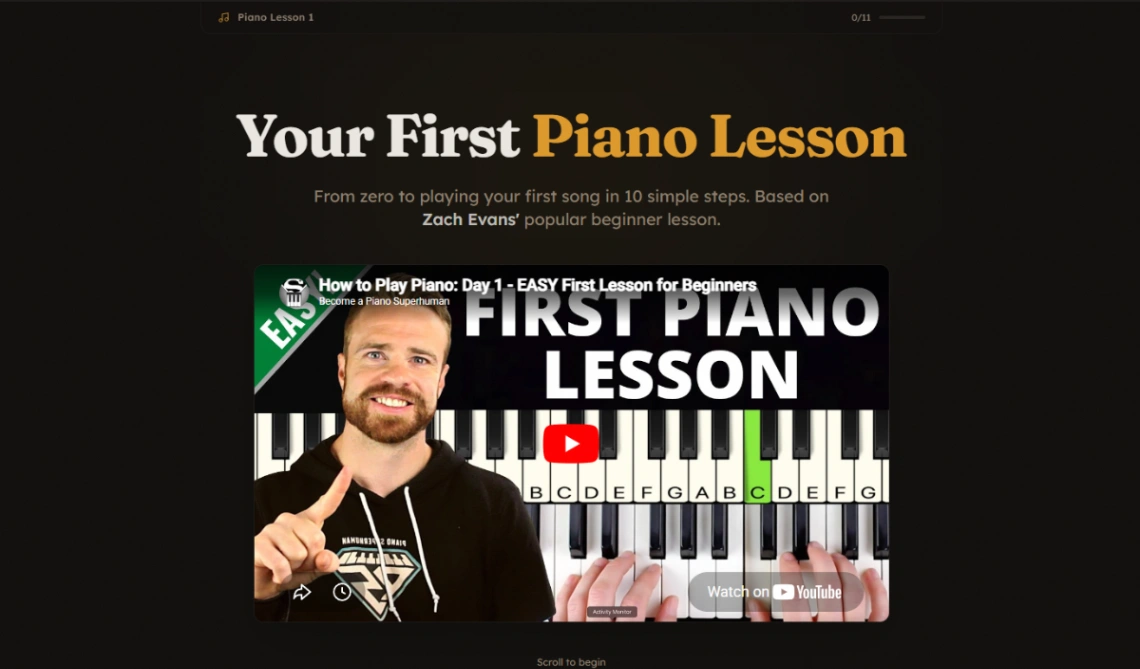
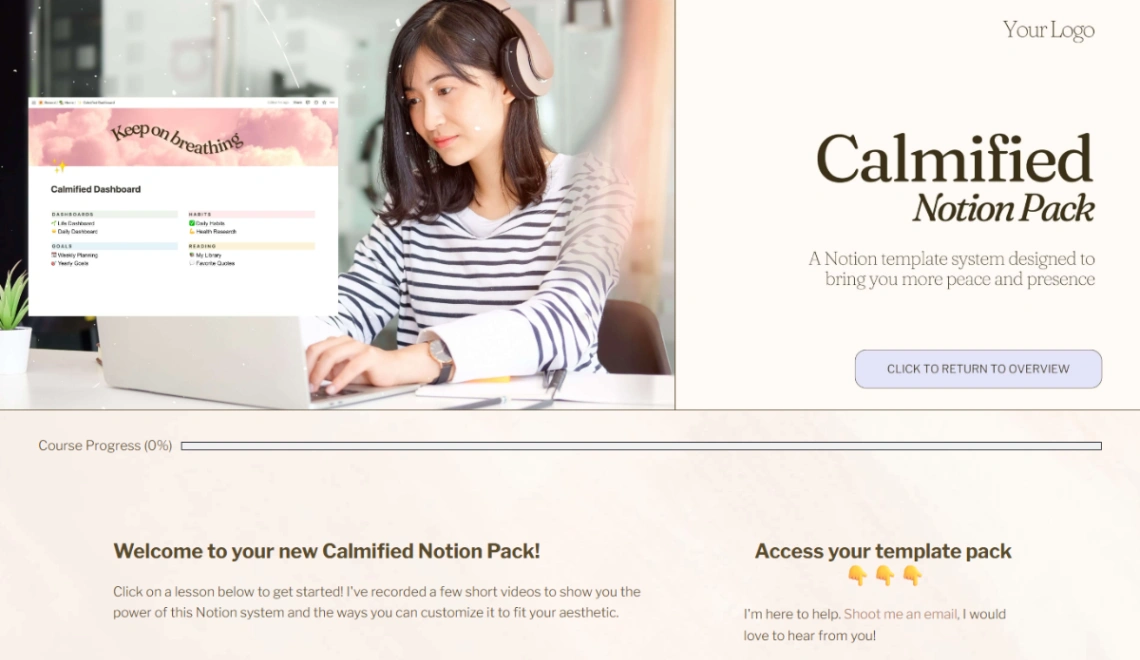
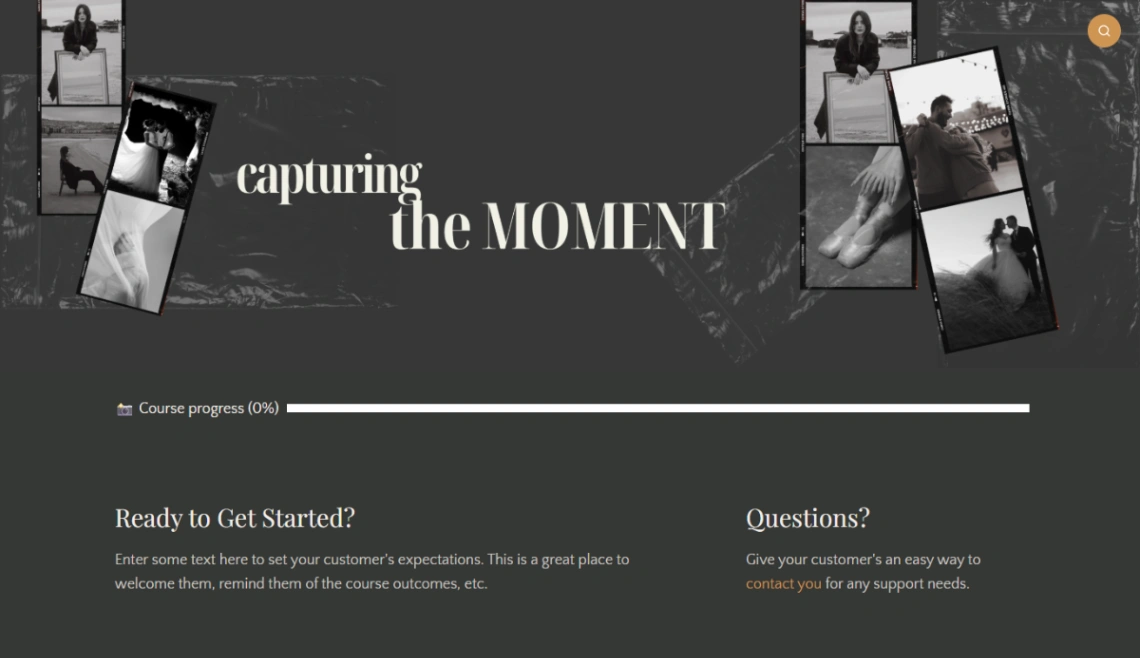
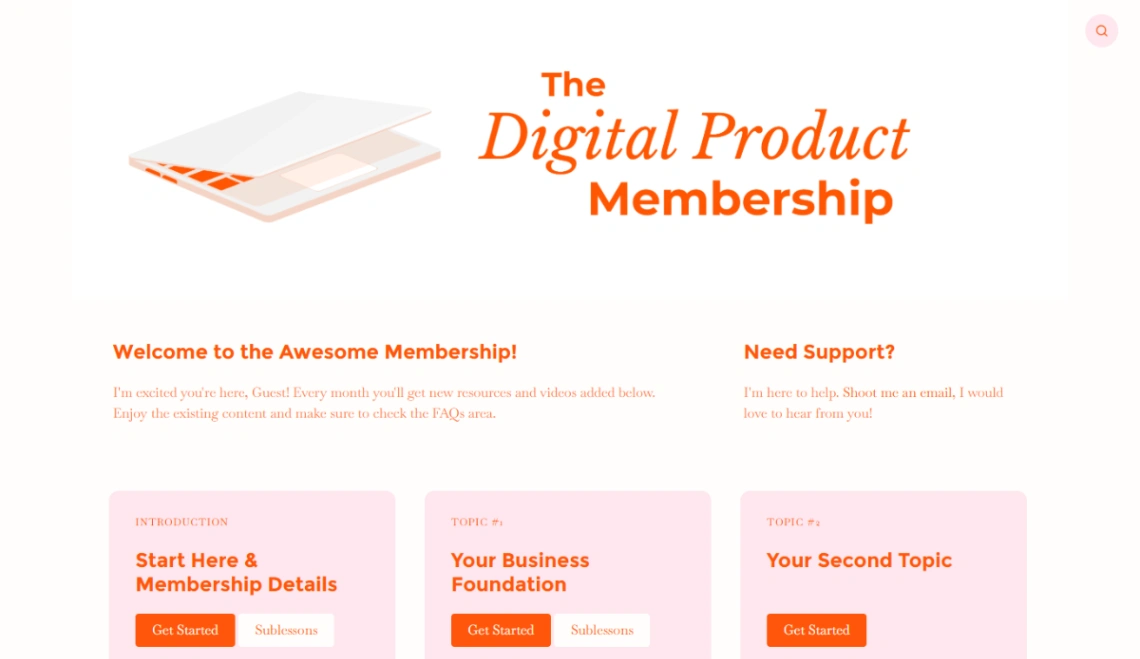
Judge the learner's side first, since it's what refunds are made of: how lessons play, whether progress is visible, what a student sees on returning after a busy week. A beautiful curriculum page wrapped around a clumsy player sells once and churns; the reverse builds a reputation. Preview templates as a student, not a marketer — log into the demo course if one exists; it's the honest tour of what you're actually buying.
The enrollment flow deserves its own look: checkout attached to the course, payment plans if you price high, cohort start dates if you teach live. Each is a platform capability the template either carries or lacks, and bolting payment plans on later is genuinely painful.
Then credibility, which in education is specific: who you are, why you're qualified to teach this, and proof students finished and changed something. The warning this category earns — teachers polish the promise and ship a default lesson experience. Students forgive a plain sales page; they quit an ugly classroom silently, by not returning.
FAQ