



AI Course


Code Academy





Book Sales

Buyer's guide
How to choose a course template
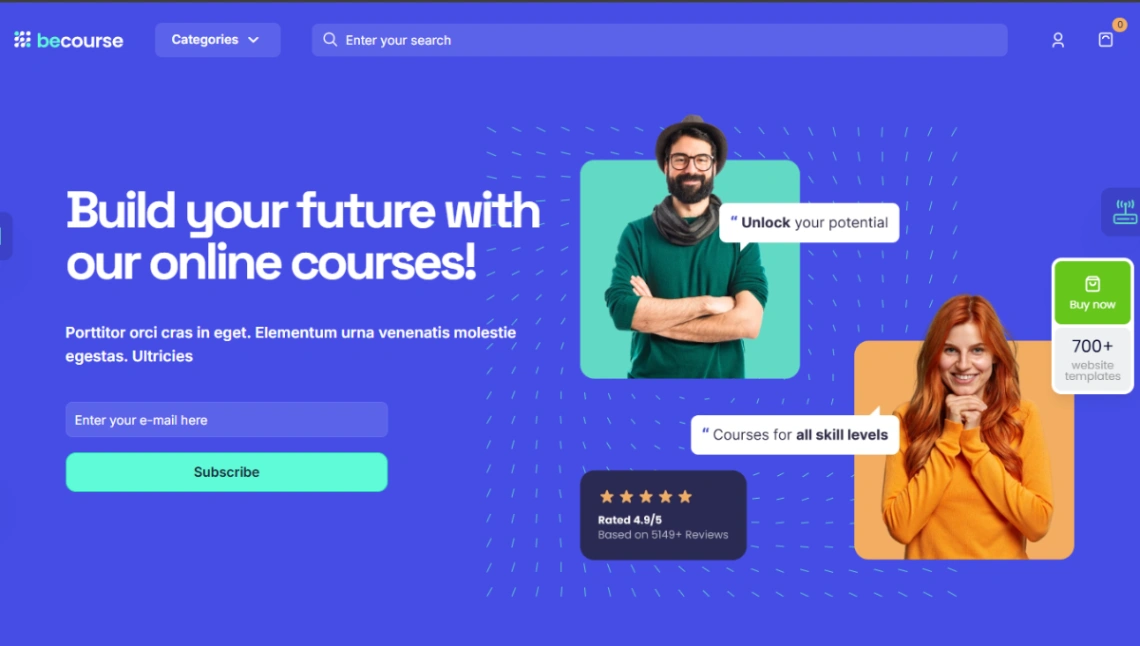
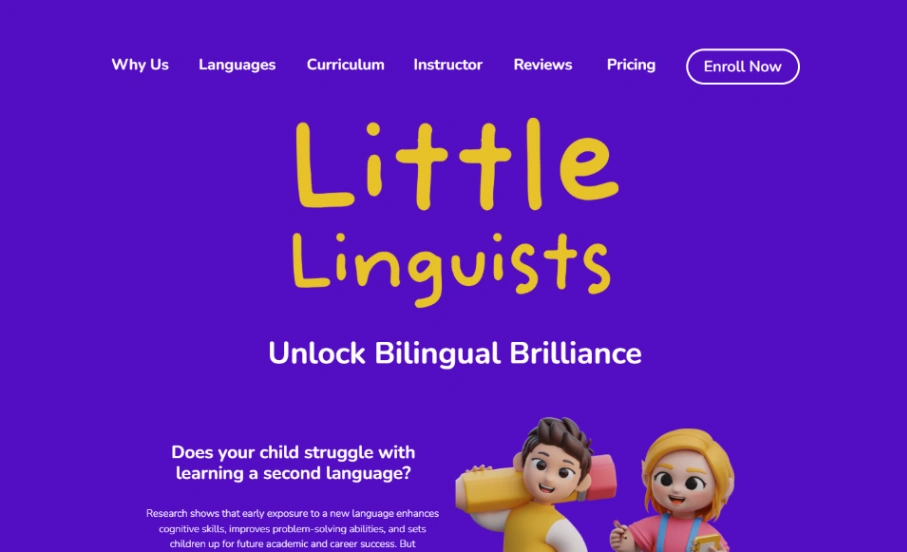
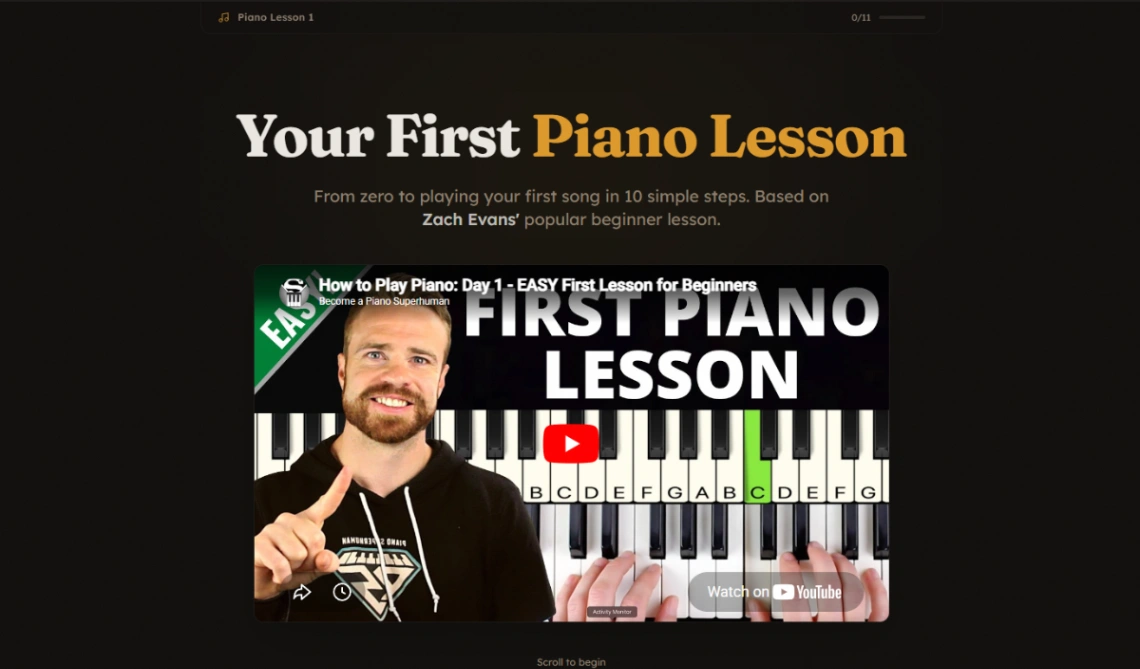
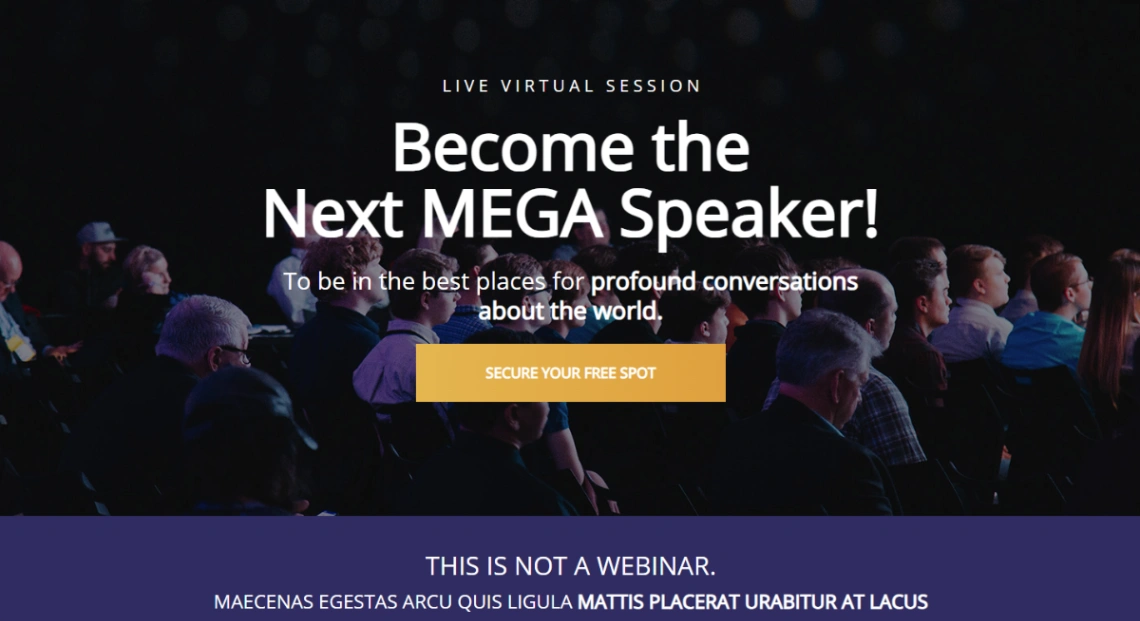
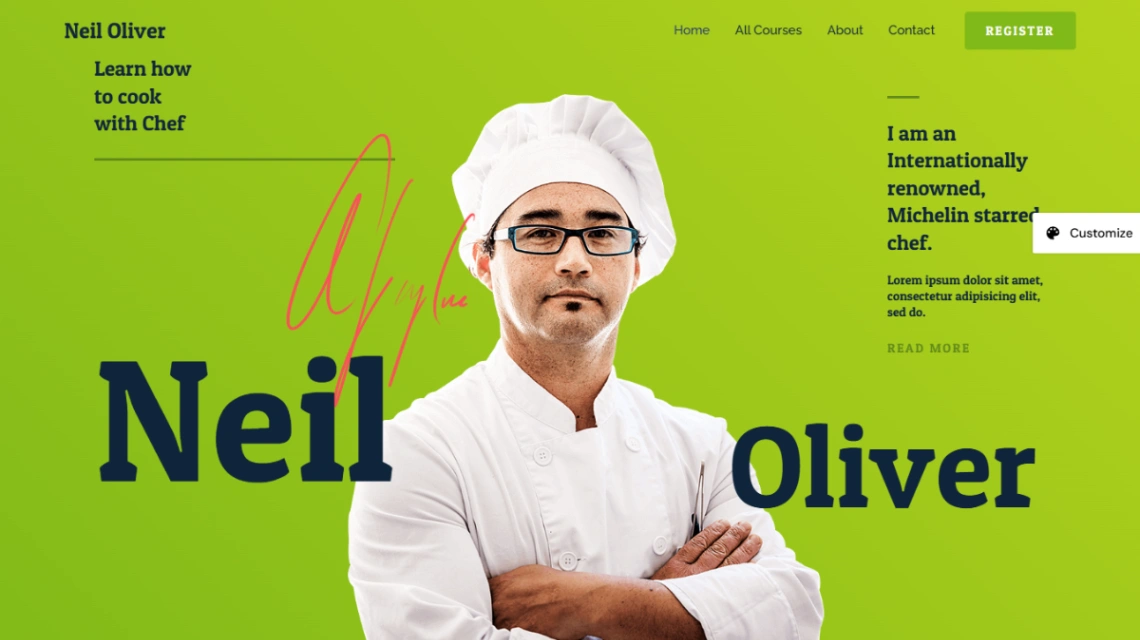
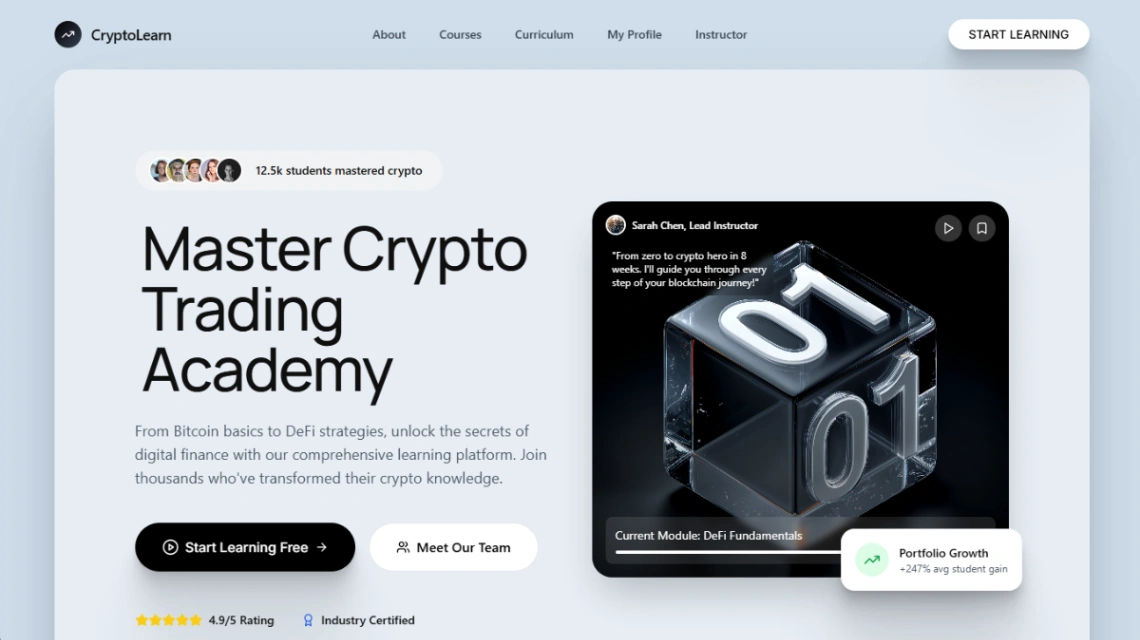
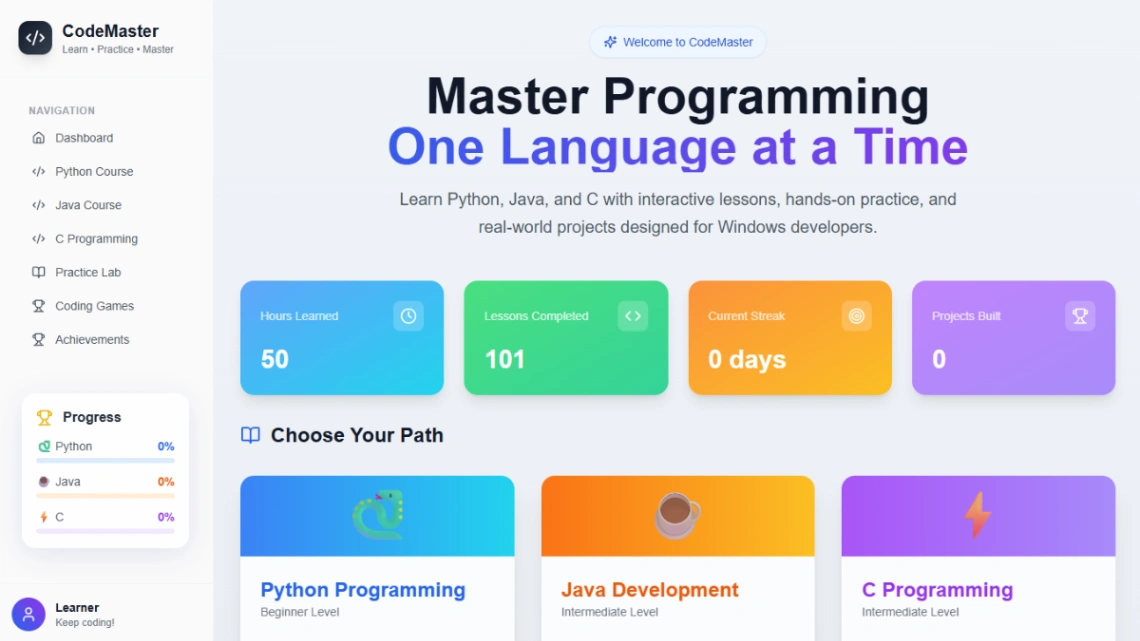
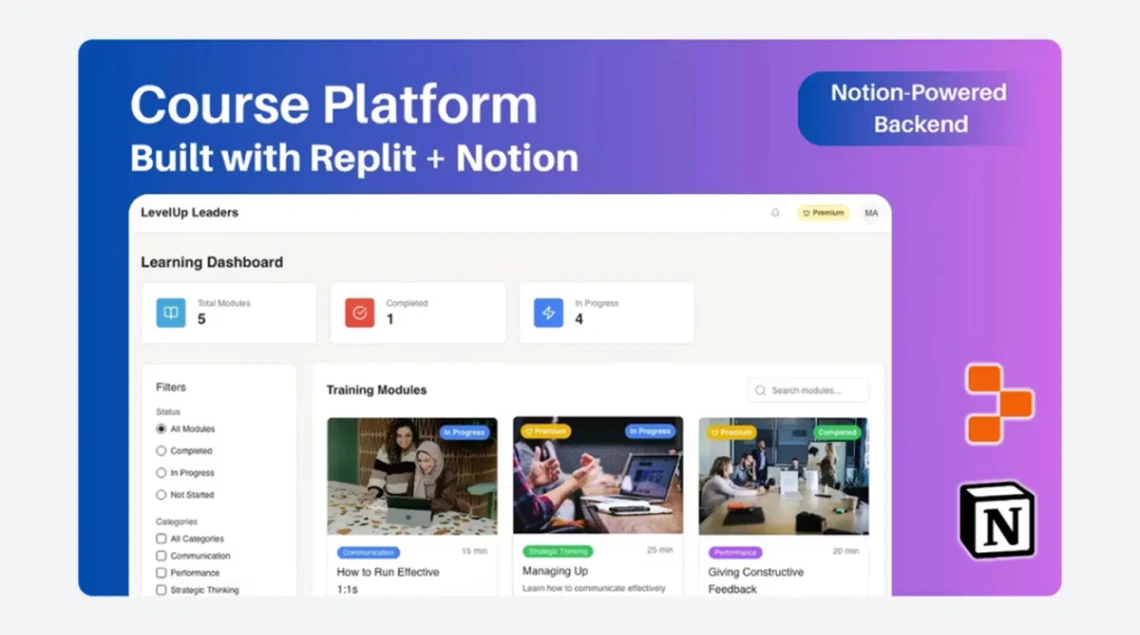
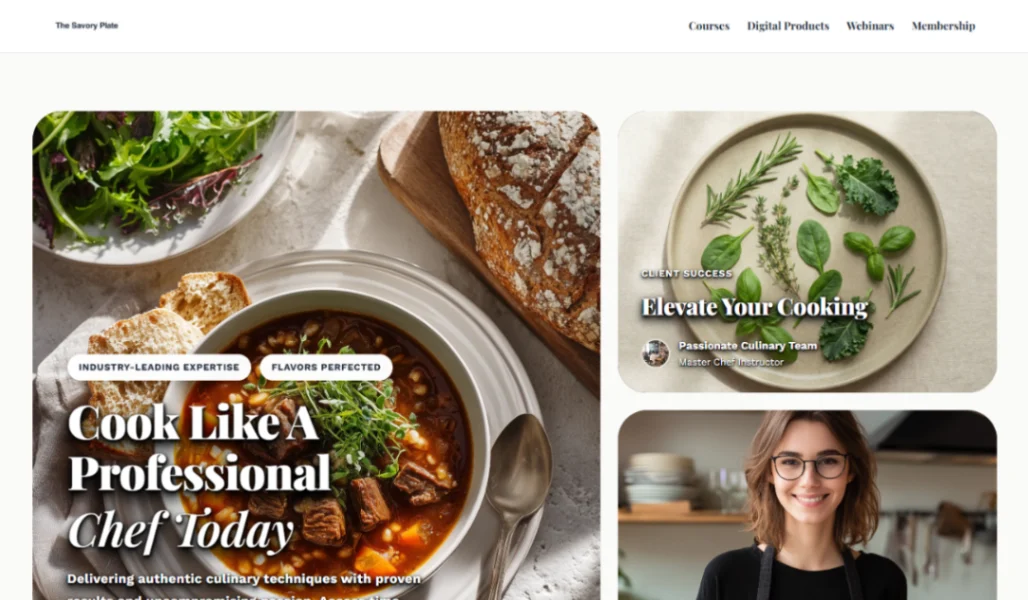
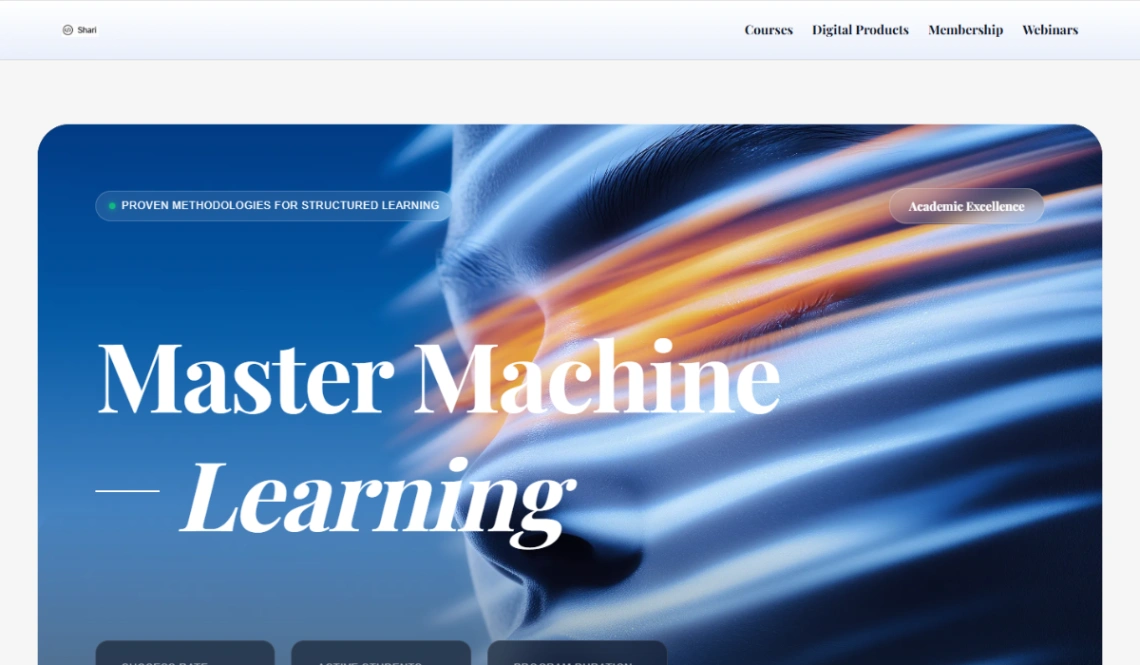
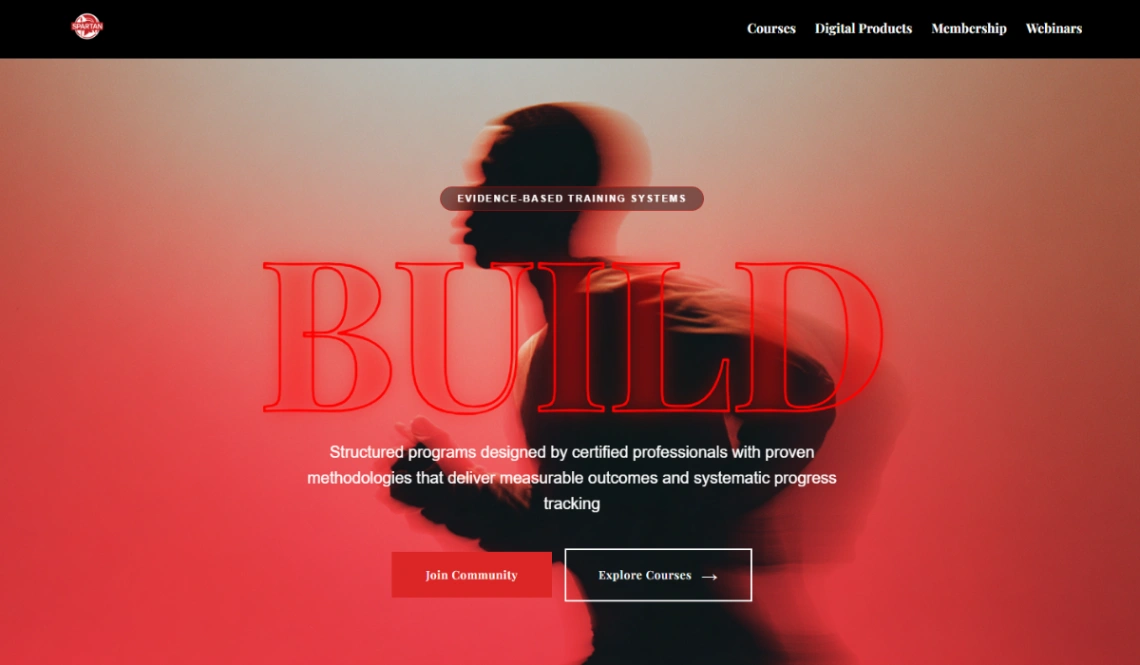
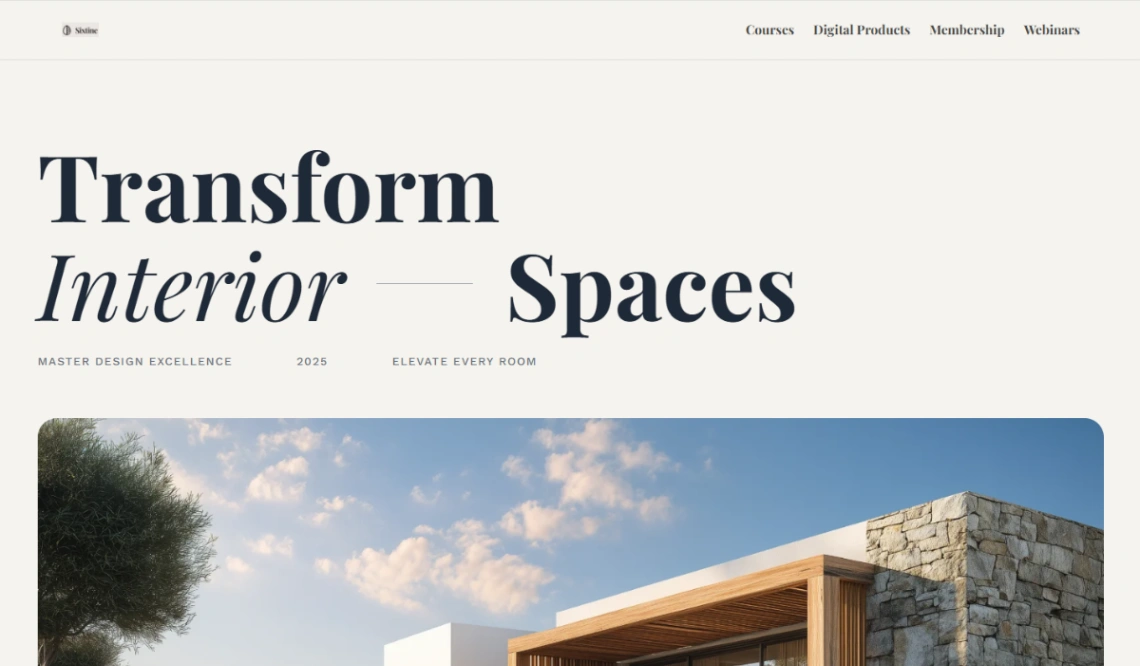
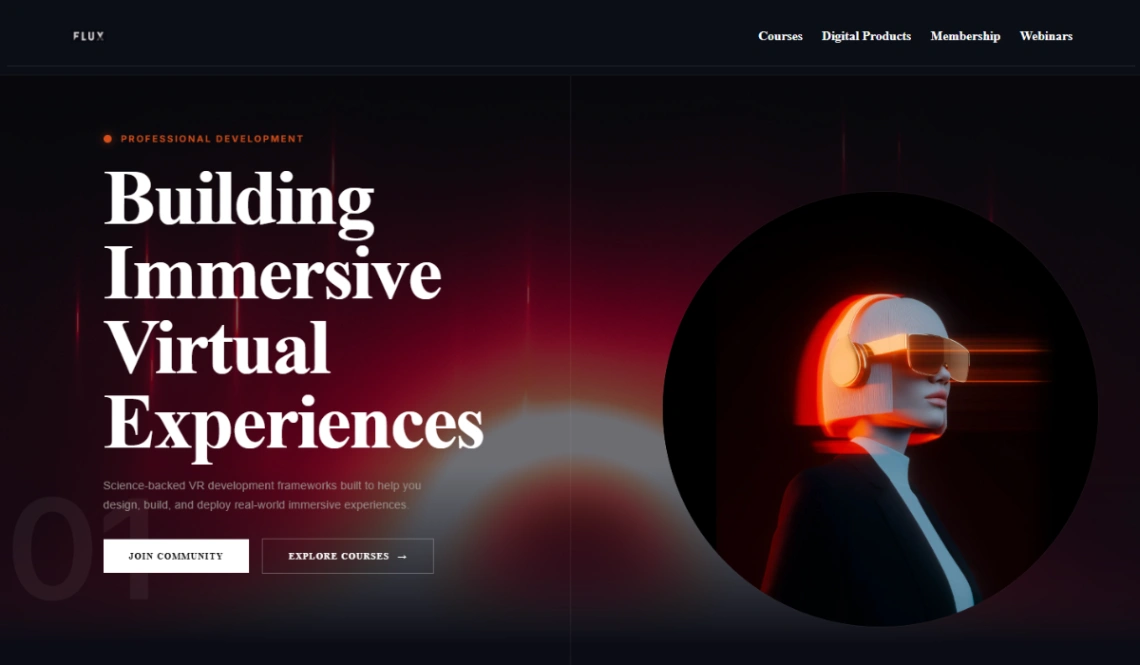
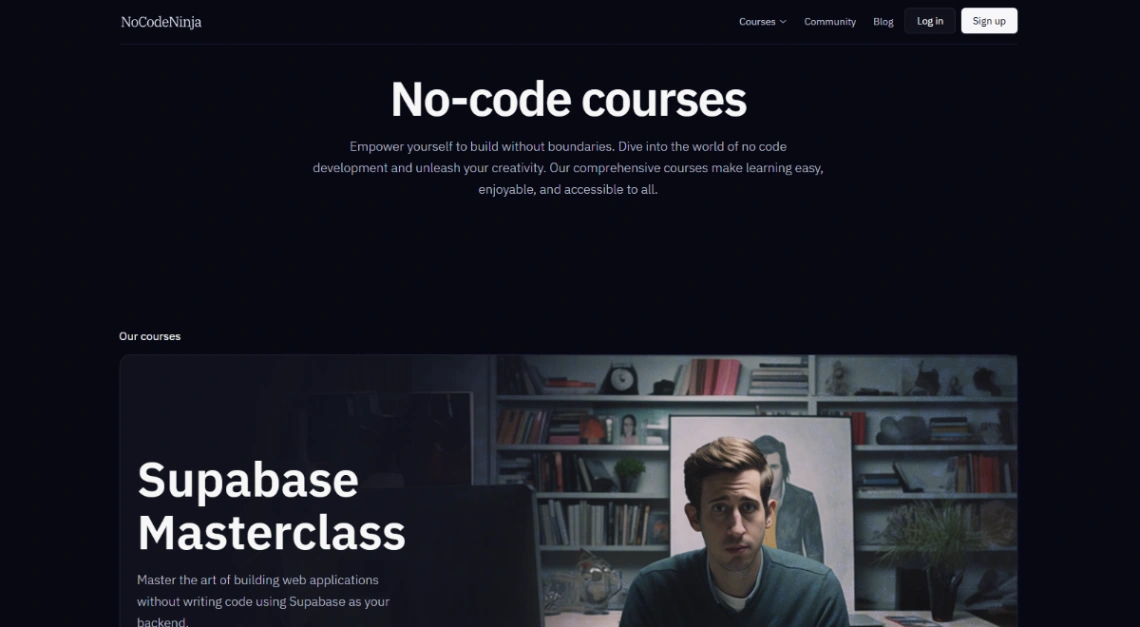
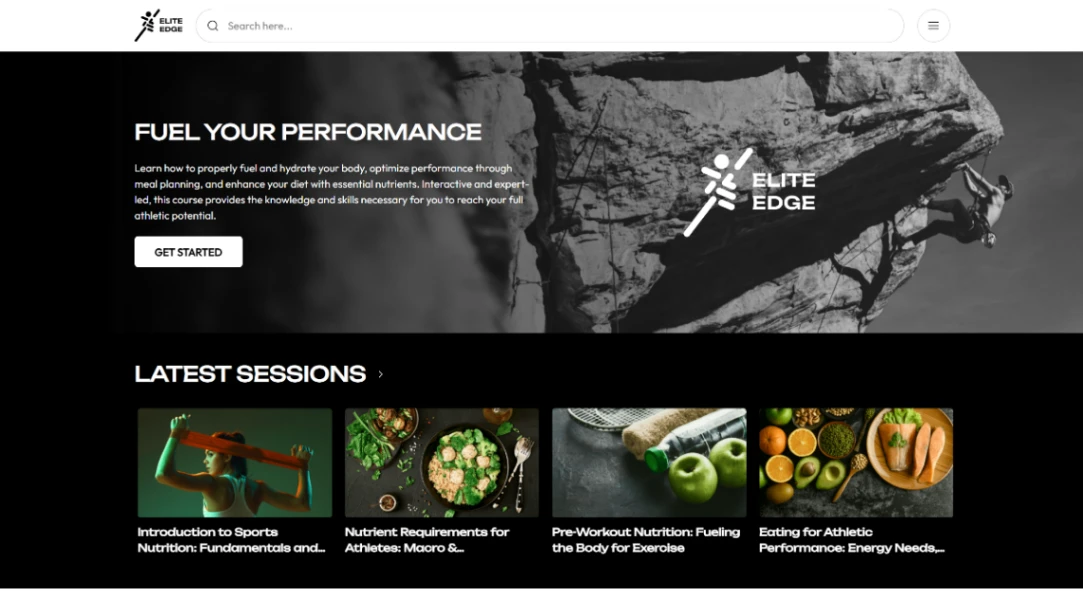
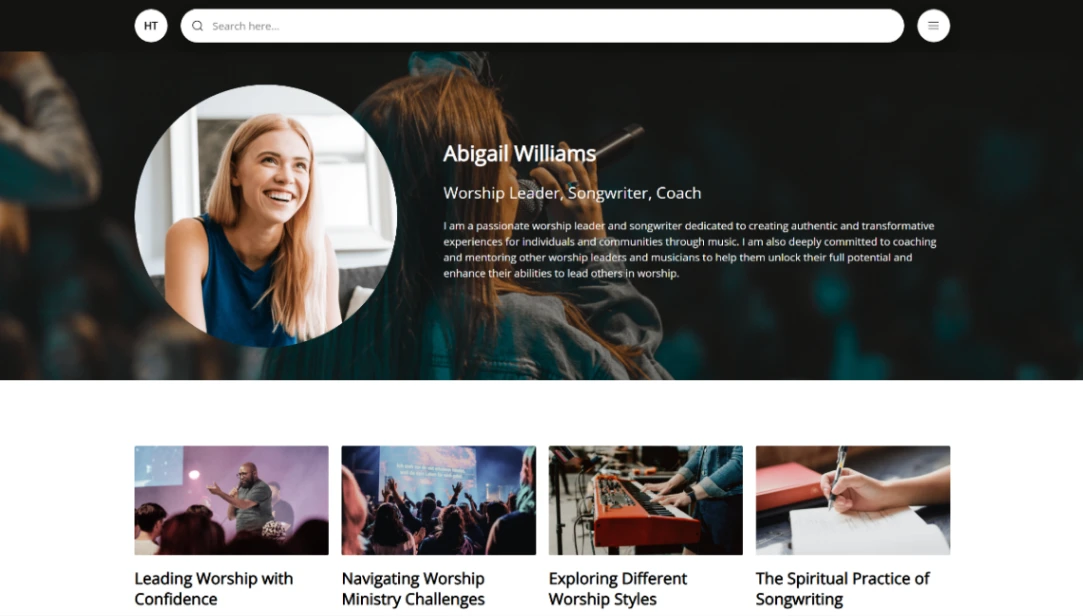
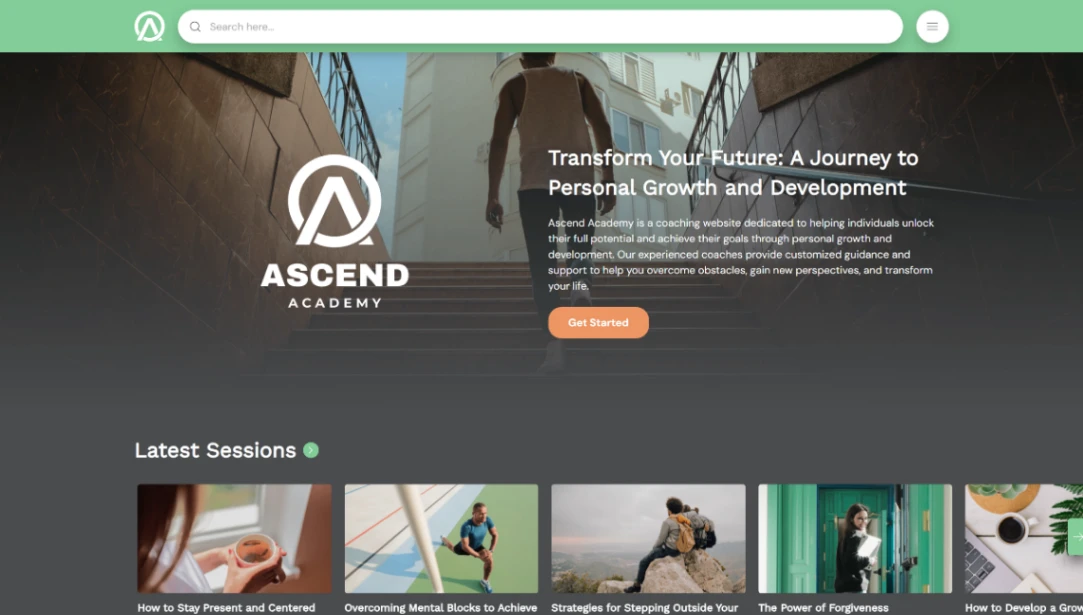
A course sells a transformation, and the curriculum section is where belief is won or lost. Buyers scroll to it looking for one thing: a path that looks finishable by someone like them. Module names that promise outcomes ("Week 3: your first paying client") beat topic labels ("Module 3: client acquisition"); visible lesson counts and durations make the whole thing feel real. Judge every template here by how well its curriculum block can carry that argument.
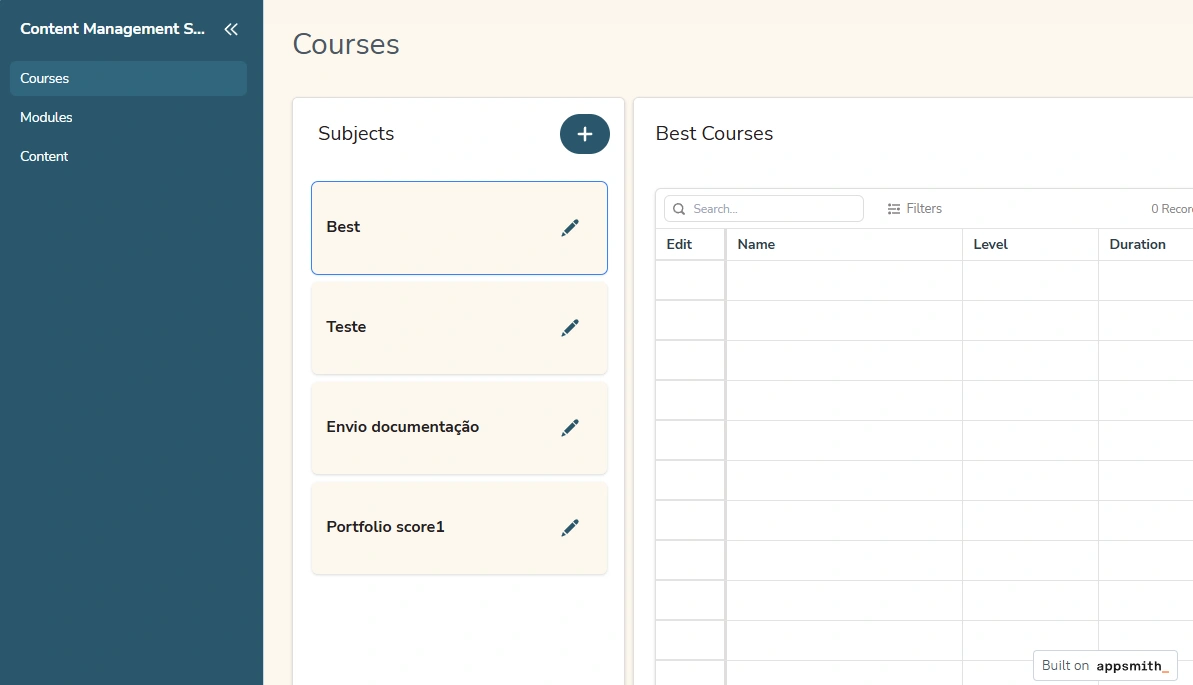
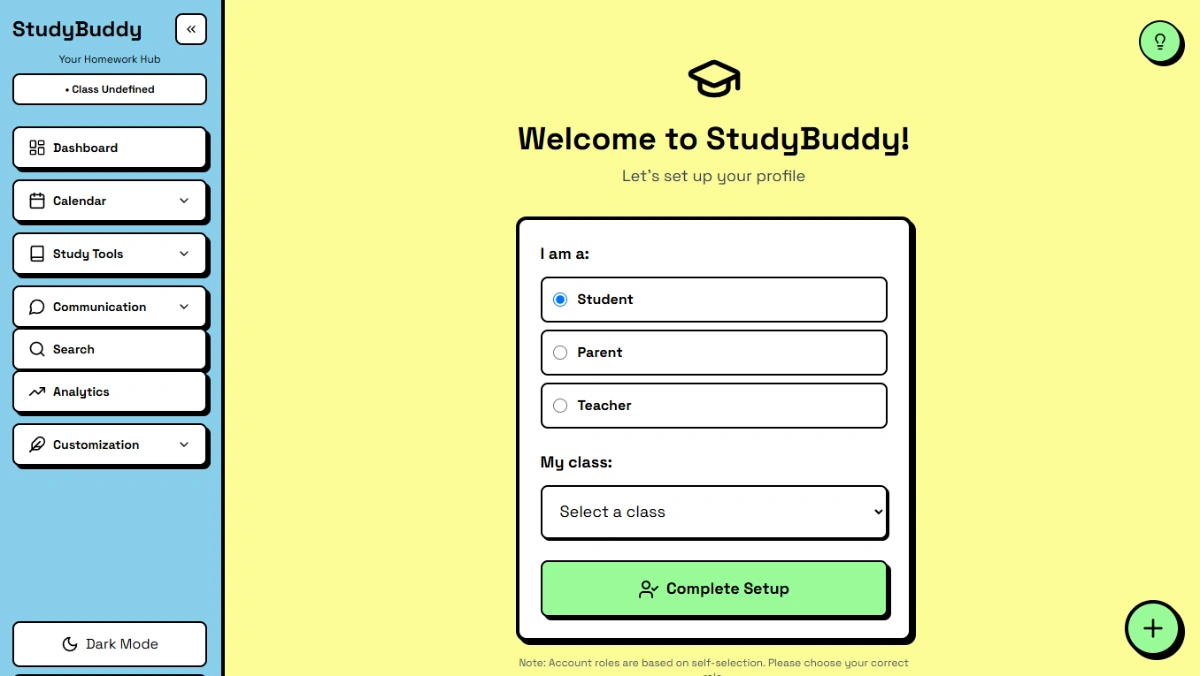
The invisible features decide your margins later: drip scheduling that releases content on a rhythm, student progress that survives a two-week absence, payment plans (which matter above impulse pricing), and a refund flow that doesn't require support tickets. These live in the course platforms behind the templates — pinned above — and they're the checklist to verify before falling for a sales page design.
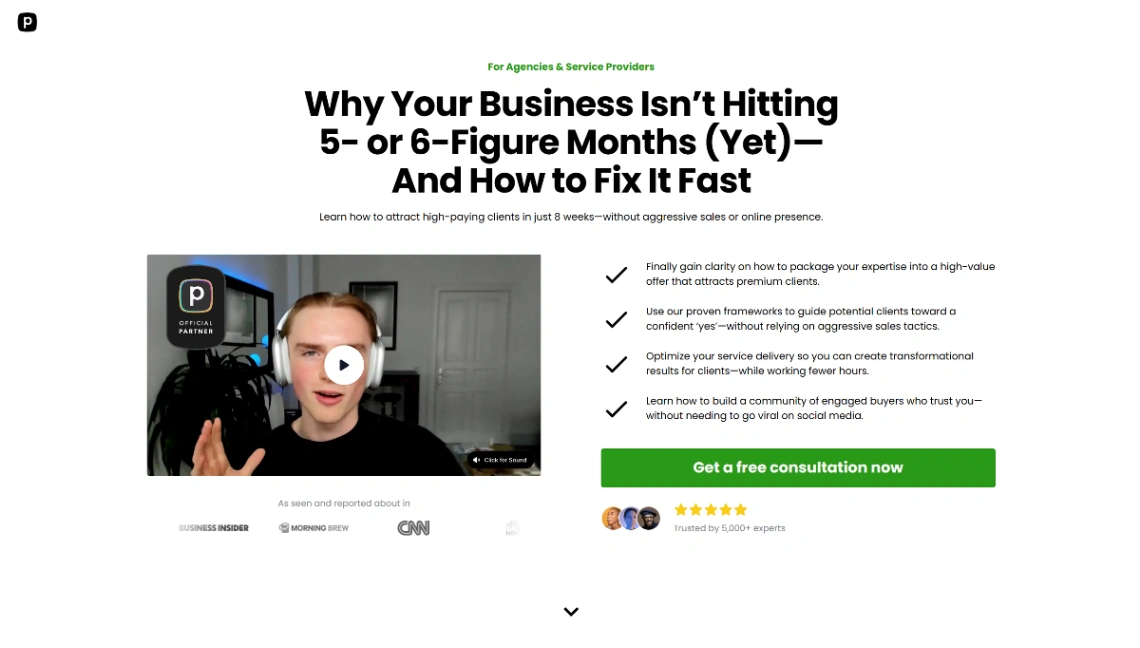
Price architecture belongs on the page, not in your head: one core price, at most one premium tier (with feedback or access, not just "more videos"), installments visible, and the guarantee stated like you've honored it before. Courses are trust purchases from strangers; the guarantee is doing more work than the testimonials.
Decide launch or evergreen and pick the template that matches. Launch courses need urgency machinery — enrollment windows, cohort start dates, waitlists between runs. Evergreen needs none of that and converts on the strength of the page alone. Faking urgency on an evergreen course is the category's most common credibility burn; the template shouldn't make deception the default.
FAQ