


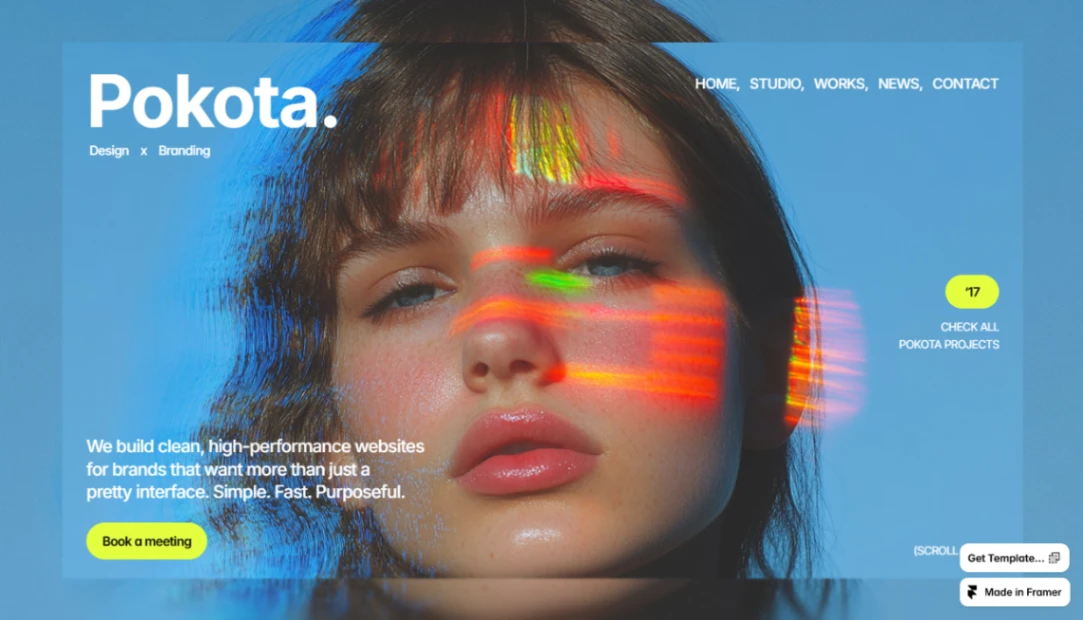
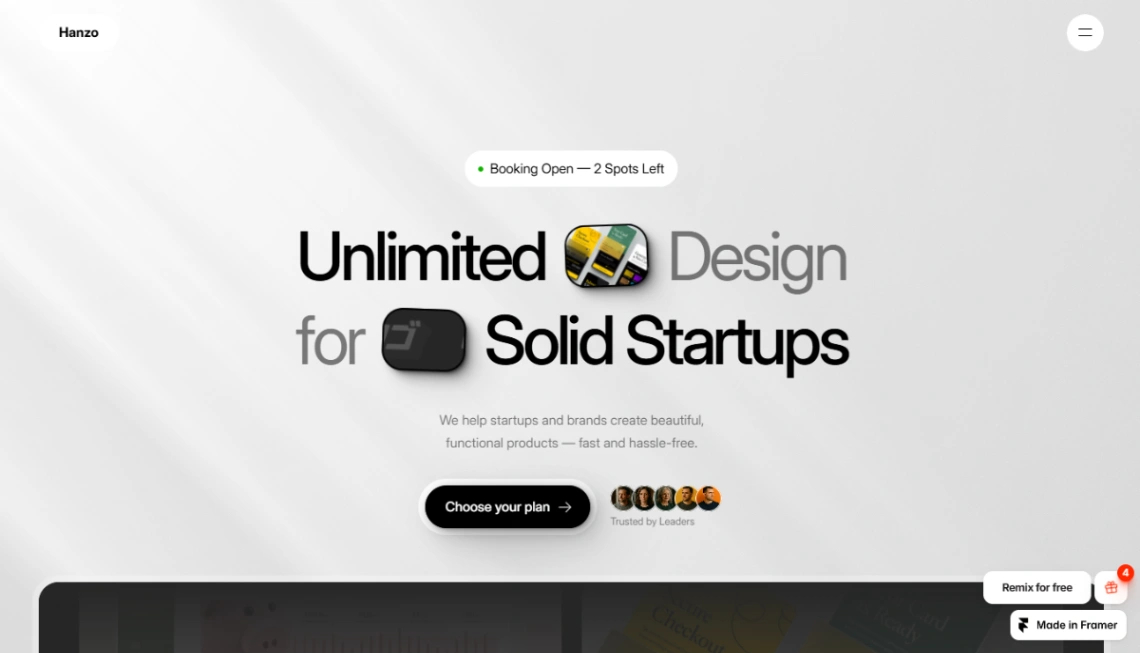

Dance Studio
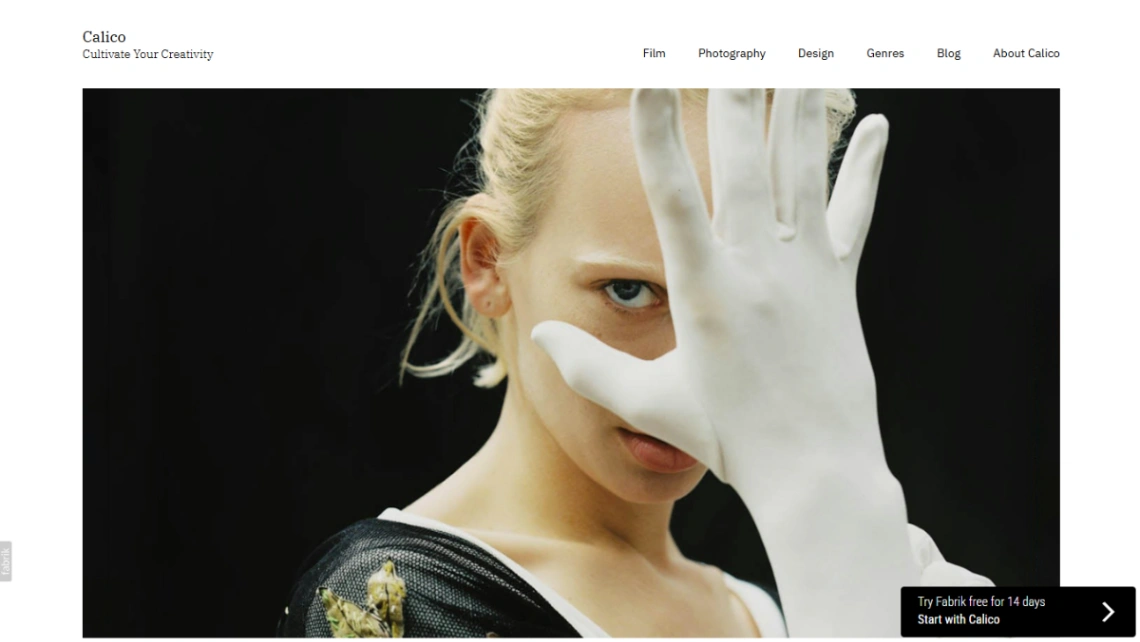
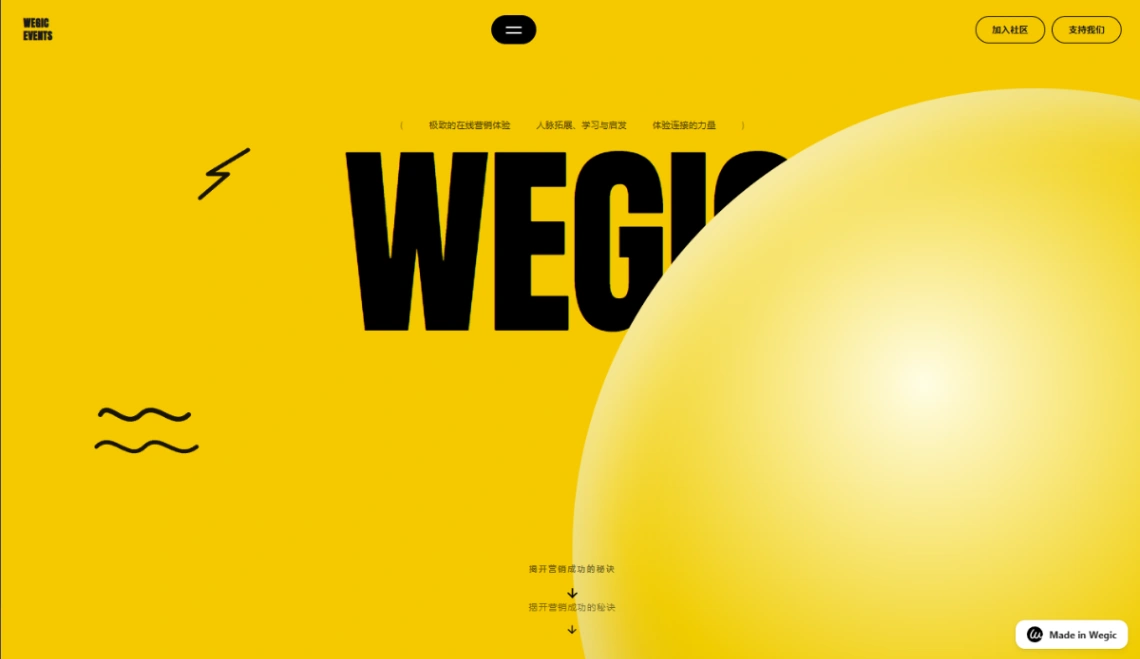




SMM Agency






Buyer's guide
How to choose a studio template
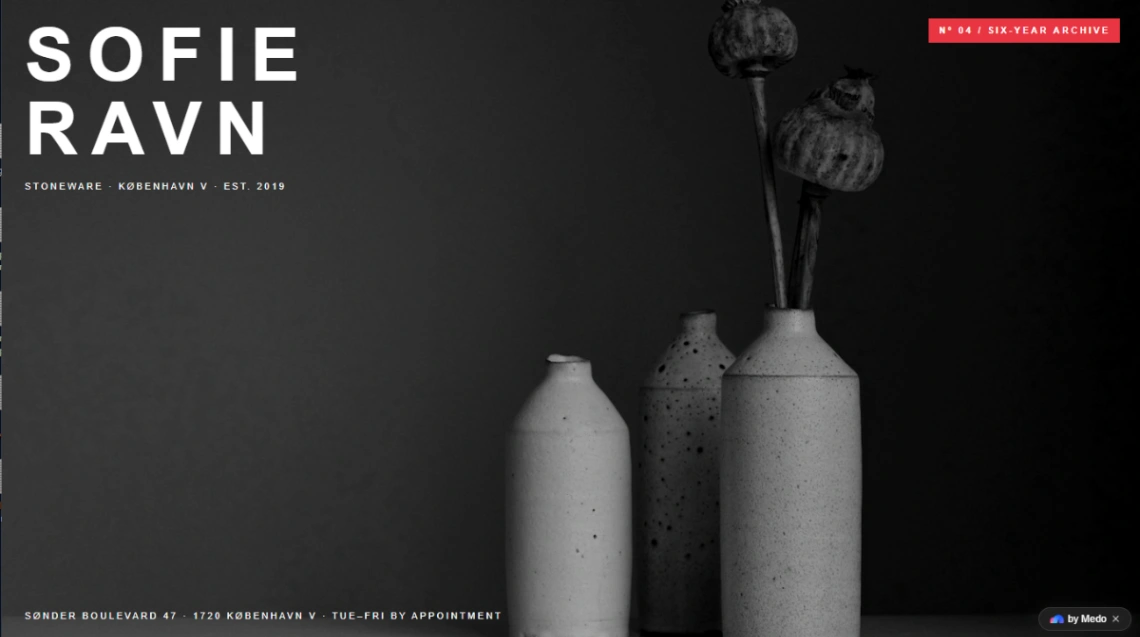
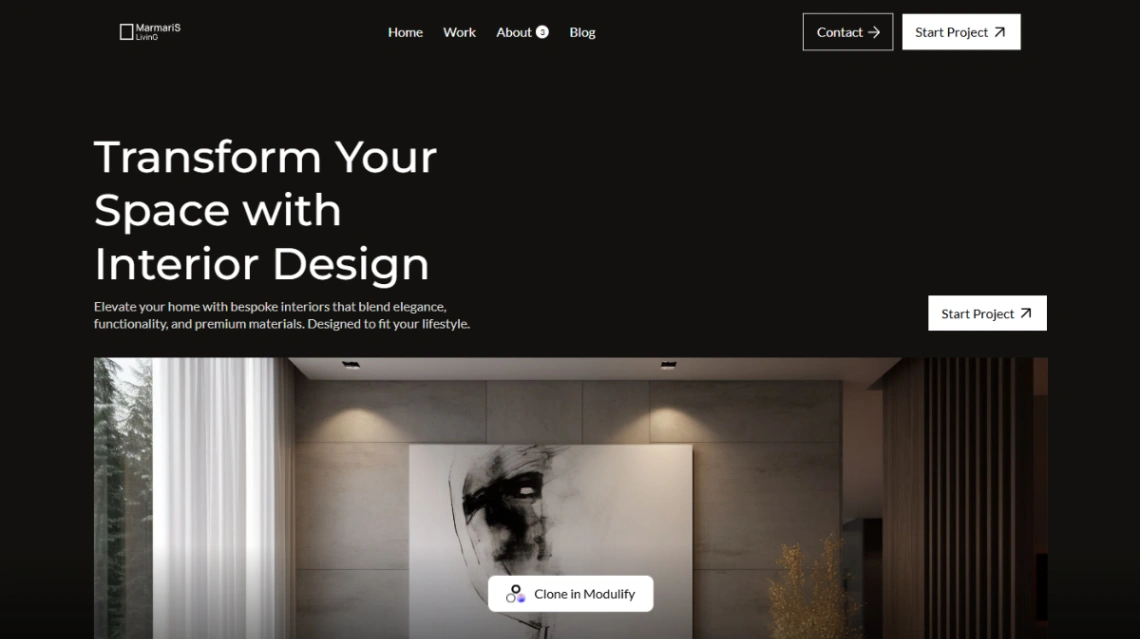
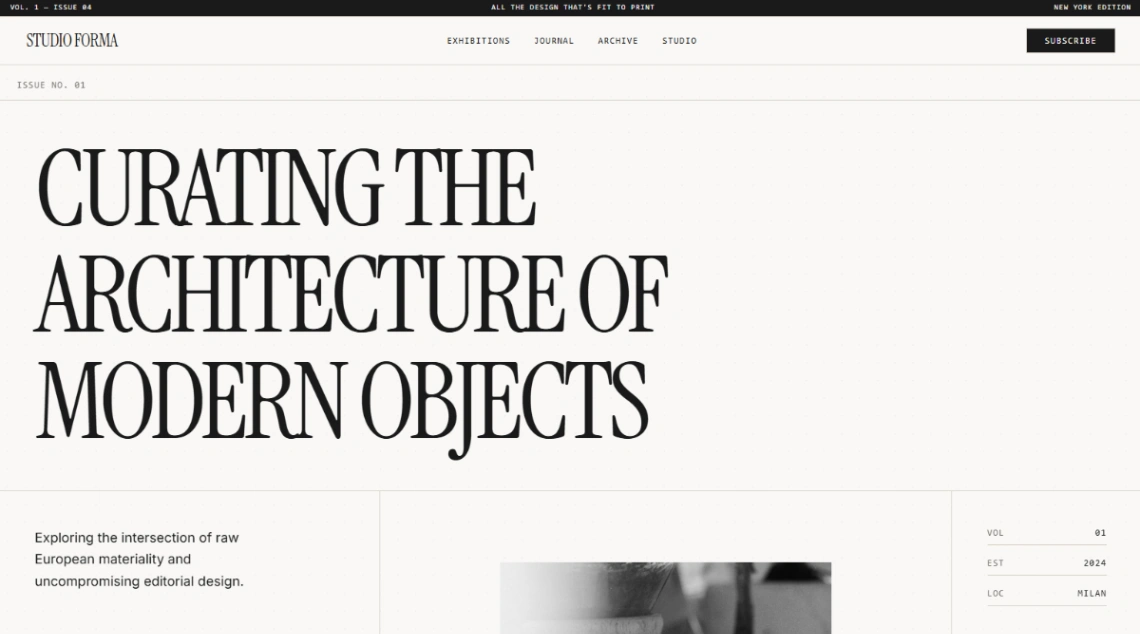
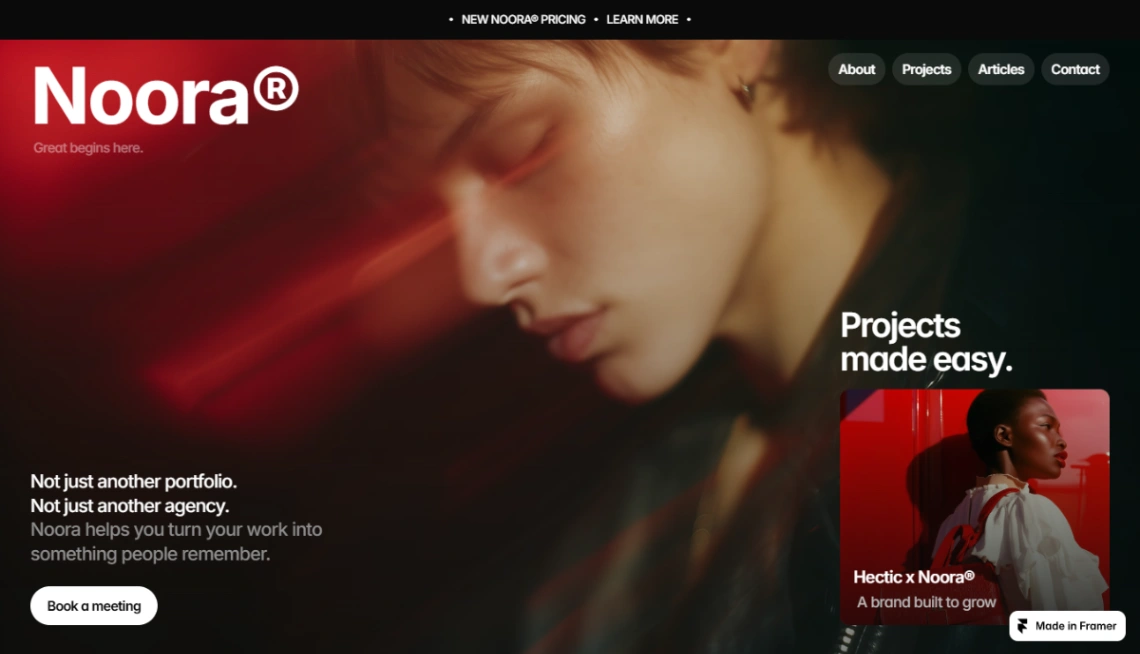
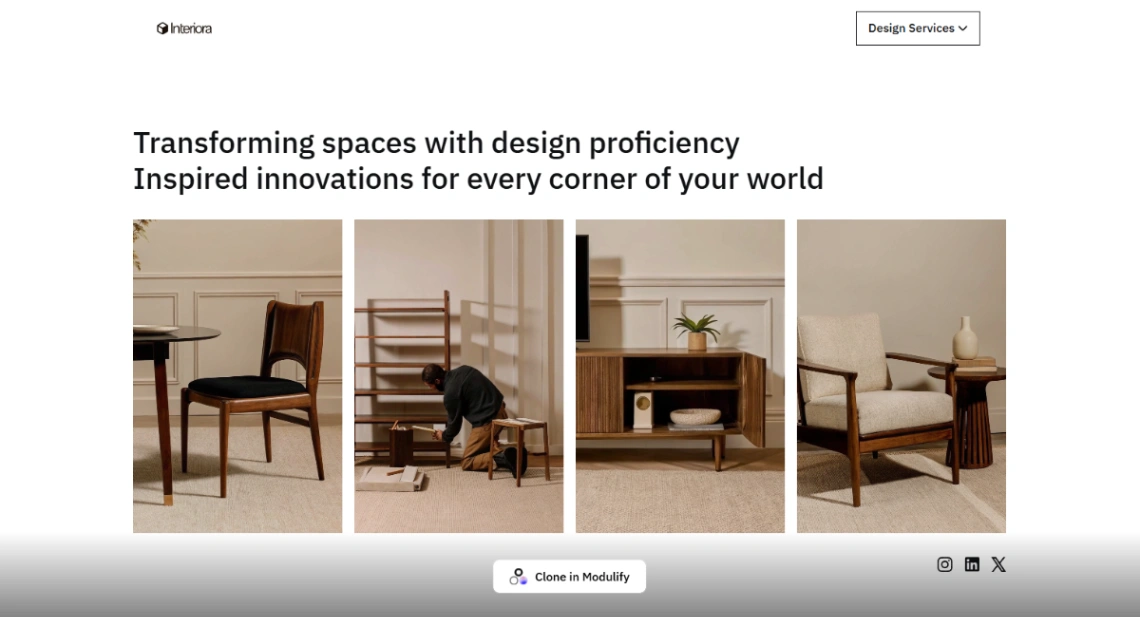
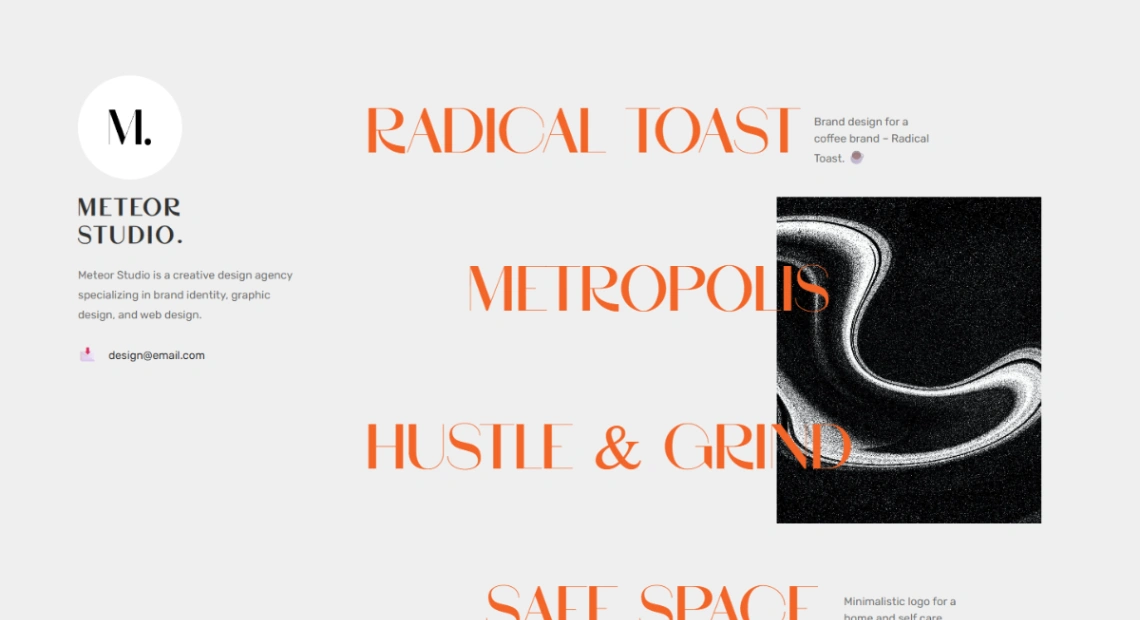
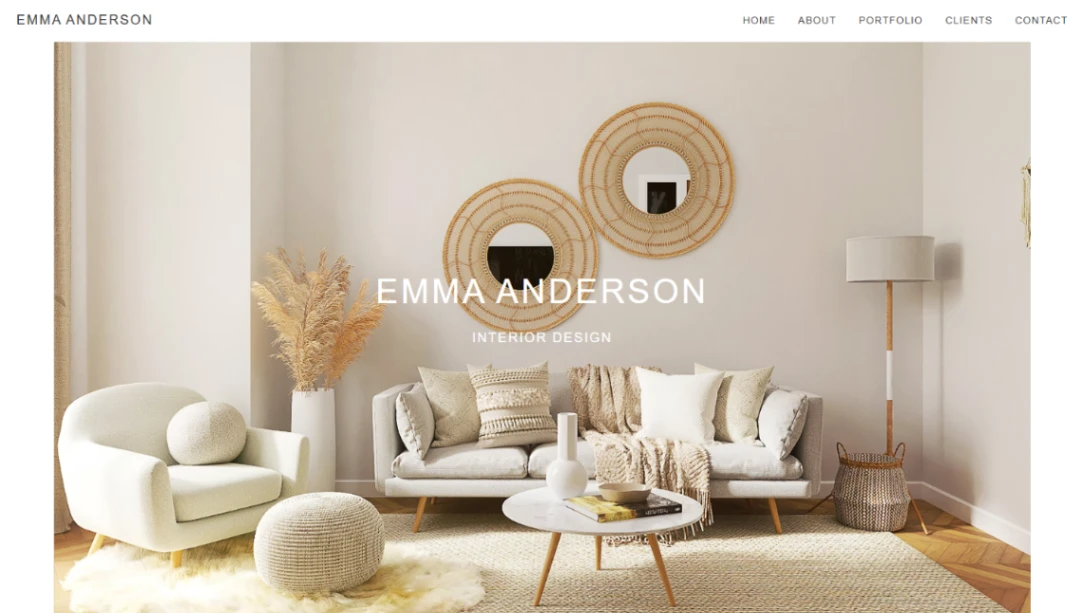
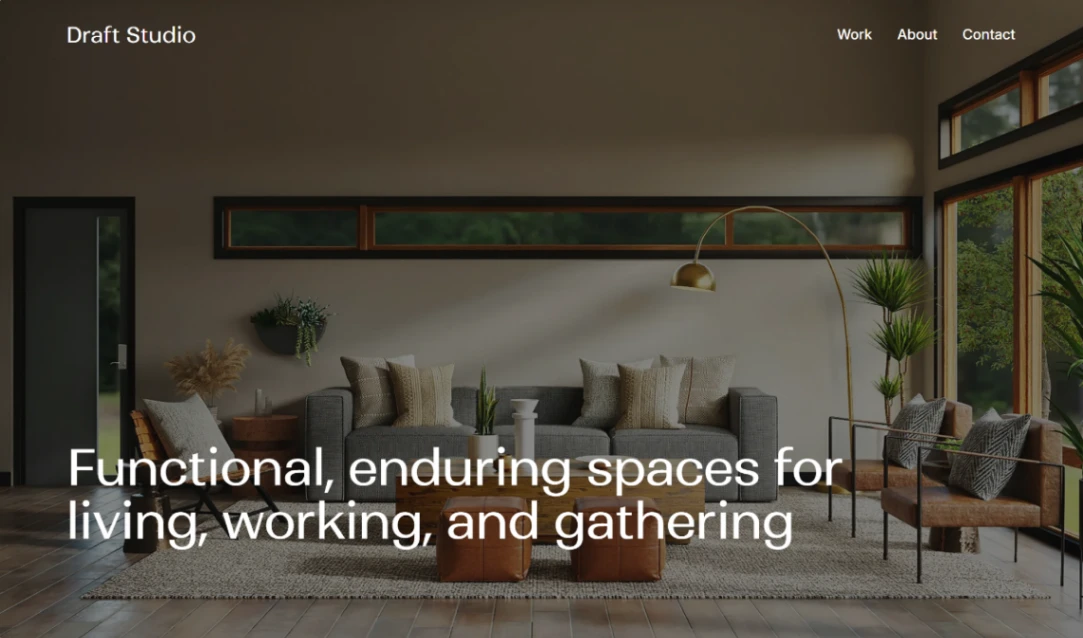
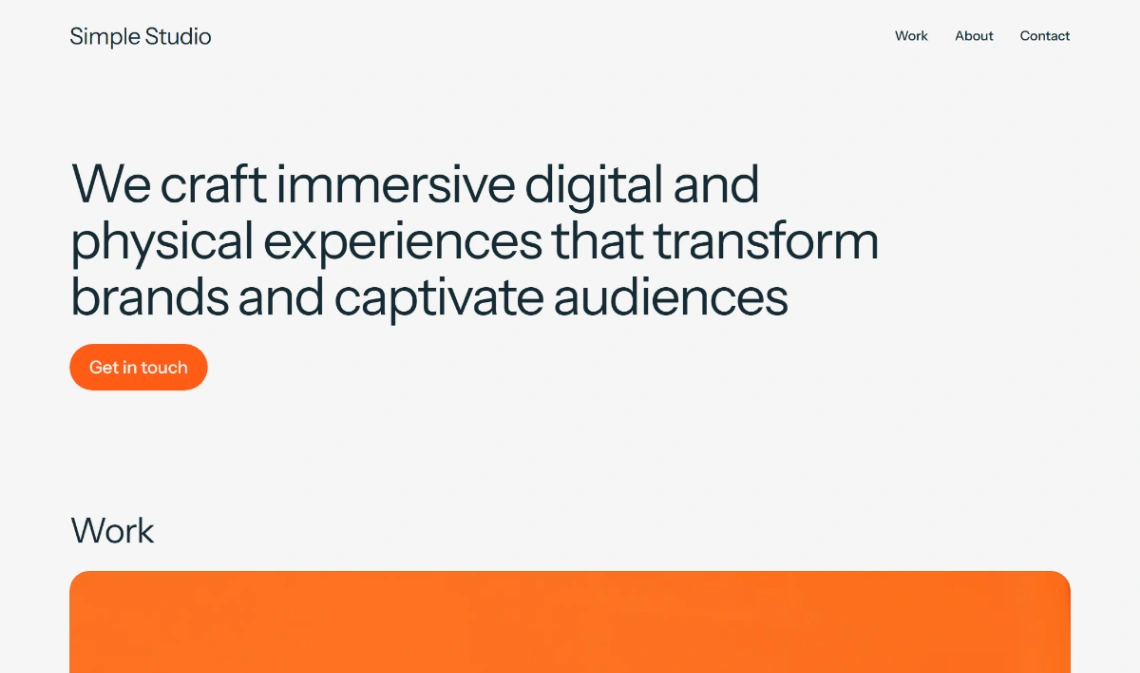
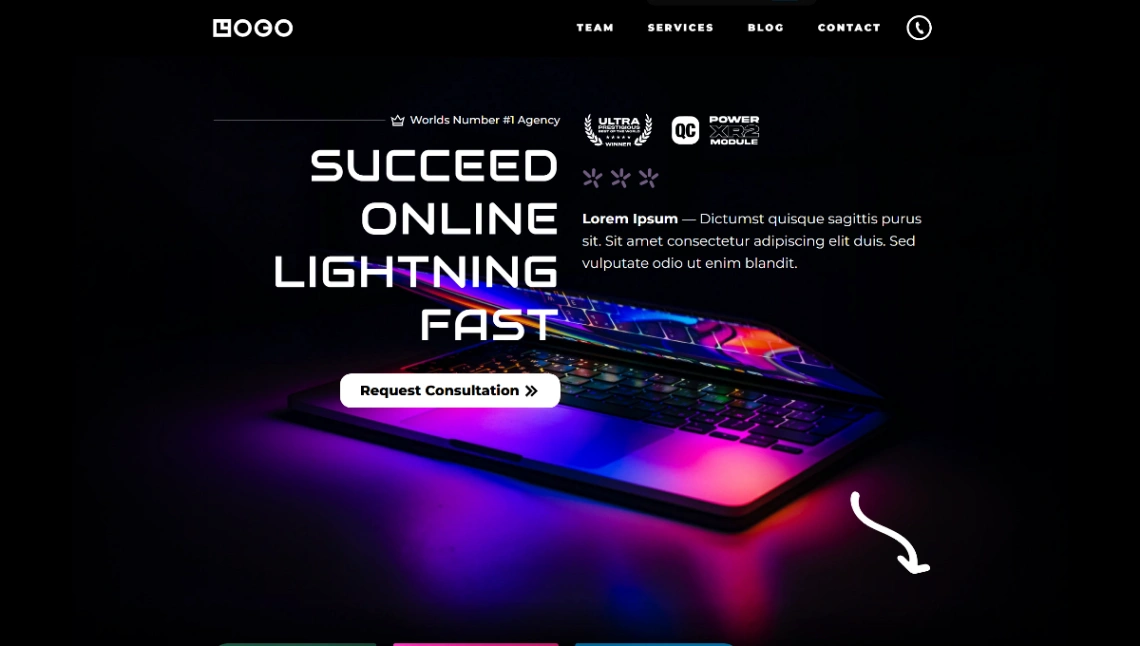
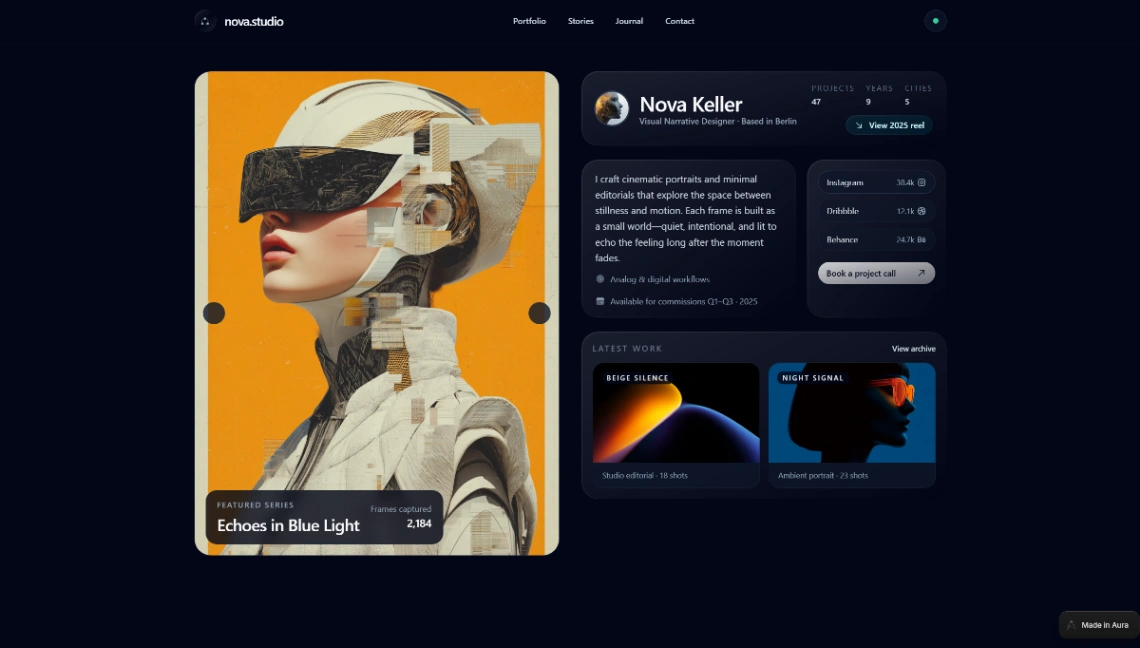
A studio's website is its first project for itself, and clients read it exactly that way: this is what these people do when nobody briefs them. That's why the confident type and deliberate motion in this collection are appropriate rather than indulgent — but it's also why every default you leave untouched is legible to the people you most want to impress. The template is the start of the assignment, not the finish.
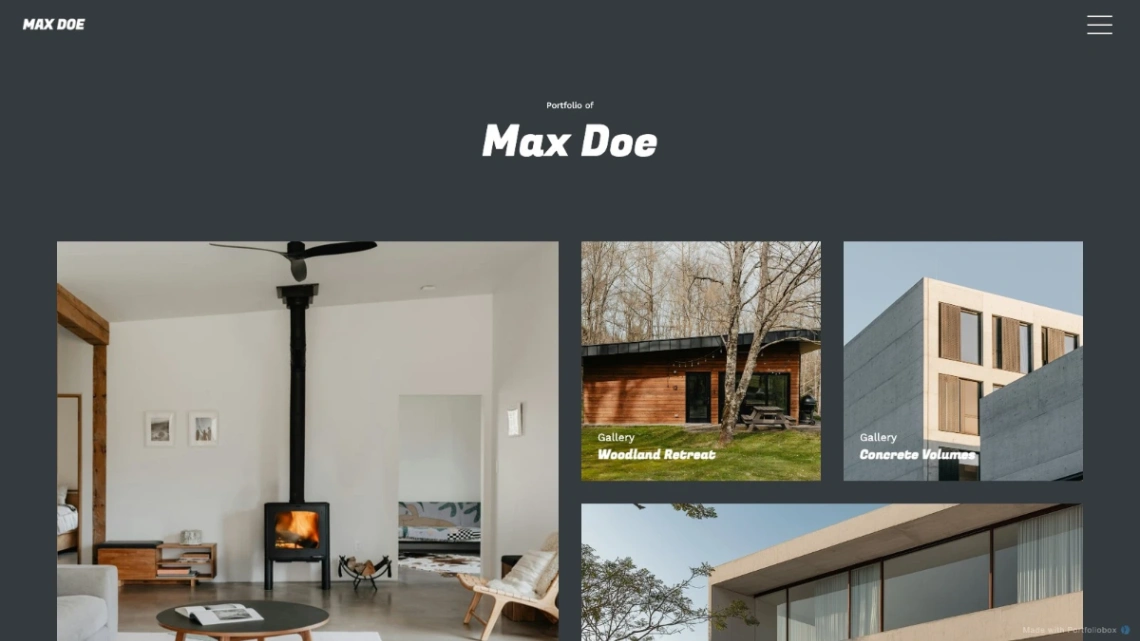
Curate like it hurts. Five projects chosen with intent say more than twelve that happened — dilution reads as doubt, and studio work is judged by the floor, not the ceiling. Each project page should carry the studio's actual contribution (what you made, not what the client's launch achieved alone), real credits, and one honest artifact of process. The CMS-backed builders pinned above make project pages a repeatable structure instead of a bespoke chore per case study.
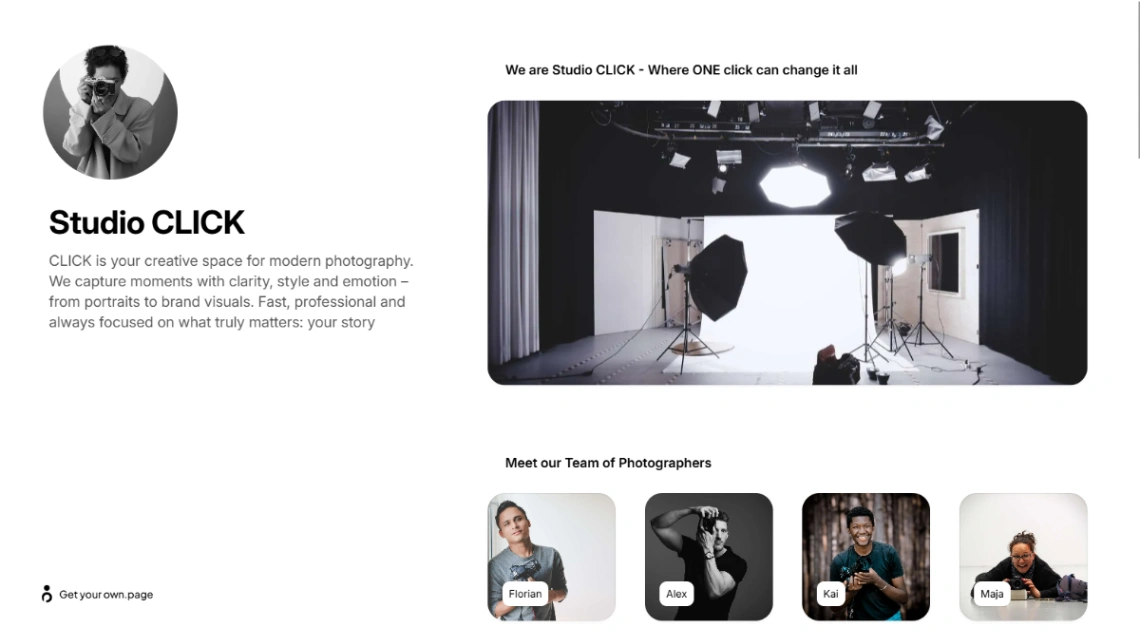
A studio site also has to do what an individual portfolio doesn't: express a collective. Voice matters more than biography — the way the studio describes work, the manifesto if you genuinely have one, the people shown as a group that evidently enjoys the work. Clients hire the room, not a résumé stack.
And remember the second reader: future hires. The best small studios win talent against bigger names through exactly this site — the work, the credits policy, the tone. Write the studio page knowing a designer you'd love to hire is reading it with one question: would I be proud to have my name on this studio's projects?
FAQ