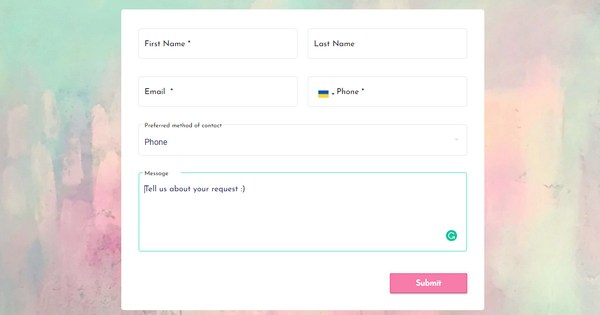
Contact Form
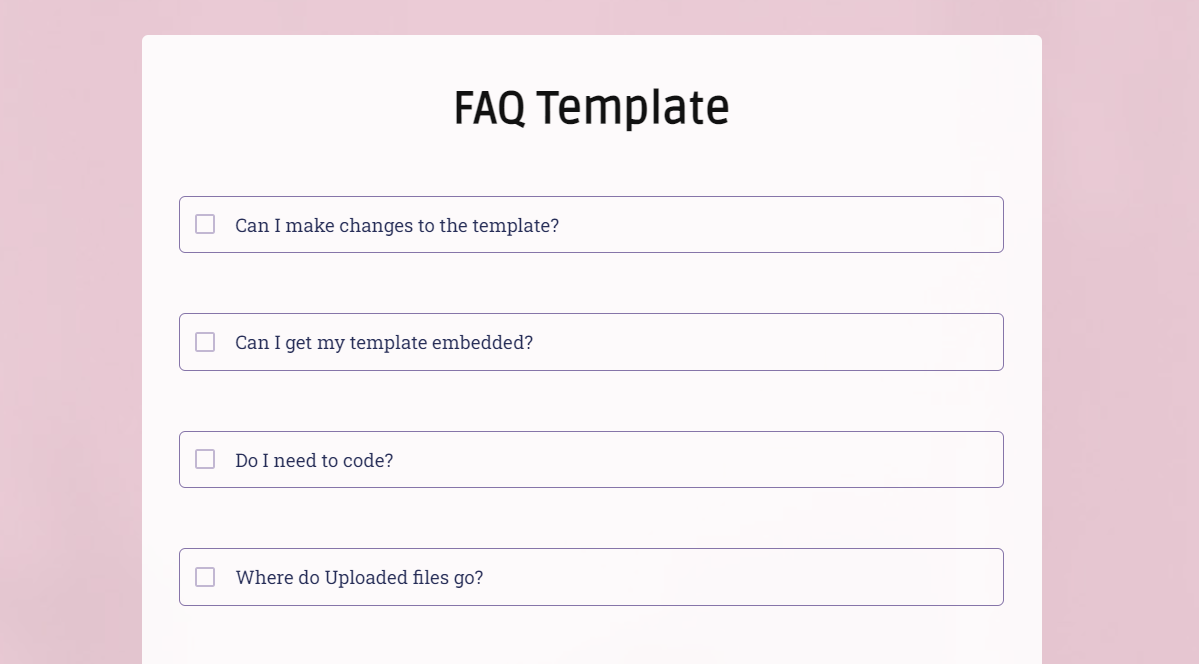
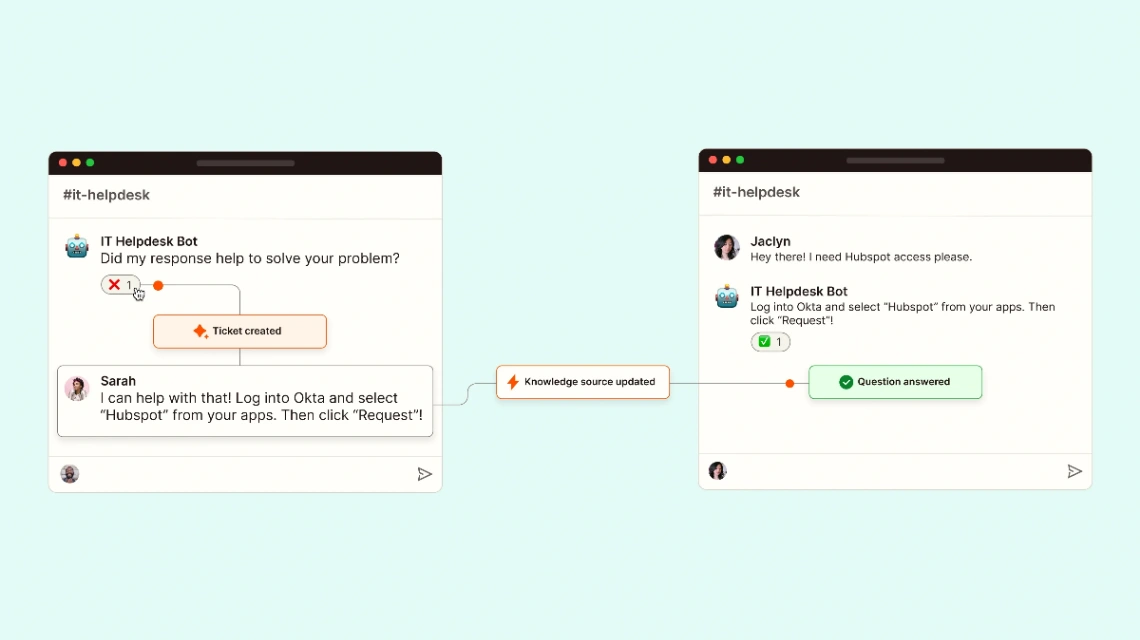
IT Helpdesk
Buyer's guide
How to choose a communication template
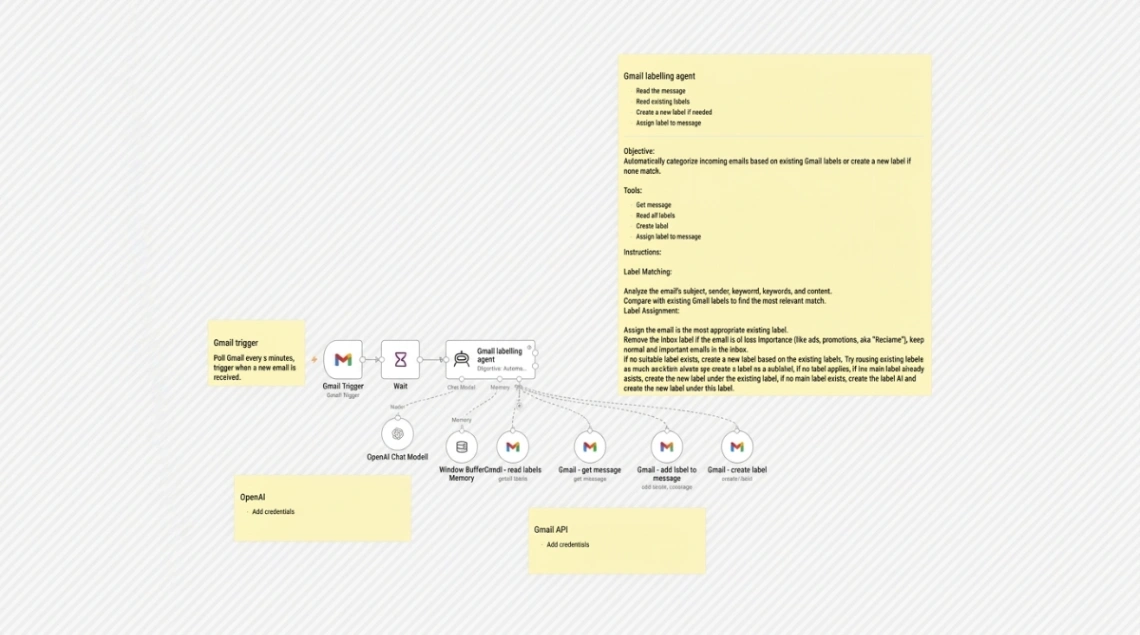
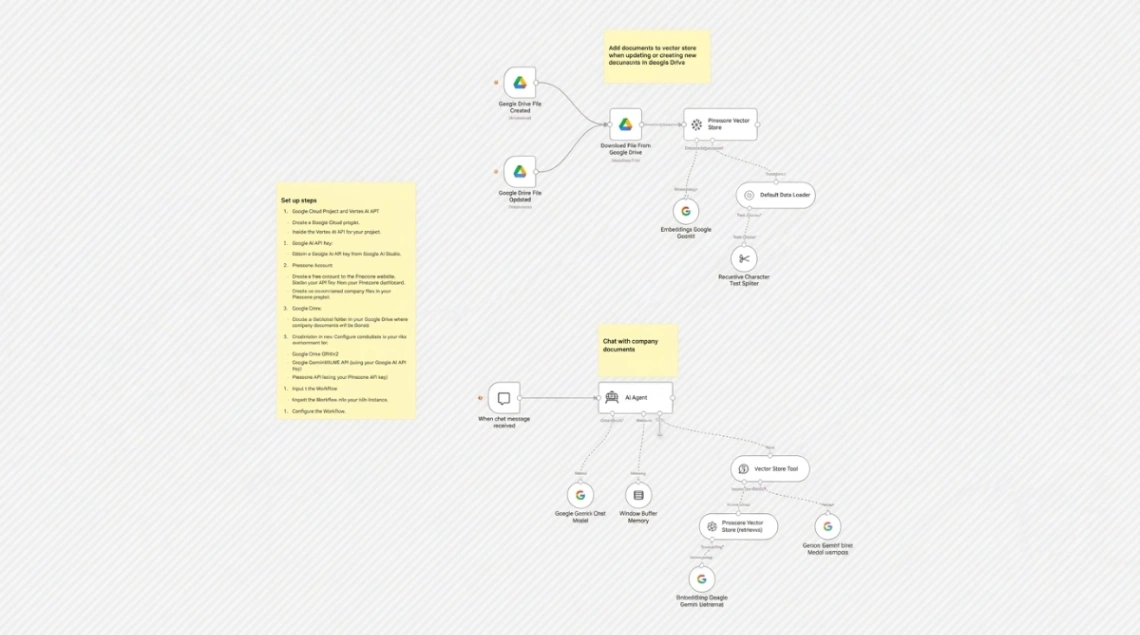
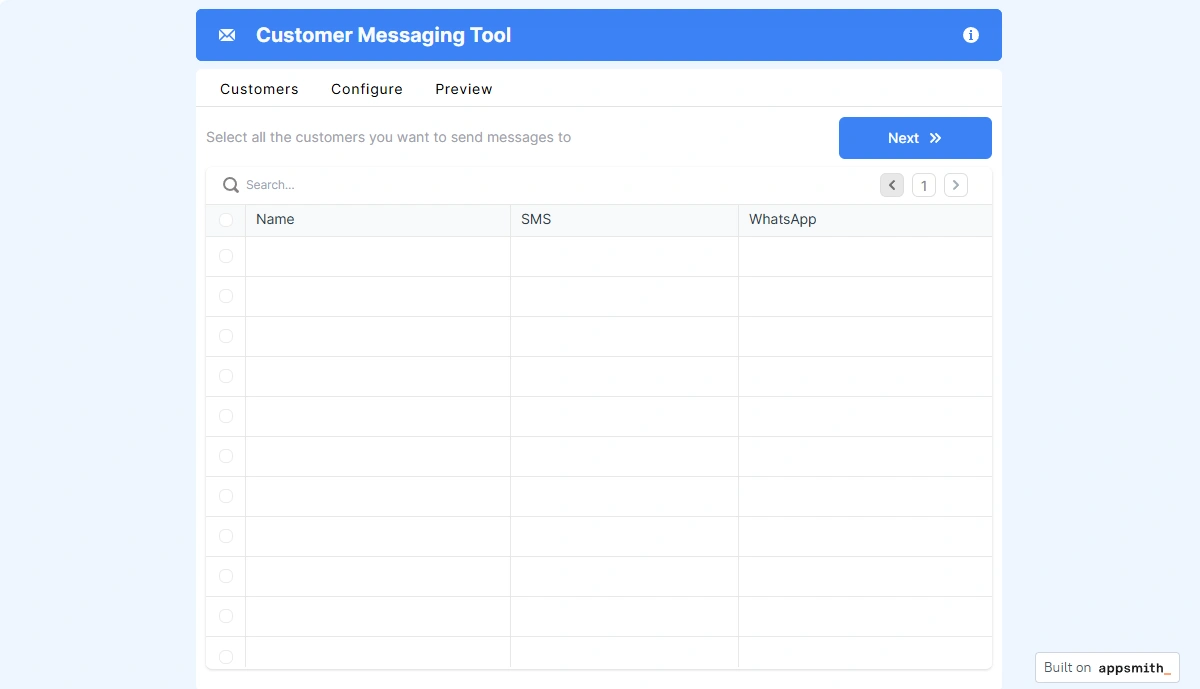
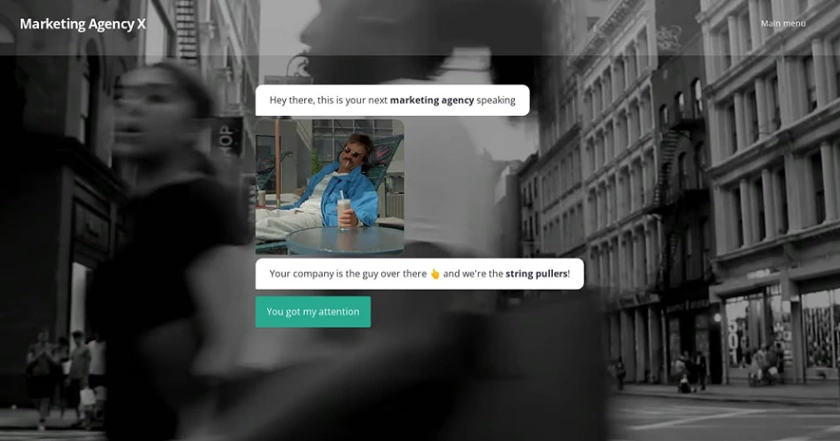
Every communication flow encodes one question: does this message deserve a human? The templates in this collection — chat scripts, notification routers, handoff automations — are pre-drawn answers, and choosing one means choosing a policy. Draw yours first: which questions get instant answers, which get collected for a person, and which interrupt someone's evening. The widget is trivial; the boundary is the product.
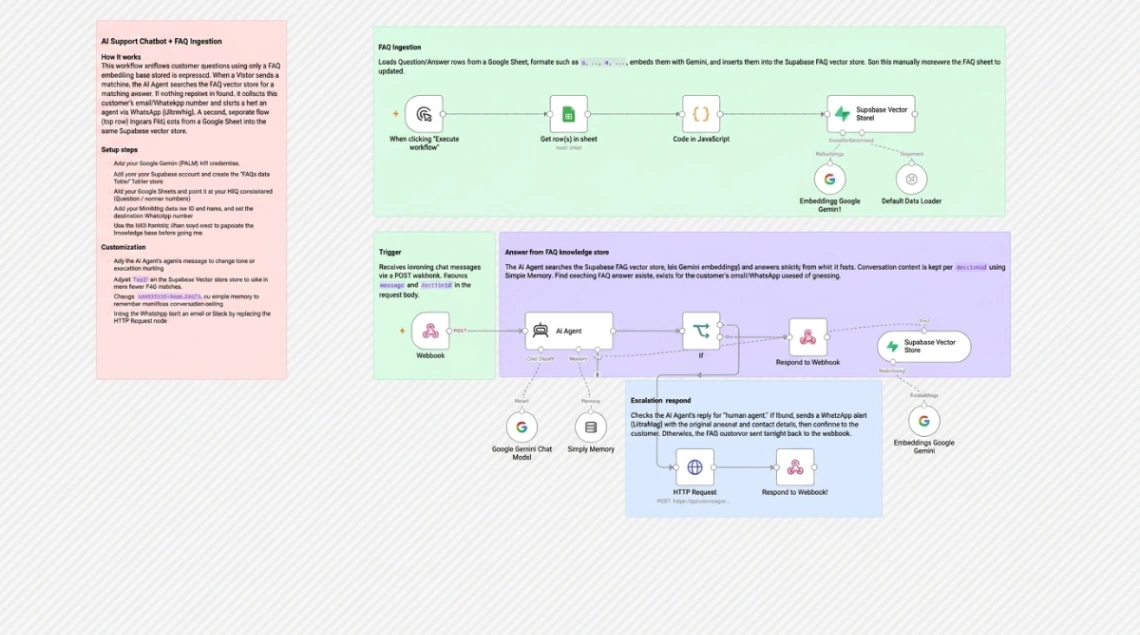
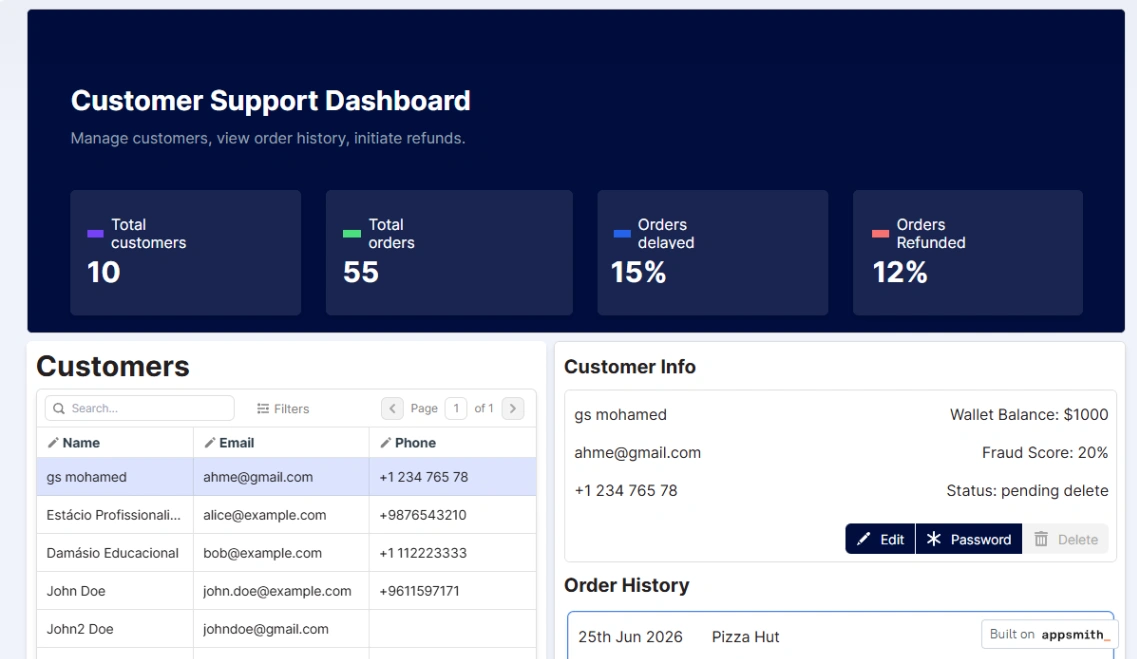
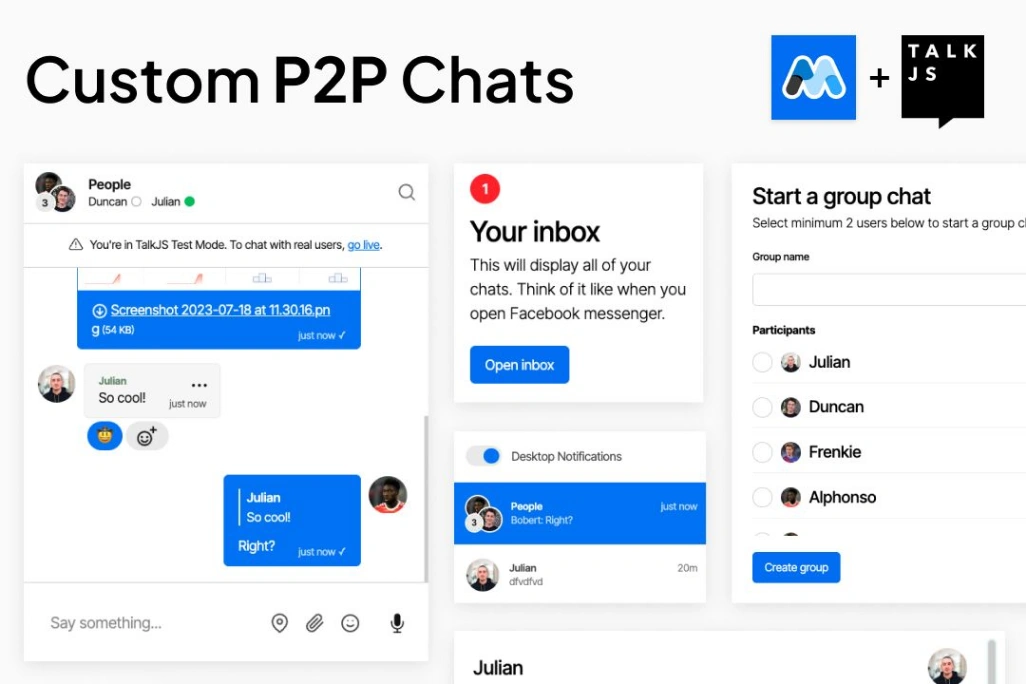
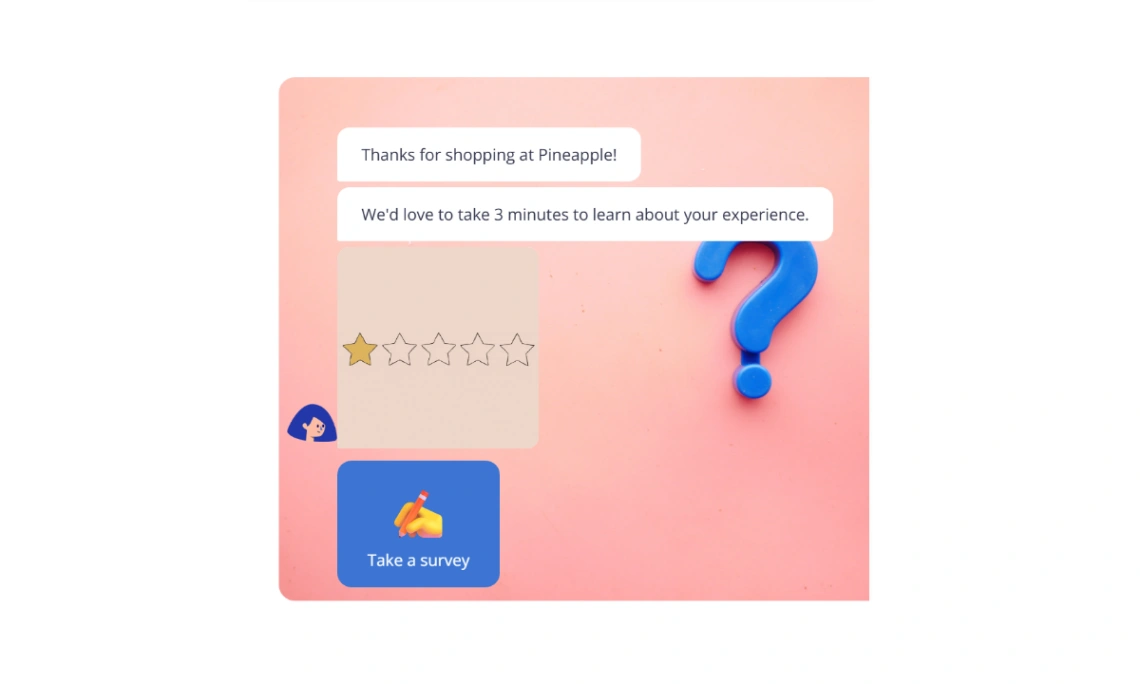
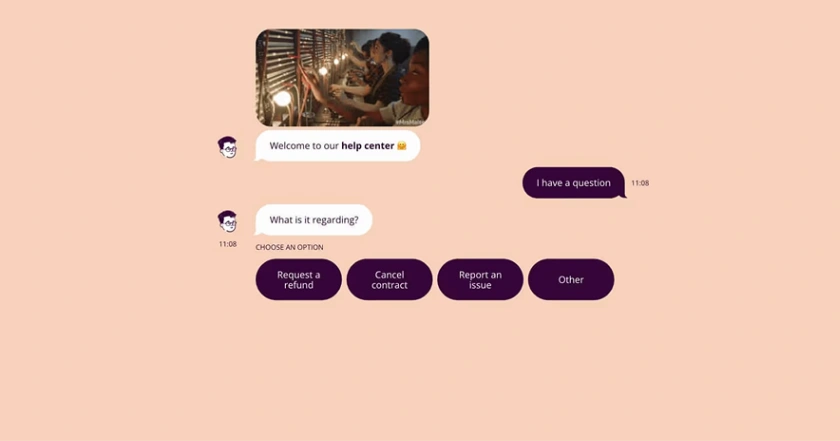
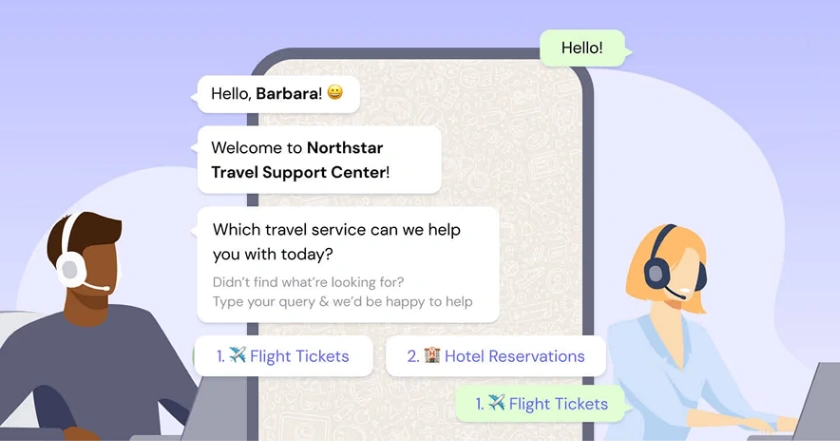
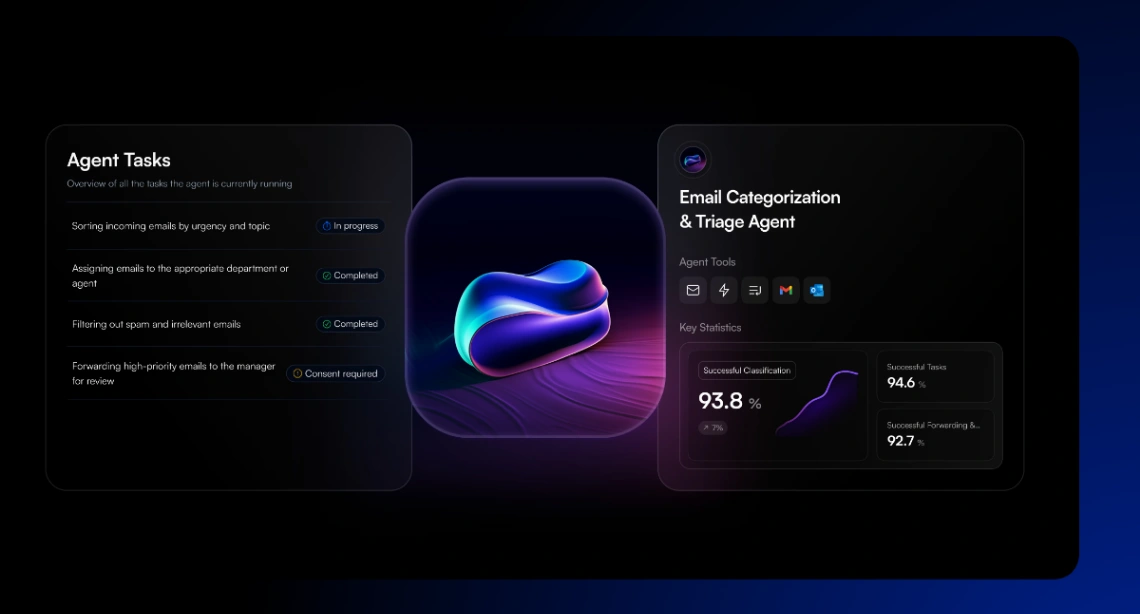
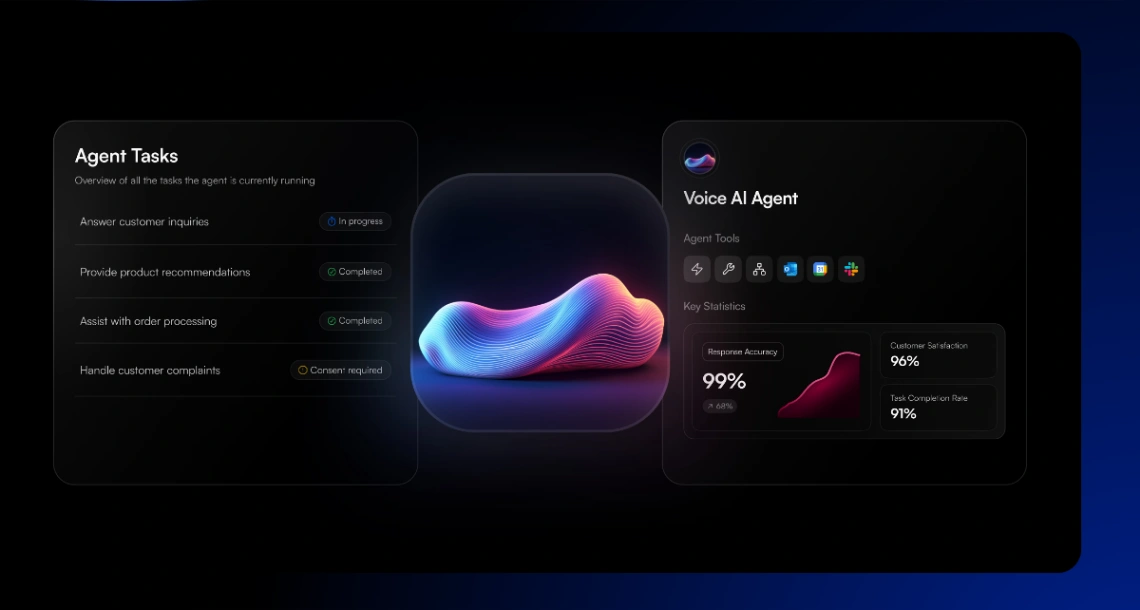
Automate what's genuinely answerable — hours, status, pricing, the ten questions that are 80% of volume — and route the rest to humans fast, with context attached. The failure everyone recognizes: a bot that traps a frustrated customer in a loop of almost-answers. The good templates here fail gracefully instead — two misses and it's collecting contact details with the conversation history attached, so the human who follows up doesn't start from zero.
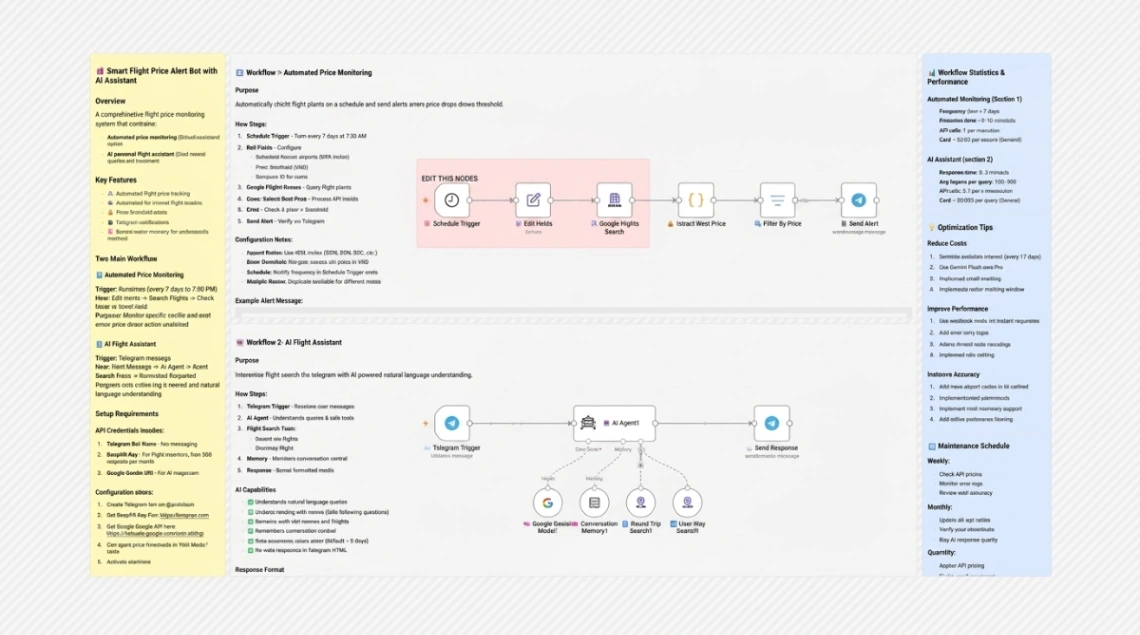
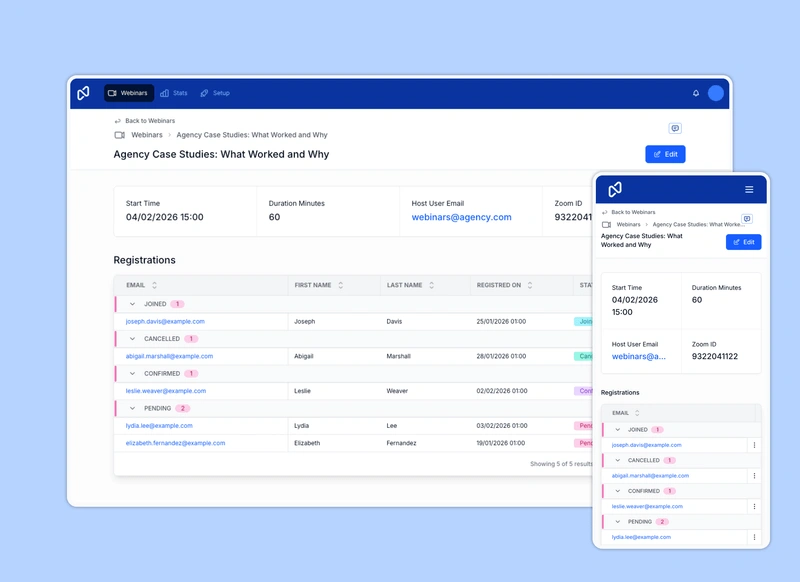
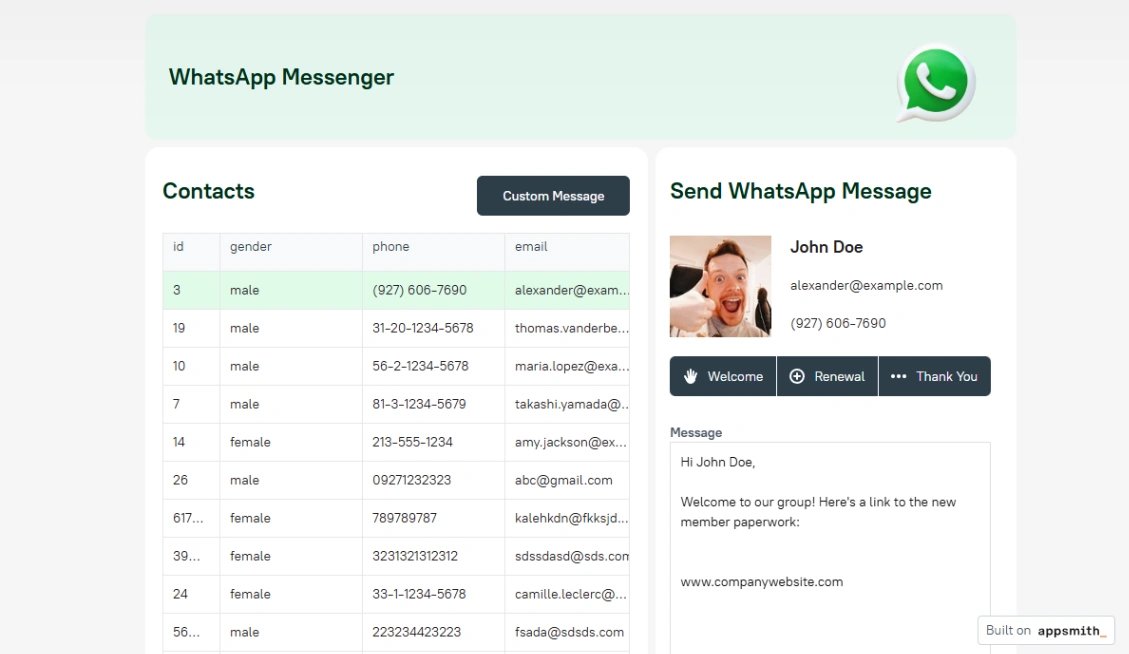
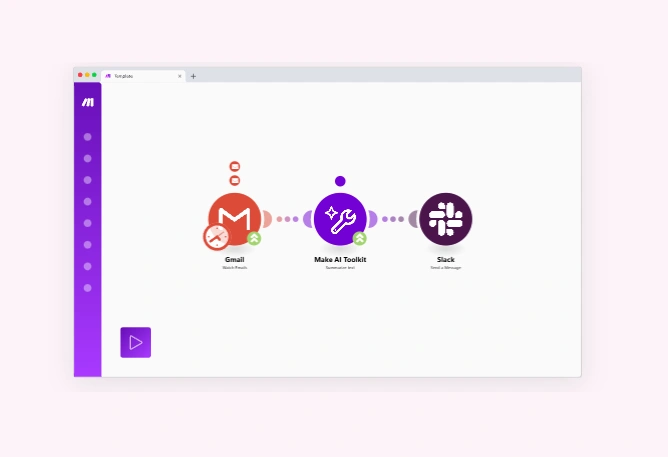
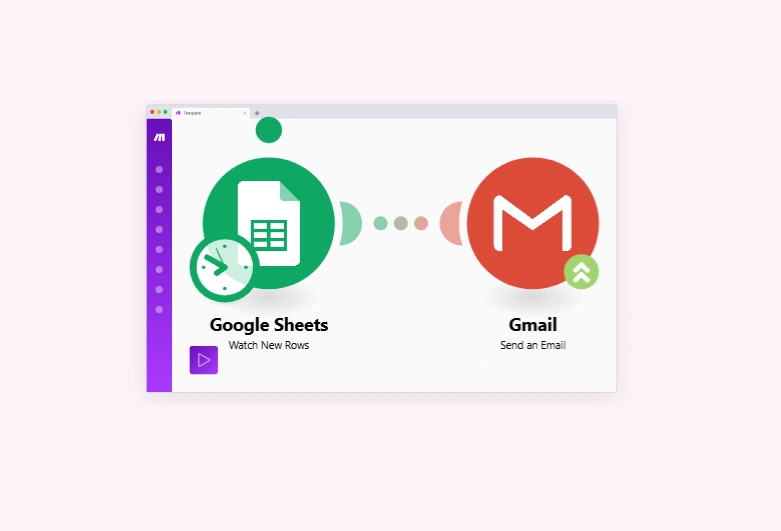
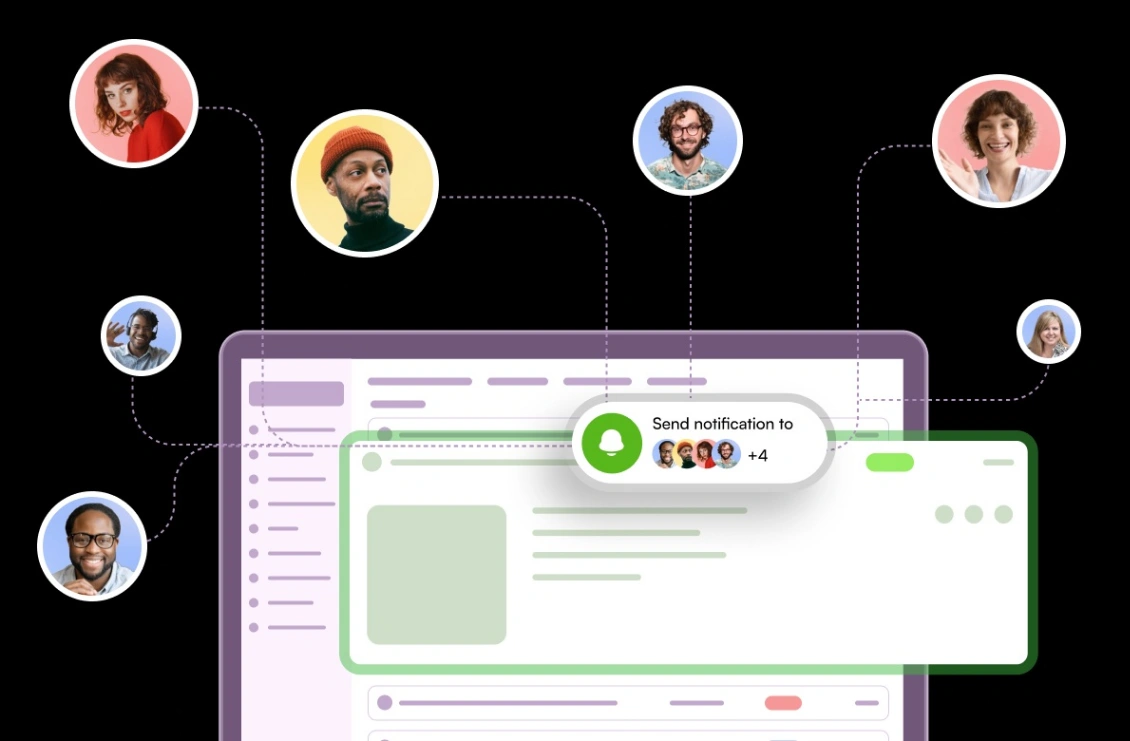
Notification routing is the other half of the shelf and the quieter win: which events reach which person, at what urgency, on what channel. The routing templates encode sane defaults — orders to the phone, reports to email, emergencies past the do-not-disturb — and the discipline is subtraction. Every notification that doesn't matter trains its recipient to ignore the one that does; silence about the unimportant is a feature.
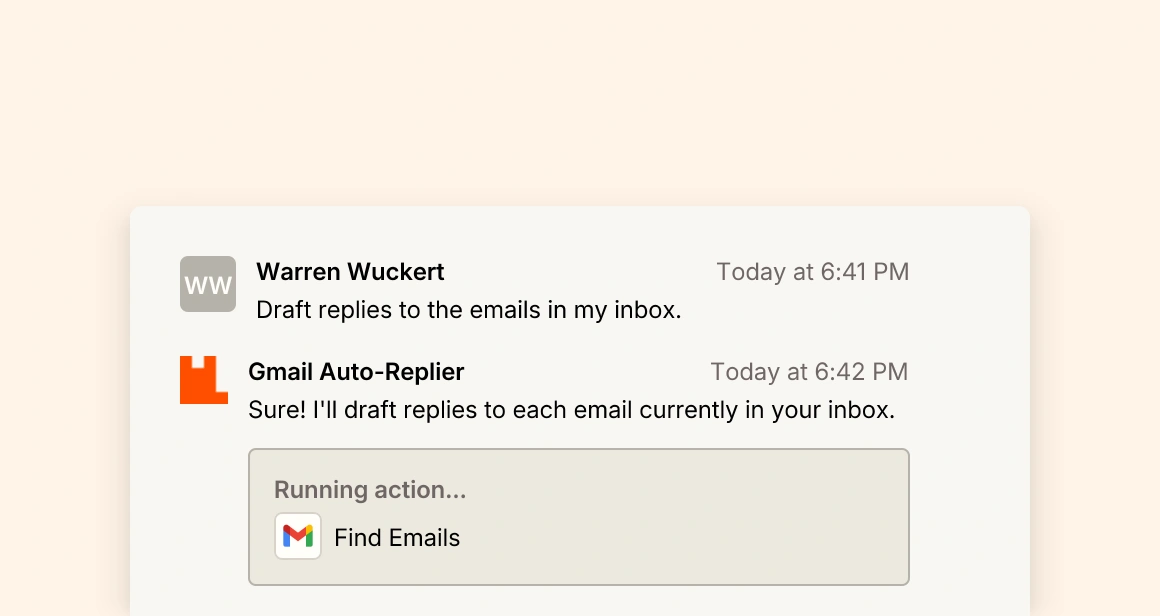
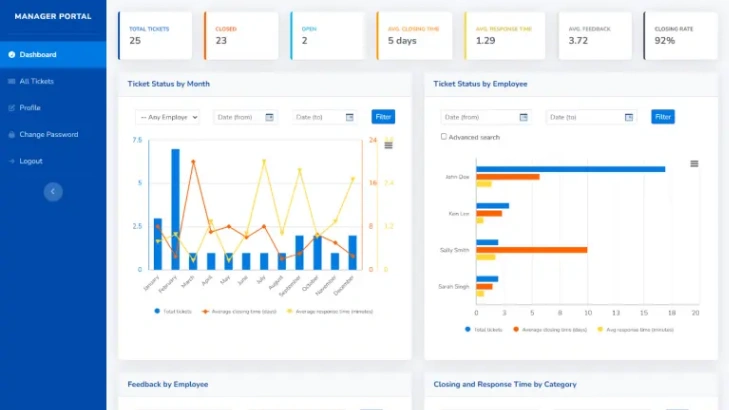
Then set expectations honestly and keep them mechanically. "We reply within four hours" belongs on the flow only if the flow makes it true — auto-acknowledgment, visible queue, escalation when the clock runs down. The automation stacks and flow builders pinned above handle the mechanics; the honesty is configuration.
FAQ