




















Buyer's guide
How to choose an art template
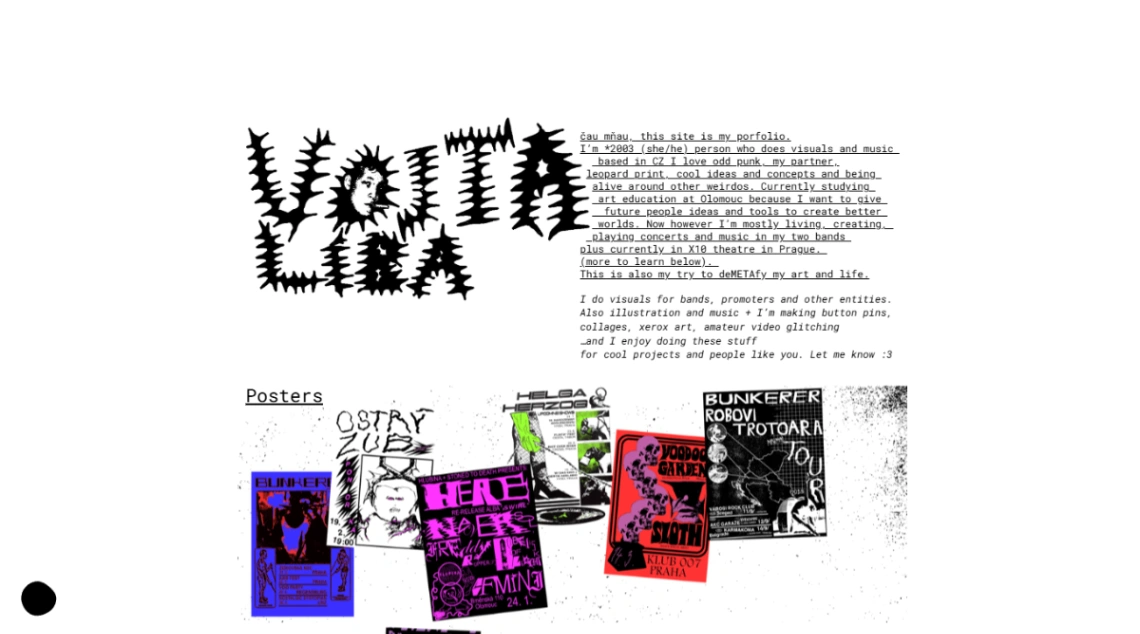
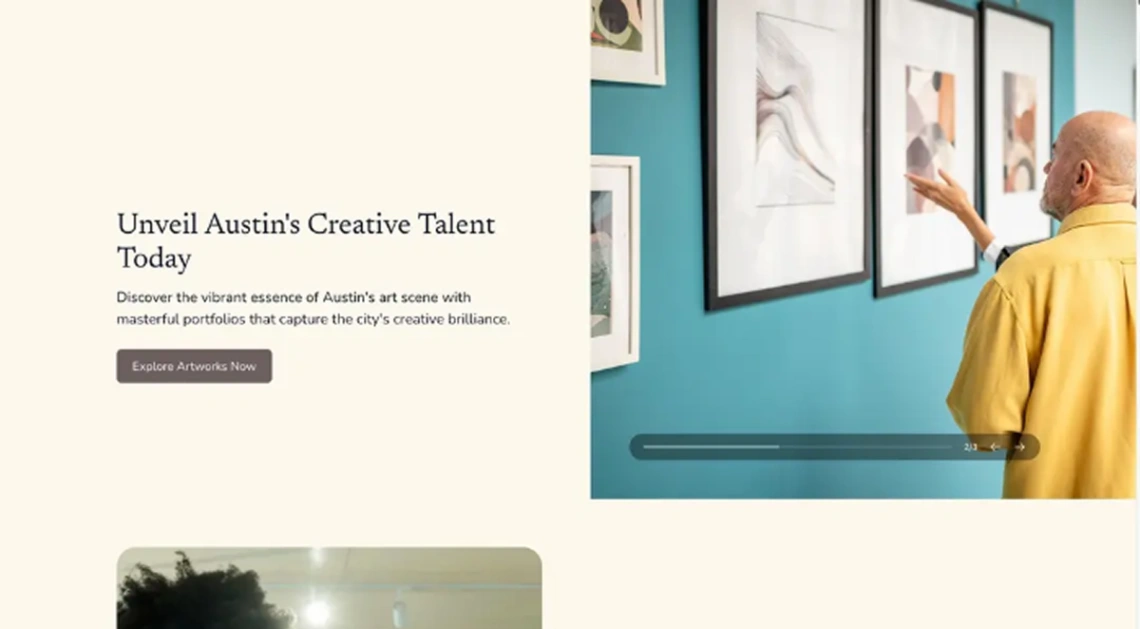
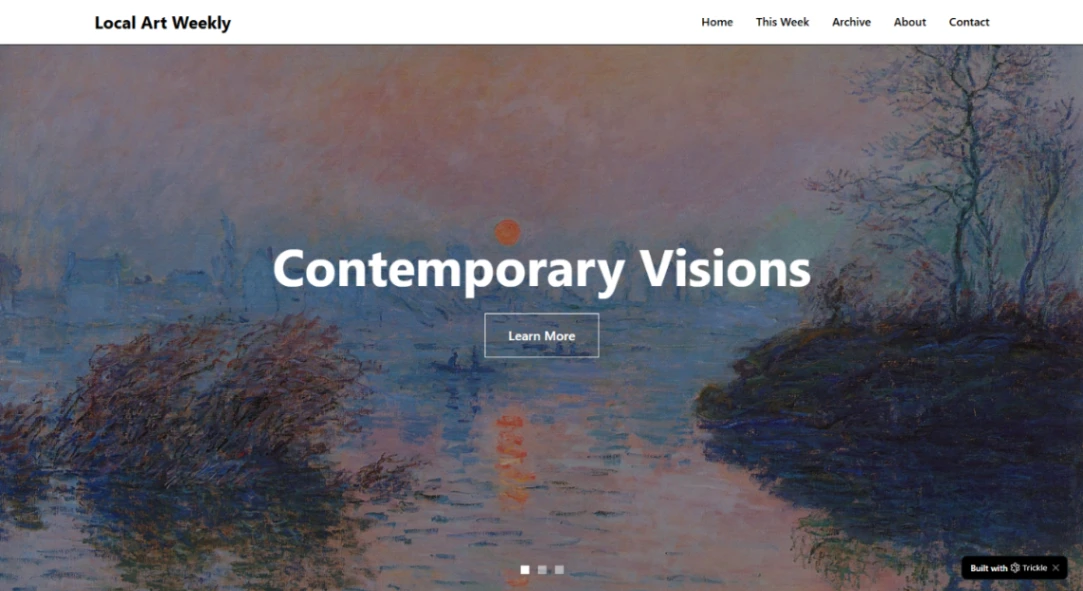
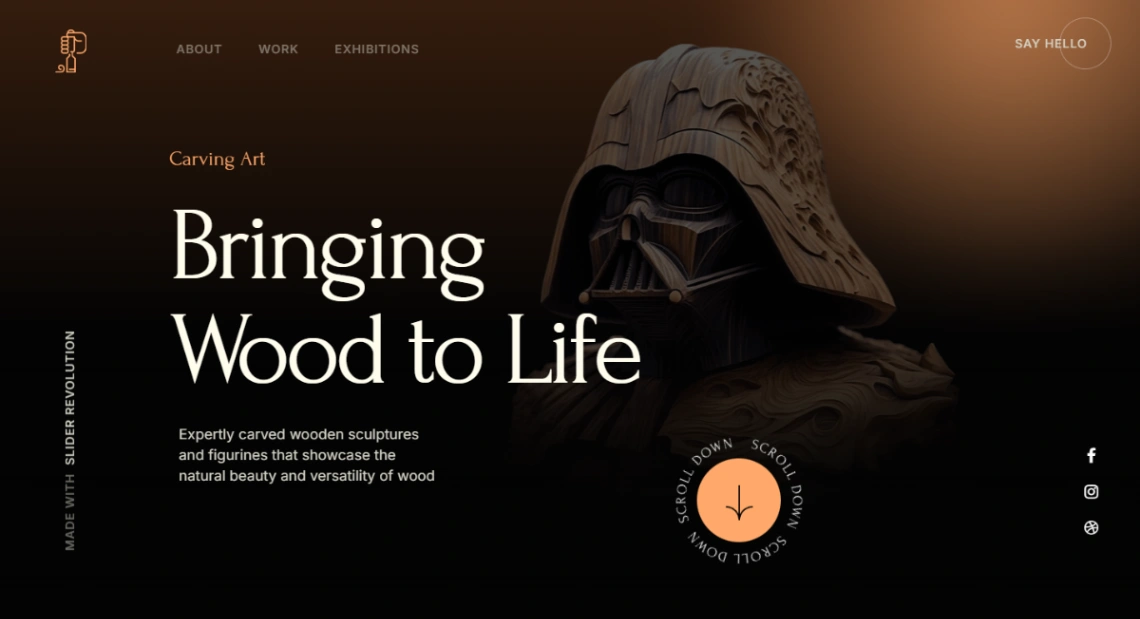
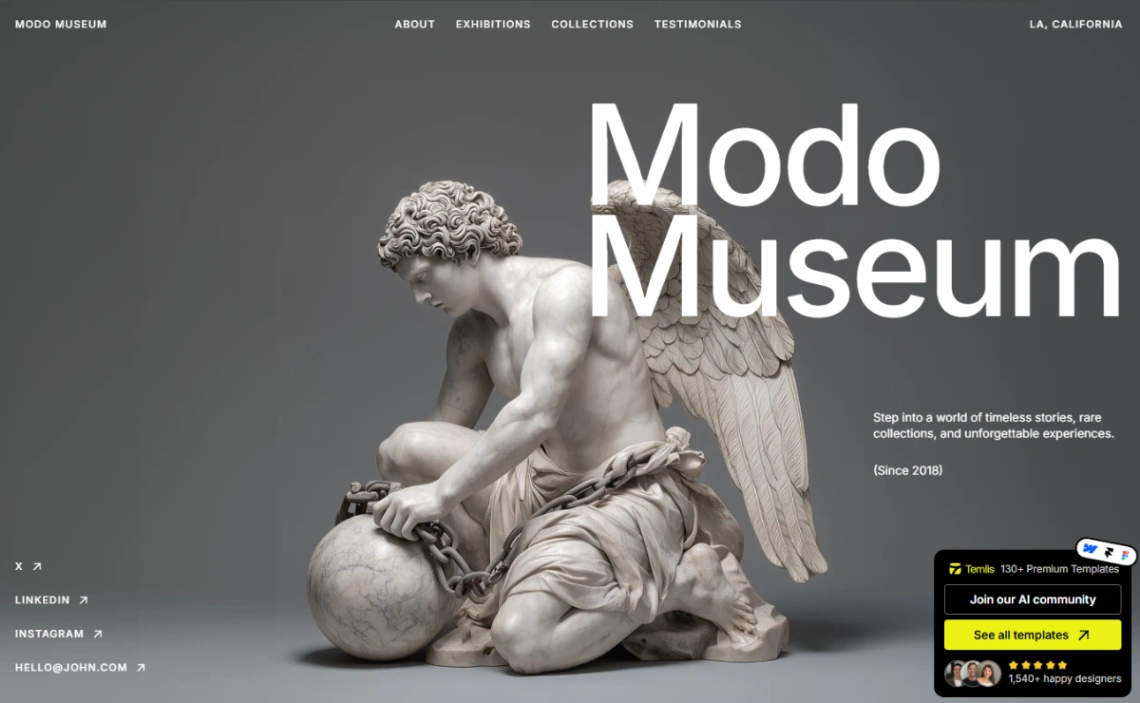
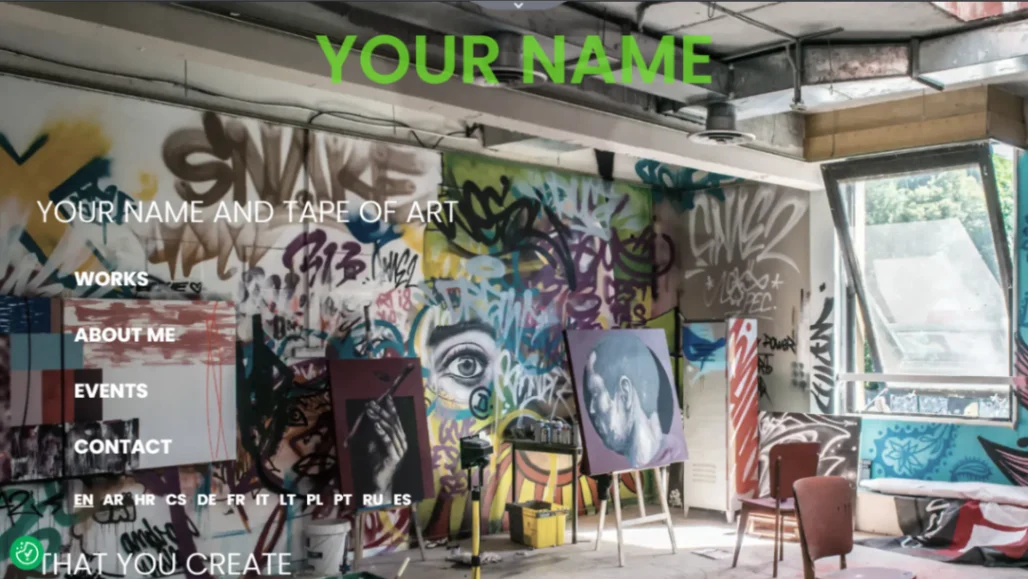
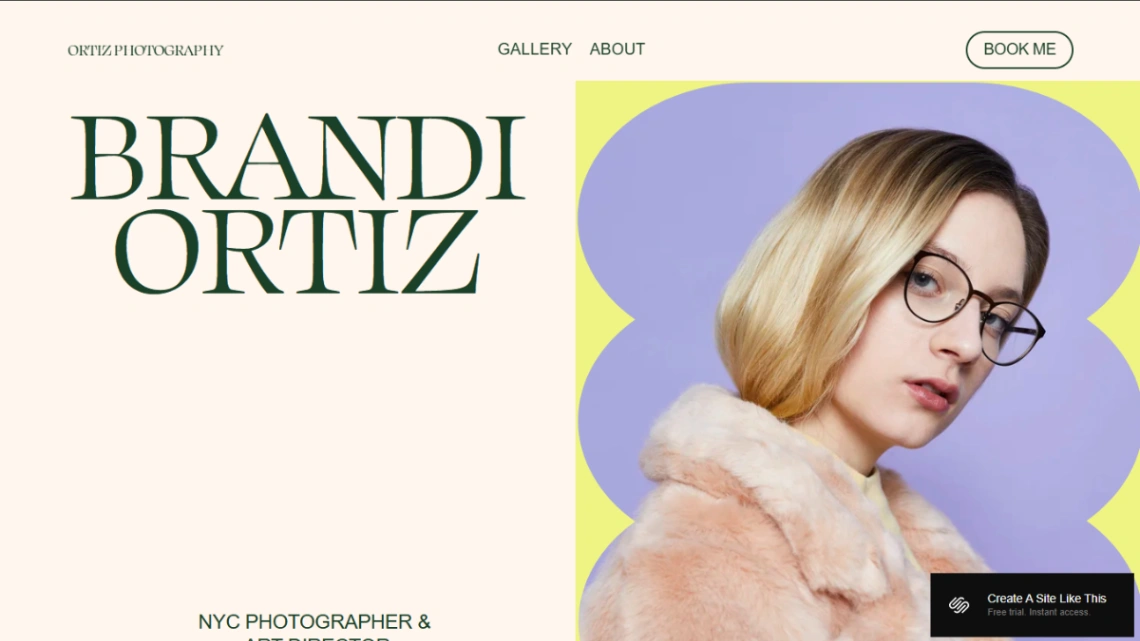
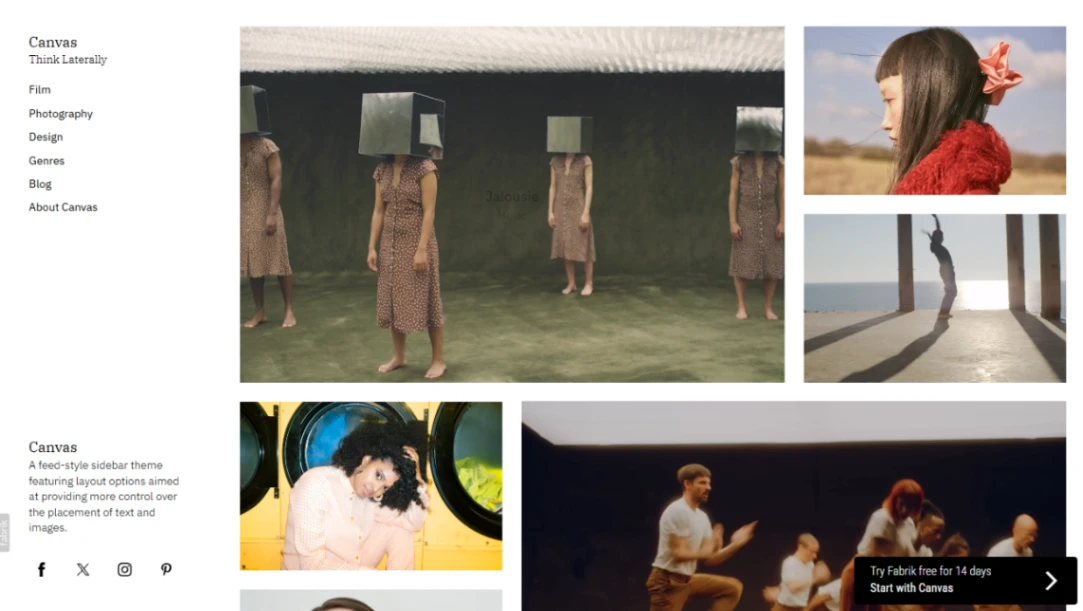
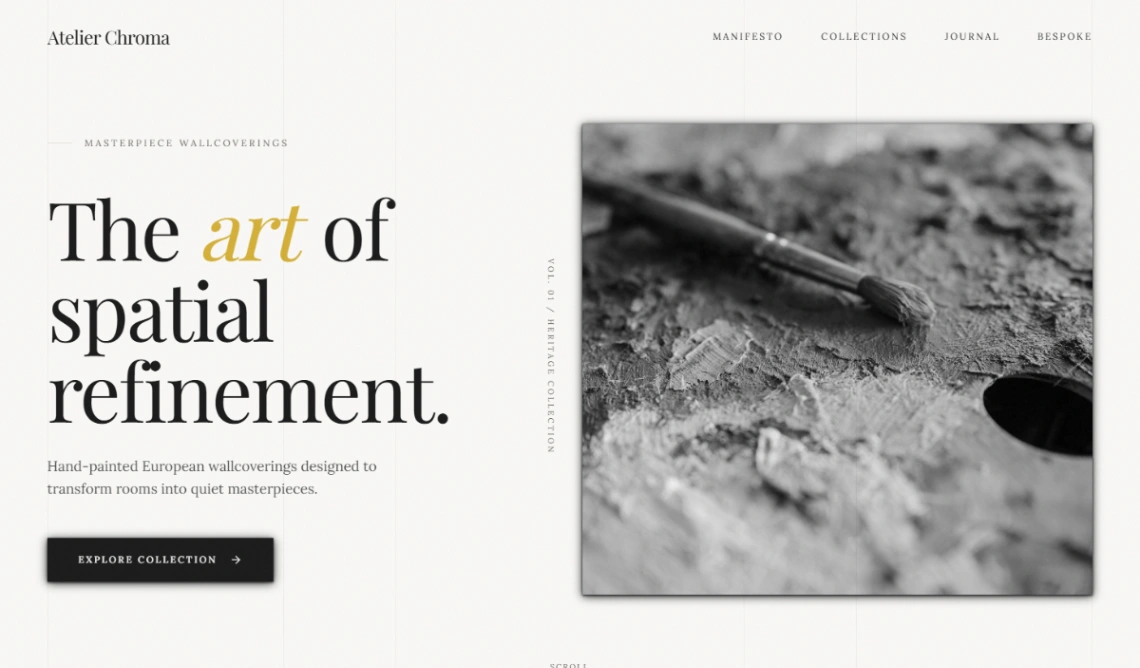
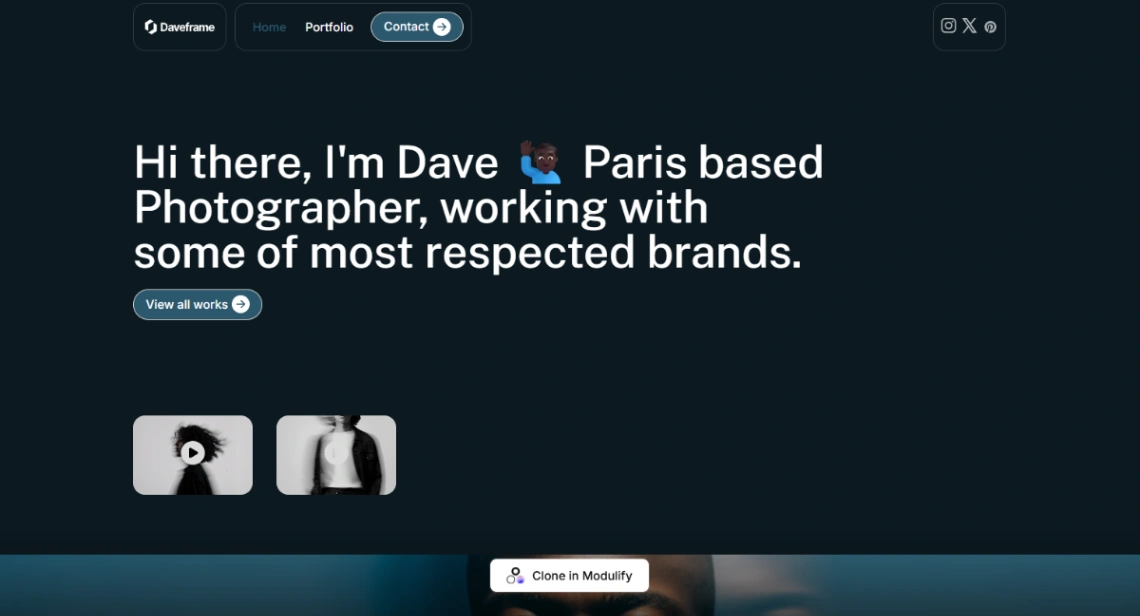
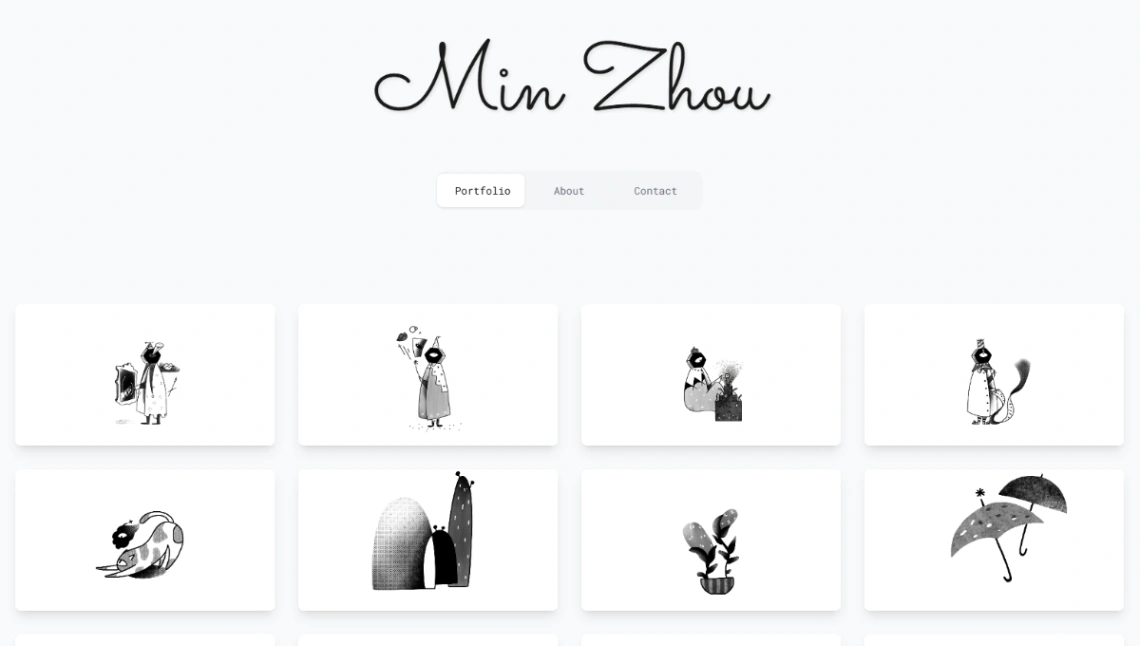
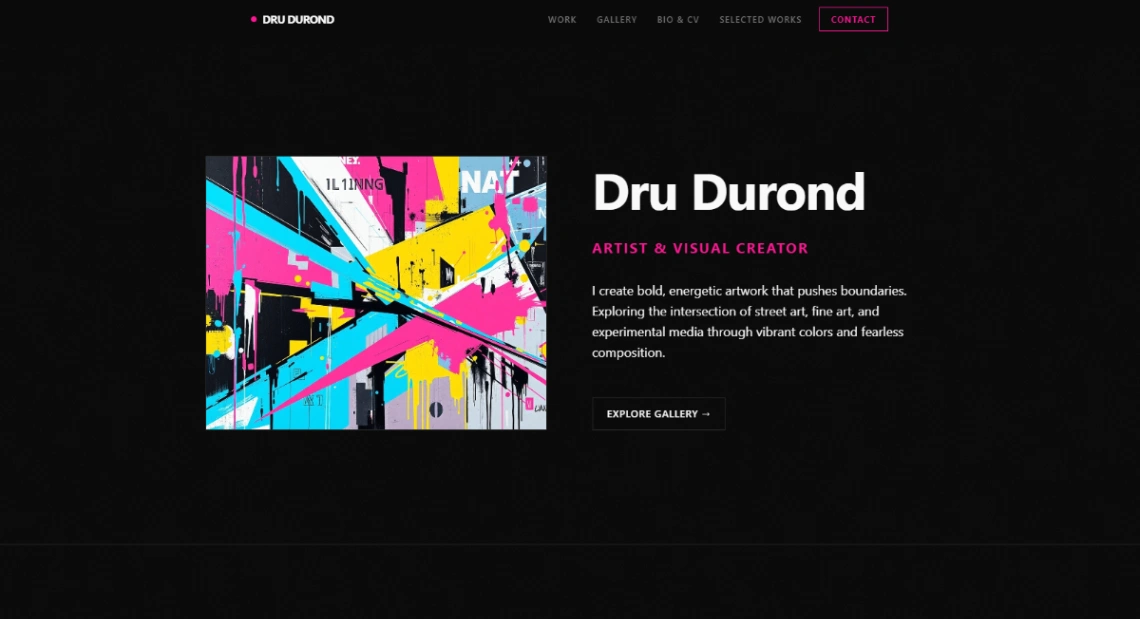
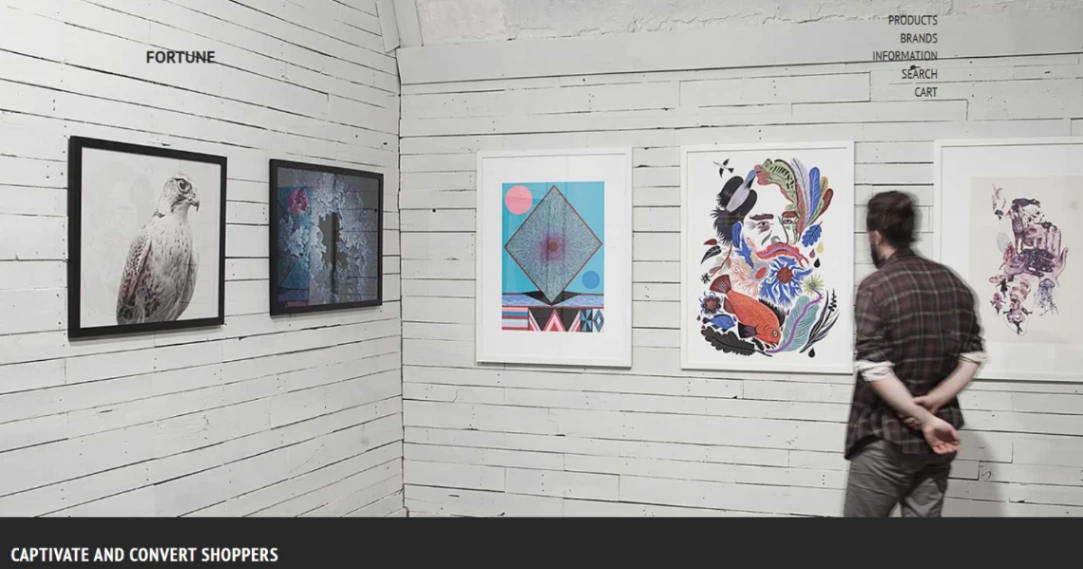
An artist's website answers to no curator — that's the point of it. No gallery's cut, no group-show context, no one else's taste between the work and the person looking. The templates here are built for that independence: white-wall display where your work supplies all the color, and increasingly, the machinery to sell without permission.
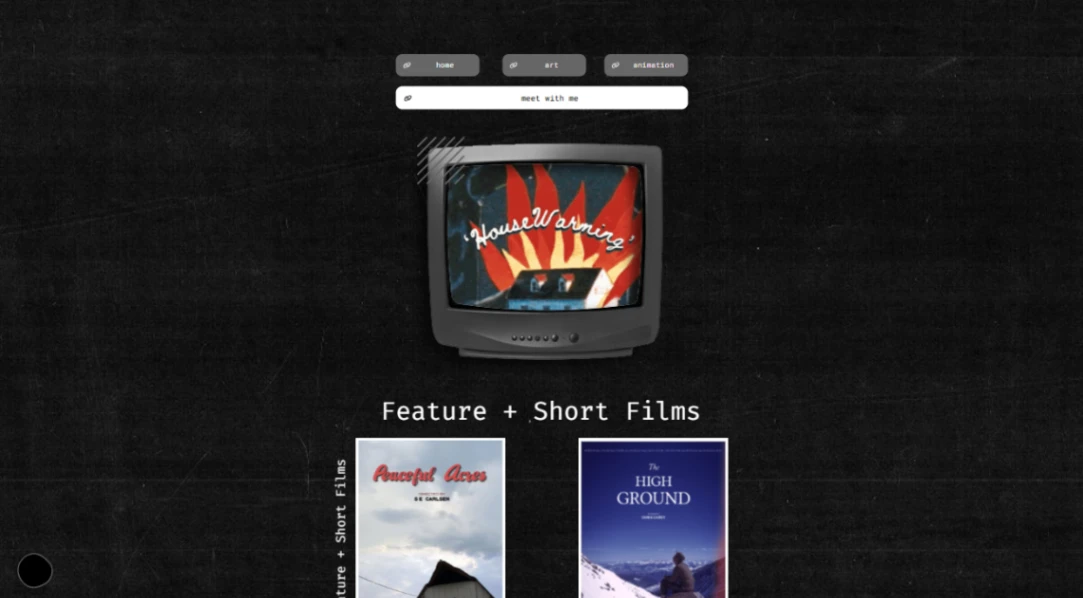
Organize by body of work, not by upload date. Series pages — with a sentence about what the series is doing — let a stranger enter the work the way you think about it, and they quietly signal a practice rather than a hobby. Templates with real collection structure handle this; endless-scroll grids flatten ten years of development into wallpaper.
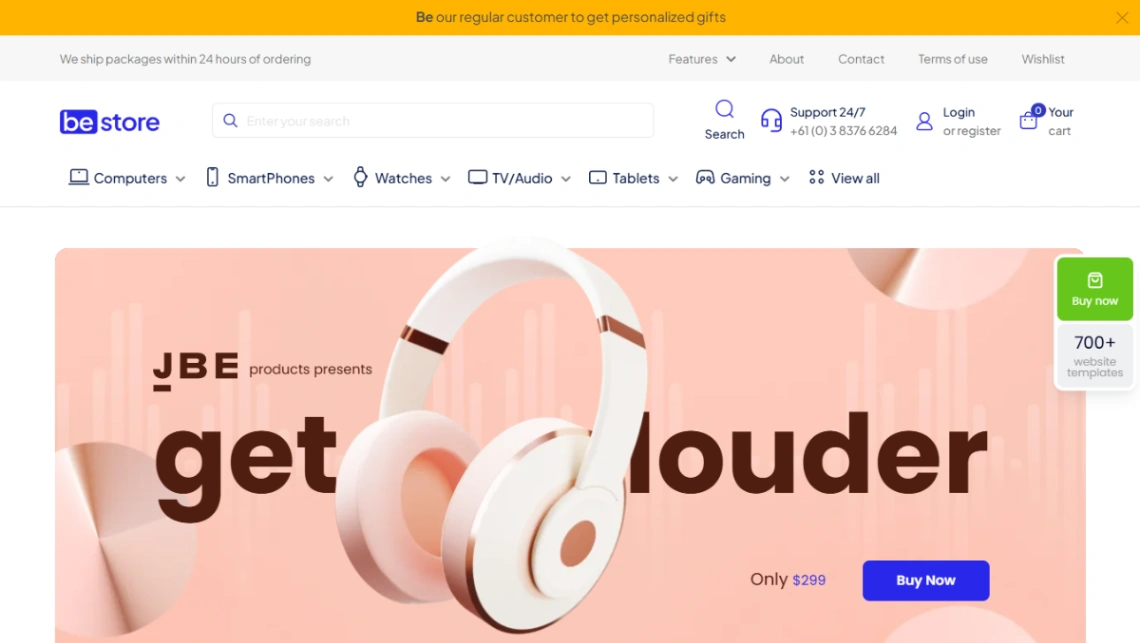
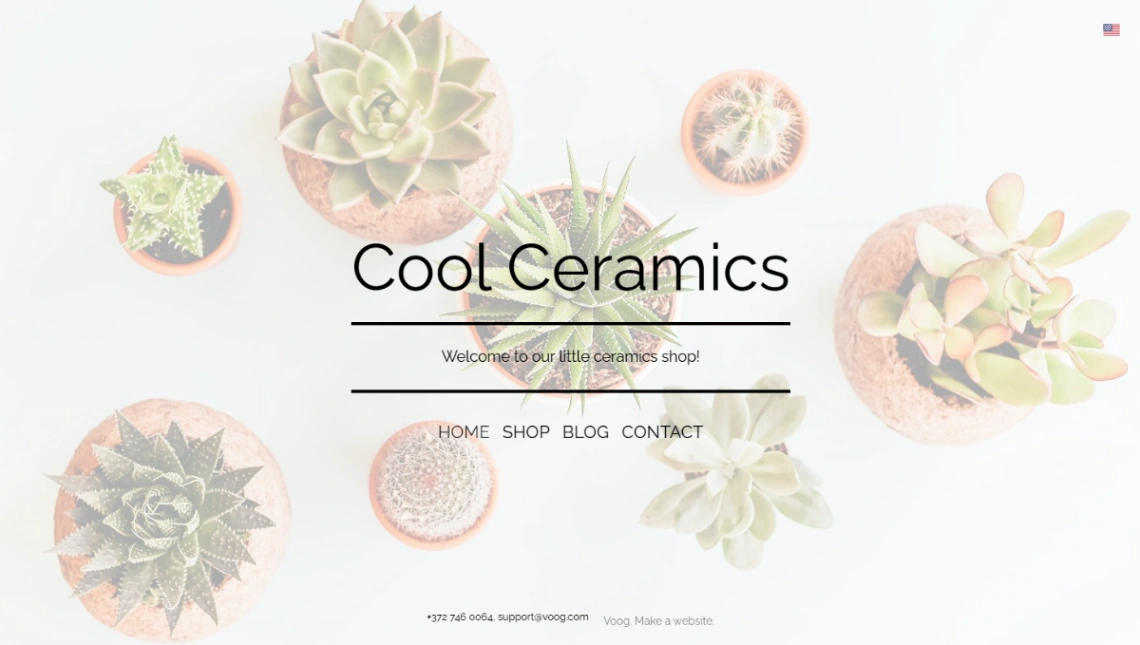
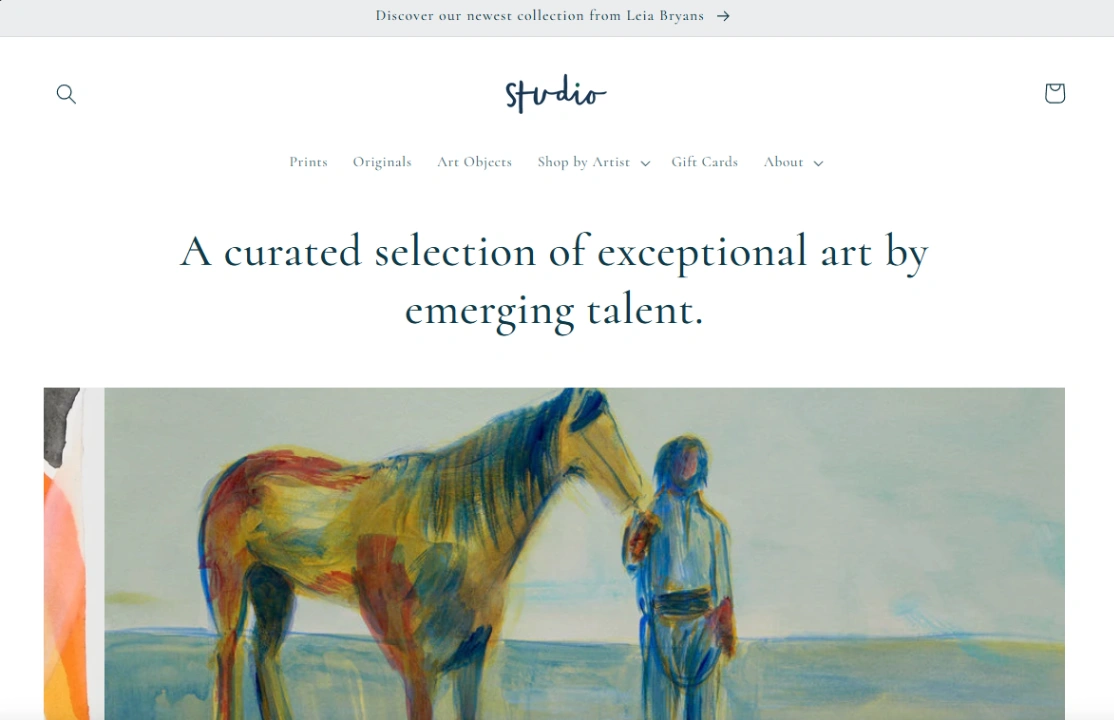
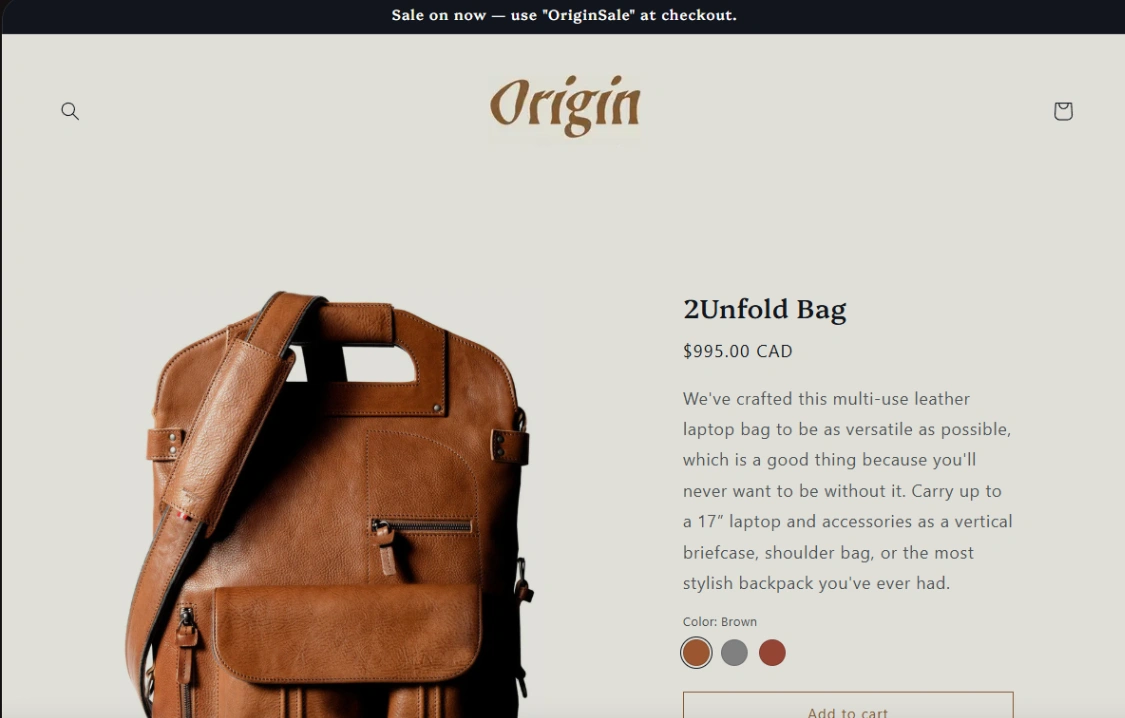
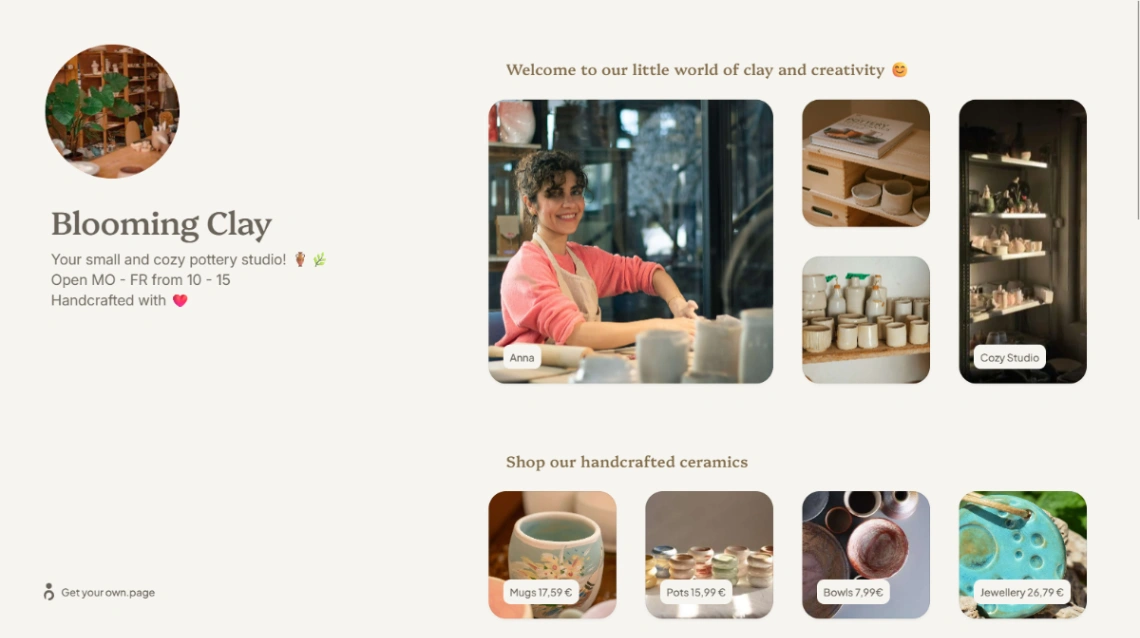
Selling from the studio is where template choice bites. Originals want stated prices (or a consistent inquiry policy), sold-work visibility — a red dot online works exactly like one on a wall — and room for provenance. Prints and editions want proper commerce: sizes, runs, fulfillment. The image-first platforms in the pinned picks handle display; the storefront-backed ones handle the selling; a few manage both.
The asset that outlasts any single sale is the collector list. People who bought or almost-bought want to hear when new work exists — a studio-notes email twice a year outsells any social post. And the warning: pricing chaos. Same-size works priced wildly apart with no visible logic makes buyers freeze; a simple, consistent structure by size or series lets them say yes without needing to understand the art market.
FAQ