




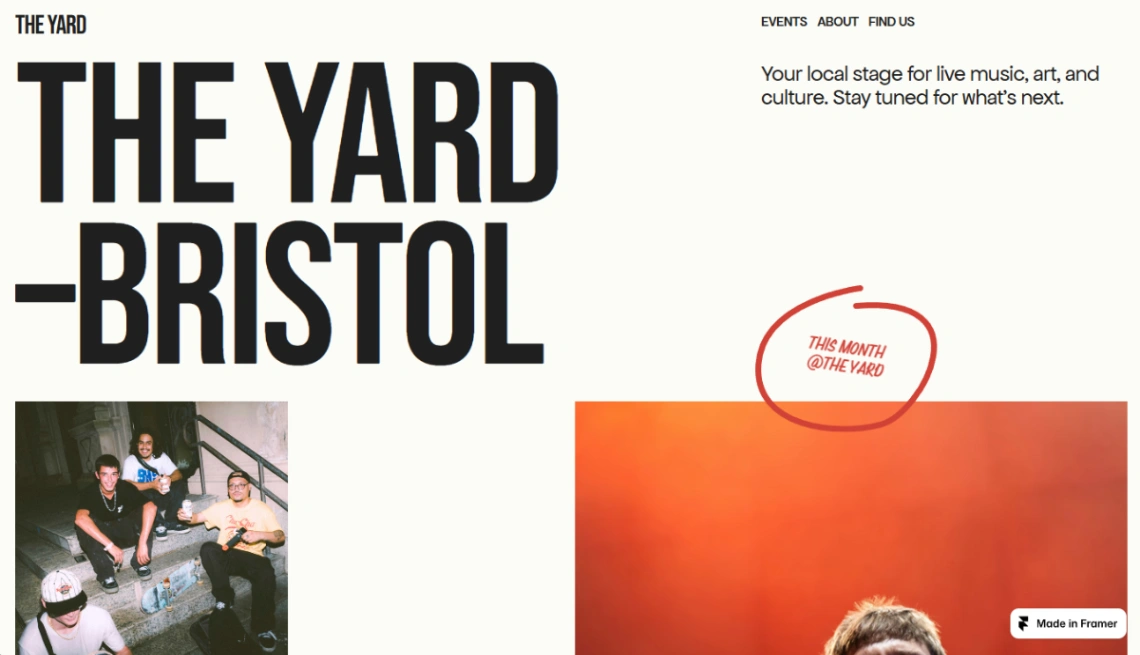
Live Events

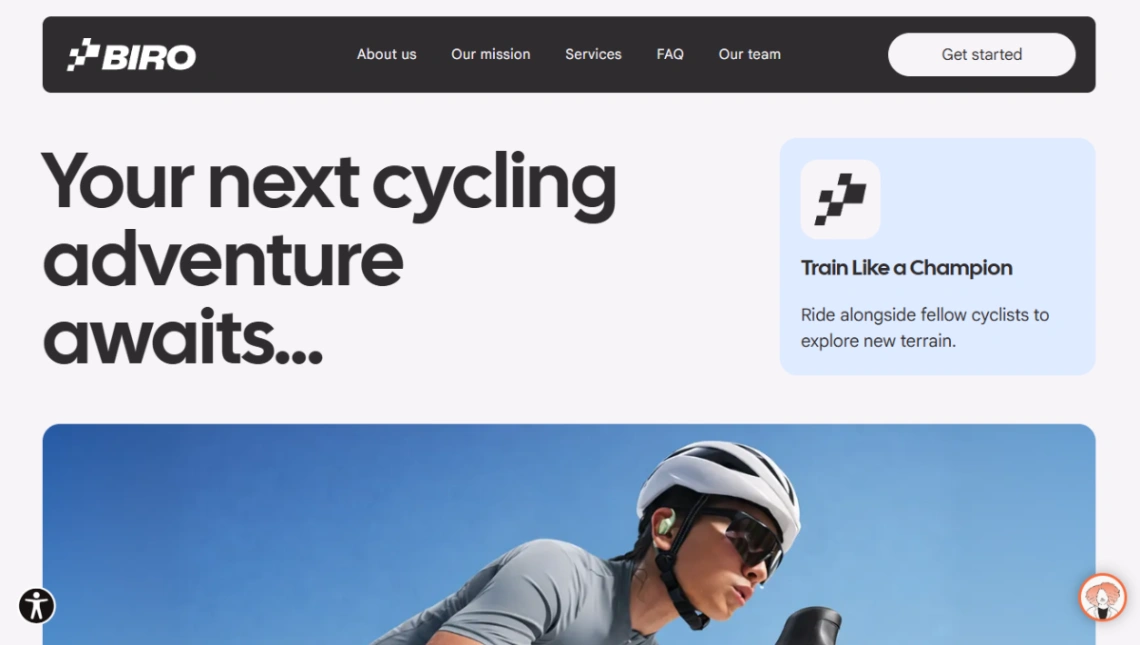
Cycling Club


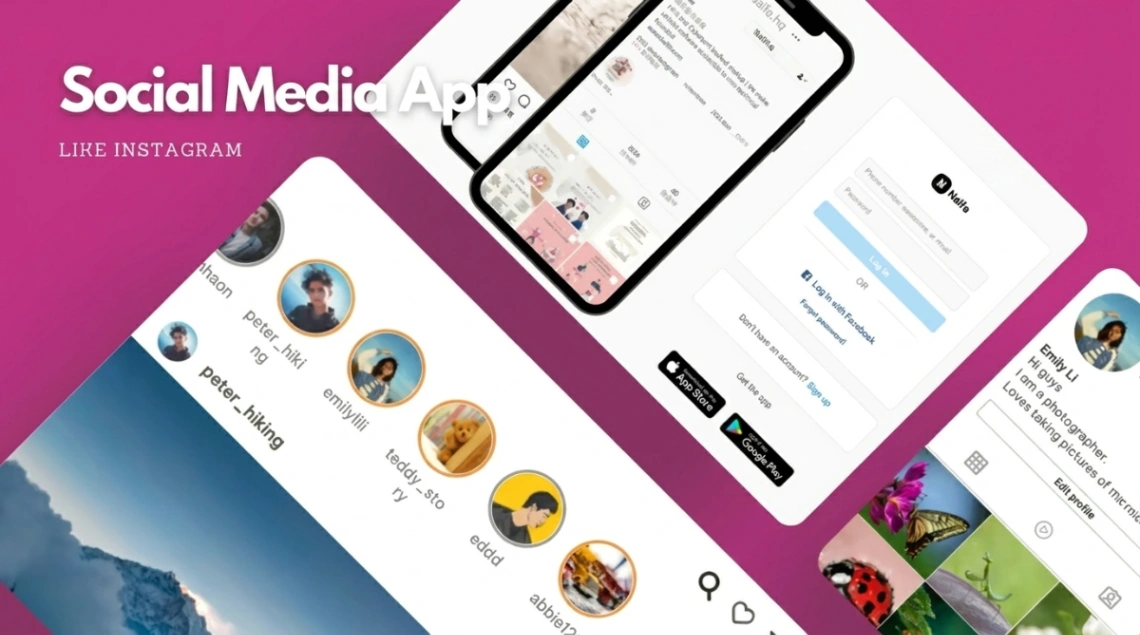



Sports Club


Buyer's guide
How to choose a community template
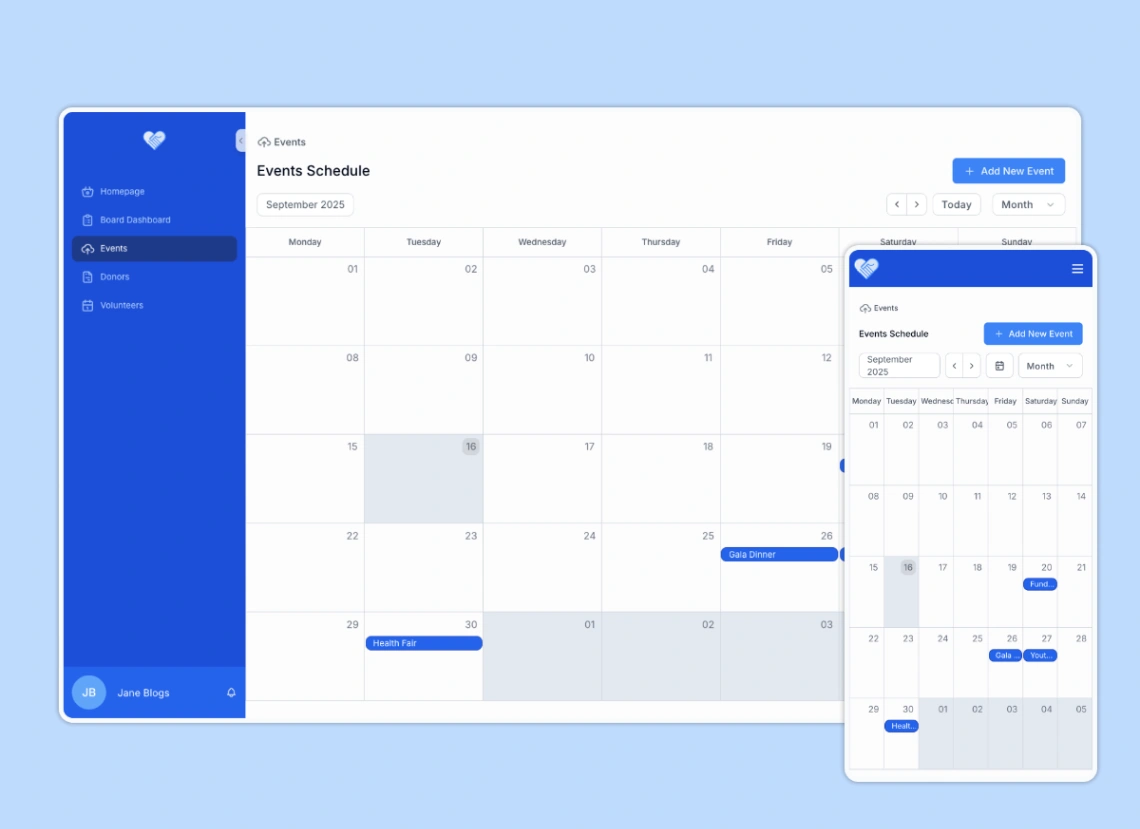
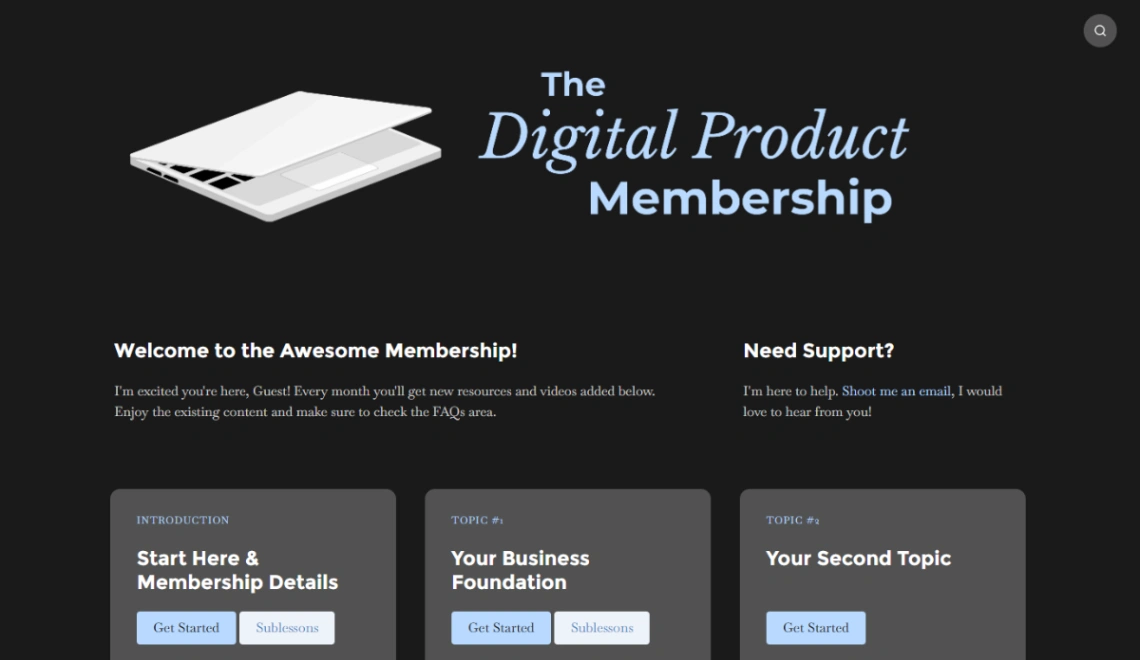
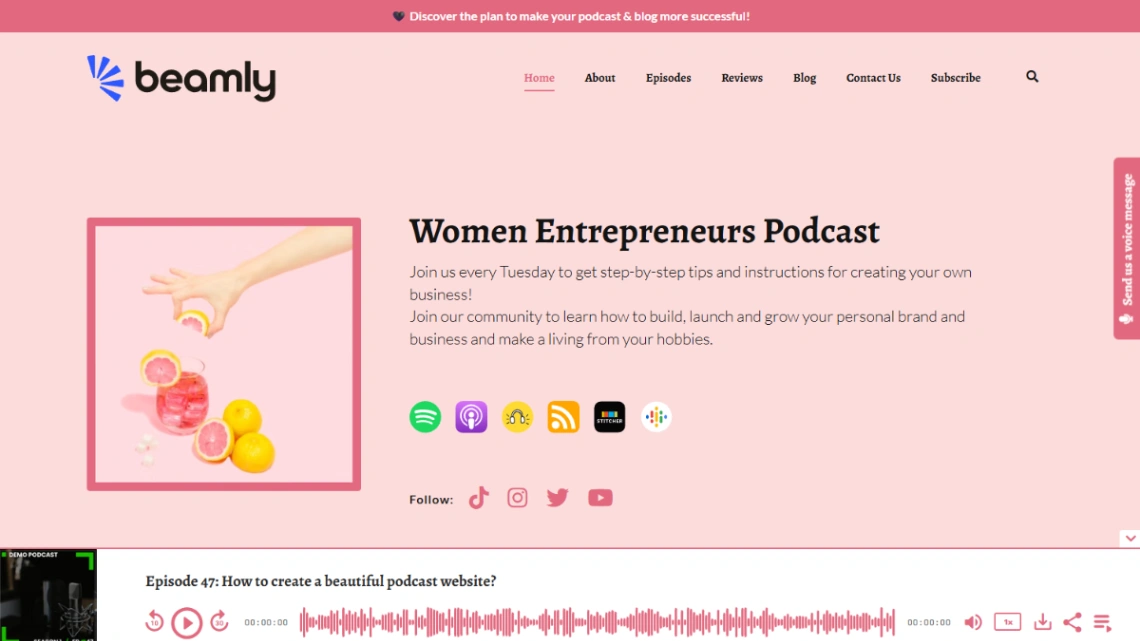
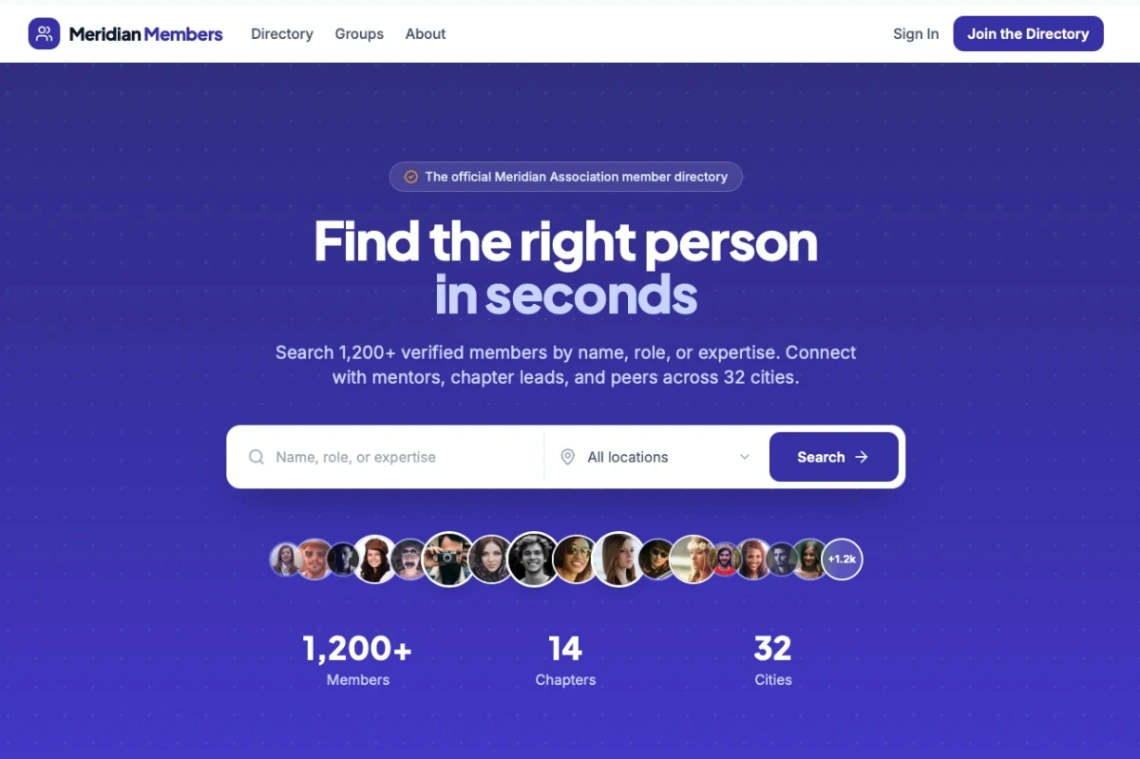
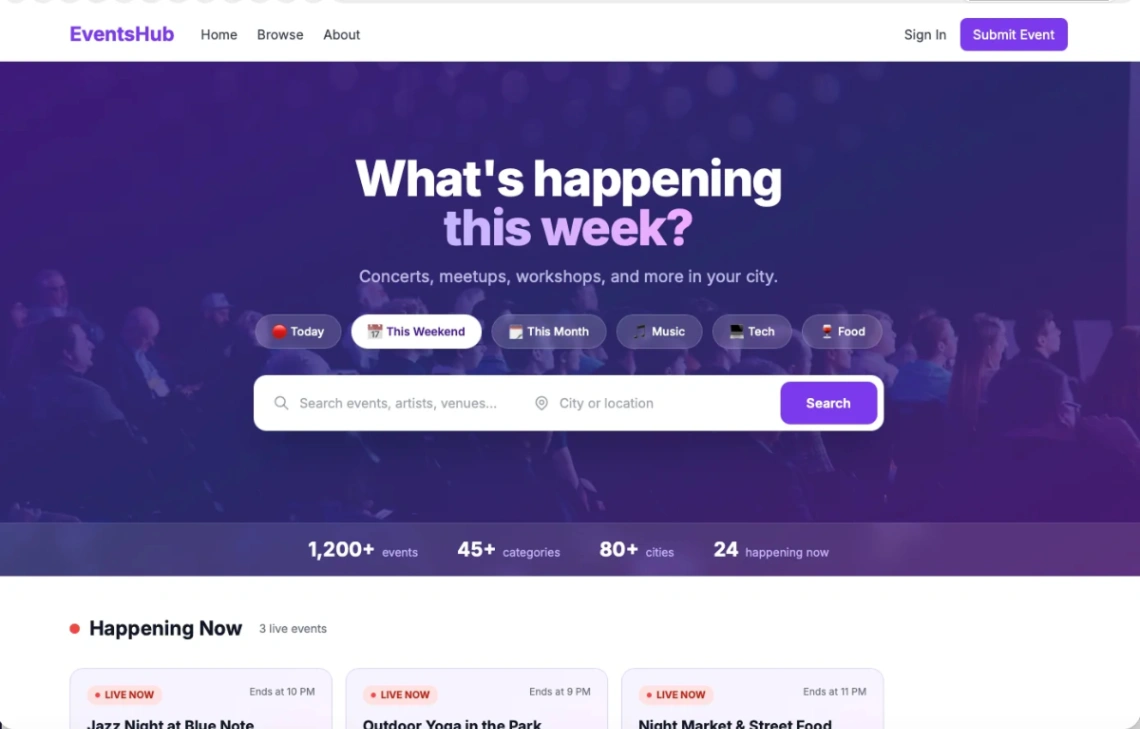
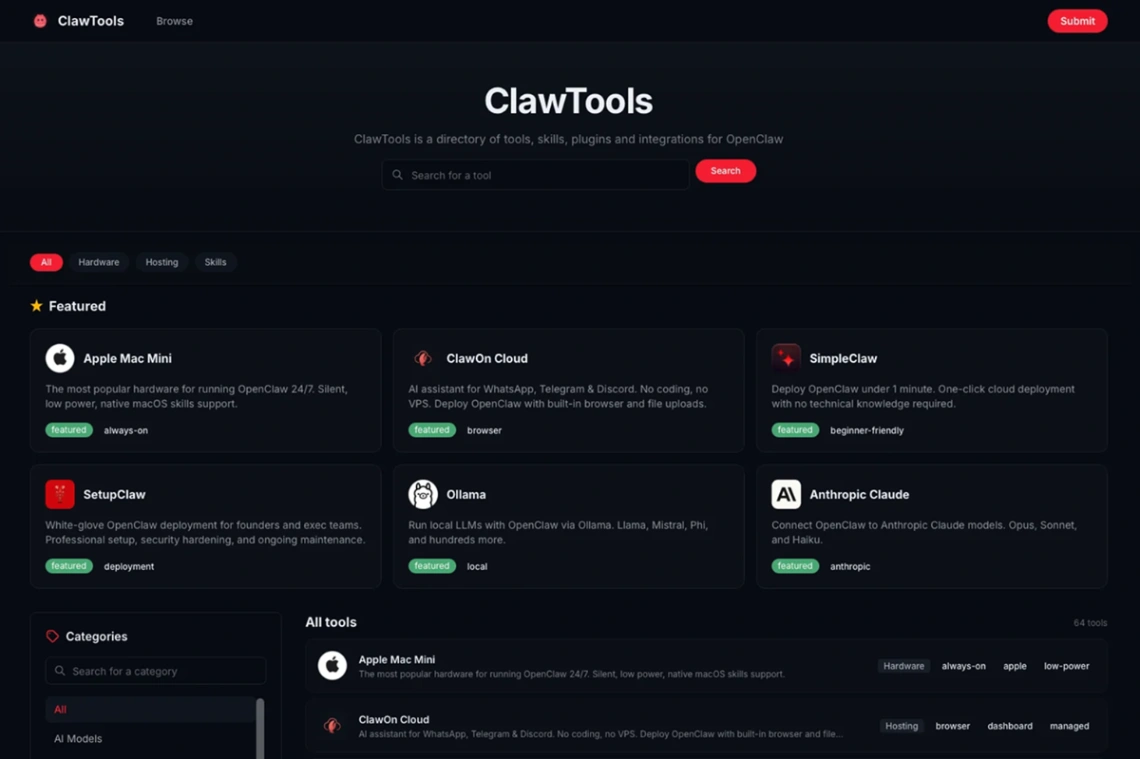
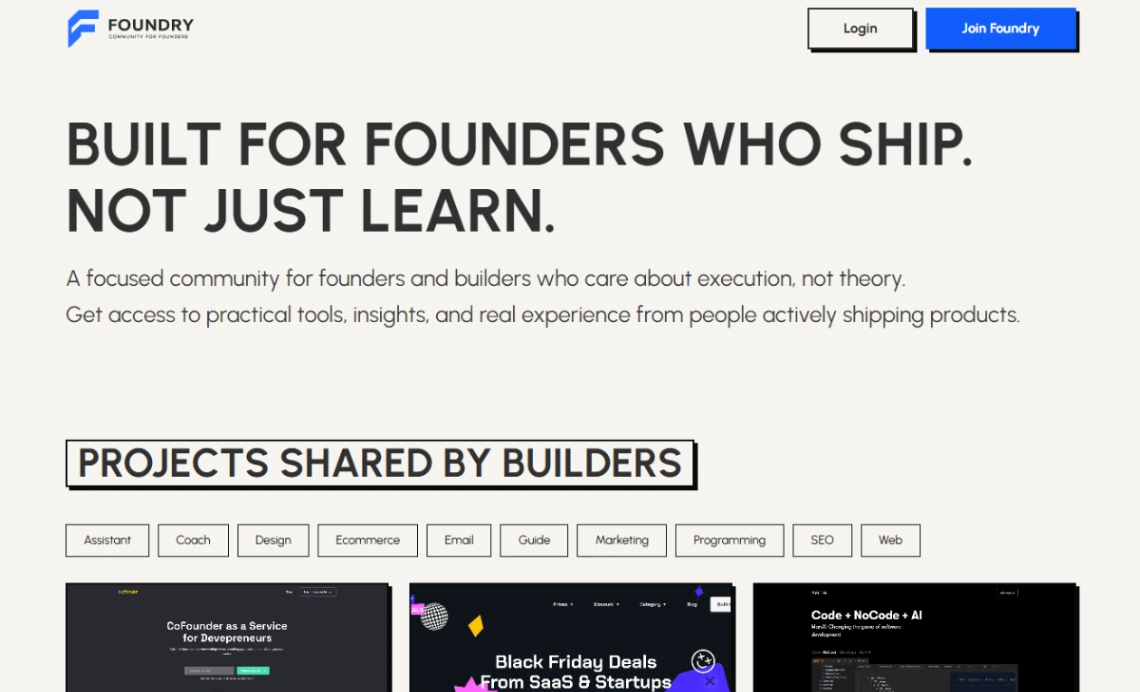
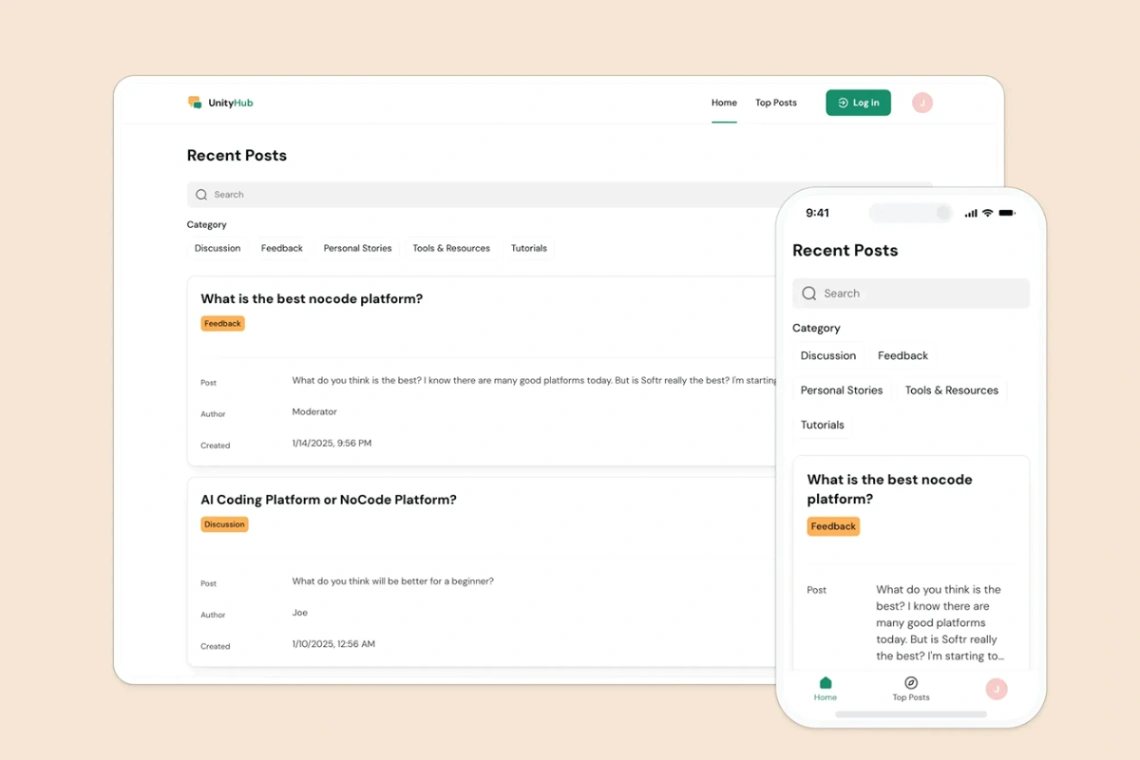
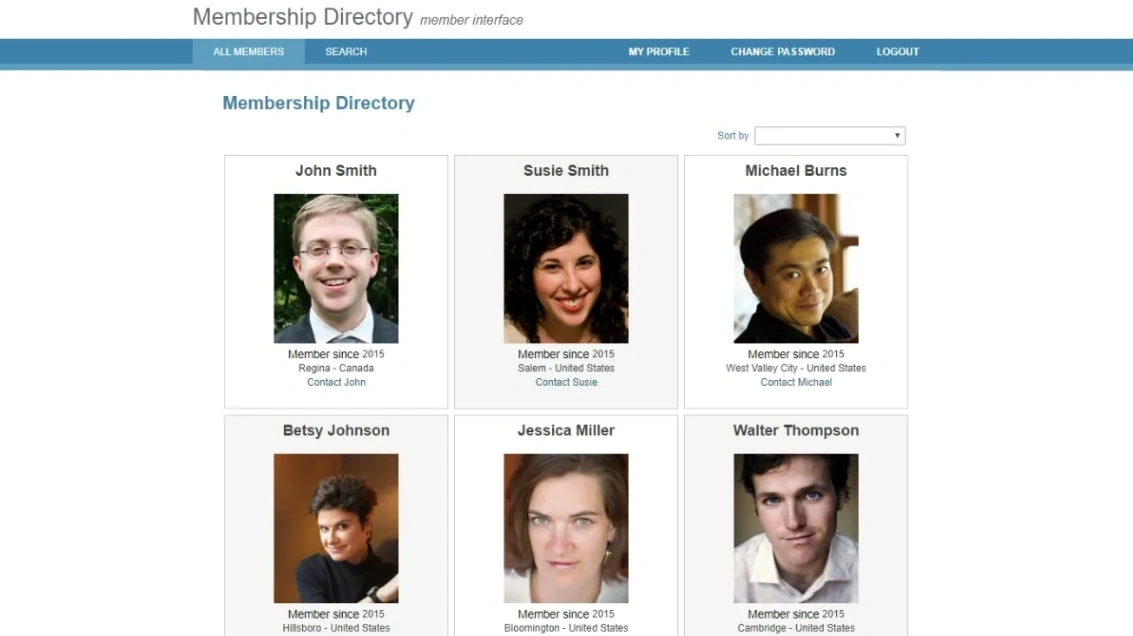
Communities die of silence, not of bad design, so choose the template that makes the first activity easy rather than the one with the most features. Name the single thing members should do weekly — discuss, meet, learn together — and pick the structure built around it: discussion layouts for conversation, event calendars for gathering, member directories for finding each other. The community-capable platforms behind these templates are pinned at the top of this page.
Decide the door policy early, because it shapes everything downstream. Open communities build reach and are easy to join but harder to make valuable; gated ones — free application or paid membership — start smaller and warmer, and the paywall funds the work of hosting. Switching door policy after launch is genuinely disruptive, since members joined under different terms; treat it as a founding decision, not a setting.
Size the structure to the population you'll actually have. Ten members across eight channels reads as a ghost town; the same ten in one active space feels alive. The templates arrive with generous scaffolding — collapse most of it, launch with one or two spaces, and add rooms only when conversations visibly outgrow them.
The founding mistake this category watches happen over and over: building the full clubhouse before anyone's inside. A community starts as one recurring gathering with the same faces, not as software. Seed it personally — invite by hand, host the first calls, write the first twenty posts — and let the template grow into a container for behavior that already exists.
FAQ