Link In Bio

Influencer
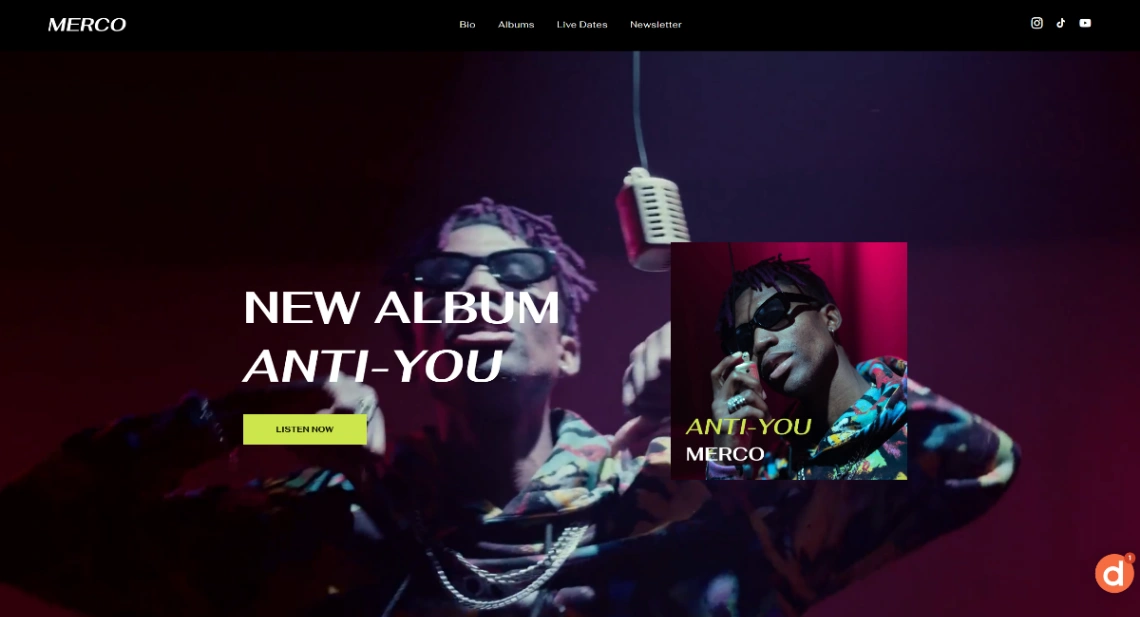
Rap Musician
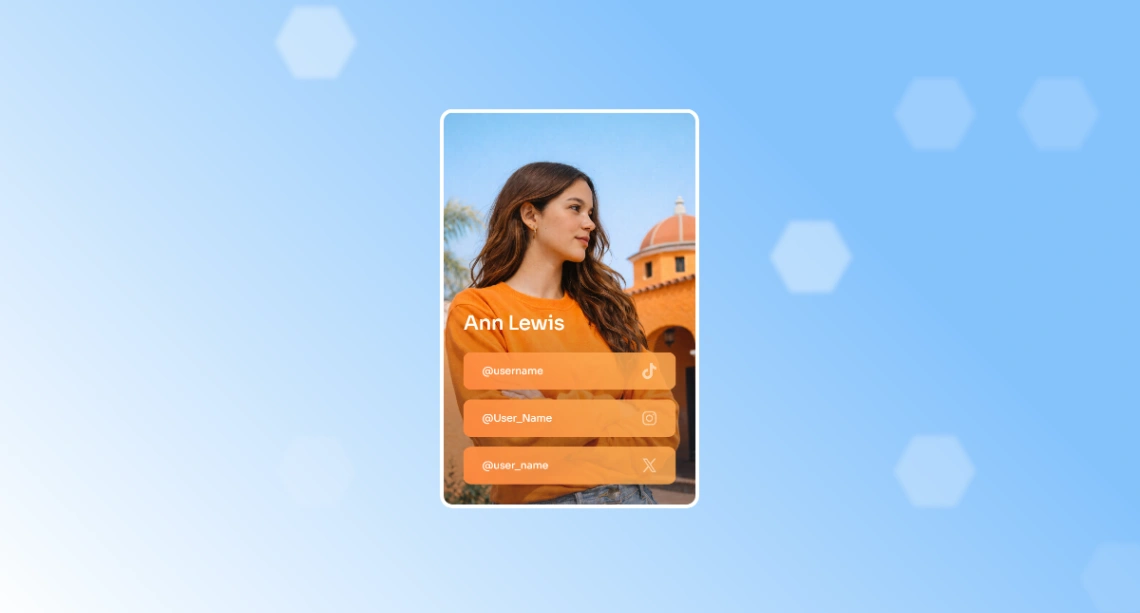
Buyer's guide
How to choose an influencer template
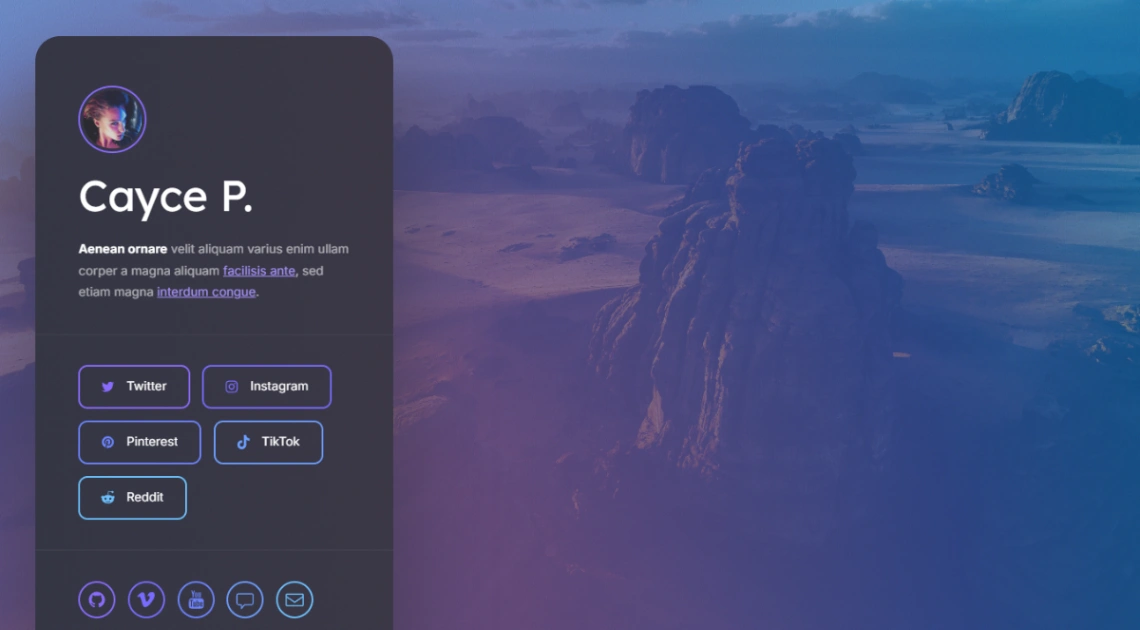
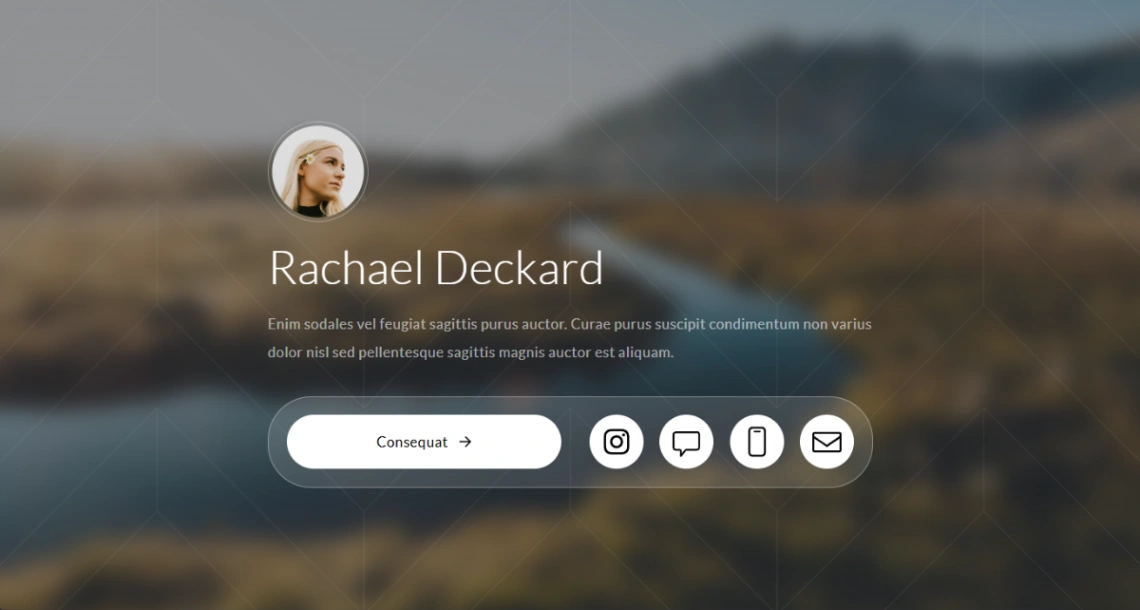
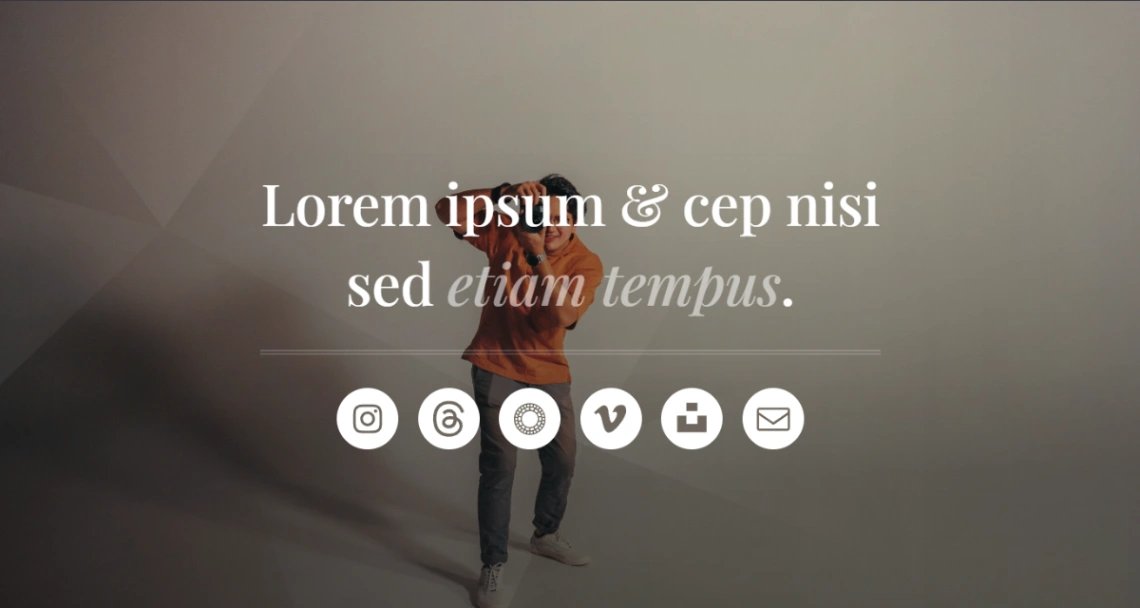
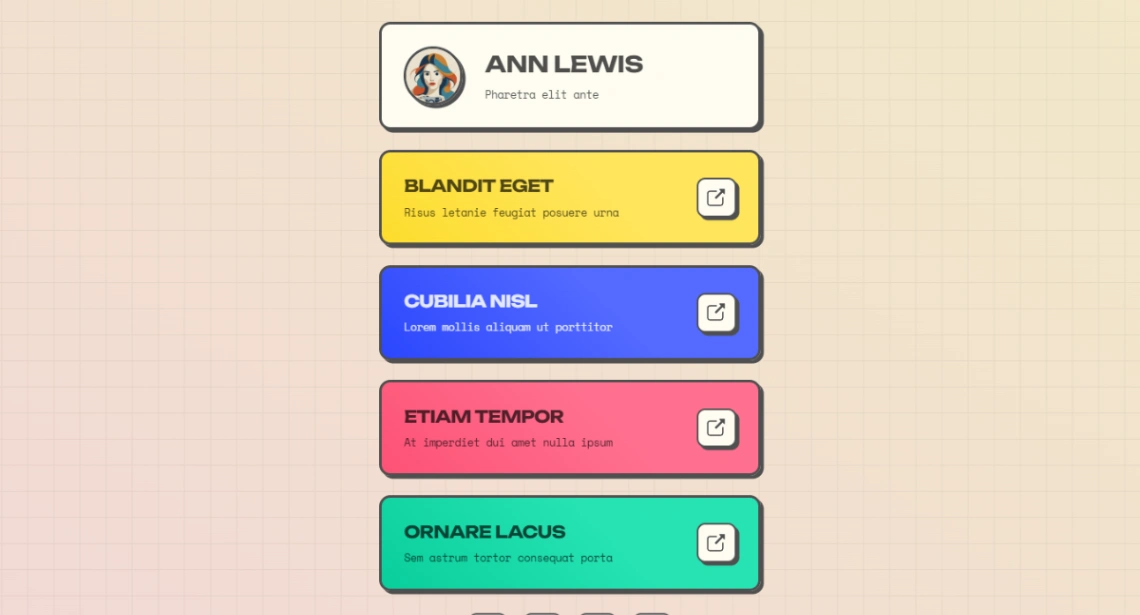
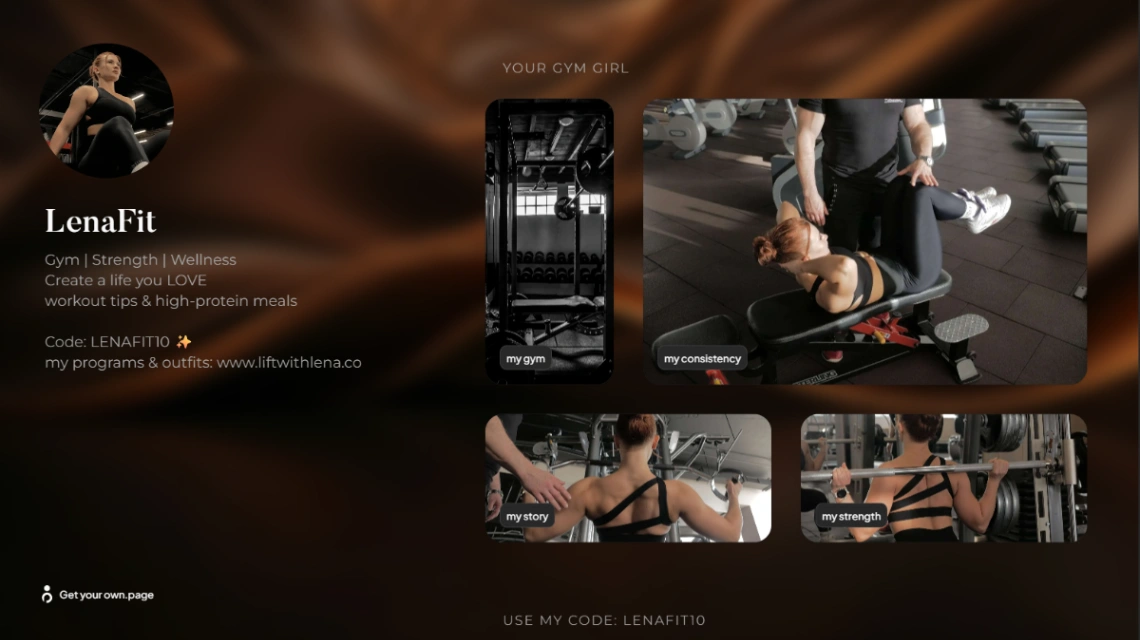
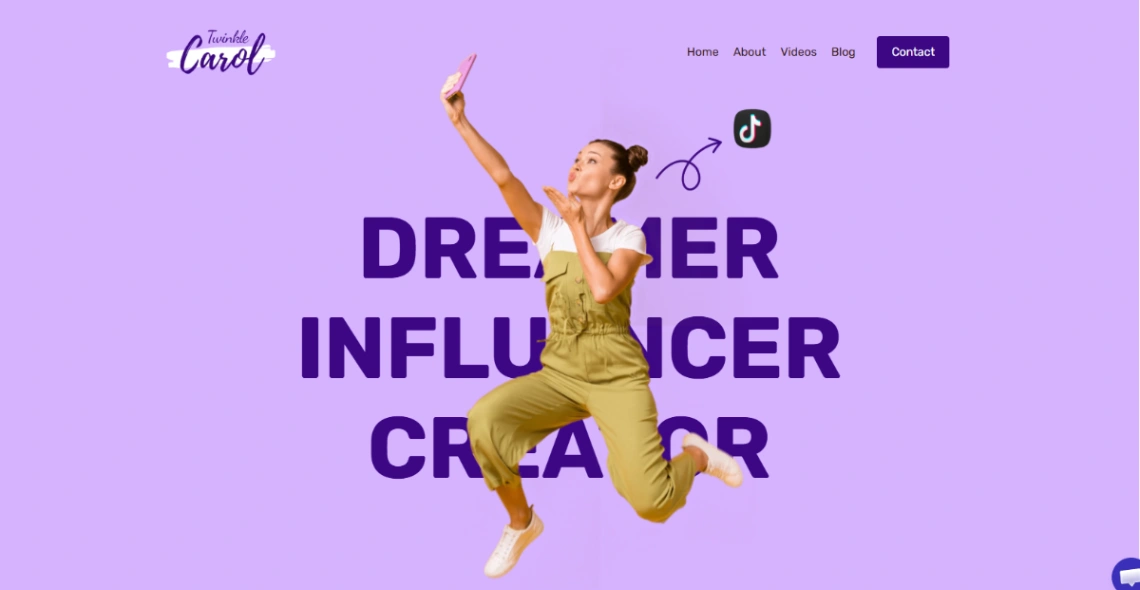
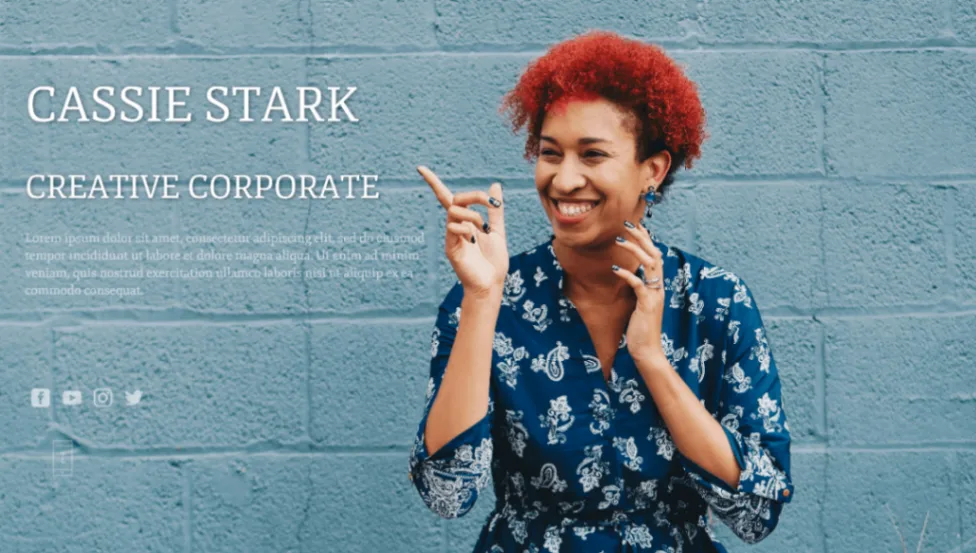
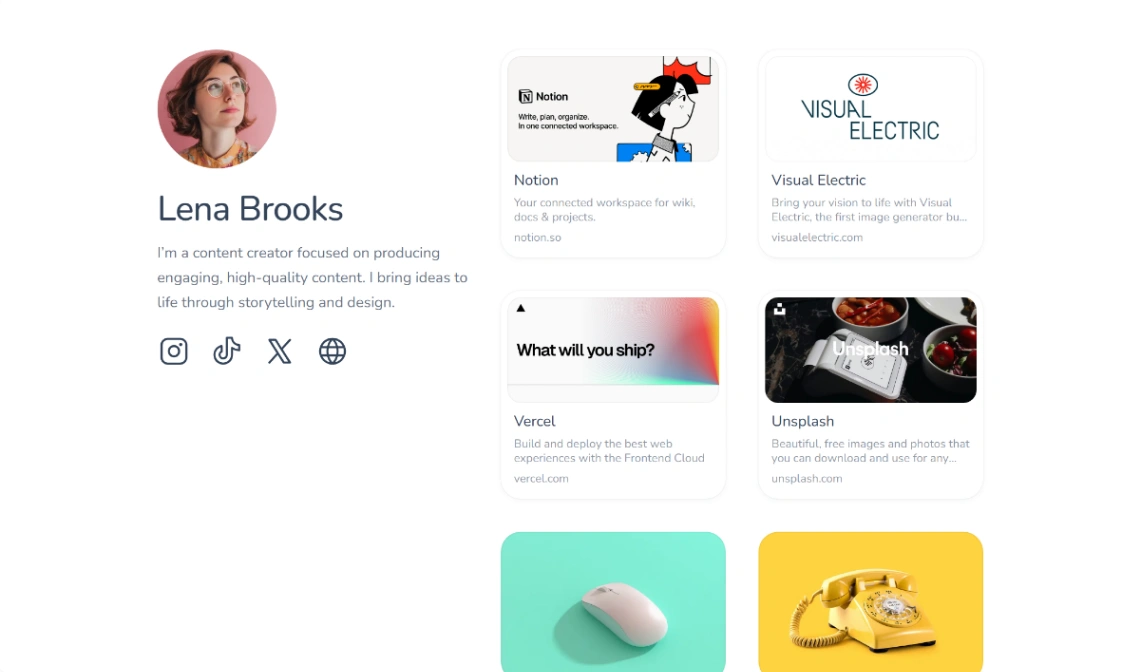
Brands don't buy followers; they buy evidence — and the website is where evidence lives in a form a marketing manager can forward to their boss. That's the real job of an influencer template: not another link hub, but the professional surface that turns DM interest into a brief with a budget. Build it for the person who has to justify hiring you.
Lead with proof that survives scrutiny. Audience size matters less than its shape — demographics, geography, engagement stated honestly — and past work matters most as case studies rather than logo walls: the brand, the brief, what you made, and what it did (views are fine; clicks, signups or sales are gold). Two collaborations told properly outsell twenty logos, because the manager reading can picture their own campaign in the structure.
State your rates posture, even if not your rates. "Partnerships from £X" or a deliverables menu ("one reel + three stories") filters the mismatched budgets before they cost you a call, and it signals you run this as a business — which is precisely what serious brands are screening for. The media-kit builders in the pinned picks keep this a live page rather than a PDF that's stale before it's opened.
Then make the funnel qualify for you: a partnership form asking brand, budget range, timeline and deliverables sought. It converts "let's collab! 💫" into briefs you can price, and its answers tell you which platforms and formats to double down on. The DMs stay for discovery; the website is where the deal starts.
FAQ